REVIEW · PALERMO
Palermo: the city from the sea
Book on GetYourGuide →Operated by SEICA BOAT · Bookable on GetYourGuide
Palermo looks different from the water. On a 3-hour Seica Boat ride, you get a front-row view of the coast plus a clear story of how Palermo became the all-port city it is today. What I like most is how the captain keeps everything comfortable, and how the tour ends with a real Palermitan aperitif.
The best part is the setting: you see landmarks like Castello Utveggio and Porta Felice from sea level, where details pop. The main thing to consider is the water moment: the chance to take a dip is weather permitting, so plan on using the towel either way.
In This Review
- Key highlights you’ll feel in Palermo’s best angle
- Why this Palermo sea tour works so well
- Getting on Seica Boat at Cala Marina
- The 3-hour sail: seeing “Panormus” in motion
- Castello Utveggio and Porta Felice: coastal landmarks with clarity
- Monte Pellegrino and Santa Rosalia: why the mountain matters from the sea
- Queen’s Caves: a stop that changes how you picture the coastline
- Tonnare Florio and Bordonaro: the coast’s working past
- Villa Igiea and the Palazzina dei Quattro Pizzi: wealth on the shoreline
- The aperitif: cannolo, almond pastries, Zibibbo, and Malvasia
- Can you take a dip, and what to bring?
- Price and value: is $101.96 worth it?
- Who this Palermo-from-the-sea tour suits best
- Quick comfort notes before you book
- Should you book this Palermo: the city from the sea tour?
- FAQ
- How long is the Palermo from the sea tour?
- Where does the tour depart from?
- How much does it cost?
- What’s included in the tour?
- Is the dip guaranteed?
- What should I bring?
- What languages are offered?
- What group size is this tour?
- Is the tour wheelchair accessible?
- What if my plans change?
Key highlights you’ll feel in Palermo’s best angle
- History “from the sea”: Panormus as a city desired, built, and rebuilt by many powers.
- Landmarks at eye level: views of Castello Utveggio and Porta Felice from the coast.
- Queen’s Caves and Monte Pellegrino connection: the story ties caves and the Santa Rosalia shrine into one route.
- Old coastal industry sites: you pass the Tonnare Florio and Bordonaro and understand why the sea mattered.
- Aperitif that tastes local: cannolo tasting, almond pastries, and sips of Zibibbo and Malvasia.
- Small group comfort (up to 6): fewer people means an easier, calmer ride.
Why this Palermo sea tour works so well
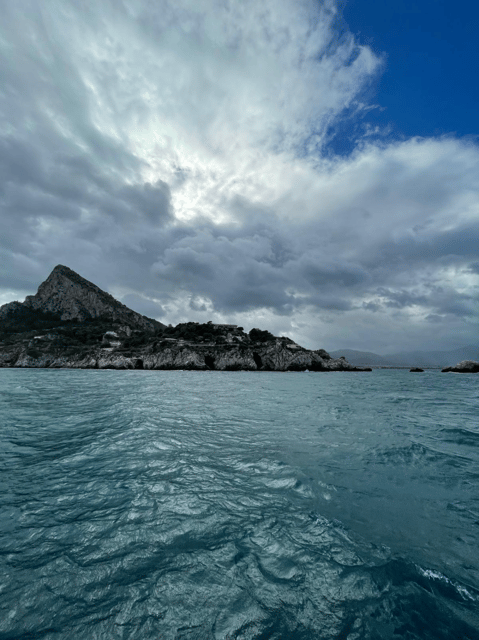
Palermo has layers. You see it in the buildings, sure. But from the water, the layers line up in a more logical way. You begin with Panormus, the name tied to an all-port identity, and you keep moving outward from there—Bronze Age settlements near Monte Pellegrino, then a long chain of arrivals and rulers across the Mediterranean.
This is not a “sit and stare” cruise. You’re moving, you’re looking, and you’re getting the “why” behind what you see. That matters, because Palermo’s coast isn’t random scenery. It’s the reason the city grew.
I also like that the pace is realistic. Three hours is enough time to get meaningful views and still end the experience with an aperitif rather than exhaustion.
You can also read our reviews of more city tours in Palermo

Getting on Seica Boat at Cala Marina
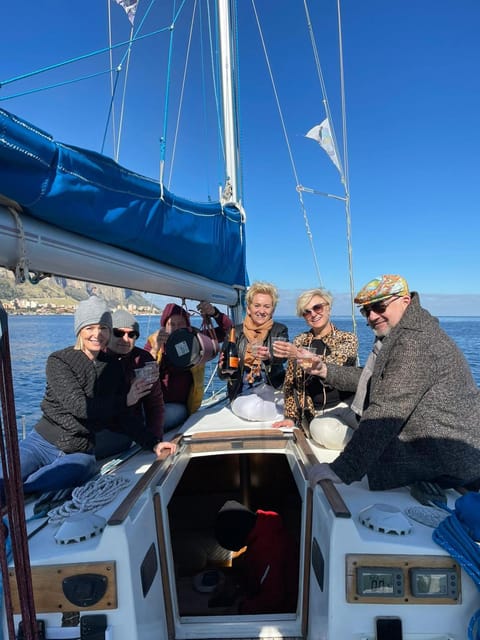
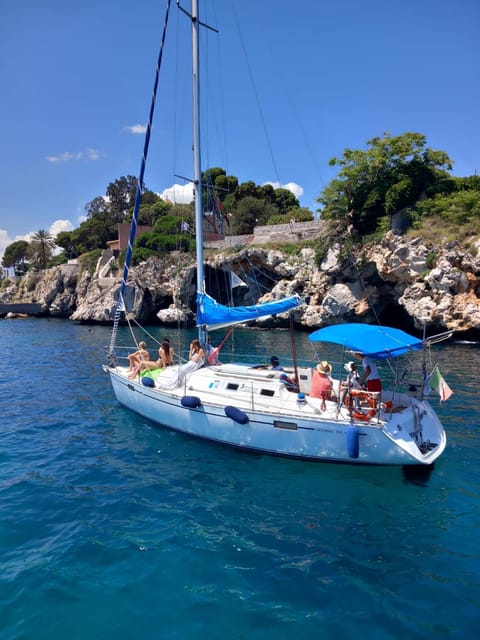
The tour departs daily from Cala marina, and you board the Seica boat at the start point. The group stays small (limited to 6 participants), which changes the vibe immediately. You’re not fighting for a good side of the boat or trying to hear over a crowd.
Language options are Italian and English, with an Italian/English host or greeter. That’s useful if you want a guided flow without losing the big points.
If you’re sensitive to sun or wind, this is one of those tours where your comfort starts before you leave the dock: think towel, and dress so you can handle a seaside breeze even if Palermo looks warm on land.
The 3-hour sail: seeing “Panormus” in motion
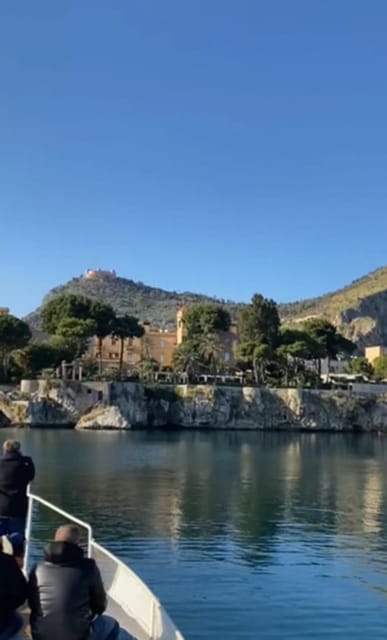
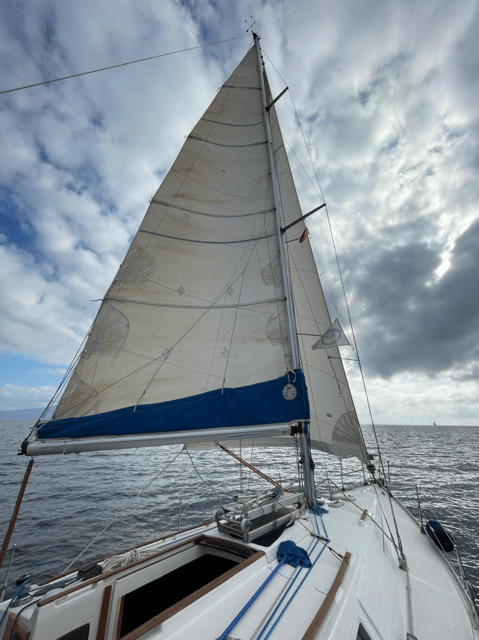
You’ll spend the bulk of the time sailing, and the core idea is simple: Palermo’s identity is tied to water access. The tour frames it as a city that has been desired and conquered for centuries because it connected people, trade, and power across the Mediterranean.
The story moves across time in a way that actually helps you look:
- Early settlers in the Bronze Age put down roots around Monte Pellegrino, home to the shrine of Santa Rosalia.
- Then come major waves of influence: Romans, Greeks, Byzantines, Phoenicians, followed later by Arabs, Spanish, and Normans.
Once you hear that sequence, you start noticing patterns in the shoreline views and the landmarks you’re passing. Even if you’re not a history person, the “who came and why” angle makes the coast feel less like scenery and more like evidence.
Castello Utveggio and Porta Felice: coastal landmarks with clarity
Two stops bring you the kind of views you can’t fake with photos taken from a bus stop.
Castello Utveggio appears as a strong presence along the coast. From the water, you see it in relation to the curve of the shore, which helps you understand how defensive structures and coastal sightlines worked. On land, castles can look like isolated monuments. At sea, they look like part of a system.
Then there’s Porta Felice, which is all about openings—how a city controls access and movement. From this angle, it’s easier to connect the landmark to Palermo’s idea of being an “all-port” city. It’s not only about the sea; it’s about what the sea delivered into the urban fabric.
If you enjoy architectural details, this section is where your eyes will work the most. Watch for how the coast and the buildings line up. That’s where the tour earns its money.
Monte Pellegrino and Santa Rosalia: why the mountain matters from the sea
Monte Pellegrino isn’t just a background hill. The route connects it to the shrine of Santa Rosalia, the patron saint of Palermo, located inside a cave at the top of the mountain.
Hearing that while you sail gives you a better sense of why this place has religious importance. The sea is your route. The mountain becomes the anchor. It’s a neat contrast: water as arrival and exchange, mountain as devotion and endurance.
This part also helps you understand Palermo’s long memory. When you learn that the earliest settlers put down roots on and around Monte Pellegrino, you stop thinking of the city as “modern with old bits.” You start seeing continuity.

Queen’s Caves: a stop that changes how you picture the coastline
You’ll see the Queen’s Caves (Le Grotte della Regina) from the tour route. Caves can sound like a generic attraction until you’re looking at them as part of the coastal story.
From the sea, caves and rocks feel less like a separate excursion and more like part of the same geography that shaped settlement and routes. Even if you don’t go ashore for this part (the tour is built around sea viewing), you still get a guided connection between natural formations and culture.
If you like “place-based” learning—where geography explains human choices—this stop will click. It’s one of the reasons the tour is more than just a sightseeing spin.
Tonnare Florio and Bordonaro: the coast’s working past
One of the most interesting segments is passing the Tonnare Florio and Bordonaro. These are named coastal sites tied to how people used the sea.
Here’s the value: it shifts your view from Palermo as a postcard city to Palermo as a working port city. The sea wasn’t only romantic. It supported livelihoods and production. That changes what you think you’re looking at when you see stretches of coast.
If you’re traveling with anyone who thinks boat tours are only about scenery, this is your “see, I told you” moment. The historical framing gives the coastline purpose.
Villa Igiea and the Palazzina dei Quattro Pizzi: wealth on the shoreline
You’ll also see Villa Igiea and the Palazzina dei Quattro Pizzi from the coastal route. These kinds of residences matter because they show the city’s relationship with the sea at different levels: not just trade and survival, but lifestyle and status.
From the water, these buildings aren’t just pretty structures. They’re set against the coastline in a way that tells you how people wanted to live with the view. You start understanding why the sea is a defining character in Palermo’s identity, not a side note.
If you love seeing how different eras use the same geography, this is a strong segment. It also helps balance the older parts of the story with something more recognizable visually.
The aperitif: cannolo, almond pastries, Zibibbo, and Malvasia
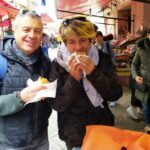
Let’s talk food, because this tour finishes in a very Palermitan way. After sailing, you’ll be offered a typical Palermitan aperitif with:
- Cannolo tasting
- Almond pastries
- Sips of wine including Zibibbo and Malvasia
This is good value, not just because it’s included. It also makes timing easy. Instead of searching for a bar or trying to coordinate dinner plans, you get a curated tasting moment right after the views. Your brain is still in “tour mode,” and you’re rewarded with flavors that match the region.
Also, the wine names matter here. Zibibbo and Malvasia aren’t random labels. They’re part of the Sicilian identity, and the tour gives you a taste experience without turning it into a long, formal tasting session.
If you’re the kind of traveler who likes small, meaningful food stops, you’ll appreciate this ending.
Can you take a dip, and what to bring?
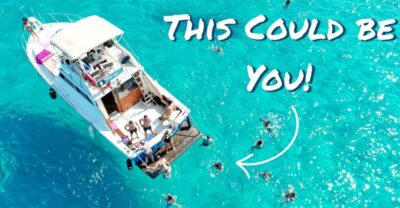
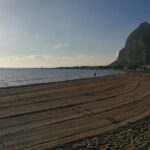
There’s a real possibility to take a dip, but it’s weather permitting. This is where you should keep expectations flexible. If the sea is calm and conditions are right, you get that extra “I’m really here” moment.
What you should bring is simple: a towel. That’s listed for a reason. You’ll be glad you packed one, even if you end up using it for drying off or just comfort.
Practical tip: pack your towel where it’s easy to grab. You don’t want to rummage while everyone is waiting.
Price and value: is $101.96 worth it?
The listed price is $101.96 per person for a 3-hour experience. On its face, that’s not cheap. But the value comes from what’s bundled into that time.
You’re getting:
- A city tour from the sea, including major landmarks and a structured historical explanation
- A local aperitif with cannolo tasting, almond pastries, and wine
- The potential for a dip, depending on weather
For many Palermo activities, you pay separately for a guided tour and then separately for food or drinks. Here, the drink-and-snack portion is built into the schedule. That turns the boat time into a full experience, not just a mode of transport.
Also, the small group cap at 6 participants helps justify the cost. Fewer people usually means more attention to comfort and smoother sightseeing.
If you’re comparing against a standard group cruise that doesn’t include food or that keeps you in the dark about what you’re seeing, this one reads as better value per hour.
Who this Palermo-from-the-sea tour suits best
I’d point you toward this tour if you want:
- A guided view of Palermo’s coast without walking hills
- A history story that explains why the city is the way it is
- A relaxed finish with a real Sicilian aperitif
It’s especially good for couples, first-time visitors, and anyone who’s short on time but still wants more than photos. If you like learning through context—seeing landmarks while hearing how different civilizations shaped the port—you’ll get a lot from it.
If your group is mainly there for a long swimming session, be aware the dip depends on conditions. This tour is built around the sea views and the aperitif, not a guaranteed water free-for-all.
Quick comfort notes before you book
This is a small-boat experience with a 3-hour duration. It’s also listed as wheelchair accessible, so it’s worth considering if mobility matters for your party.
The host or greeter works in Italian and English, which helps you follow the main points without guessing.
If your schedule is uncertain, the tour offers free cancellation up to 24 hours in advance for a full refund and also includes a reserve now & pay later option.
Should you book this Palermo: the city from the sea tour?
Book it if you want Palermo’s story told in a smart, visual way. The combination of sea-level landmark views, a focused narrative from Panormus through centuries of arrivals, and an included aperitif with cannolo and Sicilian wine is a strong mix.
Pass or look elsewhere if your top priority is something like a long, on-land sightseeing day or a fully guaranteed swimming session. This is a sea tour, so you’re committing to time on the water and the coast-first viewpoint.
If you’re deciding today, my advice is simple: if you like comfort, small groups, and a history explanation that matches what you’re seeing, this Palermo boat tour is the kind of plan that turns a half day into a memorable one.
FAQ
How long is the Palermo from the sea tour?
It runs for 3 hours.
Where does the tour depart from?
It departs from Cala marina.
How much does it cost?
The price is $101.96 per person.
What’s included in the tour?
Included are the city tour from the sea, an aperitif with local products, and the possibility of taking a dip.
Is the dip guaranteed?
No. The chance to take a dip is weather permitting.
What should I bring?
Bring a towel.
What languages are offered?
The host or greeter provides information in Italian and English.
What group size is this tour?
It’s a small group limited to 6 participants.
Is the tour wheelchair accessible?
Yes, the tour is listed as wheelchair accessible.
What if my plans change?
There is free cancellation up to 24 hours in advance for a full refund, and you can reserve now & pay later to stay flexible.