REVIEW · PALERMO
Palermo: Markets and Monuments City Center Walking Tour
Book on GetYourGuide →Operated by Cavallaro Fabrizio · Bookable on GetYourGuide
Palermo hits your senses in two hours. This is a city-center walk where Capo street market sights and sounds help you understand what makes Palermo feel like Palermo. It moves at a good pace, with a guide who explains the why behind the stone, not just the where.
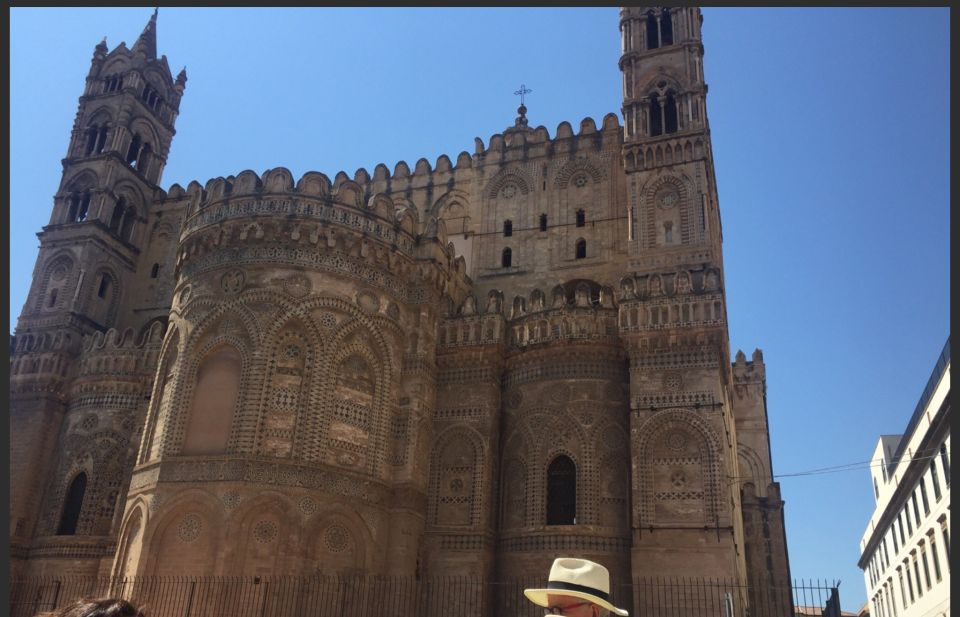
I especially like the chance to go inside Palermo Cathedral. You get the 12th-century story in person, plus the UNESCO context that actually makes the architecture click.
The main thing to plan for is practical: you need a cathedral dress code and the walk involves several stops, so comfortable shoes matter. Also, there’s no room for luggage or large bags.
In This Review
- Key things you’ll get from this tour
- Getting your bearings in central Palermo (and why this route works)
- Teatro Massimo: the opera house stop that gives Palermo a soundtrack
- Palermo Cathedral: the 12th-century interior you’ll want to dress for
- The Capo street market: what you should watch for (and what you can snack on)
- Chiesa del Gesù and Praetorian Palace: baroque power and Norman-era layers
- Piazza Pretoria and Fontana Pretoria: the “square of shame” detail you’ll remember
- Quattro Canti (Four Corners): why this intersection is the city’s photo magnet
- Bellini Square churches: San Cataldo and La Martorana (Norman Sicily era)
- Timing, pacing, and what the 2–3 hours feels like in real life
- Dress code, shoes, and the small stuff that can ruin a good walk
- Language and guide style: what you’re paying for besides the monuments
- Price and value check for $41 per person
- Who should book this Palermo walking tour (and who might skip it)
- Should you book? My practical call
- FAQ
- How long is the Palermo markets and monuments city center walking tour?
- What does the $41 price include?
- Where does the tour start and where does it end?
- Is there a dress code for Palermo Cathedral?
- Can I eat street food on this tour?
- What languages is the guide available in?
- Are luggage or large bags allowed?
Key things you’ll get from this tour
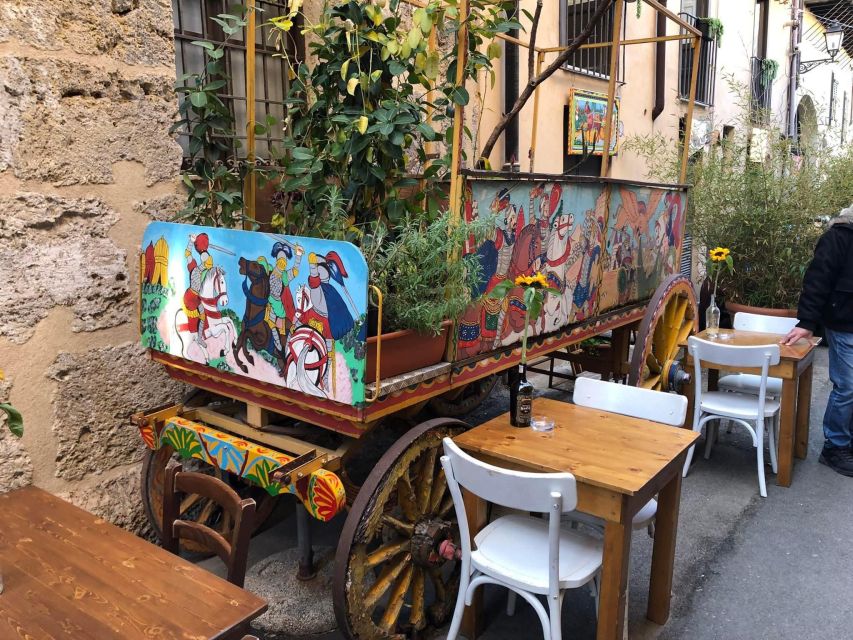
- Capo street market time: textiles, foods, and street life you can follow on foot
- Inside Palermo Cathedral: a 12th-century stop with UNESCO meaning
- Teatro Massimo context: Italy’s largest opera house and why people care about the acoustics
- Praetorian Palace and Fontana Pretoria: baroque power, plus the story behind Pretoria Square
- Bellini Square churches (San Cataldo and La Martorana): Norman Sicily-era highlights
- Quattro Canti finish at Via Maqueda: the “Four Corners” set-up you’ll recognize later
Getting your bearings in central Palermo (and why this route works)
This tour is built for orientation. You start near the center, then you’re guided through the big religious and civic landmarks that shape the city’s look and rhythm. By the time you reach the last corner at Quattro Canti, you’ll have a mental map you can use for your own wandering.
The walk is also paced so you can actually absorb details. You’re not just looking up at facades; you’re stopping long enough to get context, then moving on to the next cluster of sights.
And yes, Palermo is all senses. Between squares, churches, and the market streets, you’ll get that mix of voices, food smells, and everyday life that makes the center feel alive.
You can also read our reviews of more walking tours in Palermo
Teatro Massimo: the opera house stop that gives Palermo a soundtrack
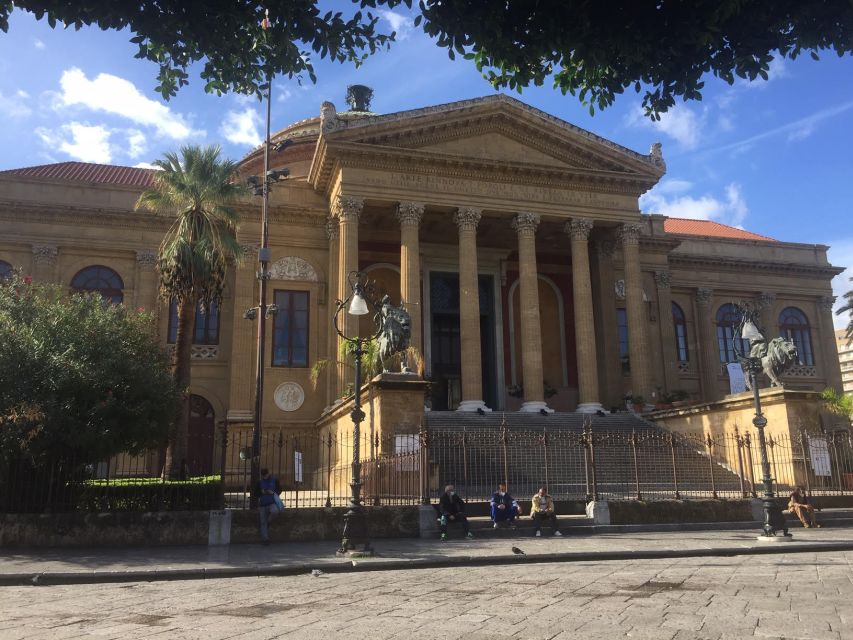
You’ll begin with Teatro Massimo, and it’s a smart opener. The guide points out why it’s famous: it’s described as Italy’s largest opera house, and people connect that reputation to its acoustics. That sets a theme for the rest of the tour—Palermo as a place where art and power share the same streets.
Even if opera isn’t your thing, this stop helps you notice how the city treats big cultural landmarks. You learn what to look for and what to listen for, which changes how you see the building once you’re done with the tour.
Palermo Cathedral: the 12th-century interior you’ll want to dress for
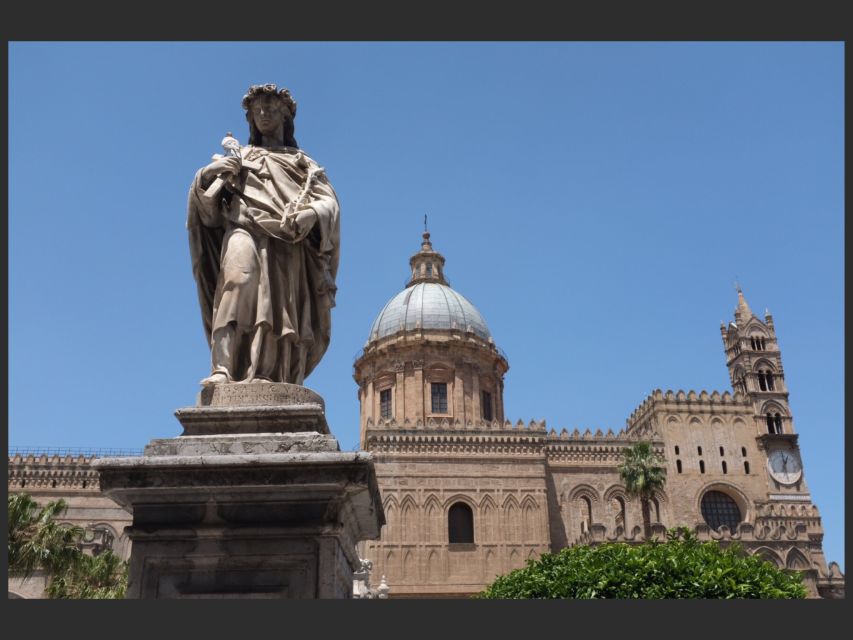
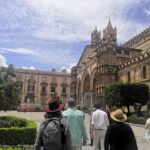
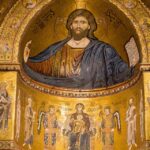
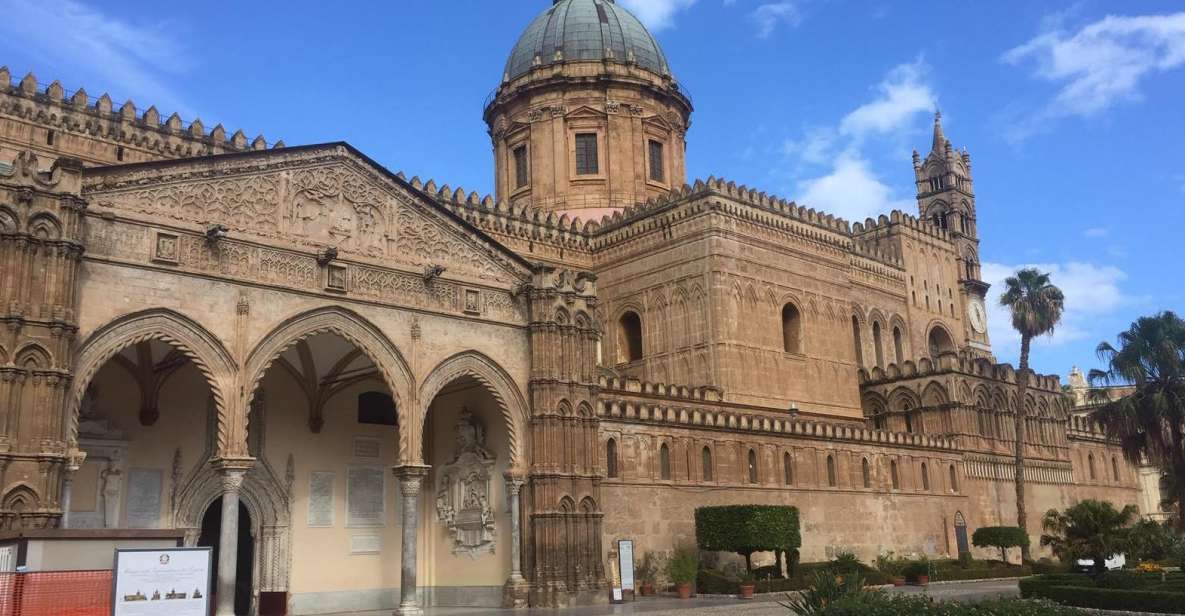
Palermo Cathedral is the moment where the tour earns its headline. You’ll enter and see it as more than a photo stop. It dates from the 12th century and is part of UNESCO’s World Heritage list, and the guide’s explanations make the site feel grounded instead of abstract.
Practical note: the cathedral dress code is real. Men can’t wear shorts or tank tops. Women can’t wear shorts, miniskirts, or tops. Bermuda shorts and t-shirts are allowed, so you don’t have to panic if your travel wardrobe is flexible.
If you show up underdressed, you can buy a light jacket at the entrance for 1€. That’s a lifesaver for shoulder-and-leg coverage when your plans are focused on day-to-day comfort.
The Capo street market: what you should watch for (and what you can snack on)
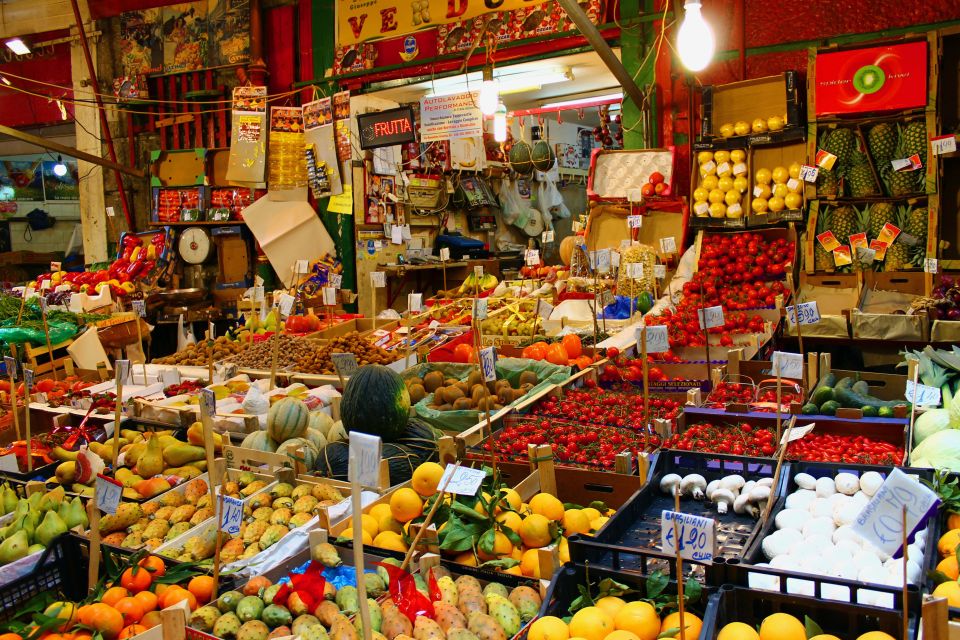
Capo is where the tour turns from monuments to daily life. You’ll walk through the famous street market area and be guided through the lanes where you can literally smell what people are buying.
This is one of the best parts because the guide helps you decode what you see. Instead of feeling like you’re just walking among stalls, you learn how the street market works: textiles, food counters, and the fast back-and-forth of people doing errands and eating on the go.
You also have a chance to buy and taste common Palermo street foods, including panelle, crocché, sfincione, and arancina. Food isn’t included in the tour price, but this is one of the easiest ways to try local specialties without guessing where to start.
Chiesa del Gesù and Praetorian Palace: baroque power and Norman-era layers
After the market, the tour shifts into the city’s monument core. You’ll see the Church of the Gesù, highlighted as one of Palermo’s most important Baroque churches. Then you’ll move to the Praetorian Palace, which is described as an outstanding 15th-century palace.
This combo works because it shows how Palermo’s layers stack. Religious architecture and civic architecture aren’t separate stories here—they overlap in style, ambition, and the way the city likes to display status.
The guide’s explanations matter most at stops like this. Without them, you might just register big churches and grand buildings. With them, you start to notice the details that reflect the era’s priorities.
You can also read our reviews of more city tours in Palermo


Piazza Pretoria and Fontana Pretoria: the “square of shame” detail you’ll remember
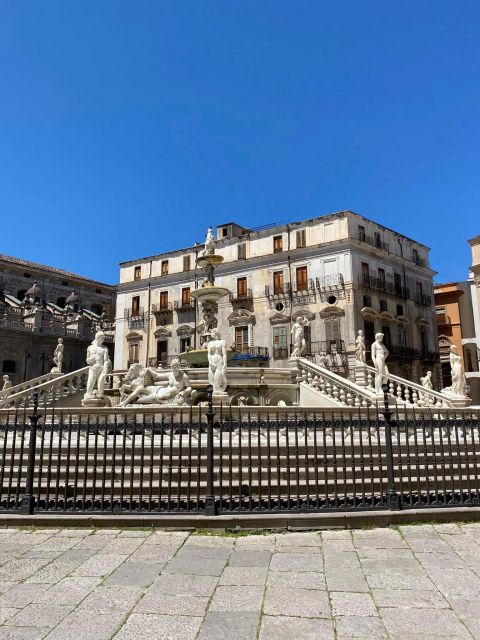
Pretoria Square gets its nickname for a reason, and you’ll hear it explained on the tour. Locals call it the square of shame due to the nudity of the fountain statues. Nearby, you’ll also visit Fontana Pretoria, which ties the story together visually.
This is a great stop because it’s specific. You can stand in the square and instantly see how the nickname fits the artwork. It also gives you a fun way to understand how Palermo isn’t afraid of bold choices, even when they’re controversial by today’s standards.
Quattro Canti (Four Corners): why this intersection is the city’s photo magnet
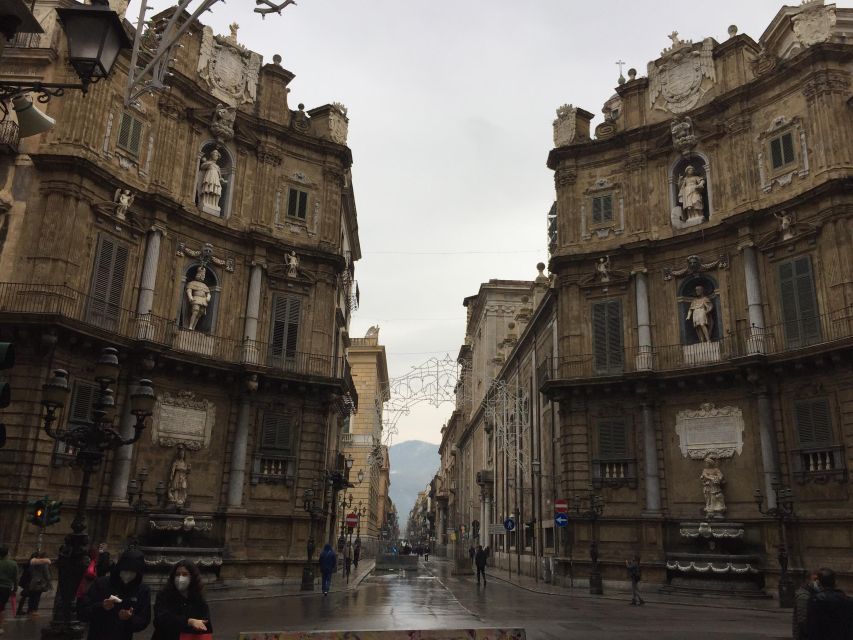
The tour ends in the historic center at Baroque Villena Square, also known as Quattro Canti or the Four Corners. You’ll learn that it was built in the early 1600s at the crossing of two major streets: Corso Vittorio Emanuele and Via Maqueda.
This stop matters beyond photos. Once you know the layout, the rest of the center becomes easier to navigate. You can look at the streets and understand how the main routes connect, which is exactly what you want after a guided walk.
If you’re planning to keep exploring after the tour, Quattro Canti is a strong landmark to anchor your route decisions.
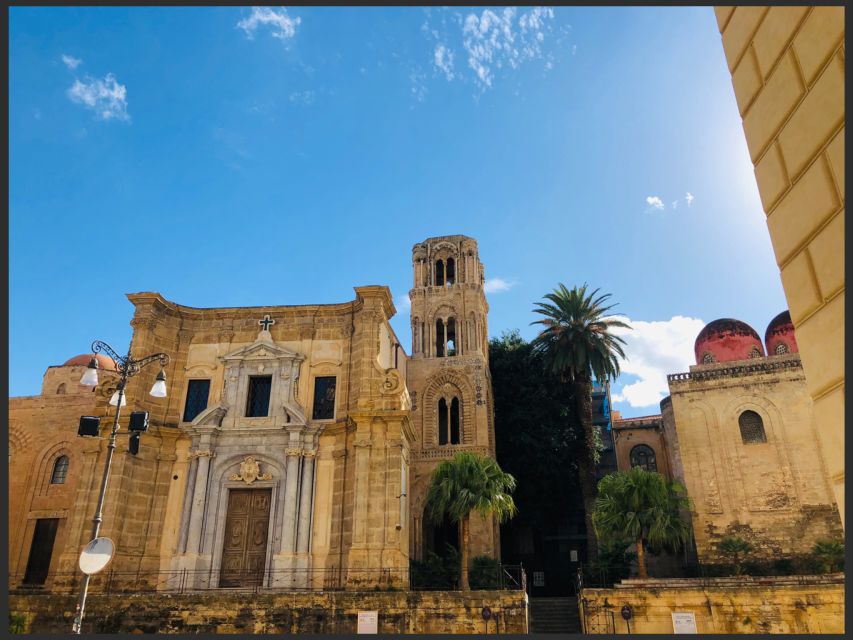
Bellini Square churches: San Cataldo and La Martorana (Norman Sicily era)
Next, you’ll reach Bellini Square. Two key Norman Sicily–era churches are part of this part of the walk: the Church of San Cataldo and the Martorana Church. Both are noted as UNESCO World Heritage sites.
These are the kinds of stops where the guide’s job really shows. Even if you’re not an architecture specialist, you’ll understand why these churches are repeatedly mentioned—because their styles represent a specific historical moment. You’ll also be in the right square to notice how the churches sit within the street life of the center.
Chiesa di Santa Caterina is also part of the route as a stop you’ll visit, and the tour includes some nearby passing points as the guide threads you through the central blocks.
Timing, pacing, and what the 2–3 hours feels like in real life
The tour runs 2–3 hours. That’s long enough to see multiple major landmarks, but short enough that you’re not stuck in a single long march all day.
You’ll spend time at key interiors like Palermo Cathedral, then you’ll move through streets and squares where you can see connections between sites. The market stop is the one that tends to slow things down in a good way. You’ll want a minute to look, and the guide keeps you from getting lost in the noise.
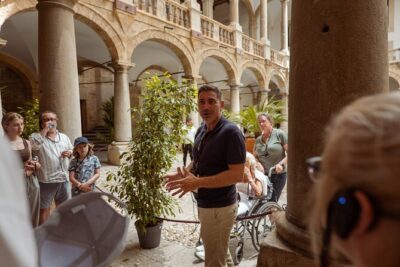
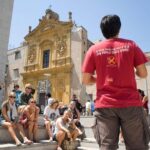
If you’re the type who likes to ask questions, this is a good fit. The guide, Fabrizio (Cavallaro Fabrizio), is described as prepared and available for curiosity, with explanations that don’t feel heavy.
Dress code, shoes, and the small stuff that can ruin a good walk
Comfort beats style here. Bring comfortable shoes and plan for a walking rhythm that expects you to stand and enter churches.
Then there’s the dress code reality. Palermo Cathedral requires coverage rules that are stricter than you might expect. If your outfit is borderline, it’s worth bringing a light layer so you’re not scrambling at the entrance. The good news is the 1€ jacket option exists at the cathedral, so you have a backup.
Also remember: no luggage or large bags. If you’ve got bulky items, you’ll want to rethink what you carry while doing the center on foot.
And bring your basics: snacks and water are specifically suggested. It’s a tour with enough movement that you’ll appreciate being prepared.
Language and guide style: what you’re paying for besides the monuments
The tour runs with a live guide who speaks Italian and English. That matters because church and art details can get lost fast if you can’t ask questions.
From the way the guide is described, the explanations land in the sweet spot: detailed enough to feel meaningful, but not so heavy that you tune out. Fabrizio is also described as helpful with tips on what to do and where to eat, which is exactly what you want at the end of a walking tour.
If you’re traveling solo, as a couple, or as part of a small group, this guide style can make the city feel more personal. You’re not just walking through points on a map—you’re learning how to read the city as you go.
Price and value check for $41 per person
At $41 per person, this isn’t a budget microscopic tour, but it’s also not a high-end private experience. The value comes from the mix of guided time plus an included entrance.
The big value point: entrance to Palermo Cathedral is included. Since cathedral entry is typically not free, that alone helps justify the price. You also get a professional guide for the whole time, which is what makes the route more than a checklist.
Food and drinks aren’t included, so if you want to eat street food, plan on paying for what you choose. The good part is that the tour puts you right where the local snacks are, including panelle, crocché, sfincione, and arancina.
There’s also a pickup option close to the port for cruise passengers. If you’re on a cruise day, that kind of start convenience can be a big deal.
Who should book this Palermo walking tour (and who might skip it)
I think this tour is a strong choice if you want a guided “center map” plus real sites. It’s especially good for first-time visitors who feel overwhelmed by Palermo’s streets and want help connecting landmarks with story.
It’s also a smart pick if you like markets. The Capo street market stop is a standout because it’s not just a quick glance—it’s built into the route with time to walk through and understand what you’re seeing.
You might skip it if you hate walking, you know you won’t comply with the cathedral dress rules, or you prefer to explore completely on your own with no guided context.
Should you book? My practical call
If you’re spending limited time in Palermo—especially if it’s your first visit—I’d book this tour. You’ll leave with a clearer sense of where things are and why they matter, and you’ll get a market-and-monuments blend that’s hard to replicate alone in a single outing.
If you’re already comfortable navigating the center and you’re confident visiting sites independently, you might not need the guide. But even then, the included Palermo Cathedral entrance and the specific stories tied to squares like Pretoria make it worth serious consideration.
FAQ
How long is the Palermo markets and monuments city center walking tour?
The tour runs for 2–3 hours.
What does the $41 price include?
You get a professional guide, entrance to Palermo Cathedral, and an option for pickup close to the port for cruise passengers.
Where does the tour start and where does it end?
The meeting point may vary by option booked. One listed starting option is Feltrinelli Librerie, Via Orologio, 11. The tour ends at Via Maqueda, 172, 90133 Palermo PA, Italy.
Is there a dress code for Palermo Cathedral?
Yes. Men cannot wear shorts or tank tops. Women cannot wear shorts, miniskirts, or tops. Bermuda shorts and t-shirts are allowed. You can buy a light jacket for 1€ at the cathedral entrance to cover shoulders and legs.
Can I eat street food on this tour?
Food and drinks are not included, but you can buy and taste popular street foods such as panelle, crocché, sfincione, and arancina.
What languages is the guide available in?
The live guide speaks Italian and English.
Are luggage or large bags allowed?
No. Luggage or large bags are not allowed.