REVIEW · PALERMO
Palermo, tour tra monumenti unici e mercati colorati
Book on GetYourGuide →Operated by Chiara M · Bookable on GetYourGuide
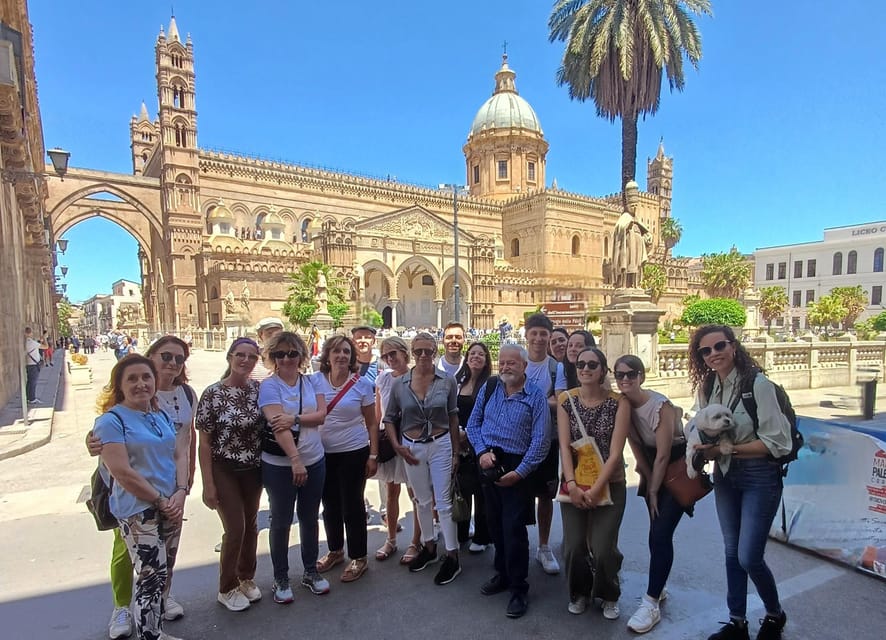
Palermo has a way of grabbing you fast. In just 3 hours, this walk strings together UNESCO architecture, street-life markets, and film-worthy squares, with stories that mix kings, saints, criminals, and even heroes. It’s led by a licensed local guide (often with names like Chiara M popping up for standout cathedrals narratives), so the history lands like it belongs to the street.
I especially like two things: the chance to see the Cathedral of Palermo inside with a clear guide, and the short break in Capo market for iconic street food like pane ca’ meusa, arancine, and panelle. The mix of monuments plus everyday smells and flavors makes the city feel real, not like a museum checklist.
One possible drawback to plan around: the tour is Italian-only, and food is not included—so if you don’t speak Italian well, or you want a full meal included, you’ll need to adjust expectations (and budget).
In This Review
- Key highlights you’ll actually feel on the walk
- A city built from layers, not straight lines
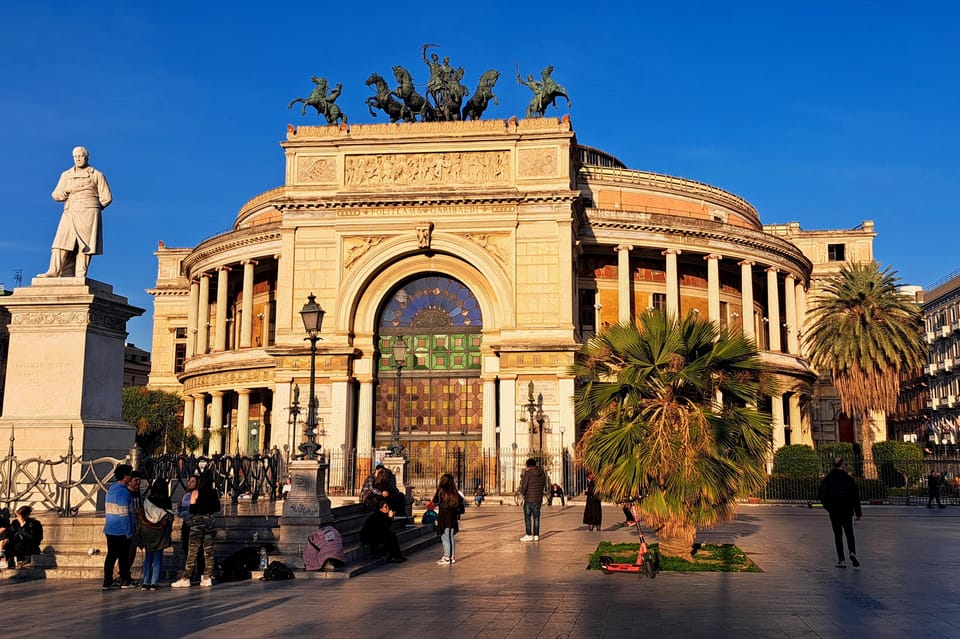
- Starting by Teatro Massimo and getting oriented fast
- Inside the Cathedral of Palermo: UNESCO architecture in human terms
- The Cathedral’s stories you’ll remember when you wander later
- Mercato del Capo: street food, Arab market energy, and real smells
- Fontana della Vergogna and Ballarò: symbolism next to everyday chaos
- Quattro Canti and Piazza Bellini: the film-set square payoff
- Price and value: what $35 gets you (and what you should budget)
- Who this tour is for (and who might prefer a different format)
- Practical ways to get the most from the walk
- Should you book Palermo monuments and markets right now?
- FAQ
- How long is the Palermo monuments and markets tour?
- What does the tour cost?
- What language is the tour conducted in?
- Where do we meet the guide?
- What’s included in the price?
- Is food or drinks included?
- Are entrance tickets to other monuments included?
- Is hotel pickup or drop-off included?
- Are there options to cancel or pay later?
Key highlights you’ll actually feel on the walk
- Cathedral access included: entry to the Cathedral of Palermo is free for your group.
- UNESCO architecture focus: Arab, Norman, and Gothic elements get explained in plain terms.
- Stories you can remember: kings, queens, saints, criminals, mafia, and heroes show up in the telling.
- Capo market street-food stop: the walk includes a short stop near the Arab market of Capo for street snacks.
- Ballarò area and Fontana della Vergogna: symbolism and local legend sit right next to chaotic market life.
- A good ending point for coffee: the tour finishes near Quattro Canti and close to Piazza Bellini, where a break makes sense.
A city built from layers, not straight lines
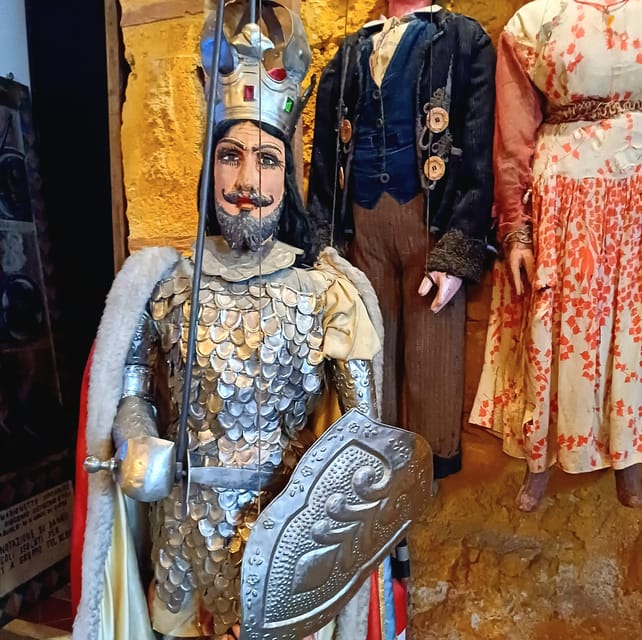
Palermo doesn’t move in tidy eras. It moves like a conversation—old empires, new rulers, religious power, street hustle, and the mafia era all share the same sidewalks. That’s what makes this tour work: you’re not just looking at stone. You’re learning how the city got its personality.
The best part is that the guide uses the monuments as clues. You hear how kings and queens shaped the power map, how saints and criminals shaped reputations, and how Palermo keeps showing up in films and novels as a ready-made backdrop. You start to understand why locals talk about places the way other cities talk about neighborhoods.
Also, the length is realistic. Three hours is enough time to see key sights without turning the day into a nonstop sprint. It’s a good “first pass” tour when you want bearings fast and still want to wander afterward.
You can also read our reviews of more tours and experiences in Palermo.
Starting by Teatro Massimo and getting oriented fast
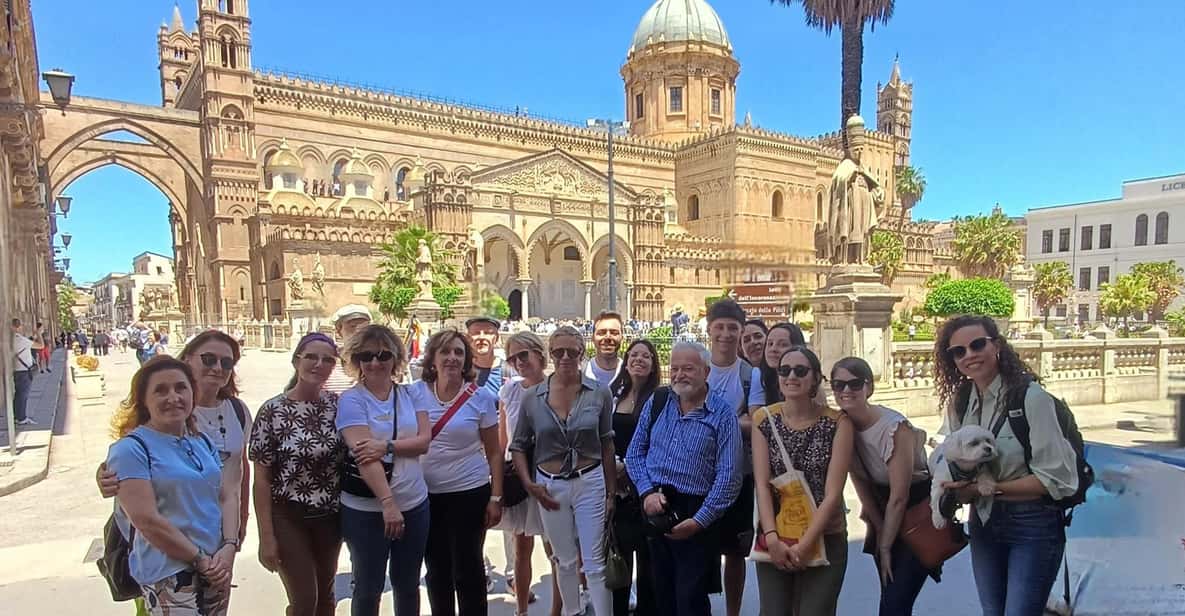
The tour begins right by Teatro Massimo’s orbit, with the meeting point set in front of Banca d’Italia. You’ll find your guide with a recognition badge, which is handy when the streets are busy and you’re looking for the right group.
This opening matters. Teatro Massimo is Palermo’s Belle Époque calling card, tied to wealth and prestige—especially through the legendary Florio family. That’s a smart way to start because it frames what you’ll see later: Palermo isn’t only religious and market-life. It also has grandeur, ambition, and the kind of money that attracts intrigue.
Before you get into the Cathedral proper, you’re already hearing the kind of details you can reuse while you explore on your own. The guide’s stories help you connect buildings you might otherwise walk past without noticing.
Inside the Cathedral of Palermo: UNESCO architecture in human terms
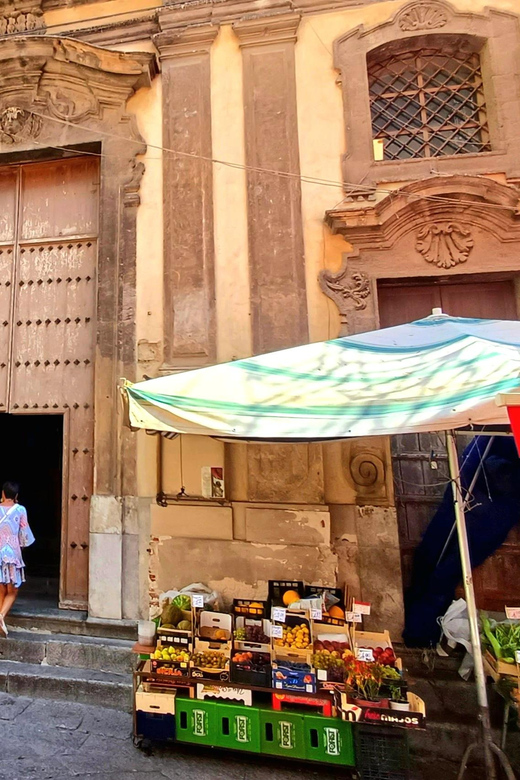
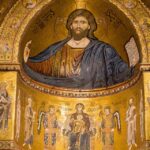
The heart of the tour is the Cathedral of Palermo, and this is where the included ticket becomes more than a line item. The guide takes you inside a UNESCO heritage landmark—one famous for blending Arab, Norman, and Gothic architecture.
What I like about this stop is that it’s not treated like a distant monument. The guide ties visual elements to people: the kings and queens who mattered here, the historical figures who passed through, and the shifting layers of influence. You’re not just hearing dates—you’re learning why those styles are there and how that mix reflects Palermo’s history.
Since entry is included, you avoid the common beginner problem: paying for the highlight and then losing time. You can keep the energy moving, and you don’t have to scramble around ticket timing before you reach the building.
Watch-out note: the tour is conducted in Italian. If you’re only a basic speaker, you’ll still likely appreciate the architecture and atmosphere, but the deeper storytelling will be harder to catch.
The Cathedral’s stories you’ll remember when you wander later
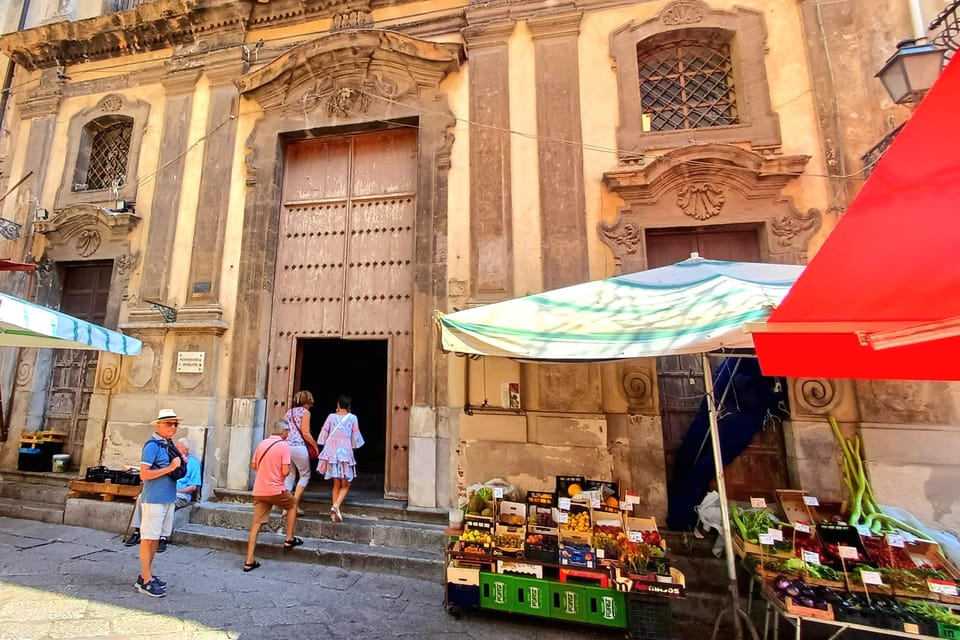
Once you’ve been inside, you’ll have a mental map. The guide’s mix of religious figures and political power gives you a way to “read” Palermo’s buildings after the tour ends.
Expect the storytelling to connect to larger themes: how Palermo produced figures of influence, how reputations were made and broken, and how the city’s myth-making works. Even the mafia-and-heroes angle isn’t presented as a rumor. It’s framed as part of the larger human drama that Palermo keeps living with.
This is the kind of stop that pays off later the same day. When you see churches and monasteries on the walk, you’ll understand what the guide meant about overlapping styles and shifting control. The Cathedral becomes a reference point, not just a one-off visit.
Mercato del Capo: street food, Arab market energy, and real smells
After the Cathedral, you move into the Mercato del Capo, known for its color and scents, and for its Arab-market roots. This is one of the tour’s smartest balances: monuments give you context, and the market gives you daily life.
You’ll get a short stop for street food right in the Capo area. The snack list is part of what makes Palermo taste like Palermo. Look out for:
- Pane ca’ meusa
- Arancine
- Panelle
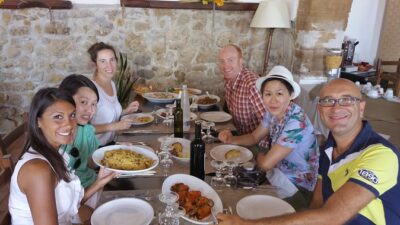
Even if you don’t eat all three, the point is to experience the rhythm of the place—hot, quick, and deeply local. The guide also uses the stop to explain what you’re seeing and how locals shop and eat around the same blocks where tourists take photos.
Important practical note: food and drinks are not included. So if you want this stop to be a big part of your budget, plan for it. But that also means you can eat what you like, at the pace you prefer.
Fontana della Vergogna and Ballarò: symbolism next to everyday chaos
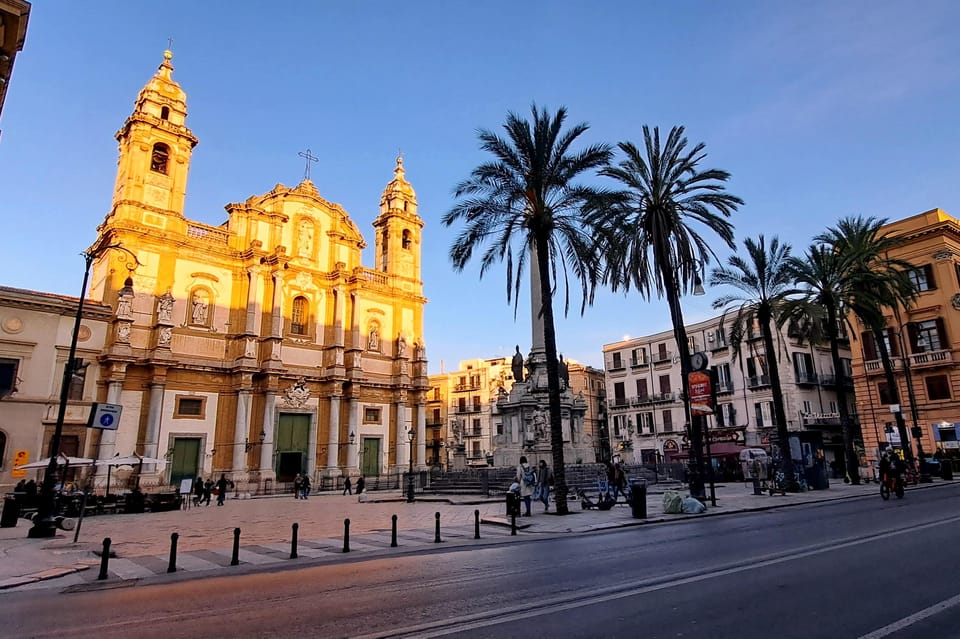
From Capo, the tour pushes toward Fontana della Vergogna, a sculptural fountain famous for symbolism and mystery. This stop is great because it’s not just aesthetic. The guide uses the fountain as a mini-story engine—something you can connect to how Palermo loves meaning in public spaces.
Right nearby is Ballarò, one of the city’s well-known markets, described as chaotic and fascinating. You don’t stay long enough to “shop the whole universe,” but you get enough of the atmosphere to understand the point: Palermo markets aren’t staged. They’re working places.
Along the way, you’ll pass monasteries, churches, and palaces. Even when you’re not stopping for long photos, the guide’s commentary turns those facades into useful clues. You start noticing patterns—how certain styles and powers were advertised, and how the city’s religious and civic buildings coexist with commerce.
This portion is where the tour earns its name: monuments plus markets, not one or the other.
Quattro Canti and Piazza Bellini: the film-set square payoff
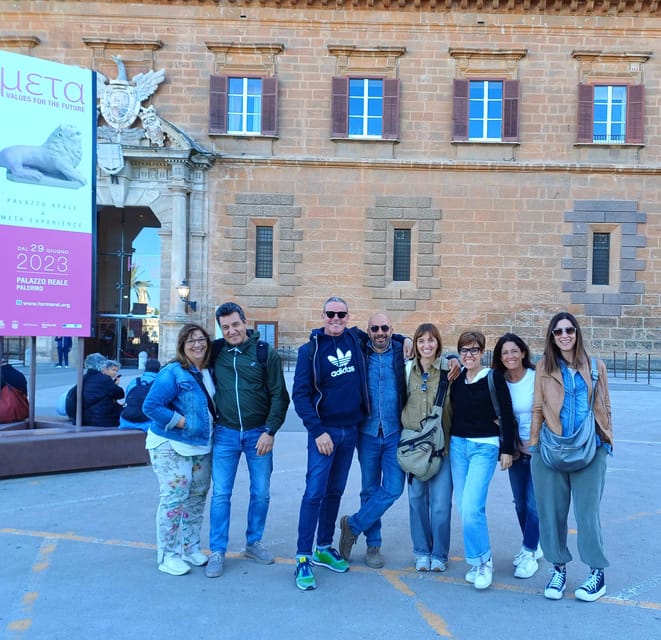
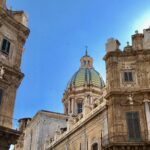
The walk ends at Quattro Canti, a striking square often used as a film set. It’s a satisfying final stop because it feels “composed,” almost theatrical—exactly the kind of location that makes Palermo an easy backdrop for stories.
Then you’re a short walk from Piazza Bellini, one of the most evocative squares in the city. The guide’s advice here is practical: take a break in a historic café and order one of Palermo’s best coffees (and just let the square do its work around you).
This ending is smart for two reasons:
- You finish at a place where you can keep exploring at your own pace.
- You get a clear next step—coffee, then wandering nearby streets with your new context.
If you’re short on time during your trip, this finish also makes it easier to plan a later meal without losing the whole afternoon to transportation.
Price and value: what $35 gets you (and what you should budget)
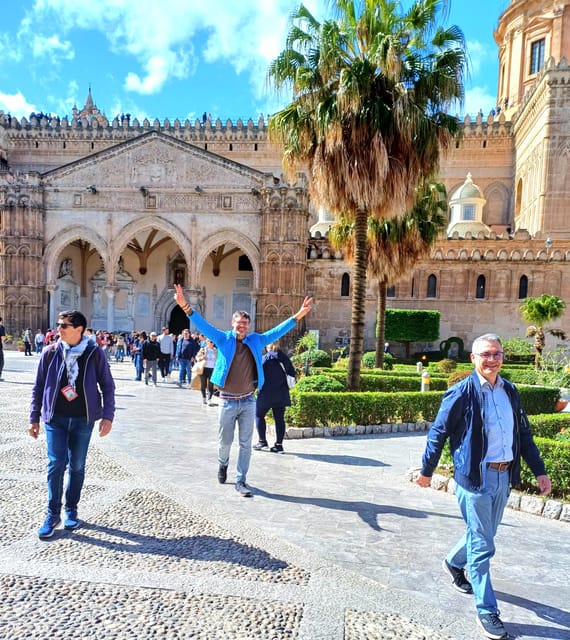
At $35 per person for a 3-hour guided walk, the value comes from three things.
First, the guide is a licensed local. That matters in Palermo because the best parts of the city are often the stories attached to buildings. Without an expert, you’d still see monuments, but you’d miss the connections.
Second, cathedral entry is included. Free access to a UNESCO site is a real perk. You’re not just getting “someone to point”—you’re getting an easier highlight.
Third, the tour includes the market atmosphere plus a street-food tasting-style stop. Since the food isn’t included, you’re still paying for your own snacks, but you get a guided “where and what” moment instead of guessing.
What you should budget on your side:
- Food and drinks during the Capo stop
- Any additional museum/monument tickets (if you choose to go further on your own afterward)
If you’re comparing tours, think of this one as a way to spend $35 on meaning rather than only entry fees. You’re buying a guided storyline that makes Palermo easier to navigate for the rest of your trip.
Who this tour is for (and who might prefer a different format)
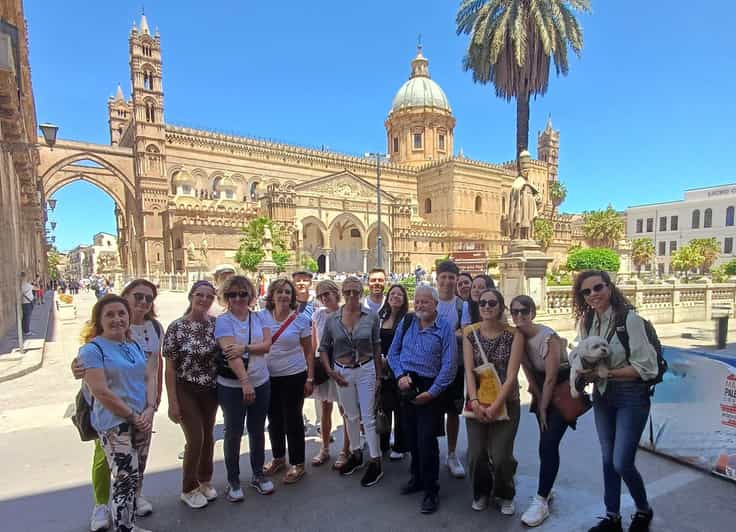
This works especially well if:
- It’s your first time in Palermo and you want the key sites in a concentrated walk
- You like tours where the guide connects history to street life
- You enjoy mixing monuments with markets and a realistic food stop
It may be less ideal if:
- You need an English-speaking guide. This one is Italian only, so your enjoyment will depend on your comfort with Italian.
- You want a tour where food is fully included. Here, the street-food moment is part of the experience, but the tour doesn’t include the cost of what you order.
- You prefer long time inside museums or churches. This is built for walking and seeing many key points in a short window.
One small improvement idea did appear in feedback: someone wished for more panoramic views, like rooftop access from the Cathedral area. That suggests this tour prioritizes guided context over extra viewpoint add-ons. If you know you want high city views, you may want a separate plan for that after the walking tour.
Practical ways to get the most from the walk
A good walking tour is as much about your prep as the guide. Here are the practical things that matter based on how this runs.
- Wear comfortable shoes. You’re moving through busy market streets and monument areas for about three hours.
- Plan for snacks costs. Food and drinks aren’t included, even though the Capo stop is a big part of the experience.
- Arrive on time at Banca d’Italia. Meeting at a major landmark helps you avoid delays, and the group needs to start the walk smoothly.
- Follow the story beats, not just the sights. The guide’s themes—kings, saints, criminals, mafia, heroes—are meant to help you connect later monuments you’ll see on your own.
And here’s a tip that keeps the tour from feeling rushed: after the Cathedral and the market stops, pause for a second at the street level. Palermo’s power is in details—signs, textures, the way people move. If you take a breath mid-walk, the final square payoff at Quattro Canti feels even better.
Should you book Palermo monuments and markets right now?
Yes—if you want a strong first overview of Palermo that mixes UNESCO architecture with market life and street food, this is a good bet. The Cathedral stop plus the guided storytelling is the big reason to choose it, and the Capo area gives you the everyday side of the city you won’t get from a pure “monuments only” route.
I’d hold off or look for another option if Italian language comfort is limited, or if you want food fully covered. In this tour, you’re in charge of what you order at Capo, and you’ll be relying on Italian for the deeper historical narration.
If you’re deciding between a generic sightseeing walk and this more story-driven monuments-and-markets approach, pick this one. Palermo is a city you understand by seeing how history sits next to lunch—and that’s exactly what this format is built for.
FAQ
How long is the Palermo monuments and markets tour?
The tour lasts 3 hours.
What does the tour cost?
It costs $35 per person.
What language is the tour conducted in?
The live tour guide offers the experience in Italian only.
Where do we meet the guide?
You meet in front of Banca d’Italia, and the guide has a recognition badge.
What’s included in the price?
A local, licensed guide is included, along with free entry to the Cathedral.
Is food or drinks included?
Food and drinks are not included.
Are entrance tickets to other monuments included?
Entrance tickets to museums and monuments are not included.
Is hotel pickup or drop-off included?
Hotel pickup and drop-off are not included.
Are there options to cancel or pay later?
There’s free cancellation up to 24 hours in advance for a full refund, and you can reserve now and pay later.