One walk, and Ragusa starts to make sense. I love that this tour gives you a smart orientation to Ragusa Ibla’s main landmarks, and I also like that the guide ties the sights to the city’s history as you go. The main thing to consider is that it’s a moderate-fitness stroll, so plan on comfortable shoes and steady walking for the full route.
It’s also priced like a “you’re paying for the thinking” experience: $150.37 per person for a short, guided loop, with the key stops listed as admission free. And with a maximum of 10 people, you’re not stuck in a crowd line just to hear a few facts.
Between the mobile ticket and the simple start/end setup, it’s the kind of tour that helps you get oriented fast—especially if you’re trying to figure out Ragusa Ibla’s lanes without losing time. Plus, guides in this format have a track record of being practical with real-life details like getting you pointed the right way.
In This Review
- Key Highlights You’ll Notice Right Away
- Ragusa Ibla’s Church Route: Why It Works as a First Introduction
- Price and Time: What You’re Really Paying For
- Giardini Iblei: A Garden Start That Makes the Town Less Intimidating
- Portale di San Giorgio: Spotting the Detail You’d Miss on Your Own
- Chiesa di San Giuseppe: Interiors Are Where the Story Becomes Clear
- Duomo di San Giorgio: The Longer Stop That Feels Like the Main Act
- Getting There: Giardino Ibleo Start Point and Ragusa Ibla Parking Reality
- English-Speaking Small Groups: Hear the Facts, Not Just the Stones
- Who Should Book This Ragusa Walking Tour?
- Quick FAQ (Direct, From the Tour Info)
- FAQ
- How long is the Ragusa Walking tour?
- What does it cost per person?
- Where does the tour start?
- Is the tour offered in English?
- How many people are in the group?
- Is the admission fee required at the stops?
- What fitness level do I need?
- Is there free cancellation?
- Should You Book This Ragusa Walking Tour?
Key Highlights You’ll Notice Right Away
- Giardini Iblei sets a calm pace with a garden start that’s perfect for photos and first impressions
- Portale di San Giorgio includes a standout 1440-built entrance that’s easier to spot when you know what you’re looking at
- Chiesa di San Giuseppe interior earns attention for how much you can see once the guide points out what matters
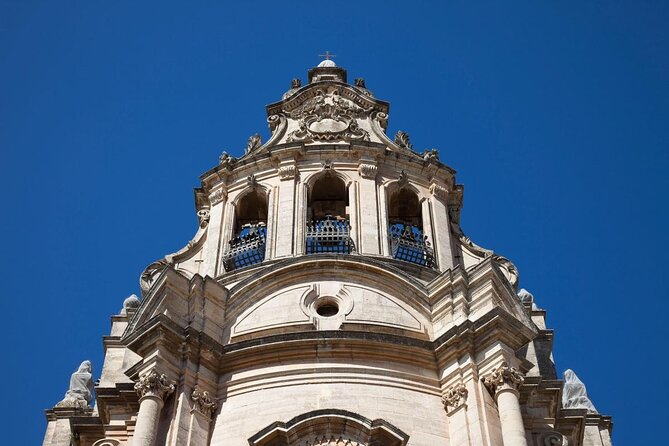
- Duomo di San Giorgio delivers the big church moment with a longer stop built in
- Small-group size (max 10) means you can actually hear answers instead of just listening to chatter
- English-speaking guidance keeps the story clear from stop to stop
Ragusa Ibla’s Church Route: Why It Works as a First Introduction
Ragusa Ibla can feel like a puzzle you don’t yet know how to solve. This walking tour is built to do that for you. The route focuses on the city’s religious architecture and major landmarks, which is a smart choice here because Ragusa’s look and identity are tied closely to its churches and the way the town grew around them.
What I like most is the pacing. You get a garden opening (easy, scenic), then you move into architectural details—portals, interiors—where a guide’s perspective really changes your experience. Instead of just snapping photos of stone, you start noticing how the buildings relate to each other and what specific features were built or preserved over time.
And because the max group size is 10, the guide can slow down when you’re staring upward. That matters in Ragusa Ibla, where the important details are often high, angled, or tucked into side views.
You can also read our reviews of more walking tours in Sicily


Price and Time: What You’re Really Paying For
At $150.37 per person for about 2 hours, this isn’t a “cheap stroll.” But you’re also not paying admission fees at the listed stops. The tour is essentially charging for the guide and for the time-savings of having a direct route through the core highlights.
Here’s the value logic I’d use if I were booking:
- You’re getting a guided introduction that helps you read Ragusa Ibla faster than wandering on your own.
- You’re visiting multiple major points without needing to figure out a route in advance.
- You’re spending only about 2 hours total, which is ideal if you’re juggling a day full of other plans.
Two small notes to keep expectations realistic. First, the walking time adds up: the stops include 30 minutes, 10 minutes, 15 minutes, and 30 minutes, with travel between them. Second, one of the best practical benefits is that guides often keep it flexible for questions—so it’s possible the experience can run a bit longer depending on the group.
Giardini Iblei: A Garden Start That Makes the Town Less Intimidating
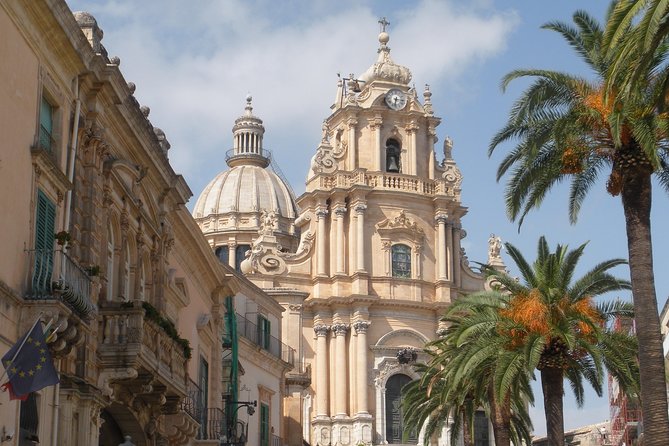
You begin at Giardino Ibleo (sometimes shown as Giardini Iblei), and that first step matters more than it sounds. Gardens give you a soft landing. Instead of launching straight into stonework and staircases, you’re warmed up with a pleasant walk and open views.
This is also where the tour starts earning its role as an orientation tool. You’re not yet deep in the tight lanes—so you get a better sense of how Ragusa Ibla’s “different levels” play out. You can take photos without constantly craning your neck while also trying not to trip over uneven ground.
Because the stop is listed as about 30 minutes and admission is free, you can use it like a buffer. If you’re arriving slightly late or still gathering your bearings, you’re not immediately rushed into the hardest part of the day.
Portale di San Giorgio: Spotting the Detail You’d Miss on Your Own
After the garden, the tour moves to the Portale di San Giorgio—an architectural moment that’s far easier to appreciate with context. This is described as the lateral entrance of the ex church of St. George, built in the 1440.
That “1440” detail is exactly what a guide helps you turn from trivia into meaning. Once you know it’s a lateral entrance of the old St. George church, you start seeing it as a clue to the city’s development. You’re not just looking at a doorway; you’re looking at how a major religious building once connected to the life of the town.
The time here is short—about 10 minutes. That’s not a flaw. It’s the right design when the goal is to show you the key landmark and keep the flow moving toward the interiors and the larger highlights.
Practical tip: if you’re the type who likes photographing stonework, give yourself space. Portale di San Giorgio is a “stand close, then step back” kind of stop, and you’ll get more from it if you don’t try to squeeze into someone else’s angle.
Chiesa di San Giuseppe: Interiors Are Where the Story Becomes Clear
Next is Chiesa di San Giuseppe, with about 15 minutes on site. The big promise here is the interior, and that’s where walking tours like this really pay off. Church exteriors can be gorgeous, but interiors are where you learn to see craftsmanship, layout, and intent.
If you care about understanding buildings (not only admiring them), this is a good moment to slow down. Spend your time looking at what the guide points out—because this stop is described as having an especially interesting interior, which usually means there are specific features worth noticing up close.
A helpful detail from strong guide feedback: Anna is specifically mentioned as having real depth on church history, and that kind of context tends to change how you experience a short interior stop. You go in not just to see, but to recognize.
Admission here is listed as free, so you’re not stuck feeling like you “must” rush because you already paid entry. Use the time for lingering eye-level details.


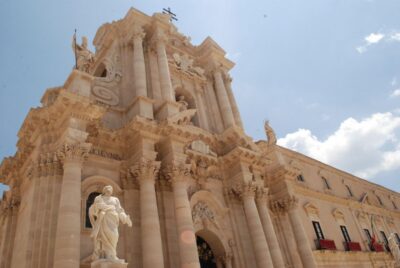
Duomo di San Giorgio: The Longer Stop That Feels Like the Main Act
Then comes the Duomo di San Giorgio, where the tour pauses for about 30 minutes. This is your bigger finale stop—long enough to look around, take photos without rushing, and absorb the guide’s story.
This is also one of the places where I think Ragusa visitors often realize the value of having a guide. Even if you’ve seen plenty of Italian churches before, the Duomo di San Giorgio in Ragusa Ibla is part of a larger local picture, and it helps to have someone connect it to what you saw earlier.
One of the standout pieces of feedback ties to a guide named Emilia, who reportedly showed almost the full city during a nearly three-hour outing, including the Catedral di San Giorgio. That’s not a guarantee that your tour will stretch that far—but it signals something important: with a capable guide and a small group, you can leave feeling like you truly got your bearings.
Practical expectation: a 30-minute church stop can still be intense if there are questions piling up or if you’re trying to photograph everything at once. My advice is simple—pick what you want most: overall interior views, or close details. Don’t try to do both in the same time window.
Getting There: Giardino Ibleo Start Point and Ragusa Ibla Parking Reality
The tour starts at Giardino Ibleo, 97100 Ragusa. It ends back at the meeting point, which is great if you want less stress at the end of your walk.
Now, Ragusa Ibla has a reputation for making parking tricky, and one review specifically called out that the guide helped with parking beforehand. That tells you what to do even if you’re coming by car: don’t treat parking as an afterthought. If you’re driving, plan extra time and consider asking for practical advice when you connect with your group or confirmation details.
If you’re walking from elsewhere in town, still be ready for uneven stone and narrow paths. The tour asks for moderate fitness, so you’ll likely handle stairs or small inclines. Nothing here screams extreme—but you’ll feel it in your legs if you’ve been sightseeing all day.
English-Speaking Small Groups: Hear the Facts, Not Just the Stones
This tour is offered in English and keeps the group small (maximum 10). In real terms, that means you’re more likely to get clear explanations rather than a one-way lecture while everyone hustles past the same spot.
I also like that the flow is built around distinct “moments” rather than a random walk. You start with the garden, hit the portal, then move into two church interior-focused stops, with the Duomo as the longer capstone. That structure makes it easier to remember what you saw and easier to decide what you might want to revisit later on your own.
If you enjoy photography, you’ll appreciate the variety. A garden gives you light and open space. Portals and facades give you texture and geometry. Interiors let you capture different moods—shadow, ornament, and the way the space frames worship.
Who Should Book This Ragusa Walking Tour?
This is a strong pick for:
- First-timers in Ragusa Ibla who want major landmarks in a short time
- People who like church architecture and want historical context, not just directions
- Travelers who prefer small groups so they can actually understand the guide
- Visitors who want a free-entry set of stops rather than adding paid museum fees
It may be less ideal if:
- You want a long, meandering tour with lots of free time to wander and stop whenever you want
- You’re looking for a purely outdoor route with no interiors at all
- Your mobility is limited and moderate walking/stairs will be a problem
If you’re building a day around photo stops and a city orientation walk, this hits a practical sweet spot.
Quick FAQ (Direct, From the Tour Info)
FAQ
How long is the Ragusa Walking tour?
It’s about 2 hours (approx.).
What does it cost per person?
The price is $150.37 per person.
Where does the tour start?
It starts at Giardino Ibleo, 97100 Ragusa, Italy.
Is the tour offered in English?
Yes. It’s offered in English.
How many people are in the group?
The maximum group size is 10 travelers.
Is the admission fee required at the stops?
The stops listed are marked Admission Ticket Free.
What fitness level do I need?
The tour is for travelers with a moderate physical fitness level.
Is there free cancellation?
Yes, free cancellation is available. You can cancel up to 24 hours in advance for a full refund.
Should You Book This Ragusa Walking Tour?
If you want the fast, guided version of Ragusa Ibla, I’d book it—especially because you get a focused set of landmarks in about 2 hours with no admission fees at the stops. It’s also a smart choice when you’re trying to understand why these churches and entrances matter, not just see them.
One last decision tip: if your priority is clarity and structure, this tour fits well. If your priority is a long, flexible day where you can roam at your own pace, you might pair this type of walk with extra self-guided time afterward. Either way, starting at Giardino Ibleo and ending back there keeps the logistics simple and the day moving.