REVIEW · SICILY
Sicilian cooking experience with a local chef
Book on Viator →Operated by Smile And Food · Bookable on Viator
Two hours, four Sicilian classics. This Siracusa cooking class is interesting because you start with a market walk and end with a shared lunch you made with your own hands. I love the small group format because you’re not stuck watching from the sidelines, and the chef keeps things practical and personal.
One possible drawback to plan for: for a class at this price, you might wish every single step felt 100% from scratch. A couple of key components can be prepared ahead for timing, and the schedule runs efficiently, so you’ll want to embrace the pace instead of expecting a slow, leisurely craft session.
In This Review
- Key things that make this class worth your time
- Where You Start in Siracusa: Largo XXV Luglio and the Market Rhythm
- Welcome Aperitif: Bruschetta, Cheese, Cold Cuts, and Sicilian Wine
- Making Tagliatelle and Ricotta Ravioli: What “Hands-On” Really Means
- Alla Norma Sauce: Fried Aubergines, Tomato, and Salted Ricotta
- Cannolo Workshop: Ricotta Cream and the Classic Finish
- Lunch at the Table: Sharing What You Cooked
- Price and Value: What $162.20 Buys in a 2-Hour Class
- Who This Class Is Best For in Syracuse
- Should You Book This Sicilian Cooking Class in Siracusa?
- FAQ
- How long is the cooking experience?
- Where does the class start?
- Does it end back at the same place?
- What language is the class offered in?
- How large is the group?
- What food and drink are included?
- Do you make fresh pasta and cannoli yourself?
- Is the experience done in a group setting?
- What if the weather is bad?
- Is cancellation free if plans change?
Key things that make this class worth your time
- Market samples plus real shopping before you cook anything
- Welcome aperitif with Sicilian wine and classic starters
- Fresh pasta prep focused on tagliatelle and ricotta ravioli
- Alla Norma sauce work with fried aubergines, tomato sauce, and salted ricotta
- Cannolo finale with ricotta cream
- Max 8 people in English for hands-on attention
Where You Start in Siracusa: Largo XXV Luglio and the Market Rhythm
The experience meets in Largo XXV Luglio, 13, 96100 Siracusa SR, and it runs about 2 hours total. Since you’re starting in the city center, it’s an easy fit even if you’ve already been walking around Syracuse. You’ll finish back at the meeting point, so you don’t have to solve transportation logistics after you’ve got flour on your hands.
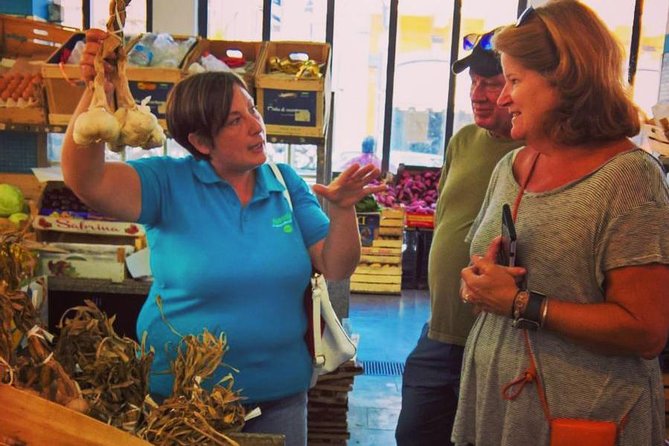
The market portion is a big part of the value, because it turns cooking from a generic demo into something grounded in what locals actually buy. I like that you don’t just taste a few things and leave. You get to walk the stalls, sample along the way, then pick ingredients to take into the kitchen.
In practice, this can mean tasting items like local cheeses, caponata, and even a ricotta croissant, plus a glass of wine as you move through the stalls. Then the shopping part can include ingredients the chef says are right for the day, such as fresh fish and seasonal vegetables. That mix matters because Sicilian cooking often changes with what’s available, and this class is trying to teach you that reality.
Tip: wear clothes you don’t mind getting a little messy. Market mornings can mean quick stops, bags, and handling ingredients, and you’ll be shifting right into cooking soon after.
You can also read our reviews of more cooking classes in Sicily
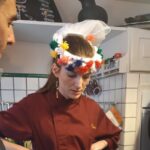
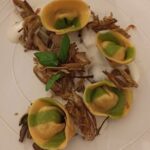
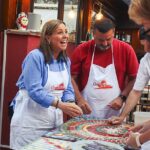
Welcome Aperitif: Bruschetta, Cheese, Cold Cuts, and Sicilian Wine
Right as you begin, you’ll get a welcome aperitif. This is where the class sets its tone: relaxed, food-first, and anchored in Sicilian favorites. You’re served bruschetta, cheeses, cold cuts, and a glass of Sicilian wine before you start making pasta.
I like this structure because it’s not wasted time. It gives you a chance to get oriented, meet the small group, and taste the flavors you’ll be cooking alongside. It also helps if you’re coming in hungry from walking. Once you’ve had a bit of wine and starter food, you’re ready for the hands-on portion without feeling rushed or shaky.
One consideration: alcohol is included via the wine, so plan your day accordingly. If you’re pairing this with other activities later, keep it light afterward and give yourself time to digest.
Making Tagliatelle and Ricotta Ravioli: What “Hands-On” Really Means
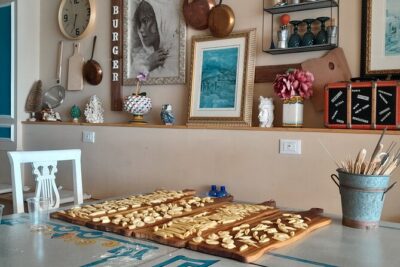
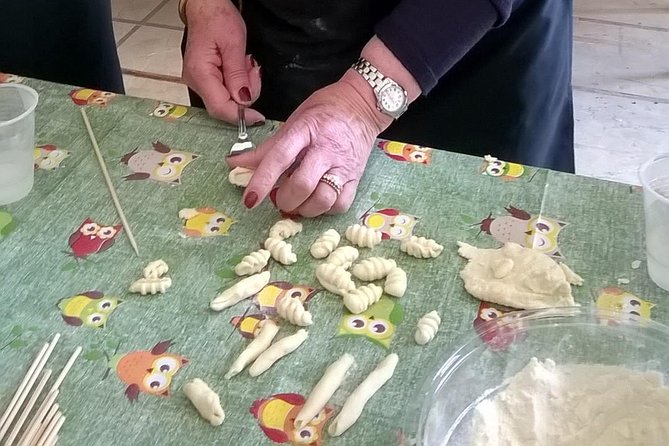
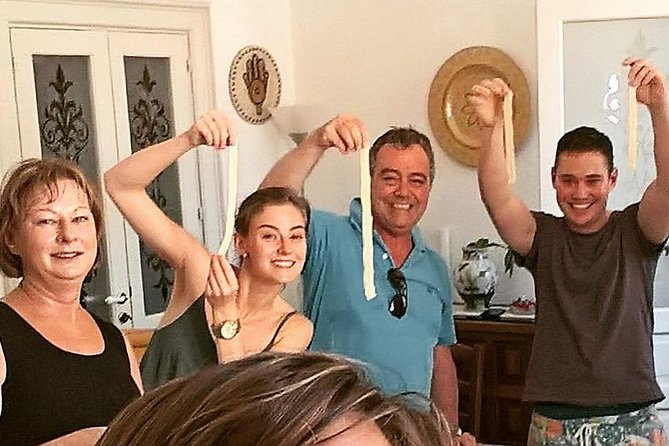
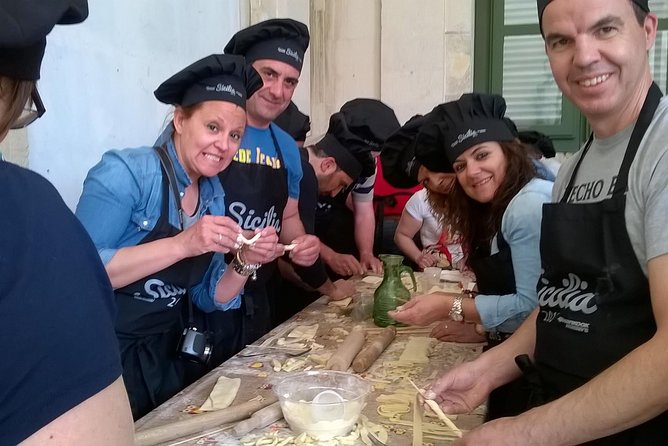
After the aperitif, you move into cooking. The focus is on fresh pasta, including tagliatelle and ricotta ravioli filled with ricotta. This is where the small group format pays off. With a maximum of 8 travelers, the chef can actually check your dough, correct your rolling, and help with shaping so it doesn’t turn into a flour-covered mystery.
For you, that means you’re not only watching someone else work. You’re learning the basics of pasta preparation: working dough, handling texture, and shaping portions. You’ll also get to participate in making the ricotta filling and assembling ravioli.
Now, about that “from scratch” expectation. The class description says you’ll prepare fresh pasta, and that’s the core idea. But a couple of people found that some dough components (or key preparations like shells) can be done ahead to keep the class on schedule. So, if you’re the type who wants every step to happen at your station, set your expectations to the reality of a timed experience. You can still get real hands-on time shaping and working, but you may not be in charge of every single prep step.
If you want the most satisfying hands-on moment, arrive with an open mindset. Pasta is easier when you don’t fight the clock. Let the chef guide you, then repeat the motions confidently.
Alla Norma Sauce: Fried Aubergines, Tomato, and Salted Ricotta
Next comes one of Sicily’s iconic combinations: Alla Norma. You’ll make it with fried aubergines, tomato sauce, and salted ricotta. This part is great because it teaches the logic of the dish, not just the ingredients.
Why this works: fried aubergines bring a deep, savory richness, while the tomato sauce adds brightness and sweetness. Then the salted ricotta gives you that salty edge that makes the whole thing feel balanced instead of heavy. The chef’s guidance here matters, because getting the aubergines properly cooked and pairing them with the right sauce consistency is the difference between “tasty” and “this tastes like I found a family recipe.”
You’ll likely build the sauce in stages during the class, then combine components so you can serve it as part of your lunch at the end. The goal isn’t complicated technique for its own sake. It’s a working kitchen approach: make components, bring them together, then eat.
Practical note: if you’re sensitive to fried food, this course includes fried aubergines. It’s central to the dish, so you can’t skip it without changing the menu. But the portion is part of a meal that also includes pasta and dessert, so it’s not just fried eggplant on its own.
Cannolo Workshop: Ricotta Cream and the Classic Finish
Every good Sicilian meal needs a sweet ending, and here it’s cannolo with ricotta cream. The class positions cannoli as the dessert you prepare before sharing the meal you made together.
In theory, you’ll be involved in the cannoli process, but again: timing matters in a two-hour block. Some people mentioned that certain elements, like the cannoli shell dough (and even parts of dough preparation), may be handled ahead of time. That can mean you spend more time assembling and finishing than making every element from raw start to finish.
Still, you’re not ending with a store-bought cookie. Cannoli is at the heart of Sicilian dessert culture, and in a class like this you should expect the cream and assembly to be guided in a way that feels hands-on at least for the key steps.
If you’re hoping for a full cannoli build where you do everything, consider sending a quick question to the provider before you go. You’ll get the clearest answer on what is prepared in advance versus what you’ll do at your station. For many people, the combination of pasta + Norma sauce + cannoli in one short class is exactly the right payoff, especially when you factor in the lunch sit-down at the end.






Lunch at the Table: Sharing What You Cooked
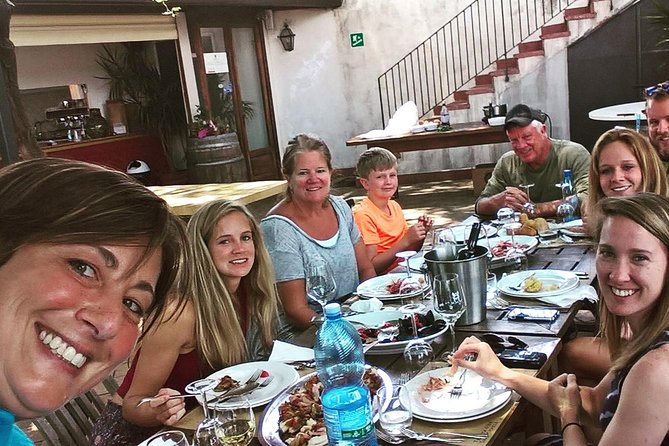
The class ends where it should: at the table. After cooking, you and your group share the dishes you prepared, and you enjoy your meal together. This is one of the best parts of the format because it ties everything into a payoff moment. You’re not just leaving with recipes in your head. You’re eating the result while it’s still fresh.
Your menu centers around the pasta and sauce you made, with cannoli as the dessert finale. You may also see a starter that includes fresh pasta and a Sicilian red vegetarian sauce, plus cannoli. Even if the exact order feels like part of the flow, the overall structure is consistent: aperitif first, pasta then sauce, dessert last, sit down and eat.
I find this helps you understand the food better. When you taste what you made in sequence—aperitivo flavors, then pasta, then Norma sauce, then cannoli—you start to see how Sicilian meals build momentum.
If you’re planning your day around this experience, treat it like your lunch. Add a light breakfast or a small snack beforehand, and then plan the rest of your afternoon for walking and digesting, not for another heavy meal.
Price and Value: What $162.20 Buys in a 2-Hour Class
At $162.20 per person, this isn’t a “quick hobby” price. You’re paying for several things at once: expert guidance, market time, ingredients, wine with the aperitif, and a full sit-down meal at the end. You’re also paying for the small group size, which reduces the usual class problem of being stuck behind other people’s elbows.
The real value comes from the combination. A basic cooking class might teach one dish. Here you get a package of Sicilian cooking touchpoints: fresh pasta, Alla Norma with fried aubergines and salted ricotta, and cannoli for dessert. Add the market walk and samples, and you’re learning how to think like a cook in the region, not just how to follow instructions for one recipe.
That said, if you’re the type who measures success by total hands-on “from scratch” control, this is the point to be honest with yourself. The class runs about two hours, and at least some prep may happen ahead of time to keep things moving. If you’re okay with that reality, the payoff feels strong. If you need to do every single step yourself, you may feel short-changed.
My practical advice: book it when you want an efficient, delicious lesson and a meal you’ll actually eat at the end. Don’t book it expecting a slow, workshop-style day.
Who This Class Is Best For in Syracuse
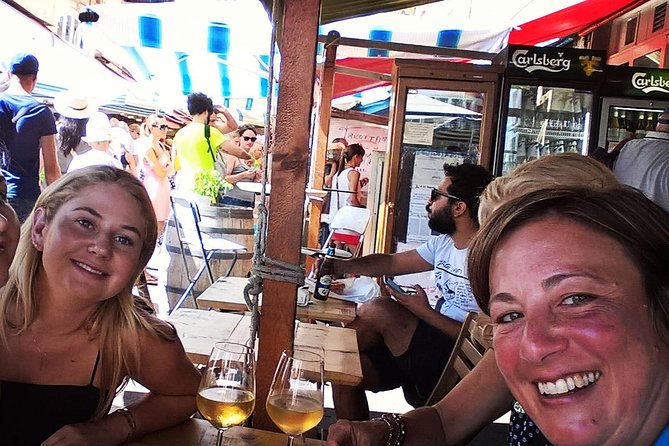
This one fits really well if you want a food experience that feels local and grounded. It’s also ideal for people who enjoy pairing cooking with a sense of place. The chef behind the experience is linked to Syracuse’s food world, including market experience and stories about the city, which helps you understand why certain ingredients show up and how they’re used.
It also makes a great choice for celebrations. If you’re going for a birthday or a special trip day, a small-group cooking class with lunch can feel more personal than a big group tour.
You should also like it if you want English instruction and a group small enough for questions. The class is offered in English, and the provider notes LIS translators. If you need service animals, they’re allowed here. The meeting point is also near public transportation, which matters in cities where parking and timing can get annoying.
On the flip side, this is less ideal if you want a long, slow culinary project or if you only enjoy cooking when you control everything end-to-end. The class is designed around flow and shared meal timing.
One more booking tip: it tends to be reserved well ahead. With an average booking window of about 96 days in advance, plan early so you get the date you want.
Should You Book This Sicilian Cooking Class in Siracusa?
Book it if you want a compact, high-satisfaction Sicilian food day: market samples and shopping, an aperitif with Sicilian wine, fresh pasta you shape, Alla Norma sauce with fried aubergines and salted ricotta, and a cannolo finish, then a table meal with what you made. The small group size and short duration make it a practical win when your time in Sicily is limited.
Skip it or at least ask questions first if you’re paying specifically for maximum “every step at your station” participation. Because the timing is tight, some prep can happen ahead, and the lesson may feel more like guided cooking than full DIY craft.
If you’re flexible and you like eating what you cook, this is exactly the kind of experience that makes a trip feel real.
FAQ
How long is the cooking experience?
It lasts about 2 hours.
Where does the class start?
The meeting point is Largo XXV Luglio, 13, 96100 Siracusa SR, Italy.
Does it end back at the same place?
Yes, the activity ends back at the meeting point.
What language is the class offered in?
The class is offered in English.
How large is the group?
The class has a maximum of 8 travelers.
What food and drink are included?
You start with a welcome aperitif (bruschetta, cheeses, cold cuts, and a glass of Sicilian wine), then you prepare fresh pasta and Alla Norma sauce, and finish with cannolo. You also share and eat the dishes you prepared.
Do you make fresh pasta and cannoli yourself?
You will prepare fresh pasta such as tagliatelle and ricotta ravioli, and you will prepare cannoli with ricotta cream. Some parts may be prepared in advance to keep the class on schedule.
Is the experience done in a group setting?
Yes, it runs in groups and includes a guided market walk.
What if the weather is bad?
The experience requires good weather. If it’s canceled due to poor weather, you’ll be offered a different date or a full refund.
Is cancellation free if plans change?
Free cancellation is available. You can cancel up to 24 hours in advance for a full refund.