REVIEW · CATANIA
Special trekking on the most authentic and wild side of Etna
Book on GetYourGuide →Operated by Guide Vulcanologiche Etna Nord · Bookable on GetYourGuide
That wild Etna feeling starts fast. This guided trek takes you up the north side—the less touristy, more fractured zone—so you can walk crater edges, see rifts and caves, and get real volcanology context from an authorized expert. I like the focus on hands-on geology (fractures, craters, lava features) and the strong guide-led safety plan that follows the official volcanic risk rules. The one real drawback: it can be dizzying and exposed, so if heights or tight spaces trigger anxiety, this is not the day for you.
What makes it especially interesting is the route logic. This tour is designed as a valid alternative when the Sommital Craters may be closed for volcanic risk, and it can still reach the highest safe point when summit areas are restricted. In other words, you’re not just buying a hike—you’re buying access to a carefully managed volcano experience.
You’ll also spend a big chunk of the time above town life, in the high-altitude “why does this place look like it does” zone. If you’re the type who wants to understand how Etna works (not just take photos), this is a very solid 4-hour format. It’s rated 4.9/5 based on 17 reviews.
In This Review
- Key reasons this Etna north trek is worth your time
- Wild North Etna: what makes this side feel less toured
- The 4×4 climb to the volcanological observatory (1800 to 2800 m)
- The first trek (2800 to ~2900 m): panoramic stop and summit views
- After the views: long north-crater walk toward Piano Provenzana
- What you actually get (and what you don’t): gear, pace, and safety
- Price and value: the guide fee versus the 4×4 vehicle payment
- Who should book this Etna north trek (and who should skip)
- Should you book this Etna North special trek?
- FAQ
- How long is the Etna north-side trek?
- What’s the meeting point?
- Do I need to pay extra for the 4×4 transport?
- Is equipment provided?
- Does the tour include food or drinks?
- What languages are the guides available in?
- What should I bring and wear?
- Who is this trek not suitable for?
Key reasons this Etna north trek is worth your time
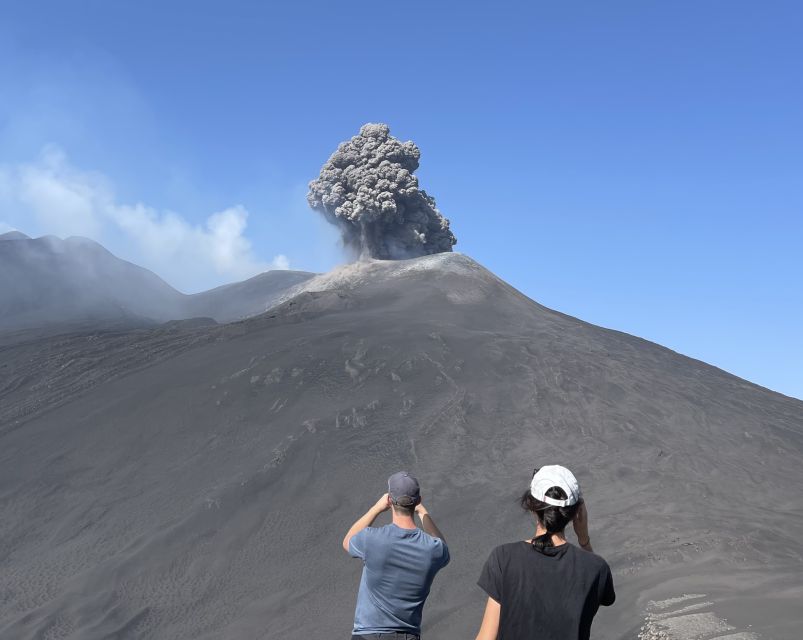
- Authorized volcanology guide + risk-based route: the plan is run under the required volcanic-risk limits.
- 4×4 altitude jump (1800 → 2800 m): you trade a long slog for science-heavy walking time instead.
- Panorama stop near 2900 m: views toward Taormina and the Aeolian Islands when visibility cooperates.
- Crater edge walking on the north slope: including explosive crater rims and ash slopes from lateral eruptions.
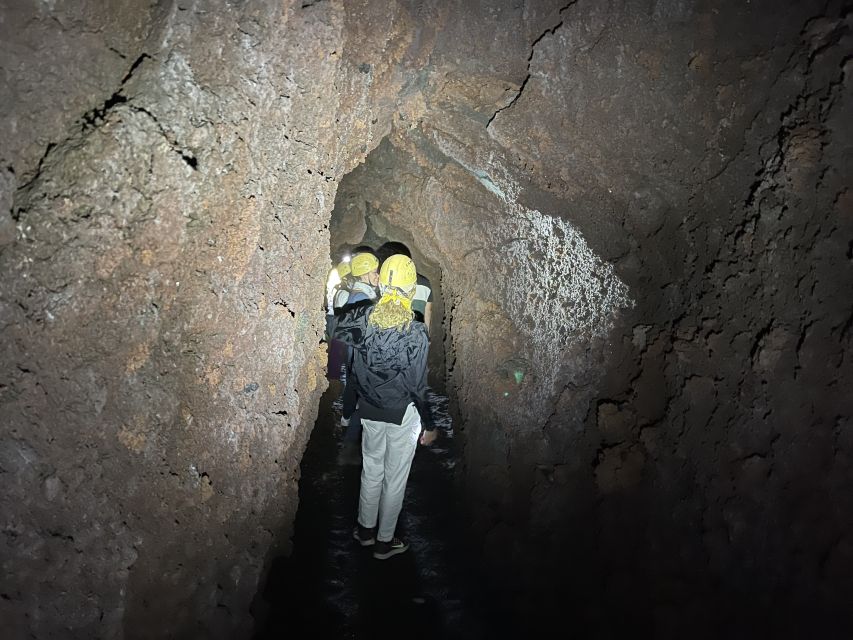
- Helmeted access inside a volcanic cone chimney: a rare chance to see eruption structures up close.
- Smaller-group approach: groups are arranged by language and participant numbers to avoid big crowds.
Wild North Etna: what makes this side feel less toured
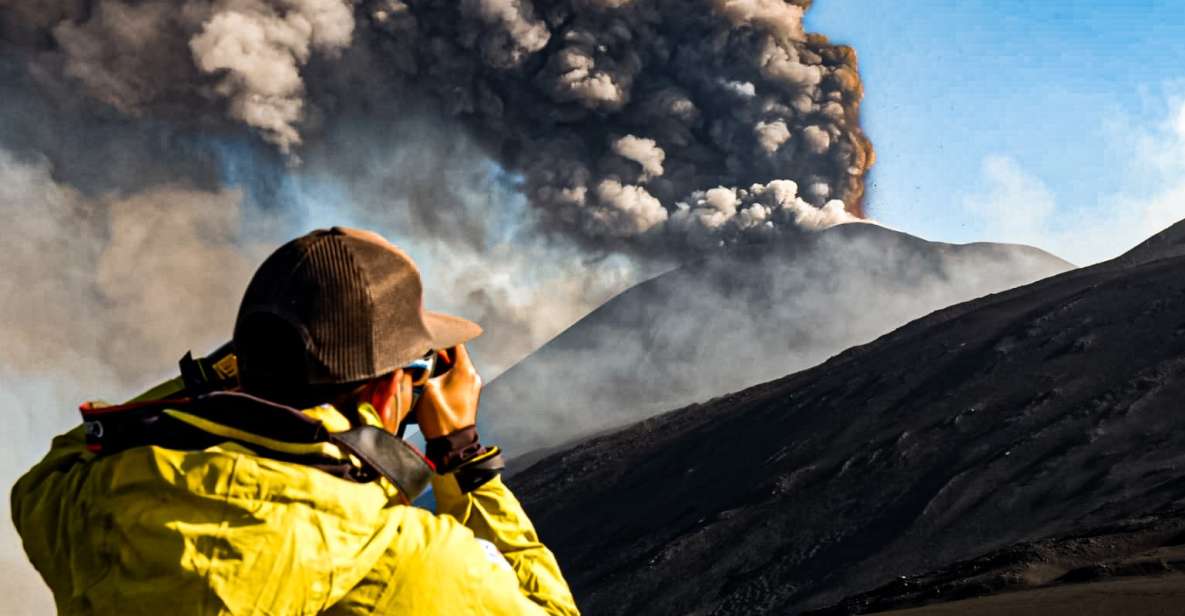
Most Etna visits focus on the most famous viewpoints. This one shifts your route north—where the mountain’s “fractured and restless” personality shows more clearly. You’re not just looking at craters from afar. You’re walking along edges, moving through zones tied to specific eruptions, and seeing how magma moved through Etna’s plumbing over time.
I also like how the tour is built around explanation, not just movement. The volcanological guide starts teaching while you’re still on the 4×4 vehicle, so by the time you’re standing at the first walking stop, you already know what you’re about to see: fractures, crater formations, and how different eruption styles leave different shapes.
There’s also an honest payoff for people who don’t want crowds. The tour distributes participants by language and group size to prevent large groups, which means you’re more likely to hear the guide and keep your footing without shoulder-to-shoulder stress.
You can also read our reviews of more hiking tours in Catania

The 4×4 climb to the volcanological observatory (1800 to 2800 m)
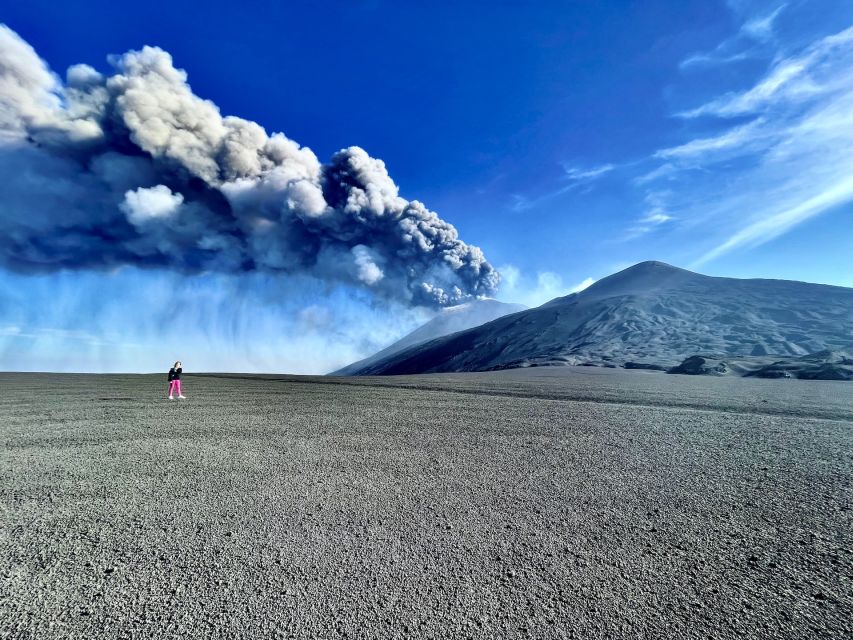
Your day begins near the Chiosco Bar Mareneve by the ski chairlift used in winter. It’s a practical meeting point, and I’d arrive a bit early so you’re not stressing over parking and the final walk to the pickup area.
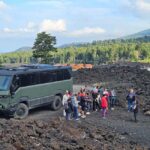
Then the tempo changes. You’ll ascend by special 4×4 vehicles from about 1800 meters up to about 2800 meters. That’s 8 km of road, but the point isn’t the road—it’s the altitude gain and the access. At these heights, the volcanic surface starts to look like a textbook page: broken rock lines, crater terrain, and the kind of “scar tissue” Etna leaves behind after eruptions.
Onboard, your volcanological guide gives the first round of context. The goal is simple: by the time you step out at altitude, you can connect the physical features around you to what the guide is explaining—rift zones, lava pathways, and why the north side looks different from more visited slopes.
You’ll reach the Volcanological Observatory at high altitude. That’s your “we’re in the right place” moment before the hike begins. Even if you’re not a science person, it helps to be oriented at the start—this is a guided tour, but it still pays to understand what “stage” of the volcano you’re in.
The first trek (2800 to ~2900 m): panoramic stop and summit views
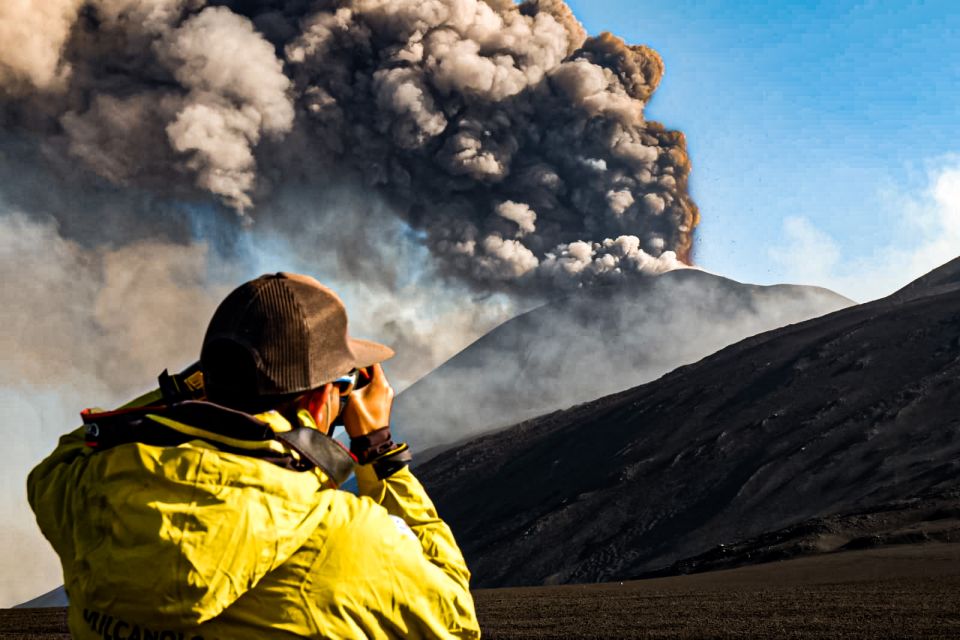
After you arrive at the observatory area, you start your first hike segment from about 2800 meters to around 2900 meters. This part is shorter than the main crater walk, but it’s a big deal because it gives you a clear overview.
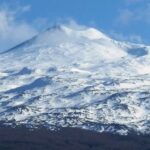
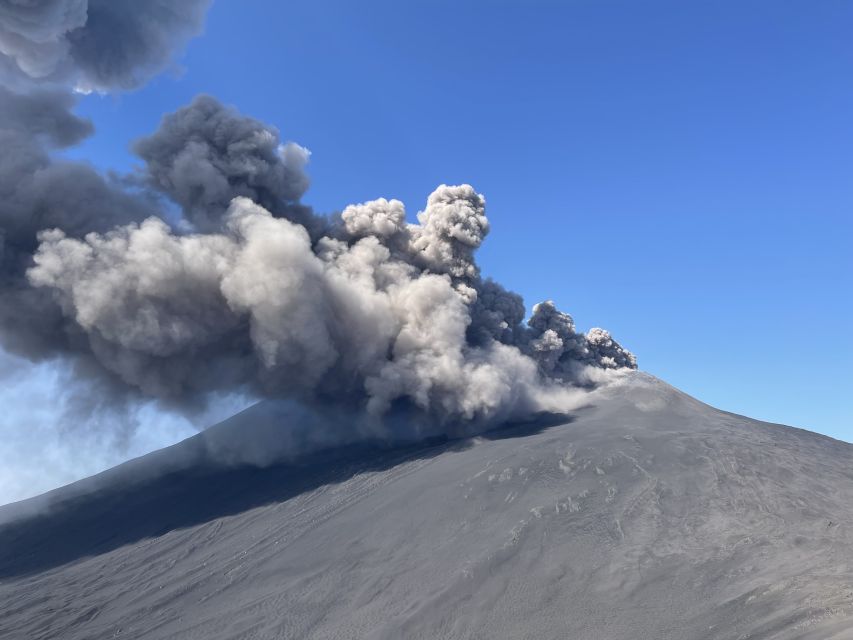
You stop at a panoramic point and take in the summit craters, recent lava flows, and a big-picture view over Sicily. When the weather cooperates, you can also see toward Taormina and the Aeolian Islands. Visibility is variable, so I’d mentally plan for “best effort views” rather than expecting a postcard every time.
This stop also matters because it helps you understand scale. Etna looks different once you’ve actually been walking on its surfaces for a bit. From that higher rim area, you can see how crater fields and lava channels relate to each other. It’s also the moment where you’ll feel the altitude, wind, and exposure more strongly—bring the warm layers and sunglasses seriously.
After the views: long north-crater walk toward Piano Provenzana
Next you head back to the 4×4 for transport around the north slope, then the longest trek begins on foot. This is where the tour earns its “wild side” reputation.
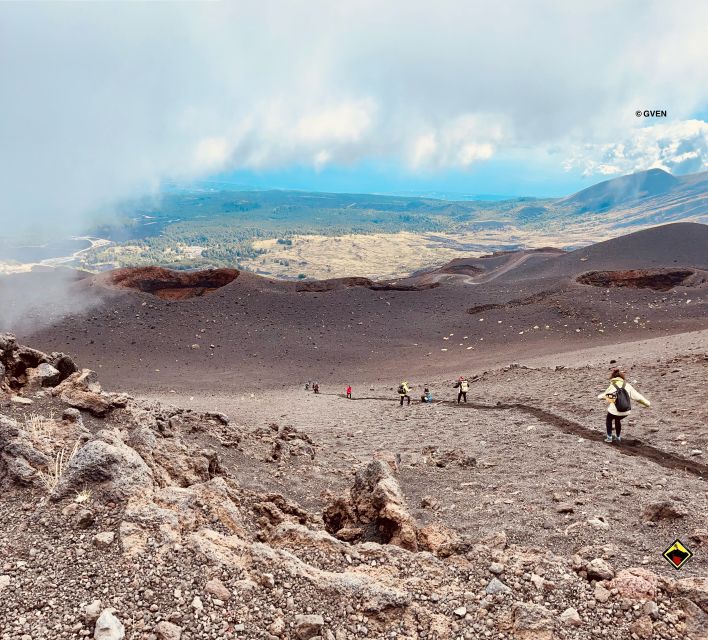
The route covers about 6 km of walking total (on foot), and it’s not a casual stroll. You’re walking along crater edges and into eruption-related terrain—so expect uneven footing, volcanic ash slopes for descents, and sections that can feel steep or exposed.
You’ll visit the north side rift (the fracture called the Rift). This is the kind of feature that makes a volcano feel alive. Instead of thinking of Etna as one big mountain, you start to see it as a system that cracks, opens, releases, then reshapes itself.
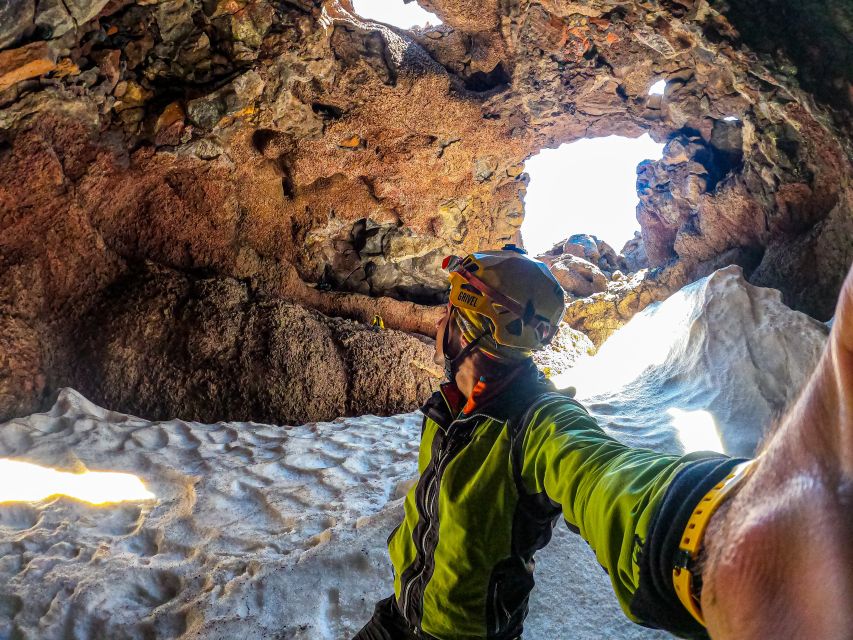
You’ll also reach craters from the eruption of February 24, 1947. The guide takes this seriously, and you’ll go in with protective helmets inside the chimney of a perfectly intact volcanic cone. That’s one of the standout moments here: you’re not just seeing “a crater.” You’re experiencing a structure tied to how lava was produced and how gases and molten material behaved in the eruption dynamics.
From there, you enter the mouths that produced lava flows. In plain terms: you’re stepping into places where eruption material exited. The guide links what you see—shapes, pathways, and the surrounding cone structure—to how Etna’s plumbing works.
Then comes the crater-edge section through descents made of volcanic ash, passing craters generated by a long list of lateral eruptions: 1914/24, 1809, 1874, 1879, 1911, 1923, 1974/75, up to areas linked to eruptions more recent than 2002. The trekking continues up to Piano Provenzana.
If you’re a photo person, you’ll have plenty of stopping points. If you’re more interested in learning, you’ll love the way the guide ties the terrain to the eruption timeline. Either way, keep your eyes on your feet. The surface is volcanic—good for viewing, not ideal for rushing.
What you actually get (and what you don’t): gear, pace, and safety
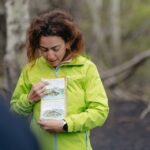
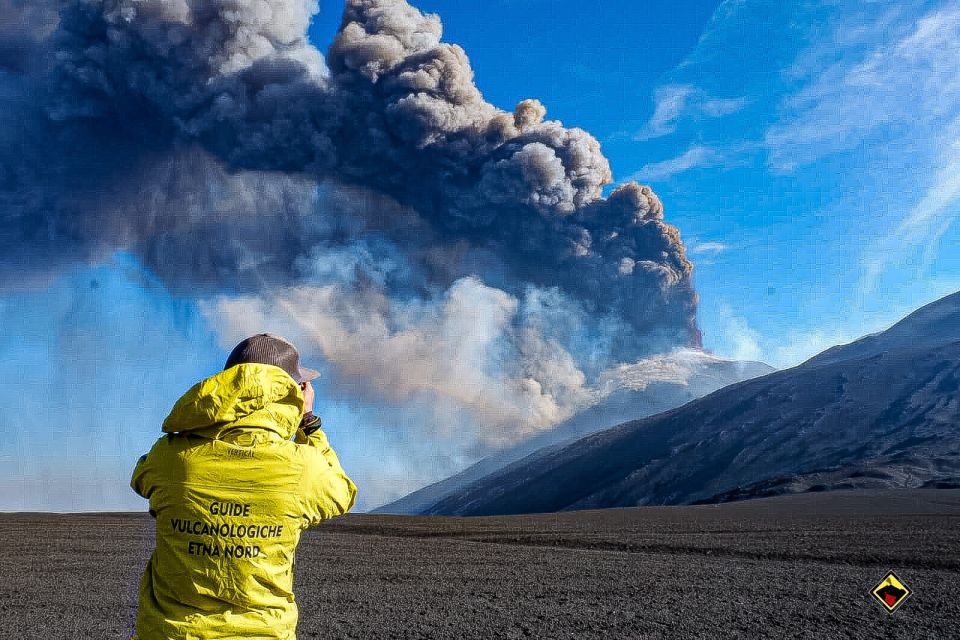
This is a guided volcano walk, and the tour is built to keep you safer than a DIY hike. The guide team consists of volcanology experts authorized to lead tourists on active volcanoes, following communications from Civil Protection and the current volcanic risk levels. That’s the big-picture safety logic behind where you walk and how high you’re allowed to go.
Included gear is a real help on Etna:
- Trekking poles
- Protective helmets
- Accident insurance
- Warm jackets
- Extra socks
- A backpack
- Trekking shoes
Still, don’t treat it like they handle everything. You should bring your own items that match the weather and your comfort, especially if you run cold or get windburn easily. What they specifically ask you to bring includes a windbreaker, sunglasses, snacks, drinks, sunscreen, and long pants, plus comfortable clothes for the altitude.
Two practical reminders that matter:
- The route involves ascent and walking along crater edges, which can cause dizziness for people who are sensitive.
- Without adequate shoes, you’re not covered by insurance, so don’t wing it with footwear you’re unsure about.
Also note what’s not suitable: if you have back problems, mobility impairments, claustrophobia, heart problems, respiratory issues, epilepsy, altitude sickness risk, recent surgeries, low fitness, fear of heights, or vertigo, this route is likely a bad match. This is a physical hike at high altitude, with exposed and confined-feeling moments (especially with cone chimney sections).
Finally, there are clear rules for the vehicle environment: no alcoholic drinks in the vehicle. It’s about safety and comfort while climbing to high altitude.
Price and value: the guide fee versus the 4×4 vehicle payment
The listed price is $62.63 per person, but the important part is what that covers. The guide service is included in that amount, while the 4×4 transport cost is paid on the spot.
The vehicle fee is 50 euros per person for the rides from:
- 1800 m up to 2800 m, and
- from 2800 m down to 2500 m.
You’ll also pay a parking ticket of 3 euros for the whole day after the excursion.
So is it still good value? I think it is, mainly because you’re not just paying for “a walk.” You’re paying for:
- an authorized volcanology guide,
- specialized helmets and crater/structure access,
- the big altitude lift that saves your energy for the real walking,
- and insurance coverage as part of the package.
If you’d otherwise need to arrange transport and a serious guide for a safe north-slope plan, the structure here can feel fair. But if you hate surprise day-of fees, budget for the vehicle payment before you go.
Who should book this Etna north trek (and who should skip)
This tour is best for hikers who want geology, not just views. It’s described as moderately trained, and it’s at high altitude with crater-edge walking and ash descents. If you’re used to walking on uneven ground and you’re comfortable with heights, you’ll likely enjoy it a lot.
I’d especially recommend it if:
- you want the less frequented north side rather than the busiest Etna stops,
- you like volcano mechanics (rifts, eruption styles, lava pathways),
- you want an alternative plan if summit craters are closed,
- and you’re okay following a safety-first guide who adjusts the route based on risk rules.
I’d skip it if you:
- get vertigo or dizziness easily,
- have claustrophobia,
- have respiratory or heart issues,
- or are carrying recent surgery limits or low fitness.
As a bonus, the guide runs the tour in French, Italian, or English, so language clarity is built into the experience.
Should you book this Etna North special trek?
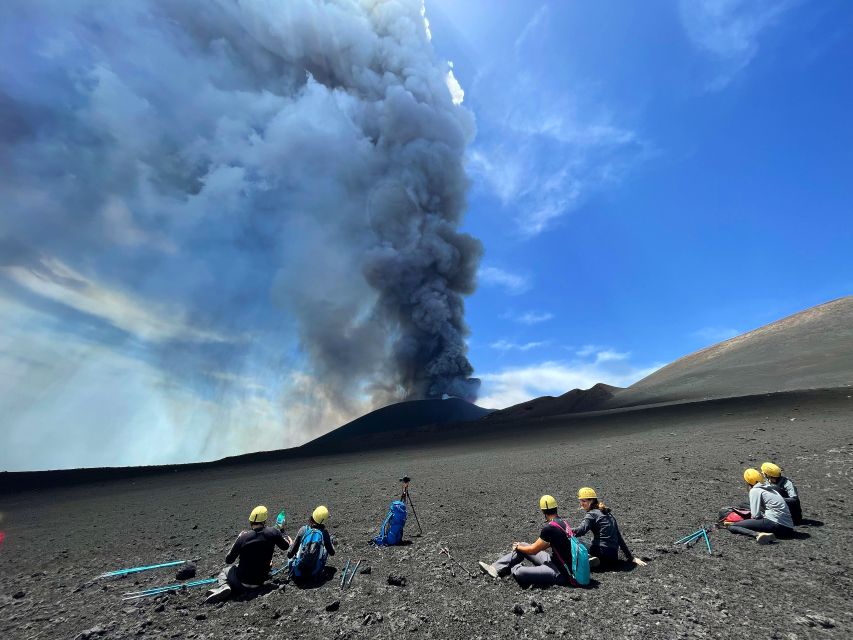
Book it if you want a guided, volcano-expert walk that actually teaches you the mountain’s shape-making process. The combination of crater edges, rift terrain, helmeted cone chimney access, and a panorama point near 2900 meters is the kind of Etna experience that feels more “scientific field walk” than “tour bus view.”
Skip or choose carefully if exposure or confined spaces make you uncomfortable. This isn’t a gentle stroll, and the route is high enough to matter for comfort and safety.
If you’re on the fence, here’s my simple checklist: pack proper long hiking pants and secure footwear, plan for wind and altitude, and go in ready to learn from the guide—not just to collect photos.
FAQ
How long is the Etna north-side trek?
The activity lasts about 4 hours.
What’s the meeting point?
Meet at the Chiosco Bar Mareneve near the chairlift parking area. The tour ends back at the same meeting point.
Do I need to pay extra for the 4×4 transport?
Yes. The guide service price does not include the 4×4 vehicle transport fee, which you pay on the spot (50 euros per person for the vehicle rides described).
Is equipment provided?
Yes. You get trekking poles, protective helmets, warm jackets, extra socks, and a backpack, along with trekking shoes and accident insurance.
Does the tour include food or drinks?
Lunch and bottled water are not included. You should bring your own packed lunch, snacks, and drinks.
What languages are the guides available in?
The live guide is available in French, Italian, and English.
What should I bring and wear?
Bring windbreaker, sunglasses, snacks and drinks, sunscreen, a jacket, comfortable clothes, packed lunch, and long pants. Wear hiking shoes only—sandals, flip-flops, open-toed shoes, and high heels are not allowed.
Who is this trek not suitable for?
It’s not suitable for people with mobility impairments, back problems, claustrophobia, heart problems, fear of heights, vertigo, respiratory issues, epilepsy, altitude sickness issues, recent surgeries, low fitness, or for people without experience.