REVIEW · SICILY
Half Day Guided Tour in Palermo _ Hello, my name is Palermo!
Book on Viator →Operated by In Arte Viaggiare · Bookable on Viator
Palermo teaches fast. In just about 2.5 hours, you get a guided circuit that starts at Teatro Massimo and flows through Mercato del Capo, the cathedral, the city’s famous corners, and a calm cloister finish. It is a great way to get your bearings quickly and learn what you’re actually looking at, not just where to stand for photos.
I like that the pace is short-stop, story-heavy. You’ll spend dedicated time at the street market, then shift into big monuments like the cathedral and Quattro Canti, with explanations that help you notice details instead of rushing past them. I also love the value angle: the stops are listed with free admission so your money goes to the guide and time, not separate entry fees.
One consideration: it depends on good weather, and you’re walking a lot in a compact window. If your plan is more about slow wandering than structure, you may want longer time elsewhere after the tour.
In This Review
- Key highlights worth planning around
- Palermo in 2½ hours: what this route really does for you
- Meeting at Teatro Massimo: why the tour starts with drama
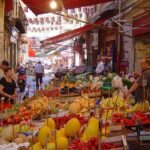
- Mercato del Capo: abbanniate, aromas, and street-food color
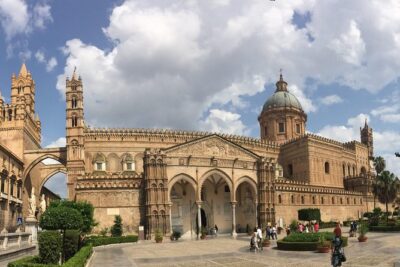
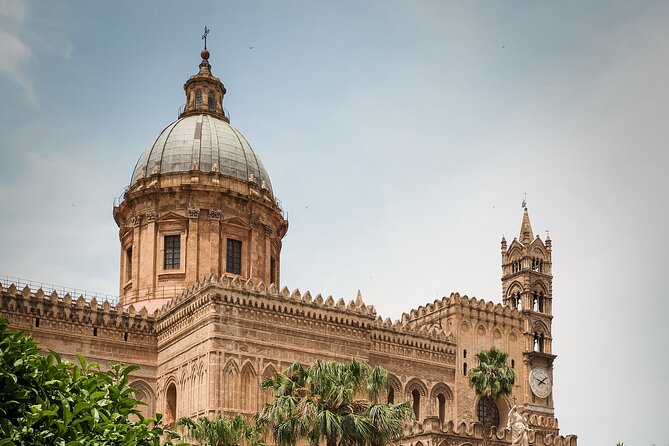
- Cattedrale di Palermo: a cathedral that keeps changing across centuries
- Quattro Canti: Palermo’s corner theater
- Fontana della Vergogna: a fountain with a backstory
- Piazza della Vergogna to Piazza Bellini: the story keeps walking
- Santa Caterina d’Alessandria cloister: ending on a calm, sweet note
- Price and value: is $29.65 worth it?
- Who should book this half-day Palermo walk
- My booking advice: should you go
- FAQ
- How long is the Palermo half-day guided tour?
- How much does the tour cost?
- Where does the tour start and end?
- What are the main stops on the route?
- Is there an admission fee for the stops?
- How many people are in the group?
- Do I need to bring a printed ticket?
- What if the weather is bad?
- Is free cancellation available?
Key highlights worth planning around
- Small group size (max 10) for easier questions and closer attention on the details
- A smart start at Teatro Massimo, the third largest opera house in Europe, so the tour begins with real context
- Mercato del Capo time built in (30 minutes) for the sellers’ calls, aromas, and colorful street food energy
- Cathedral focus (Cattedrale di Palermo) with its thousand-year story and Santa Rosalia chapel as a highlight
- Quattro Canti and Fontana della Vergogna in short bursts, so you can see why these corners are considered scenic monuments
- Santa Caterina d’Alessandria cloister ending that cools the day down on a quiet, sweet note
Palermo in 2½ hours: what this route really does for you
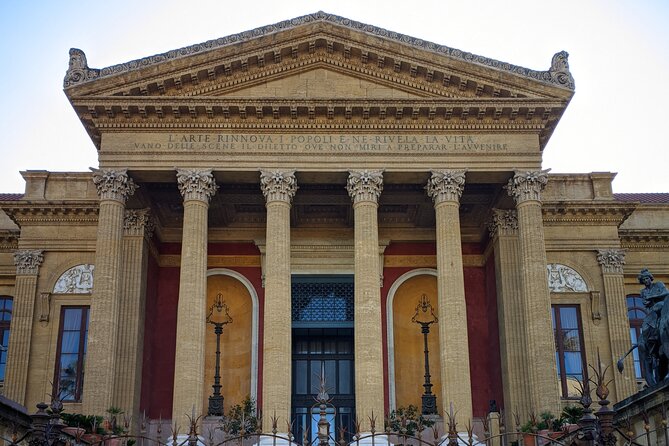
This is the kind of half-day tour that works best when you have limited time, but you still want real city context. The route is designed like a quick storyline: start with a grand cultural landmark, move into street life, then come back to major architectural landmarks and symbolism, and finish with the cloister calm. You’re not expected to “do everything.” You’re guided through the right stops to understand what Palermo feels like.
The walking time makes sense for a first run. Each major site gets a focused block—often around 15 to 30 minutes—so you get enough time to look, listen, and absorb the meaning without getting stuck in lines for hours. If you’re the type who likes to know why a building or square matters, this format is a good fit.
The best value for your money is not just the price. It’s how much is packed into a guided circuit that’s short enough to keep your energy, but structured enough to avoid dead ends. Also, the tour uses a mobile ticket, so you can travel lighter.
You can also read our reviews of more guided tours in Sicily


Meeting at Teatro Massimo: why the tour starts with drama
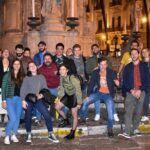
You begin at Teatro Massimo at Piazza Giuseppe Verdi. This matters more than you might think. Teatro Massimo is described as the flagship of Italian theatre and the third largest opera house in Europe, which sets an immediate tone: Palermo is not a place where everything is “small and old.” It has big, formal culture too.
Starting here also gives you a reference point. Even before you reach the market and churches, you’re learning the city as a sequence of scenes. That makes later corners and facades easier to read, because you’re not seeing monuments in isolation—you’re seeing how they connect to the street grid and local storytelling.
Practical tip: wear shoes you can walk in comfortably. The tour is only about 2 hours 30 minutes, but the city segments add up quickly.
Mercato del Capo: abbanniate, aromas, and street-food color
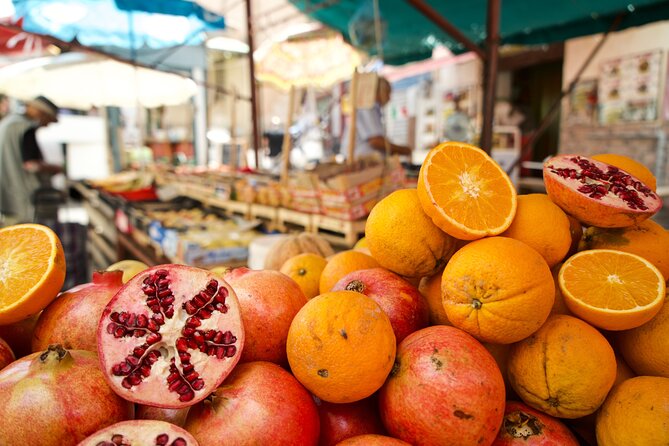
Next comes Capo Street Market, often called Mercato del Capo. This is where the tour shifts gears from architecture to daily life. You’re there for about 30 minutes, with the goal of walking among sellers’ stalls while listening to the abbanniate—those distinctive calls from market vendors.
What I like about this stop is that it’s not just a “pass-through.” It’s timed so you can stand, look, and take in how the market works: the colors, the smells, and the way street dishes spill out of the stalls and into the sidewalks. Even if you don’t plan to make a meal out of the market, the sensory side helps everything else feel more grounded.
Possible drawback: markets can be loud and crowded, so if you’re sensitive to noise or prefer quiet sites, it may feel intense for a short time. Still, that’s usually what makes this tour feel like Palermo and not just a list of monuments.
Cattedrale di Palermo: a cathedral that keeps changing across centuries
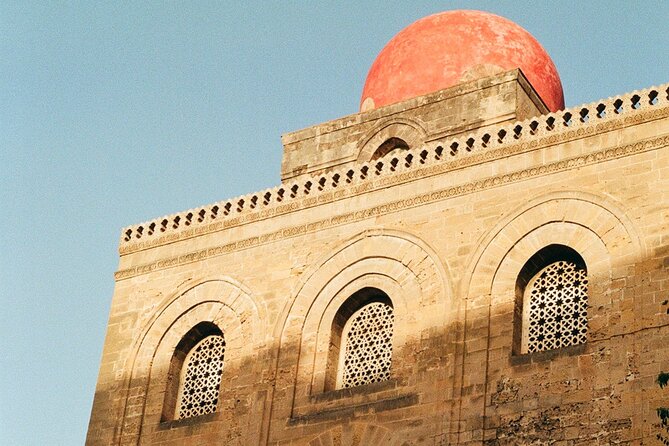
After the market, you head to the Cattedrale di Palermo. This stop is about 30 minutes and is described as one of the longest architectural sites in the city, with a thousand-year story behind it. The emphasis here is not only on the building itself, but also on what inside it represents—especially the shining chapel of Santa Rosalia.
Santa Rosalia is a major figure in Palermo’s identity, and the tour’s focus on her chapel helps you understand why people treat the cathedral like more than a sightseeing stop. It’s also a living symbol. When a guide points out what matters, you’ll usually notice more: the way the space is arranged, the sense of reverence, and the reason locals connect the cathedral to their own history.
Time note: 30 minutes goes fast in a cathedral. You’ll get the highlight-focused experience, not an everything-in-detail museum visit. If you love churches and want to read every inscription, plan to return later on your own.
Quattro Canti: Palermo’s corner theater
Then you’re at Quattro Canti, described as the most theatrical work Palermo has. It’s also short—about 15 minutes—but it’s one of those places where the short visit is enough to change how you see the city.
Why “theatrical”? Because Quattro Canti works like a built stage at street level. It’s a scenic monument formed by the intersection itself, and the tour helps explain the meaning behind it. Once you understand how the monument relates to the streets around it, you start spotting that kind of “city drama” in other corners.
Practical tip: this is a great place to pause and look upward. The design is meant to be seen from the street, but it also rewards a slow gaze rather than a quick snap.
Fontana della Vergogna: a fountain with a backstory
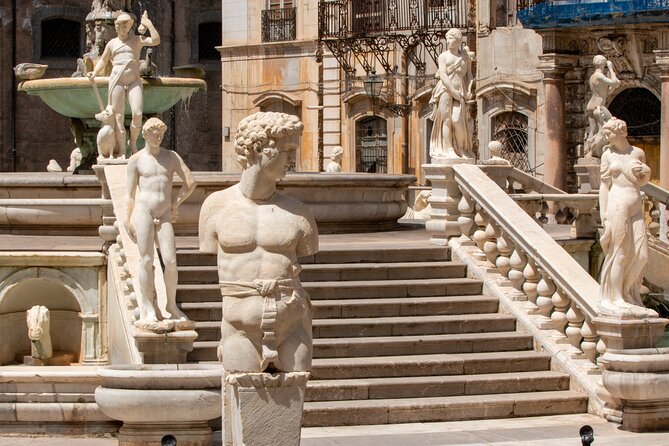
Next is Fontana della Vergogna (about 15 minutes). The tour description gives you a fun fact to hold onto: it’s a work of a 1500s-born artist from Tuscany who was moved to Palermo. That one detail turns a quick stop into something you can actually remember.
When you understand where a piece came from and how it ended up here, the fountain stops being only a photo spot. It becomes part of Palermo’s larger story of movement—artists, ideas, and styles traveling and landing in the city.
This is another quick stop, so don’t expect a long break. Think of it as a reset: a pause in the day’s pace before you move into the monastery cloister.
Piazza della Vergogna to Piazza Bellini: the story keeps walking
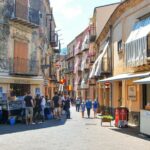
The tour route connects the square area by walking through the city’s key pedestrian segments—so you’ll feel how Palermo’s old core works as a sequence of “rooms.” The stop for Fontana della Vergogna sits in Piazza della Vergogna, then the tour continues toward Piazza Bellini.
This transition matters because the guide’s explanations build toward the ending. You’re not jumping randomly between places. You’re moving with the logic of Palermo’s layout and the meaning behind the monuments.
Santa Caterina d’Alessandria cloister: ending on a calm, sweet note
The final stop is the church and monastery of Santa Caterina d’Alessandria, including the cloister of Santa Caterina d’Alessandria. This is about 30 minutes, and the description calls it an immense sweetness.
That’s a great way to understand what makes this ending satisfying. After market noise and busy monuments, the cloister offers quiet space—stone, structure, and stillness. You’ll likely leave with the sense that Palermo has a soft side too, not only a loud street side.
Also, the tour ends at the monastery area in Piazza Bellini (the walking endpoint is listed near Monastero Santa Caterina). So you finish in a lively central spot, rather than in the middle of nowhere.
Price and value: is $29.65 worth it?
At $29.65 per person for about 2 hours 30 minutes, you’re paying for guided interpretation, not for pricey entries. The itinerary lists free admission at each main stop, which is a big value signal. In other words, you’re not paying extra just to see the basics.
What you’re really buying is time with an expert local guide and a clear route through the essentials: Teatro Massimo, Mercato del Capo, the cathedral, Quattro Canti, Fontana della Vergogna, and Santa Caterina d’Alessandria. That’s a lot of landmarks to stitch together in a short window—and the guide’s explanations help you understand what you see, especially at Quattro Canti and in the cathedral.
From the feedback you provided, the strongest praise centers on the guide’s ability to keep attention and explain details that helped people recognize things later, including other monumental areas like Monreale and even cultural stops linked to food and pastry. That kind of “carryover learning” is exactly what makes a guide worth paying for.
Who should book this half-day Palermo walk
This tour is a good match if:
- you have limited time in Palermo and want a structured first look
- you enjoy stories behind landmarks, not only the landmarks themselves
- you want both street life and major monuments in one morning or afternoon
- you like a small group setting (maximum 10)
It might not be the best fit if:
- you prefer long, unguided wandering with no fixed stops
- you hate market noise, even briefly
- you want an in-depth, slow-paced museum style visit to any one church or square
My booking advice: should you go
If you’re visiting Palermo for the first time and want to understand the city fast, I’d book this. It’s a smart “starter circuit” that combines culture, street energy, and architectural meaning in a short day. The price feels fair because the guide does the heavy lifting of interpretation, and the major stops are listed with free admission.
Just plan for weather. The tour notes it requires good weather, and if conditions are off, you’ll be offered a different date or a full refund. Also, bring the expectation that this is a guided tour of highlights—not a full-day deep dive into one single site.
FAQ
How long is the Palermo half-day guided tour?
The tour lasts about 2 hours 30 minutes.
How much does the tour cost?
The price is $29.65 per person.
Where does the tour start and end?
It starts at Teatro Massimo, Piazza Giuseppe Verdi, Palermo, and ends at Monastero Santa Caterina, Piazza Bellini 33, Palermo.
What are the main stops on the route?
The route includes Teatro Massimo, Capo Street Market (Mercato del Capo), Cattedrale di Palermo, Quattro Canti, Fontana della Vergogna, and the Church and Monastery of Santa Caterina d’Alessandria.
Is there an admission fee for the stops?
The tour notes list free admission for the stops included in the itinerary.
How many people are in the group?
The tour has a maximum of 10 travelers.
Do I need to bring a printed ticket?
No. The tour uses a mobile ticket.
What if the weather is bad?
The tour requires good weather. If it’s canceled due to poor weather, you’ll be offered a different date or a full refund.
Is free cancellation available?
Yes. You can cancel up to 24 hours in advance for a full refund.