REVIEW · SYRACUSE
Syracuse: Traditional Cooking Class & Ancient Market Visit
Book on GetYourGuide →Operated by Empeeria · Bookable on GetYourGuide
Syracuse is not just about monuments; it’s about food. This 4-hour Sicilian cooking class pairs a walk through the Ortigia market with hands-on cooking and an included lunch. You’ll start in the oldest food streets of Syracuse, then move into the chef’s kitchen to cook what you picked.
I especially like the market portion, because the chef doesn’t just point at stalls—he steers you toward the best choices and explains what makes ingredients work. I also love that the menu is flexible: you can steer choices based on what you like, and the cooking stays very practical. One thing to plan for: Ortigia Market is closed on Sunday, so the visit changes, and you’ll purchase ingredients via the chef’s street route instead.
Small group, big attention (up to 8 people).
Hands-on cooking with a local chef from the market to the kitchen.
You shop first, then you cook and eat your own dishes at lunch.
Ortigia market focus gives you a real sense of Syracuse’s food culture.
Menu can adjust to your tastes, including seafood preferences.
In This Review
- Why Ortigia Market + Cooking in Syracuse Works So Well
- Piazza Pancali Check-In and Finding Bar Cristina
- The Ortigia Street Market Walk: Smells, Stall Calls, and Smart Picking
- Into the Chef’s Kitchen: Typical Dishes and How You’ll Learn
- Lunch Built from Your Choices: What You’ll Eat and Why It Matters
- Transfers, Timing, and Group Size: The Practical Side That Affects Your Day
- Price and Value: Is $134.81 Worth It?
- Who Should Book This Class (And Who Might Prefer Another Option)
- Tips to Make Your Market Day Smoother
- Should You Book This Syracuse Cooking Class?
- FAQ
- How long is the Syracuse cooking experience?
- Where do we meet the chef?
- Is the Ortigia market always visited?
- What’s included in the price?
- Are monument entrance fees or drinks included?
- How many people are in the group?
Why Ortigia Market + Cooking in Syracuse Works So Well
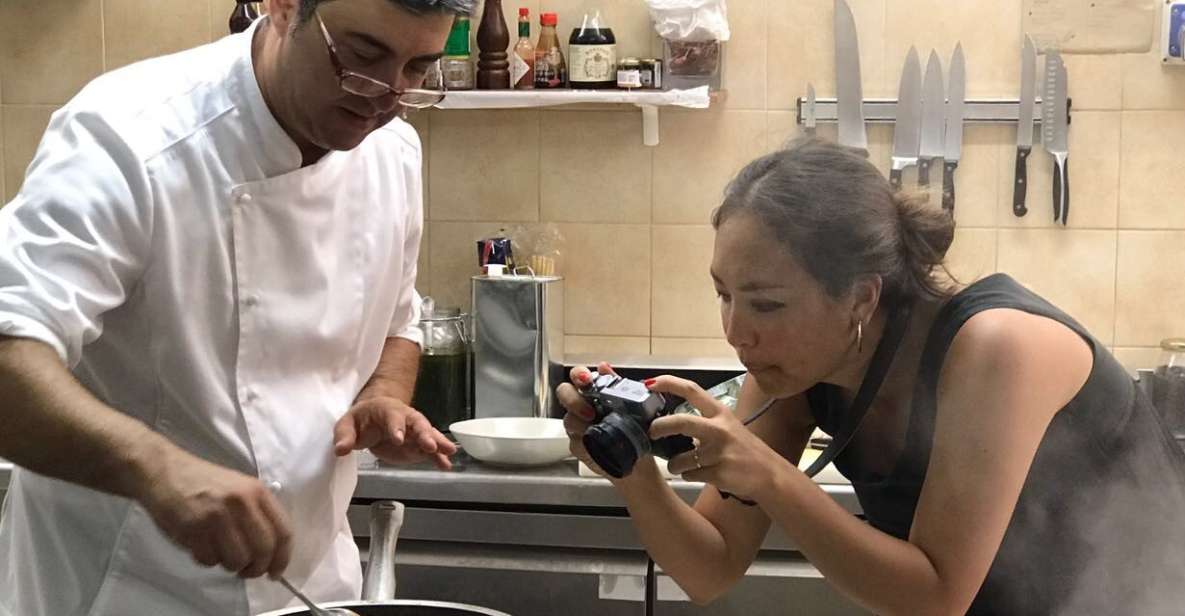
Sicily’s cooking isn’t built on fancy gadgets. It’s built on good ingredients and smart timing. That’s why this experience feels natural instead of staged. You’re not only learning recipes—you’re learning how people actually buy food, what they look for, and how choices shape the final dish.
The best part for me is the order. You shop for what matters first, then you cook with context. When the chef talks about seafood, peppers, herbs, cheese, or olive oil, it isn’t theory. It’s tied to what you just held in your hands at the stalls.
Another plus: you’re with a small group. Up to 8 participants means you’re not watching from the sidelines. You’re chopping, mixing, rolling, and tasting while the chef keeps the rhythm moving.
A final point: you’re in Ortigia, the island core of Syracuse. Even if you’re not chasing every sightseeing stop, walking these streets for food gives you a sharper sense of place than a quick photo walk.
Piazza Pancali Check-In and Finding Bar Cristina
You meet at Piazza Pancali in Syracusa, at Bar Cristina (Piazza Pancali n° 24). The chef waits there to start the day, so arriving a few minutes early helps. Piazza Pancali is a good anchor point, but if you show up right on time, you may spend the first minute scanning a big bar for the right person.
What you should do: arrive with shoes you can walk in. You’ll be moving through market streets on foot, and there’s no reason to make this harder than it needs to be. Also, go with an open mind about seafood. Many Syracuse cooking classes lean into it, and the chef can often tailor the menu if you prefer something different.
This is also where the day’s tone sets. The chef leads, you follow his pace, and you’re encouraged to ask questions. It’s not a lecture. It’s a working day of cooking and shopping.
You can also read our reviews of more shopping tours in Syracuse
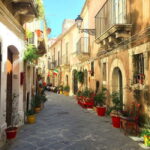
The Ortigia Street Market Walk: Smells, Stall Calls, and Smart Picking
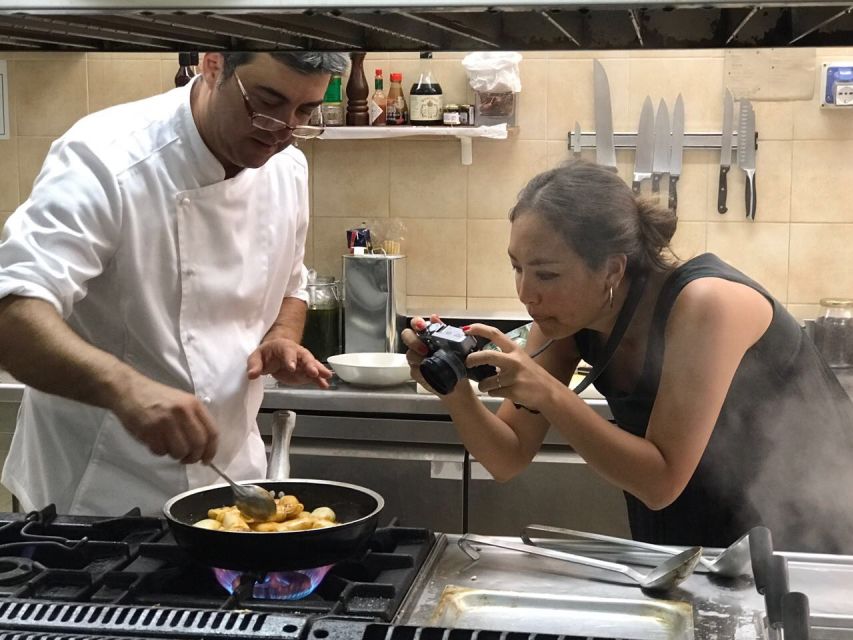
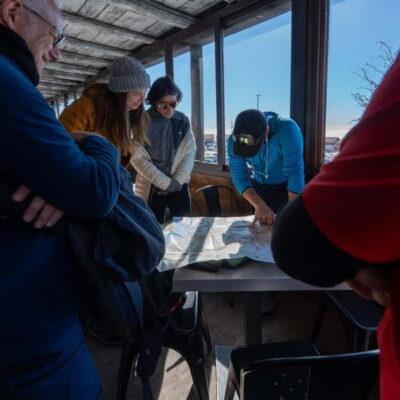
The heart of the experience is the guided visit to the Ancient Market of Ortigia. This is where Syracuse’s food culture lives in plain sight: fish counters, produce stands, charcuterie, and vendors calling out to passersby. With your chef, you enter the market streets and move stall to stall, learning what to choose and why.
Two things make this market walk feel worth your time:
First, the chef’s connections. He knows vendors and can guide you toward choices that look good that day. You’re not stuck with a generic list. You’re shopping for a real meal, in real conditions, with real preferences.
Second, you get practical tasting and ingredient education. The chef highlights what’s fresh, what’s ready to cook, and how flavors fit together. In some sessions, you might sample things like fresh fish or cured items during the shopping phase, then translate those flavors into the dishes you’ll cook later.
One logistical note: the Ortygia/Ortigia market is closed on Sunday. When that happens, the chef still takes you out to buy local products, just not inside the market itself. That’s important because you can still get the market-style ingredient selection, but the route and feel may be different.
Into the Chef’s Kitchen: Typical Dishes and How You’ll Learn
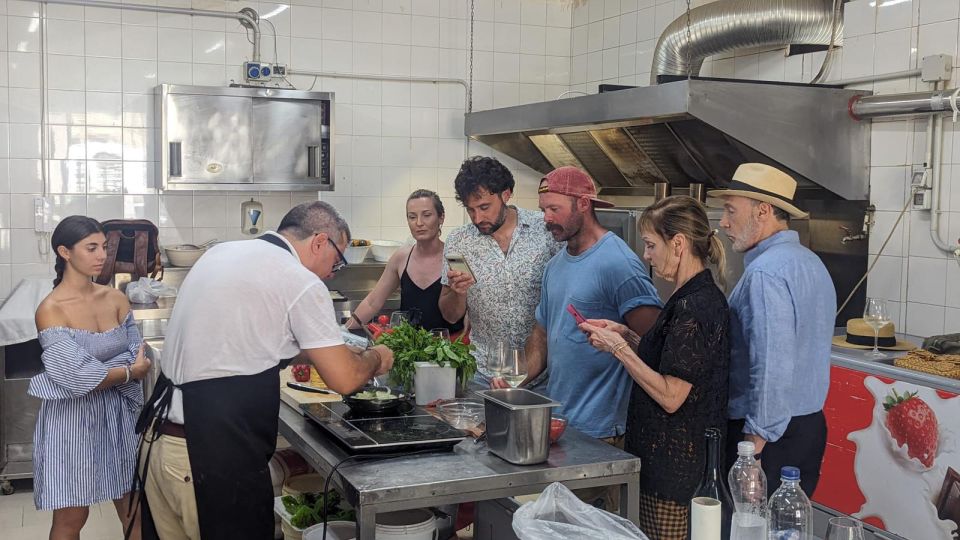
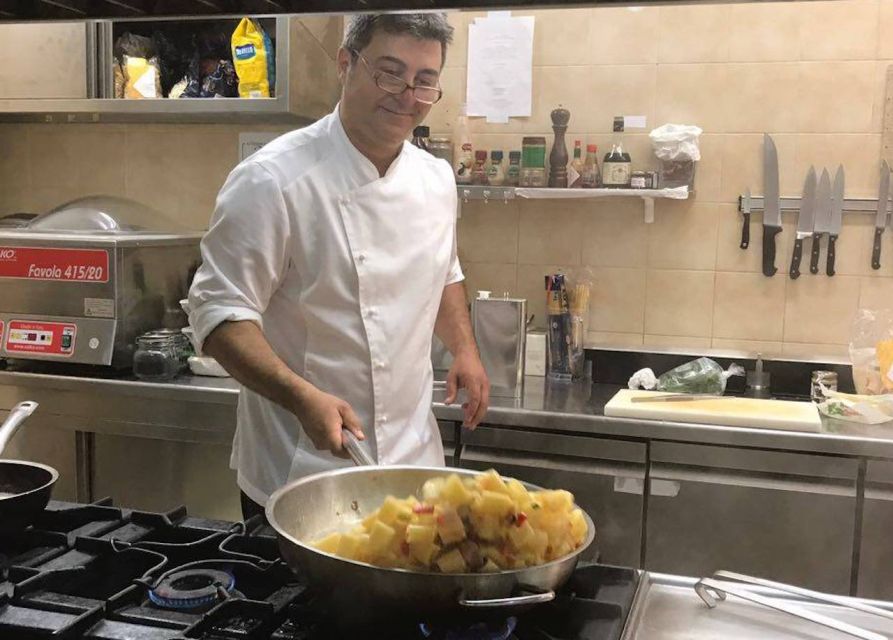
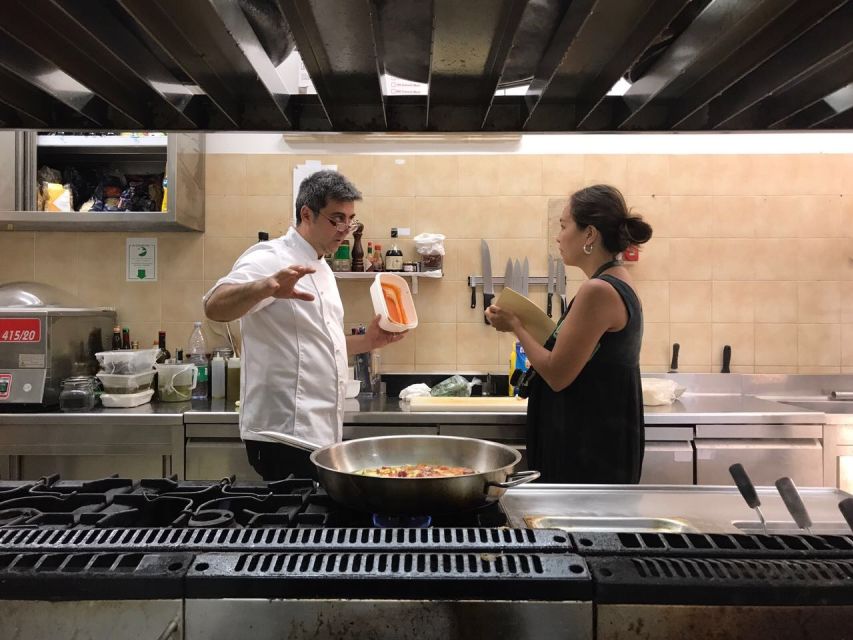
Once you’ve purchased ingredients, the chef takes you to the kitchen. From there, the cooking becomes hands-on and recipe-driven. You’ll work with typical dishes from Sicilian tradition, using what you bought at the stalls.
The day’s menu can vary, but based on what’s commonly taught and served, you’ll likely see Italian classics with Sicilian personality:
- Homemade pasta dishes (often including seafood-forward options)
- A sauce built from real components (not bottled shortcuts)
- Second courses that may use cuttlefish, mussels, squid, tuna, or other market seafood
- Something sweet like cannoli or fruit-based desserts
In several examples from past sessions, the chef also has guests cooking multiple items—sometimes including fresh pasta and more than one sauce—so you don’t leave feeling like you only did one small step. You might start with prep like chopping and mixing, then move into rolling pasta or assembling components, with the chef guiding timing and technique.
If you’re worried about cooking ability, don’t. This isn’t advanced culinary school. It’s structured so you can succeed even if you’ve never made pasta from scratch. The chef teaches as you go, and the small group setup means he can correct you without rushing.
Also, you may notice the kitchen vibe is part of the appeal. Some sessions take place in a chef’s professional kitchen setting, and the meal can be tied to a wood-fired style of cooking depending on where the class lands. The key is that you’re learning real kitchen workflow, not just a show-and-tell recipe.
Lunch Built from Your Choices: What You’ll Eat and Why It Matters
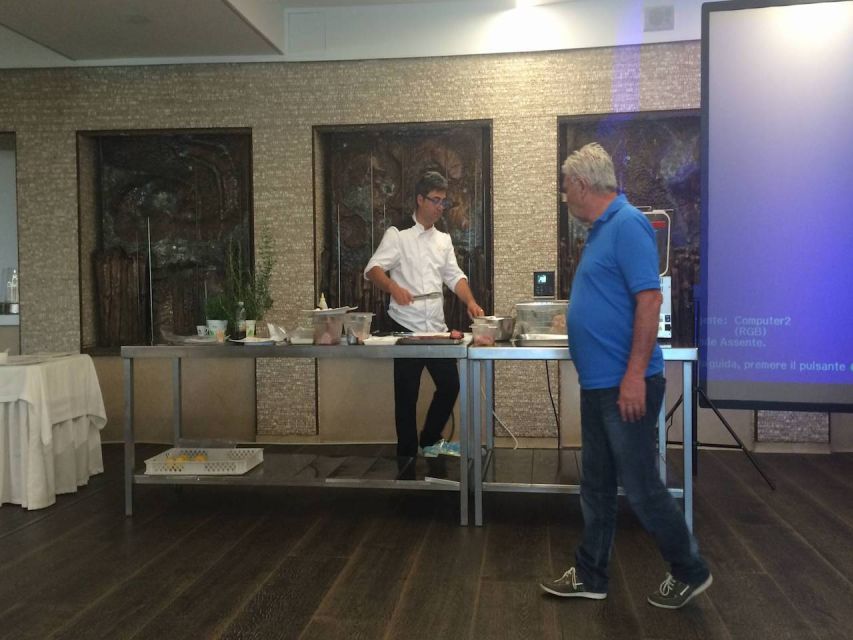
After you cook, you eat what you made. Lunch is included, and it’s not an afterthought—it’s the payoff for the market walk and the hands-on work.
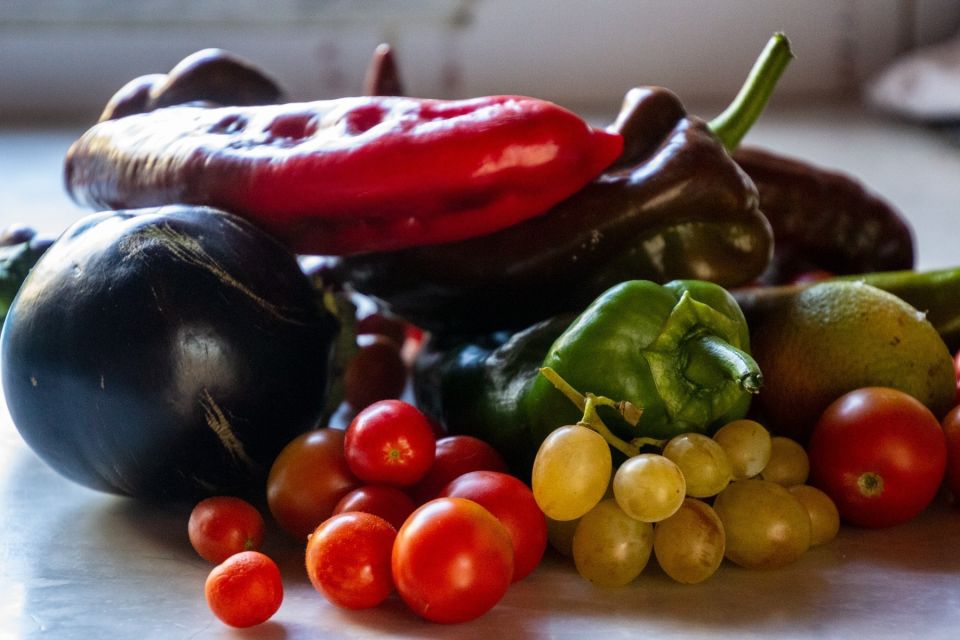
Here’s what makes the lunch meaningful in the real world: you can taste the choices you made at the stalls. If you selected certain peppers, olives, seafood, or herbs, you’ll see how those ingredients show up in the final flavors. That connection turns a meal into a lesson you can actually remember later.
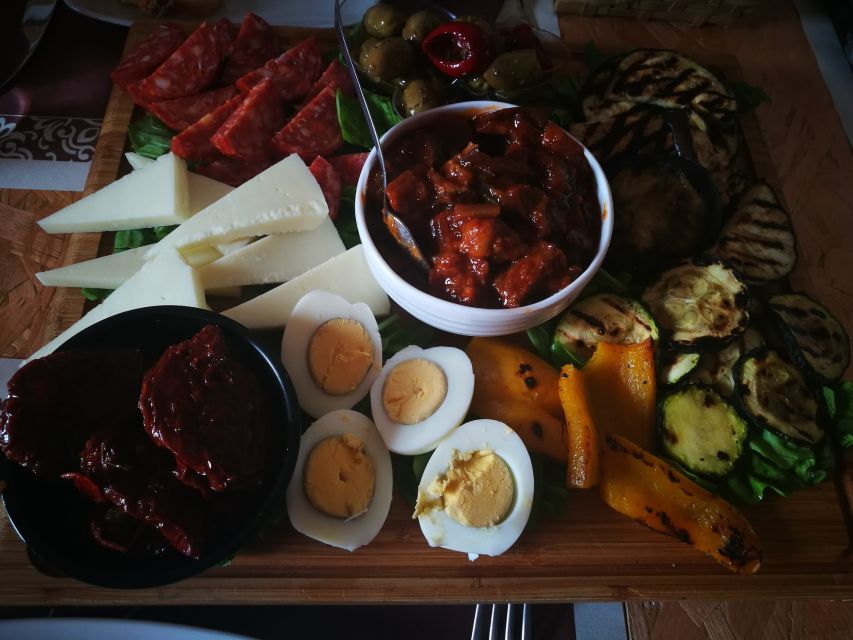
In past menus, people have ended up with full plates that could include seafood pasta, tuna dishes with sweet pepper-onion style flavors, and even dishes like veal involtini depending on the day. Dessert can range from cannoli to fruit salads like Macedonia style.
Drinks are a separate question. The experience includes lunch, but the listing notes that food and drinks are not included in a fixed menu and are handled by the local chef. In practice, many classes often offer something like wine or a Sicilian digestif, but you should assume drinks may be paid or arranged by the chef rather than guaranteed as part of your original price.
Transfers, Timing, and Group Size: The Practical Side That Affects Your Day
This experience runs 4 hours, with start times varying by availability. That matters because you’re compressing market time, shopping, cooking, and lunch into a short window. You’ll want to plan your other activities around that—especially if you’re also trying to fit in major sights around Ortigia.
The group is limited to 8 participants, which is the difference between a fun class and a crowded cooking demo. In a small group, you can actually participate. You can ask questions. You can get your hands guided through the technique.
Transfers are included if needed. The description says there will be a transfer from the market to the chef’s kitchen if needed, depending on the cooking class location. This reduces stress. You’re not left trying to find the kitchen on your own with a bag of groceries.
One more value factor: meeting location is fixed and clear. You start at Bar Cristina in Piazza Pancali, and the activity ends back at the meeting point. That makes it easier to build a simple day plan without complicated navigation.
You can also read our reviews of more tours and experiences in Syracuse
Price and Value: Is $134.81 Worth It?
At $134.81 per person, this isn’t a bargain-basement meal. But it’s also not a generic cooking class that ignores the local food system. You’re paying for several things at once:
- A guided walk through the Ortigia street market
- A local chef leading both shopping and cooking
- Hands-on instruction, not passive observation
- Lunch included, made from the ingredients you select
- Small-group attention (up to 8 people)
- A transfer if the market and kitchen locations require it
If you’ve ever taken a cooking class where you stand back while someone else cooks, this will feel different. The market time adds value because you’re learning selection and flavor logic, not just memorizing a recipe. And the chef tailoring the menu to your tastes is another practical value point—especially if you don’t want to force yourself to eat seafood or if you have preferences.
So I’d call it good value for the experience level. You’re essentially buying a mini food tour plus a real cooking day, all in one smooth loop.
Who Should Book This Class (And Who Might Prefer Another Option)
This experience is a strong fit if you want:
- A genuine food-centered day in Syracuse
- A market visit guided by someone who knows vendors
- Hands-on cooking with a chef who teaches as you cook
- A lunch you don’t have to plan
You’ll likely enjoy it even more if you’re open to adjusting your menu based on what looks best at the market. The chef can tailor dishes based on interests, and many sessions focus on Sicilian seafood and pasta styles.
Who might consider a different option? If you’re looking for a long sightseeing day or a stop-by-stop history lesson of monuments and museums, this is not that kind of tour. It’s food-first. Also, if you dislike markets or standing/walking in busy stalls, you may find the market portion less comfortable—though it’s guided and paced.
And if your travel dates land on a Sunday, the market visit won’t happen inside the Ortigia market. You’ll still shop locally with the chef, but the setting changes. That’s not a dealbreaker, just a heads-up.
Tips to Make Your Market Day Smoother
A few small moves will make your class day run more smoothly:
- Wear comfortable walking shoes. You’ll move through market streets and stand during cooking prep.
- Bring an appetite. You’ll cook, then you’ll eat, and portions can be hearty enough to feel like a full meal plus a snack phase.
- Tell the chef your preferences early. If you have seafood likes or dislikes, say so right away so the menu can adjust.
- Expect a lot of tasting and ingredient talk. The market phase is part of the lesson, not just a warm-up.
- Keep your schedule flexible around the 4-hour block. Start times vary, so don’t stack another tight activity immediately afterward.
Also, meet at the right time and place. Bar Cristina at Piazza Pancali is the anchor. Once you’re with the group, you’ll be fine.
Should You Book This Syracuse Cooking Class?
Yes, I’d book it if you want a real Sicilian food day. The combo of Ortigia market shopping plus hands-on cooking plus lunch you made is exactly the kind of activity that gives you memories you can taste later.
It’s especially worth it when you value instruction you can use back home: picking good ingredients, building sauces with the right flavor logic, and making pasta with guidance instead of guessing. Add the small group size, and it stays friendly rather than rushed.
If you’re traveling on a Sunday, go in knowing the market setting may be different, but the chef still leads local shopping. If that sounds fine, this is still a strong bet.
FAQ
How long is the Syracuse cooking experience?
It’s listed as a 4-hour activity. Exact start times depend on availability.
Where do we meet the chef?
You meet at Piazza Pancali, Syracusa at Bar Cristina (Piazza Pancali n° 24).
Is the Ortigia market always visited?
No. The Ortygia/Ortigia Market is closed on Sunday, so it isn’t possible to visit it then. If it can’t be visited, the chef will guide you through the island streets to purchase local products.
What’s included in the price?
Included are a guided visit of the Ortigia street market, the local chef, the cooking class, lunch, and a transfer from the market to the cooking class if needed.
Are monument entrance fees or drinks included?
Monument entrance fees are not included. Food and drinks are not included in a set menu; they are organized by the local chef.
How many people are in the group?
This is a small group limited to 8 participants, and the host or greeter speaks Italian and English.