REVIEW · SICILY
Typical Sicilian Cooking Course overlooking the Archaeological Park
Book on Viator →Operated by Maria Rita · Bookable on Viator
A good lunch lesson beats another museum day. This private Sicilian cooking class puts you in a real home kitchen with a view over ancient Syracuse. You’ll learn how to make a full typical meal, not just one dish.
I especially like the hands-on structure: you work dough and shapes, build sauces, then sit down to what you made. Second, I like the menu flexibility, including options for vegans, vegetarians, and celiacs, plus fish and meat eaters.
The main catch is practical: you’re cooking in a home setting and private transportation isn’t included, so plan how you’ll get to Via Costanza Bruno 10.
In This Review
- Key things to know before you go
- Why this Siracusa class feels like an evening with locals, not a workshop
- What you’ll cook: busiate pesto, pizza, and the desserts people actually talk about
- How the 3-hour session usually unfolds (and what you should pay attention to)
- Dietary needs are part of the design, not an afterthought
- The included drinks and the real value of the price
- Where you meet, timing, and how to plan the rest of your day
- Tips to get the most from your Sicilian cooking class
- Should you book this Siracusa cooking course?
- FAQ
- Where do I meet for the cooking class?
- Is this a private cooking class?
- What’s included in the price?
- Are alcoholic drinks included, and is there an age limit?
- What dietary options are supported?
- Can I cancel for a full refund?
Key things to know before you go
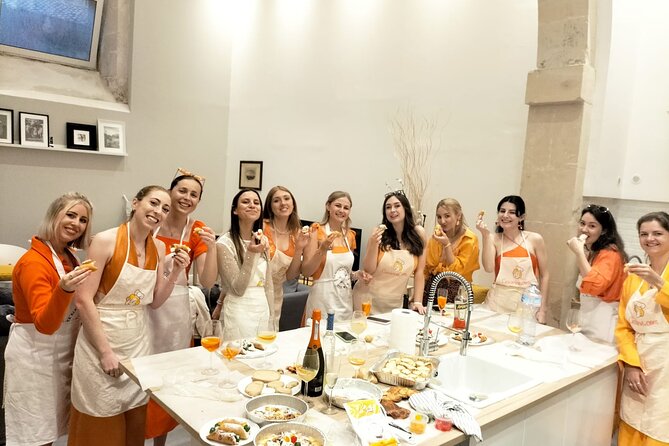
- Private class in a home kitchen so you get real attention, not a scripted group production.
- Menu planning after booking lets you match dishes to your tastes and dietary needs.
- Handmade pasta is a centerpiece, with techniques you can repeat at home.
- Full meal experience: starter + main(s) + dessert, paired with included drinks.
- Archaeological park backdrop from the table and balcony makes the meal feel special.
Why this Siracusa class feels like an evening with locals, not a workshop
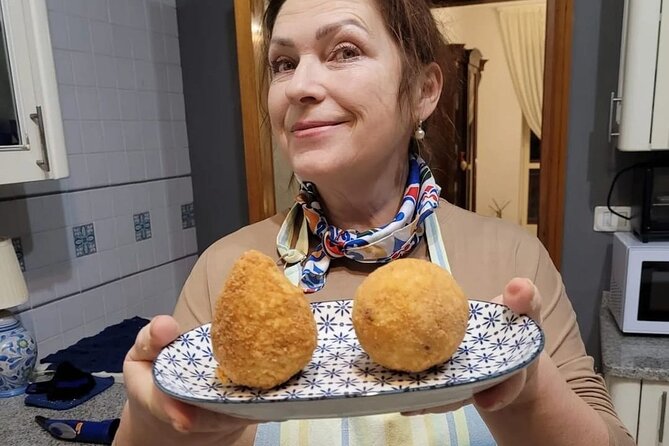
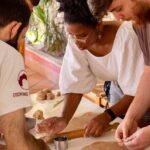
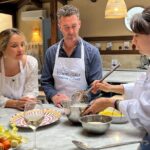
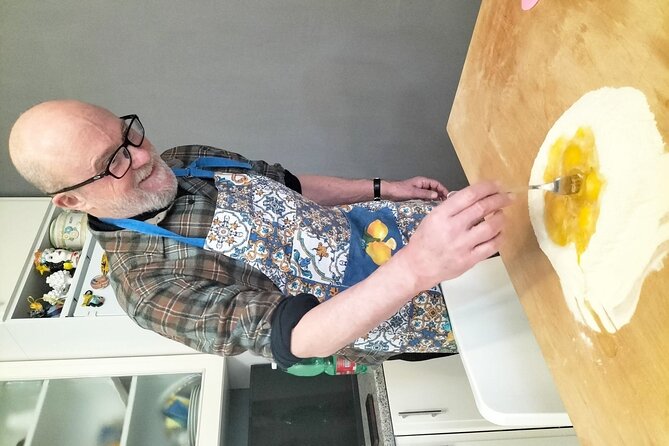
This isn’t the kind of cooking class where you watch from the sidelines and politely clap at the end. It’s set up so you do the work. The focus is on typical Sicilian cooking and how simple techniques can create big flavor.
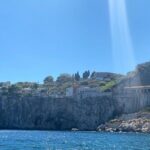
A big part of the appeal is location and atmosphere. You meet at Via Costanza Bruno 10, 96100 Siracusa, and the experience centers on a home with a view over ancient Syracuse / the archaeological park area. In plain terms: you eat your meal with a backdrop that makes the food feel even better, and the setting doesn’t feel staged.
Another reason it works so well for many people is that it’s private. It’s listed as a private tour/activity, meaning only your group participates. Reviews consistently describe the class as cozy and personal, where the host can slow down when someone needs extra help and move on when you’re ready. That matters for pasta work, chopping, and learning sauces—because timing and texture aren’t things you learn by reading.
Finally, there’s the host: Maria Rita. She’s described as a chef by passion with family roots in skilled kitchens, and she explains details so you can recreate the dishes later. After you book, she contacts you to choose the menu together, which is a rare plus in a cooking class.
One more detail that’s easy to overlook: it’s offered in English, so you won’t have to translate everything in your head while you’re trying to learn dough handling.
You can also read our reviews of more cooking classes in Sicily
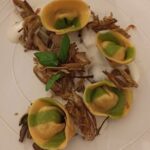
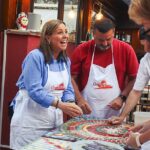
What you’ll cook: busiate pesto, pizza, and the desserts people actually talk about
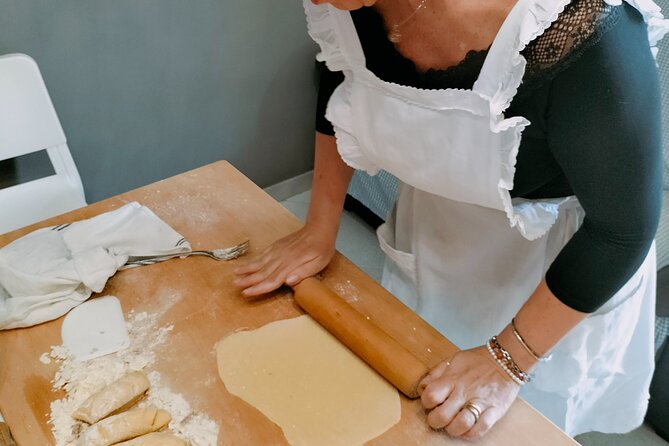
The sample menu gives you a clear idea of the “typical Sicilian lunch or dinner” focus. It includes pasta, a starter, and a dessert choice—plus a second main option depending on the menu you agree on.
Here’s what you can expect from the menu format:
- Main options
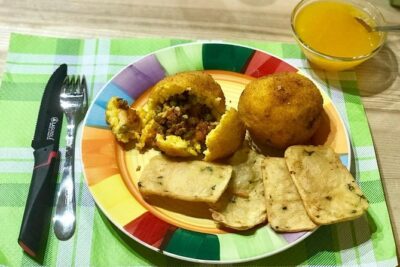
- Busiate with Trapanese pesto
- Typical Siracusana pizza
- Starter options
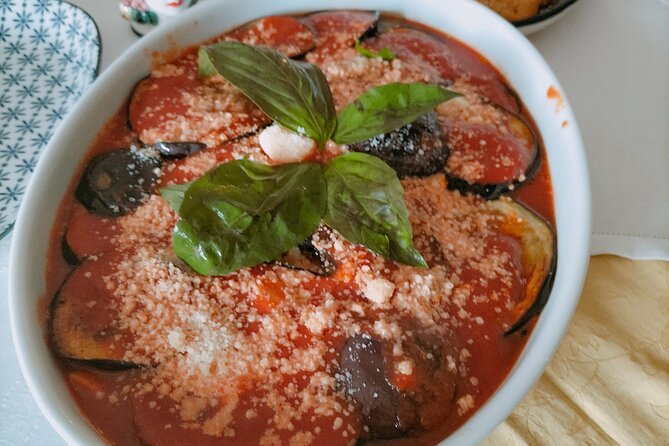
- Bruschetta or parmiggiana
- Dessert options
- Cannolo or tiramisù or almond biscuits
Busiate is a great choice because it’s not generic spaghetti. It’s made from durum wheat semolina, and the shape is part of the flavor story. You’ll learn how the dough behaves and how to handle the pasta so the pesto clings the way it should.
Trapanese pesto sounds fancy, but it’s fundamentally about combining garlic, basil, tomato, and parmesan with the right balance—the kind of “simple ingredients, correct technique” lesson that pays off when you cook at home. The sample menu also hints at secrets in the recipe, and in practice that usually means small steps and timing that you can’t guess from ingredient lists.
On dessert, Sicily’s “wow” factor is real. You can end up with cannolo or tiramisù—and depending on what you pick, you might see other almond-forward options like almond biscuits. Reviews also mention baking and assembling classics like cannoli and cassatelle-like pastries in some menus, so there’s often more pastry energy than you’d expect.
And yes, you’ll eat what you make. The point isn’t to send you home with a single tasting bite. You sit down as part of the meal.
How the 3-hour session usually unfolds (and what you should pay attention to)
The experience runs for about 3 hours. That’s long enough to learn, cook, and eat without feeling rushed, but not so long that you lose your focus.
Even without seeing your exact menu plan yet, the flow tends to follow a logical pattern:
- You start with the dough/pasta stage
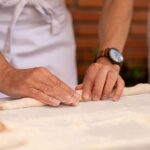
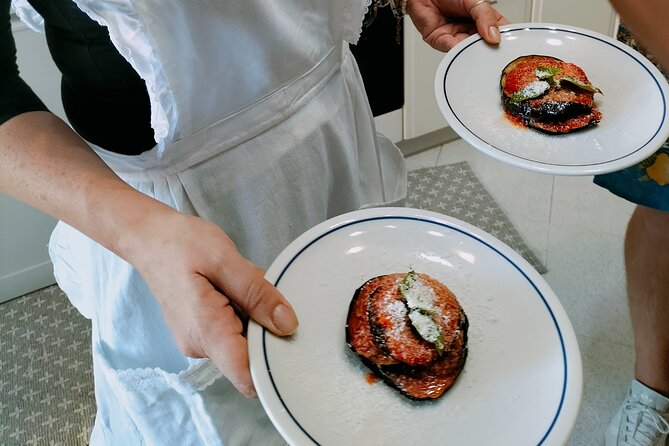
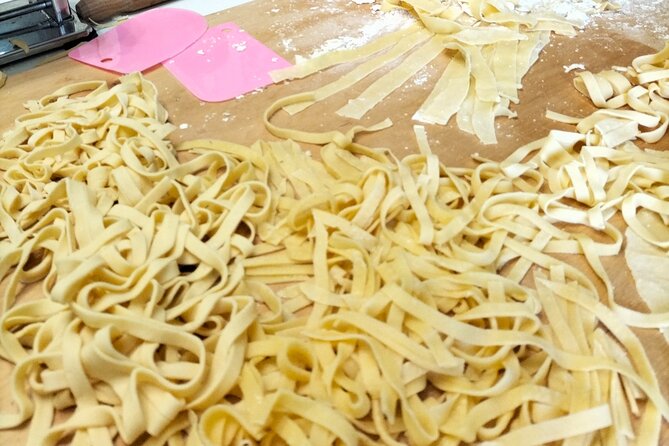
You’ll learn how to make fresh pasta and then shape it. Reviews describe learning handmade pasta in multiple shapes, with the host guiding each step and offering feedback as you work.
- You move into Sicilian sauces and savory dishes
Trapanese pesto is the headline in the sample menu, and you’ll also handle classic flavor builders like chopped vegetables when caponata-style dishes appear in menus. Expect technique work: chopping consistency, seasoning rhythm, and cooking until the sauce tastes right, not just until the timer beeps.
- You finish with the starter + dessert stage
Bruschetta or parmigiana give you a quick win on Sicilian comfort food. Dessert is where you get that sweet finish—often cannolo/tiramisu territory, with almond options on the menu too.
- You eat together
After the work, you sit at a table set in front of that archaeological view and enjoy the full meal with included drinks.
What I’d focus on if I were you: don’t try to memorize everything at once. Pick one “anchor skill” you want to nail—maybe pasta texture, pesto balance, or the trick to a dessert assembly step. Then let the rest be bonus learning.
Also, because it’s private, the pace can adjust to your group. If someone in your party is new to cooking, the host can slow down on the handwork. If you’re comfortable, you’ll likely get more “do it yourself” time. That’s one reason private classes feel better than group ones.
Dietary needs are part of the design, not an afterthought
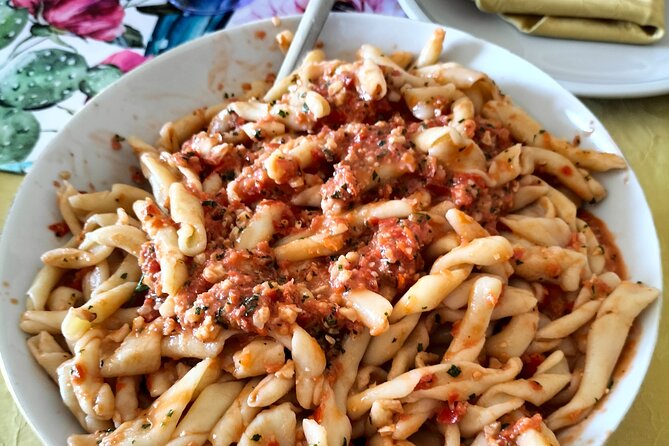
Sicilian cooking can be flexible, and this class is built around that idea. The overview explicitly says it caters to vegans, vegetarians, celiacs, as well as people who eat fish or want meat.
That matters because the hardest part of dietary adaptations isn’t swapping one ingredient. It’s keeping the final result tasting Sicilian, not “Sicilian-inspired substitutes.”
A practical approach here is menu choice. After booking, Maria Rita contacts you to decide the menu together. So if you’re vegan, celiac, or have another restriction, you’re not stuck with a fixed set menu that may or may not match your needs.
From the way menus have been described in detail, you may find vegan Sicilian dishes included on request, and you might see ingredient choices adjusted to keep the meal cohesive—pasta, sauce, starter, and dessert aligning with your diet.
One thing to consider: since the menu is custom-picked, your exact dishes may differ from the sample menu depending on what’s best for your group’s needs. That’s not a negative. It’s how you get a meal that actually works for you.
If you have strong food allergies, use your message to be specific. The tour data doesn’t list allergy handling details, so the safest move is to communicate clearly what you need to avoid during your menu planning.
The included drinks and the real value of the price
At $120.02 per person for about 3 hours, this sits in the middle of the “serious food experience” range. The value isn’t only that you cook—it’s that you’re also fed like you’re at someone’s table, not just doing a tasting.
Included drinks are:
- bottled still water and sparkling water
- red or white wine
- coffee or tea
There’s also an age rule: alcohol is allowed only for those over 18. So if your group includes younger diners, you’ll still have the water and coffee/tea options.
Is the wine a must? No. But pairing your meal with a Sicilian red (or a white, if that’s your pick) adds to the full “lunch or dinner” feeling. In a good class, food education and eating are linked. Here, they’re combined.
Another value factor: the class is private, so you’re not sharing attention with multiple groups. If you’ve ever taken a class where the instructor spends more time herding people than teaching, you’ll appreciate why private matters.
On the other hand, there’s a cost reality: private transportation isn’t included. If you’re coming from farther away (or you’re not familiar with getting around Siracusa), factor in local transit or a planned taxi ride. That can slightly change the net value for you.


Where you meet, timing, and how to plan the rest of your day
You’ll start at Via Costanza Bruno, 10, Siracusa, and the activity ends back at the meeting point.
The listed opening times are:
- Tuesday to Saturday
- 10:00 AM–1:00 PM
- 5:00 PM–8:00 PM
So you can align the class with either a late morning lunch slot or an early evening meal. I’d lean late morning if you want a full day of sights after. I’d lean early evening if you want to slow down and let cooking be the anchor of the day.
Also, it’s described as near public transportation, which is helpful. If you’re planning to walk around Siracusa after, having a reliable transit connection makes the day smoother.
One more smart add-on: the archaeological area is close enough that a short walk can fit before or after dinner plans. If you’re the type who likes to chain experiences, you can make your day feel connected—food in front of history, then a stroll to burn off cannolo calories.
Tips to get the most from your Sicilian cooking class
If you want this to be more than a fun meal, do a little prep in how you show up.
- Decide what you want most
- Is it pasta technique, pesto flavor, or dessert craft? Choose your “main character” skill so you remember something useful when you get home.
- Tell them your dietary needs early
- Since the menu is chosen together after booking, your food restrictions are best handled through that process, not at the last minute.
- Plan for hands-on work
- Expect chopping, shaping, and mixing. Wear something you’re okay getting a little food-dirty.
- Use your eyes for texture
- Pasta dough and pesto should look and feel a certain way. Taste during cooking beats guessing later.
- Take a few notes or photos
- The steps blur once you’re eating. If you snap a couple of key moments, you’ll thank yourself later when you try to recreate it.
And if you’re curious about the dishes beyond the menu: ask questions during the meal. Cooking hosts often have practical “why this works” explanations that don’t show up in restaurant food.
Should you book this Siracusa cooking course?
I think it’s a strong booking if you want:
- a true home-kitchen meal in Siracusa
- hands-on learning (pasta and Sicilian sauces, not just watching)
- a private format where your group gets attention
- a class that can handle vegans, vegetarians, and celiacs through menu choices
I’d skip it—or at least rethink—if getting there is hard for your group. With no private transportation included, your day needs a workable plan from wherever you’re staying.
If you’re the kind of traveler who likes to bring something back you can actually repeat at home, this has a clear advantage: you’re learning the method, the order, and the feel of typical Sicilian cooking—then eating it with a view of the archaeological area that makes the whole evening feel like it belongs in Siracusa.
FAQ
Where do I meet for the cooking class?
You meet at Via Costanza Bruno, 10, 96100 Siracusa SR, Italy. The experience ends back at the same meeting point.
Is this a private cooking class?
Yes. It’s listed as a private tour/activity, so only your group participates.
What’s included in the price?
The class includes bottled still and sparkling water, red or white wine (where allowed), and coffee or tea.
Are alcoholic drinks included, and is there an age limit?
Wine is included, but consumption of alcohol is allowed only for those over 18 years of age.
What dietary options are supported?
The experience says it can work for vegans, vegetarians, and celiacs, and it also fits people who eat fish or want meat, since the menu is chosen together after booking.
Can I cancel for a full refund?
Yes. Free cancellation is available up to 24 hours in advance for a full refund, and cut-off times are based on local time.