REVIEW · SICILY
Catania Home Cooking: Pistachio Ravioli, Sicilian Pasta & Wine
Book on Viator →Operated by Curioseety SRLS · Bookable on Viator
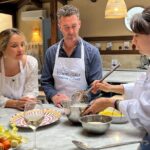
A Sicilian cooking lesson feels like dinner with friends. You’ll learn to make fresh pasta from scratch in a Catania home, including pistachio-filled ravioli, then eat what you cook with Sicilian sauces, wine, and dessert. One thing to consider first: this is an apartment-style setup, and one past experience raised concerns about pets in the kitchen, so if you’re sensitive to that, it’s worth asking ahead.
I like that the menu is practical and hands-on, not just a show. You work on several pasta shapes and then pair them with recognizable Sicilian flavors like Norma-style dressing and Trapanese pesto, plus a wine pairing that keeps the evening relaxed. I also appreciate the option to sit and chat while the host prepares the meal, which is a good fit if you want the home atmosphere without heavy cooking.
In This Review
- Key highlights if you love real food
- A Catania home kitchen, not a rushed demo
- Meeting point and timing: get there a few minutes early
- What you’ll cook: pistachio ravioli plus several classic shapes
- The sauces: Norma, Trapanese pesto, and Aeolian-style dressing
- Starter time: bruschetta with pear and sun-dried tomatoes
- Dessert skills: cannolamisù and other Sicilian sweet ideas
- Wine with dinner: local pairing that keeps the evening flowing
- Price and value: $106 for a real skill session
- Language and the human side: hosts make it work
- If you’re worried about pets or kitchen comfort
- Who this class is best for
- Should you book Catania Home Cooking?
- FAQ
- What’s included in the Catania cooking class?
- How long does the experience last?
- Is the class taught in English?
- Where do we meet in Catania?
- How big are the groups?
- Can I skip the cooking lesson and just watch?
- What should I do if I have allergies or intolerances?
Key highlights if you love real food
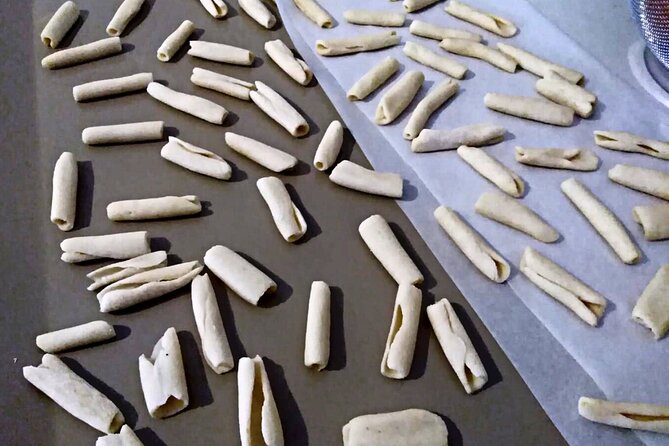
- Pistachio-filled ravioli plus other pasta shapes you can actually repeat at home
- Sicilian sauces you’ll build, not just taste: Norma, Trapanese pesto, and Aeolian-style dressing
- Starter bruschetta with creative combos like pear and sun-dried tomatoes
- A dessert that plays in Sicilian territory: cannolamisù, plus ideas like biancomangiare and deconstructed cannoli
- Small group pace (up to 6) and an English-supported class
A Catania home kitchen, not a rushed demo

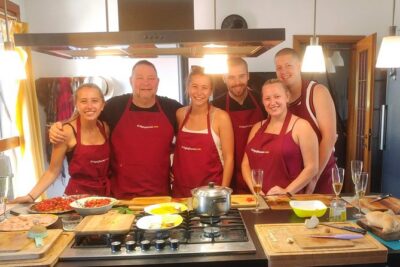
This experience is built around one idea: Sicily tastes better when you see it made. Instead of a big classroom, you’re in a real apartment kitchen, where the rhythm is closer to family cooking than studio performance. The evening runs about 3 hours, and the group is capped at 6 travelers, so you’re not fighting for space or tools.
The class is offered in English, and confirmation comes at booking. You also get a mobile ticket, which keeps things simple when you arrive. One practical bonus: there’s flexibility if you don’t want to cook every step. If you’d rather skip the lesson, you can ask to just enjoy the house atmosphere and chat while the host prepares everything.
Small groups matter here. You get time to learn the shapes and get feedback. You also get to ask questions that go beyond ingredients, like how Sicilian cooking uses local pantry staples and turns them into repeatable meals.
You can also read our reviews of more cooking classes in Sicily


Meeting point and timing: get there a few minutes early
You’ll meet at Via E. A. Pantano, 112, 95129 Catania CT, Italy. The experience ends back at the meeting point, so plan your other evening plans with that in mind.
Because this is an apartment-style experience, arriving a bit early helps. You’ll want time to get oriented, find the host, and settle in before the prep begins. Also, if you have dietary needs, you should flag allergies or intolerances in advance. The instructions specifically ask you to inform the team ahead of time for a safe, enjoyable experience.
What you’ll cook: pistachio ravioli plus several classic shapes
The menu is organized around a core lesson: making fresh pasta, with multiple shapes and fillings. Expect to work on:
- Pistachio-filled ravioli
- caserecce
- gnocchetti
Why that matters: if you only learn one pasta form, you leave with a single trick. Here, you learn how dough behaves and how different shapes catch sauce differently. That’s what makes it easier to recreate at home later, even if you don’t remember every exact detail.
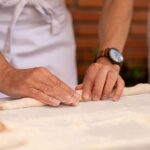
Pistachio-filled ravioli bring a distinctly Sicilian flavor angle. Pistachios are a classic local ingredient, and stuffing them into ravioli teaches you technique (sealing and portioning) while also giving you a flavor profile that’s different from the typical ricotta-and-cheese pasta you might know.
Caserecce and gnocchetti round out the lesson. Both are great sauce carriers, so you’ll get a sense of how texture affects taste, especially once you start pairing with the Sicilian-style sauces on the menu.
The sauces: Norma, Trapanese pesto, and Aeolian-style dressing
A lot of cooking classes stop at the pasta. This one keeps going, because Sicilian pasta culture is all about sauce and balance.
You’ll pair your pasta with several named Sicilian options, including:
- Norma dressing (often associated with eggplant-forward flavors)
- Trapanese pesto
- Aeolian style dressing
Even if you already love Italian food, these names are worth paying attention to. They point to regional flavor patterns: the way eggplant, nuts, herbs, and tomatoes show up together, and how Sicilian cooking uses bold ingredients without making the result heavy.
What I’d focus on while you’re learning: watch how the sauce is treated as an equal partner. The pasta isn’t just a vehicle. It’s part of a system—shape plus sauce plus texture. When you take that idea home, you can mix and match more confidently.
Starter time: bruschetta with pear and sun-dried tomatoes
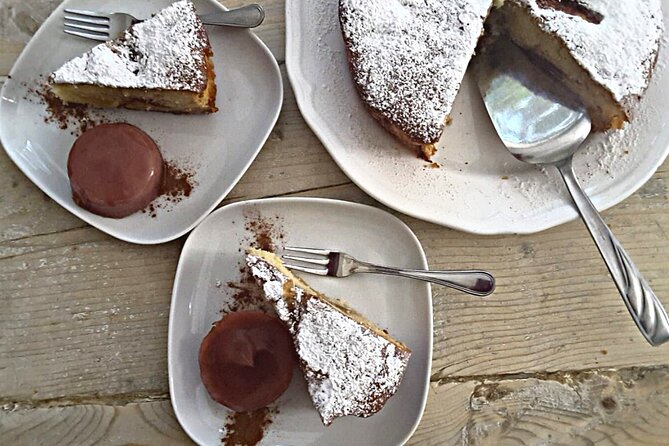
Before you start rolling and shaping, you’ll eat bruschetta. This isn’t just bread with tomato. The menu includes creative topping combinations such as pear and sun-dried tomatoes, alongside a more traditional tomato-based version.
That matters for two reasons. First, it gets you into the Sicilian flavor mode before the heavy work starts. Second, bruschetta toppings are a cheat code for home cooking: once you understand how sweet, salty, and acidic notes are balanced on toast, you can build quick appetizers that feel special without a lot of effort.
If you tend to get hungry early, this starter setup is a good pacing choice. You’ll be fueled before the pasta lesson gets hands-on.
You can also read our reviews of more wine tours in Sicily






Dessert skills: cannolamisù and other Sicilian sweet ideas
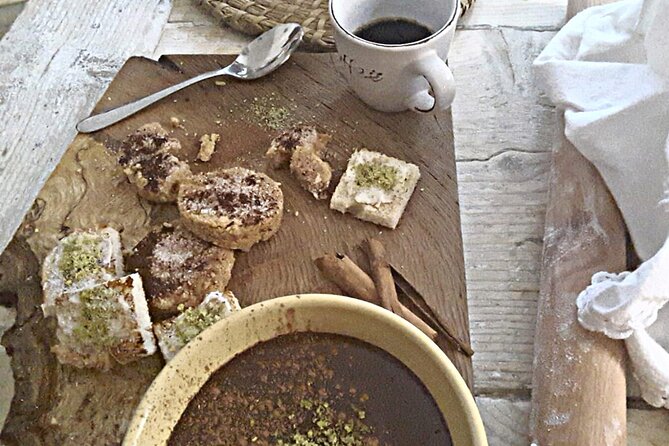
The dessert segment is where many cooking classes either feel rushed or feel like an afterthought. Here, the focus is on Sicilian-inspired sweets, including:
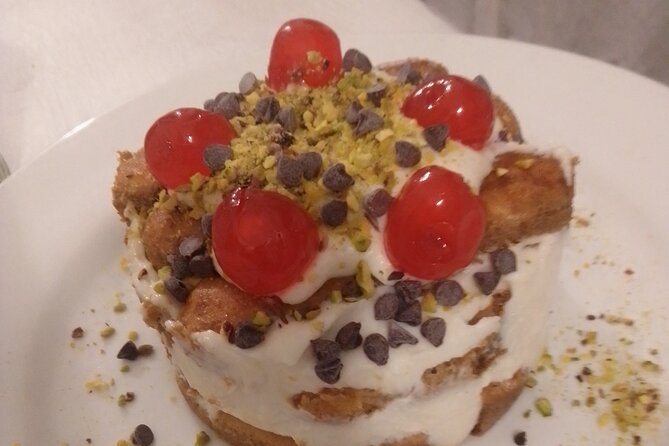
- cannolamisù, described as a twist on tiramisu made with ricotta
- biancomangiare
- a deconstructed cannoli-style approach
Cannolamisù is a smart learning target. It keeps flavors you already associate with Sicilian sweets—ricotta cream, crunch or structure from classic cannoli elements—while translating it into a plated dessert format. That makes it easier to reproduce at home than a full cannoli shell process, especially if you’re not planning a deep-fry session.
If you love dessert, keep an eye on texture: creamy ricotta versus whatever element gives the dessert body and contrast. That interplay is what makes the cannoli-inspired flavor feel real even in a new form.
Wine with dinner: local pairing that keeps the evening flowing
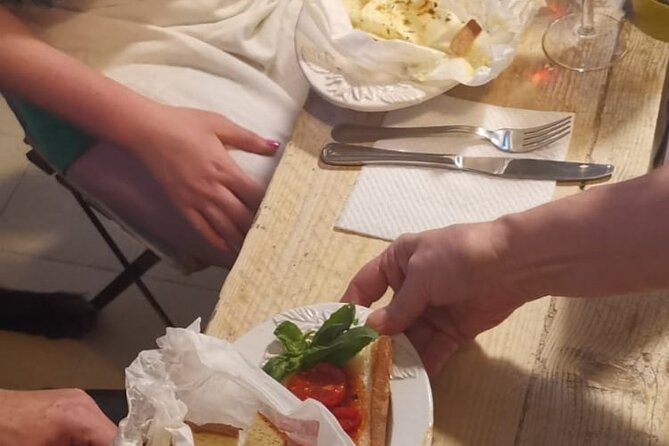
You’ll enjoy the dishes you prepare, complemented by fine local wines. The wine aspect isn’t just a background detail. It changes the pacing and the way you experience the food—especially with richer items like eggplant-forward sauce styles or nut-based ravioli.
Also, since the class lasts around 3 hours, the wine pairing helps keep things from turning into a nonstop cooking grind. You get that classic travel feeling: you work, you eat, you talk, and you linger a little.
Price and value: $106 for a real skill session

At $106.04 per person for about 3 hours, this sits in the mid-range for an in-home cooking class in Sicily. The value comes from what you actually learn and produce: multiple pasta shapes, sauce pairings, and a Sicilian dessert.
You’re not paying just for a meal. You’re paying for hands-on technique—rolling, shaping, filling, and finishing. For food lovers, that’s the kind of expense that makes sense because it converts directly into repeatable dinners later.
The small-group size (max 6 travelers) also supports the price. It means you get more individualized guidance than you’d get in a larger tour. And because the class is offered in English, it’s easier to follow the steps and ask questions without needing advanced Italian.
Language and the human side: hosts make it work
The evening is built around people cooking in their own space. That sounds simple, but it’s often what makes the class memorable.
From the host-side experiences shared for this activity, language barriers weren’t treated like a stop sign. Even when translation support wasn’t available at the start, the group still connected through a mix of teaching, clarification, and practical communication. In other words, you don’t need perfect Italian to do well here.
Also, the host family atmosphere can be a big part of the appeal. Some sessions have involved hosts and family members working together in the kitchen, and you’ll likely get recommendations for where to eat or what to do next in Sicily as the night winds down.
If you’re worried about pets or kitchen comfort
Here’s the one consideration I’d take seriously before booking: one past experience described an apartment kitchen with dogs present, along with concerns about hygiene and smoking.
I can’t verify how that felt in every session, but the takeaway for you is practical: if you’re sensitive to pets, allergies, or smoke smells, email or message the organizer ahead of time and ask what the kitchen setup is like during class. You can also ask whether pets are kept in a separate room and how hygiene is handled when multiple people (and animals) share the space.
For most people, an apartment kitchen is cozy and normal. But if your comfort rules are strict, it’s worth confirming.
Who this class is best for
This works especially well if:
- you want to learn a handful of pasta skills, not just watch
- you love Sicilian flavors beyond the usual pizza-pasta routine
- you’re comfortable in small groups and like conversation over formality
- you want a dessert lesson tied to real local ingredients like ricotta and cannoli-inspired flavors
It may be less ideal if:
- you’re uncomfortable in a home kitchen setting
- you have strong preferences about pets in the workspace
- you want a totally hands-off dining experience (though there is an option to observe while the menu is prepared)
Should you book Catania Home Cooking?
I’d book it if you’re a food person who likes to take skills home, not just collect photos. The pasta focus (including pistachio-filled ravioli, plus caserecce and gnocchetti) plus the Sicilian sauces and cannolamisù-style dessert create a complete evening you can replay in your own kitchen.
If you’re booking for peace and comfort above all, send a quick note about pets and any smoking concerns first. That small step can prevent a bad fit.
FAQ
What’s included in the Catania cooking class?
You’ll make fresh pasta (including pistachio-filled ravioli and other shapes), prepare and taste Sicilian sauces, start with bruschetta, and finish with a Sicilian dessert. The meal is served with fine local wines.
How long does the experience last?
It’s about 3 hours.
Is the class taught in English?
Yes. The experience is offered in English.
Where do we meet in Catania?
You’ll meet at Via E. A. Pantano, 112, 95129 Catania CT, Italy, and the activity ends back at the same meeting point.
How big are the groups?
The experience has a maximum of 6 travelers.
Can I skip the cooking lesson and just watch?
Yes. If you prefer not to take part in the cooking, you can ask for an option where you enjoy the home atmosphere and chat while the host prepares the menu.
What should I do if I have allergies or intolerances?
Inform the team in advance so they can adjust safely for your needs.