REVIEW · SICILY
Cesarine: Home Cooking Class & Meal with a Local in Palermo
Book on Viator →Operated by Cesarine: Cooking Class · Bookable on Viator
A Palermo cooking class in someone’s home changes how you taste Sicily. You learn to make three Sicilian dishes from scratch and then sit down to enjoy the meal, usually with wine. I also like the private setup, because it feels like being invited for a course meal, not herded through a demo.
One thing to consider: the menu can shift with what’s seasonal and what your host is teaching that day, so you should expect a similar style of dishes rather than a rigid script.
You’ll start and finish near the central Palermo area, your session runs about three hours, and you’ll leave with a souvenir apron plus a shopping bag. If you’re the kind of traveler who wants exact timing and a guaranteed dish list down to the last detail, message ahead before you book.
In This Review
- Key points to know before you go
- Why this Palermo home cooking class feels different than a restaurant meal
- The private setup: attention without the crowd stress
- The 3-hour flow: starter, pasta, dessert (and how the timing usually plays)
- Stop 1: Palermo, then straight into the kitchen work
- Starter: seasonal and designed to teach something
- Main: fresh pasta with Palermitan classics
- Dessert: a Palermitan sweet you can actually picture later
- What you learn (and why it sticks): technique over trivia
- Pasta basics you can bring home
- Sicilian flavor logic: sweet-salty and bold aromatics
- Wine with lunch or dinner: why it makes the class better
- The hosts matter: Rosa Maria, Pina, Alice, and Francesco in plain terms
- Price and value: what $174.22 buys in Palermo
- What about dietary needs and vegetarian options?
- Getting the most out of your Sicilian home cooking class
- Who should book this Palermo experience
- Final verdict: should you book Cesarine in Palermo?
- FAQ
- How long is the Palermo home cooking class?
- What dishes will I learn to make?
- Is this class private?
- What language is the class offered in?
- Will wine be included?
- What souvenir items are included?
- Where does the experience start and end?
- Do I get a ticket on my phone?
- What’s the cancellation policy?
- Are service animals allowed?
- Should I book this if I want vegetarian food?
Key points to know before you go
- Private home cooking means questions, pacing, and attention actually fit your group
- Three dishes gives you enough technique to repeat the meal at home
- Wine pairing turns the cooking session into a real Sicilian meal, not just samples
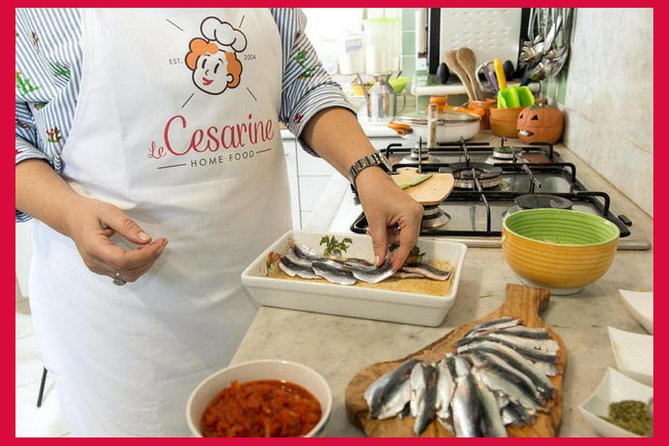
- Souvenir apron and shopping bag add value beyond the food
- English-speaking instruction keeps the lesson clear and practical
Why this Palermo home cooking class feels different than a restaurant meal
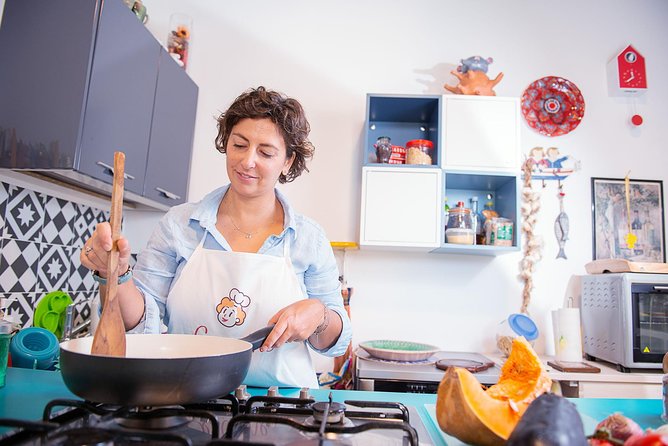
Cesarine-style classes focus on the kind of food locals cook because it fits their real week, not because it looks good for tourists. In a Palermo home kitchen, you learn the “why” behind the steps: how to build flavor in a sauce, how to handle dough, and when something is ready just by look and smell.
The best part is how the class connects cooking to eating. You don’t just watch a platter appear. You make a starter, a pasta course, and a dessert, then you eat what you cooked while the evening still feels like it’s unfolding in real time.
You also get something I always look for in Sicily: texture and rhythm. Palermo cooking leans into punchy ingredients (like tuna-roe), classic eggplant-forward flavors, and desserts that balance sweet richness with bright citrus notes. Even when you’re not a super-confident cook, the lesson format is set up to get you producing a full, satisfying meal.
You can also read our reviews of more cooking classes in Sicily
The private setup: attention without the crowd stress
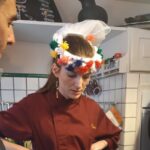
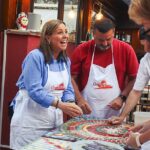
This is a private tour/activity, with only your group taking part. That matters more than you’d think. You can slow down if you want to nail the pasta technique, or speed up if you already feel comfortable with dough and sauces. It also makes it easier to talk directly with your host about substitutions—especially if you have preferences.
Across the experiences, hosts like Rosa Maria, Pina, and Alice (with Francesco also showing up as a host) come through as warm, organized, and genuinely invested in teaching. You’ll feel that in how the kitchen time is handled: you’re not just following steps, you’re learning.
The 3-hour flow: starter, pasta, dessert (and how the timing usually plays)
Plan for about three hours, and expect the session to follow a simple arc: start with a seasonal starter, move into fresh pasta, and finish with a Palermitan dessert. You’ll also get to relax and eat at the end rather than packing the meal away to go.
Stop 1: Palermo, then straight into the kitchen work
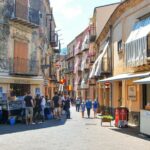
You meet in the Palermo area (the start point is listed as the Metropolitan City of Palermo, Italy) and the experience ends back at the meeting point. That keeps logistics tidy if you’re already basing yourself in central Palermo.
Because this is a home setup, the experience depends on the host’s rhythm and kitchen flow. Some classes include an extra touch such as a quick produce stop in a local market—one session notes a pop-over to look at produce—so don’t be surprised if you spend part of your time checking ingredients before you start cooking.
Starter: seasonal and designed to teach something
The starter is described as a seasonal starter, meaning it’s not guaranteed to be identical every day. That’s a good thing for you. Seasonal choices typically mean better flavor and fresher ingredients, and hosts can teach technique without relying on a single fixed recipe.
If your starter is something like an appetizer build or a fried or vegetable-forward bite, you’ll likely learn how to handle ingredients without overcooking. In these sessions, the goal is usually to get you comfortable with the basics that show up again in the pasta course.
You can also read our reviews of more tours and experiences in Sicily
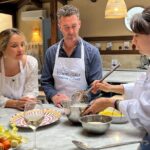
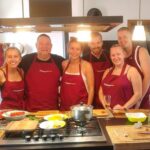


Main: fresh pasta with Palermitan classics
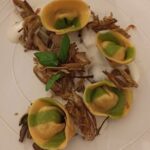
The main course is fresh pasta, with sample options such as Pasta con le sarde, Spaghetti with tuna-roe, or Pasta alla Norma. Here’s why this matters: these dishes teach you Palermitan flavor structure.
- Pasta con le sarde / tuna-roe styles help you understand how salty, ocean-rich ingredients balance with aromatics
- Pasta alla Norma is a lesson in eggplant friendliness: how to roast or fry it so it turns tender without turning soggy
- The pasta-making part teaches technique you can reuse later, not just a sauce
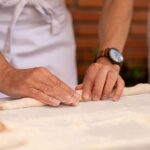
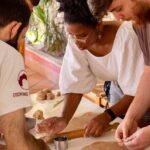
More than one host is praised for explaining pasta steps clearly. You’ll want to watch how your dough is handled—how it comes together, rests, and then gets rolled and shaped. This is where a home class shines: the teacher can adjust based on your pace.
Dessert: a Palermitan sweet you can actually picture later
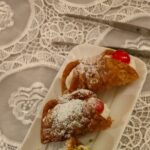
Dessert is listed as a Palermitan dessert, with classic samples including Cannolo siciliano, Gelo di limone, Cassata, Tiramisu, or a similar typical dessert. Expect something rich and unmistakably Sicilian, but don’t worry if the exact choice differs—what you’re really buying is the chance to learn the dessert approach your host uses.
For can’t-miss classics, cannoli often teaches structure and filling balance. Lemon gel desserts tend to teach the bright, creamy side of Sicilian sweets. Cassata style desserts bring a sense of layering and assembly. And tiramisu usually gives you the comfort of an internationally known dessert with a local touch.
What you learn (and why it sticks): technique over trivia
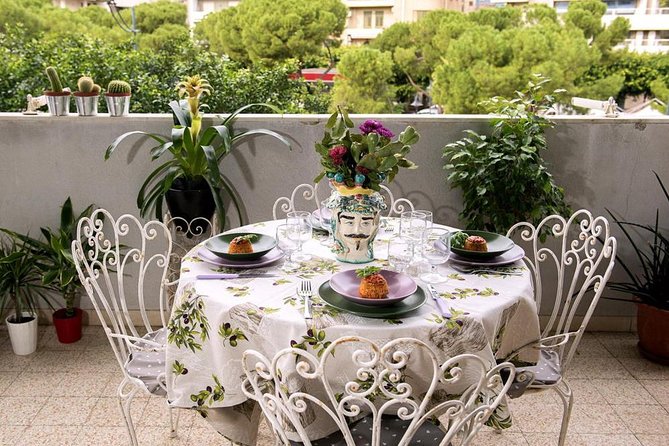
This kind of class is valuable because it’s not just “try this recipe.” It’s guided cooking that builds repeatable skills.
Pasta basics you can bring home
Hosts are specifically praised for teaching the pasta process well. That means you should leave understanding core moves like:
- how to work dough to avoid tearing and uneven thickness
- how to time the cooking so the pasta matches the sauce pace
- how to season so flavors don’t get dulled when the dish comes together
If you love pasta, this is the part you’ll remember the most when you’re standing in your own kitchen later.
Sicilian flavor logic: sweet-salty and bold aromatics
Palermitan food often plays with sharpness and comfort at the same time. A Sicilian starter might be fried or seasonal. The main might be eggplant-heavy or seafood-rich. Then dessert swings back toward creaminess or bright citrus.
You’ll learn to balance:
- salty elements (like tuna-roe)
- aromatic foundations (herbs and sauces)
- and dessert sweetness with a touch of lemony brightness
It’s practical cooking chemistry, taught with a friendly hand.
Wine with lunch or dinner: why it makes the class better
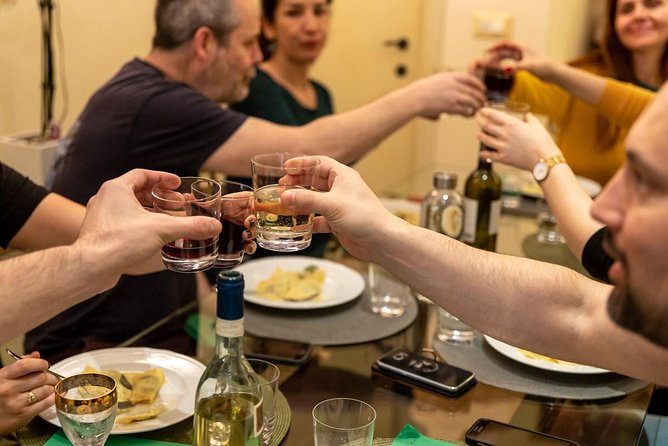
You’ll enjoy what you cook with red or white wine. This isn’t a throwaway inclusion. When you drink a glass during the meal, the class turns into a full Sicilian hospitality moment.
In one described experience, the host also offered small welcome snacks while you cook and even a sparkling drink. Another session included tasting Francesco’s cherry liquor and homemade limoncello. Even if your class doesn’t include the same extras, the pattern is consistent: you’re treated like someone being fed, not a customer consuming a service.
For you, that means the meal is the payoff. Cooking becomes the story, and the wine makes it easier to enjoy the conversation that naturally happens around a table.
The hosts matter: Rosa Maria, Pina, Alice, and Francesco in plain terms
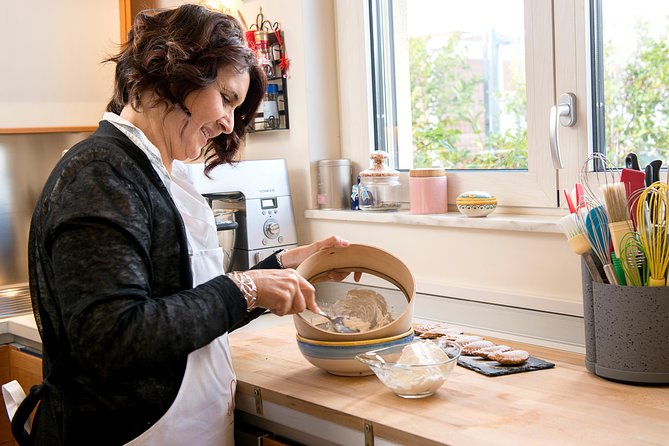
This is a “choose a home” style experience, and the personality of the host shows up in how the class feels.
- Rosa Maria is repeatedly praised for making pasta and teaching with warmth, including meals featuring dishes like pasta alla Norma and tiramisu-style desserts
- Pina is highlighted for a very hospitable vibe, a beautiful apartment, and hands-on teaching that includes market time and detailed sauce work
- Alice and Francesco come up as welcoming hosts who guide the meal through multiple courses and keep it light with conversation
The consistent thread: the teaching is paced for learning, and the kitchen time feels friendly rather than formal. If you’re nervous about cooking, that tone helps. If you love asking questions, it also helps—you’ll get answers in a human way.
Price and value: what $174.22 buys in Palermo
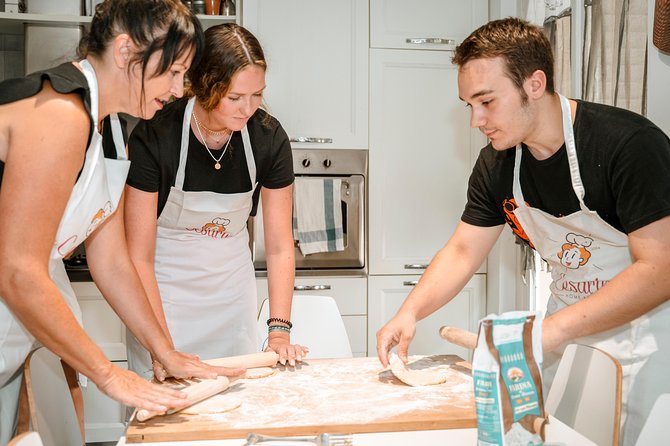
At about $174.22 per person for roughly three hours, you’re paying for more than a recipe card.
Here’s what makes it feel fair:
- Private group experience with hands-on teaching
- Three dishes plus the meal you eat
- Wine included (red or white)
- Souvenir apron and shopping bag
A cooking class that includes wine and a full sit-down meal usually costs more than a short demo. Here, you’re basically buying a guided, meal-focused afternoon with instruction you can reuse. If you’re the sort of traveler who values doing one great thing well (instead of collecting ten quick sights), this tends to land as good value.
If you’re extremely budget-focused, $174 may feel steep. In that case, compare it to how much you’d spend on a serious multi-course dinner plus a paid workshop. This class includes the dinner and the workshop together.
What about dietary needs and vegetarian options?
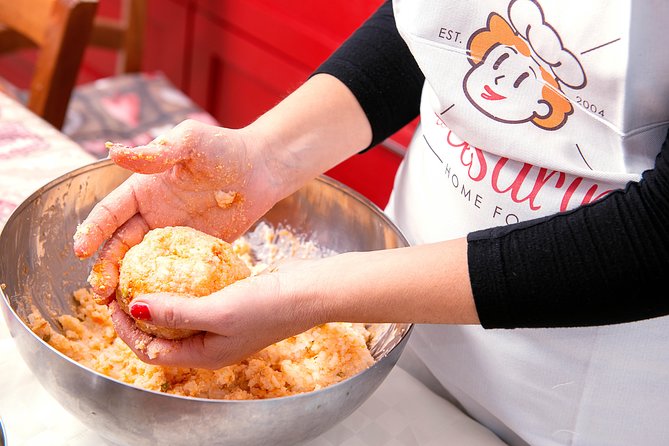
Your safest move is to communicate preferences in advance, because the starter and dessert can vary based on the day’s plan. One described class included tasty vegetarian dishes for all, and another noted the lesson was tailored to the group’s taste.
So if you’re vegetarian or have a food preference, do this:
- Message your host with your needs early
- Plan that your dishes will still be Sicilian, just adjusted
The class description doesn’t promise specific substitutions in every case, but the experiences show hosts can flex.
Also, the tour info confirms service animals allowed, which is useful if that applies to your group.
Getting the most out of your Sicilian home cooking class
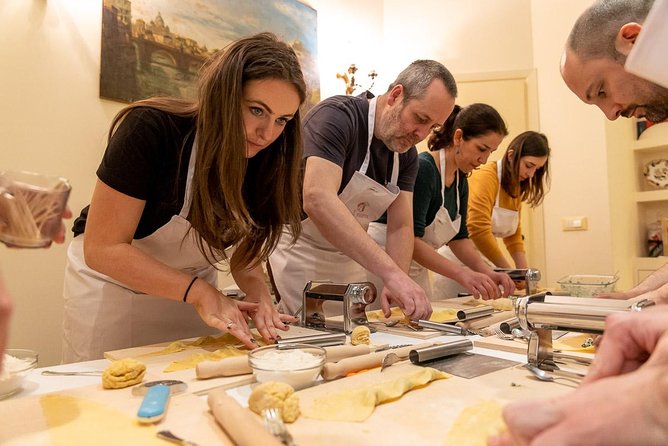
You’ll enjoy this more if you go in with the right mindset: you’re learning, and the kitchen is a working place.
A few practical tips:
- Arrive ready to cook, not just watch. Wear comfortable shoes and be ready for kitchen warmth
- Ask questions while your hands are busy. Hosts teach better when you point at the problem
- If you want a particular dish like pasta alla Norma or a dessert style you love, message ahead so your host can try to match what you’re hoping for
One more smart move: treat this as a mini Sicilian food tour. If there’s time for a market stop, take it seriously. You’ll learn what produce your host favors and why those choices show up later on your plate.
Who should book this Palermo experience
I think this is a strong fit if you:
- want an authentic Palermo day that centers on food, not just photos
- enjoy hands-on activities more than museum time
- like small-group, personal experiences
- want to bring cooking skills home, especially pasta technique
It also works well for families and groups because the private format reduces the chaos of larger shared classes. One host is specifically praised for accommodating a 1-year-old, including preparing something for the baby and keeping them occupied while adults cooked and ate.
If you hate food activities and prefer only sightseeing, then this probably won’t suit you. But if you like learning by doing, you’ll get a lot out of it.
Final verdict: should you book Cesarine in Palermo?
If you’re in Palermo and you want to leave with more than memories, book it. The combination of three hands-on dishes, wine with the meal, and a private home setting is exactly the kind of experience that turns travel into something you can repeat.
Book with extra care if you’re picky about exact menus or you’re traveling at a time when you’re not comfortable with seasonal substitutions. Still, a quick message to your host can usually clarify what to expect that day.
In short: if Sicily is calling you for food, this is a very direct line to the real thing.
FAQ
How long is the Palermo home cooking class?
It runs for about 3 hours (approx.).
What dishes will I learn to make?
You’ll learn 3 Sicilian dishes. The sample menu includes a seasonal starter, fresh pasta (with examples like Pasta con le sarde, Spaghetti with tuna-roe, or Pasta alla Norma), and a Palermitan dessert (examples include Cannolo siciliano, Gelo di limone, Cassata, Tiramisu, or similar typical desserts).
Is this class private?
Yes. It’s listed as a private tour/activity, so only your group participates.
What language is the class offered in?
The experience is offered in English.
Will wine be included?
Yes. You’ll enjoy your dishes with red or white wine.
What souvenir items are included?
An apron and a shopping bag are included.
Where does the experience start and end?
It starts at the Metropolitan City of Palermo, Italy, and ends back at the same meeting point.
Do I get a ticket on my phone?
Yes. The experience offers a mobile ticket.
What’s the cancellation policy?
Cancellation is free. You can cancel up to 24 hours in advance for a full refund.
Are service animals allowed?
Yes. Service animals are allowed.
Should I book this if I want vegetarian food?
Vegetarian options can happen, since at least one class description mentions vegetarian dishes prepared for all. For your best chance, message your host with your needs before the class.