REVIEW · CATANIA
Cooking class fresh pasta
Book on GetYourGuide →Operated by Futuro e Lavoro · Bookable on GetYourGuide
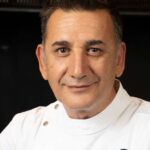
Fresh pasta in Sicily is a hands-on education. You’ll learn dough, shapes, and classic Sicilian sauces, then eat what you make with wine. I especially love the hands-on work with Chef Simona and the way the class covers both egg pasta and durum wheat dough. The one drawback to plan for: it’s a tight 3-hour window, so you’ll learn a lot fast rather than taking it slow and perfecting every detail.
This course runs like a real professional kitchen lesson. First you make dough and shape three types of pasta, then you move to three Sicilian-style sauces. The chef finishes cooking so you can sit down and focus on tasting, not timing.
And if you enjoy practical food skills you can reuse, this one is built for that. You get to taste what you create, and at least some participants leave with recipes to make again at home. Just show up ready to get flour on your hands.
In This Review
- Key highlights you should know
- Sicily Fresh Pasta Class: What You Learn in 3 Hours
- The Dough Lesson: Egg Pasta and Sicilian Durum Wheat
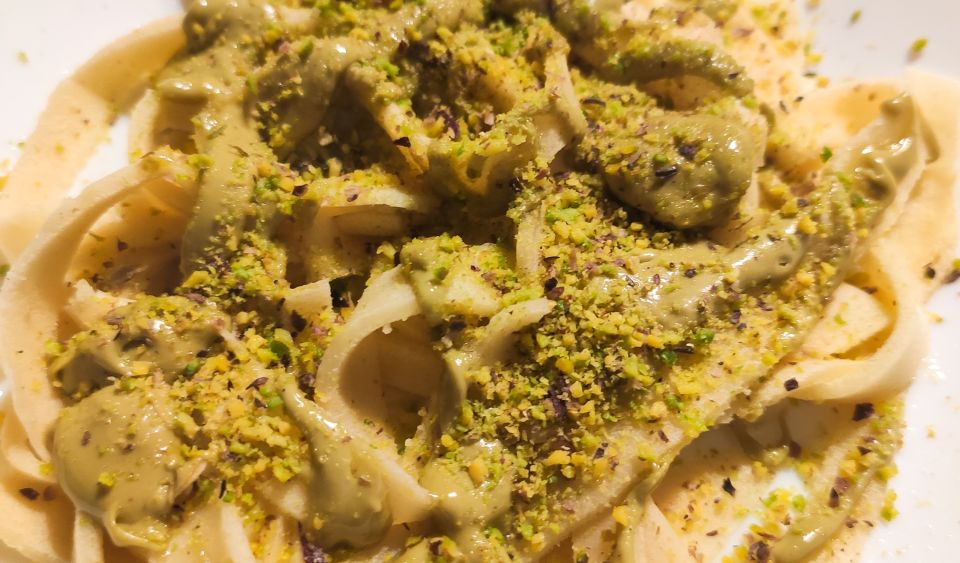
- Shaping Tagliatelle, Stuffed Pasta, and Maltagliati
- Sicilian Sauces You Make: Ragù, Norma, and Pesto
- Ragù
- Norma
- Sicilian pesto
- From Cooking Lab to Table: Tasting With Wine
- Price and Value: What $112.15 Buys You
- Who This Cooking Class Suits Best
- Practical Tips Before You Go (So You Enjoy the Process)
- Should You Book This Sicilian Pasta-Making Class?
- FAQ
- How long is the cooking class?
- What types of pasta will I learn to make?
- What sauces are included in the lesson?
- Who teaches the class?
- Is the meal included?
- What is included in the price?
- Are recipes provided after the class?
- Is free cancellation available?
Key highlights you should know
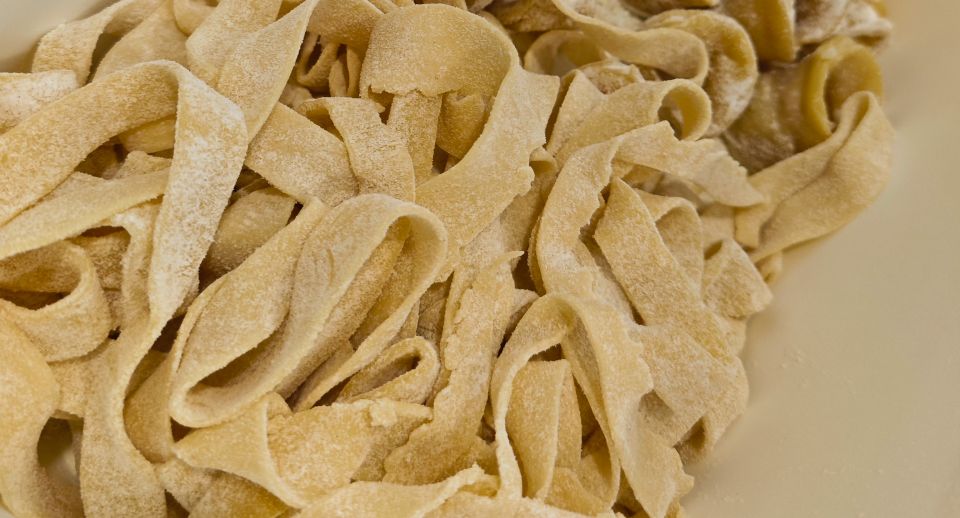
- Two doughs taught in one class: classic egg pasta plus typical Sicilian durum wheat dough
- Three pasta outcomes: tagliatelle, stuffed pasta, and maltagliati
- Three Sicilian sauces: ragù, Norma, and Sicilian pesto
- Pro chef instruction in a working cooking lab
- Chef-led cooking and a full tasting meal paired with Sicilian wine
Sicily Fresh Pasta Class: What You Learn in 3 Hours
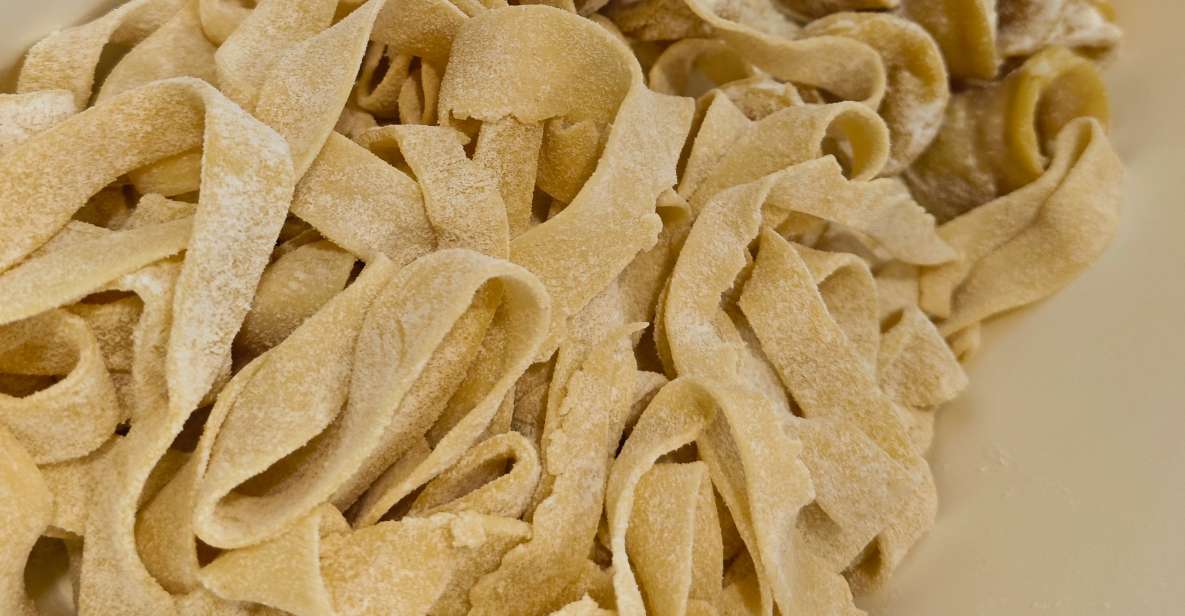
If you want a Sicily food memory that lasts longer than a photo, this is the kind of class that sticks. You’re not just watching a demo. You’re making dough, shaping pasta, and learning how the sauces actually connect to the pasta you’re producing.
The timing is built around momentum. In the first phase, the focus is dough: making it, understanding the texture, and working it with your hands. Then the class shifts to sauce-making, so you learn how Sicilian flavor builds layer by layer. Finally, the chef handles the last step of cooking, and you taste everything as a cohesive meal.
That flow matters because pasta cooking is not one skill. It’s a chain. If you only make one part, you miss how it all clicks together. Here, you build the chain end-to-end: dough, shapes, sauces, and then eating it properly.
You can also read our reviews of more cooking classes in Catania
The Dough Lesson: Egg Pasta and Sicilian Durum Wheat
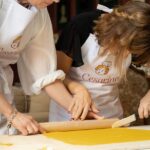
The class starts with dough, and that’s where your “aha” moment usually happens. You’ll make two types of dough:
1) Classic egg pasta dough
You’ll work with the idea of elasticity and structure that eggs bring to pasta. The goal is dough that rolls cleanly and holds shape when you cut or shape it.
2) Typical Sicilian durum wheat dough
This part is useful because it explains how Sicilian wheat culture shows up in everyday cooking. Durum wheat has a different feel and bite potential, and learning it in the context of Sicilian shapes makes the lesson more than just theory.
The practical value here is huge for you if you cook at home. Once you understand that dough types behave differently, you stop treating pasta like one-size-fits-all. You’ll be able to adjust technique next time, instead of repeating a recipe blindly.
Also, don’t underestimate how much confidence comes from touching the dough yourself. A lab setting helps too: a clean, functional space with a chef guiding you is the difference between a fun food event and a skill you can actually carry home.
Shaping Tagliatelle, Stuffed Pasta, and Maltagliati
After the dough phase, you’ll shape three pasta types. This is the part where the class feels most “real.” You’re learning not only how to make pasta, but what shapes are meant to do.
You’ll make:
- Tagliatelle
This one is all about surface and shape. The pasta holds sauce well, so it’s a great baseline for learning how sauce pairing works.
- Stuffed pasta
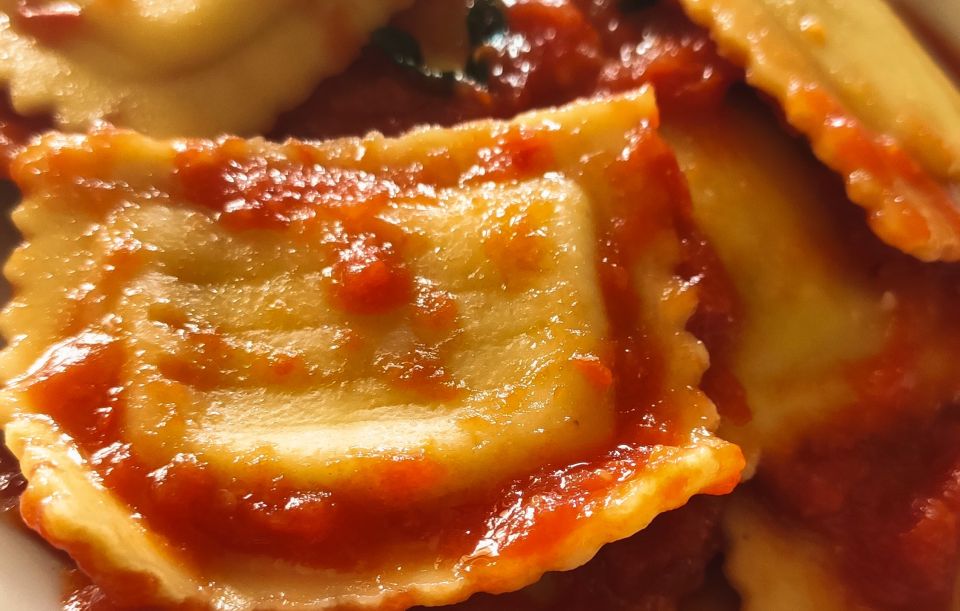
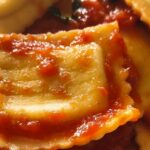
You’ll learn how filling interacts with sealing and portioning. Even if you’ve cooked stuffed pasta before, making it under a chef’s direction helps you catch small technique issues fast.
- Maltagliati
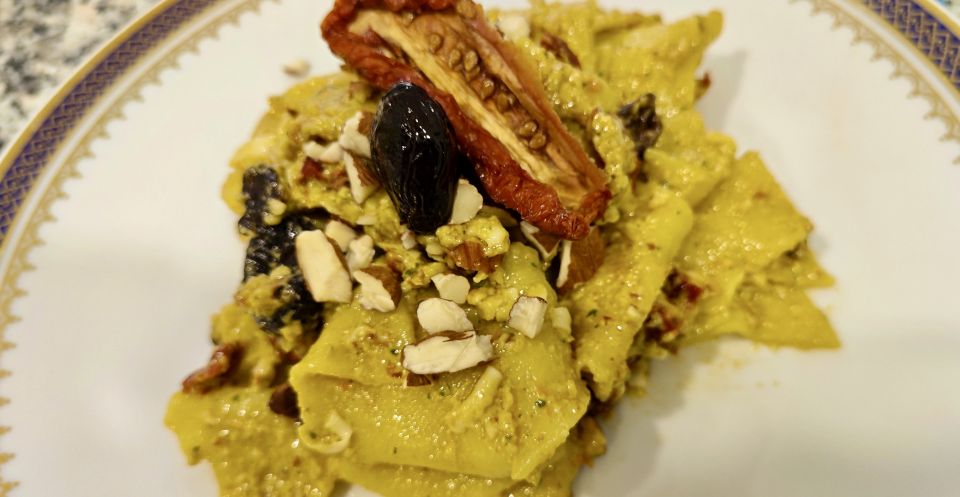
This is the “imperfect cut” pasta in spirit. You get a lesson in how to work dough creatively while still ending up with pieces that cook evenly.
These three shapes are a smart trio because they cover different pasta jobs. Tagliatelle is for sauce cling and comfort. Stuffed pasta is for bite and contrast. Maltagliati are about texture and using handwork naturally.
One more nice touch from the experience: the chef’s guidance is described as patient and helpful. When your hands are doing something new, that matters. Flour-covered stress is real, and you want a teacher who corrects without rushing you.
Sicilian Sauces You Make: Ragù, Norma, and Pesto
Now you shift from dough to flavor. The sauces aren’t random Italian picks. They’re firmly Sicilian, and each one has a different personality.
Ragù
You’ll learn how to make ragù, and from the reviews, this is a standout. It’s the kind of sauce that tastes slow-cooked even when you’re learning it in a class setting, and it pairs naturally with the heartier pasta shapes.
You can also read our reviews of more tours and experiences in Catania
Norma
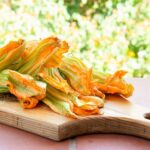
“Norma” (pasta alla Norma) is a classic Sicilian dish name, and making it here teaches you how Sicilian ingredients show up in everyday comfort food. The key lesson is how the sauce clings and coats so every bite gets enough sauce, not just pasta.
Sicilian pesto
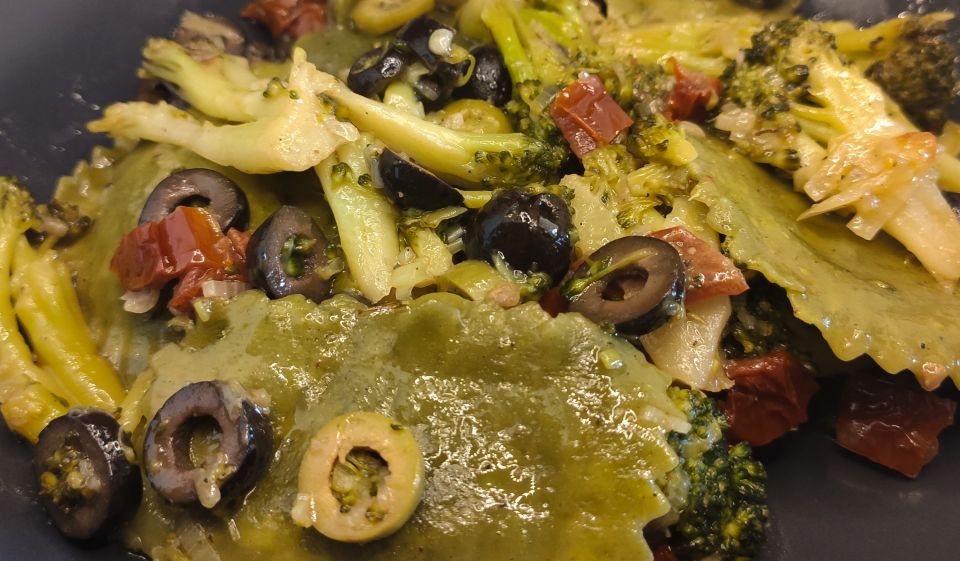
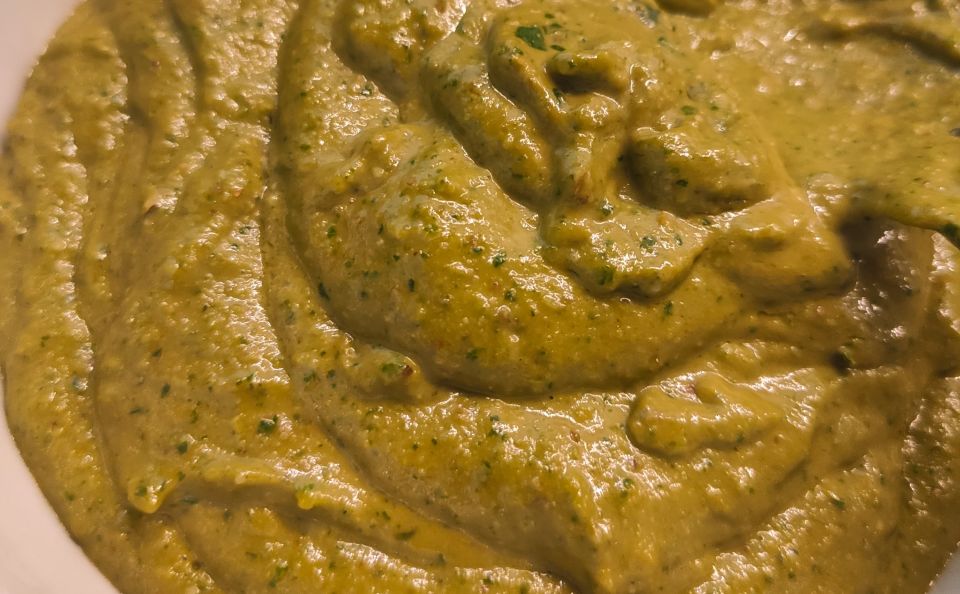
Then you’ll make Sicilian pesto. The value isn’t just in tasting it. It’s in learning the build and texture of a pesto style that feels right for Sicily’s flavors, rather than a generic green sauce you might find everywhere else.
These three sauces are excellent together because you learn range. You’ll understand how to think about pairing: hearty, tomato-forward, and herb-based. When you cook at home later, you won’t just copy one recipe. You’ll know which pasta shapes want which kinds of sauce.
From Cooking Lab to Table: Tasting With Wine
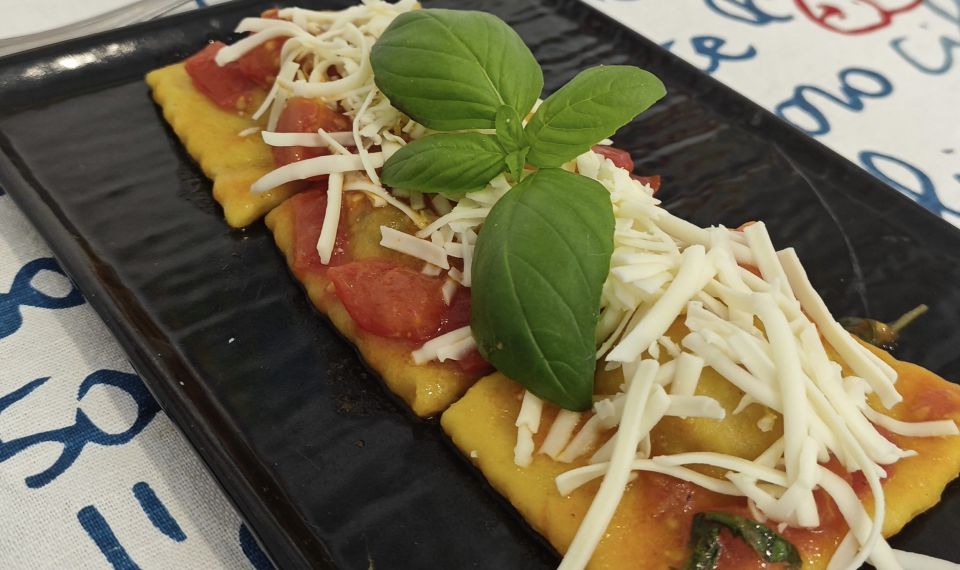
Here’s a detail that makes the class feel worth it: after you make the pasta and sauces, the chef completes the cooking for you. That means you’re not stuck in the final scramble, wondering if you overcooked something while everyone else is eating.
Once everything is ready, you sit down for tasting. The meal is paired with Sicilian wine, and it’s not just a small sip. One review notes the pairing with rosé was refreshing, and another mentions participants received a bottle of wine to take home. You shouldn’t count on the bottle for every session, but it signals that the experience aims to go beyond the minimum.
Also, the portion size shows up as a real positive in feedback. When people say they left with bellies full, it usually means you’re eating the result of your own work, not just sampling.
If you want the most out of the tasting phase, pace yourself. Your pasta learning happens in the first half, but your sauce learning really lands when you taste the final combination.
Price and Value: What $112.15 Buys You
At $112.15 per person for about 3 hours, this is not a budget snack class. But it also isn’t a thin experience. The value comes from what you get to do and what’s covered.
You’re paying for:
- instruction by a professional chef in a working cooking laboratory
- making three different types of pasta
- learning three sauces tied to Sicilian classics
- tasting the full food you made
- pairing with Sicilian wine (and sometimes an extra wine keepsake, per one review)
- recipes provided after the class (mentioned in feedback)
That combination matters. Many cooking classes teach one pasta shape and one sauce. Here, you come away with a wider toolkit: different doughs, multiple textures, and three distinct sauce identities.
If you’re an avid home cook, this price is easier to justify because you’re leaving with reusable skills. If you’re new to pasta, the chef-led finishing and the structured lesson flow reduce the risk that you’ll waste ingredients or end up with only a partial meal.
Who This Cooking Class Suits Best
This is a great fit if you want something more active than a typical food tour. You’ll like it most if:
- you enjoy cooking or want to start cooking with confidence
- you want specifically Sicilian flavors, not just generic Italian
- you’re hungry for hands-on technique: dough, shaping, and sauce building
- you learn well when someone corrects your handwork in real time
It also works well for couples or small groups who want to share a task together. The class structure is designed for doing, not spectating.
If you’re the type who gets impatient with steps, you’ll still have a good time because the class is packed with variety. But go in knowing it’s fast-paced. You’ll learn a lot more than you can master in one afternoon.
Practical Tips Before You Go (So You Enjoy the Process)
A couple things will help you enjoy the 3-hour rhythm.
- Wear clothes you don’t mind getting flour on. Kitchens move fast, and dough work is messy by nature.
- Bring a calm mindset. New pasta techniques can feel awkward for the first few minutes. That’s normal.
- Pay attention during the sauce steps. The sauces are where you’ll really connect Sicilian tradition to flavor decisions you can make at home.
- If recipes are provided after class (as noted in feedback), treat them like your take-home worksheet. Read them once the day’s flavors are still fresh in your mind.
Should You Book This Sicilian Pasta-Making Class?
Yes, if you want a food experience that teaches real skills and then rewards you with a meal you helped create. The best reason to book is the structure: you make two doughs, shape three pastas, learn three Sicilian sauces, and then taste everything with wine, with the chef handling the final cooking step.
Skip it only if you’re looking for a slow, leisurely cooking day or if you already have a strong routine for multiple pasta types and sauces. In that case, you might prefer a more specialized workshop.
If you want your Sicily trip to include something you can repeat, this class is one of the most practical ways to turn vacation inspiration into future dinners.
FAQ
How long is the cooking class?
The class lasts about 3 hours.
What types of pasta will I learn to make?
You’ll make dough and produce three pasta types: tagliatelle, stuffed pasta, and maltagliati.
What sauces are included in the lesson?
You’ll learn to make ragù, Norma, and Sicilian pesto.
Who teaches the class?
A professional chef teaches the course. Instruction is available in English and Italian.
Is the meal included?
Yes. The chef completes cooking, and you’ll sit down to taste the foods you made. Sicilian wine is also part of the experience.
What is included in the price?
The price includes the realization of three different types of pasta with the guide of a professional chef.
Are recipes provided after the class?
Some feedback notes that recipes are provided after the class, so you can recreate what you learned at home.
Is free cancellation available?
Yes, free cancellation is available up to 24 hours in advance for a full refund.