REVIEW · CATANIA
Etna: Guided Quad Bike Tour
Book on GetYourGuide →Operated by ETNA SUMMIT · Bookable on GetYourGuide
Mt. Etna on a quad is oddly calming. In 1.5 hours from Nicolosi, you get real volcanic off-road thrills while a guide steers you through lava fields, black sand, and crater country, with a few cultural stops like pagghiaru-style stone homes. I also like the practical touch of the included windbreaker, gloves, and helmet, which makes a windy volcano day feel less like punishment.
One big consideration: the tour price doesn’t include the quad itself. You pay an extra €50 per quad on site, and if conditions are rough (wind, rain, low visibility), you may end up with less time off-road than you hoped.
In This Review
- Key highlights at a glance
- Entering the world of Etna: Nicolosi, Crateri Silvestri, and the €50 quad reality
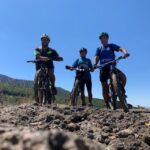
- Gear you actually use: helmet, gloves, and windbreaker
- What 1.5 hours feels like on Etna: faster than sightseeing, rougher than a road trip
- Starting at Silvestri Craters: the safety briefing that sets expectations
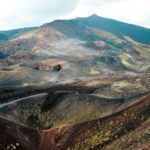
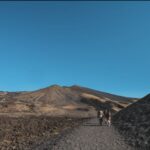
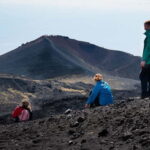
- The volcano driving you came for: fractures, lava fields, black sand, and craters
- Pagghiaru stone buildings: a heritage stop you shouldn’t skip
- Etna Ginestre forest: petrified-lava islands and the plant spotting game
- Etna pines and dry riverbed driving: alternating woods and lava
- How the guide quality shapes your day
- Price and value: what you’re really paying for
- What to wear and bring so you’re comfortable (not just legal)
- Who should book this Etna quad tour
- Should you book Etna: Guided Quad Bike Tour?
- FAQ
- How long is the quad bike tour on Etna?
- Where do I meet the guide?
- Is the quad included in the price?
- What’s included with the tour?
- Do I need a driver’s license?
- What should I bring?
- What languages are the guides?
- Is hotel pickup included?
- Who can’t participate?
Key highlights at a glance
- Small group feel (up to 4 participants) with a live guide in English or Italian
- Real volcano driving: eruptive fractures, long lava fields, and black volcanic sand
- Plus one heritage stop at pagghiaru stone buildings along the route
- Etna forest zones: Ginestre and pine areas, with petrified-lava details to look for
- Dry riverbed + lava channels: the terrain changes again before you turn back
- Safety gear included: helmet, gloves, and a windbreaker for ride comfort
Entering the world of Etna: Nicolosi, Crateri Silvestri, and the €50 quad reality
This is a guided quad bike tour based out of Nicolosi, and your first job is finding the meeting spot: Bar Ristorante Crateri Silvestri. You’ll need to enter the bar to check in. Show up early—at least 30 minutes—because you’ll also need time for the quad handoff and the on-site payment.
Here’s the part that trips people up: the advertised tour cost does not cover quad rental. The quad hire fee is EUR 50.00 per quad, paid on site. If you’re coming with a friend and planning to drive separately (not just riding along), assume you’ll pay that fee for each quad. That changes the value equation, so I recommend pricing this trip like a package: tour fee + quad fee.
Also, bring your driver’s license. It’s required to drive the quad, and the notes make it clear you’re responsible for your vehicle. That matters because the experience is built around hands-on driving, not a sit-and-watch safari.
You can also read our reviews of more cycling tours in Catania
Gear you actually use: helmet, gloves, and windbreaker
The operator includes a helmet, gloves, and a windbreaker. That sounds basic, but on Etna it’s the difference between tolerable and miserable.
Even when the day is bright, the volcano area can be windy, and speed over dusty or uneven ground throws grit around. Gloves help you keep control and grip through vibration and small bumps. The windbreaker gives you a layer that cuts wind chill without turning the ride into a sweat festival. The helmet is there for safety, but it also blocks a surprising amount of dust.
If you’re the type who runs cold easily, or if you wear thin summer layers, I’d plan for “cooler than expected” conditions. Volcanic areas can cool down fast when clouds roll in or when the wind picks up.
What 1.5 hours feels like on Etna: faster than sightseeing, rougher than a road trip
This tour is short by design: about 1.5 hours for the whole guided experience. In that time, you’re not just moving from one viewpoint to another—you’re driving through multiple types of Etna terrain, and that changes the pace.
The route includes the fun stuff: crossing an eruptive fracture (basically a volcanic fissure/rupture in the ground) and blasting across long lava fields. You’ll also tackle volcanic black sand, which can feel like the surface is trying to slow you down, not just look dramatic. Then there are crater areas and a lava sliding cave stop described on the route.
If you want a relaxed, slow-paced day, this isn’t that. But if you like active travel—hands on handlebars, boots on ground, eyes scanning for details—it’s a good fit. The tour is also built to keep you moving, which means you’ll see more terrain types than you would on foot in the same time.
Starting at Silvestri Craters: the safety briefing that sets expectations
Your day starts at Bar Ristorante Crateri Silvestri, then you’re taken to Silvestri Craters for a safety briefing (around 10 minutes). That briefing matters because you’re going to be driving on uneven ground, and quads don’t handle like a rental car.
After that short prep, you’ll be introduced to your quad—described as well-maintained—which is your time to check basics like how it feels under you, where the controls are comfortable, and how the throttle responds. If you’re nervous about handling, this is the moment to ask questions in your best available Italian or English. It’s also why being early helps: you don’t want to feel rushed when you’re learning where your comfort zone is.
The volcano driving you came for: fractures, lava fields, black sand, and craters
Once you’re on the move, the tour turns into a “terrain sampler platter” of Mt. Etna’s volcanic power.
You’re guided through:
- Eruptive fractures: places where the volcanic ground has split and shifted
- Long lava fields: stretches where you can really feel how the ground changes under the tires
- Volcanic black sand: a surface type that makes traction feel different and forces you to stay focused
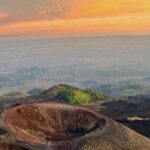
- Explosive crater areas: stops built around seeing the volcanic formations up close
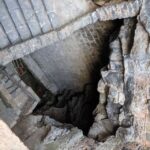
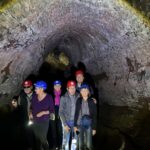
- A lava sliding cave: another geological feature stop on the route
This is the part where the experience can surprise you—in a good way. Even when you’ve seen Etna photos, driving through the terrain makes you understand the scale and texture. The formations aren’t just scenic; they’re tactile. You’re traveling across the aftermath of eruptions, and that gives the trip a bigger meaning than a drive in the countryside.
One note from a less-than-perfect experience someone shared: they felt much of the route was on asphalt and that poor weather limited visibility. I can’t control weather, so your best strategy is mental flexibility. Even on a guided off-road tour, the operator may adjust the route if the conditions are unsafe or hard to manage.
You can also read our reviews of more guided tours in Catania

Pagghiaru stone buildings: a heritage stop you shouldn’t skip
Midway through the action, you’ll stop to see typical stone buildings in the area called pagghiaru. These aren’t described as museum stops with a scripted talk. Instead, the idea is to give you context while you’re already out on Etna.
Why this matters: it keeps you grounded in the human side of the volcano. You’re not just chasing dramatic craters—you’re seeing how people shaped life around rough land. On a quad tour, cultural stops can feel rushed, but pagghiaru-style homes offer a quick “wait, this place is inhabited history” moment.
If you love travel that connects landforms to local life, you’ll appreciate this stop. If you only care about riding, still give it a couple minutes with your eyes open—you’ll likely come away with a more complete sense of Etna.
Etna Ginestre forest: petrified-lava islands and the plant spotting game
One of the more interesting route segments is the Etna Ginestre forest, where you’re told to keep an eye out for unique flora and fauna. The tour description includes a neat visual detail: driving between wooded islands surrounded by petrified lava.
This is a good reminder that Etna isn’t only black rock and dramatic vents. Even in a volcanic area, life moves in—plants colonize, trees grow where conditions allow, and the terrain becomes a mix of textures.
If you like observation travel, try to slow your eyes for a moment when you hit the forest stretch. Look for how the rock and vegetation interact. It’s the kind of detail you’d miss if you were just racing to the next crater photo.
Etna pines and dry riverbed driving: alternating woods and lava
As the route continues, you pass through a forest of Etna pines and then head toward the riverbed of a dry stream. This part is described as characterized by alternating lava and woods.
That alternation is more than scenery. It affects the feel of the ride. With vegetation, you may get different wind patterns and lighting. In the dry riverbed, you’re often dealing with flatter-but-textured ground, which changes how the quad behaves under you.
The tour also includes a return ride down lava scroll channels—another reminder that Etna shapes the movement of water and debris, even when water isn’t flowing. In short: the ground is doing something, not just sitting there.
How the guide quality shapes your day
A guided quad tour lives or dies by communication. The good news: the experience is set up with a live guide in English and Italian, and people have praised clear communication and helpfulness.
One example you may hear in your group: a guide named Dario has been described as prepared and friendly. If you get a guide with that kind of energy, the whole ride gets easier. You’ll understand what you’re looking at, and you’ll feel safer navigating the group flow.
Small groups help too—limited to 4 participants. That means you’re less likely to feel like a tiny dot in a big chaotic line. You’ll still be driving with others around you, but the vibe should feel controlled.
Price and value: what you’re really paying for
Let’s talk value without pretending it’s perfect.
You might see the tour price listed around $59 per group up to 2, for 1.5 hours of guided action. On top of that, the quad rental fee is €50.00 per quad on site. So the realistic total depends on whether you share one quad or each drive separately (the data says drivers are responsible for their vehicle, and most quad setups expect each driver on their own quad).
What you do get for your money:
- A guide (live, English/Italian)
- Safety gear included: helmet, gloves, windbreaker
- Guided driving through multiple Etna terrain types
- Stops for features like lava formations and pagghiaru stone buildings
What you don’t get:
- Quad rental fee is extra
- No hotel pickup or drop-off
- Food and drinks are not included
So is it worth it? If you want an active way to experience Etna in a short window, and you’re okay paying the on-site quad fee, this can be a solid value. If you were hoping the tour price covers everything, you’ll feel short-changed when you see the €50 fee.
Also keep your expectations tied to time and conditions. The negative experience I saw described heavy asphalt and reduced time off-road in bad weather. That’s not guaranteed to happen, but it’s a real risk with any volcano driving day.
What to wear and bring so you’re comfortable (not just legal)
From the basics, you know the “must-have” item: a driver’s license. Then plan your body and clothes for dust, wind, and vibration.
What I’d do:
- Wear closed-toe shoes with grip
- Dress in layers so the windbreaker can be your real outer layer
- Bring something simple for rain if you expect unsettled weather (even though your trip could still be adjusted)
- Tie back long hair and keep pockets tidy
There’s no mention of special gear like goggles, so don’t assume you’ll be given those. If you’re dust-sensitive, plan accordingly.
Who should book this Etna quad tour
This tour makes sense if:
- You want hands-on driving on volcanic terrain rather than just viewpoints
- You like a short, active trip (1.5 hours)
- You want a guide to explain what you’re seeing while you ride
- You’re comfortable with uneven ground and changing surfaces like black sand
It may not be for you if:
- You want a leisurely walk-and-photo day
- You’re sensitive to wind/rain and poor visibility
- You don’t have the driving eligibility (driver’s license is required)
The operator lists not suitable for:
- Children under 5
- Pregnant women
- People with epilepsy
- People over 80 (and there’s also an additional note for people over 95)
If any of these apply to you, skip it and look for a more appropriate style of Etna visit.
Should you book Etna: Guided Quad Bike Tour?
If your dream of Etna is speed, texture, and up-close volcanic forms—this is one of the more direct ways to get it in a short time. The included helmet/gloves/windbreaker are genuinely helpful, the group stays small, and the route gives you more than one kind of terrain plus a heritage stop at pagghiaru stone buildings.
I’d book it if you can handle the realities:
- You’ll pay €50 per quad on site
- Weather can affect how the day runs
- You’re driving, so focus and readiness matter
If those trade-offs sound fine, you’ll likely love the feeling of riding across the aftermath of eruptions—black sand under your tires, lava features close enough to study, and a guide who keeps you oriented. It’s not a museum tour. It’s Etna in motion.
FAQ
How long is the quad bike tour on Etna?
The experience is listed as valid for about 1.5 hours, starting from the meeting point in Nicolosi.
Where do I meet the guide?
You meet at Bar Ristorante Crateri Silvestri. You need to enter the bar, and you can find it on Google Maps.
Is the quad included in the price?
No. The quad rental fee is EUR 50.00 per quad and is paid on site.
What’s included with the tour?
The tour includes a guide plus safety gear: a helmet, windbreaker, and gloves.
Do I need a driver’s license?
Yes. A driver’s license is required to drive the quad, and you are responsible for your vehicle.
What should I bring?
You must bring your driver’s license.
What languages are the guides?
The live tour guide is available in English and Italian.
Is hotel pickup included?
No. Hotel pickup and drop-off are not included.
Who can’t participate?
The tour is not suitable for children under 5, pregnant women, people with epilepsy, and it lists age limits for people over 80 (with an additional note for people over 95).