Mount Etna looks different from the air. You get a fast, private 30-minute flight with big-picture crater and lava-flow views that you just can’t grasp from the ground. I also like that the tour leans hard on interpretation: you’ll have an English-speaking guide such as Antonio or Sofia, and they’ll point out what you’re seeing as you fly.
One key consideration: weather can shut down the most crater-focused angles, so your experience may shift toward broader volcano geography if clouds move in.
In This Review
- Key highlights at a glance
- A Helicopter Ride Over Etna: What You’re Actually Buying
- Getting There: The Early Start and the Fiumefreddo Base
- Northern Ski Resort Overview and the Silvestri Craters: Reading the Volcano’s Edges
- Valle del Bove Views and the Lava Fields (1991–1993): Why This Stop Is So Memorable
- Eruption History From Above: The 1928 View and the 1865 Sartorius Craters
- Over Zafferana Etnea, Giarre, and Riposto: The Volcano Meets the Coast
- Safety, Pilots, and the Guide Factor (Antonio, Marcello, Sofia)
- Price and Value: When $2,037.05 Per Group Actually Makes Sense
- Booking Window: Why “153 Days in Advance” Matters
- Should You Book the Etna Helicopter Tour?
- FAQ
- How long is the Etna helicopter tour?
- What group size is this tour for?
- What language is offered during the experience?
- Where do I meet for the tour?
- What are the operating hours?
- Is there a weight limit for passengers?
- Do I need good weather?
- Do I get a ticket on my phone?
- What’s the cancellation policy?
Key highlights at a glance
- Private group up to 5 means the flight feels tailored, not like a cattle line
- 30 minutes in the air is long enough for real crater passes and lava-flow context
- English-speaking guidance helps you read the volcano, not just watch it
- Major eruption viewpoints include 1928 and a look tied to 1865 activity
- Big-structure flyovers like Valle del Bove help you understand the volcano’s layout
A Helicopter Ride Over Etna: What You’re Actually Buying
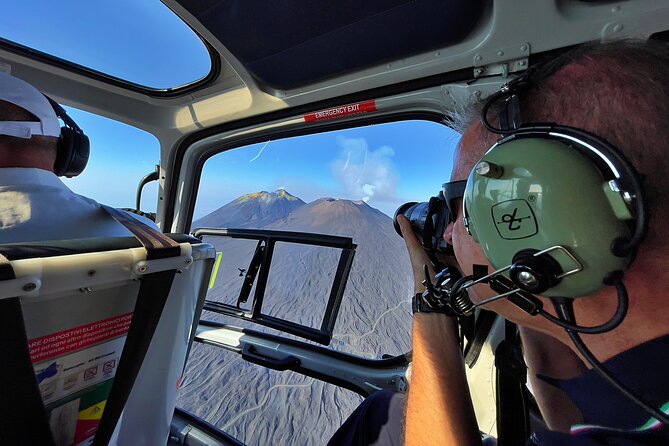
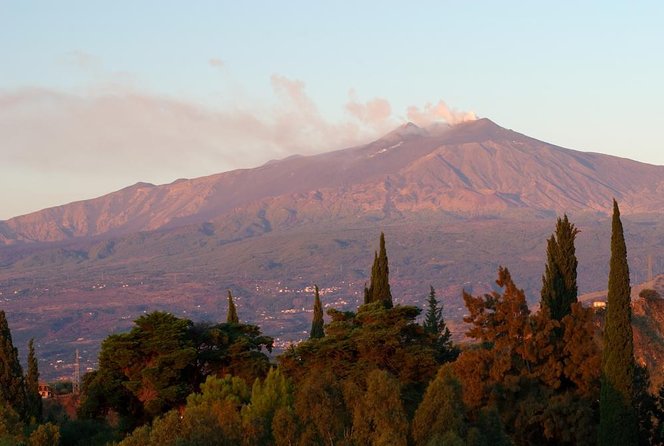
This is a private helicopter tour built around seeing Mount Etna as a system, not as one viewpoint. From the ground, you move inch by inch. From the air, you can connect the dots between craters, lava fields, and the big valleys carving through the volcano.
I like that the tour isn’t just a “pretty flight.” The stops are arranged to build a story: where the northern side looks the way it does, how multiple craters line up along the slopes, and how major eruption zones relate to each other across decades. You’re paying for speed plus perspective.
The other thing you’re buying is weather-sensitive flexibility. The experience requires good conditions, and if clouds prevent the most direct crater views, you still get value from the broader panorama and the route choices made for visibility.
You can also read our reviews of more tours and experiences in Sicily
Getting There: The Early Start and the Fiumefreddo Base
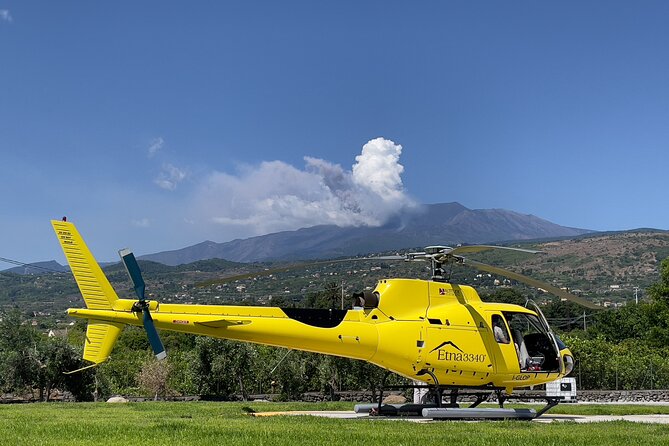
Your day begins at Land Of Dreams, Via Catania Messina, 14, 95013 Fiumefreddo di Sicilia (CT), Italy. The activity runs daily during the season window shown in the schedule (March to late November 2026), with the listed operating window being 8:30 AM to 9:00 AM each day.
Practically, that early timing matters on Etna. Morning conditions often mean clearer visibility and less heat shimmer than later in the day, which can make a difference when you’re trying to spot details on lava flows and crater rims.
It’s also a straightforward setup: you’ll receive confirmation at booking, and you’ll have a mobile ticket. Once you’re there, the “it’s really happening” moment comes quickly.
Northern Ski Resort Overview and the Silvestri Craters: Reading the Volcano’s Edges
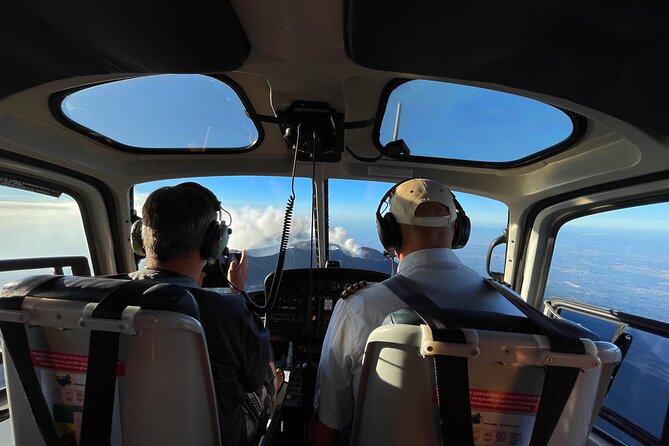
One of the first things you’ll get is an overview of the northern ski resort area. Even if you’re not thinking about skiing, the point is orientation. Etna has a way of looking like separate “parts” from ground viewpoints. From above, you start seeing it as a continuous structure.
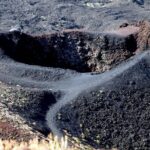
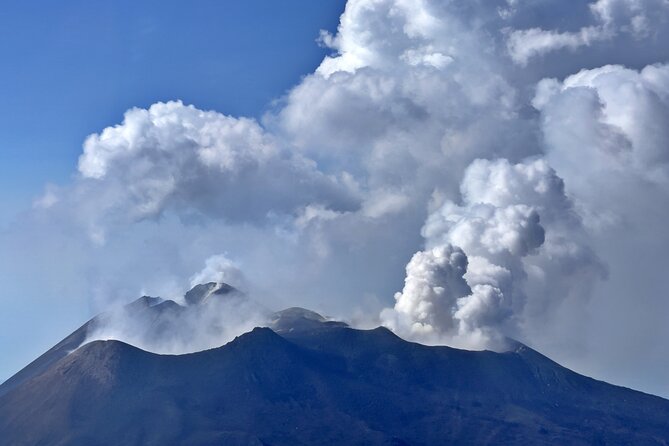
Then you’ll pass over the Silvestri Craters. This part is typically where your guide’s commentary helps most, because the crater landscape can look chaotic at first. The helicopter view turns that chaos into a map you can understand: crater groupings, slope breaks, and how eruption paths spread outward.
Possible drawback here: if visibility is limited, the guide can still explain the terrain, but you might lose some of the crispness that makes crater details pop. One response noted that clouds prevented flying over the crater, yet the overall circuit still delivered strong, wide volcano context from above.
Valle del Bove Views and the Lava Fields (1991–1993): Why This Stop Is So Memorable
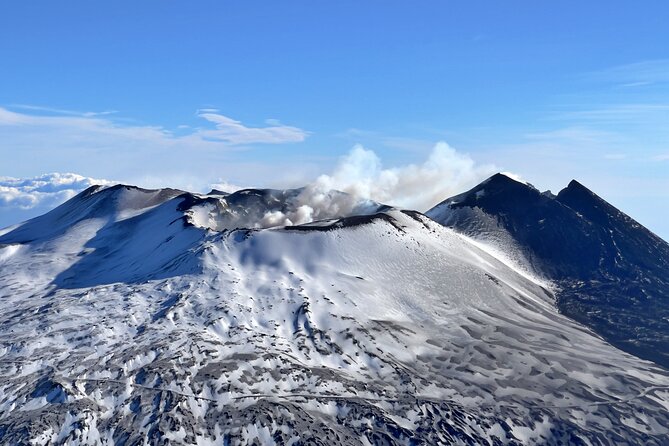
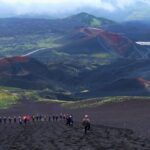
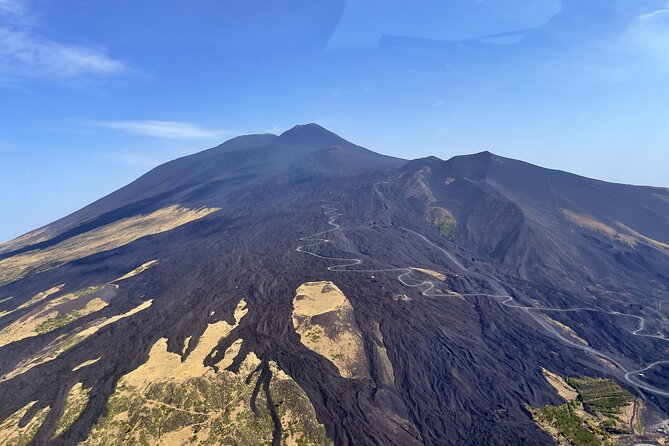
Next comes a flyover of Valle del Bove, plus a view tied to the lava from 1991–1993. Valle del Bove is the kind of place that sounds like a distant landmark until you see it from the air. In the sky, it becomes a giant framework: a valley you can mentally place lava channels and eruption scars into.
For many people, this is where the experience clicks. Seeing eruption impacts in real time on the ground is hard because you’re stuck inside the scale. From the air, lava flows become shapes you can trace, and you start realizing how vast and interconnected Etna’s activity is.
This section also tends to deliver what people want most out of a helicopter tour: a strong sense of scale without the long day of hiking and climbing. Even with only about 30 minutes total, the route uses that time where it counts.
Eruption History From Above: The 1928 View and the 1865 Sartorius Craters
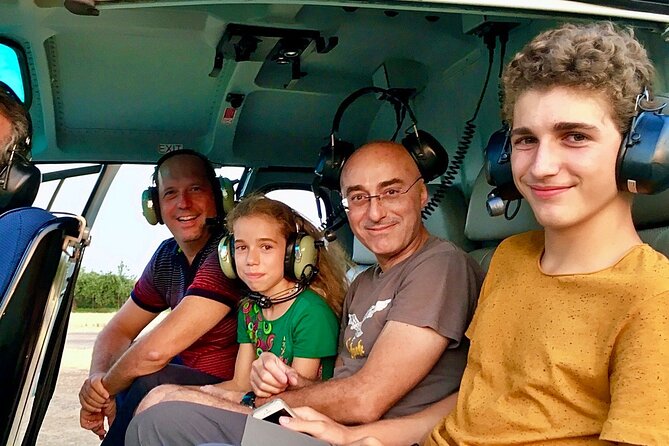
As you continue, you’ll get an overview of the 1928 eruption and then a look at the Sartorius Craters linked to the 1865 eruption. The value here isn’t historical trivia; it’s visual context.
From the ground, eruption history often becomes a set of dates on a sign. From the air, those dates become patterns you can see: where activity concentrated, how later terrain absorbed earlier output, and how the volcano’s geometry channels future eruptions.
A guide like Antonio may help you connect the eruption view to what you’re seeing in adjacent flyovers, and Sofia’s style (noted as friendly and enthusiastic in the info you shared) fits well with this kind of interpretive flight. If you like understanding the “why” behind what you’re seeing, these stops are a strong match.
Watch-out: crater and eruption zones are weather-dependent. If clouds roll in, you might still get the “shape” of the eruption zones, but you could lose the sharpest crater-edge detail.
Over Zafferana Etnea, Giarre, and Riposto: The Volcano Meets the Coast
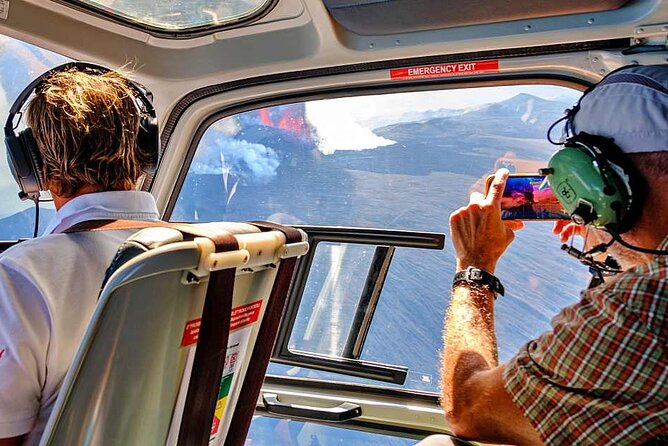
After the core volcano viewing, the flight transitions into the human geography around Etna. You’ll fly over Zafferana Etnea and see more of the 1991–1993 lava from a different angle. Then you’ll go on the western slope, get an overview of Giarre, and finally pass over the port of Riposto.
This mix is smart for two reasons. First, it gives you a sense of where the volcano sits relative to towns and coastlines. Second, it helps you understand that Etna isn’t just a peak you visit; it’s a nearby neighbor shaping the region.
If you’re traveling with kids or you’re not up for a long day of hiking, this “volcano to town to sea” flow can be a practical way to get a full story without fatigue. One note emphasized that the experience supported a passenger in a wheelchair smoothly, which suggests the operator planned thoughtfully around guests within the limits they publish.
Safety, Pilots, and the Guide Factor (Antonio, Marcello, Sofia)
The most consistently praised part of this experience is the way the flight is handled and explained. You may fly with a pilot such as Marcello, and your guidance may come from someone like Antonio or Sofia, depending on the day.
From your provided details, the guides’ role isn’t just to talk during the flight. They help you follow what you’re seeing quickly—craters, lava flows, and eruption zones can be hard to “read” unless someone points out what matters. That’s especially true when weather affects the view and you need to focus on the best angles available.
Safety-wise, the operator clearly treats weather and visibility seriously, which is exactly what you want from an aircraft-based tour. One note described that the flight was possible after weather and visibility analysis. That’s a good sign for anyone who’s anxious about being out there in conditions that aren’t ideal.
Price and Value: When $2,037.05 Per Group Actually Makes Sense
The price is $2,037.05 per group (up to 5 people), and the time in the air is about 30 minutes. That sounds steep if you assume you’re paying per person. But you’re not.
For value, do the math based on your group size. If you fill the group cap with 4–5 people, your per-person cost drops sharply compared with private tours priced per seat. If it’s just you or two people, it becomes a more luxury-style purchase.
So who is this best for?
- Families who want a shared once-in-a-lifetime Etna moment without committing to a full-day hike
- Travelers who hate waiting in long lines and want a controlled, private experience
- People who want crater geography and eruption context fast, with explanation included
The other value lever is how weather changes the experience. If clouds block the craters, you might not get the same “up close” look. But you still get the broader Etna circuit and the explanatory layer, which is what keeps the flight meaningful even when conditions aren’t perfect.
Booking Window: Why “153 Days in Advance” Matters
The average booking time shown is 153 days in advance. That’s a hint: this is a popular, weather-dependent slot, and helicopter availability tends to get booked early during peak windows.
If you’re traveling in high season (summer and shoulder months), I’d plan to lock in early and keep your calendar flexible enough for a possible reschedule if conditions don’t cooperate.
You’re also picking from a seasonal schedule running from early March 2026 through late November 2026, so aim for a date that gives you backup options.
Should You Book the Etna Helicopter Tour?
If you want Etna at maximum scale—craters, valleys, and lava flows connected in one flight—this is a strong pick. It’s also a smart choice for groups that want privacy and interpretation, with guidance from people like Antonio or Sofia and a pilot such as Marcello.
I’d skip it (or think twice) if you’re hoping for a perfectly clear, crater-rim close-up no matter what. Weather is the big variable, and clouds can limit certain crater-focused angles. Still, the overall circuit is designed to work even when the volcano hides some details.
If your trip is short, your time is precious, or you just want to see Etna from the sky in a way that makes the volcano’s scale click, this tour is easy to justify.
FAQ
How long is the Etna helicopter tour?
The flight duration is about 30 minutes.
What group size is this tour for?
It’s a private tour with only your group, and the group size is up to 5 people.
What language is offered during the experience?
The tour is offered in English.
Where do I meet for the tour?
You meet at Land Of Dreams, Via Catania Messina, 14, 95013 Fiumefreddo di Sicilia CT, Italy.
What are the operating hours?
The listed hours are 8:30 AM to 9:00 AM, and the schedule runs from 05/03/2026 to 11/26/2026.
Is there a weight limit for passengers?
Yes. The total weight per passenger listed is 221 lbs.
Do I need good weather?
Yes. The experience requires good weather. If it’s canceled due to poor weather, you’ll be offered a different date or a full refund.
Do I get a ticket on my phone?
Yes, you’ll have a mobile ticket.
What’s the cancellation policy?
You can cancel for a full refund up to 24 hours before the experience’s start time. If you cancel less than 24 hours before, the amount paid isn’t refunded.