REVIEW · SICILY
Hike near the summit craters up to the maximum safe altitude currently foreseen
Book on Viator →Operated by Guide Vulcanologiche Etna Nord · Bookable on Viator
Etna lets you hike right to the edge. This small-group trek climbs from 1,900 m to 3,000 m, stopping near the base of the South-East Crater while current summit rules keep you at a safe viewing distance.
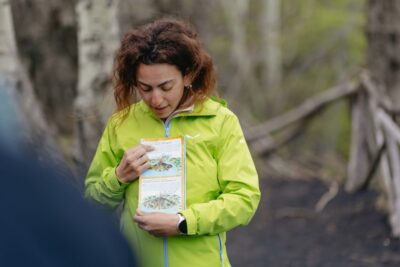
I love the way the day is built around real volcanic features, with time to walk across lava fields and hot fumaroles while the climb stays regulated. I also love the human touch: guides like Filippo, a PhD geologist, bring the volcano down to earth (literally), mixing encouragement with clear geology on the move.
The main drawback is the altitude and the terrain. You’ll gain about 500 m, and some crater-rim walking can trigger dizziness for sensitive folks, plus hat and gloves are not included.
In This Review
- Key things you’ll notice
- Etna to the rules: what 3,000 m really means
- Meeting at 8:30 in Nicolosi: the part people underestimate
- Cable car to 2,500 m: energy-saver, but still a real hike
- From lava fields to fumaroles: what your legs will do
- The crater-rim experience at the South-East Crater base
- Descent and getting back down without losing the magic
- Guides: the real value you’re paying for
- Difficulty, health limits, and who should think twice
- Price and logistics: what $66.38 buys you (and what it doesn’t)
- Practical tips that will make your hike smoother
- Should you book this Etna hike?
- FAQ
- FAQ
- How high do you hike on this Etna crater route?
- What’s the duration of the experience?
- Is the tour guided, and in English?
- What gear is included, and what should I bring?
- What extra costs should I expect besides the ticket price?
- Where do I meet, and when does it start?
- What happens if weather or volcanic conditions aren’t safe?
Key things you’ll notice
- Maximum safe altitude (around 3,000 m): you reach the highest allowed point by summit ordinances, not an arbitrary target.
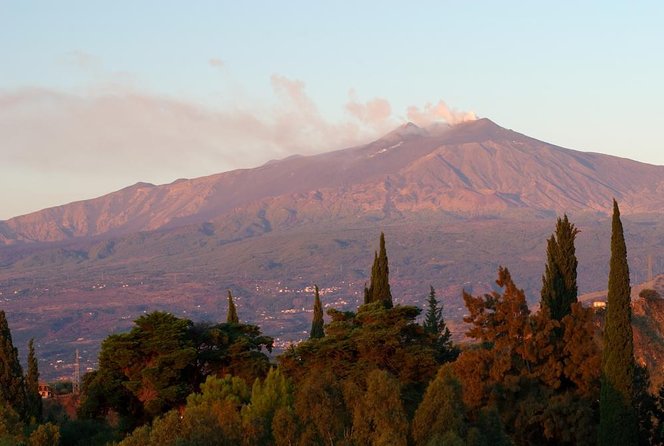
- A regulated route close to activity, not inside it: you see the South-East Crater while access to the cone stays closed for safety.
- Vulcanological guides and small group size: max 15 people, with English available.
- Gear support that actually matters on Etna: helmets, warm jacket, poles, boots, and even extra socks/backpack are included.
- Cold, wind, and thin air are part of the deal: plan for winter-like conditions even when the coast feels warm.
- Route adjustments can happen: guides may modify the hike if volcanic, weather, or safety conditions change.
Etna to the rules: what 3,000 m really means
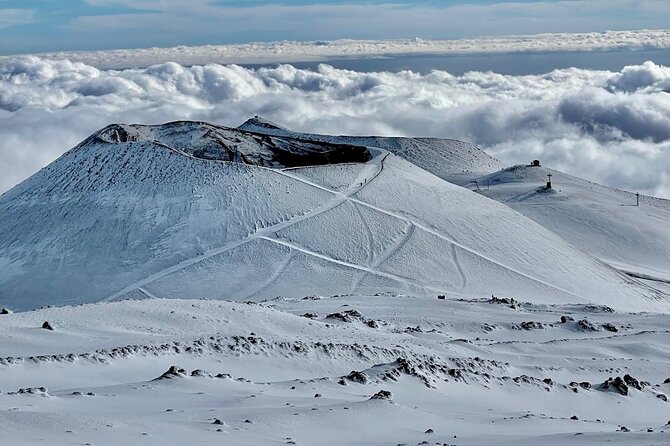
This hike is designed for one big goal: getting you to the maximum safe altitude currently allowed near the summit craters. In practice, that means the route pushes up from 1,900 m and begins trekking at 2,500 m, then climbs to about 3,000 m at the base of Etna’s most active cone on the South-East side.
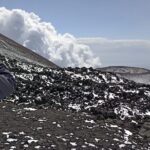
Here’s the key value for you: you’re not just chasing a view. You’re walking through the volcanic terrain that created those views—lava fields, channels, crater areas, and steaming hot fumaroles—while staying within the boundaries set by summit authorities.
It also explains why parts of the “most dramatic” area can be off-limits. The cone access can be closed due to extreme heat, instability, and the risk of collapses when magma is shallow. This tour keeps you at a safe distance so you still get crater contact without turning it into a guessing game.
You can also read our reviews of more hiking tours in Sicily
Meeting at 8:30 in Nicolosi: the part people underestimate
You meet at EsagonalPiazzale Funivia Etna Sud, 95030 Nicolosi (CT), Italy, with a start time of 8:30 am. The practical upside of this early start is that you’re more likely to be climbing while the conditions are stable and visibility is good.
Gear-wise, this is a rare hike where the operator supplies a lot of the “mountain problems” you’d otherwise have to solve yourself. You get helmets, trekking poles, trekking shoes, a warm jacket, and extra socks (plus an extra backpack). That’s especially helpful because Etna’s summit can be colder than you expect, even when it feels mild down lower.
One gap: hat and gloves are not included. If you show up without them, you’ll feel it once you gain altitude. Also, if you wear contact lenses, it’s not recommended because volcanic gases and ash can irritate eyes—sunglasses in combo with glasses/contacts is the safer plan if you must wear them.
Cable car to 2,500 m: energy-saver, but still a real hike
After check-in with your guide, you take the cable car up to 2,500 m. Then the trek begins. This sequence matters: it saves you a long uphill drag from town, while still leaving you with a meaningful climb to earn the summit views.
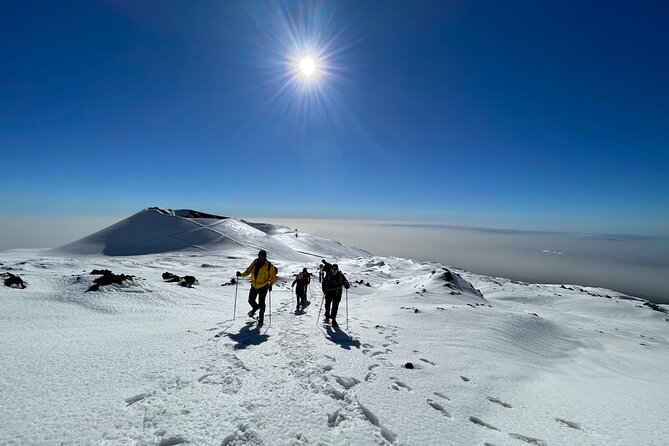
Your day includes gaining roughly 500 m on foot, for a total distance around 6.5 km. That sounds compact, and it is—yet the real challenge is altitude and surface. Volcanic ground can be uneven and unstable, so your steps need to be deliberate, especially near crater edges.
The route stays mostly above 2,500 m, which is part of why you feel the thin air and temperature drop. If you’re coming from sea level, treat this as a “slow legs, steady breathing” kind of hike, not a fitness test.
From lava fields to fumaroles: what your legs will do
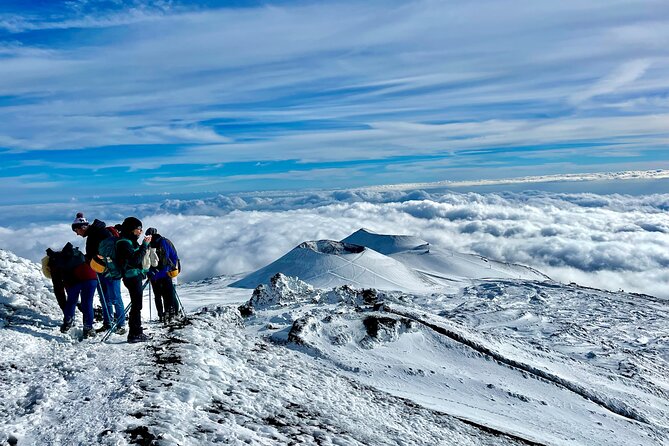
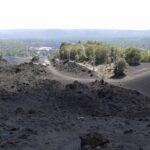
Once you start trekking, the hike is all about texture and terrain. You walk up through lava fields, craters, lava channels, and areas near hot fumaroles. This isn’t a trail that blends into the background. It’s a living set of clues to how Etna moves and reshapes itself.
You’ll also notice that the tour is paced with safety and visibility in mind. You’re not sprinting from point to point. Instead, you’re gradually climbing while your guide explains what you’re seeing—formations, volcanic activity patterns, and why the route follows certain safer lines.
The uneven volcanic surface is the trade-off for the drama. Even when the hike is classified as difficulty E (for hikers used to high altitude), the ground can demand attention. Trekking poles help a lot here, and the provided helmets are there for a reason.
The crater-rim experience at the South-East Crater base
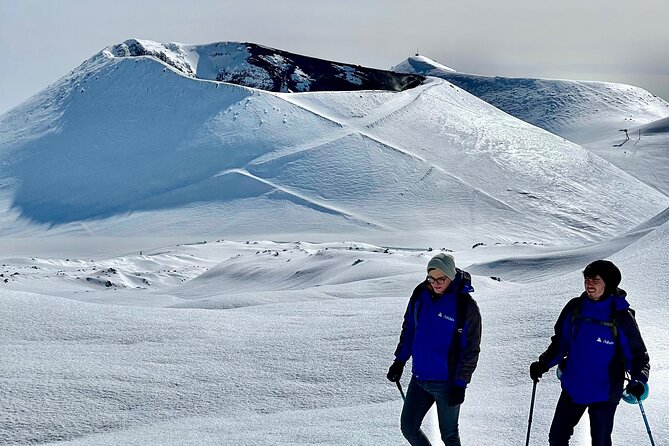
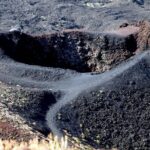
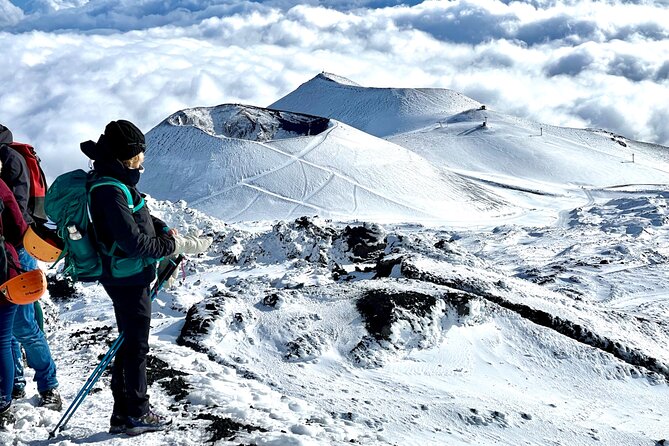
The highlight is reaching the maximum allowed altitude of about 3,000 m at the base area of Etna’s South-East Crater. From this regulated position, you get a direct look at the cone that’s responsible for many recent eruptions—without being in the zone where access can become too dangerous.
This is also where the tour’s safety logic becomes obvious. The cone itself may be closed by local authorities like Zafferana and Civil Protection due to extreme heat, instability, and potential collapses. So instead of a thrill-chasing detour, you’re guided to vantage points that keep you close to the story while respecting the risks.
There’s one more consideration for you: crater-rim walking can cause dizziness in sensitive individuals. If you know you get lightheaded around steep drop-offs, plan to move slowly, keep your gaze level, and tell your guide early. They can adjust where you pause and how you pace.
Descent and getting back down without losing the magic
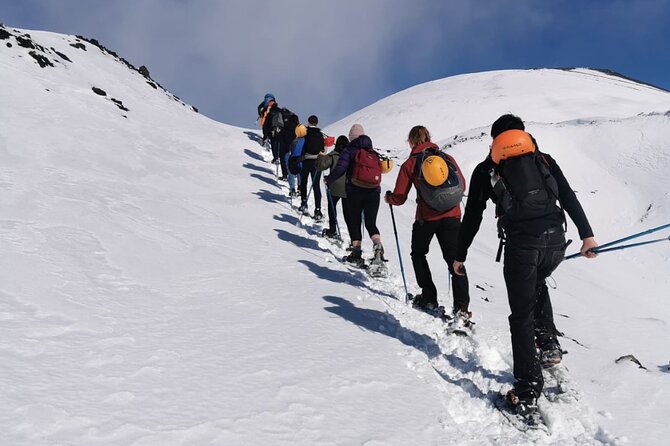
After you reach the high point, you descend on foot from about 3,000 m back toward the cable-car station. Then the cable car takes you down to the start. The whole experience is about 5 hours total, including the cable car and trekking time.
I like this structure because it gives you two different kinds of focus. Up, you’re concentrating on breathing and footing. Down, you can look around more, notice textures you missed on the way up, and process the geology through the reverse route.
Also, don’t assume every Etna day is identical. Conditions can change. The operator notes the itinerary may be adjusted or suspended if environmental, weather, or volcanic conditions change for safety. In practice, that flexibility matters because Etna does not follow a calendar.
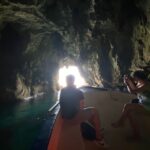
One strong example from real-world experience: when cable service was unavailable due to maintenance, the hike still delivered big highlights, including walking through an old lava tunnel and visiting areas around the 2002 crater. The takeaway for you is simple: even if something operational changes, the day can still be excellent when the guide adapts quickly.
Guides: the real value you’re paying for
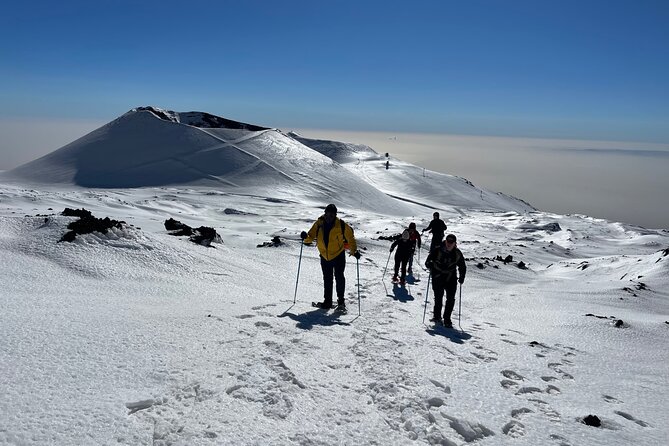
You’re paying for more than altitude. You’re paying for someone to translate the volcano while you’re standing in front of it.
The reviews back up what the included role suggests: guides can be very strong at geology and at keeping groups moving safely. Names like Filippo (a PhD geologist), Vincenzo, Podlo, and Daniele come up repeatedly, and they tend to combine facts with encouragement.
That combination matters on a hike like this. If you only get a view, you’ll remember the photos. If you also get explanations—why the route is chosen, what formations mean, how recent activity reshapes the terrain—you’ll come away with a mental map of Etna that lasts.
And since this is a max 15-person group, you usually get better attention than on larger tours. English is offered, and you’ll likely find the day managed to reduce language friction.
Difficulty, health limits, and who should think twice
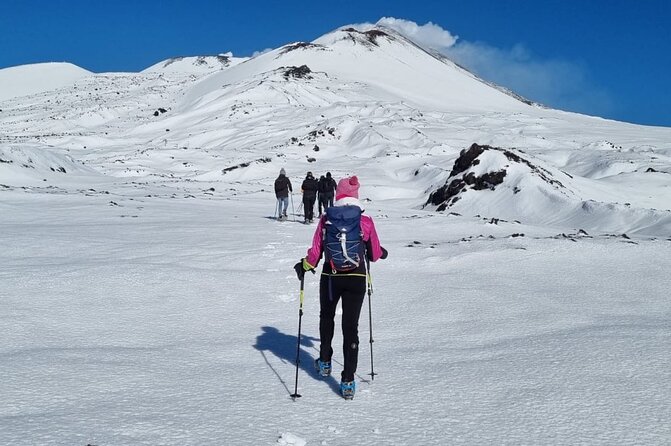
This is not a casual stroll. You’re walking at high altitude, gaining around 500 m, and dealing with uneven volcanic ground. The tour is suitable for people with moderate physical fitness, but it’s not recommended if you do little physical activity.
There are also specific health limits. It’s suitable for individuals in good physical health who do not have conditions like cardiovascular or respiratory issues, or hypertension. If any of those apply, talk to your doctor first and share it with the guide so they can advise you on participation.
Dizziness risk matters too. The route includes ascending and walking along crater rims, which can trigger dizziness in sensitive individuals. The best move is to be honest with your guide about how you feel on steep or exposed spots.
If you’re traveling with kids, it’s suitable for children over 7 who are accustomed to walking. For families, that means you should treat it like a serious hike, not a short kids outing.
Price and logistics: what $66.38 buys you (and what it doesn’t)
The listed price is $66.38 per person, and that’s not crazy for a guided high-altitude experience that includes entry/access and a lot of gear. The included items are meaningful: authorized vulcanological guide, entry to Mount Etna, helmets, warm jacket, poles, shoes, extra socks, extra backpack, and accident insurance.
But here’s the budget reality: you’ll pay extra on site. There’s a 52€ per person cost for cableway tickets (round trip). You also may need a parking ticket if you’re driving.
In snowy conditions, there’s another possible extra: snowshoe rental costs €15 per person, arranged through your guide if deep snow requires it. Transport from your accommodation is not included either, so if you’re staying outside Nicolosi, you’ll want a plan.
When you compare it to the alternative—trying to organize gear and a guided crater-focused day yourself—the value is still strong. The main reason is that the tour provides the equipment you’ll actually use, plus safety gear and a guide who knows how the route stays within the allowed limits.
Practical tips that will make your hike smoother
A few small things can make a big difference on Etna. First, dress for cold. The tour provides a warm jacket and extra socks, but hat and gloves are on you. Even if the morning feels fine, summit air is thinner and cooler.
Second, think about your eyes. Contact lenses are not recommended due to volcanic gases and ash irritation. If you do wear contacts, use them with sunglasses, or consider going with glasses instead for the day.
Third, respect the pace. This is a high-altitude hike where moving slower is smarter. Trekking poles help your knees and help you stay balanced on uneven ground.
Fourth, plan your morning food. There’s a place at the meeting point where you can get breakfast or sandwiches. If you’re the type who needs calories before effort, build it into your 8:30 start rather than trying to figure it out last minute.
Finally, be ready for wind. Even if you don’t think about it now, you will notice it once you climb and the ground opens up around the crater zone.
Should you book this Etna hike?
Book it if you want a guided way to reach the summit areas that are currently safe—up to about 3,000 m—with real geology built into the day. You’ll like it most if you enjoy structured hiking, you can handle altitude, and you want more than a quick photo: you want an explanation of what you’re walking through.
Skip it (or at least ask more questions) if you’re sensitive to heights and crater edges, if you have medical conditions like cardiovascular or respiratory issues or hypertension, or if you rarely do uphill walking. The hike is short on paper, but the mountain is still the mountain.
FAQ
FAQ
How high do you hike on this Etna crater route?
You trek up from 1,900 m and start hiking at 2,500 m, reaching about 3,000 m, which is described as the maximum altitude allowed by summit ordinances.
What’s the duration of the experience?
Plan on about 5 hours total, including the cable car and the trek.
Is the tour guided, and in English?
Yes. An authorized vulcanological guide runs the hike, and the experience is offered in English.
What gear is included, and what should I bring?
Included gear includes trekking poles, trekking shoes, helmets, a warm jacket, extra socks, and an extra backpack. Hat and gloves are not included, so you should bring those.
What extra costs should I expect besides the ticket price?
On site you pay 52€ per person for the round-trip cable car. There may also be a parking ticket, and snowshoe rental (15€ per person) if deep snow requires it. Transport from your accommodation is not included.
Where do I meet, and when does it start?
You meet at EsagonalPiazzale Funivia Etna Sud, 95030 Nicolosi CT, Italy at 8:30 am, and the tour ends back at the meeting point.
What happens if weather or volcanic conditions aren’t safe?
The excursion requires good weather. If it’s canceled due to poor weather, you’ll be offered a different date or a full refund. The itinerary may also be adjusted or suspended if environmental, weather, or volcanic conditions change for safety.