REVIEW · SICILY
Messina City and Coast Tour
Book on Viator →Operated by DISCOVER MESSINA SICILY · Bookable on Viator
Messina can feel like a stopover town. This half-day tour turns it into a real day plan, with coastal views plus historic center sights packed into a 4-hour run. You’ll ride in an air-conditioned vehicle right from the port and follow a guide’s stories as the Ionian coastline gives way to Messina’s layered old streets.
What I like most is the mix: you get both the sea side (photo stops along winding roads and Capo Peloro) and the history side (Arab-Norman architecture and the clock in the bell tower). I also love the way the guide keeps it moving at a steady pace, with live commentary in English for people who want context, not just landmarks.
One thing to keep in mind: this is a port excursion, so the schedule is tight. You’ll be back at the meeting point in time to board your ship, so bring a little patience if you like to linger in churches or take extra photos.
In This Review
- Key highlights that make this tour worth your time
- First ride: from Messina port to the Ionian coast viewpoints
- Why the coast segment matters
- Capo Peloro: where the sea narrows the distance
- What to do at the viewpoint
- Into Messina proper: Arab-Norman architecture at the Church of Annunziata dei Catalani
- A church stop that doesn’t feel rushed
- Messina’s street-level landmarks: Neptune’s fountain and the Angelo Paino stele
- Why these stops are a good use of time
- The bell tower and the world’s largest astronomical clock
- Expect “surprise” moments in the tower area
- How the tour keeps moving: comfort, group size, and pacing
- A steady pace is part of the value
- Stops in the historic center: ancient churches and the core of Messina
- A tip if you care about photos and details
- What about food: what’s included and what you should plan
- Simple planning move
- Price and value: what $90.51 buys you in a short port day
- Who this is most “worth it” for
- Logistics that matter: where you meet, and how to avoid stress
- A small reality check
- Who should book the Messina City and Coast Tour?
- Should you book it? My honest take
- FAQ
- How long is the Messina City and Coast Tour?
- Where does the tour start and end?
- Is pickup available for cruise ship passengers?
- What’s included in the ticket price?
- Are food and drinks included?
- What languages is the tour offered in?
- What’s the cancellation policy?
Key highlights that make this tour worth your time
- Capo Peloro photo stops on the postcard-worthy Ionian coast, plus the feeling of being at the island’s near-touching point with the mainland
- Church of the Annunziata dei Catalani: a standout 12th-century Arab-Norman example that’s much easier to appreciate with a guide
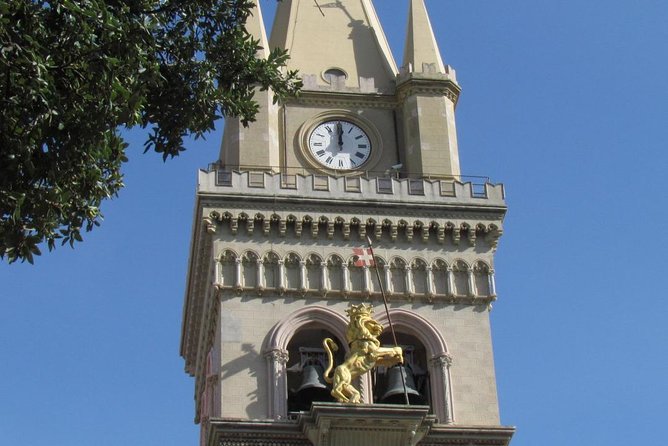
- Messina’s bell tower and the world’s largest astronomical clock: you’ll know what you’re looking at before you’re standing in front of it
- Historic-center stops tied to specific stories and named works, like the stele honoring Archbishop Angelo Paino
- Small-group feel with a max of 25 travelers, which helps the day feel more personal than mass coach tours
First ride: from Messina port to the Ionian coast viewpoints
If your cruise day is short, this format makes sense. You meet at Messina Port (or Giardini Naxos Port), then head out by air-conditioned bus as soon as you disembark. For cruise passengers, representatives meet you inside the port at Gate 5, holding a sign with your name and a flag with a lion-head logo.
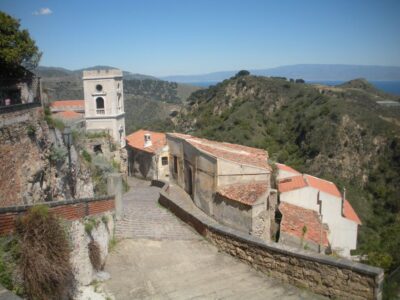
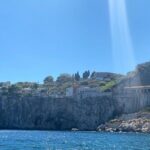
The coast drive is the early payoff. Expect winding roads with traditional fishing-village scenery and plenty of chances to stop for photos. This is one of those parts where, without a plan, you’d end up “driving around” and missing the best lookouts.
You can also read our reviews of more city tours in Sicily

Why the coast segment matters
Even if you’ve seen waterfront views before, Messina’s coastline has a specific vibe: it feels close, tight, and human-scale. It’s not just pretty scenery; it’s part of how Sicily connects to the sea routes and how people lived off fishing and trade. A guide’s commentary helps you see the coastline as a story, not just a view.
Also, you’re doing it with round-trip port transit. That’s a big deal on a cruise day, because it removes the stress of timing buses, taxis, and train schedules.
Capo Peloro: where the sea narrows the distance
You’ll make time for Capo Peloro (Cape of Peloro), described as the northern part of Sicily and the nearest point of the island to the mainland. It’s a perfect stop for photos because the horizon tells you what the geography means in real life.
Here’s the practical value: this kind of viewpoint helps you orient your day. Once you’ve seen where Sicily comes closest to the mainland, Messina’s location feels more logical, and the rest of the drive doesn’t feel random.
What to do at the viewpoint
Keep your camera ready, but also take a moment to look without shooting. Guides usually point out what you’re seeing—how the coastline bends and why that matters—so your photos don’t become random souvenirs. If you’re the type who likes to ask questions, this is a good moment. The viewpoint makes the story easier to understand.
Into Messina proper: Arab-Norman architecture at the Church of Annunziata dei Catalani
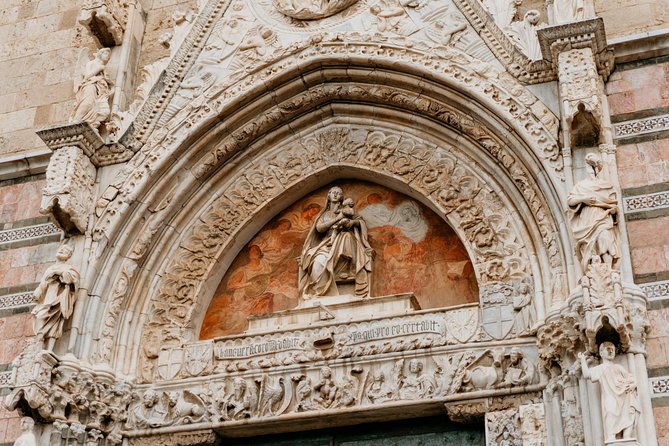
After the coast segment, you head into Messina for the historical-center highlights. The best anchor point is the Church of the Annunziata dei Catalani, known for a 12th-century Arab-Norman architectural example.
This is the kind of sight that can be easy to underestimate if you just walk by. With a guide, you’re more likely to notice the mix of styles and understand why it belongs to Sicily’s history, where cultures overlapped and blended. Instead of “pretty church,” you get “this is what the island’s past looks like in stone.”


A church stop that doesn’t feel rushed
You won’t spend all day inside one building, but the pacing is meant to keep you engaged. The goal is to connect the architecture to the larger story of Sicily, then move on before your energy drops.
Also, church interiors can vary in what’s open and how accessible they are depending on the day. A couple of visitors mentioned the pace felt steady and easy to follow, which is what you want on a half-day port excursion.
Messina’s street-level landmarks: Neptune’s fountain and the Angelo Paino stele
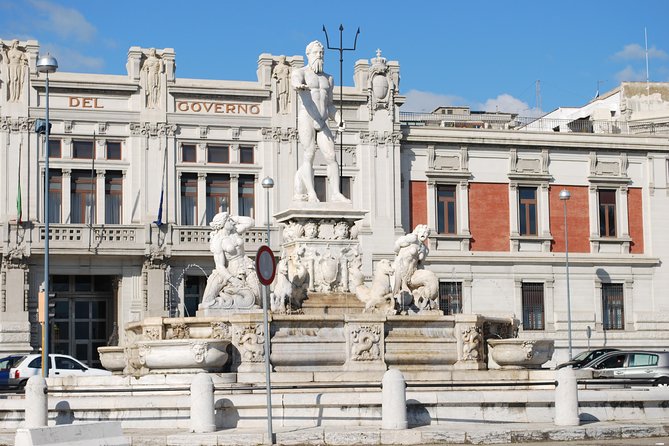
Not every stop is a big-ticket monument. Some of the best moments in Messina come from small, specific details—and this tour leans into that.
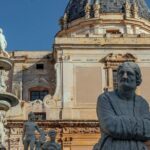
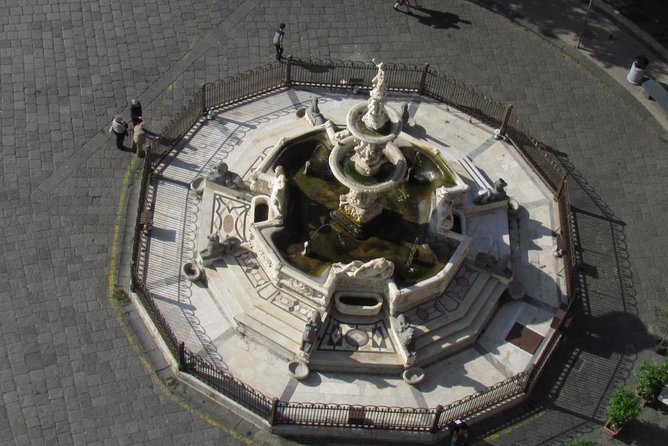
You’ll see the fountain of Neptune, described as the second fountain created in Messina by Giovanni Angelo Montorsoli. You’ll also stop at a stele raised by the will of Archbishop Angelo Paino. These named works make the city feel less like a blur of buildings and more like a place where real people shaped public spaces.
Why these stops are a good use of time
On a short excursion, you don’t want only wide panoramas or only museum-style sightseeing. Neptune’s fountain and the Paino stele help you read the city like a living timeline. They’re also the kinds of landmarks you might skip on your own unless you know what to look for.
If you like history in practical form—who built what, and why it was important—this kind of stop will click fast. It’s the same feeling you get when a guide points out what a plaque is really telling you.
The bell tower and the world’s largest astronomical clock
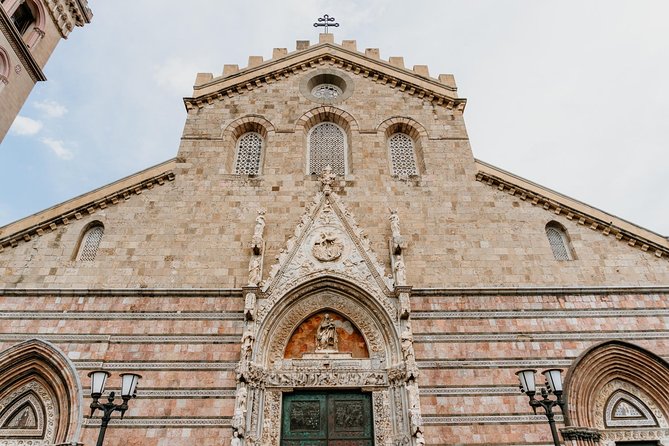
One of the headline moments is the astronomical clock housed in the bell tower. The tour frames it as the world’s largest astronomical clock, and that’s exactly the kind of claim where context matters.
A plain look at a clock can leave you wondering what the features mean. With a guide, you’re more likely to understand the idea behind the design: why it was built, what it measured, and how people used time and astronomy together in earlier centuries. The bell tower becomes more than a photo stop—it becomes a lesson you can look back on.
Expect “surprise” moments in the tower area
Some visitors highlight that the bell tower visit had surprises. That usually means the experience isn’t just a quick stare at the clock face; you’re guided toward details and explanations that make the timepiece feel real, not just impressive.
How the tour keeps moving: comfort, group size, and pacing
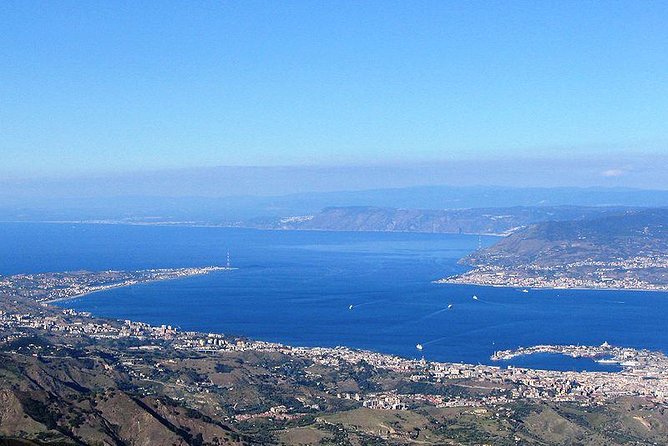
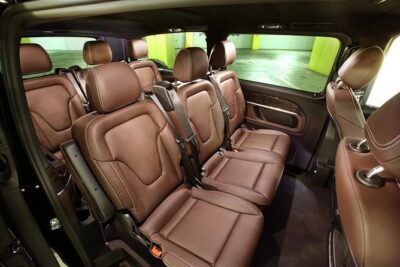
This is designed as a port-friendly excursion. The ride is in an air-conditioned bus, and the tour caps at 25 travelers. That group size is important because it helps with the flow of quick stops, boarding transitions, and getting everyone back to the port on time.
You’ll also have live commentary on board, offered in English. Some guides may be multi-lingual, which can be reassuring if your day is mixed-language. Either way, the commentary style is built to keep you oriented as you change neighborhoods.
A steady pace is part of the value
The best feedback I saw about this tour was about guides who keep it understandable and well-paced. People noted guides like Chiara, Kate, Maria Rita, Sara, Cecilia, and Maria Laura as examples of guides who set a clear rhythm and answered questions. In plain terms: when the pacing works, the half-day doesn’t feel like you’re being marched through highlights. It feels like you’re actually learning what you’re seeing.
Stops in the historic center: ancient churches and the core of Messina
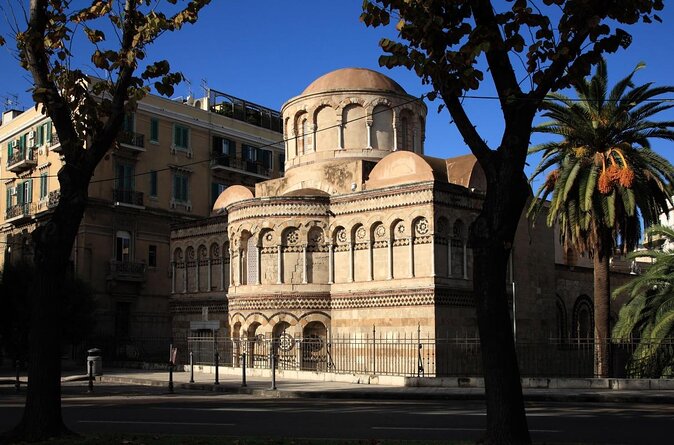
Within the historical center, the tour includes multiple major sights, including one of the most ancient churches in Messina’s historical center. It’s paired with other core attractions so you’re not just bouncing between separate points of interest.
You also spend time seeing what’s described as the main attraction of the historical centre of Messina, and another main attraction close by. That matters because it signals the route isn’t random; it’s meant to concentrate your time where you’ll get the biggest payoff.
A tip if you care about photos and details
Messina is a place where small streets and church fronts can be visually strong. If you’re the type who likes to step back, frame a shot, and look again, build in a little extra time when the group is outside. Inside churches, move calmly but don’t get stuck waiting for others—your return to the ship schedule is part of the deal.
What about food: what’s included and what you should plan
Food and drinks are not included. That means your day needs a little self-planning. If you’ll want a snack or gelato after your main sightseeing, you’ll need to budget for it yourself.
That said, you might find that some guides help with practical suggestions. In the feedback I read, guides sometimes recommended places to eat, and one person even called out a good meal as an added bonus. Still, don’t count on any specific meal being included—assume you’re covering your own food.
Simple planning move
Bring a small water bottle if you can. And if your cruise schedule is strict, decide ahead of time whether you’ll want something sweet after the last stop. If you’re visiting a church, remember that it’s not always the best time for long lunch breaks anyway.
Price and value: what $90.51 buys you in a short port day
At about $90.51 per person for roughly 4 hours, you’re paying for a focused bundle: air-conditioned transport, a guide, and live commentary. You’re also paying for the biggest hidden value on a cruise excursion—getting you in and out efficiently, without you having to navigate from scratch.
If you tried to do this alone, you’d face two problems:
1) You’d need a plan for where to go and what to notice in the time you have.
2) You’d have to solve logistics around timing back to your ship.
This tour tackles both. The route covers the coast segment, key historical sites, and the clock-bell-tower highlight, with round-trip port transit. For many people, that makes the price feel fair, especially when you compare it to the cost and stress of figuring out multiple local tickets and transport options.
Who this is most “worth it” for
It’s especially good if you want:
- a guided explanation while you’re there (so the stops make sense fast)
- a port-proof schedule you can trust
- a half-day that doesn’t feel like you only scratched the surface
Logistics that matter: where you meet, and how to avoid stress
You’ll meet at Messina Port (start) and return to the same meeting point (end). If you’re a cruise passenger, look for the Gate 5 representative with your name sign and the lion-head logo flag.
You’ll also have a mobile ticket, which keeps things simple. The tour mentions near public transportation too, which is helpful in case you’re coming from somewhere other than a cruise ship.
A small reality check
This tour requires moderate physical fitness. That doesn’t mean you need to be athletic, but you should expect walking in streets and up to viewpoints and church stops.
And with a tour maximum of 25 travelers, you should still come prepared to move at a group pace, not a solo pace.
Who should book the Messina City and Coast Tour?
Book this if you want a guided, port-friendly way to see Messina and the nearby coast in one go. It’s a good fit for history lovers who like architecture and public monuments, and it’s also great for people who mainly want great views without doing the planning math.
It’s also a strong pick if you’ve never been to Messina before. The guide’s commentary helps you understand why a fountain or stele matters, not just what it looks like. And the clock/bell tower stop is a memorable anchor point for a short day.
This may not be the best match if you want an unhurried day with lots of independent wandering. The schedule is built to return you to your ship.
Should you book it? My honest take
Yes, I think you should book this tour if you’re on a cruise day and you want maximum payoff per hour. The strongest selling points are the combination of coast viewpoints plus key historic stops, and the way guides have been praised for keeping the experience fun, personal, and easy to follow.
If you hate tight timelines, this might feel rushed. But if you can handle a structured half day, you’ll likely appreciate how much context you’re given before you hit the big sights like the Arab-Norman church and the astronomical clock.
FAQ
How long is the Messina City and Coast Tour?
It runs for about 4 hours.
Where does the tour start and end?
It starts at Messina Port and ends back at the same meeting point.
Is pickup available for cruise ship passengers?
Yes. For cruise ship passengers, representatives meet you inside the port at Gate 5 with a sign showing your name and a flag with the company logo.
What’s included in the ticket price?
The tour includes transport by air-conditioned bus, a guide, and live commentary on board.
Are food and drinks included?
No. Food and drinks are not included.
What languages is the tour offered in?
English is offered, and in some cases it may be operated by a multi-lingual guide.
What’s the cancellation policy?
You can cancel for a full refund up to 24 hours before the experience starts. If it’s canceled because there aren’t enough passengers, you’ll be offered an alternative or a full refund.