REVIEW · PALERMO
Palermo: Sicilian Bread Masterclass
Book on GetYourGuide →Operated by RistHome – Private Chef & Maestro of Mediterranean Fine Dining · Bookable on GetYourGuide
Bread in Palermo says it all. In this Palermo bread masterclass, Chef Giacomo shows you how to craft Palermitano and Monreale doughs the Sicilian way, with real technique behind every step. I like how hands-on it feels, and I love that the class ends with a tasting that makes the breads feel like culture, not homework.
One thing to plan for: it’s only 2 hours, and the final tasting is part of the point. If you eat beforehand, you might blunt the impact of everything you worked on. (The experience can also happen in a Palermo facility or as an at-home option, so pick the setting that fits your day.)
In This Review
- Key things you’ll remember from this Palermo bread masterclass
- Palermo Bread Masterclass: Why Sicilian bread is more than food
- Meeting Chef Giacomo and getting the bread story behind the dough
- The 2-hour workshop flow: what you’ll do step-by-step
- 1) Start with the right ingredients
- 2) Learn kneading that doesn’t punish your arms
- 3) Work with different doughs and shapes
- 4) Baking and the payoff moment
- Tasting in Palermo: how the flavors teach you
- Palermo facility vs at-home experience: choose your vibe
- Languages, entry speed, and practical tips that save your trip
- Who should book this Palermo bread masterclass (and who might not)
- Value check: what you get for your time in Palermo
- Should you book Palermo: Sicilian Bread Masterclass?
- FAQ
- How long is the Palermo Sicilian bread masterclass?
- Where does the masterclass take place?
- Which breads will I learn to make?
- Do I get to taste the bread?
- What languages are available for instruction?
- Will I be able to enter without waiting in a long line?
- Is the class wheelchair accessible?
- Are recipes provided?
- Can I reserve now and pay later?
- What is the cancellation policy?
Key things you’ll remember from this Palermo bread masterclass
- Chef Giacomo’s teaching style is equal parts clear and fun, built around technique and good stories.
- You work with multiple dough types and end up making more than one Sicilian bread variety.
- The tasting is not an afterthought. It’s where you learn how the breads actually differ.
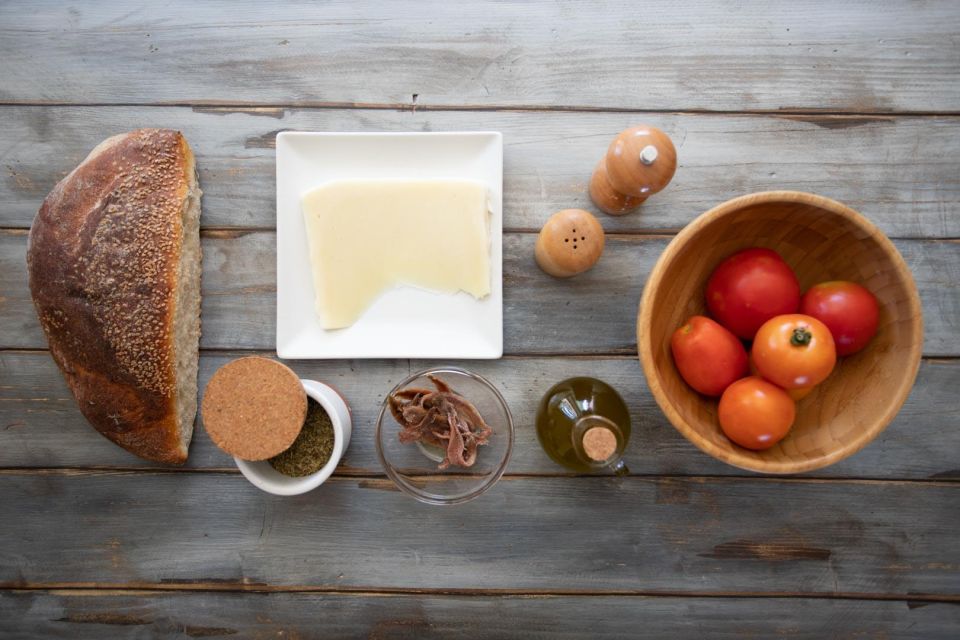
- Ingredient guidance matters: you get sources for flours and other essentials, which is huge if you want to bake again at home.
- Recipes are provided, so you can repeat what you learn without guessing.
- You can choose the setting: a Palermo facility or the comfort of your own home.
Palermo Bread Masterclass: Why Sicilian bread is more than food
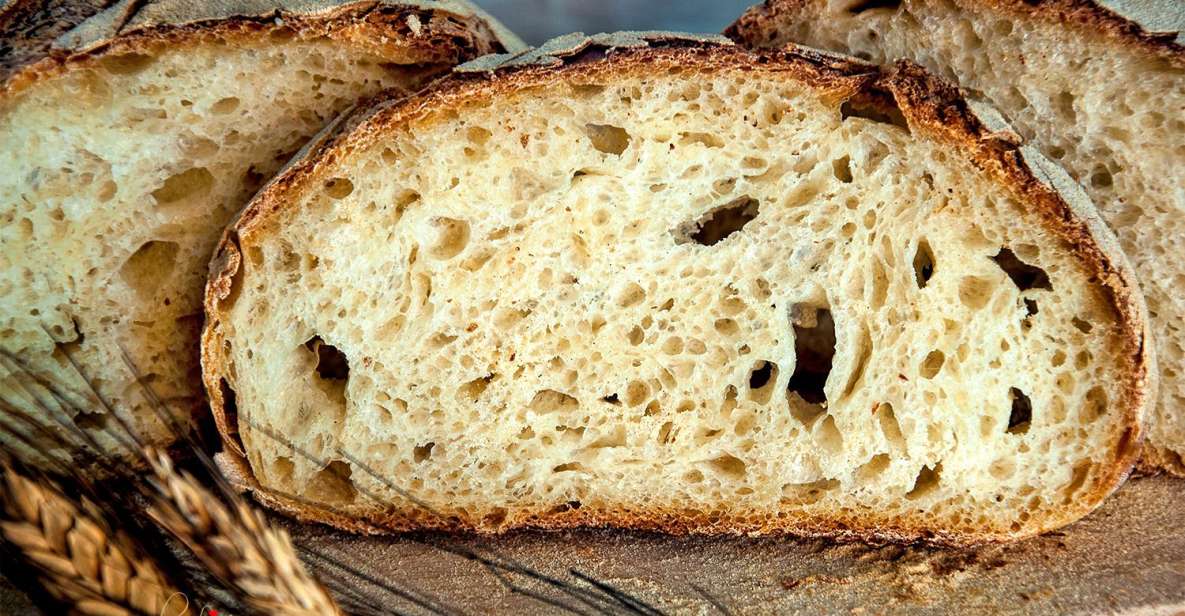
If you want one taste that explains Sicily fast, start with bread. Here, it’s not a side dish. It’s part of daily life and local identity, shaped by ingredients, climate, and habits from neighborhood kitchens and bakeries.
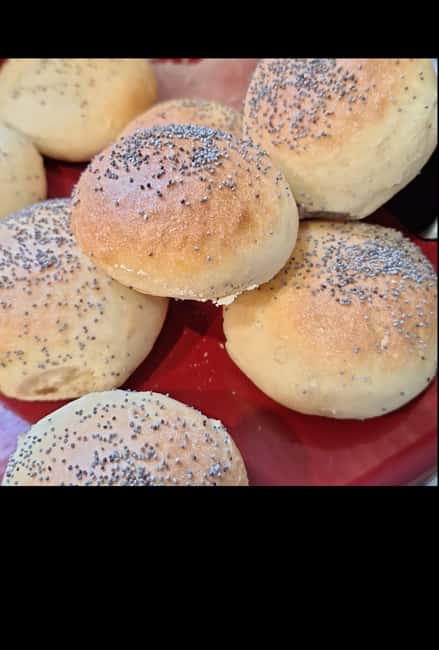
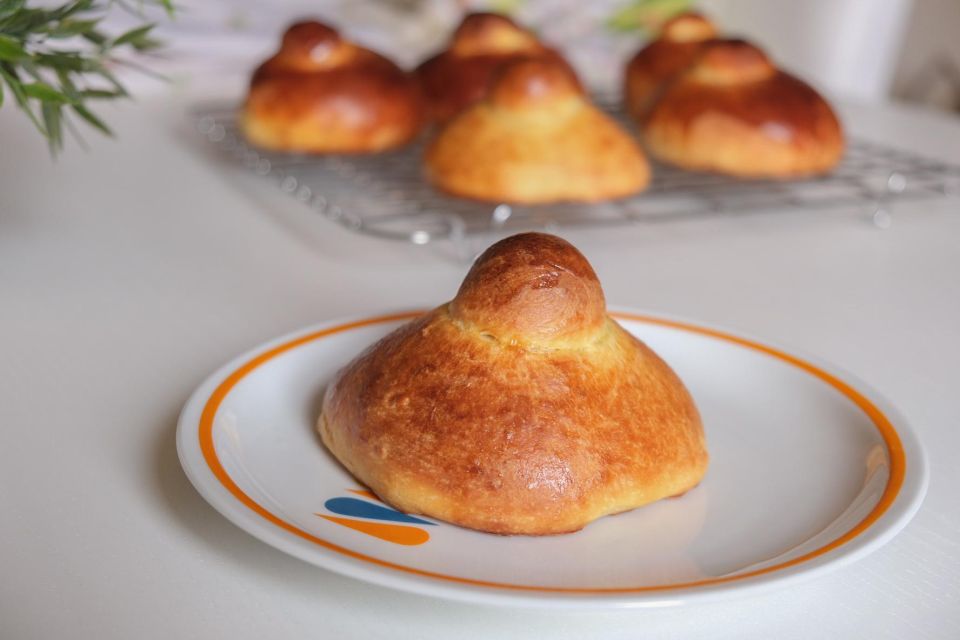
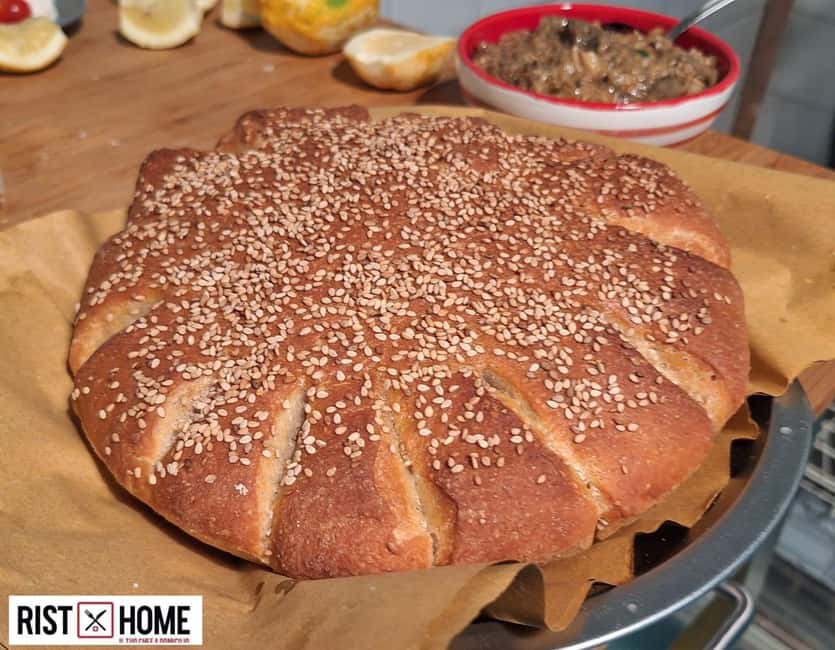
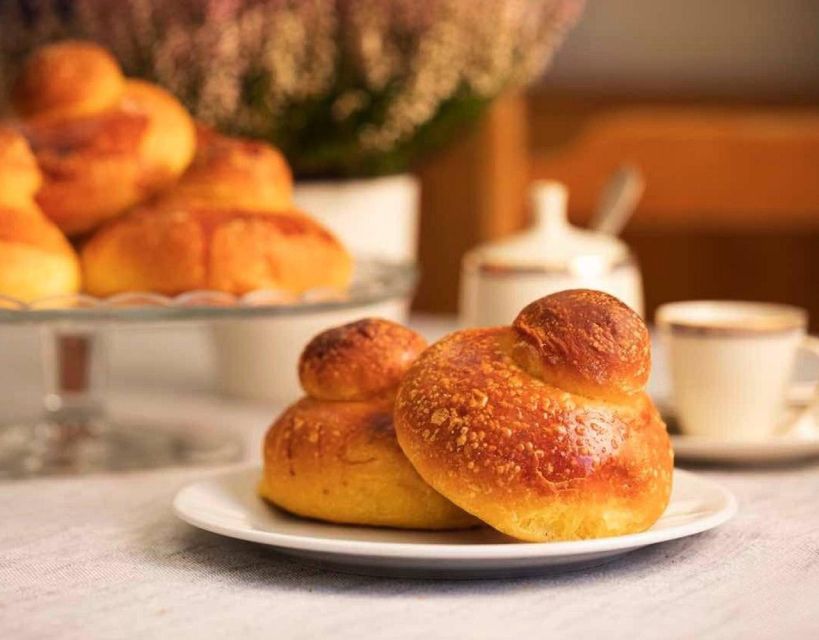
This masterclass focuses on three famous styles: Palermitano, Monreale, and brioscine. You’ll learn how to handle dough, how to work it without overthinking, and how baking changes everything from crust color to flavor. You’re also not just repeating steps. You’re learning the logic behind the process—how choices in flour, handling, and timing end up in what you taste.
The experience is run by RistHome – Private Chef & Maestro of Mediterranean Fine Dining, and it feels like a proper culinary moment rather than a quick demo. The tone is warm, social, and practical, which matters because bread is physical work—you learn best with your hands moving, not just watching.
You can also read our reviews of more tours and experiences in Palermo.

Meeting Chef Giacomo and getting the bread story behind the dough
The biggest reason this class gets rave reviews is the instructor. Chef Giacomo comes across as engaging and genuinely proud of what he teaches. People describe being welcomed almost like visiting a home kitchen. That matters, because breadmaking is equal parts skill and confidence. When you feel comfortable, you try things. You ask questions. You learn faster.
You also get explanations in multiple languages. The instructor can work in Italian, English, Spanish, French, and German, so you’re not stuck translating in your head while your dough waits for you.
What I like about the way he teaches is that he connects technique to outcome. For example, you’re not just told to knead. You learn what you’re aiming for—how the dough should feel and behave, and what that means for the final loaf. That approach shows up again and again in the feedback: people keep mentioning helpful tips, clear explanations, and new methods they can use later.
The 2-hour workshop flow: what you’ll do step-by-step
This masterclass runs about 2 hours, and it’s built for real progress. In that time, you’ll cover the essentials that make Sicilian bread work: ingredients, dough handling, shaping, and baking. Exact timing can vary by batch and oven schedule, but the rhythm is consistent.
1) Start with the right ingredients
You’ll talk through flour choices and what makes Sicilian bread different from generic Italian styles. One of the most useful parts, based on feedback, is that you don’t just get vague advice. You receive concrete pointers, including sources for flours and other ingredients. Even if you’re not able to buy the exact same product back home, you’ll know what to look for.
2) Learn kneading that doesn’t punish your arms
Kneading is where many home bakers either overwork or give up early. The class focuses on getting you to a workable dough texture rather than kneading by muscle memory. You’ll practice until you understand what the dough is telling you through feel and resistance.


3) Work with different doughs and shapes
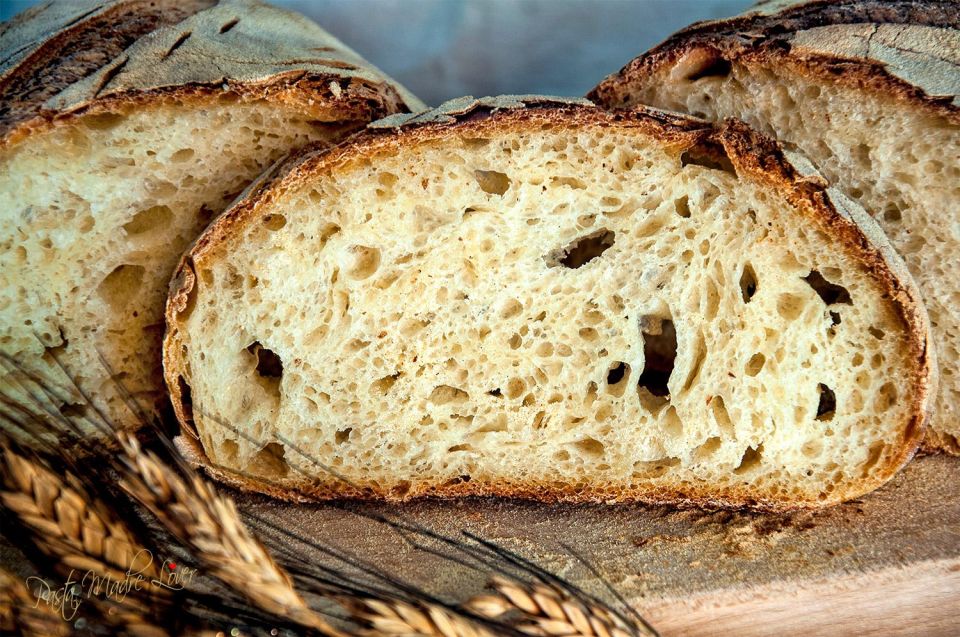
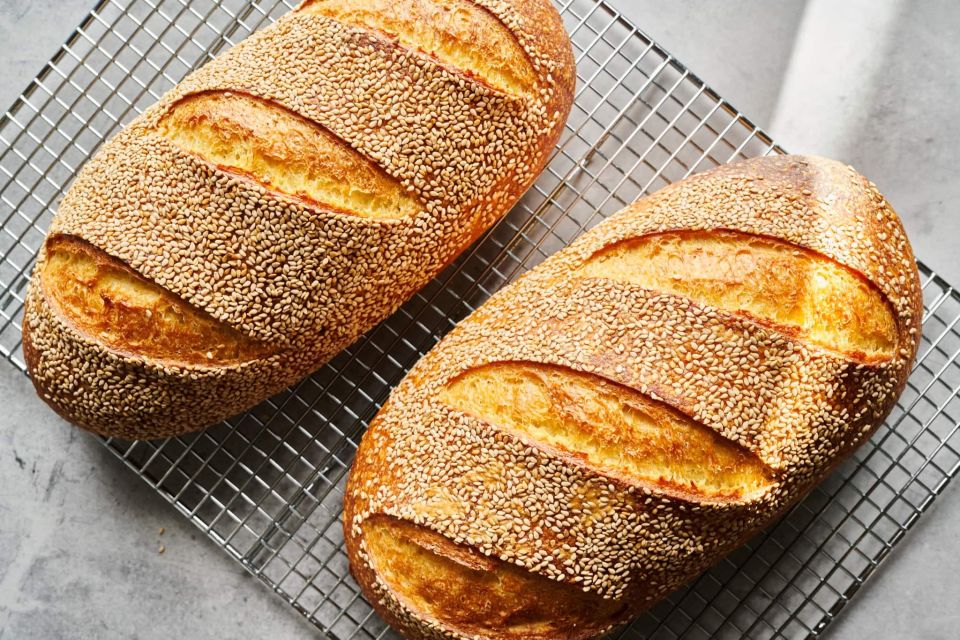
A key point here is variety. The class teaches Palermitano, Monreale, and brioscine, and you’ll work with multiple dough types, not just one base dough all evening. That’s a big deal because these breads aren’t interchangeable—each has its own handling and personality.
4) Baking and the payoff moment
As your breads go through baking, you get the explanation side too: how heat affects crust and crumb. Then you move into the part that actually seals the learning—tasting.
Tasting in Palermo: how the flavors teach you
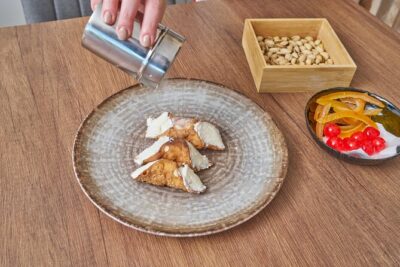
The final tasting is where the masterclass becomes more than technique. You taste what you made, and you compare it across the different styles. People highlight how generous the food feels, and several mention pairing with wine. That combo isn’t just for enjoyment; it helps you notice flavor differences more clearly.
You’ll also understand why bread is so central in Sicily. These styles aren’t trying to be fancy. They’re built for real eating—meals, conversation, and sharing. Once you’ve tasted them, it’s easier to recognize why locals treat bread like a daily ritual.
Practical tip from the experiences: go hungry. One review explicitly warned that you should not eat before the class. I agree with that logic. With only two hours and a focused tasting at the end, your appetite is part of the plan.
Palermo facility vs at-home experience: choose your vibe
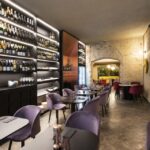
You have two setup options: join the class at a state-of-the-art facility in Palermo, or take the experience at your own home. That flexibility is great if you’re trying to match your schedule or keep logistics simple.
In Palermo, the facility option can feel more like a dedicated culinary studio—everything is set up for bread work, and you can focus on the class without worrying about kitchen space. The at-home option can feel more relaxed. Still, it’s worth checking what equipment and oven setup is expected, since bread depends on proper baking conditions.
If you’re visiting Palermo for the first time and want a local neighborhood experience, the facility option might fit better. If you already have a tight itinerary or you’re traveling with someone who prefers staying in, the at-home choice can be a smooth win.
Languages, entry speed, and practical tips that save your trip
This class is designed to be easy to join. You can use a separate entrance to skip the line, which is helpful when you’re trying to keep your day moving in Palermo.
The instructor can teach in Italian, English, Spanish, French, and German, so you won’t have to rely on a friend’s translation skills. Reviews also mention good organization, and that counts: bread is timing-sensitive, so a well-run flow helps you learn without chaos.
A few smart moves so you get the best outcome:
- Don’t eat too much beforehand. The tasting is a core part of learning.
- Ask about flour choices during the class. You’ll get sources and guidance you can use later.
- Keep your notes if you take your own baking seriously. Even with recipes, small technique reminders matter.
If you want flexibility, the booking structure is travel-friendly: you can book now and pay later, and there’s free cancellation up to 24 hours in advance. Those options don’t change the quality of the bread, but they make it easier to fit into real travel schedules.
And yes, it’s wheelchair accessible, which is worth noting if mobility is part of your planning.
Who should book this Palermo bread masterclass (and who might not)
This masterclass is ideal if you:
- Want a hands-on food experience in Palermo that goes beyond pizza and pasta.
- Like learning technique you can repeat later—especially if you enjoy baking at home.
- Care about ingredients and want practical guidance, not just a performance.
- Enjoy social, enthusiastic teaching. Chef Giacomo’s vibe is repeatedly described as fun and welcoming.
You might choose something else if:
- You only want a quick bite and zero hands-on work. This is active breadmaking.
- You prefer purely sightseeing tours. This one stays in the kitchen world.
Also, it suits couples and food-minded solo travelers well, and it works for mixed-language groups because instruction is available in multiple languages.
Value check: what you get for your time in Palermo
Two hours doesn’t sound long until you realize what’s included in that time:
- Learning multiple Sicilian bread styles (Palermitano, Monreale, brioscine)
- Practical dough work: ingredient selection, kneading, shaping, and baking guidance
- A full tasting to compare results
- Recipes you can take home
- Ingredient sourcing tips (especially helpful if you want similar flours)
In other words, this class is not only about tasting. It’s about building repeatable skills. That’s where the value sits. You pay for instruction, ingredient context, and the chance to eat what you make—so it doesn’t feel like just another activity you sample once.
Should you book Palermo: Sicilian Bread Masterclass?
If your Palermo trip includes one hands-on food class, I’d put this one near the top. The combination of Chef Giacomo’s teaching, the focus on real Sicilian bread styles, and the tasting that ties everything together makes it a smart use of two hours.
Book it if you want a practical culinary souvenir you can recreate: dough handling that makes sense, recipes in your pocket, and ingredient sources that help you shop better back home. Skip it only if you hate kneading, or if you prefer tours that are mostly walking and looking rather than working with your hands.
If you can go hungry for the class and you’re excited by bread as a cultural story, this Palermo masterclass will leave you with more than good memories. You’ll have technique.
FAQ
How long is the Palermo Sicilian bread masterclass?
The class lasts about 2 hours.
Where does the masterclass take place?
It can run at a state-of-the-art facility in Palermo, or you can choose the comfort of your own home.
Which breads will I learn to make?
You’ll learn techniques for Palermitano, Monreale, and brioscine breads.
Do I get to taste the bread?
Yes. The experience includes a final tasting at the end.
What languages are available for instruction?
The instructor can teach in Italian, English, Spanish, French, and German.
Will I be able to enter without waiting in a long line?
There is a separate entrance so you can skip the line.
Is the class wheelchair accessible?
Yes, the experience is wheelchair accessible.
Are recipes provided?
Yes. Participants note that you receive the recipes from the instructor.
Can I reserve now and pay later?
Yes, you can reserve your spot and pay later.
What is the cancellation policy?
You can cancel up to 24 hours in advance for a full refund.