REVIEW · CATANIA
Piano Provenzana: Guided Mt. Etna Snowshoeing Trek
Book on GetYourGuide →Operated by Guide Vulcanologiche Etna Nord · Bookable on GetYourGuide
Snow on Etna changes everything. This guided snowshoeing trek up Mt. Etna takes you from a snowy forest to volcanic craters, with the dramatic contrast of snow on dark lava rock the whole way. I love how the views stretch from the volcano down to the sea. One catch: it’s a winter, uphill walk in cold conditions, and it’s not for everyone with medical limits or fear of heights.
This hike runs out of Piano Provenzana at about 1,800 meters, and it pushes you up to around 2,200 meters to stand near the large side craters that destroyed the area. You’ll cross lava flows, pass through areas marked by past eruptions, and then pause often for photos when the landscape turns especially unreal. The route is short on paper (about 5 km round trip), but the snowshoeing and the climb make it feel more serious than you might expect.
In This Review
- Key Highlights You’ll Actually Notice
- Entering the Etna North World: Piano Provenzana Starts at 1,800 m
- Meeting Point Reality: Where the Hike Actually Begins
- First Stop: Safety Briefing and Setting Your Footing
- The Snow-to-Lava Transition: What Makes Etna Look Different
- Photo Stops and Guided Wayfinding: How the 3 Hours Stay Fun
- Reaching the Big Side Craters Around 2,200 m
- Sea Views in Winter Clarity: Giardini Naxos, Taormina, and Calabria
- How the 5 km and 300 m Climb Feels in Snowshoes
- Price and Value: What $44 Gets You (and What Costs Extra)
- What to Pack for Etna’s Winter Cold (Gloves Are a Big Deal)
- Timing, Weather, and Staying Flexible on the Mountain
- Who This Snowshoe Trek Is For (and Who Should Skip It)
- Should You Book This Piano Provenzana Mt. Etna Snowshoeing Trek?
- FAQ
- How long is the Mt. Etna snowshoeing trek from Piano Provenzana?
- What distance and climb should I expect?
- Where do I meet the guide?
- Is the volcanology guide included?
- Are snowshoes and trekking poles included in the price?
- Can I rent a windbreaker and how much does it cost?
- Are trekking shoes included?
- What languages is the guide available in?
- What should I bring for the hike?
- What footwear is not allowed?
Key Highlights You’ll Actually Notice
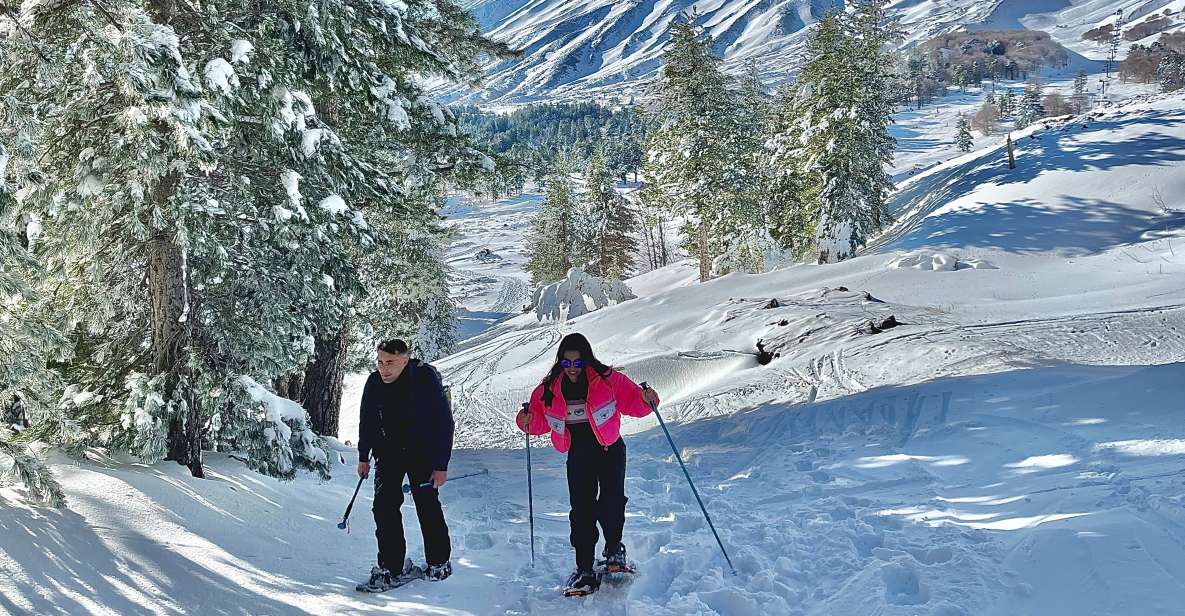
- Snowshoeing in a real volcanic setting, not just a snowy walk in the woods
- Lava-flow scenery on the north side, with visible signs of eruption impact
- Sea views toward Giardini Naxos and Taormina, and on clear days even Calabria
- Big crater viewpoints at about 2,200 m, with sightlines to Etna’s summit craters
- Frequent photo breaks built into the pace, so you’re not rushing the views
- A volcanology-focused guide, so you understand what you’re looking at
Entering the Etna North World: Piano Provenzana Starts at 1,800 m
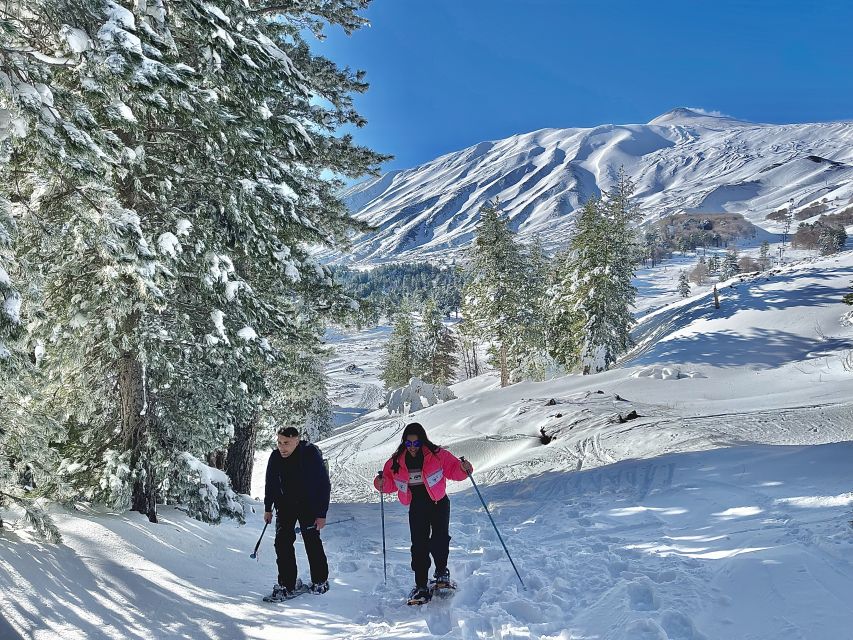
The experience is anchored in Piano Provenzana, with the trek beginning in snowy terrain around 1,800 meters. Right away, the vibe is different from typical winter hikes because you’re not just walking in snow—you’re walking through the aftermath of a living volcano.
You start out near the active chairlift area at Etna Nord, meeting the guide in the parking lot outside Chiosco Bar Mareneve. It’s a practical setup for winter visitors: you get to the trailhead area quickly, then you move as a group once everyone is geared up.
And yes, the altitude matters. Even on a 3-hour schedule, being at altitude plus snow means your breathing works a bit harder than you expect. If you tend to get cold fast, bring layers you trust.
You can also read our reviews of more guided tours in Catania
Meeting Point Reality: Where the Hike Actually Begins
You meet your guide at the parking lot near the active chairlift at Etna Nord in winter, just outside Chiosco Bar Mareneve di Ferraro. In winter, meeting time can shift earlier (they may bring it forward to 8:45–9:00) because parking gets tight with skiers.
That detail is worth respecting. If you arrive late, you’ll end up stress-scanning for a spot instead of enjoying the day. If you’re driving yourself, plan extra buffer time and aim to get there early.
Your guide operates with Italian, French, and English, so you should be able to follow explanations about what formed the terrain around you and what the guide is pointing out on the walk.
First Stop: Safety Briefing and Setting Your Footing
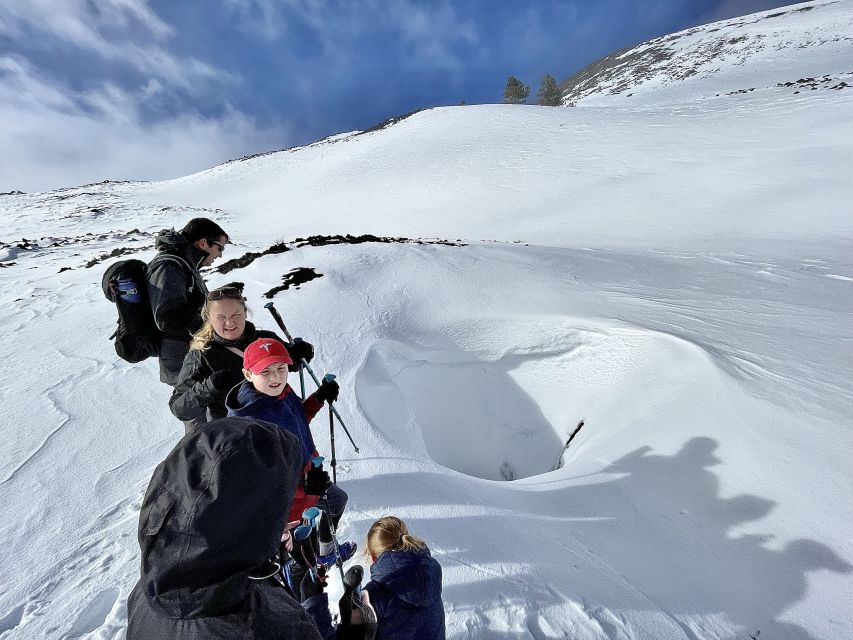
Before you move, you’ll get about 15 minutes of free time and a safety briefing. This is one of the most helpful parts for a snowshoe trek, because it’s where you learn how the group pace works and how to walk safely in snowy volcanic ground.
Then you get an initial photo stop (about 10 minutes) and a short guided segment (about 20 minutes). I like this structure because it’s not all hurry-and-go. It gives you time to get your bearings, adjust your gloves, and start noticing the terrain details before you climb.
A small but important mindset shift: snowshoeing isn’t just “walking with extra gear.” Your stride and balance change. The briefing helps you avoid the rookie mistake of stomping too hard or taking giant steps to feel athletic. Slow and steady wins.
The Snow-to-Lava Transition: What Makes Etna Look Different
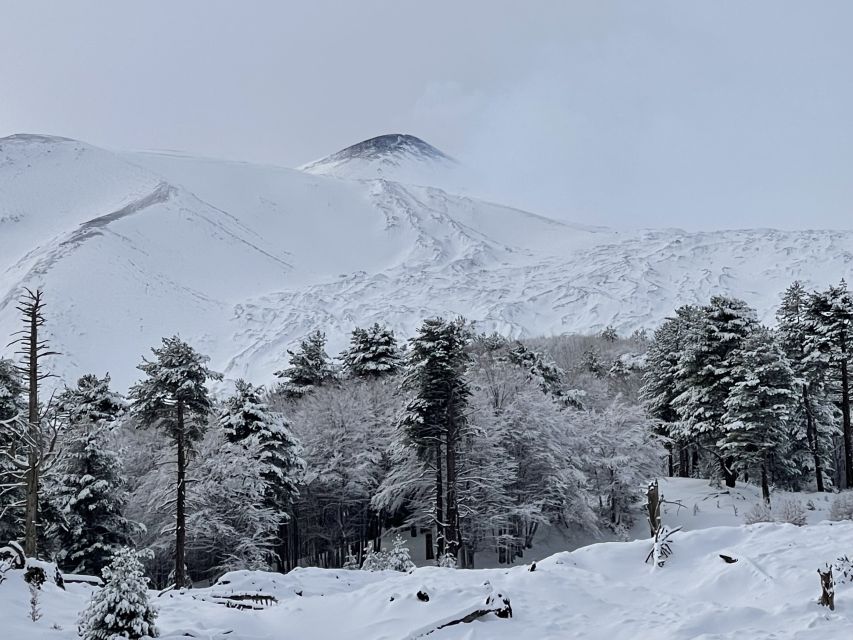
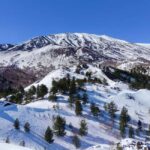
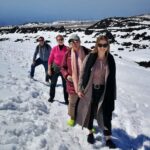
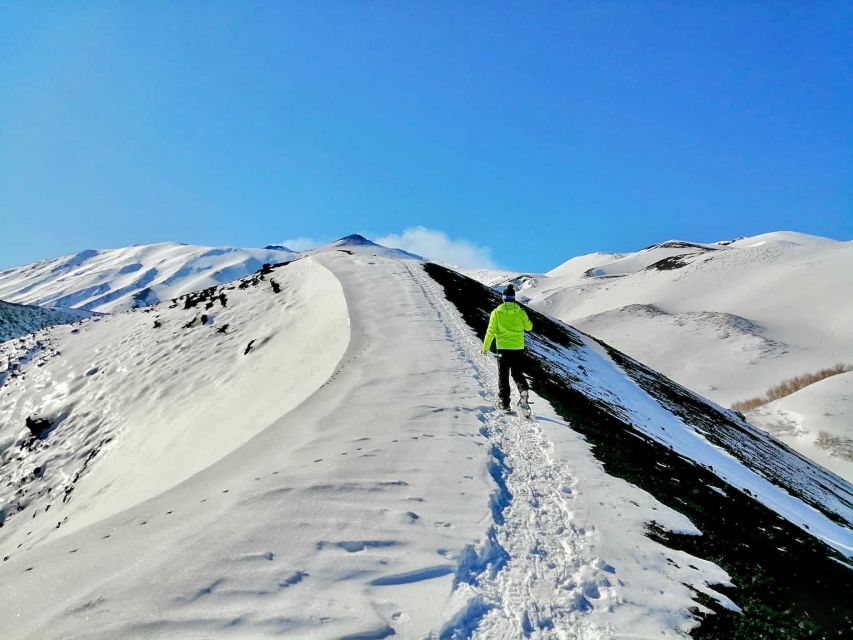
One of the best parts of this hike is the contrast you’re constantly moving through. You begin in snowy forest terrain, then you cross toward areas where the ground is shaped by lava.
As you head up the north side, you’ll walk across lava flows from eruptions and pass through areas where structures were destroyed by lava flows. Even without technical geology knowledge, you’ll recognize the difference in texture and color: dark volcanic rock against white snow.
This is where the “why” behind the hike becomes real. The snow doesn’t hide the story—it highlights it. The white blanket makes the dark channels and fractured ground feel sharper and easier to read with your eyes.
Photo Stops and Guided Wayfinding: How the 3 Hours Stay Fun
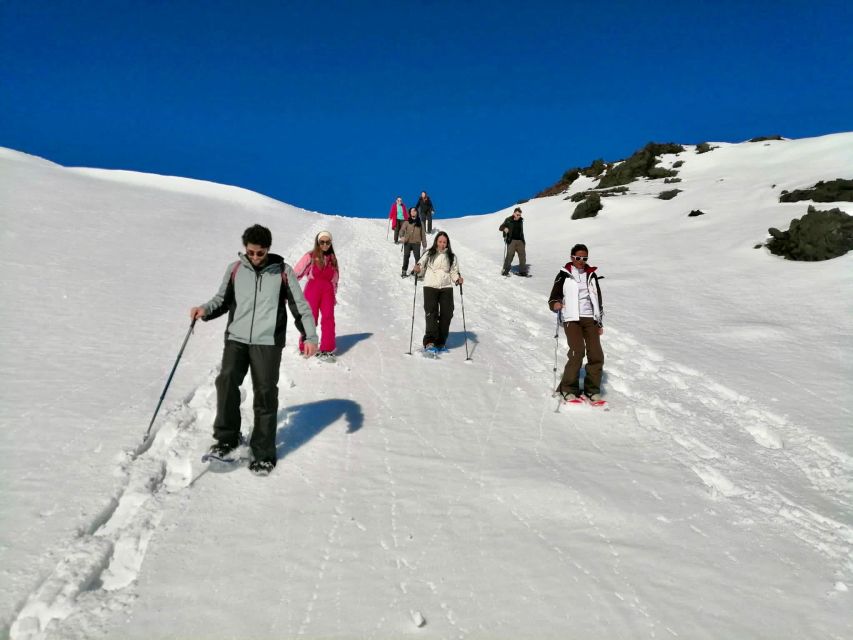
The tour timing is built to keep you engaged. After the early guided and photo segment, you get another longer block (about 30 minutes) that mixes photo stops, guided tour, visits, and free time.
That rhythm matters because Mt. Etna can look dramatic from one angle and confusing from another. The guide helps you connect what you see—woods, lava flows, fractures, and lateral craters—into a coherent picture. When you know what something is (or what it likely relates to), the view becomes more than a postcard.
I also appreciate the built-in breathing room. In a cold environment, you want short stops where you can reset your stance, drink if you packed something, and check that your gloves aren’t slowly becoming useless.
You can also read our reviews of more hiking tours in Catania
Reaching the Big Side Craters Around 2,200 m
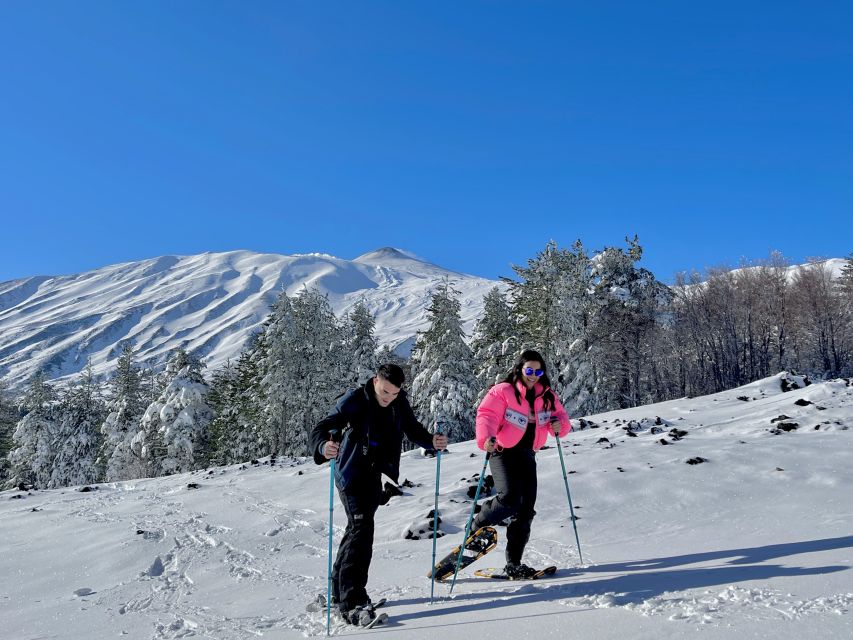
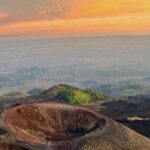
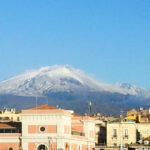
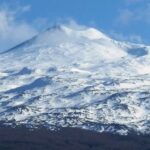
The payoff comes as you climb toward the larger crater area around 2,200 meters. From there, you get the kind of panorama you came for: a snow-covered Etna with sightlines up toward the top.
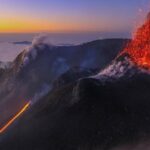
You’ll also be near the large side craters that destroyed the tourist resort of Piano Provenzana. That history can feel heavy for a moment—yet the viewpoint is stunning in a quiet, honest way. You’re looking at a landscape shaped by an active force, not a theme park version of volcano scenery.
One detail to keep in mind: Etna remains active with the emission of volcanic gases. Even if you don’t smell much in every moment, your guide may point out signs of ongoing activity. So treat the crater-area part of the hike like a place where you listen, look, and follow instructions, not like a place to wander off for extra photos.
Sea Views in Winter Clarity: Giardini Naxos, Taormina, and Calabria
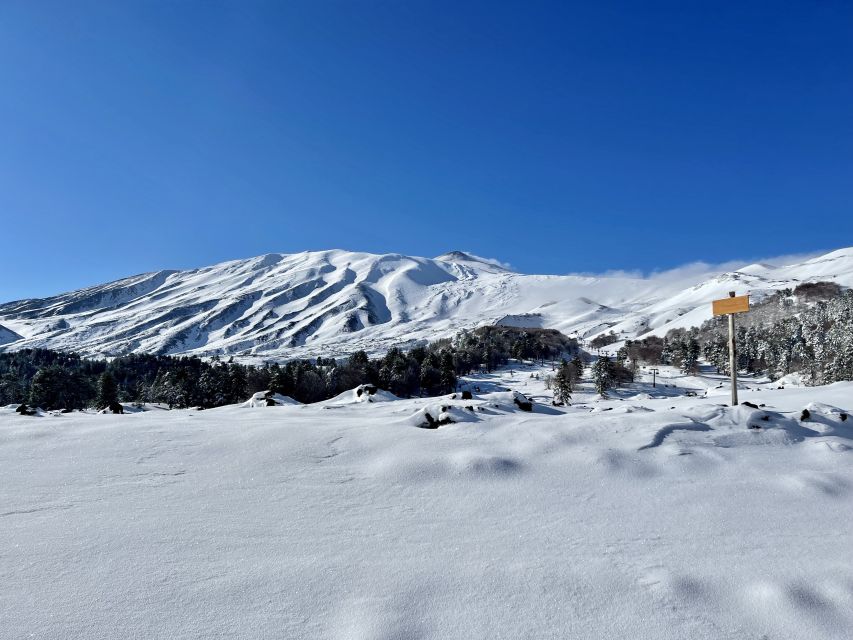
When the weather behaves, you’ll have one of the most enjoyable surprises of the day: views that reach away from the volcano and toward the coast.
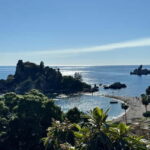
Along the route, you can admire the sea of Giardini Naxos and Taormina. And in good visibility, you can even see Calabria from the elevated viewpoints. That’s a big deal because it changes the scale: you start thinking of Etna not as an isolated peak, but as a mountain that dominates a whole region of Sicily.
If visibility is poor, don’t assume the day is ruined. Snow and lava still make strong visual contrast. But clear conditions do help you get the full “from crater to coastline” story.
How the 5 km and 300 m Climb Feels in Snowshoes
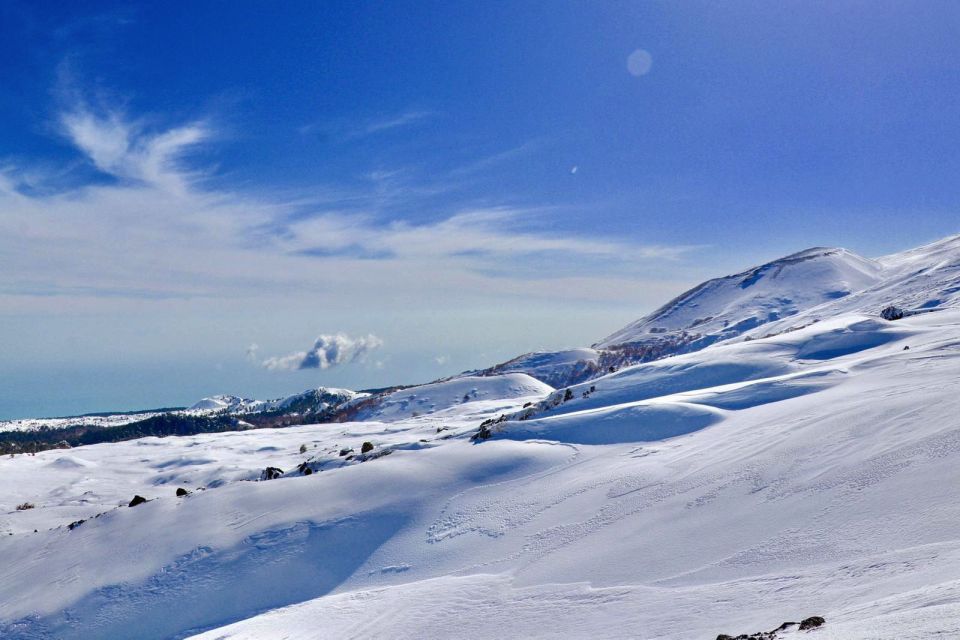
On paper, you’re looking at a 5 km round trip route with about 300 meters of total positive height over roughly 3 hours. That sounds manageable, but snowshoes add drag and balance demands.
Here’s how I’d interpret it for your planning:
- You’ll feel the climb more than the distance suggests.
- Your pace depends on snow conditions and how crowded the area is near the chairlift.
- Short photo stops and guided segments help break it up, but you’ll still spend most of the time moving uphill.
If you’re used to winter hiking, it will feel like a solid workout. If you’re not used to hiking in snow, treat it as moderate but real effort. And if you’re sensitive to cold, bring proper layers and plan to keep your hands warm—your hike lasts long enough for numb fingers to ruin the fun.
Price and Value: What $44 Gets You (and What Costs Extra)
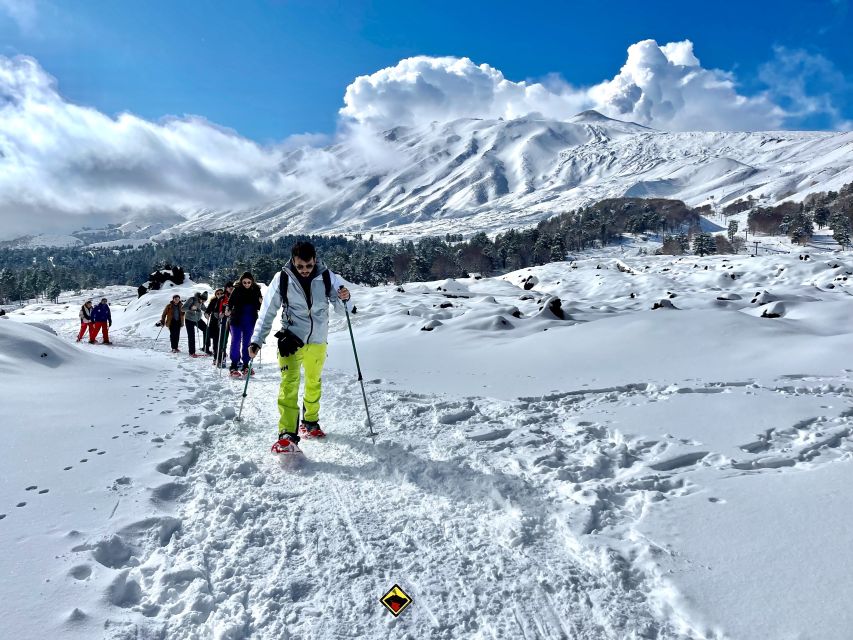
The base price is $44 per person for this 3-hour guided experience with a volcanology guide service. In terms of value, you’re paying for two things that matter on snowshoes: expert context (what you’re seeing) and guide-led safety and pacing in winter terrain.
To budget realistically, plan for extra costs that are not included:
- Snowshoes + trekking poles: about €12 per person (rented on site)
- Windbreaker: can be rented on the spot for €5
- Trekking shoes: about €5 per pair (rented on site)
- Parking ticket: €5 on weekdays, €8 on Sundays and public holidays
So your total day cost depends on what gear you already own. If you’re flying in or arriving without winter hiking basics, the rental fees make this trek more expensive than it first looks—but still pretty reasonable for a guided volcano hike with time on the crater viewpoints.
My advice: don’t wait until the last minute to decide what you need. If you’ll need rentals anyway, factor them in before you compare this trip with other Etna activities.
What to Pack for Etna’s Winter Cold (Gloves Are a Big Deal)
Bring warm, weather-ready clothing. The essentials include:
- Warm layers, a jacket, and rain gear
- Gloves and a hat (important: these are not included)
- Sunglasses (snow glare is real), sunscreen, and long pants
- Hiking shoes (or plan to rent trekking shoes on site)
- Change of clothes so you don’t end the day damp and miserable
- Gloves, breathable layers, and winter-appropriate snow clothing
If you’re tempted to show up in casual footwear: don’t. High-heeled shoes, sandals/flip flops, and open-toed shoes are not allowed. You want secure footing because you’re walking on snowy ground over volcanic surfaces.
Also, carry an extra layer mindset. Even if the sun comes out, the combination of altitude, wind, and snow can chill you quickly. A good day on Etna still feels winter-cold at 1,800–2,200 meters.
Timing, Weather, and Staying Flexible on the Mountain
The day can change with conditions. If the weather is adverse, you’ll be notified so the excursion can be cancelled or postponed as early as possible. This matters because a snowshoe hike needs stable footing and decent visibility to get the crater viewpoints safely.
The tour meeting time may also shift earlier to 8:45–9:00 so you can find parking. That’s why I’d treat this day like an event with a start time, not like a loose plan.
If you’re building a day around Etna, give yourself buffer time for travel and parking. The chairlift area attracts skiers, and parking can be tricky.
Who This Snowshoe Trek Is For (and Who Should Skip It)
This hike has clear limits. It’s not suitable for people with:
- back problems
- mobility impairments
- heart problems
- respiratory issues
- epilepsy
- high blood pressure
- recent surgeries
- low level of fitness
- a fear of heights
If any of those apply to you, don’t try to “tough it out.” Cold, altitude, uphill effort, and crater-area exposure can raise risk fast. You’ll enjoy Etna more if your body can comfortably handle winter outdoor walking.
On the flip side, it’s a great fit if you want:
- guided explanation of volcanic features
- winter scenery with real drama
- a short-but-not-too-easy workout (snowshoes make it more demanding)
- photo-friendly pacing with viewpoints built in
Should You Book This Piano Provenzana Mt. Etna Snowshoeing Trek?
Book it if you want a guided winter experience where the scenery is tied to the volcano’s story. The hike has strong value because you’re not just moving through snow—you’re crossing lava flows, visiting crater landscapes, and getting panoramic views from about 2,200 meters down toward the sea.
Skip it and choose another Etna option if you’re dealing with medical constraints listed by the operator or if winter uphill hikes feel like too much. This isn’t a stroll, and you’ll spend hours in cold conditions where good preparation matters.
If your plan includes snowshoe rental and you come geared up, this is one of those Sicily moments that feels both practical and deeply memorable: snow on Etna, sea in the distance, and a guide helping you read the volcanic terrain in real time.
FAQ
How long is the Mt. Etna snowshoeing trek from Piano Provenzana?
The duration is about 3 hours.
What distance and climb should I expect?
The route is about 5 km round trip, with a total positive height difference of about 300 meters.
Where do I meet the guide?
Meet in the parking lot near the active chairlift at Etna Nord in winter, outside Chiosco Bar Mareneve di Ferraro.
Is the volcanology guide included?
Yes. The volcanological guide service is included.
Are snowshoes and trekking poles included in the price?
No. Snowshoes and trekking poles cost about €12 per person and are rented from authorized rentals on site.
Can I rent a windbreaker and how much does it cost?
Yes. You can rent a windbreaker on the spot for 5 euro at authorized rentals.
Are trekking shoes included?
No. Trekking shoes can be rented on the spot for 5 euro per pair.
What languages is the guide available in?
The guide service is available in Italian, French, and English.
What should I bring for the hike?
Bring warm clothing, a jacket, gloves, a hat, sunglasses, sunscreen, rain gear, and hiking or trekking shoes (or rent them on site). Bring a change of clothes too.
What footwear is not allowed?
High-heeled shoes, sandals/flip flops, and open-toed shoes are not allowed.