REVIEW · PALERMO
Sicilian Cooking Class in Palermo
Book on Viator →Operated by Siciliandays · Bookable on Viator
A market stroll turns into dinner you can make again. In this Palermo class, I like the hands-on cooking and the way Sicilian flavors make sense once you see ingredients up close. One thing to plan for: the class doesn’t include parking, and there’s no hotel pick-up/drop-off.
You’ll start together at Via Volturno, then go to a local farmers’ market to choose seasonal produce and key pantry items. After that, it’s only about a 10-minute walk to the historic home kitchen where the lesson comes alive, with a glass of wine while you cook. The cooking portion is only part of the payoff; the real win is sitting down for your homemade meal with Sicilian wine pairings.
In This Review
- Key things you should know before you go
- Market-first Palermo cooking: why this format works
- Where you meet and how the day moves
- Shopping at Palermo’s farmers market (and what you learn there)
- Inside the gourmet home kitchen in a historic building
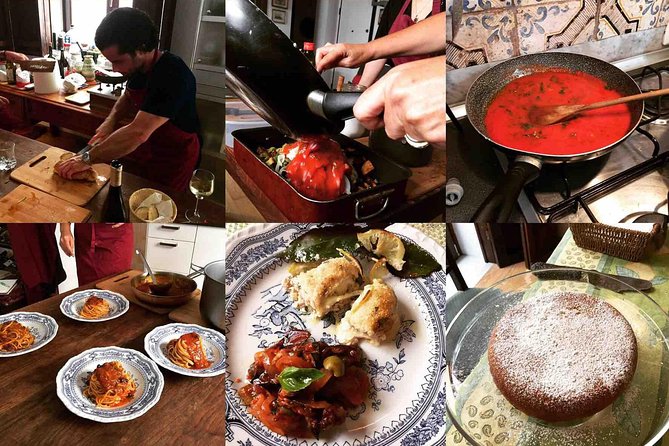
- Cooking Sicilian classics: caponata and Trapani pesto pasta
- Caponata: the agrodolce lesson
- Busiate al pesto trapanese: pasta shaped by place
- Sicilian cooking identity: why these flavors feel different
- Lunch or dinner with wine pairings: the part you should slow down
- Price and value: what $229.29 buys you in real terms
- Who should book this Sicilian cooking class (and who might skip)
- Should you book Sicilian Days in Palermo?
- FAQ
- How long is the Sicilian cooking class in Palermo?
- What’s included in the price?
- Is the class offered in English?
- Where do we meet for the experience?
- Is hotel pick-up and drop-off included?
- Is there a parking fee?
- Do they offer a vegetarian option?
- Do you visit a market during the class?
- Can I cancel for a full refund?
Key things you should know before you go
- Market-first approach: shop for seasonal ingredients, then walk to cook
- Home-kitchen setting: class is held in a gourmet kitchen inside a historic building
- Wine during the process: you get a glass while cooking, plus tastings with lunch or dinner
- Small-group feel: maximum 20 travelers, and the format supports hands-on work
- Sicilian dishes with clear reasons: you learn what makes Sicilian cuisine different, not just what to cook
Market-first Palermo cooking: why this format works
This class is built around a simple truth: in Sicily, good food starts long before the stove. You shop for ingredients at a farmers’ market, and you’re not just tagging along. You’re learning what to look for when it comes to vegetables, olives, capers, pasta ingredients, and the small choices that change a dish.
I also like that the pace is realistic. You buy what you need, then you move on quickly to cooking in a proper kitchen. That flow matters because it keeps you focused on skills—taste, texture, and timing—rather than turning the day into a long information session.
One more practical advantage: you get the lesson and the meal together. After all that hands-on work, you sit down and enjoy what you made with Sicilian wine pairings. It’s not just a class; it’s a full food experience.
You can also read our reviews of more cooking classes in Palermo
Where you meet and how the day moves
You meet at Via Volturno, 78, 90138 Palermo PA, Italy and the experience ends back at the same meeting point. There’s an initial gathering near Palazzo Asmundo – Museo, where the day gets underway before you head to the market.
The walking part is short and easy. After the market, you walk about 10 minutes to the home kitchen. That’s a big deal in a city where distances can add up fast. If you want a cooking day without turning it into a walking marathon, this layout fits well.
You’ll also want to think about logistics once, not repeatedly. There’s no hotel pick-up or drop-off, and parking is extra. If you’re driving, plan for that parking fee at check-in so it doesn’t feel like a surprise.
Shopping at Palermo’s farmers market (and what you learn there)
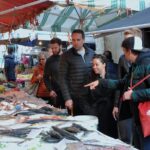
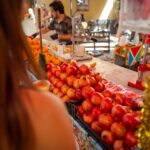
The market segment is where the course earns its keep. Instead of showing you finished dishes and calling it culture, you see ingredients in their real context: seasonal availability, local varieties, and what looks best that day.
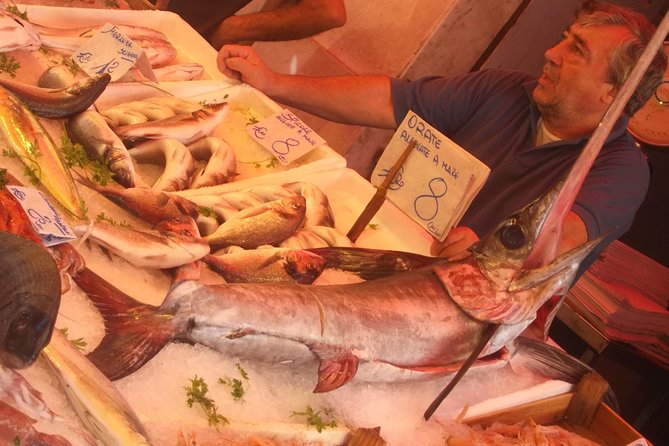
This is also the moment where the class turns into technique. You learn how to select ingredients like vegetables and fish, and you get practice noticing quality—things you’d never fully pick up from a menu or a cookbook photo. One theme that pops up again and again is freshness. The chef’s job here is to help you buy the right items so your cooking tastes intentional.
Expect the shopping to cover the core Sicilian building blocks:
- eggplant, onions, capers, and green olives for caponata
- pasta for classic shapes used in Sicilian cooking
- pantry staples like olive oil and regional condiments
- seasonal produce used in the pesto and sauces
If you like the idea of learning how Italians shop as much as what they cook, this market time is the heart of the day.
Inside the gourmet home kitchen in a historic building
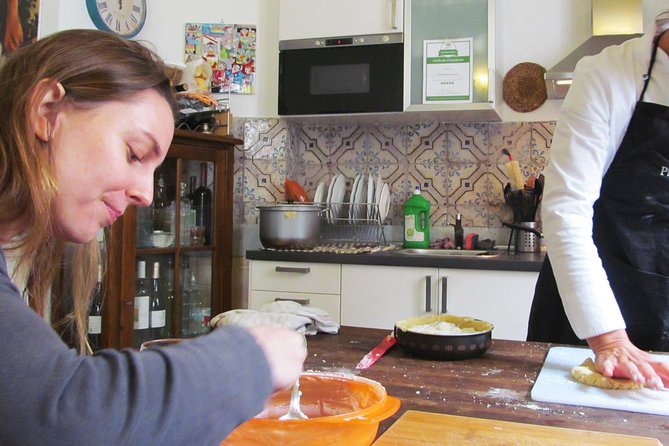
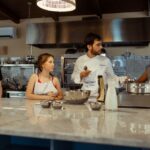
After the market, you head to the home kitchen. It’s described as gourmet and set in a historic building, and the setting is part of why the class feels personal. Reviews and shared details point to a warm welcome—more like being invited into a real kitchen than being processed through a demo.
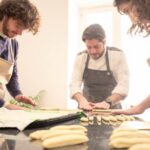
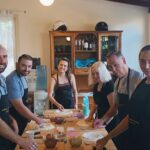
This is also where you get the hands-on part. You’re not just watching. You help with preparation and cooking, and the format supports small-group interaction. The tour caps at 20 travelers, and in practice that usually keeps the attention from feeling distant.
You’ll also be drinking as you cook. The class includes wine during the process, so the atmosphere tends to loosen up. That’s a good match for a cooking class, where learning sticks when the environment feels friendly and relaxed.
Cooking Sicilian classics: caponata and Trapani pesto pasta
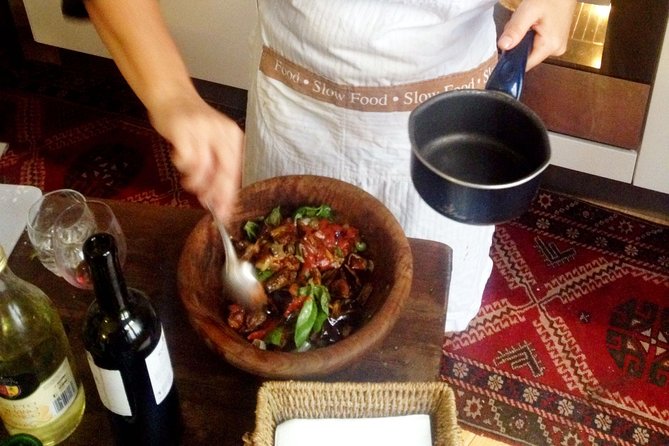
The menu example includes two big “you’ll remember this” dishes.
You can also read our reviews of more tours and experiences in Palermo


Caponata: the agrodolce lesson
You start with caponata, a vegetable stew-style salad built around eggplants, onions, capers, and green olives, finished with the signature Sicilian sweet-sour balance known as agrodolce. This is not just a tasty starter; it teaches how Sicilians build flavor layers. You’ll see how a dish can balance sweetness and acidity without tasting like it’s missing something.
If you’ve only had eggplant in generic ways, caponata is a useful reset. It shows you how Sicilians treat vegetables like the main event.
Busiate al pesto trapanese: pasta shaped by place
For the main, you’ll prepare busiate al pesto trapanese. Busiate is a typical pasta shape from the Trapani area, and the pesto is local—different from the more common green versions you might recognize from elsewhere in Italy.
The point here isn’t just that it tastes good. It’s that Sicilian cooking is regional. Trapani pesto has its own identity, and learning it helps you understand what makes Sicilian cuisine separate from other Italian styles.
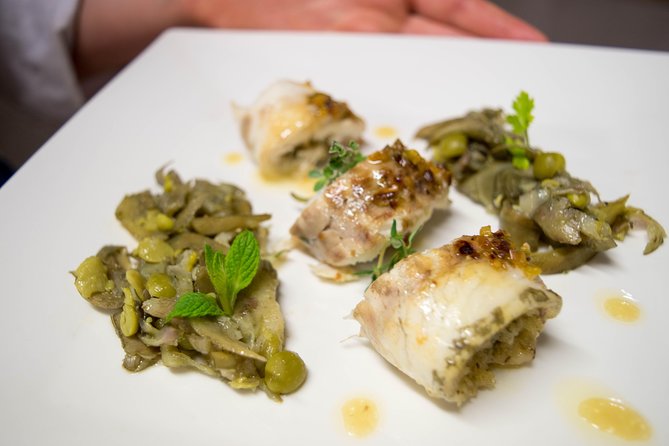
Depending on the exact class date and format, you might also work on other Sicilian favorites. Some departures include pasta and rice classics like arancini, and dessert like cannoli. Others may include heartier dishes such as involtini (meat rolls) or fish-based preparations. The common thread is that you’re practicing core Sicilian techniques, not just assembling a plate.
Sicilian cooking identity: why these flavors feel different
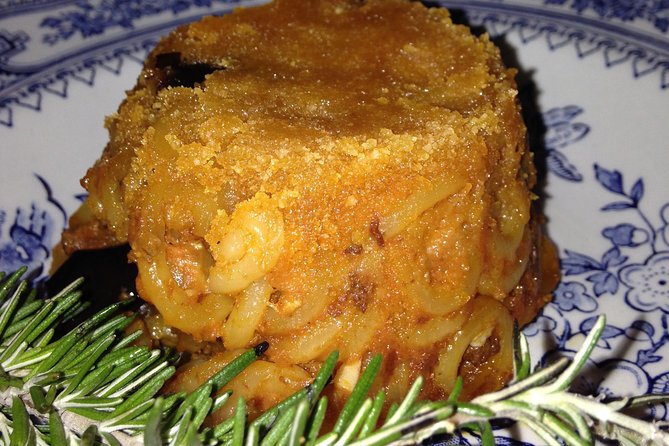
So what makes Sicilian food stand out from other Italian cooking? In this class, you get the reasons in plain language.
You’ll learn that Sicilian cooking often leans on:
- agrodolce sweet-sour flavor planning (you see it with caponata)
- strong use of capers and olives, which add salty punch and depth
- regional pasta choices that match the dish and the place it comes from
- condiments that aren’t one-size-fits-all (like Trapani pesto)
One practical thing I like: you’re not just tasting flavors. You’re learning how to protect texture and balance while cooking. In other words, you learn how to keep the dish from turning into something bland, watery, or overly heavy.
Also, the class can include variations that show how Sicilians adapt. For example, you may see almond-based pesto substitutions in some versions, which helps you understand the logic behind nuts, fats, and thickness rather than copying a single ingredient list forever.
Lunch or dinner with wine pairings: the part you should slow down
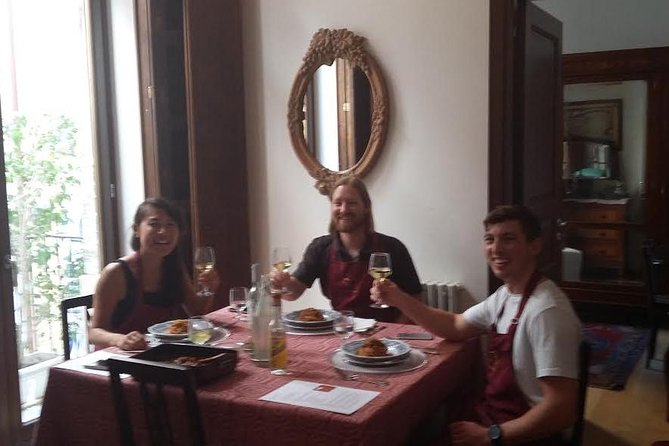
After cooking, you sit down and eat what you made. The class includes lunch or dinner depending on departure time, and you get wine and food tasting as part of the meal.
This is where you stop thinking like a student and start thinking like a Sicilian host. Plates come out, the pairings make sense with the flavors, and you get conversation time that goes beyond the food itself.
From the teaching style described in the experience details, the best part tends to be the human side: instructors like Patrizia are described as warm, welcoming, patient, and energized, with plenty of room for questions. That matters because technique sticks better when you can ask why something works instead of guessing.
Some classes also mention starter-style snacks such as local bread, olives, and cheese early in the process. Even when the exact menu shifts, the rhythm is the same: taste, cook, taste again, then enjoy your meal as a real group dinner.
Price and value: what $229.29 buys you in real terms
At $229.29 per person, this is not a cheap activity. But it’s also not just a ticket to watch someone cook. You’re paying for a full, structured food day that includes:
- a cooking lesson
- a market ingredient shopping step
- a full meal (lunch or dinner)
- wine and food tasting
The value gets clearer when you compare it to the cost of a normal restaurant meal plus a market tour plus guided instruction. Here, the instruction and ingredients connect. You don’t leave with vague memories of flavors; you leave with a process you can repeat.
Two cost considerations to plan around:
- Parking is not included; you pay that fee at check-in.
- There’s no hotel pick-up/drop-off, so you may need taxi or transit on your own.
If you’re traveling solo and like structured social experiences, small groups keep it friendly. If you’re traveling with family, this format can work well because you’re all eating the same thing you cooked.
Who should book this Sicilian cooking class (and who might skip)
This is a strong fit if you:
- want hands-on learning with real Sicilian dishes like caponata and pesto-style pasta
- enjoy markets and want help selecting ingredients
- like wine pairings as part of a meal (wine is included)
- prefer a smaller, home-kitchen class over large-scale demonstrations
You might think twice if you:
- need hotel pick-up or doorstep logistics
- don’t enjoy cooking at all, since you do prep and cooking
- would prefer an alcohol-free experience (wine is part of the format, so confirm expectations when booking)
Also, if you have dietary needs, good news: you can advise them at booking, and a vegetarian option is available.
Should you book Sicilian Days in Palermo?
I’d book it if you’re the type of traveler who wants one day in a place to turn into practical skill, not just photos. The market start, the home-kitchen setting, and the way the day ends with wine pairings and a full meal make this class feel like actual Sicilian hospitality—not a short show.
If you want a cooking class that teaches Sicilian identity through ingredients and technique, this one is worth serious consideration. Just go in knowing you’ll handle small logistics like getting yourself to the meeting point, and you should plan for that extra parking fee if you drive.
If you want something else entirely—like purely sightseeing with no cooking—then this may not match your style. But if you like food-first travel, you’ll likely leave with both recipes and understanding.
FAQ
How long is the Sicilian cooking class in Palermo?
It runs about 4 hours 30 minutes.
What’s included in the price?
The class includes the cooking lesson, lunch or dinner (depending on your departure time), and wine and food tasting.
Is the class offered in English?
Yes. It’s offered in English, and a multi-lingual guide may operate the class.
Where do we meet for the experience?
You start at Via Volturno, 78, 90138 Palermo PA, Italy and return there at the end.
Is hotel pick-up and drop-off included?
No, hotel pick-up and drop-off are not included.
Is there a parking fee?
Yes. The price does not include the parking fee, which you pay at check-in.
Do they offer a vegetarian option?
Yes. A vegetarian option is available if you advise them at booking.
Do you visit a market during the class?
Yes. You go together to a farmers’ market to buy ingredients, then you walk about 10 minutes to the kitchen.
Can I cancel for a full refund?
Yes. There is free cancellation, and you can cancel up to 24 hours in advance for a full refund.