REVIEW · SYRACUSE
From Syracuse: Mount Etna Guided Morning Hike & Food Tasting
Book on GetYourGuide →Operated by Travelovers · Bookable on GetYourGuide
Etna before lunch is a different kind of magic. This Mount Etna guided hike from Syracuse mixes a crisp morning start with big volcanic stories, then caps it with a lava cave visit and Sicilian farm tastings. I love how the day is paced so you actually enjoy the views, not just sprint between stops, and I also love the way guides like Lorenzo or Federico explain what you’re looking at in clear, human terms. One possible drawback: on hot days the minivan ride can feel warm if the air-conditioning isn’t great.
You’ll start at Piazza del Pantheon and ride up to the lower slopes (about 2000 meters) before the walking begins. Expect a light hiking effort, with comfortable shoes doing the heavy lifting, plus water, sunglasses, and a jacket because it can feel colder and windier at altitude. If you want real volcano time without the Syracuse crowds, this is a strong bet.
In This Review
- Key moments that make this Etna trip work
- Leaving Syracuse for Etna: why the morning timing matters
- The van ride and the Silvestri Craters briefing
- Getting to altitude: what the ~2000-meter hike really feels like
- Caving at Grotta dei Tre Livelli: why it’s more than a photo stop
- Ragalna welcome refreshments and farm tastings (plus the wine option)
- Guides make or break this day: what’s special about the guiding style
- Price and value: why $105 can make sense for Etna from Syracuse
- What to pack so the day feels easy, not annoying
- Who this Mount Etna morning hike fits best
- Should you book? My straight answer
- FAQ
- How long is the Mount Etna guided morning hike from Syracuse?
- Where do I meet the group?
- What’s included in the price?
- Do I need a lift ticket?
- How physically demanding is it?
- How big is the group?
- What languages are the guides?
- Is it suitable for wheelchair users or limited mobility?
Key moments that make this Etna trip work
- Small group (up to 8) means more attention when you’re learning crater history and moving through the cave
- Up to ~2000 meters gets you into proper Etna territory without an all-day slog
- Silvestri Craters stop gives you a guided foundation before you go see lava in the ground
- Grotta dei Tre Livelli is a helmet-and-headlight kind of experience, and it can feel tight in places
- Ragalna farm tastings turn the geology day into a food-and-wine day, with a wine option when selected
- Tour guides with range (vulcanology, Sicily culture, history, and practical safety) keep the day lively without chaos
Leaving Syracuse for Etna: why the morning timing matters
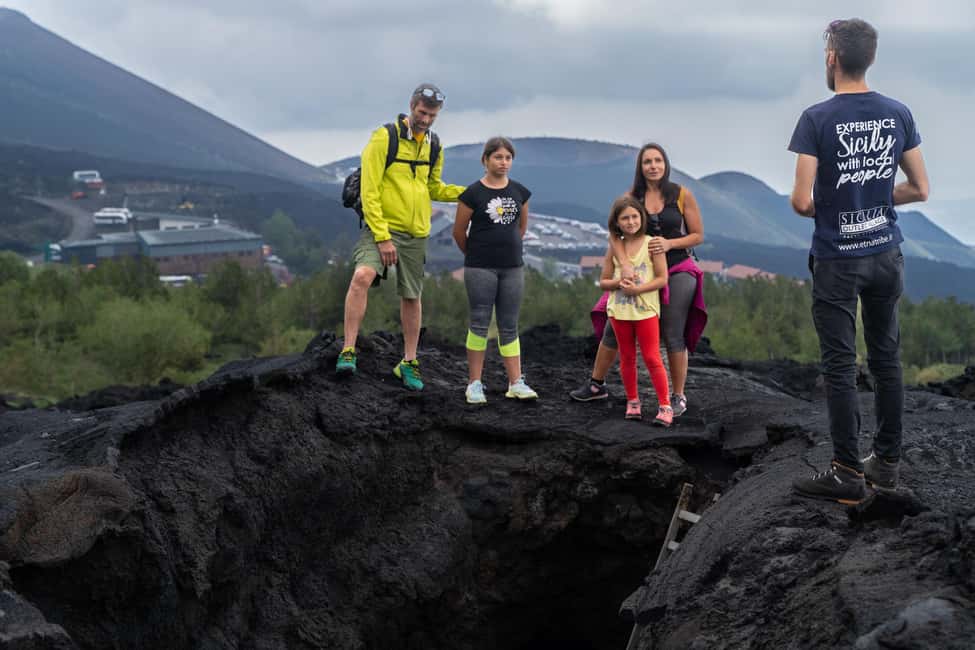
There’s something about doing Etna early that makes the whole day feel calmer. You’re out of Syracuse, away from the busy feeling, and into a slower rhythm where you can actually look around and listen to the guide. The transfer is part of the experience: the drive gives you time to get oriented, and then the day builds step-by-step rather than dumping you straight onto a steep slope.
I also like that this isn’t a mega-tour. The group is capped at 8, so you spend less time herding and more time being where the interesting stuff is—at the crater edges, at the cave entrance, and during the farm stop where tastings are the point.
You can also read our reviews of more food & drink experiences in Syracuse
The van ride and the Silvestri Craters briefing
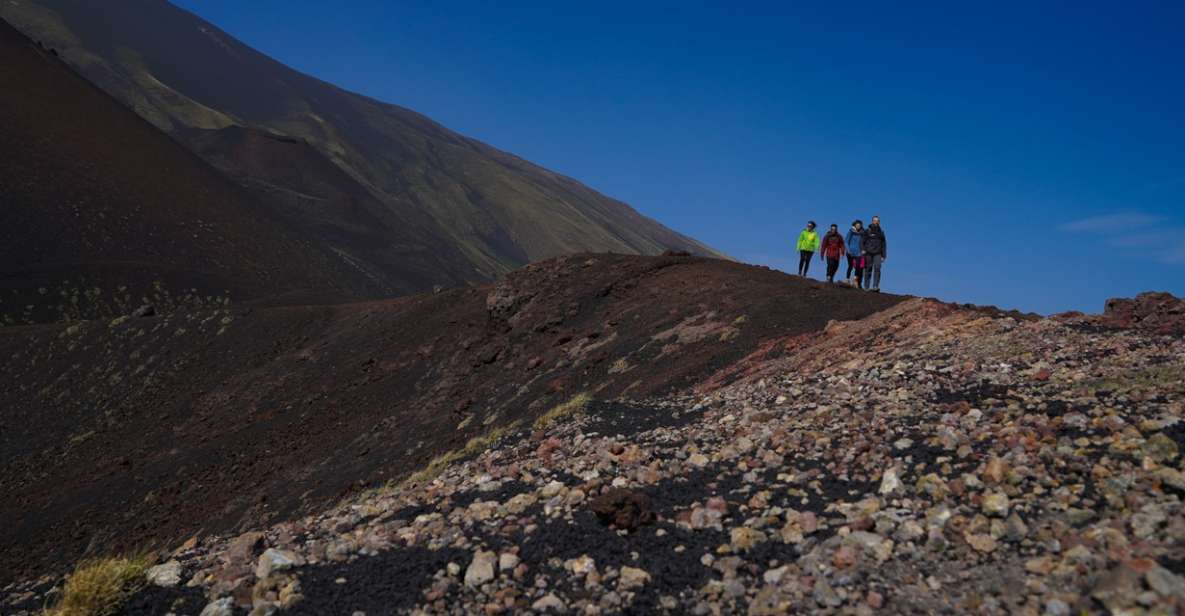
Your day starts at Piazza del Pantheon, then it’s about a 2-hour minivan ride toward Mount Etna. That travel time matters more than it sounds. On a volcano day, the “how do we get there” problem can eat your energy. Here, the transport is included, and the guide stays with you, building context as you go.
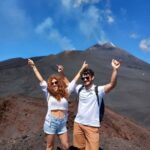
After the ride, you’ll visit the Silvestri Craters with a guided tour that lasts about 1.5 hours. This is where you get your visual map. You’re not just looking at random rock shapes—you’re learning how extinct volcanic forms fit into the bigger Etna story, so later stops land with more meaning.
A small practical note: even though the hiking is described as light, the day is still outdoors. Plan to be comfortable walking on uneven ground, and keep your water bottle accessible during the stops.
Getting to altitude: what the ~2000-meter hike really feels like
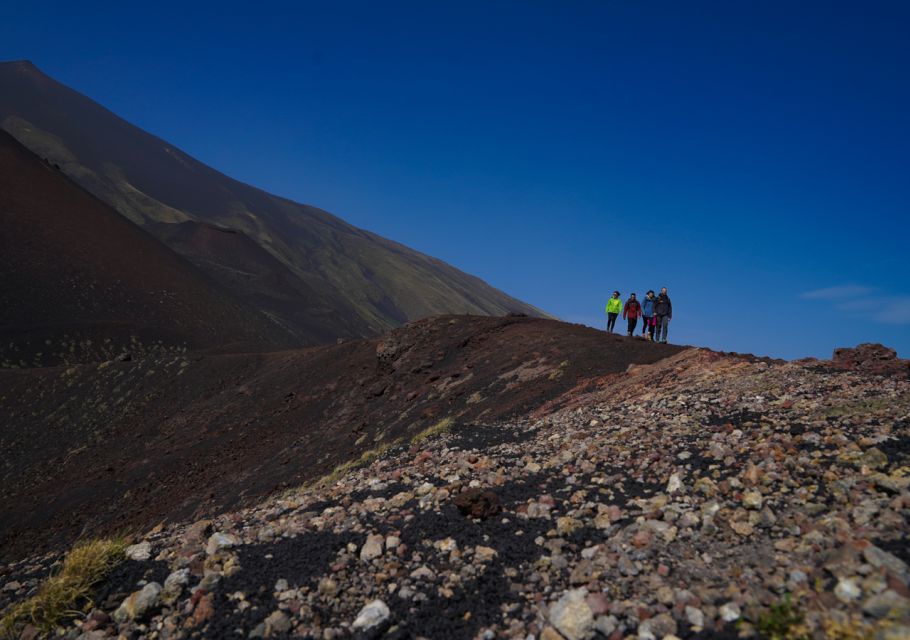
Once you reach around 2000 meters, that’s when the hiking begins. The format is straightforward: ride up by minivan, start the guided walk, and explore the crater area at this lower-elevation zone. You’re building elevation without getting pushed into a hard endurance event.
This is the sweet spot for a lot of people. You’re high enough to feel like you left the city-world behind, but you’re not signing up for a full-day mountain conquest. The goal is to see extinct crater features and enjoy the views while the guide explains what you’re seeing.
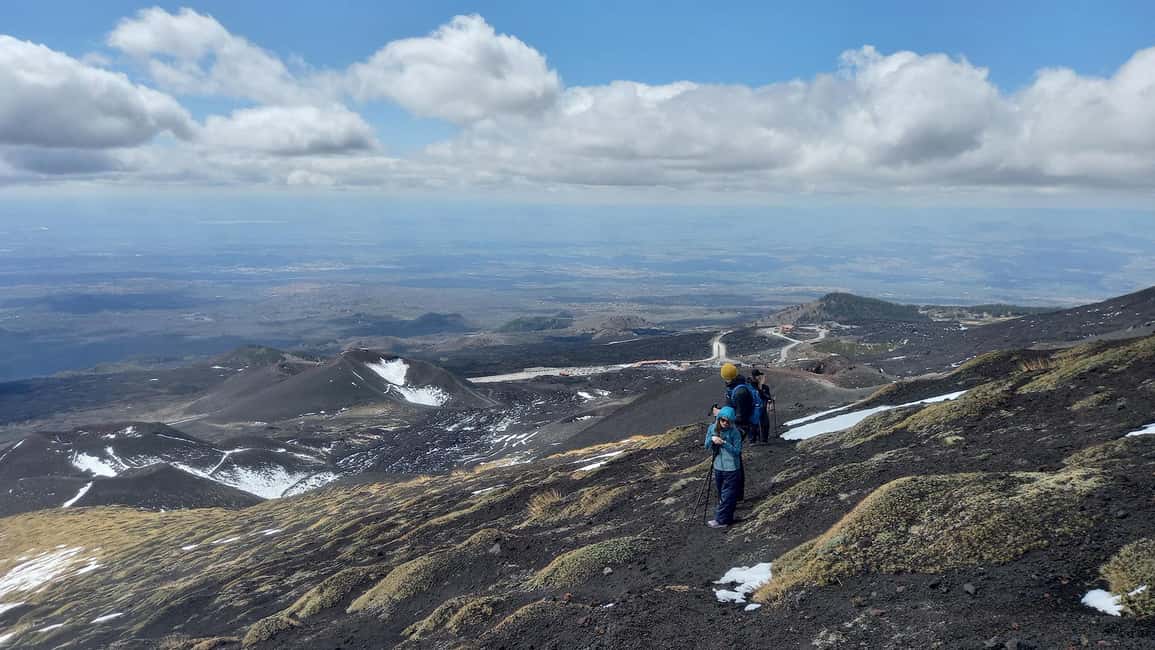
If you want to go higher than the baseline plan, there are options available on-site, and the lift ticket isn’t included in the price. Reviews mention the cable car as a worthwhile extra for people who want more altitude. If you take that route, expect more cold and wind up top. One guest specifically pointed out that higher altitude can mean noticeably cooler weather even in summer, so a jacket isn’t optional.
Caving at Grotta dei Tre Livelli: why it’s more than a photo stop
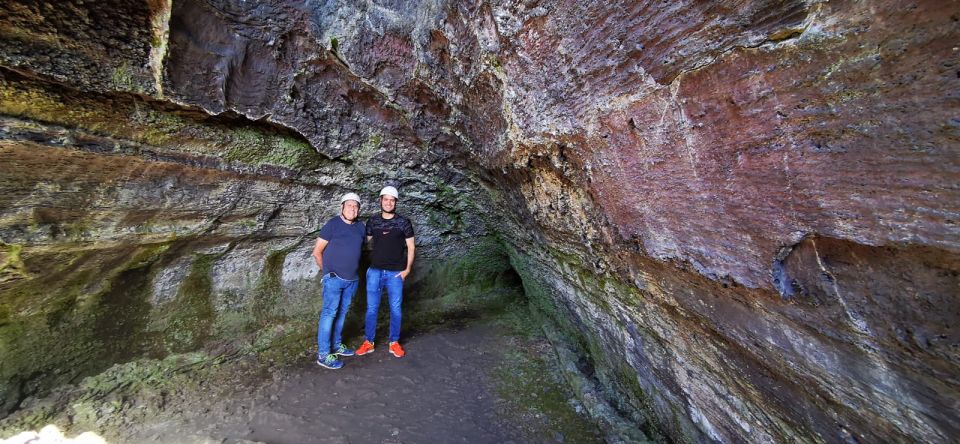
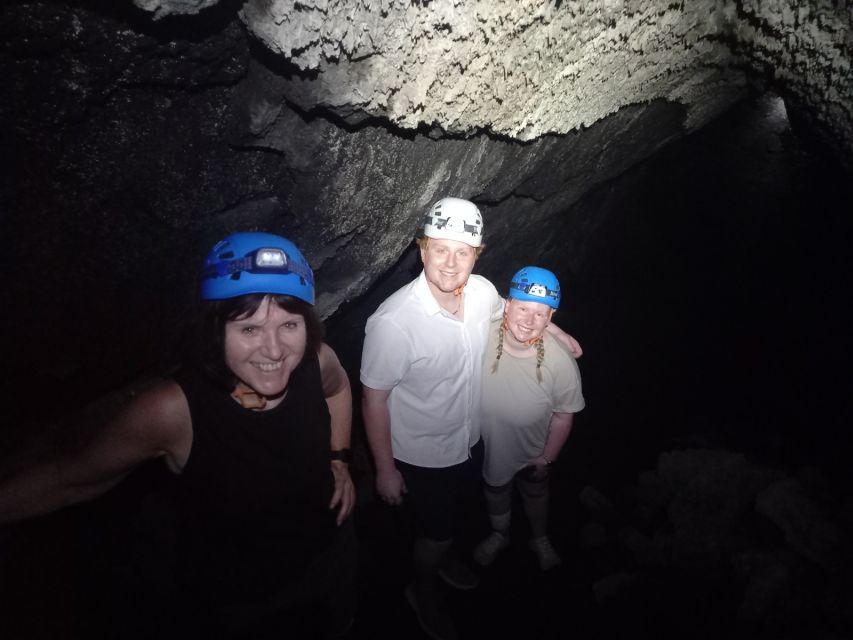
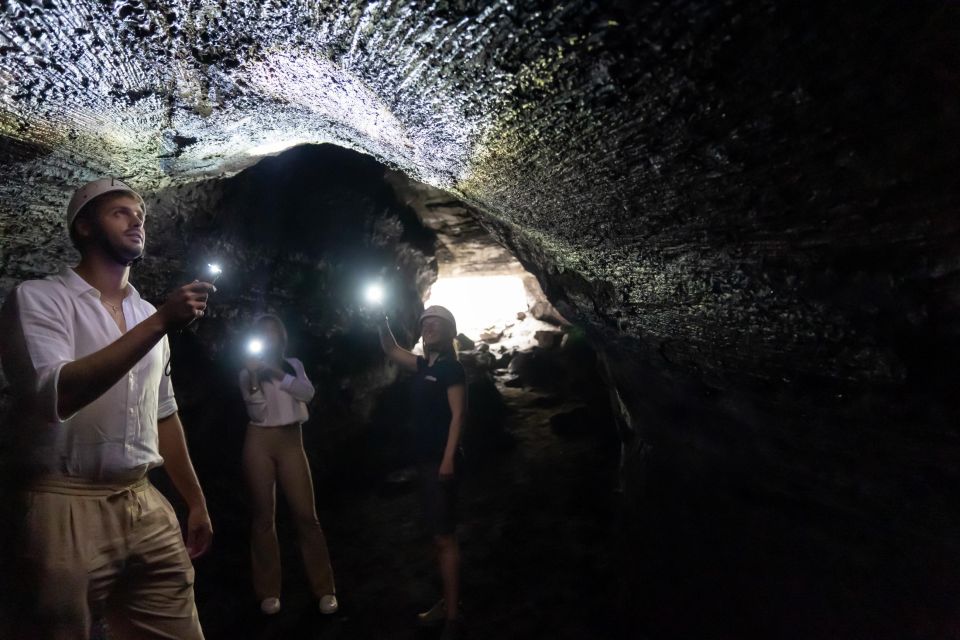
After the crater walk, you’ll suit up and head into Grotta dei Tre Livelli (about 30 minutes on the ground plan). The included caving experience means you don’t have to figure out equipment on your own: helmets are provided.
And yes, you’ll feel it. Lava caves aren’t like walking into an outdoor scenic tunnel. They can be narrow, and places can feel low. One reviewer mentioned being glad they had long sleeves, and another warned that the cave can be tight. That’s your cue to wear clothes that cover your arms and to move carefully.
What I like here is the pairing of spectacle with explanation. The cave visit isn’t just a spectacle tour. The guide explains how these lava formations form and why they look the way they do. That turns the cave from a “cool, dark space” into an actual geology lesson you can experience with your own senses.
Also, the tour emphasizes safety equipment and guide attention. Several guides were praised for keeping people safe and making sure everyone transitions smoothly between the different stages.
Ragalna welcome refreshments and farm tastings (plus the wine option)
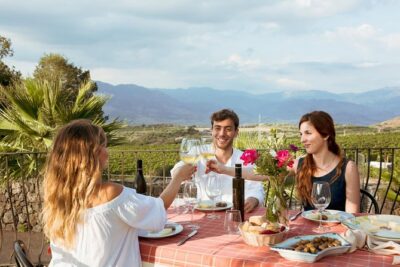
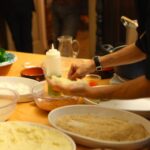
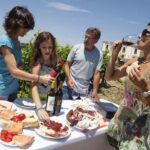
The day doesn’t end with rock and dust. You’ll stop in Ragalna for welcome refreshments (about 1 hour), followed by the main food tasting at a nearby traditional farm. This is where the tour earns its keep as more than just a hike package.
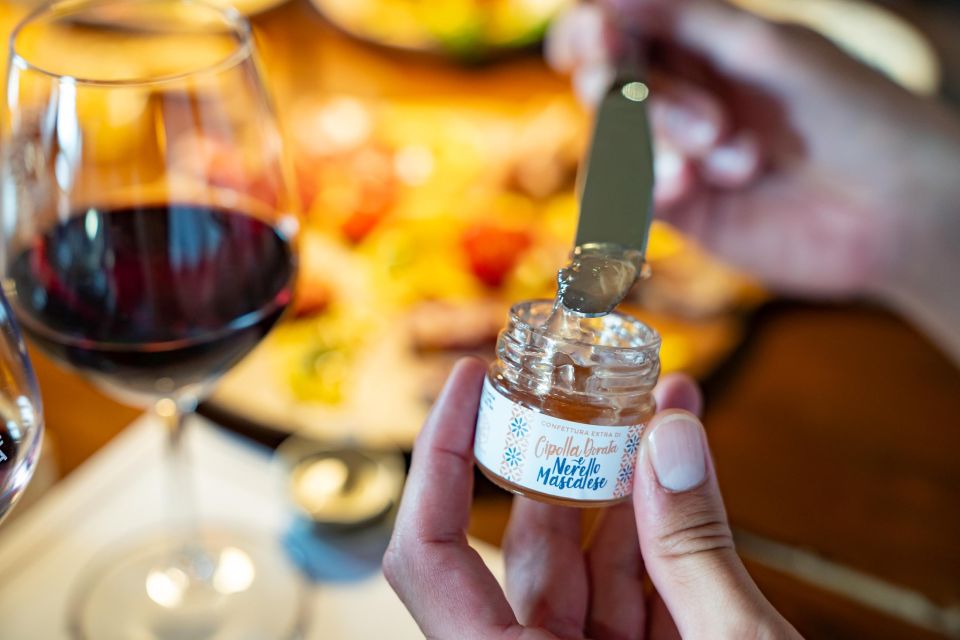
The tasting setup is built around local products. Expect small samples of Sicilian items—often things like olive oil and spreads, plus other local specialties. If you choose the appropriate option for the day’s schedule, wine tasting is included. That wine stop is timed as a natural finish: you’re tired in a good way, and tasting feels deserved rather than rushed.
A few practical thoughts:
- Bring an appetite mindset, but don’t expect a sit-down restaurant lunch to be the main event. Some people do add extra purchases on-site for a fuller meal, and there’s mention of buying bottles of wine or liqueurs.
- If you’re picky about flavors or have dietary needs, tell your guide ahead of time. The tour includes food sampling, and one guest specifically said vegan needs were handled without drama—still, it’s smart to confirm for your situation.
You can also read our reviews of more tours and experiences in Syracuse
Guides make or break this day: what’s special about the guiding style
This trip lives and dies on the guide. And based on the names you’ll hear—Lorenzo, Federico, Simone, Stefano, Alessio, Pepe, Daria, Giuseppe—it’s clear the guiding approach is a real selling point.
The strongest praise themes are consistent:
- Guides explain Etna and Sicily in a way that feels personal, not like reading a script.
- They manage the day at a pace that feels safe and humane.
- They’re attentive to both physical comfort and the mental side of safety—meaning they keep transitions smooth and check that you’re okay.
This matters on a volcano day because the environment can be changeable. Even with a plan, weather on Etna can shift fast: clouds, wind, and colder temperatures at altitude are part of reality. Good guiding helps you adjust without losing the day.
Price and value: why $105 can make sense for Etna from Syracuse
At $105 per person for about 8–9 hours, the price isn’t just for sightseeing. You’re paying for a full bundle:
- Transfer from Syracuse (a real logistical hurdle on your own)
- Tour guide
- Caving experience plus helmet
- Food samples
- Wine tasting if the option is selected
- A small group size that reduces waiting and confusion
The biggest “value” angle is that Etna is not easy to handle solo when you want a guided, paced experience. The transfer and coordination are what save you from the headaches: getting the timing right, reaching the start points, and having someone explain the geology while you’re there.
Two costs to keep in mind:
- Hotel pickup/drop-off isn’t included, so you’ll need to get to Piazza del Pantheon yourself.
- Lift tickets aren’t included, so if you choose the higher cable car option, you’ll pay extra.
Still, if you want an all-in-one day that covers the core Etna hits—craters, cave, and farm tastings—this price can be a fair trade.
What to pack so the day feels easy, not annoying
The tour lists the basics, and you’ll be glad you listened:
- Comfortable shoes
- Water
- Jacket
- Sunglasses
- Comfortable clothes
Then add two practical upgrades from real-world experience on Etna:
- Expect wind. Bring layers you can adjust, and consider something that helps you cover your face if it’s gusty.
- For the cave: think “long-sleeve comfort” and careful movement. The cave can be low and narrow in places, and your goal is to feel steady, not cramped.
If you’re sensitive to motion, you might also plan for the ride. One review mentioned car sickness, so take it seriously if you know you’re prone to that on winding roads. (I’m not saying it’s guaranteed—just that it’s worth considering.)
Who this Mount Etna morning hike fits best
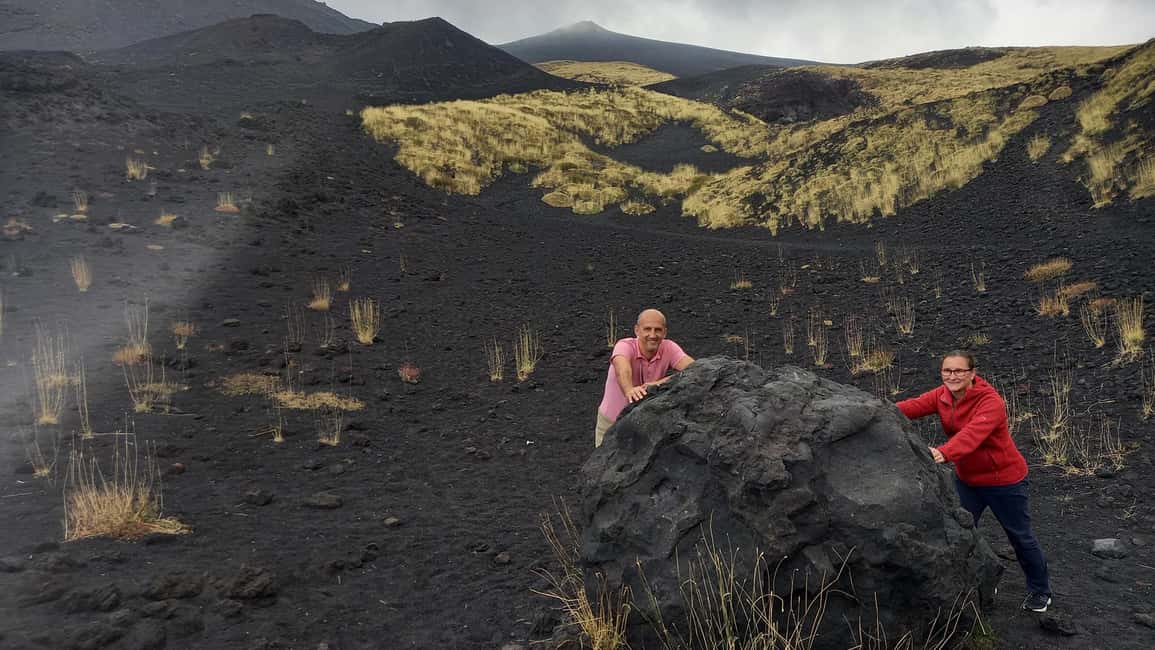
This is a good fit if you want:
- A guided volcano day without turning it into a grind
- A small group experience from Syracuse
- A combination of outdoors time and food-and-wine time
- Clear interpretation of Etna’s features, not just scenery
It’s also a strong option for people who want something “doable.” The tour is described as light exertion, and the walking is designed to be manageable for a wide range of ages (including guests who specifically said it was a good length for older visitors).
It is not suitable for people with mobility impairments or wheelchair users, and the cave adds a reason: tight, uneven spaces.
Should you book? My straight answer
Yes, I’d book it if your goal is a well-run Etna day that includes the key experiences: craters, lava cave time with helmet, and farm tastings with a wine option. The value comes from the package deal—transfer, guide, and experiences that are harder to assemble on your own from Syracuse.
I’d skip or rethink it only if you strongly dislike minivan rides in heat, you want a completely wheelchair-friendly day, or you’re expecting a long, strenuous summit hike. If you want the high-altitude wow, plan for the lift ticket and know it can be colder and windier up top.
If you’re aiming for the balance—real volcano views, a guided story you can understand, and then something delicious to reward yourself—this is a solid way to spend your time in Sicily.
FAQ
How long is the Mount Etna guided morning hike from Syracuse?
It runs about 8 to 9 hours.
Where do I meet the group?
Meet at Piazza del Pantheon.
What’s included in the price?
The tour includes transfer from Syracuse, a tour guide, the caving experience with a helmet, and food samples. Wine tasting is included if you select the wine option.
Do I need a lift ticket?
No lift ticket is included. If you choose to go higher using the cable car or other on-site options, that extra cost is separate.
How physically demanding is it?
It involves a light level of physical exertion.
How big is the group?
It’s a small group limited to 8 participants.
What languages are the guides?
The guide speaks Italian and English.
Is it suitable for wheelchair users or limited mobility?
No. It’s not suitable for people with mobility impairments or wheelchair users.