REVIEW · SYRACUSE
Syracuse: Ortigia Classic Walking Tour
Book on GetYourGuide →Operated by Hermes Sicily Tours · Bookable on GetYourGuide
Ortigia tells its story by foot. On this Syracuse Classic Walking Tour, you connect the Greek beginnings of Siracusa to the Christian sights you see today, with stops that include Apollo Temple, Piazza Duomo, and Aretusa Spring.
I especially like how the walk stays focused: you’re not just passing landmarks, you’re getting the why behind them as you move through the old town. I also love the small-group feel, usually around 10 people, which makes it easier to hear your guide and ask questions without the whole street acting like a commute.
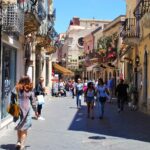
One thing to consider: Ortigia’s streets are narrow, so if you hit a busier time, you can feel the squeeze from other groups sharing the same space.
In This Review
- Key highlights to look for
- Getting oriented in Ortigia with a simple, walkable route
- Apollo Temple: the Greek start of Siracusa, explained as you stand there
- Archimedes Square and Diana Fountain: lively landmarks with real context
- Piazza Duomo and the cathedral built on an ancient Greek temple
- Optional cathedral interior (small added cost)
- Aretusa Spring: myth, papyrus plants, and seaside atmosphere
- Castello Maniace and the scenic views on the way
- Via della Giudecca: seeing the former Jewish district in its place
- Church stops and festival stories: St. John Baptist and St. Lucy’s feast
- How long it really takes, with group size and audio headsets
- Pacing and your photo time
- What $22 buys you in Syracuse (and when the €2 cathedral ticket matters)
- Where this tour fits best (and who should skip it)
- Should you book the Syracuse Ortigia Classic Walking Tour?
- FAQ
- How long is the Syracuse: Ortigia Classic Walking Tour?
- How much does the tour cost?
- What language is the tour offered in?
- Where does the tour start and end?
- Is the cathedral interior included?
- Does the tour run in bad weather?
- Is the tour wheelchair accessible?
- Can I cancel if plans change?
- Are headsets provided?
Key highlights to look for
- Apollo Temple orientation: start at the first big Greek stone temple in the west and understand what you’re seeing
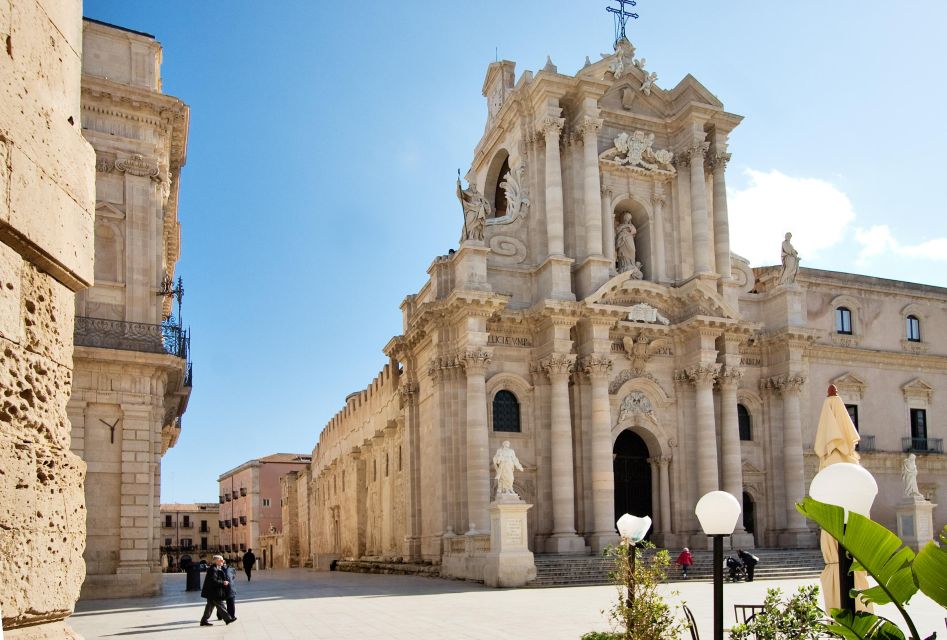
- Piazza Duomo stop with the cathedral optional: learn why this church matters and consider the small added €2 interior ticket
- Aretusa Spring views: papyrus plants, myth, and a classic Syracusan photo moment
- Giudecca district context: a clear explanation of what used to be there and how the neighborhood fits the city’s story
- Audio headsets on larger groups: easier listening in tight spaces without leaning into people
- A guide who sets the pace well: many groups are led by pros like Eva, known for answering questions and keeping momentum
Getting oriented in Ortigia with a simple, walkable route
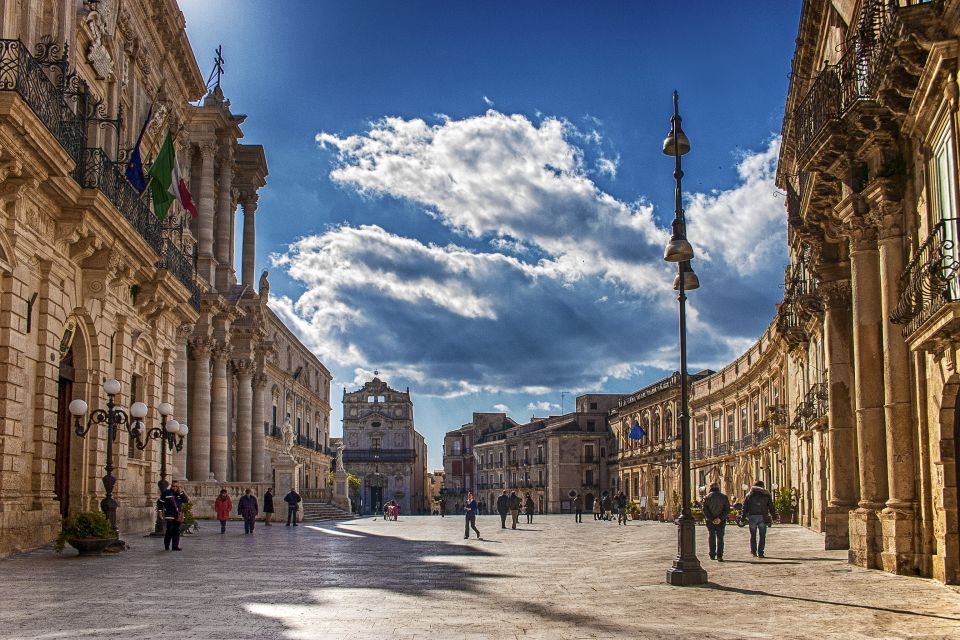
Ortigia is one of those places where you can easily get turned around. The streets loop, the views change fast, and it’s not always obvious which ruins or churches belong to which era. This 2-hour format helps you get your bearings fast.
You start at the Temple of Apollo area at the entrance of Ortigia and then work your way through the island’s main squares and lanes—ending near Piazza Archimede. The route is designed for a shared group experience with a cap of 25 people, though most groups are smaller (often around 10). That small size matters here: you’ll be moving through narrow lanes, not a wide pedestrian plaza.
Also, the tour keeps moving. You’ll get enough guided time to understand the sights, but you’re still free to linger for photos and quick self-exploration.
You can also read our reviews of more walking tours in Syracuse

Apollo Temple: the Greek start of Siracusa, explained as you stand there
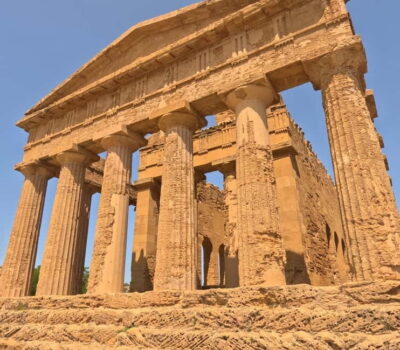
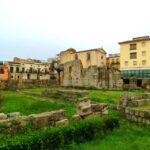
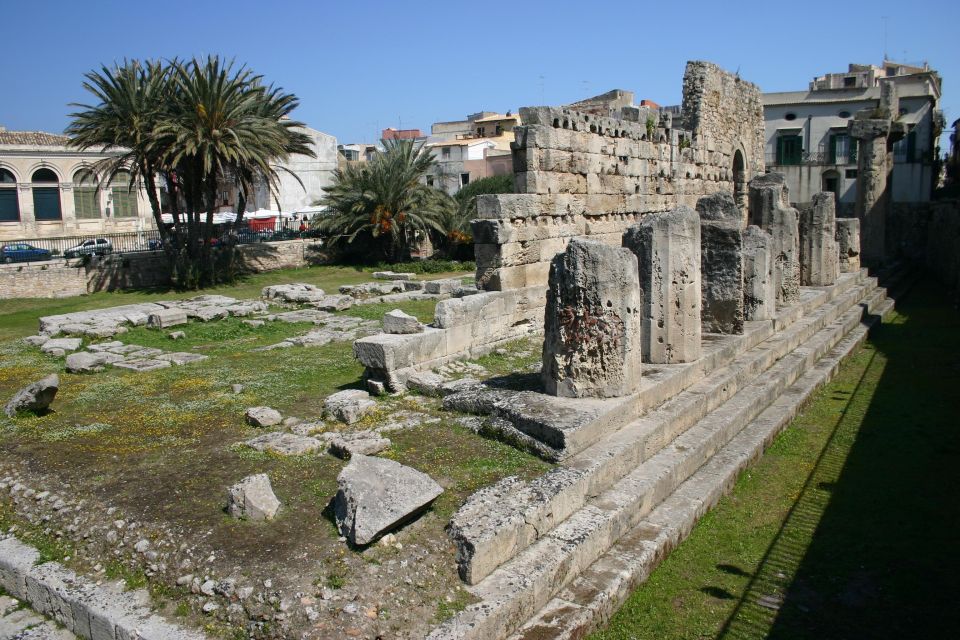
The tour begins at the Temple of Apollo, described as the first large stone temple built by ancient Greeks in the western colonies. When you arrive, you’re not just looking at a landmark—you’re getting a baseline story for everything else you’ll see.
This matters because Syracuse has layers. You’ll later see a cathedral built on older Greek foundations, and you’ll hear how different civilizations left their mark. Starting at Apollo helps your brain file the city into the right era before the tour starts stacking details.
Practical note: this is a walking tour with “comfortable shoes” as the main dress code. If your feet run hot easily, plan for good footwear from the first stop.
Archimedes Square and Diana Fountain: lively landmarks with real context
After Apollo, the route passes through Archimedes Square. This is one of those places where the city’s present-day energy mixes with the ancient names—handy when you’re trying to connect a label on a map to a real street corner.
Then you’ll see Diana Fountain (Fontana di Diana), described as a beautiful centerpiece. Even if you’ve seen fountains before, in Ortigia you get more than decoration: the guide uses these stops to connect the shapes of the town to how people lived there—where they gathered, where civic buildings sat, and what visitors noticed over time.
If you like history that’s tied to what you can literally point at, these “in-between” stops are where the tour starts to feel like more than a checklist.
Piazza Duomo and the cathedral built on an ancient Greek temple
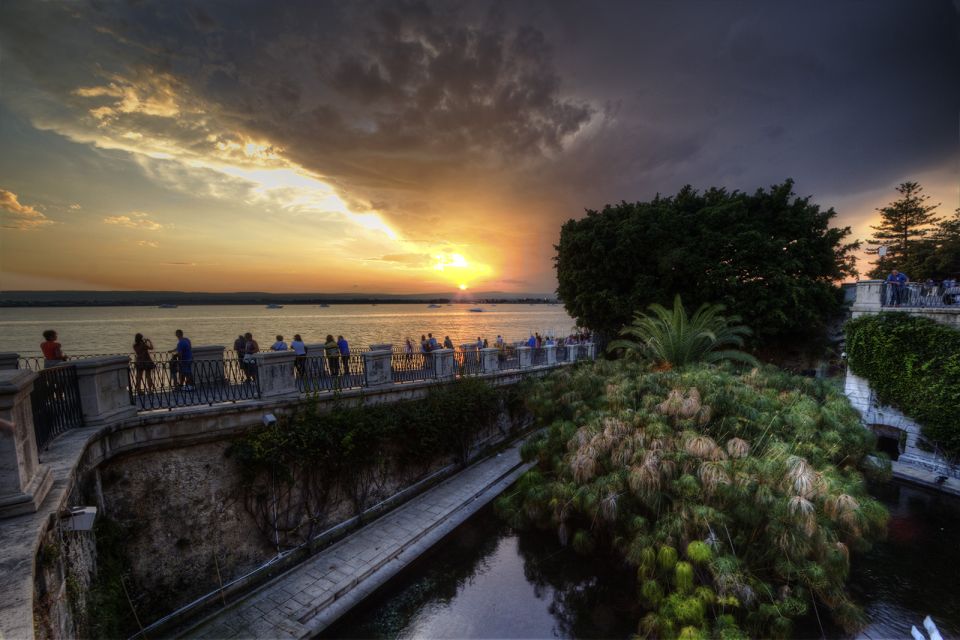
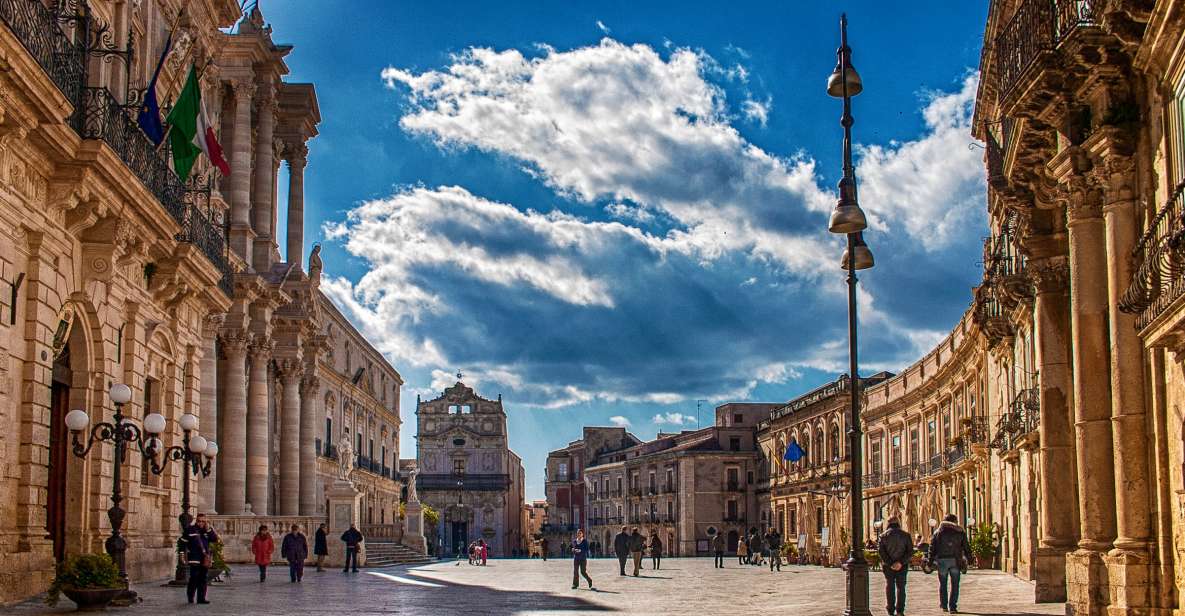
Piazza Duomo is the big square stop, and it’s where Ortigia’s layers become impossible to ignore. The tour sets you up to understand the Cathedral—often chosen for weddings—built on an ancient Greek temple.
You’ll also learn about the surrounding palazzi and ornate churches, including:
- Palazzo Vermexio (town hall)
- Palazzo Beneventano del Bosco
- St. Lucy’s church
- the cathedral
Here’s the smart part: the guide doesn’t treat the cathedral as a standalone building. The explanation links Christianity to earlier architecture on the site, so you can look at the same space and see multiple timelines.
Optional cathedral interior (small added cost)
The cathedral interior is optional, and the listed entrance ticket is €2, not included. When it’s accessible, your guide may let you go inside with them. If you’d rather skip the extra stop, there’s also a brief coffee break.
If you’re short on time or prefer outdoors photography, you can skip the interior and still get the core explanation. If you love church interiors and want the full effect, it’s an easy add-on.

Aretusa Spring: myth, papyrus plants, and seaside atmosphere
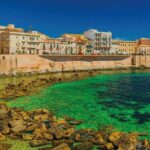
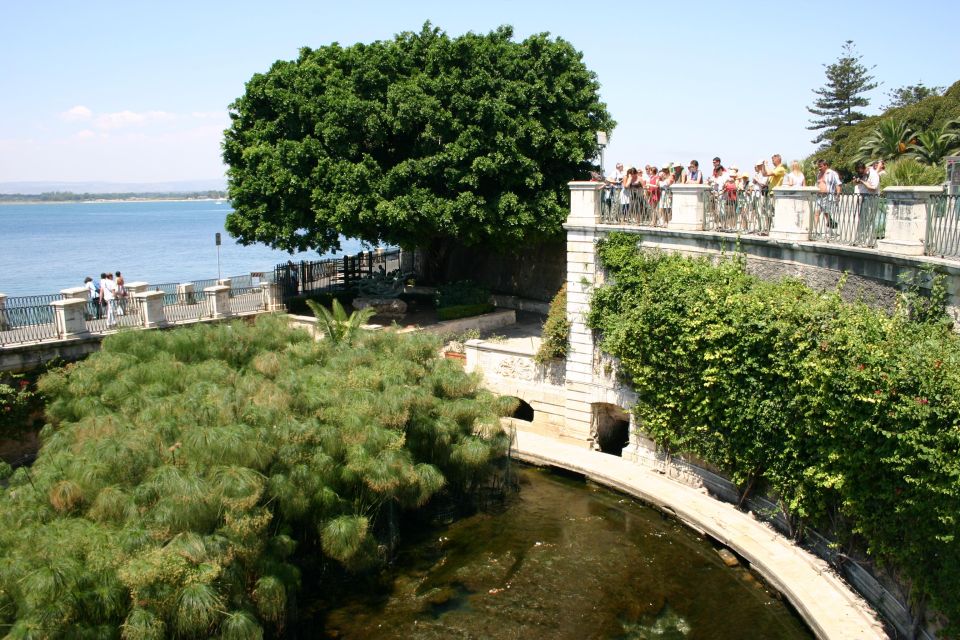
Next comes Aretusa Spring—legendary, famous, and the kind of place where the city feels almost storybook. You’ll hear the mythical lore connected to the spring, and you’ll also get the practical detail that it’s known for its papyrus plants.
This stop is a visual reward after the stone-and-square explanation time. You get a different rhythm: more looking, more photographs, more “oh, this is why people come.”
Then you walk along the seafront promenade. Even though it’s not the focus of the tour like Apollo or Piazza Duomo, it changes your perspective. The coastline helps you understand why Syracuse developed where it did, and it gives your legs a bit of a breather before the next neighborhood lanes.
Castello Maniace and the scenic views on the way
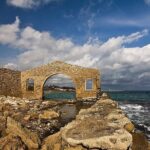
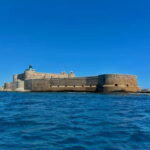
On the way, you get scenic views at Castello Maniace. The tour description frames it as a “views” stop, not a long attraction. Translation: you’ll likely see it from a good angle, get the context, and keep moving.
That’s a good thing in a 2-hour tour. You don’t lose the day to one big stop, and you still get that “wow, the sea and the fortress” feeling that Syracuse does so well.
Via della Giudecca: seeing the former Jewish district in its place
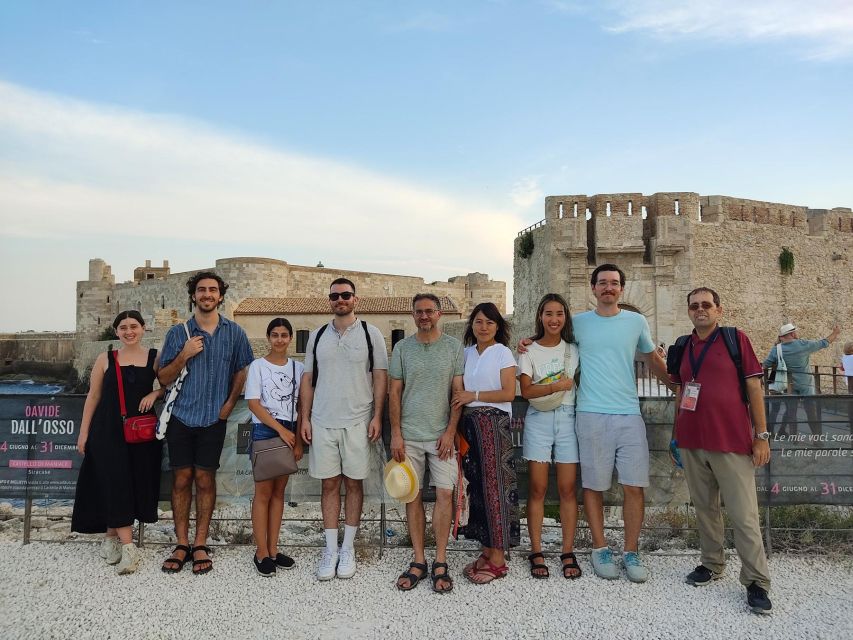
Then you enter Via della Giudecca, with a visit that focuses on the historic neighborhood and glimpses into the former Jewish district.
This isn’t just a moral-history lecture. It’s practical and place-based: you’re shown how the district fits into the town plan, and you learn enough to recognize that Ortigia wasn’t only churches and temples. It was a working city with communities, daily life, and its own rhythms.
If you care about how towns actually changed, this section often feels like the tour’s “human scale” part—where the story becomes less about famous buildings and more about neighborhood life.
Church stops and festival stories: St. John Baptist and St. Lucy’s feast
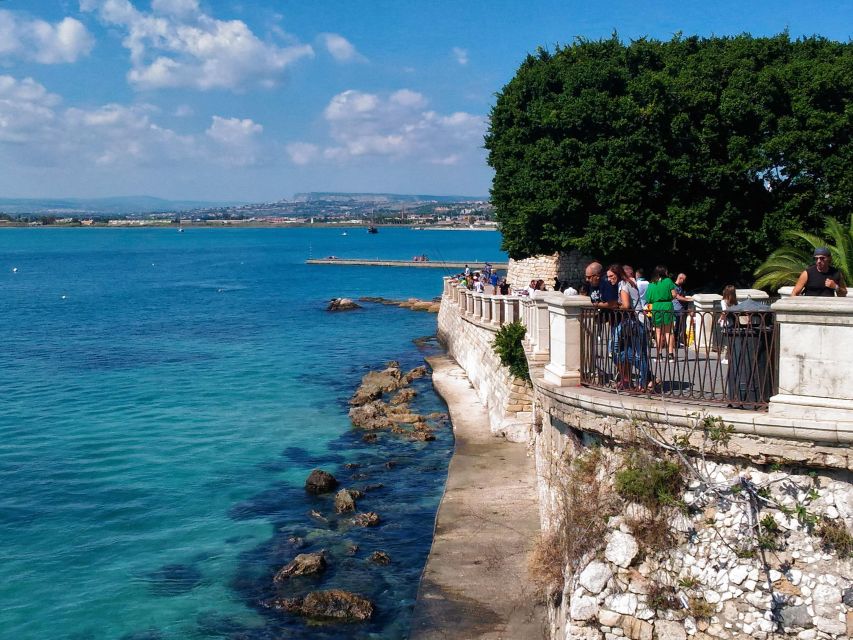
The itinerary includes a guided stop at the Church of Saint John Baptist. You’ll have a guide with you long enough to connect what you’re seeing to what it meant in the local religious and cultural calendar.
Along the way, the tour also includes the story of St. Lucy’s church and explains St. Lucy’s feast and its grand procession. That’s a key piece of context if you want to understand Sicily beyond architecture. It’s one thing to see churches; it’s another to know how the community celebrates them and marks time through religious events.
If you’re visiting during festival season, this added context can help you spot details you might otherwise miss—procession routes, decorative focus points, and why certain areas feel important.
How long it really takes, with group size and audio headsets
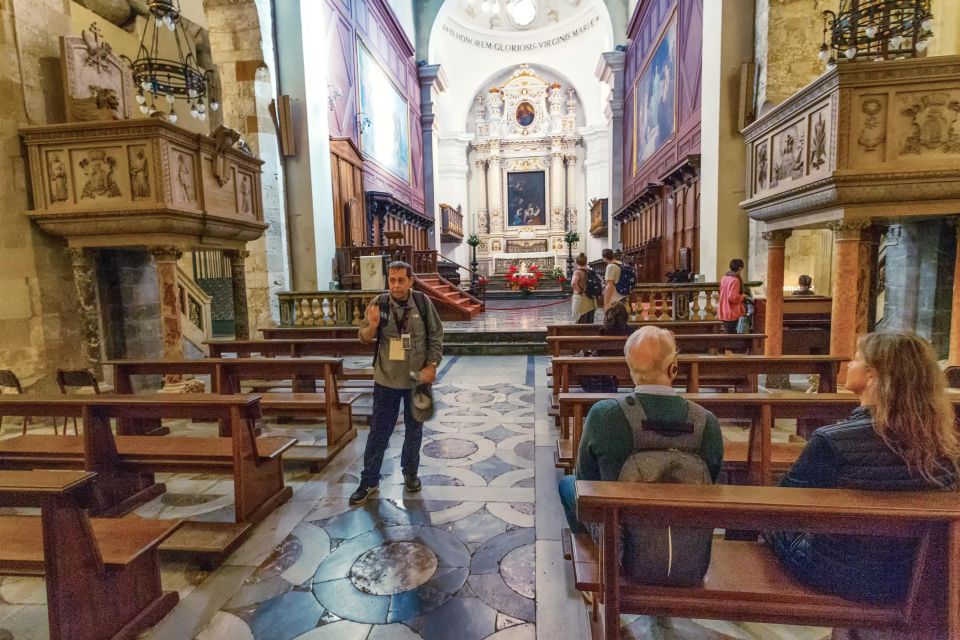
This is a shared group tour lasting about 2 hours. Expect walking between stops, guided explanations at key points, and small time windows for photos.
Group size is capped at 25, with typical groups often closer to 10. In practice, that’s the difference between hearing your guide clearly and constantly straining your voice to overcome the street.
If your group is larger, headsets are provided for free. That’s a major quality-of-life feature in Ortigia, because the streets can be crowded and narrow. A few guides are praised for speaking clearly and using the microphone setup well, which helps you stay with the group without getting pulled into awkward crowd physics.
Pacing and your photo time
The tour is designed so you don’t feel rushed through every square. You’ll get guided time at the stops that matter, and you’ll still have chances to stand back and take pictures without your guide hovering over your shoulder.
Still, this is a walking tour, so don’t plan to do heavy museum-style lingering.
What $22 buys you in Syracuse (and when the €2 cathedral ticket matters)
At about $22 per person for roughly 2 hours, this tour is strong value if you’re using it as an orientation tool. Ortigia is small, but it’s not simple. You’re paying for:
- the ability to connect Greek and Christian layers in the same places
- a guided route that keeps you from wandering in circles
- translation support in English or Italian
- headsets if the group swells (so you’re not fighting the environment)
The one cost you might add is the optional cathedral interior ticket of €2. If you choose to go inside, that’s a small add-on for a potentially worthwhile indoor look. If you skip it, the tour still works perfectly as an outdoor overview.
In short: you’re not paying for a long attraction-heavy itinerary. You’re paying for clarity and context in a short window—which is exactly what a “classic walking tour” should do well.
Where this tour fits best (and who should skip it)
This tour is a great match if:
- you want a first-time feel for Ortigia without building your own route
- you enjoy history tied to the physical buildings in front of you
- you prefer a group that stays small enough to hear the guide
- you like religious festivals as part of local culture, not just architecture
You might want to think twice if:
- you hate crowds and packed streets
- you’re extremely picky about controlling your exact walking pace
- you’re hoping for a “ruins-only” experience with lots of extended time in one site (this is more of a guided overview with a few highlights)
One more practical note: the start meeting point can have multiple options (including Largo XXV Luglio areas). If you’re arriving on foot from the nearby streets, arrive a few minutes early and confirm the exact start listed in your booking.
Should you book the Syracuse Ortigia Classic Walking Tour?
I’d book this if you want the quickest path from “I see cool buildings” to “I understand what I’m looking at.” The route does a nice job connecting Apollo Temple, Piazza Duomo, and the Aretusa Spring, while also giving you the neighborhood perspective in places like Via della Giudecca.
If you’re the type who plans to ask your guide for next steps, this is especially useful. At the end, you can still keep walking and build your day with local suggestions for monuments, nearby towns, restaurants, and activities.
Just go in knowing Ortigia is narrow and can be busy. With that mindset, the tour feels like a smart way to experience Syracuse without losing an entire morning to confusion or indecision.
FAQ
How long is the Syracuse: Ortigia Classic Walking Tour?
It lasts about 2 hours.
How much does the tour cost?
The price listed is $22 per person.
What language is the tour offered in?
The live guide works in English or Italian.
Where does the tour start and end?
It starts at the Apollo Temple area at the entrance of Ortigia. It ends near Piazza Archimede, with drop-off options that include Fountain of Diana and Piazza Archimede.
Is the cathedral interior included?
No. Entry to the cathedral is optional and has an entrance ticket of €2 that is not included.
Does the tour run in bad weather?
Yes, it takes place rain or shine.
Is the tour wheelchair accessible?
Yes, it is wheelchair accessible.
Can I cancel if plans change?
Yes, free cancellation is offered up to 24 hours in advance for a full refund.
Are headsets provided?
Headsets are provided for free to help you hear the guide clearly when groups are larger.