REVIEW · SICILY
Vegan Cooking Class in Catania with Lunch and Dinner
Book on Viator →Operated by Futuro e Lavoro · Bookable on Viator
Sicilian vegan cooking in Catania is a fun reset. You’ll learn how to turn island favorites into plant-based versions, using real Sicilian flavors instead of bland substitutes. The class is built for a hands-on, friendly vibe, with everyone cooking and then eating what you make.
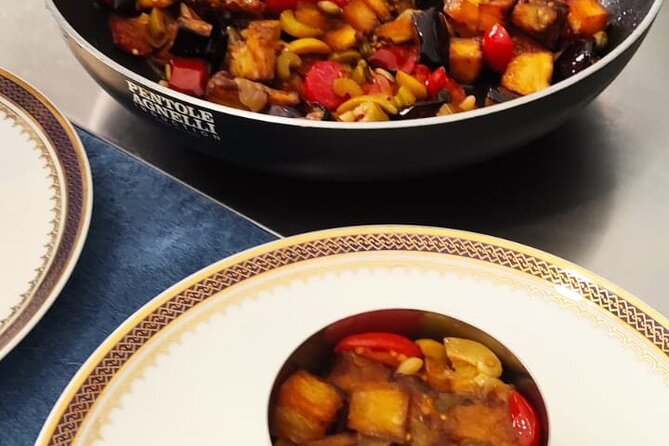
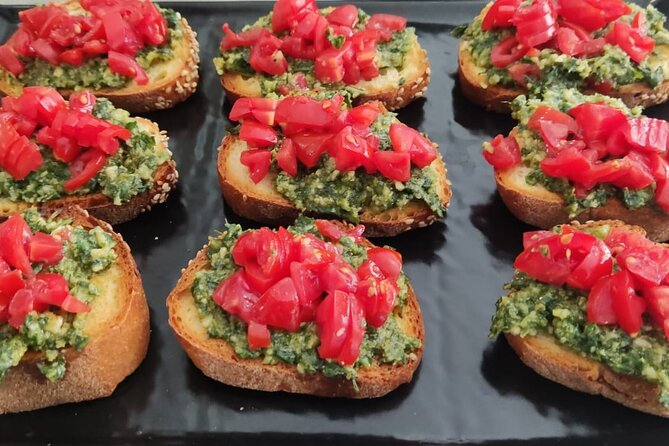
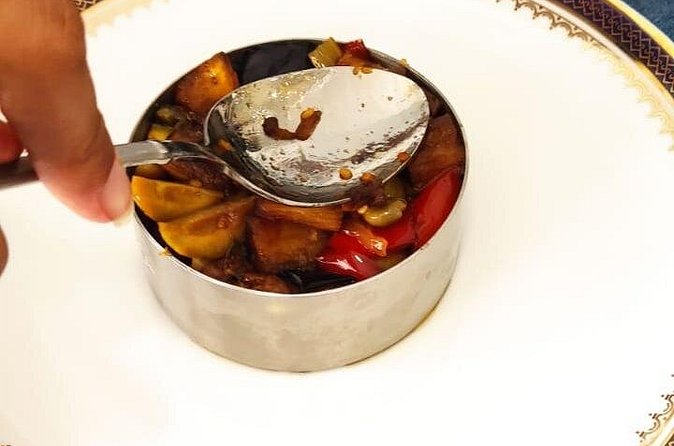
I love that you get both the technique and the taste: fresh pasta alla Norma, sweet and sour caponata, and a bruschetta with basil pesto and cherry tomatoes aren’t just listed, they’re actually on your cutting board. I also like the teacher-led pace under chef Simona, plus the practical goal of cooking these dishes at home without guesswork.
The one drawback to consider is that it’s an active class. You’ll be involved in the prep, so if you want a sit-and-watch food experience, this may feel a bit too hands-on.
In This Review
- Key takeaways before you go
- A Vegan Sicilian Class in Catania: what you actually do in 3 hours
- The menu is the lesson: Norma, caponata, bruschetta, and almond paste
- Inside the kitchen with Simona: how the teaching actually helps
- The eat-what-you-cook moment, plus Sicilian wine
- Where it starts: Via Cervignano and quick public transit access
- Price and value: is $119.72 worth it?
- Who this vegan cooking class suits best (and who might not)
- Practical timing tips for a smoother experience
- Should you book this vegan cooking class in Catania?
- FAQ
- How long is the Vegan Cooking Class in Catania?
- Where do I meet for the cooking class?
- What dishes will I help make?
- Is the class offered in English?
- Is wine included?
- What if I have food allergies or intolerances?
- What is the cancellation policy?
Key takeaways before you go
- Small-group energy: designed for 2 to 12 participants, with the overall activity capped at 14
- Real Sicilian vegan menu: pasta alla Norma, caponata, bruschetta, and vegan almond paste
- Chef Simona’s training shows: professional instruction with a calm, fun rhythm
- You’ll eat with wine: a glass of Sicilian wine is included with your meal tasting
- A certificate at the end: included, if you like having something tangible from the trip
A Vegan Sicilian Class in Catania: what you actually do in 3 hours
This is a three-hour cooking lesson in Catania that focuses on Sicilian vegan food, not general nutrition talk or cooking theory. The aim is simple: you make island dishes step-by-step, then taste them right there. If you’ve ever eaten Italian food and wondered how to recreate it, this format tends to click.
The class runs in an equipped laboratory with professional kitchen tools. That matters because it removes the biggest home-cooking headache: you get to use the right equipment and follow instructions in a real working kitchen, not a basic demonstration setup.
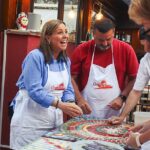
The group stays small, so you’re not just standing nearby hoping to get attention. You can ask questions while you cook, and the teacher can adjust on the fly if something needs a tweak.
You can also read our reviews of more tours and experiences in Sicily
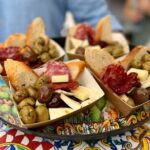
The menu is the lesson: Norma, caponata, bruschetta, and almond paste
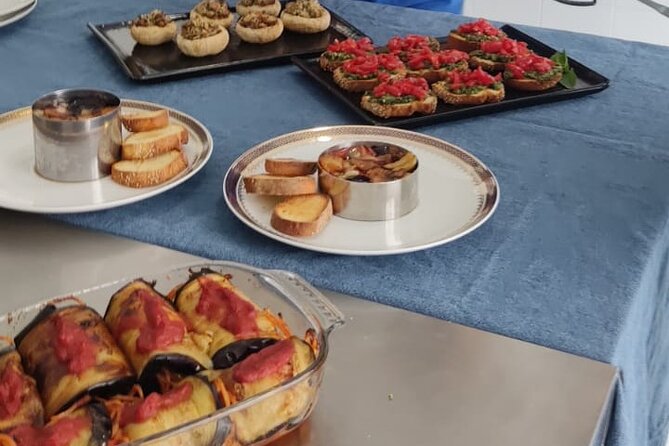
The menu is the heart of the experience, because each dish teaches a different Sicilian-style skill set. Here’s how the classics translate into a vegan Sicilian meal you can rebuild later.
Fresh pasta alla Norma (plant-based style)
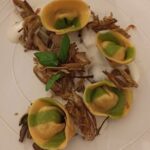
Alla Norma is a dish people associate with classic Sicilian comfort. In this class, the vegan version is still built around the core idea: great pasta plus bold flavors. You’ll learn how to combine ingredients so the dish tastes layered, not like a diet swap.
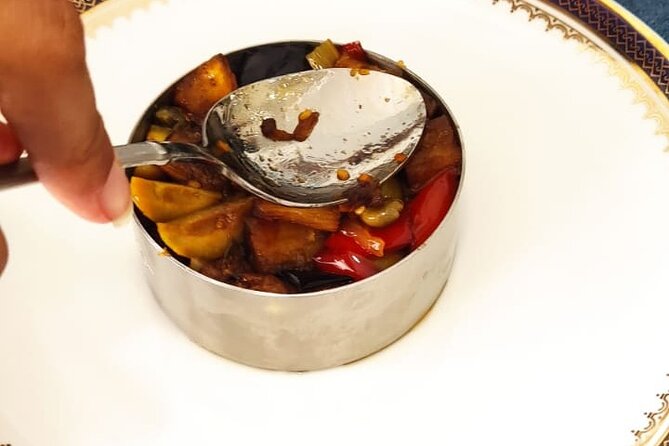
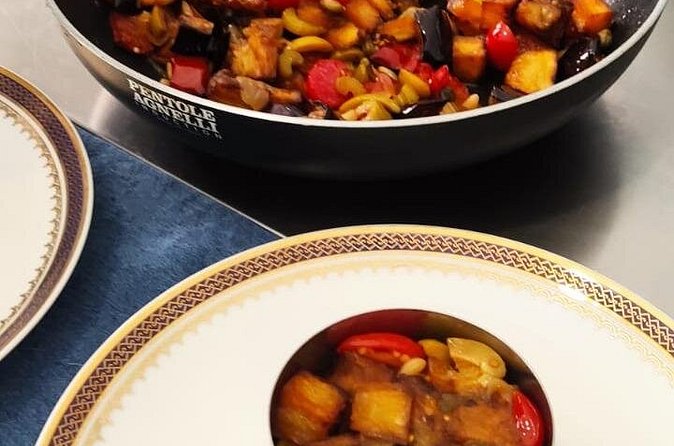
Sweet and sour Sicilian caponata
Caponata is one of those foods that feels deeply local, even to people who don’t know a lot about Sicily. The sweet-and-sour balance is what makes it special, and it’s also what you’ll want to understand if you plan to cook it at home. This is the dish that helps you grasp Sicilian flavor logic.
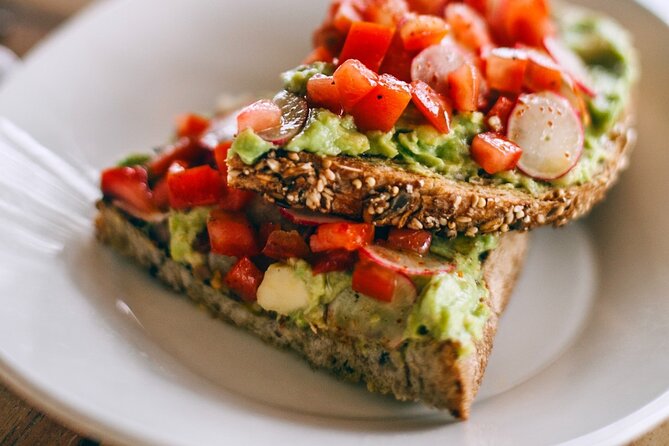
Bruschetta with basil pesto and cherry tomatoes
This is the fresh, aromatic counterpoint. Bruschetta teaches quick assembly and flavor timing: you’re working with herbs, tomatoes, and pesto in a way that keeps everything bright. It’s also a good “confidence builder” if you’re newer to Italian cooking, because it’s forgiving when you follow steps closely.
Vegan almond paste (dessert)
Dessert here isn’t an afterthought. Vegan almond paste gives you a sweet ending that still fits the Italian almond-and-spice feel. It’s also a useful lesson in texture, because almond-based sweets can go from perfect to tough if measurements aren’t handled carefully—so you’ll see what works.
If you like eating a meal that feels like more than one dish, this menu lands well. It covers savory mains, a showy appetizer course, and a sweet finish.
Inside the kitchen with Simona: how the teaching actually helps
Chef Simona is the anchor of this class, and the vibe from past sessions is that she’s both professional and approachable. One thing that shows up in feedback is how relaxing the experience can be, even for people who don’t think of themselves as cooks. That’s a good sign, because the best cooking classes don’t just teach steps; they help you stop second-guessing.
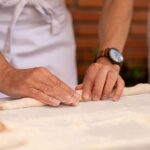
You’ll be involved in the preparation, which means you get practice rather than just watching. In practice, that’s how you learn: you repeat the motion, adjust seasoning with guidance, and see how the dish comes together as ingredients change.
Also, the class is offered in English, which is huge for peace of mind. Cooking involves a lot of small decisions, and it’s easier to learn when you can understand explanations clearly without straining.
The organizer team is also part of the experience. Grazia comes up in past praise for helping keep things organized and smooth, which matters because a class can only be good if the logistics inside the kitchen are working.
The eat-what-you-cook moment, plus Sicilian wine
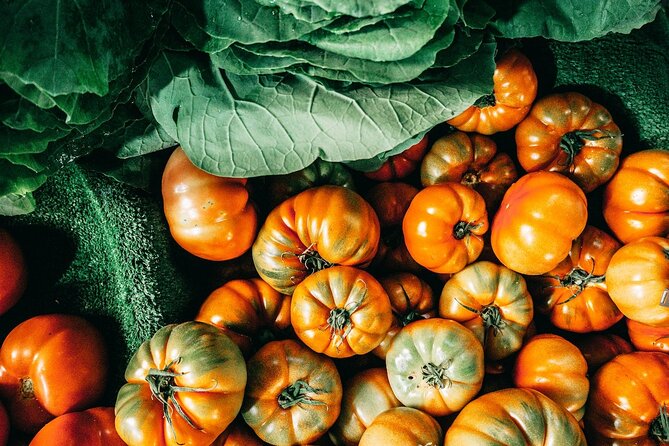
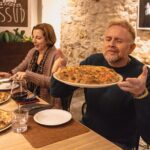
The best part of cooking classes is the part where your work becomes dinner. After you prepare the dishes, you’ll taste what you made, and you’ll get a glass of Sicilian wine included. This turns the class into a complete meal experience, not just a lesson.
Wine inclusion is more than a nice perk. It helps with the pacing and makes it feel like a real Sicilian table rather than a kitchen lab. One report specifically mentioned enjoying both red and white wine with the feast, which suggests you’re not stuck with just one style.
You’ll likely eat in the same overall rhythm the Sicilian menu implies: a savory spread that feels like lunch and dinner in one session, then a sweet finish. Even if the timing is only around three hours, the food line-up gives you that full meal satisfaction.
Where it starts: Via Cervignano and quick public transit access
The meeting point is Via Cervignano, 42, 95129 Catania CT, Italy, and the activity ends back at the same meeting point. That back-to-base approach is practical: you don’t need to plan a separate pickup or figure out where to end up after cooking.
One advantage is the location near public transportation. The property is a few steps from the subway stops GALATEA and ITALIA. If you’re staying in the city center or near major sights like the Duomo area, transit access makes it easier to show up on time without stress.
For planning, I’d treat this as a “show up a little early” activity. Cooking starts when the group is ready, and you’ll feel better if you can settle in without rushing.
You can also read our reviews of more cooking classes in Sicily
Price and value: is $119.72 worth it?
At $119.72 per person, you’re paying for more than ingredients. You’re paying for a professional kitchen setup, structured teaching, and a full meal experience that includes a glass of Sicilian wine and a participation certificate.
Here’s what you’re getting that drives value:
- Professional kitchen equipment so you cook with the same tools that make Italian cooking easier
- Food and products included, so you don’t need to shop or guess quantities
- A real plated tasting of multiple dishes, not just a sample bite
- Wine included, which turns the class into a meal evening
- A certificate, which is small but fun if you like collecting travel memories
The small group size also supports value. When a class caps around a dozen-ish people, you’re more likely to get personal help while cooking. That’s when the learning sticks—because you can correct mistakes before they turn into a full plate of regrets.
In terms of demand, it’s commonly booked about 25 days in advance on average. That doesn’t mean it’s impossible to find a spot last minute, but it does suggest it’s popular, so earlier planning tends to pay off.
Who this vegan cooking class suits best (and who might not)
This class is a great fit if you:
- Want Sicilian flavors with a vegan lens, not generic international plant-based food
- Like hands-on travel where you bring skills home
- Prefer small groups and clear, English-language instruction
- Enjoy structured meals where you cook and then sit down right after
It may be less ideal if you want a passive food tour. Since each participant is involved in preparation, you’ll be working with ingredients during the session.
It’s also worth noting that the cooking is vegan, so if you’re specifically looking for traditional non-vegan Sicilian dishes, this isn’t that. But if you’re curious about how Sicilians get bold flavor using Mediterranean produce, it’s a solid choice.
Practical timing tips for a smoother experience
Because the class is about three hours, think of it as a focused block rather than an add-on. You’ll likely want to eat lightly beforehand so you don’t feel stuffed before you even taste what you made.
Dress for hands-on cooking. Even if it’s not specified, kitchen classes usually involve prep work that can get a bit messy. Comfortable shoes help too, especially if you’re moving between stations.
One more practical point: the experience requires good weather. If the local schedule shifts due to weather, you’ll be offered a different date or a full refund. It’s not something I’d overthink, but it’s smart to keep your plans flexible.
Should you book this vegan cooking class in Catania?
I’d recommend booking if you want a small, guided way to learn Sicilian vegan cooking you can actually repeat at home. The menu is specific and food-forward—pasta alla Norma, caponata, bruschetta, and almond paste—so you come away with concrete dishes, not just ideas.
Skip it only if you strongly prefer a passive experience, or if you know you need a very quiet, minimal-participation activity. Otherwise, this is one of those “I did something with my hands and left full” kinds of tours, and it fits well into a Catania trip.
FAQ
How long is the Vegan Cooking Class in Catania?
It lasts about 3 hours.
Where do I meet for the cooking class?
You’ll meet at Via Cervignano, 42, 95129 Catania CT, Italy, and the activity ends back at the same meeting point.
What dishes will I help make?
The sample menu includes fresh pasta alla Norma, sweet and sour Sicilian caponata, bruschetta with basil pesto and cherry tomatoes, and vegan almond paste.
Is the class offered in English?
Yes, it’s offered in English.
Is wine included?
Yes. You’ll taste the dishes with a glass of Sicilian wine included.
What if I have food allergies or intolerances?
You should list any food allergies or intolerances as additional information, so the organizers can account for them.
What is the cancellation policy?
You can cancel for free up to 24 hours in advance of the experience start time for a full refund.