REVIEW · PALERMO
Walking Tour and typical Lunch in a private charming home
Book on GetYourGuide →Operated by Siciliandays · Bookable on GetYourGuide
Palermo tastes better on foot. This private walk strings together Teatro Massimo, the market lanes around Capo (and Vucciria), and major churches, then you finish with a homemade Sicilian lunch paired with local wine. One thing to plan for: this is real walking on uneven streets, and it is not suitable for mobility impairments, so bring comfortable shoes.
I like that the tour is built for small groups (4–6 people) and led by a local guide who can explain what you’re seeing as you go. In the past, guides such as Patrizia, Maria, Angela, and Christina have been singled out for friendly conversation and a warm, personal feel at lunch.
In This Review
- Key highlights you should care about
- Palermo by walking: why this tour fits the city
- Piazza Verdi and Teatro Massimo: the opera house from street level
- Ruggero VII Street and the Arabic-influenced streets you can feel
- Capo Market (and Vucciria nearby): where lunch prep begins
- The Baroque Church of the Immaculate Conception: art you can stand in
- Palermo Cathedral and Via Vittorio Emanuele: religious lanes with gravity
- Piazza Villena, the Four Corners, and the feeling of Palermo’s center
- The home lunch in a XVII-century apartment: what you’re really paying for
- Price and value: is $215.24 worth it?
- Who this tour suits best
- Should you book this Palermo walking tour with lunch?
- FAQ
- How long is the Palermo walking tour with lunch?
- Where do we meet, and what time does it start?
- What’s included in the price?
- Are tickets to Teatro Massimo and the Church of the Immaculate Conception included?
- What should I wear and bring?
- What group size is this tour?
- Can I cancel, and do I have to pay right away?
Key highlights you should care about
- Start at Piazza Verdi by Teatro Massimo, one of Europe’s biggest opera houses
- Arabic-influenced neighborhoods on foot, with street layout you can actually feel
- Capo Market and nearby market stops, where food culture becomes obvious fast
- Baroque Church of the Immaculate Conception and Palermo Cathedral, for big religious art and scale
- Finish in a XVII-century home apartment, with freshly prepared lunch and Sicilian wine
Palermo by walking: why this tour fits the city
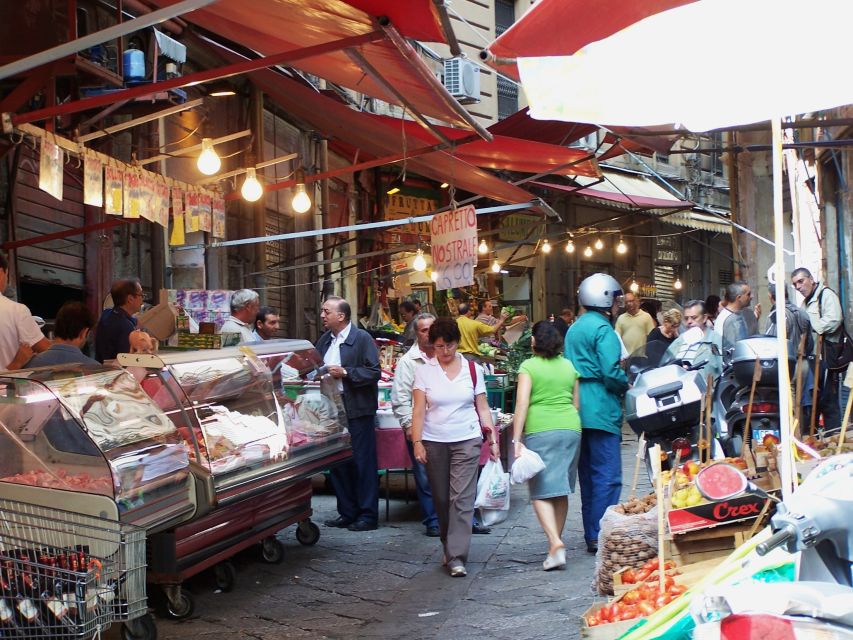
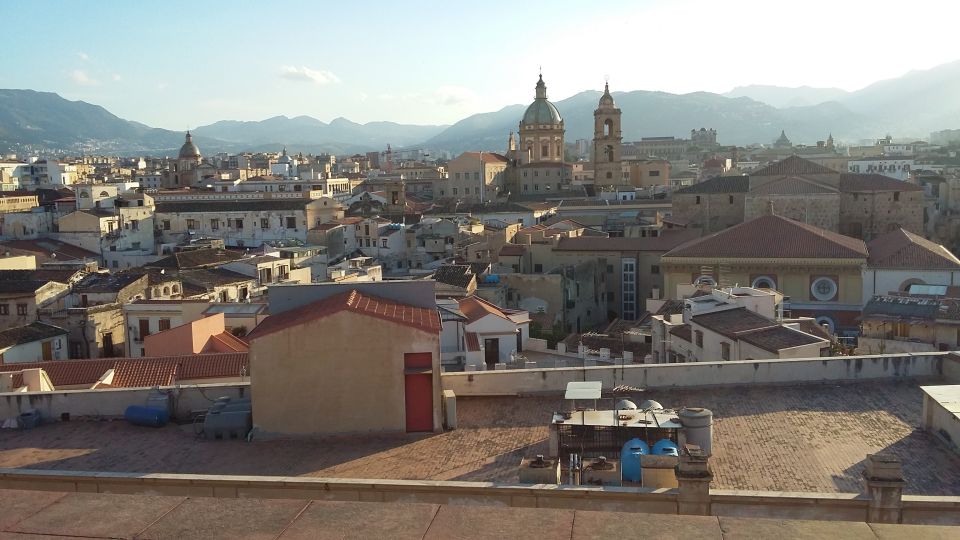
Palermo’s center isn’t the kind of place where you can just point and photograph. The street plan twists. The piazzas suddenly open like someone removed a wall. And the city’s Arabic-influenced structure means you’ll keep noticing turns, angles, and alleys that don’t feel “random” once a guide frames it.
This tour uses that strength. You’re not stuck on a bus route. You’re moving at a human pace through the historic core, with the right mix of landmarks and everyday life. That’s what makes it feel efficient: you get context for the sights and time to see market energy where locals actually shop and snack.
And then comes the payoff. The last part is not a generic sit-down restaurant meal. You end in a private apartment inside a historic building from the 1600s for a homemade pranza—exactly the kind of setting that turns Palermo into something more personal than sightseeing.
You can also read our reviews of more walking tours in Palermo
Piazza Verdi and Teatro Massimo: the opera house from street level
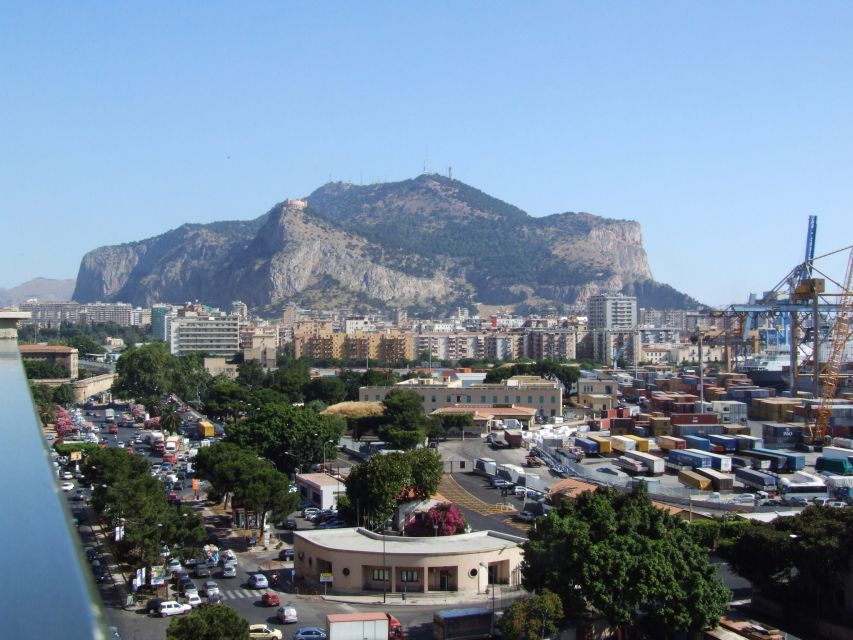
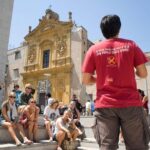
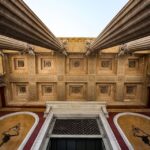
You meet at 10:00 AM at Piazza Verdi, on the stairs of Teatro Massimo. This is a smart start because the theater is a natural anchor for the whole day. It gives you a big, recognizable landmark right away, then the walk fans out into smaller streets where the city’s story shows up in details.
Teatro Massimo matters here because it’s the third-largest opera house in Europe. Even if you never step inside, the building’s presence changes how you read the surrounding streets. It’s one of those places where the scale makes sense before you even get explanations.
Entrance to the theater is not included, and visiting inside depends on the schedule. The good part: the experience says it’s possible to visit upon request, so if you’re an opera fan or just curious, this is when you ask.
Practical note: you’ll want a daypack, not an oversized suitcase. Oversize luggage isn’t allowed, and the walking streets don’t care about your rolling bag plans.
Ruggero VII Street and the Arabic-influenced streets you can feel
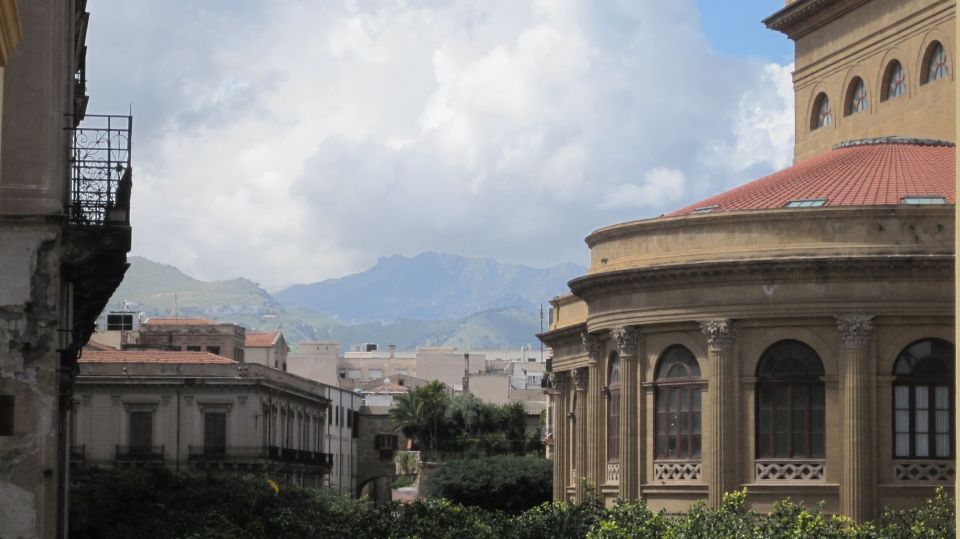
After the theater area, the route heads into lanes off the main axis—part of what the tour describes as Arabic-influenced neighborhoods. This is one of Palermo’s “aha” moments: instead of learning history as a list, you experience it through the city’s shape.
You’ll pass through the kind of alleys where buildings press close. You’ll notice changes in light and sound as you move from open square to narrow corridor. And you’ll walk along Ruggero VII Street as a recognizable spine that leads you toward the markets.
What you gain from this section is rhythm. You start to understand why certain markets feel central to daily life, and why churches claim prominent spots near major routes. It’s not just movement. It’s a guided way to read the city.
Capo Market (and Vucciria nearby): where lunch prep begins
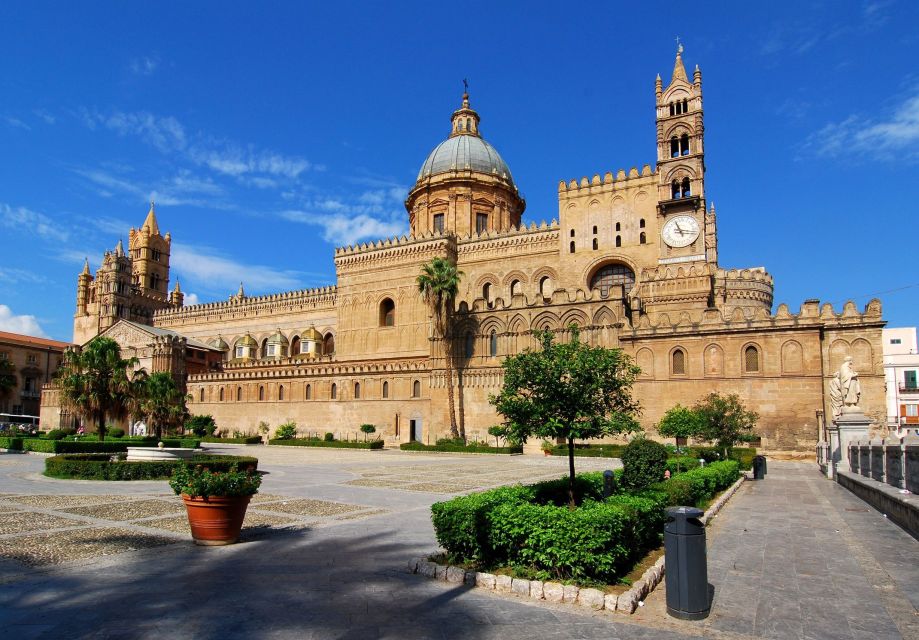
Capo Market is where Palermo turns from monuments into habits. The tour’s described highlights emphasize both Capo and Vucciria markets, and this section is usually where people realize how much food culture shapes the city’s identity.
In Capo, you’re not just wandering. You’re looking at the real ingredients of Sicilian life—produce, stalls, and the daily flow of people buying what they’ll eat soon. If you’re the type who likes to taste first and read later, this is your sweet spot.
This is also the area where the walk layers into architecture. Inside the tour’s market-focused path, you reach the Church of the Immaculate Conception, known for Baroque artistry. It’s a useful contrast: the market’s street-level noise and color, then the church’s focus on stone, ornament, and devotion.
One consideration: the market experience can be intense in a good way, but wear shoes you trust. Stone and uneven pavement in the center are not a rumor.
The Baroque Church of the Immaculate Conception: art you can stand in
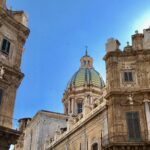
The tour explicitly includes stopping at the Church of the Immaculate Conception, and it notes that you can go inside to see its intricate Baroque monuments. That’s the key detail. The point isn’t only to see the church from outside like a postcard. You’re meant to look longer.
There’s a practical catch: entrance tickets are not included for this church. So if you arrive expecting to go in no matter what, you might need to pay separately on site depending on how the church operates that day.
Even with tickets extra, the stop makes sense because Baroque church interiors are about more than beauty. They’re about drama—light, movement, and storytelling. In Palermo, that drama sits right beside market life, which makes it feel less like museum time and more like part of the city’s ongoing routine.
For religious sites, follow the tour guidance: dress with clothing that adequately covers the body. I treat this as non-negotiable in Italy. It saves you from awkward detours at the doorway.
You can also read our reviews of more private tours in Palermo
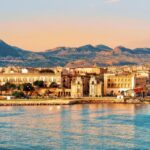
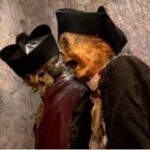
Palermo Cathedral and Via Vittorio Emanuele: religious lanes with gravity
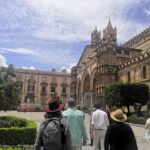
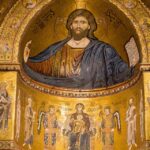
Next comes the Cathedral of Palermo and a set of church stops along Via Vittorio Emanuele. Even if you’ve seen big cathedrals elsewhere in Italy, the Cathedral stop is worth it because Palermo’s layers of belief show up in how the streets funnel toward it.
What I find useful about this section is the way a guide can connect “where you are” to “what you’re looking at.” On a walk like this, you don’t just see religious architecture. You start to understand why certain streets matter historically and why piazzas are built to host gatherings—sometimes for commerce, sometimes for faith.
From the tour details, churches are often open, but closures can happen without the supplier being at fault. If a specific interior isn’t available, you’ll still have the outside context and the overall route remains strong.
Also, this area is where modest clothing matters most. Plan ahead so you don’t spend your time fiddling with jackets.
Piazza Villena, the Four Corners, and the feeling of Palermo’s center
After the cathedral and church stops, the route arrives at Piazza Villena, also called the four corners. This is the kind of piazza name that signals “major intersection” and that’s exactly what it feels like.
It’s a place to pause and reset. You’ve spent time in narrow alleys, then inside church spaces, then back out near market energy. The four corners gives you a visual overview—corners, symmetry, and the kind of architectural staging that makes Palermo feel like it was designed for meeting people.
If your legs are starting to complain, this is a good moment to soak in the view and let the guide finish the story arc before lunch.
The home lunch in a XVII-century apartment: what you’re really paying for
The last act is the main reason this experience deserves space in your itinerary. Instead of ending at a busy restaurant, your guide leads you to a private apartment in a historical building from the 1600s. That setting changes everything about the meal.
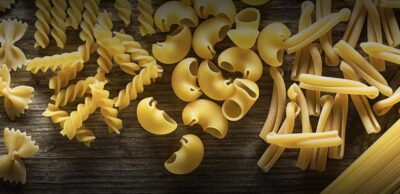
This lunch is described as freshly prepared, traditional Sicilian pranza, with a selection of Sicilian wines. From the guide stories, the food can include homemade pasta, and in some cases people mention things like capanota and even house-made Limoncello. Even if the exact dishes vary, the theme stays consistent: you’re eating like someone who lives here cooks, not like someone who has a menu spreadsheet.
And this is where the small group size pays off. With a private group of 4–6 people, you can actually talk during the meal. The atmosphere tends to feel friendly and personal, especially in the kind of apartment where everyone shares the same table.
From the tour’s descriptions, the meal also comes with wine tasting as part of the experience. If you like to learn while you eat, this ending is practical: you don’t just sample wine, you learn enough to connect it to what you saw walking earlier.
One more detail that’s easy to overlook: this lunch is included. Given the total price, you’re not paying “walking tour only” rates. You’re paying for a guided route plus a private meal experience.
Price and value: is $215.24 worth it?
At $215.24 per person for about 4 hours with a private group, the price looks high if you’re comparing it to a standard group walking tour. But that comparison misses the real value here.
You’re paying for:
- A private local guide for the full walk
- Traditional homemade lunch in a private home
- A set of Sicilian wines during the meal
- The chance to see major sights without doing the planning work yourself (Teatro Massimo exterior is built into the start; the walk includes cathedral and key churches)
If you’re the kind of traveler who wants Palermo to feel personal, not just efficient, the cost makes more sense. If you’d rather eat anywhere on your own and you don’t care about a home-style pranza, a cheaper walking tour might fit better.
Who this tour suits best
This is a strong fit if you:
- Want a first-day “get oriented” walk through central Palermo
- Enjoy markets and food culture more than museum-only schedules
- Prefer private guiding in a small group (4–6 people)
- Like the idea of ending with lunch in a home setting with local wine
It’s less ideal if:
- You have mobility limitations, since it’s not suitable for people with mobility impairments
- You hate walking on uneven streets
- You’re allergic to the idea of separate ticket payments for sites like Teatro Massimo interior and the Immaculate Conception church
Should you book this Palermo walking tour with lunch?
If you’re coming to Palermo and you want more than monuments, I’d book it. The walking route hits the big names—Teatro Massimo, Capo and Vucciria market areas, Palermo Cathedral, and major churches—then the private-home lunch turns the day into something you can remember beyond photos.
Two smart checks before you commit:
1) Are you comfortable walking for a solid chunk of the day on older streets? If yes, you’ll enjoy the flow.
2) Are you okay paying separately if an interior ticket is required for specific stops? The theater and the Immaculate Conception church have extra tickets not included.
If those answers are yes, this is one of the most “Palermo-real” ways to spend a morning and early afternoon.
FAQ
How long is the Palermo walking tour with lunch?
It lasts about 4 hours total.
Where do we meet, and what time does it start?
You meet at 10:00 AM at Piazza Verdi, on the stairs of Teatro Massimo.
What’s included in the price?
The price includes a local guide and a traditional Sicilian lunch in a private home. Sicilian wine is served with the lunch.
Are tickets to Teatro Massimo and the Church of the Immaculate Conception included?
No. Entrance tickets for Teatro Massimo and the Church of the Immaculate Conception are not included. The theater visit may be possible upon request depending on the schedule.
What should I wear and bring?
Wear comfortable shoes. For religious sites, dress in a way that adequately covers the body.
What group size is this tour?
It’s a private group for 4–6 participants.
Can I cancel, and do I have to pay right away?
Yes. You can cancel up to 24 hours in advance for a full refund, and the listing offers a reserve now & pay later option.