REVIEW · SYRACUSE
Archaeological Syracuse: Neapolis Park private tour
Book on GetYourGuide →Operated by Hermes Sicily Tours · Bookable on GetYourGuide
Sicily’s Greek ruins hit fast. I like the bay views from the theater and how the guide turns the Ear of Dionysius into a story you can actually picture; the only trade-off is that the route is mostly a walking tour with rocky stops, plus the Greek theater can be covered during spring or summer performances.
This is a private group experience with a licensed guide from Hermes Sicily Tours, sized for families and small groups (up to 15 people). You get a 105-minute plan that moves efficiently through Neapolis Archaeological Park without feeling rushed, and your guide can steer the pacing toward what you care about.
You’ll want comfortable shoes and a little patience at the entrances—park entry depends on which ticket option you choose. If you like your history explained in plain language (and with good humor), this one is a solid way to see Syracuse’s major highlights.
In This Review
- Key things I’d circle on your map
- Price and what you actually get for $215.24 per group
- Meeting point: Largo Anfiteatro makes the start easier
- How the 105-minute route flows (and why it works)
- Stop 1: Latomie del Paradiso quarry walks with plants you’ll notice
- Stop 2: Grotta del Salnitro and the craft-side of ancient life
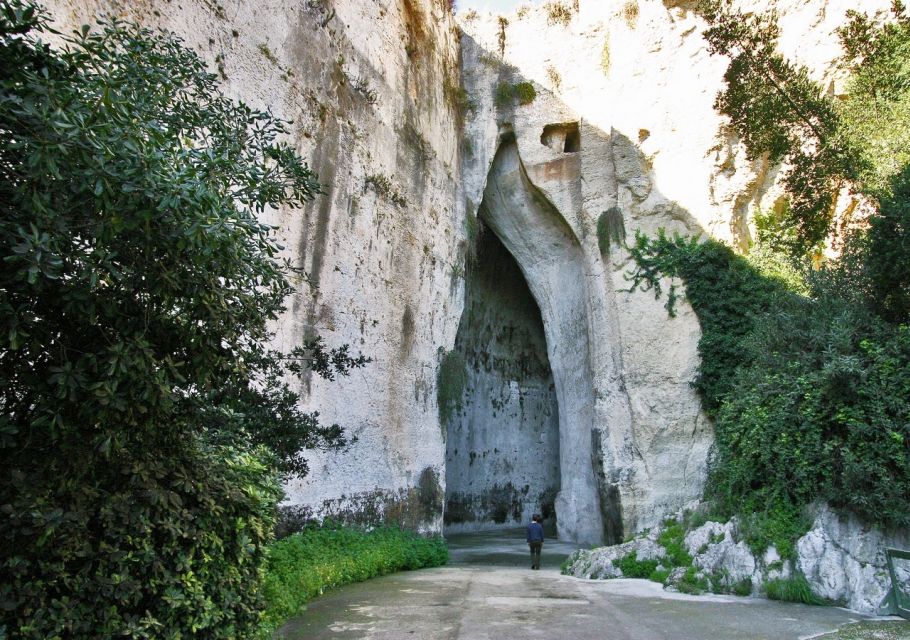
- Stop 3: Ear of Dionysius acoustics you can experience
- Stop 4: Greek Theater on Temenite Hill with working-era reality
- Stop 5: Nympheum interlude and the idea of water worship
- Stop 6: Altar of Hieron II for ceremonies and power
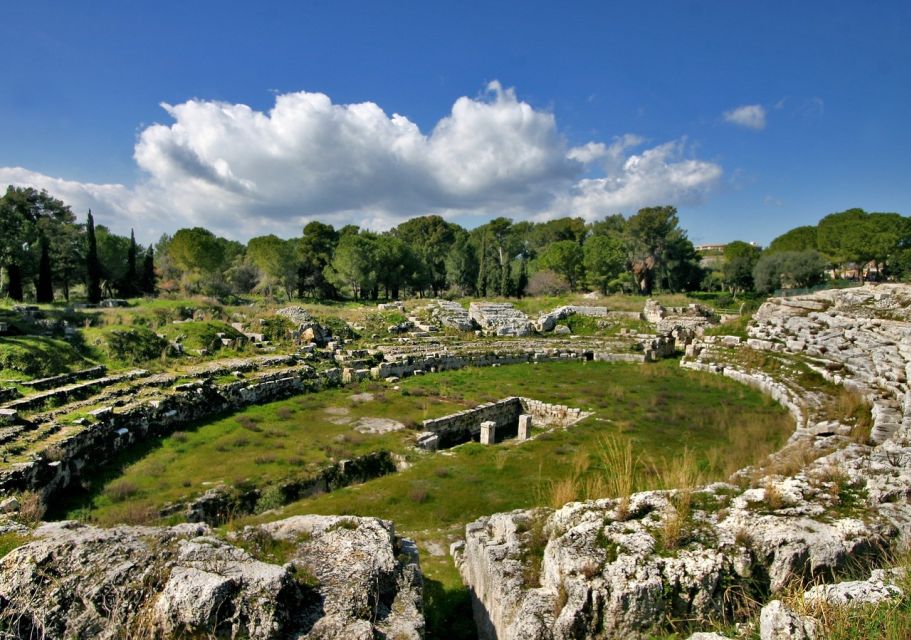
- Stop 7: Roman Amphitheater echoes and how Rome changed entertainment
- What makes this tour feel “private” (beyond the label)
- Small logistics that help your day go smoother
- Who should book this Neapolis Park private tour?
- Should you book? My practical take
- FAQ
- How long is the Archaeological Syracuse: Neapolis Park private tour?
- Where does the tour start and end?
- What are the main stops on the itinerary?
- Are entry tickets to the park included?
- What languages is the live guide available in?
- Is the tour wheelchair accessible?
Key things I’d circle on your map
- Greek Theater + Temenite Hill views over the bay of Syracuse
- Latomie del Paradiso, with surreal quarry spaces and distinctive local plant life
- Grotta del Salnitro and related quarry grottos tied to old craft work
- Ear of Dionysius, famous for its shape and echoing sounds
- Altar of Hieron II for the religious and ceremonial side of ancient Syracuse
- Roman Amphitheater to feel how entertainment changed under Rome
Price and what you actually get for $215.24 per group
At $215.24 per group (up to 15 people) for about 105 minutes, the math is simple: you’re paying for access to a private, licensed guide plus time at the key monuments in Neapolis Archaeological Park. If you’re traveling with 4 to 10 people, this can feel like a bargain compared with paying for separate audio guides or squeezing into a larger group tour.
One important detail: entry tickets are only included if you select the option tour + tickets. If you don’t, you’ll purchase the park entrance at the site. So when you compare prices, make sure you’re comparing like with like—tour cost plus entrance fee.
Also note the tour language options: English, Italian, and German. If your group has mixed comfort levels, this is one of those small choices that can make the whole experience better.
You can also read our reviews of more private tours in Syracuse


Meeting point: Largo Anfiteatro makes the start easier
The tour begins at Largo Anfiteatro, 2, and it’s designed to start right at the action. The general meeting point is at the main entrance gate of Neapolis Archaeological Park (Via Romagnoli / Viale Augusto), near a small fountain, behind San Nicolò ai Cordari medieval church. Your guide should have a Hermes Sicily logo.
Why I like this: it reduces that awkward first phase of Sicily tours where everyone is searching for the “right gate.” Once you see the logo, you can move on to what matters: walking, looking, and learning.
Practical tip: arrive a few minutes early, especially if your group includes anyone with mobility needs. The tour is listed as wheelchair accessible, but you should still expect outdoor walking between stops.
How the 105-minute route flows (and why it works)
This itinerary is built around a neat logic: start with the quarry world, move into the acoustics and theater area, then finish with the ceremonial altar and Roman entertainment. In other words, you don’t just get monuments in a random order—you get a sense of how Neapolis functioned over time: Greek power, Greek culture, then the Roman layer.
The planned guided stop times look like this:
- Latomie del Paradiso (15 min)
- Grotta del Salnitro (15 min)
- Ear of Dionysius (15 min)
- Greek Theater (20 min)
- Altar of Hieron II (15 min)
- Roman Amphitheater (15 min)
Then you return to Largo Anfiteatro, 2.
If you’re the type of traveler who gets impatient when tours drag, this timing is a good sign. Each stop gets enough attention to make you look harder, then you’re moving.
Stop 1: Latomie del Paradiso quarry walks with plants you’ll notice
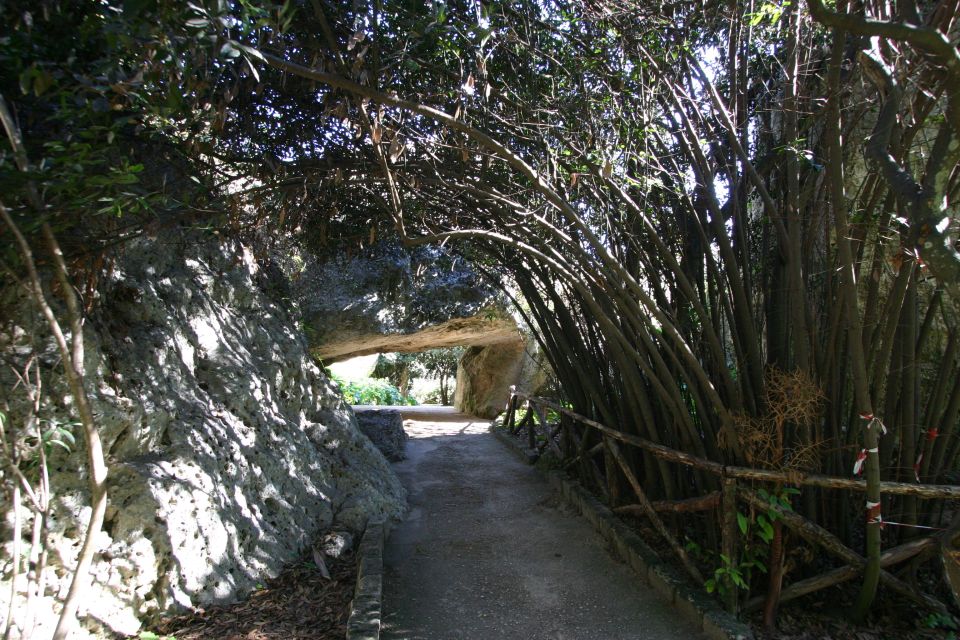
You start with Latomie del Paradiso, an ancient stone quarry. The big idea here is that Neapolis isn’t only temples and theaters. It also has a working landscape—spaces shaped by extraction, then later remembered for atmosphere.
During the walk, you’ll see the quarry structure as well as the local flora growing in the stone. That combination matters. If all you do is read about ancient Syracuse, it can stay abstract. In person, the environment turns it into something you can sense: cool stone, carved openings, and that almost dreamlike feeling these quarry sites can create.
Possible drawback: quarry areas can mean uneven ground. Comfortable shoes aren’t optional here.
Stop 2: Grotta del Salnitro and the craft-side of ancient life
Next is Grotta del Salnitro. This stop connects to the quarry world but with a different tone. You’ll also hear about related grottos, including areas connected to rope-makers and the saltpeter grotto, where skilled artisans once worked on essential materials.
I like this pivot because it reminds you that “history” wasn’t just rulers and battles. It was labor. It was production. It was daily work tied to what people needed to live and survive.
You’ll spend about 15 minutes here with the guide. The time is short enough that you won’t get bored, but long enough for the guide to make the space feel purposeful instead of random.

Stop 3: Ear of Dionysius acoustics you can experience
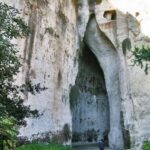
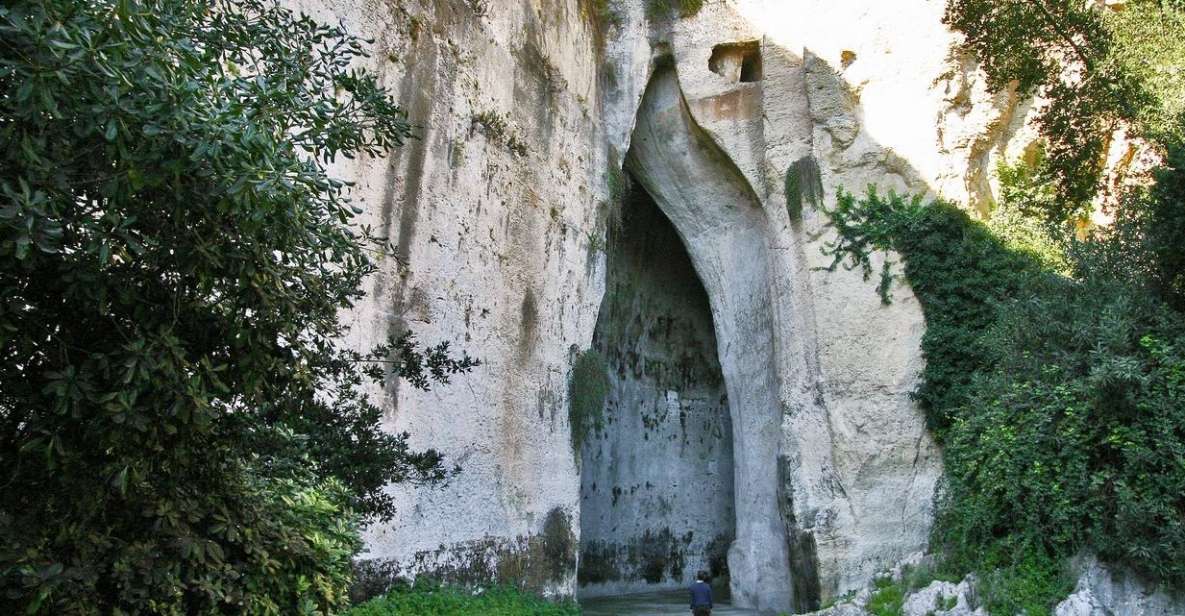
Then comes the big star: the Ear of Dionysius. It’s inside the quarries, and it’s famous for its shape and echoing sounds.
Here’s why this stop lands for so many people: even if you’re not an architecture nerd, acoustics are immediate. You can stand in the right place, follow the guide’s explanation, and suddenly the site feels alive. It’s one of those rare monuments where your senses get involved, not just your eyes.
This is also a great stop for a private format. If something doesn’t make sense at first, your guide can repeat or clarify right away—without holding up a bigger group.
Guide note: the tour operator Hermes Sicily Tours has strong feedback for guides like Eva and Ava, both praised for being pleasant, answering questions well, and sharing solid context not only about this park but history in general. If you get one of them, you’re likely in good hands.
Stop 4: Greek Theater on Temenite Hill with working-era reality
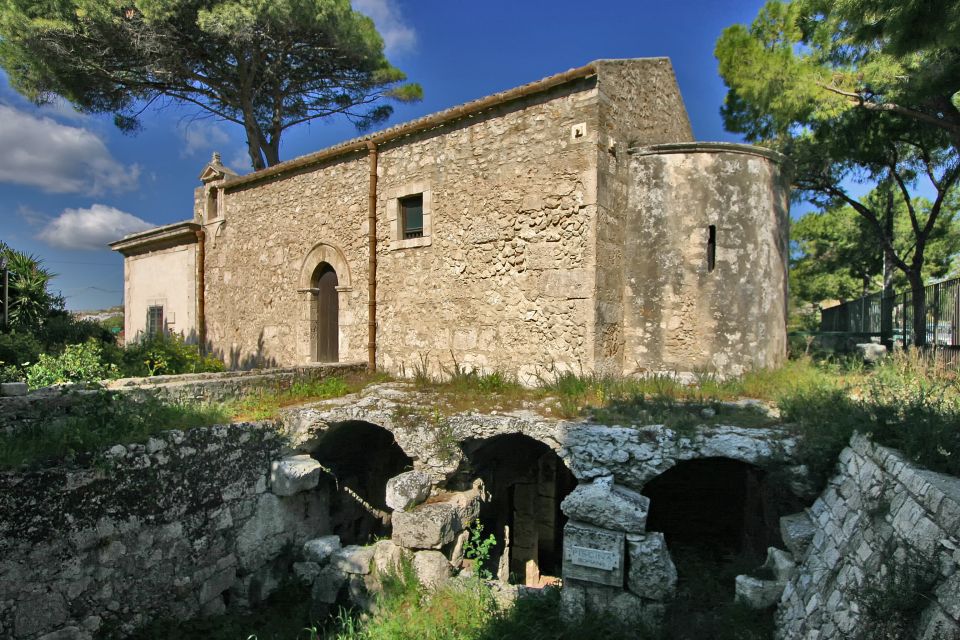
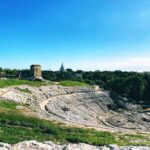
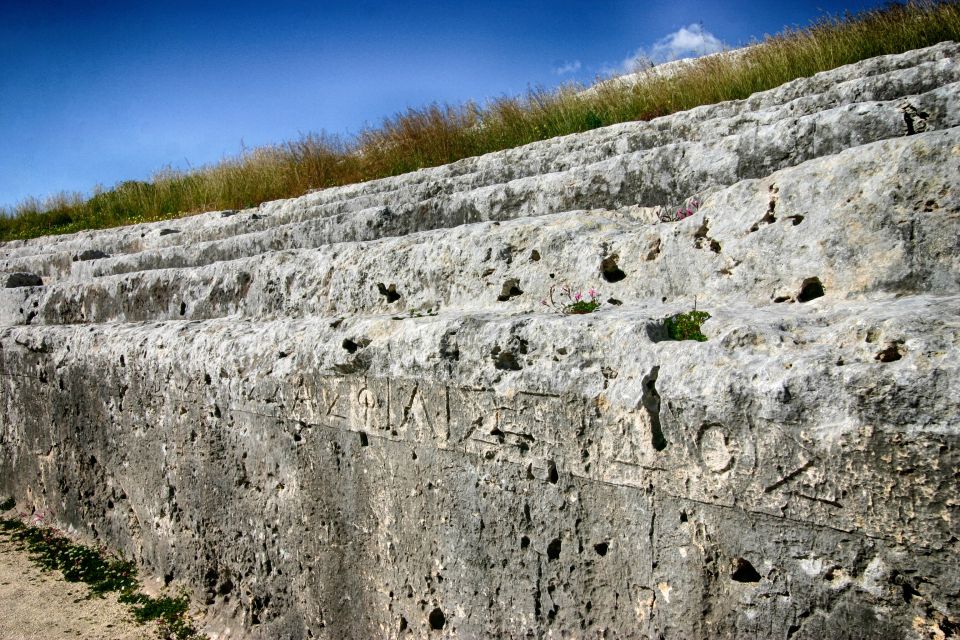
You’ll then reach the Greek Theater, carved into Temenite Hill and dating to the 5th–3rd century B.C. It’s about more than seats. It’s about how theater shaped civic life in Greek Syracuse—public performance as community memory.
The stop includes time for the theater itself plus the viewpoint. You’ll get views over the bay of Syracuse, and it helps to look out before your brain fills in the rest. Imagine the performers. Imagine the audience. Your guide will help you picture it, rather than treating the theater like a static ruin.
One key consideration: this theater is still used nowadays for classical plays and concerts. During spring and sometimes summer months it can be covered for performances. If that happens on your day, you might not get the same open sightline to the stage area—but you can still take in the structure and the setting.
Stop 5: Nympheum interlude and the idea of water worship
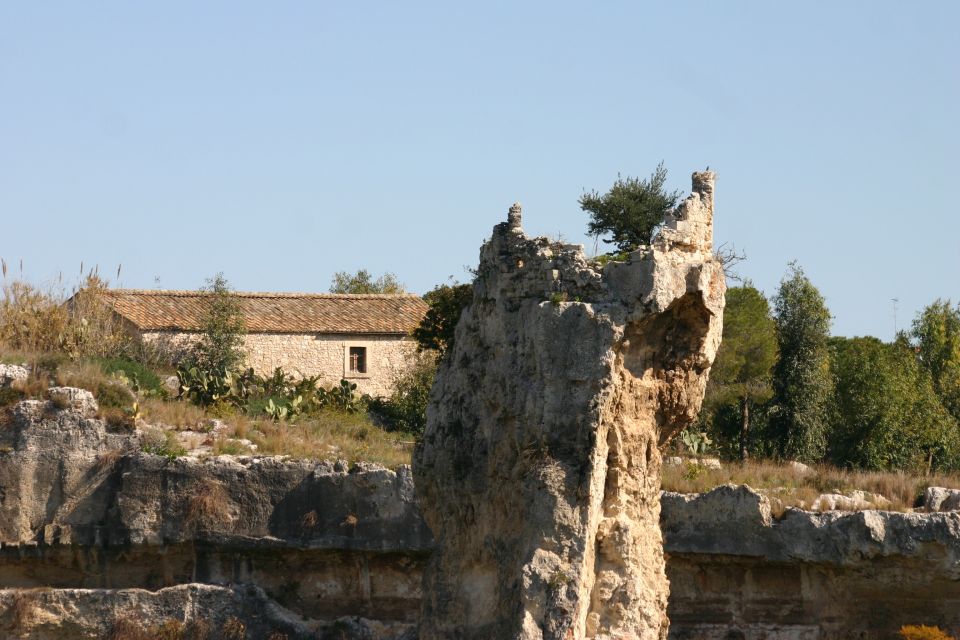
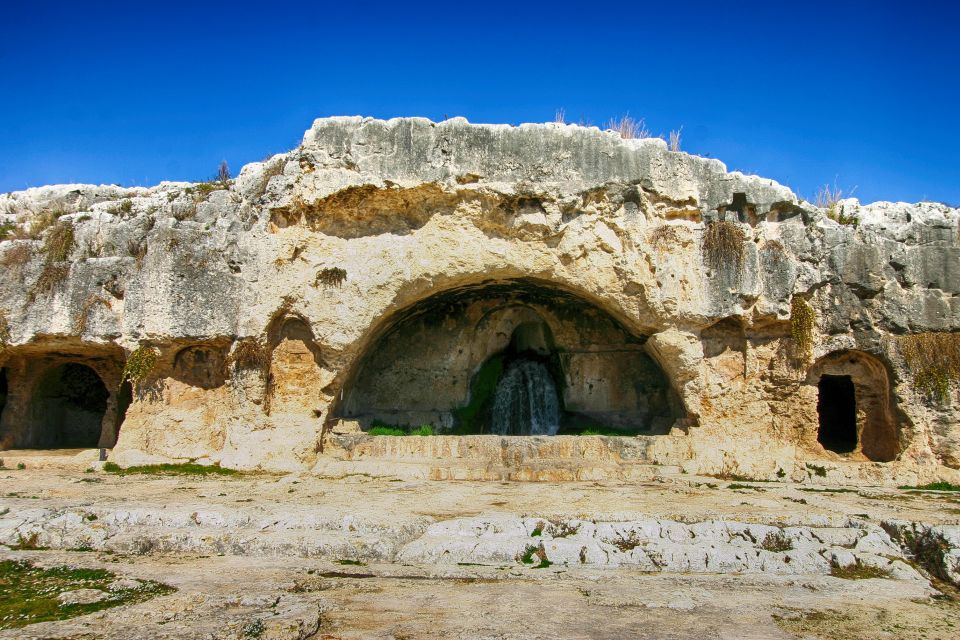
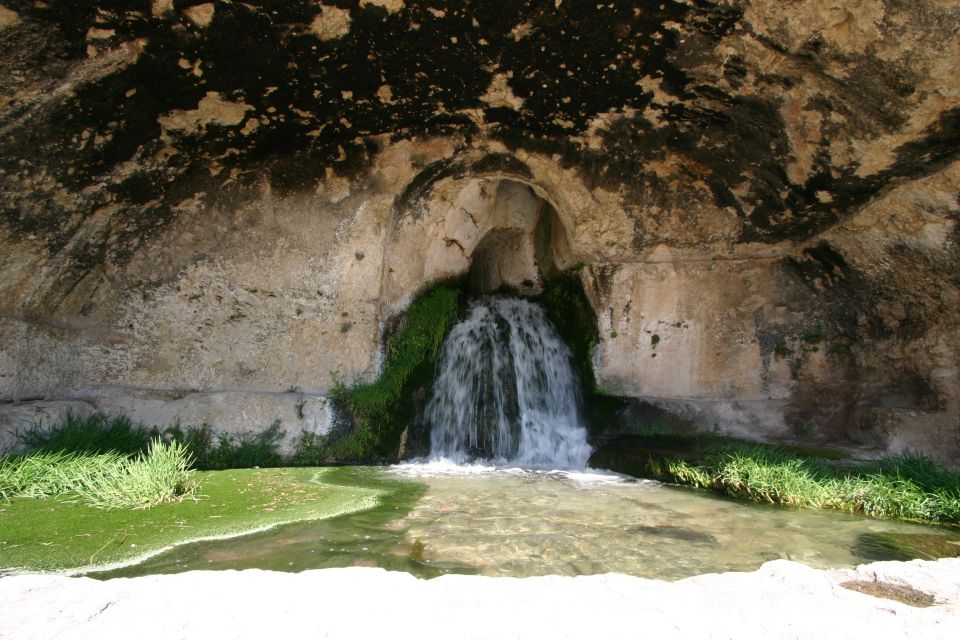
On the hill area, you’ll also have a chance to see the Nympheum, described as a sanctuary dedicated to water nymphs. Even if your guide doesn’t spend long on every detail here, the concept is helpful: ancient Syracuse didn’t treat nature as background. People built meaning into water, springs, and landscapes.
Think of it as a calm chapter between the theatrical Greek stage and the more solemn ceremonial stops. If your group likes a bit of variety, this interlude works.
Stop 6: Altar of Hieron II for ceremonies and power
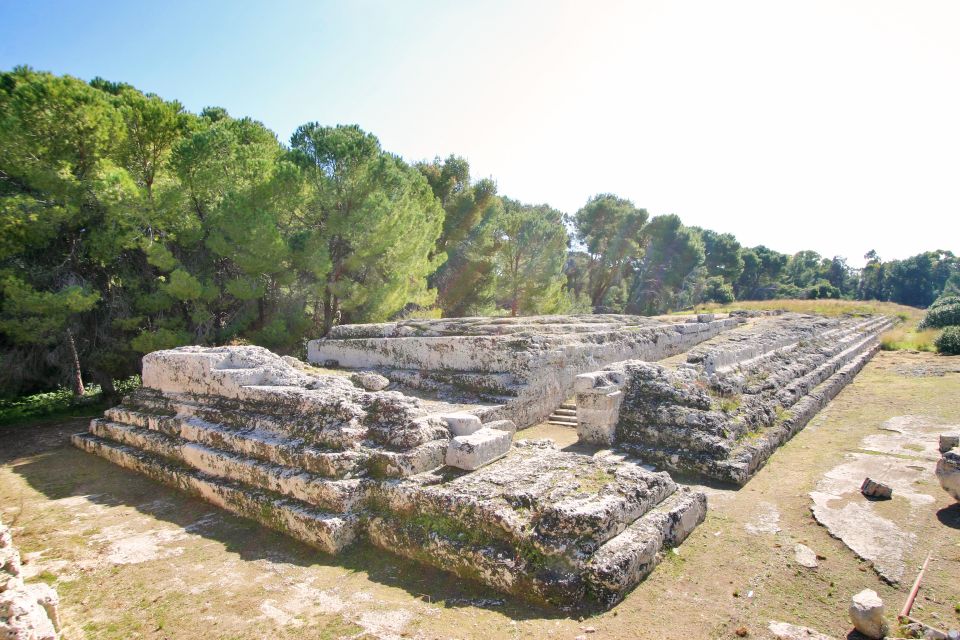
Next is the Altar of Hieron II. This is where the tone turns solemn. The altar is tied to religious and ceremonial practices, which is exactly what most people skip when they only chase big photo spots.
I like it because it widens your sense of the city’s purpose. Yes, Syracuse had theaters and spectacle. It also had rituals—religion as a public system tied to leadership and community identity.
You’ll have about 15 minutes guided here. That’s enough time to grasp why the site matters without getting stuck in stone-lecture mode.
Stop 7: Roman Amphitheater echoes and how Rome changed entertainment
Finally, you visit the Roman Amphitheater. The point here is continuity and change. The Greeks had their theater form. The Romans expanded entertainment with their own building style and priorities.
The tour highlights the echoes you can hear in the amphitheater. That’s not just a fun detail—it reinforces the same idea as the Ear of Dionysius: sound was part of how public life worked. Your guide helps you connect those dots.
This stop is about 15 minutes, then you return to Largo Anfiteatro, 2.
What makes this tour feel “private” (beyond the label)
The big win is that it’s tailored to your preferences and interests. That means if your group cares more about how people lived and worked, the quarry stops won’t feel like filler. If you’re more into performance and architecture, the theater and amphitheater can become the focal points.
The languages offered—English, Italian, German—also matter. Better communication means fewer misunderstandings and more actual learning. If you’ve ever felt lost in a tour where the guide is moving too fast, you’ll appreciate a setup that keeps you with the story.
And for families, the private size and group format can feel less stressful than packing everyone into a bus-and-trot schedule.
Small logistics that help your day go smoother
- Bring comfortable shoes. The route involves outdoor walking between monuments.
- Plan for sightseeing time, not just photos. The guided stops are built around looking.
- Smoking isn’t allowed.
- If you want more, ask about extra areas that may be temporarily open during tourist season—one example given is the Santa Venera stone quarry. Your guide can add it if conditions allow.
Who should book this Neapolis Park private tour?
This fits best if you:
- want a guided experience with context, not just a self-guided walk
- prefer a smaller, private format over a large group
- care about both Greek and Roman layers of Syracuse
- like “hands-on” understanding, especially at the Ear of Dionysius
It may not be ideal if you:
- have very limited mobility or can’t handle uneven outdoor walking
- need a totally low-footwork route with no movement between sites
Should you book? My practical take
If your goal is to see Neapolis Archaeological Park’s top highlights in a way that makes sense, I think this is a strong choice. The itinerary covers the major anchors—the Latomie del Paradiso quarries, the Ear of Dionysius, the Greek Theater, the Altar of Hieron II, and the Roman Amphitheater—and the private guide format helps you get more from each stop than a quick walk would.
Book it if you value explanations, good pacing, and the chance to ask questions. Just double-check the ticket option so you’re not surprised by the park entrance fee. And if you’re visiting during a performance season, keep in mind the Greek theater may be covered at times.
FAQ
How long is the Archaeological Syracuse: Neapolis Park private tour?
It lasts about 1.5 hours, or 105 minutes.
Where does the tour start and end?
It starts and ends at Largo Anfiteatro, 2. The meeting point is at the main entrance gate of Neapolis Archaeological Park near the small fountain, behind San Nicolò ai Cordari medieval church.
What are the main stops on the itinerary?
You’ll visit Latomie del Paradiso, Grotta del Salnitro, the Ear of Dionysius, the Greek Theater, the Altar of Hieron II, and the Syracuse Roman Amphitheater.
Are entry tickets to the park included?
Entry tickets are included only if you select the option tour + tickets. If not selected, you’ll need to purchase the entrance tickets at the entrance.
What languages is the live guide available in?
The guide is available in English, Italian, and German.
Is the tour wheelchair accessible?
Yes, the tour is listed as wheelchair accessible.