REVIEW · CATANIA
Catania: Pistachio Ravioli, Pasta Home Cooking Class w/ Wine
Book on GetYourGuide →Operated by Timonfaya Travel Lanzarote · Bookable on GetYourGuide
Green pistachios, fresh pasta, and real Sicilian laughter. In Catania, this hands-on class has you making pistachio-filled ravioli from scratch with local chef Angela, while she shares what makes Bronte pistachios Sicily’s famous green gold.
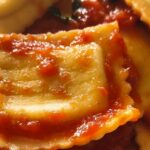
You’ll love that you’re not just watching. The evening is built around a 3-course dinner you help create, starting with a pear-and-cheese bruschetta, then the ravioli, and ending with dessert, all paired with wine.
One thing to consider: it’s hosted in a home setup that involves a flight of stairs, and it’s not suitable for wheelchair users.
In This Review
- Key things I’d zero in on before you book
- Bronte pistachios and the idea behind this ravioli class
- Inside Chef Angela’s apartment kitchen in Catania
- From dough to resting time: what you’ll actually do in the pasta lesson
- The pistachio filling: learning the flavor, not just the steps
- Bruschetta with pear, cheese, walnuts, and chestnut honey
- Shaping ravioli like a pro (and what to watch out for)
- The 3-course meal and wine pairing: turning cooking into dinner
- Time planning in Catania: 3 hours on paper, more like real life
- Price and value at about $100 per person
- Who this class suits best (and who might skip it)
- Should you book this pistachio ravioli class in Catania?
- FAQ
- How long is the cooking class?
- What’s included in the $100 per person price?
- Will I get wine with the meal?
- How big is the group?
- What languages are used during the class?
- Where do I meet for the class?
- Is it wheelchair accessible?
- Can I reserve and pay later?
- Is free cancellation available?
Key things I’d zero in on before you book
- Bronte pistachios as the star: You’re making ravioli with a filling tied to Sicily’s pistachio culture.
- Small group (max 8): You get more hands-on time shaping dough and ravioli.
- A real teaching rhythm: Watch first, then practice, with corrections when needed.
- More than pasta: The meal includes bruschetta, ravioli, and a sweet finish.
- Wine with your work: You get to slow down and eat what you made, not rush to the next stop.
Bronte pistachios and the idea behind this ravioli class
Sicily has a way of turning one ingredient into a whole story. Here, that ingredient is the pistachio, specifically tied to Bronte, often called Sicily’s green gold. The class approach makes that connection feel practical. You don’t just learn a recipe; you learn why this filling tastes the way it does and how it fits into the island’s food culture.
If you like flavors that are sweet-salty and a little surprising, pistachio ravioli can be a standout. The filling has a creamy, nutty character, and it pairs naturally with the kind of wine you’d expect in a Sicilian home meal. It’s also a good choice if you’ve already eaten classic pasta in Italy and want one step more personal: you’ll shape dough, seal filling inside, and then taste the result minutes later.
You can also read our reviews of more cooking classes in Catania

Inside Chef Angela’s apartment kitchen in Catania
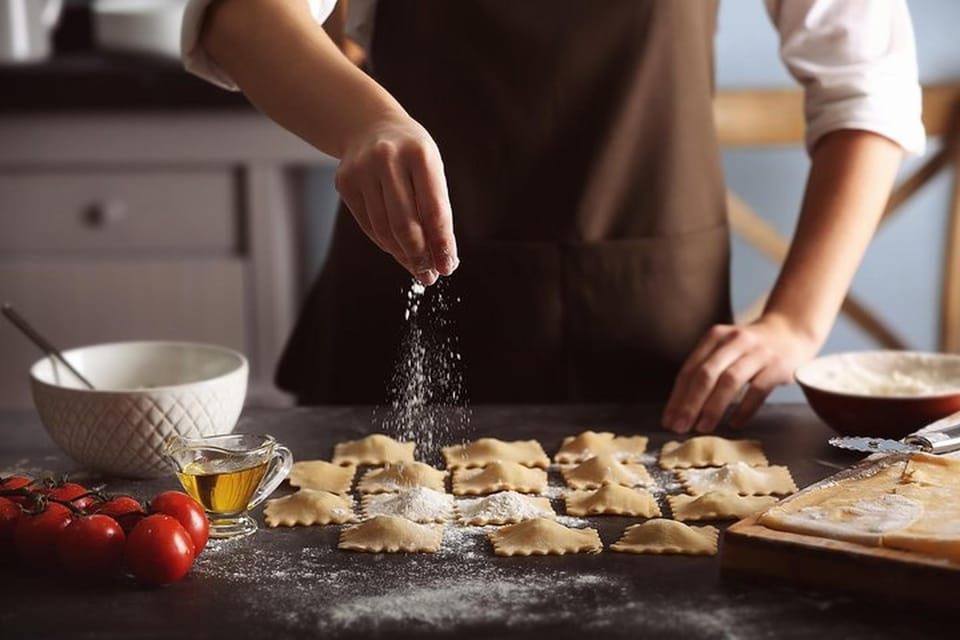
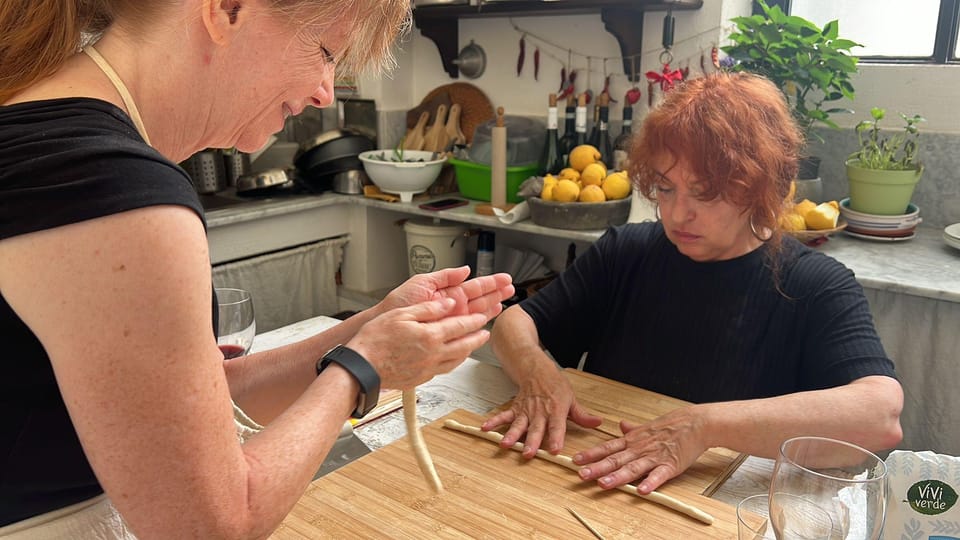
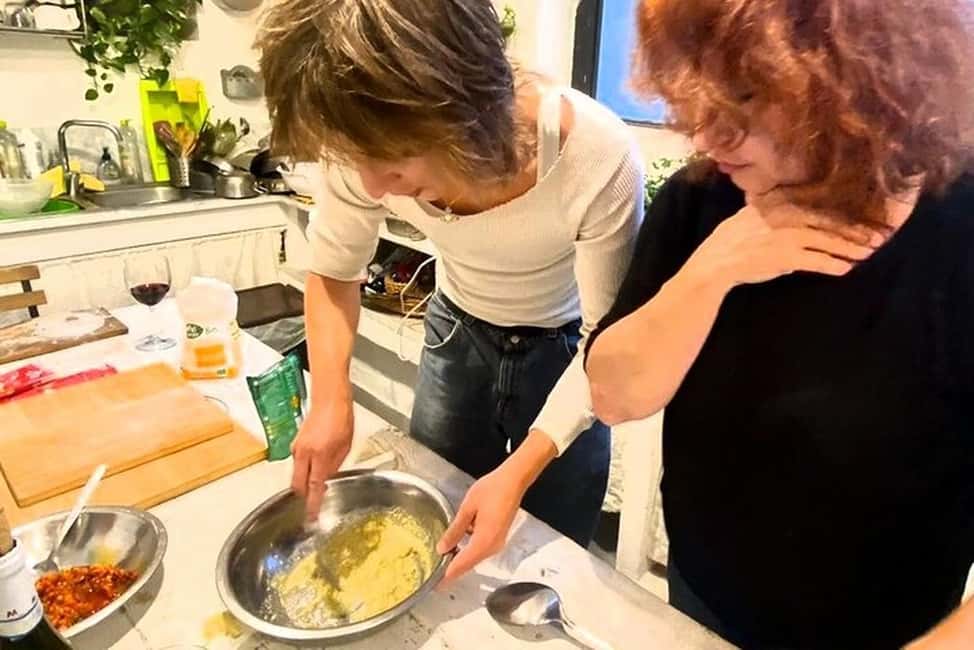
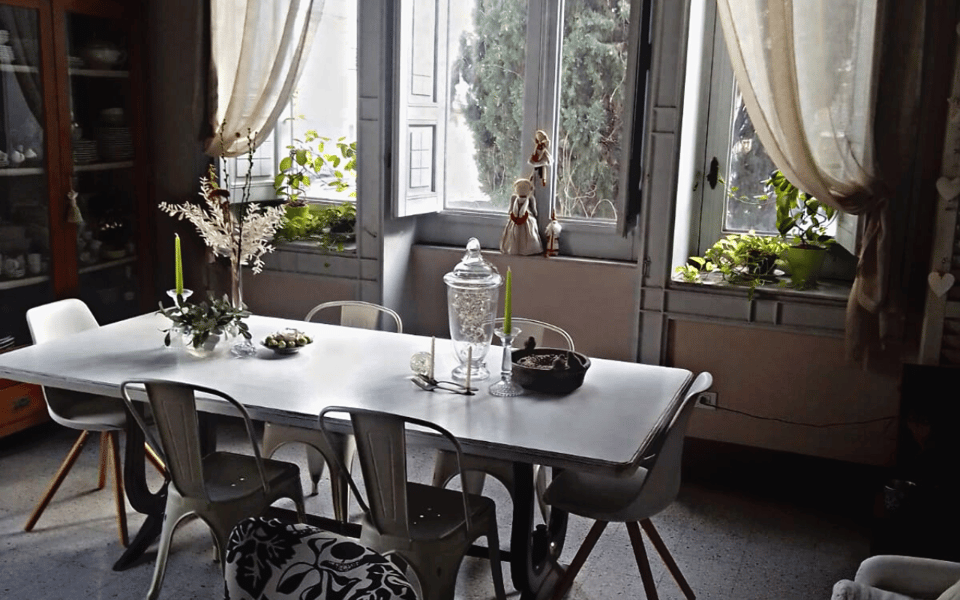
This isn’t a big cooking studio. The class takes place in the host’s apartment, which changes the vibe in a good way. You’re working in a real home kitchen, at a table with other small-group participants, which makes it easier to ask questions and get corrected on technique without feeling rushed.
Expect a warm atmosphere and lots of interaction. Several participants highlight the host’s humor and patient teaching style, plus help when language gets tricky. Even when English isn’t perfect, the structure is clear: you watch, you do, you adjust. Communication is supported by the fact that the instructor teaches in English and Italian, and the host’s son often helps translate.
The practical tradeoff is access. It’s not wheelchair-friendly, and you’ll be dealing with stairs to reach the apartment. Also, the meeting point can feel a bit “local” rather than obvious tourist-friendly—so arrive a little early and ring the bell as directed.
From dough to resting time: what you’ll actually do in the pasta lesson
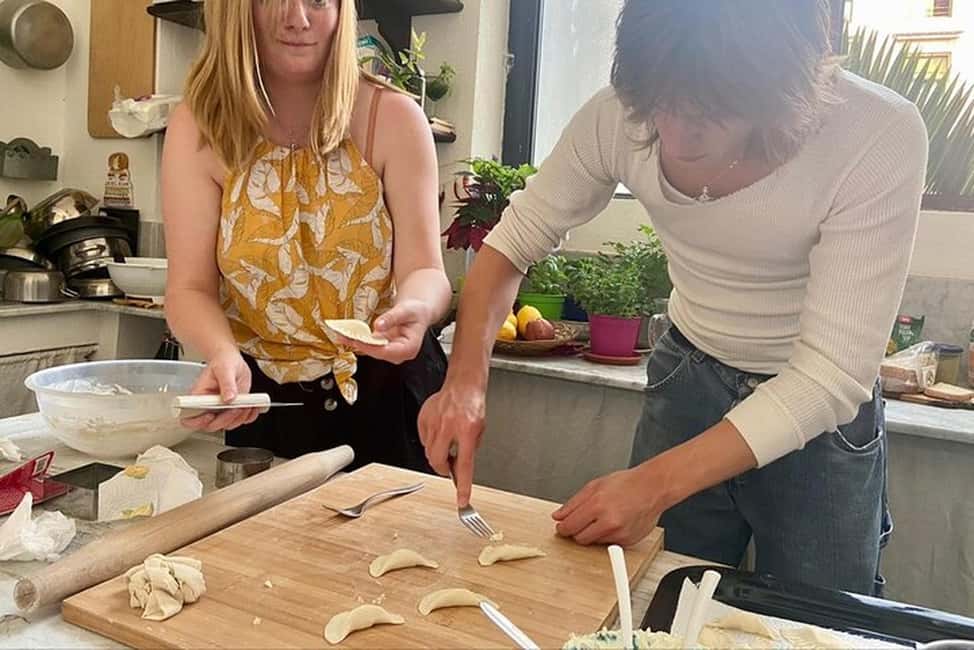
The core skill here is making fresh ravioli dough from scratch. You’ll learn the process in a sequence that makes sense: prepare the dough, learn how it should feel and behave, then give it time to rest before you start shaping. That resting step matters. Too soft or too firm dough makes ravioli sealing harder, and the class is designed to guide you past that common frustration.
When it comes to shaping, the best part is that you’re not stuck doing only one piece of the work. The class is set up so you actively participate in the process—rolling and portioning the dough, adding the pistachio filling, and working on sealing and forming ravioli.
A big plus is the correction style. Participants talk about getting a balance of observation and hands-on practice. That means you’re not just copying motions. You learn the technique behind them and then apply it to your own ravioli.
The pistachio filling: learning the flavor, not just the steps
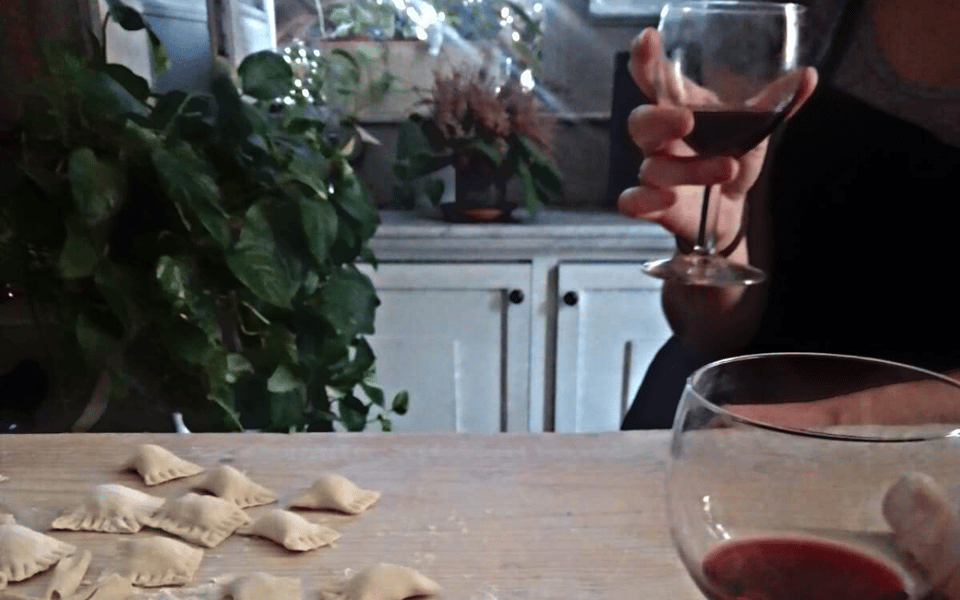
The filling is what makes this class memorable. Pistachio ravioli isn’t one of those dishes that feels generic. The class frames pistachios as a Sicilian signature product, which helps you understand why Bronte pistachios are singled out.
You’ll make a creamy filling and then use it to assemble the ravioli. The practical takeaway for you: you’ll understand how the filling texture affects sealing and how the overall flavor lands once cooked. That matters if you want to recreate it later. Many pasta classes teach you the dough. This one is more balanced because it teaches you the filling side too.
Bruschetta with pear, cheese, walnuts, and chestnut honey
Before you even sit down for the ravioli portion, you start with a starter that’s very Sicilian in its mix of sweetness and savory.
You’ll get a gourmet bruschetta topped with:
- cheese
- pear
- walnuts
- chestnut honey
That combination does a clever job. It prepares your palate for what’s coming. Pistachio is its own flavor category, but this starter helps bridge sweet notes into a meal that still feels hearty and grounded. It’s also a nice change from the usual Italian cooking-class appetizer of only bread and tomatoes.
One more reason I like this starter: it’s a low-pressure way to slow down. While the dough rests, you’re already eating something thoughtful, instead of waiting with no payoff.
You can also read our reviews of more wine tours in Catania




Shaping ravioli like a pro (and what to watch out for)
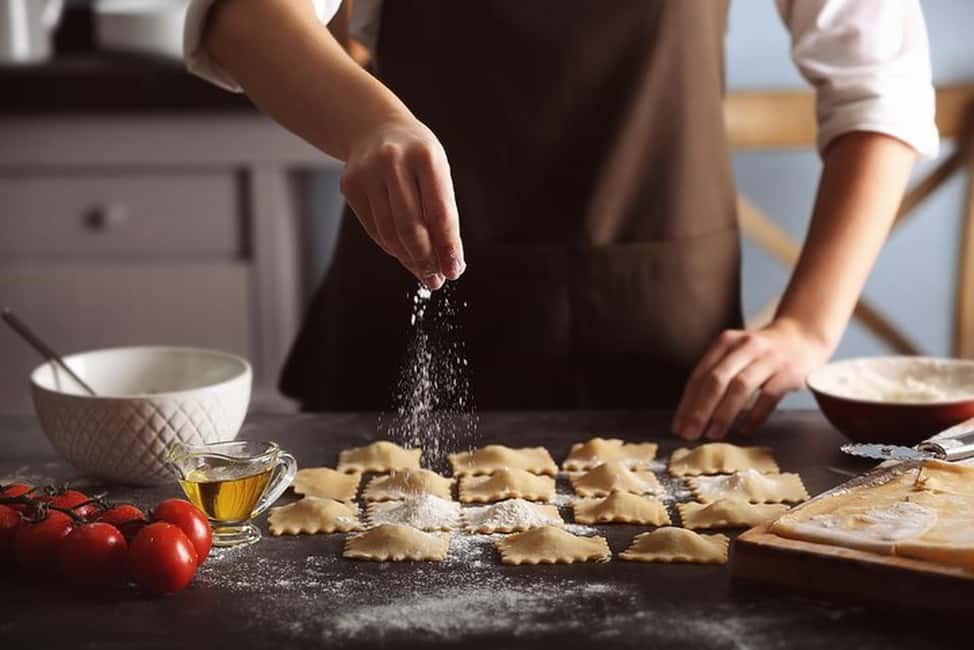
Ravioli looks simple when you see it on a plate. In real dough, it’s all about details: thickness, placement, and sealing. This class focuses on those points, and you’ll get step-by-step guidance as you work.
Here are the common friction points this kind of class helps you avoid:
- Dough thickness: Too thick and the ravioli feels heavy. Too thin and it tears more easily.
- Filling amount: Overstuff and sealing gets messy. Underfill and you lose the balance.
- Sealing pressure: Gentle enough not to squeeze everything out, firm enough that it won’t leak during cooking.
What you’ll appreciate most is that you aren’t left to figure it out alone. The teaching style described by participants is hands-on with humor and frequent attention to technique, so you can correct mistakes in real time.
And if you’re worried you’ll be bad at rolling or shaping, don’t be. The course is designed for small groups and active participation, so even clumsy early attempts usually end up good once you get feedback and repetition.
The 3-course meal and wine pairing: turning cooking into dinner
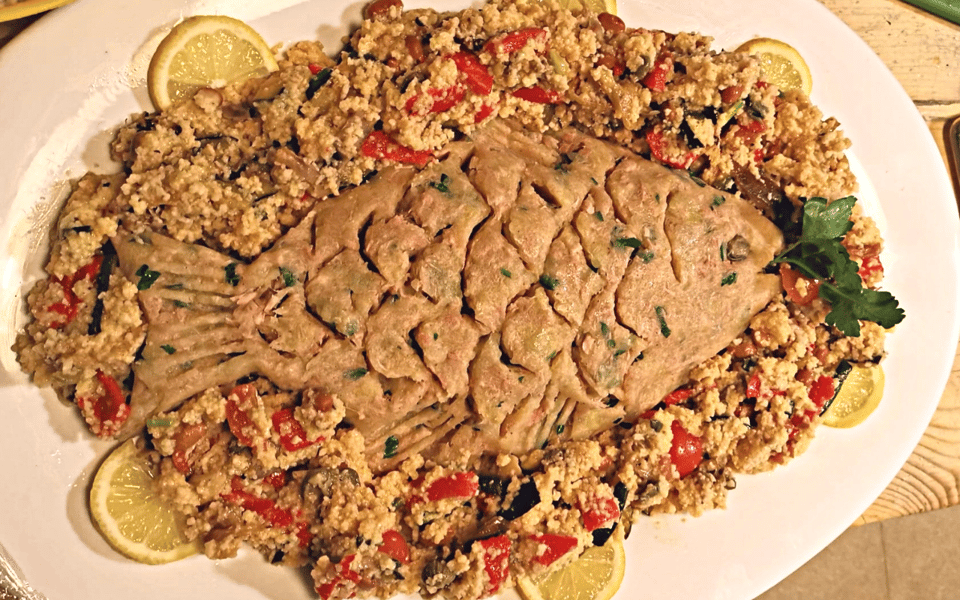
The class isn’t complete until you eat. You sit down and enjoy the meal you prepared, which is where the whole activity becomes more than a workshop.
Included in the meal:
- the bruschetta starter
- pistachio ravioli as the main
- a sweet dessert course (you may see options like tiramisu, and some menus include ricotta-and-fruit style desserts)
Wine is also part of the deal. Participants repeatedly mention Sicilian wine pairing as a highlight, and it makes sense: pistachio’s nutty richness plays well with wines that aren’t overly sweet but still have warmth. You’ll also have water and coffee included.
The value here isn’t just “free food.” It’s that you get to judge the recipe with your own hands still fresh in your mind. That quick feedback loop is exactly what makes these classes stick when you’re back home.
Time planning in Catania: 3 hours on paper, more like real life
The scheduled duration is 3 hours. In practice, some people report it can run closer to 4 hours. That’s believable because pasta dough needs resting time, and cooking always takes longer when you’re learning techniques instead of just performing them.
So here’s how I’d plan your evening in Catania:
- Keep the class as your main activity.
- Don’t stack another “must-see” right after, unless you can be flexible.
- If you’re walking in from a nearby point, give yourself time to find the meeting place and ring the bell.
Also, dress comfortably. You’ll be hands-on with dough, and you’ll want to focus on technique rather than fussing with clothing.
Price and value at about $100 per person
$100 sounds like a lot until you break down what you’re actually getting in return.
You’re paying for:
- an English/Italian teaching experience in a small group (max 8)
- hands-on instruction for dough-making and ravioli assembly
- a full 3-course dinner
- wine, water, and coffee
Compared with paying for just a meal in a city center, the value depends on what you want from your trip. If you’re aiming for the “Catania food” experience without necessarily learning anything, you could spend less. But if you want a skill you can repeat later, plus an eating experience you created, the math shifts quickly.
In my view, this is best value for people who love cooking, want a more personal Catania evening, and don’t mind stairs or a home-kitchen setup.
Who this class suits best (and who might skip it)
This works especially well if you:
- want a hands-on pasta-making experience rather than a sit-and-watch lesson
- love Sicilian ingredients and want pistachios to be the star
- like small-group settings where you can actually participate
- enjoy an evening that includes wine and a full meal
It’s not a great fit if you:
- need wheelchair access (it’s not suitable due to the home setup)
- dislike stairs or tight apartment-space logistics
- want a strictly formal, restaurant-style class experience
Should you book this pistachio ravioli class in Catania?
Book it if you want one of the most memorable ways to eat in Catania: make the pasta, then enjoy it as a real dinner with wine. The pistachio focus is specific, not generic Italian cooking, and the small group format means you’ll actually touch the dough and learn technique.
Skip it if you’re sensitive to stairs or want a perfectly signposted, large-venue experience. If that’s your situation, look for an alternative format with easier access.
If you do book, do two things that make the evening go smoother:
- Arrive early enough to locate the meeting spot and ring the bell without stress.
- Plan extra time. Pasta classes move at dough speed, not tour-bus speed.
FAQ
How long is the cooking class?
The class is scheduled for 3 hours, though some participants report it can run closer to 4 hours.
What’s included in the $100 per person price?
You get a cooking class and a 3-course dinner, plus wine, water, and coffee.
Will I get wine with the meal?
Yes. Wine is included with the dinner.
How big is the group?
It’s a small group limited to 8 participants.
What languages are used during the class?
The instructor teaches in English and Italian.
Where do I meet for the class?
You’ll ring the bell at Vignolo at the provided address.
Is it wheelchair accessible?
No. It is not suitable for wheelchair users.
Can I reserve and pay later?
Yes. You can reserve now and pay later.
Is free cancellation available?
Yes. You can cancel up to 24 hours in advance for a full refund.
If you tell me your travel dates and whether you want a morning or evening activity in Catania, I can help you fit this class into an efficient day plan.