REVIEW · SYRACUSE
Cooking class at a Cesarina’s home with tasting in Siracusa
Book on Viator →Operated by Cesarine: Cooking Class · Bookable on Viator
In Syracuse, this private Cesarina cooking class is a fun, hands-on way to learn real Siracusa-area cooking, not a staged demo. You cook alongside an English-speaking host, often shaping pasta from scratch, and you finish by tasting what you made with a glass of local wine. One thing to keep in mind: the teaching style can vary by host, so pay attention and ask questions if you want more step-by-step coaching during the cooking phase.
I like that it happens at the home of your host, so the “why” behind Sicilian habits comes through, like how texture matters when rolling dough or how sauces are built around seasonal ingredients. The format is also practical: about 3 hours, start and end back at the meeting point, and it’s designed for only your group.
In This Review
- The big idea: comfort plus technique, in 3 hours
- Key things I’d plan around
- Syracuse at kitchen-table scale: what makes this class work
- What you’ll cook: starter, regional pasta, and a classic dessert
- The home kitchen advantage: tools, pace, and real instruction
- Tasting time and local wine: why this part matters
- Price and value: is $174.69 per person fair?
- Logistics in Syracuse: meeting point, transport, and parking reality
- Sanitation and distance rules you should expect
- Who should book this class (and who might not)
- Should you book this Cesarina home cooking class?
- FAQ
- What dishes will I make in this Syracuse cooking class?
- How long is the cooking class?
- Is this class private, and is it offered in English?
- What happens at the start and end of the experience?
- Is wine included?
- What sanitation steps are in place?
The big idea: comfort plus technique, in 3 hours
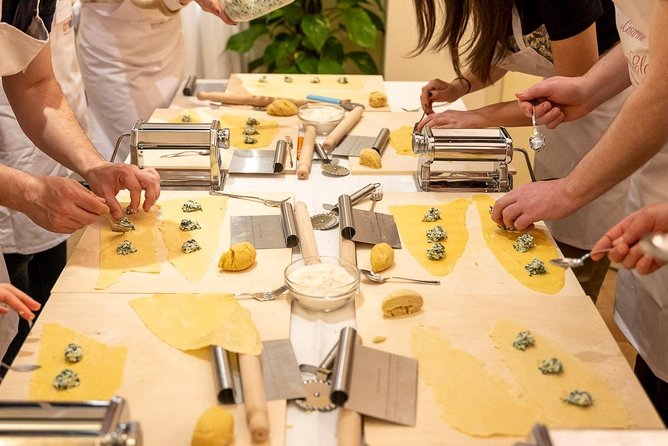
If you’re the type who learns best by doing, you’ll probably feel right at home. A starter, a regional pasta dish, and a typical dessert are included, and many hosts add extra Sicilian touches (think pesto, caponata, or family-style anti-pasti) depending on the day. Just remember you’re paying for a private experience, so your enjoyment will hinge on how engaged and communicative your host is.
Key things I’d plan around
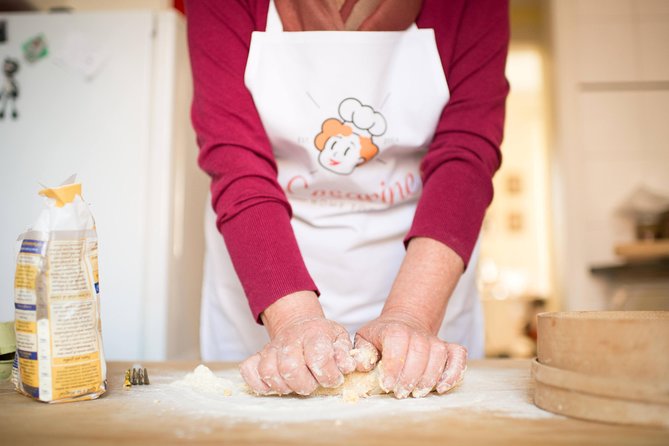
- Private home setting for your group only, so you’re not competing for attention
- Regional pasta focus with options like Pasta alla Siracusana or Pasta alla Carrittera
- Seasonal ingredients for the starter and key components of the meal
- Wine with the meal, so you eat what you cook instead of leaving hungry
- Host-led variations, since some menus and methods can differ from one class to the next
You can also read our reviews of more food & drink experiences in Syracuse


Syracuse at kitchen-table scale: what makes this class work
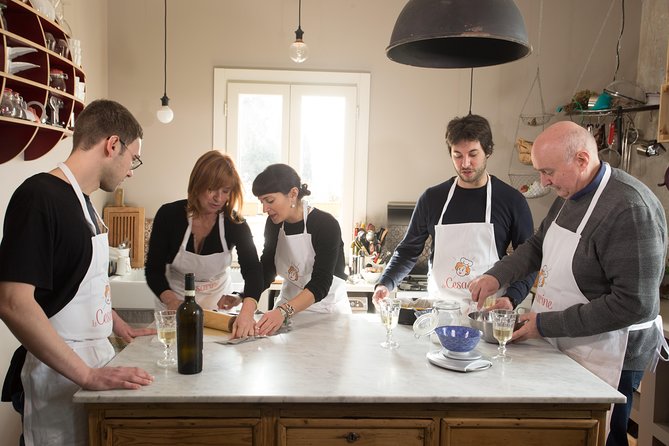
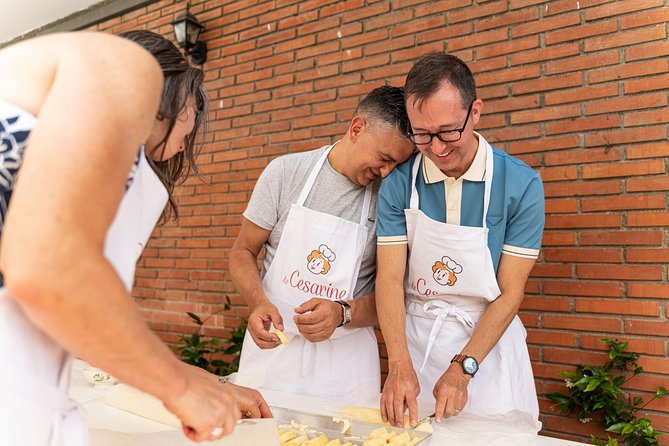
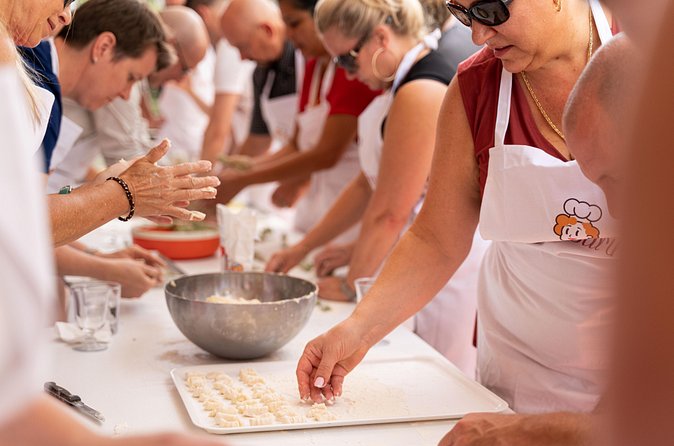
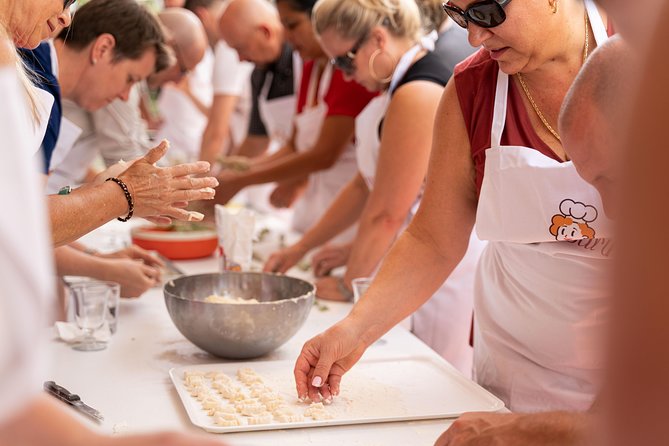
A cooking class in Syracuse can be “food entertainment” or it can be genuinely useful. This Cesarina-style setup tends to land closer to useful because you’re in a real home kitchen, not a classroom. You get the tools, the timing, and the small-batch pace that lets you actually handle dough, shape pasta, and understand how the dish comes together.
What also helps is that you’re not rushing. The total time is about 3 hours, which is enough to make at least one substantial pasta course and finish with dessert, without feeling like you’re on a conveyor belt. And because it’s private, your host’s attention is less diluted than in a group tour.
What you’ll cook: starter, regional pasta, and a classic dessert
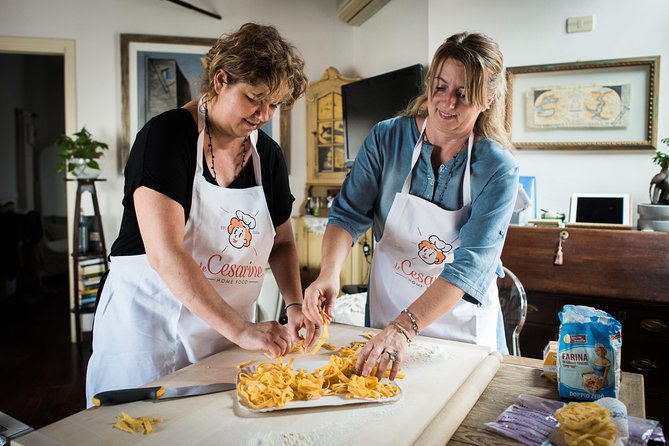
The menu is built around three parts, and that structure is great for value. You’ll learn how to make:
Starter (seasonal starter)
This is where you get your first taste of Siracusa-area habits. You’re working with fresh, seasonal produce, which matters because Sicilian cooking often leans on what’s good right now rather than only on heavy technique. Even if you can’t identify every ingredient, you’ll get a feel for how the flavors are meant to balance.
Main (regional pasta)
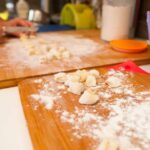
This is the star of the show. The menu lists choices like Pasta alla Siracusana or Pasta alla Carrittera, and you’ll also likely see regional variations depending on your host and what’s available. From the way classes are described, many hosts emphasize pasta basics you can reuse at home: dough texture, thickness consistency, and how to handle fillings or shapes (when ravioli-style steps happen).
One useful note from real experiences: some hosts expand the meal with extra Sicilian sides or sauces. That can be a bonus, but it can also mean the exact components you cook may shift. Your best strategy is to be flexible and ask what’s homemade versus what’s finished off during the class.
Dessert (typical dessert such as almond paste)
Dessert lessons are part of the package, and that’s a big win. Almond-paste style sweets show up in the example menu, and in practice you may also encounter other classic Sicilian dessert directions like ricotta-based pies or cannoli-style flavors. Either way, it’s a satisfying close: you end with something sweet that actually belongs in the region.
The home kitchen advantage: tools, pace, and real instruction
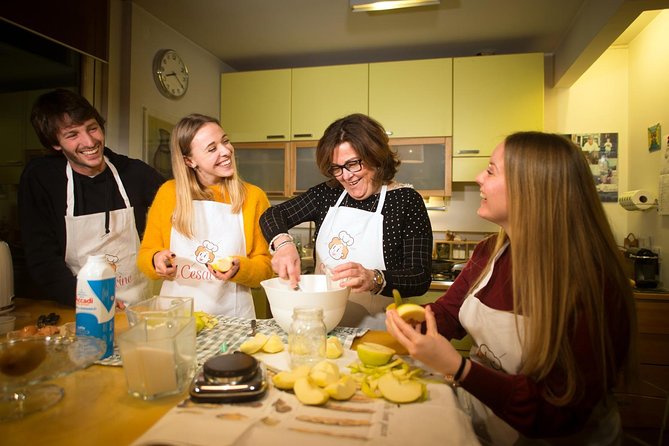
Learning cooking at a host’s home changes the whole vibe. In a restaurant kitchen, you often see speed and shortcuts. In a home setting, you tend to see method, patience, and how people organize themselves while cooking.
From classes described with hosts such as Maria Rita, Gilda, Eva, Silvia, and Teresa, the strongest pattern is warmth plus practical teaching. People describe being taught how to roll dough, shape pasta, and work through steps without intimidation. Some hosts are also very hands-on with translation support through family members, using English or help from someone who can bridge the language gap.
Still, here’s the fair caution: one experience flagged that the host’s involvement leaned more toward doing the cooking while participants watched, which can feel disappointing if you expected heavier coaching throughout every stage. If you’re booking because you want to learn by doing, arrive ready to jump in, and don’t be shy about asking what you should do next during the active cooking stage.
Tasting time and local wine: why this part matters
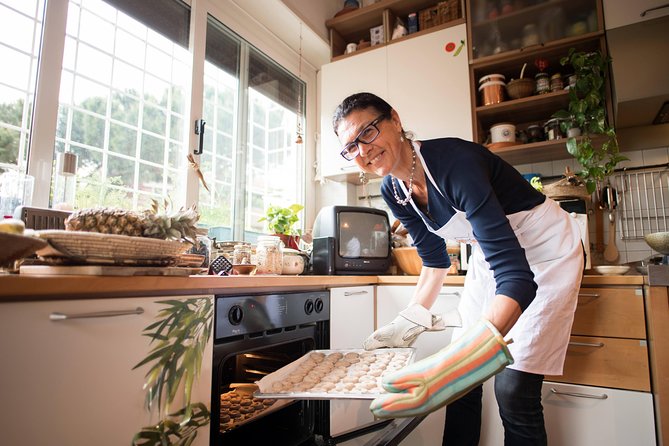
The class isn’t only about cooking. The point is that you eat what you made. You’ll taste your meal with a glass of local wine, which turns the session into a complete Sicilian moment: hands floury, conversations going, then a relaxed sit-down to enjoy the results.
This is one of the reasons I think the format is good value. Many cooking classes end with a few bites. Here, the meal is treated as a real dinner. People describe having a lot of food, including more than they expected after the cooking work. If your goal is to leave with both skills and a full, memorable meal, this format fits.
Also, if your host is the type who uses herbs or makes small herb-infused drinks, you might get extra tastes tied to the garden or local traditions. That kind of detail depends on the host, but it’s the sort of thing that makes the night feel personal.
You can also read our reviews of more cooking classes in Syracuse
Price and value: is $174.69 per person fair?
At $174.69 per person for about 3 hours, you’re paying for several things at once:
- A private class (your group only)
- A home setting with a host’s undivided attention
- A full meal structure: starter + regional pasta + dessert
- Wine included with the tasting
The best value is for people who truly want to learn hands-on, especially pasta technique. If you love cooking or you want a repeatable skill like making fresh pasta at home, this can feel like a bargain because restaurant dining would be extra on top.
Where it can feel pricey is if the class turns into mostly watching, or if you were expecting every sauce element to be homemade from scratch. One lower rating pointed out a disappointment when something like pesto was not made as expected. That doesn’t mean it’s common, but it’s a good reminder to treat this as host-dependent.
My advice: go in with the right mindset. Your win condition should be learning technique and enjoying a real home meal, not expecting a single identical menu experience every time.
Logistics in Syracuse: meeting point, transport, and parking reality
This starts in Syracuse and ends back at the meeting point. The activity is listed as near public transportation, which helps a lot if you don’t want to fight for parking in the tight parts of the city.
Parking can still be tricky around residential streets, and one experience mentioned that parking near the apartment was difficult. If you’re driving, give yourself extra time and be ready to walk the last stretch. If you’re using transit, you’ll likely find it easier to reach the area and focus on the meal.
The class also includes a mobile ticket, which makes arrival simpler. Just make sure your phone battery is solid before you head out.
Sanitation and distance rules you should expect
The hosts follow sanitation guidance and provide essential supplies for guests, like paper towels and hand sanitizing gel. The guidance also mentions keeping 1 meter distance where possible, and wearing masks and gloves if you can’t.
This is practical information for planning your comfort level. You don’t need to bring a full kit; the home should provide what’s needed. Still, if masks and gloves aren’t part of your usual travel routine, it’s smart to pack them anyway so you’re not scrambling on the spot.
Who should book this class (and who might not)
This is a great fit if you:
- Want a hands-on evening focused on Sicilian technique
- Love pasta and want to practice how it feels, not just eat it
- Enjoy learning from real home cooks with personal stories and local habits
- Prefer a private setting where questions are actually possible
You might hesitate if you:
- Expect the host’s teaching style to be identical to a cooking school class
- Are the type who needs every single sauce and component to be made entirely from scratch during the session
- Have trouble with parking and can’t flex your timing for a residential neighborhood
Should you book this Cesarina home cooking class?
If you’re coming to Syracuse for more than museum stops and seafood plates, I’d book this. The private home setting plus the regional pasta focus gives you a strong “learn and eat” payoff in about 3 hours, and the wine makes it feel like an actual evening.
My final decision rule is simple: book if you want to participate, ask questions, and treat the menu as a Sicilian home meal shaped by what your host has ready that day. Pass or reconsider if your main goal is a tightly scripted, classroom-style experience with zero variation from host to host.
If you do book, set yourself up for success: wear comfortable clothes for flour and heat, arrive a little early if you can, and jump in at the first pasta step. That’s when these classes tend to turn from nice into memorable.
FAQ
What dishes will I make in this Syracuse cooking class?
You’ll make a seasonal starter, a regional pasta (such as Pasta alla Siracusana or Pasta alla Carrittera, or something similar), and a typical dessert (such as almond paste or a similar regional dessert).
How long is the cooking class?
The class lasts about 3 hours.
Is this class private, and is it offered in English?
Yes. It’s a private tour/activity for your group only, and the class is offered in English.
What happens at the start and end of the experience?
You start in Syracuse and the activity ends back at the meeting point.
Is wine included?
Yes. Your tasting includes a glass of local wine with the meal.
What sanitation steps are in place?
The homes provide essential sanitation equipment (like hand-cleaning supplies). The guidance includes keeping distance when possible, and wearing masks and gloves if you can’t maintain that distance.