REVIEW · SYRACUSE
Sicilian Cooking Class with Greek Theatre View
Book on GetYourGuide →Operated by Empeeria · Bookable on GetYourGuide
Pasta, wine, and a Greek theatre view. That mix is why this Sicilian cooking class in Syracuse feels special: you cook hands-on and you eat with a Greek Theatre of Syracuse view right there from the dining room. I love the way Maria Rita and her family keep things friendly and practical, plus how you leave with recipes you can actually repeat at home. One drawback to consider: it’s in a local home setting and it’s popular, so you’ll want to arrive on time and pay attention to the entry instructions.
I also like that the class is designed around real food needs. You can customize your menu for gluten-free, vegan, vegetarian, or lactose-free preferences, and the small group size (10 max) makes it easier to get help while you’re rolling pasta and cooking.
In This Review
- Key highlights you’ll care about
- A Greek Theatre View From Maria Rita’s Table
- What You’ll Cook: 3 Courses Plus a Traditional Dessert
- The Hands-On Teaching: Pasta by Hand and Real Technique
- Mediterranean Ingredients With Seasonal Sense
- Dietary Options That Don’t Feel Like an Afterthought
- The Dining Experience: Wine, Atmosphere, and the Full Meal Moment
- How the 3-Hour Timing Feels in Real Life
- Small Group Size: Why 10 People Makes a Difference
- Price and Value: What $113.29 Really Buys You
- Who Should Book This Class (and Who Might Not Need It)
- Final Call: Should You Book This Syracuse Sicilian Class?
- FAQ
- How long is the Sicilian Cooking Class with Greek Theatre View?
- What will we cook during the class?
- Can the menu be adapted for dietary restrictions?
- Is wine included?
- What’s included in the price?
- How big is the group?
- What languages are offered?
- What’s the cancellation policy?
Key highlights you’ll care about
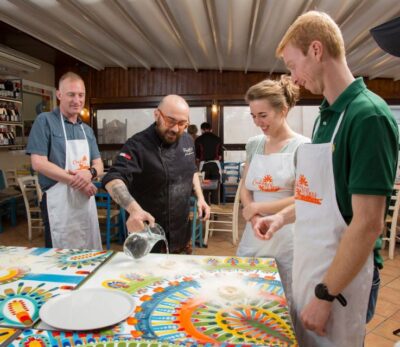
- Greek Theatre of Syracuse view while you dine, not just while you stand around
- Hands-on cooking for a full 3-course menu plus a traditional Sicilian dessert
- Dietary customization including gluten-free and lactose-free options
- Small group size (10 max) so the pace stays human
- Wine included with the meal you cook
- Recipes to take home, so your vacation food doesn’t vanish after one night
A Greek Theatre View From Maria Rita’s Table
This isn’t a demo class where you watch and hope. It’s a real cooking session in Maria Rita’s home, and the view is part of the meal, not an afterthought. When you sit down at the end, you get that Syracuse Greek Theatre backdrop through the dining setup—many people remember it as the best seat in the house because you can actually see and enjoy it while you eat.
I love that the experience blends two kinds of travel value at once. First, you get practical cooking skills—how to make pasta by hand, how to assemble classic Sicilian dishes, and how Mediterranean flavors come together. Second, you get a sense of place. Syracuse isn’t just a backdrop here; the Greek Theatre view gives your meal a clear story.
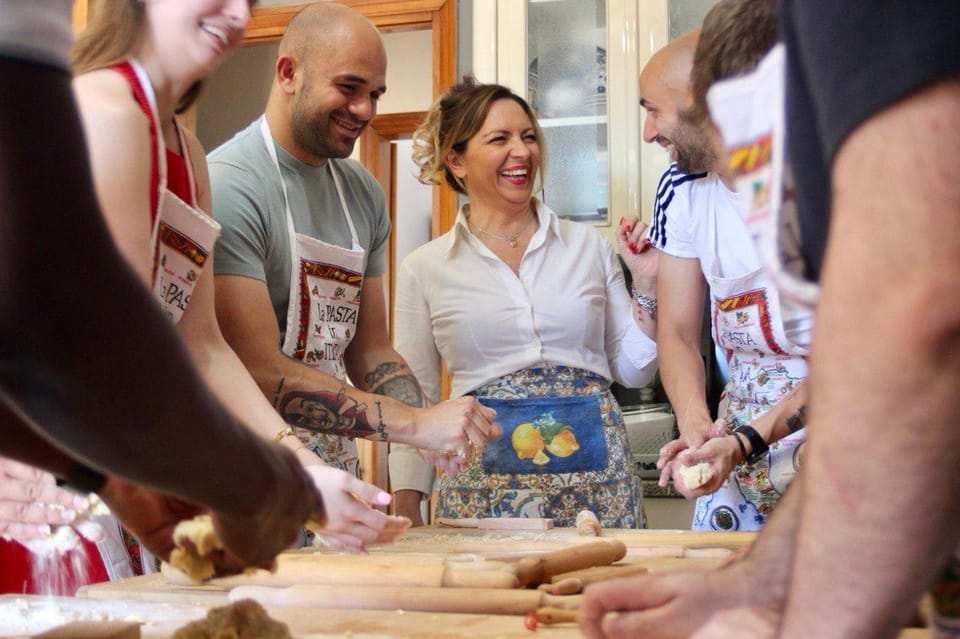
One more thing I appreciate: the hosts treat it like hospitality, not performance. Maria Rita and her husband (often mentioned as Pepe or Giuseppe) set a warm, slightly funny tone, which matters because cooking is easier when you’re not tense. You’ll be busy, yes—but you’ll also feel welcomed the whole way.
You can also read our reviews of more cooking classes in Syracuse

What You’ll Cook: 3 Courses Plus a Traditional Dessert
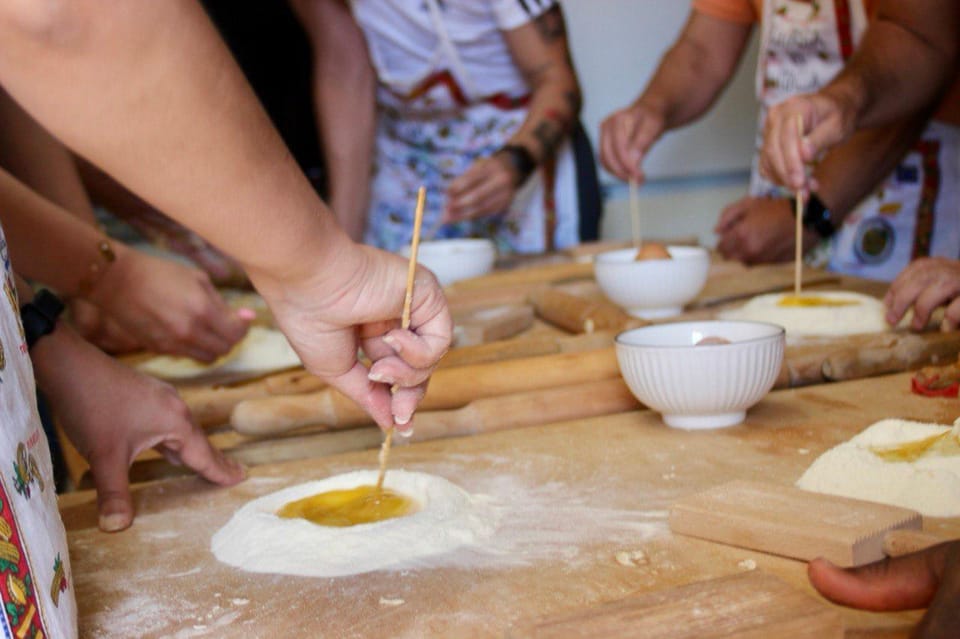
The core promise is simple: you’ll prepare a menu of 3 courses and a traditional Sicilian dessert. The exact dishes can vary based on your group’s preferences and dietary needs, but the kinds of dishes you’re likely to make are very classic Syracuse-and-Sicily style.
From the menu types people describe, you’ll often see a mix like:
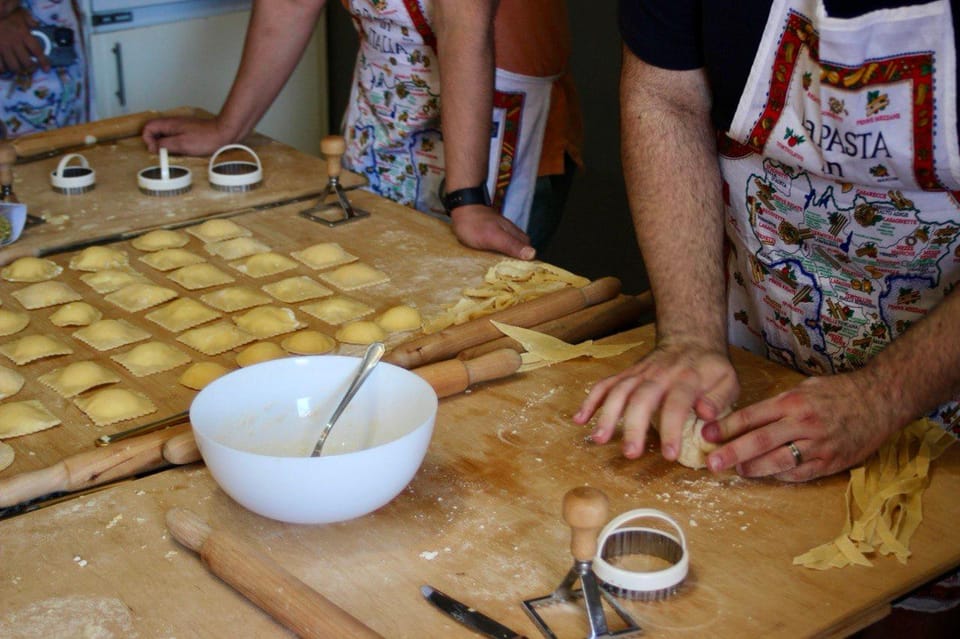
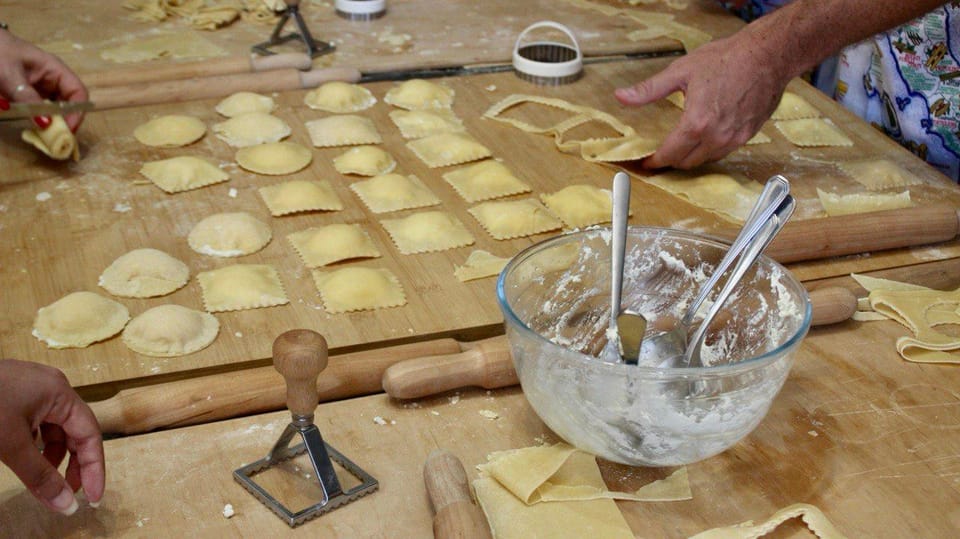
- Fresh pasta made from scratch, frequently rolled by hand (no machine), sometimes paired with Sicilian pesto or similar sauces
- A main course that leans Sicilian, which may include fish options (some sessions mention swordfish) or other traditional preparations
- Vegetable-forward Sicilian classics, including options like eggplant-based dishes or caponata-style flavors
- Dessert that’s unmistakably Sicilian, with cannoli and tiramisu showing up as favorites in multiple accounts
Even if you don’t end up making the exact same dishes as the next group, the method stays consistent: you learn what you’re doing, why the ingredients work, and how Sicilian kitchens build flavor without fancy shortcuts.
Practical tip: tell Maria Rita what you want to eat and what you need to avoid. People repeatedly mention she adjusts menus thoughtfully, including for celiac and lactose intolerance. That matters because Sicilian cooking often uses flour, cheese, and wheat-based ingredients unless someone plans around it.
The Hands-On Teaching: Pasta by Hand and Real Technique
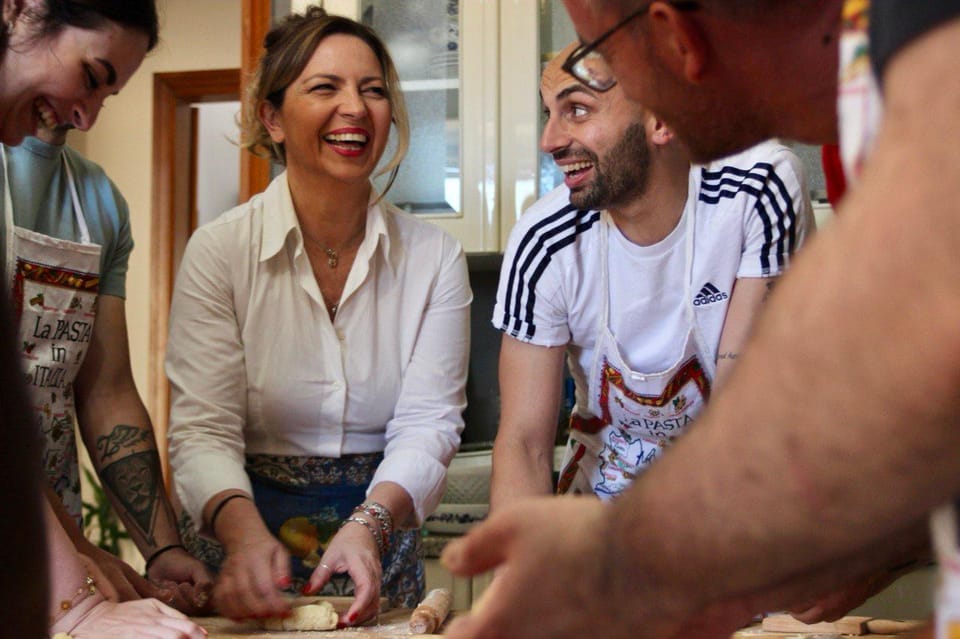
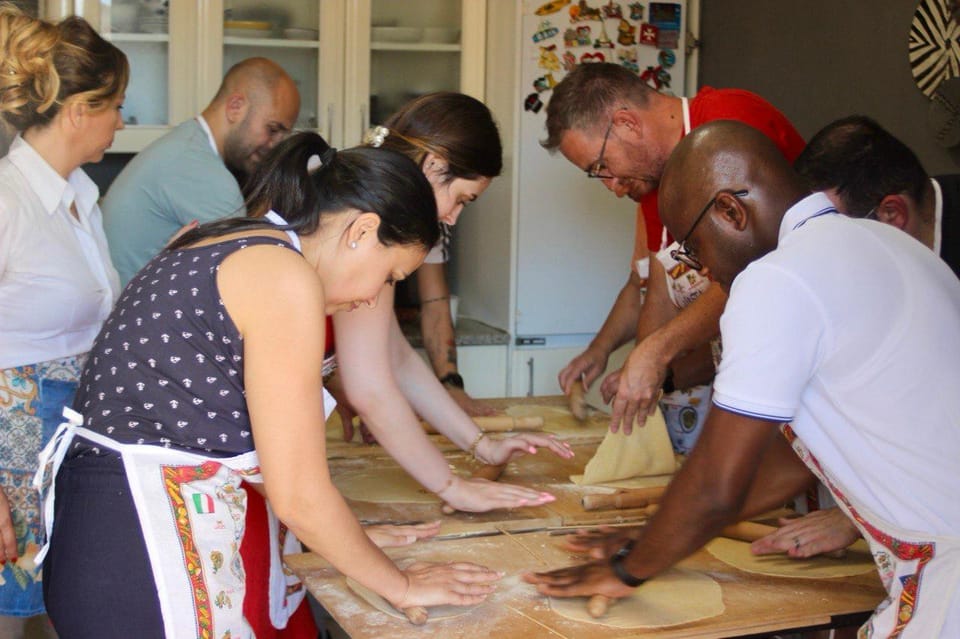
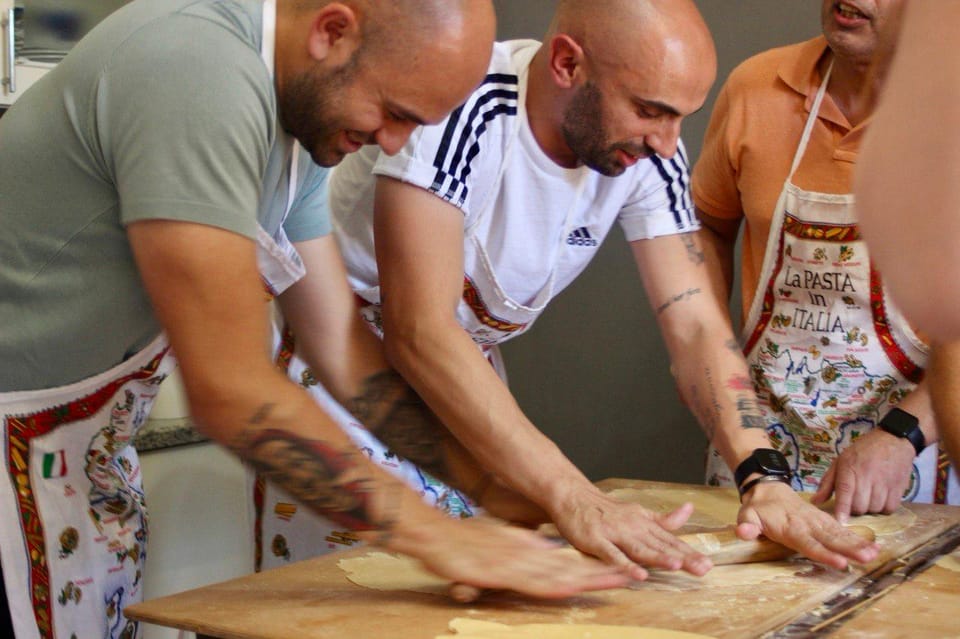
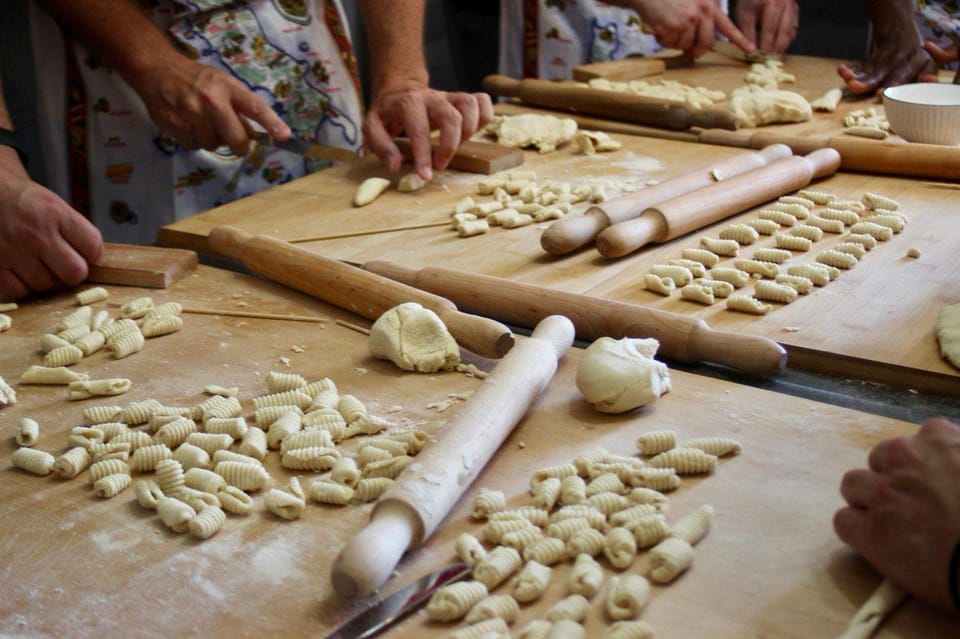
The best part of this class is how much you actually do. Many accounts highlight that you make pasta from scratch and that the dough work is hands-on, including rolling pasta without a machine. That’s a big deal. Pasta made this way teaches you texture and timing—how the dough should feel before it cooks, and how to shape it so the sauce clings instead of sliding off.
You’ll also learn how Sicilian recipes think in steps:
- Build flavor through ingredients you can name: olive oil, herbs, garlic, nuts or almonds in pesto-style sauces
- Balance richness with acidity or sweetness (common in Sicilian cooking)
- Use the season: fresh, seasonal ingredients are part of the class approach, so the menu isn’t random
I like that the teaching is patient. People mention humor and clear instructions, plus the hosts checking in while you work. That’s crucial if you’re the kind of person who gets nervous when kitchen skills aren’t your strongest hobby.
And you get recipes. That’s often the missing piece in cooking classes. Here, you’re not just eating a great meal tonight—you’re leaving with something that lets you recreate the dishes back home.
Mediterranean Ingredients With Seasonal Sense
This class leans hard into fresh, seasonal ingredients. That sounds obvious, but in practice it changes the whole experience. The goal is to recreate Mediterranean recipes the way they’re meant to taste—less about “restaurant plating” and more about the ingredients doing the heavy lifting.
Sicilian food is built on contrasts: simple ingredients treated with care, plus bold flavor where it counts. Herbs and citrus energy show up in sauces. Nuts and almonds show up in Sicilian sweets and pesto-style preparations. Vegetables get cooked with respect instead of turning into side dishes that disappear.
What that means for you: if you’ve eaten Sicilian food before in restaurants, this gives you the ingredient logic behind what you tasted. You’ll start to recognize why certain combinations work together, instead of just remembering the name of the dish.
It also makes the class feel more “Sicily” than “Italian cooking class.” Syracuse and the surrounding area have a specific food rhythm—Mediterranean, practical, and proud of seasonal produce.
Dietary Options That Don’t Feel Like an Afterthought
If you need a specific diet, this is one of the better options in Sicily based on what people report. You can request gluten-free, vegan, vegetarian, or lactose-free modifications, and Maria Rita is described as careful and methodical—especially for celiac.
What I appreciate most is that the customization doesn’t sound like a generic swap. People describe:
- gluten-free pasta still tasting good (not just “edible”)
- careful handling to keep people included in the cooking process, not pushed aside
- lactose intolerance substitutions even showing up in dessert choices
This matters because many cooking classes treat dietary needs like a last-minute note. Here, the whole session is built around getting you to cook the menu you need to eat.
My advice: send your dietary needs clearly in advance when you book. If you’re celiac or have cross-contamination concerns, be direct. One of the recurring themes in the feedback is that the host understands cross-contact risk and takes it seriously.
You can also read our reviews of more tours and experiences in Syracuse


The Dining Experience: Wine, Atmosphere, and the Full Meal Moment
You don’t just stop after you cook. You sit down and eat what you made, and there’s local wine paired with the meal. That final step turns the class into a proper Sicilian dinner experience.
The setting is part of the magic. You’re in an elegant dining room with the Greek Theatre of Syracuse view—so the last hour feels like you’re celebrating instead of cleaning up. Multiple accounts mention balconies/terraces and the ruins/archaeological park vibe visible from the dining area, which is exactly the kind of “wow” you can’t get by eating quickly at a viewpoint.
Practical feel: because you cook, you’ll actually know what you’re tasting. You’ll recognize the sauce choices, the seasoning decisions, and the structure of each course. That makes the meal more satisfying than the average “class plus lunch.”
If you like food that teaches you, not just feeds you, this part is where it clicks.
How the 3-Hour Timing Feels in Real Life
The class runs about 3 hours. That’s a sweet spot. Long enough to make real progress—mix, shape, cook, and sit down. Short enough that you’re not spending your whole day stuck at a single activity.
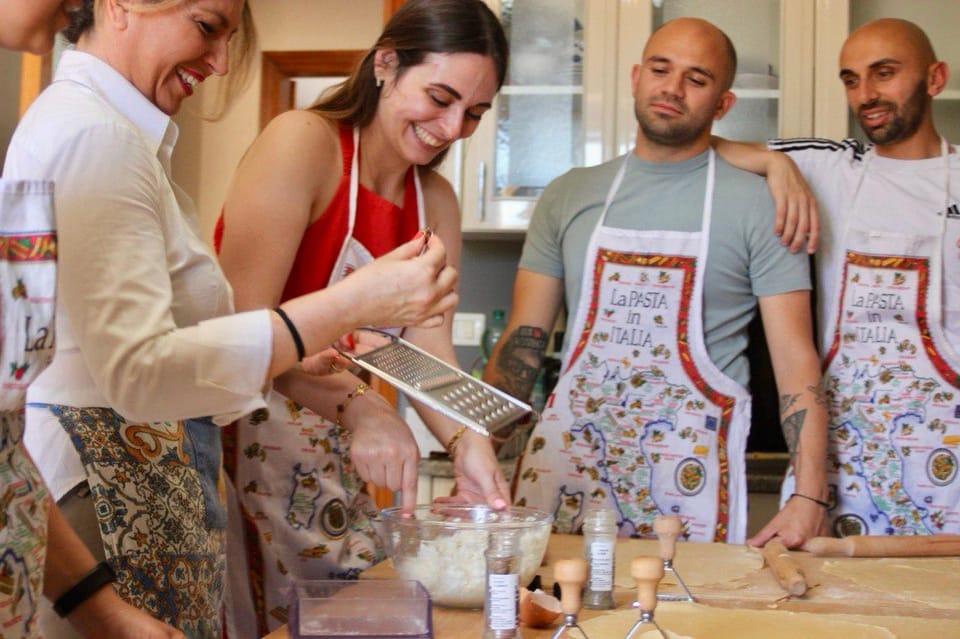
In a small group (10 max), the pace feels manageable. You’ll likely get hands-on time instead of waiting your turn for one cutting-board task. And because the hosts interact a lot—teaching, checking, correcting, and chatting—you don’t just follow a script.
One small caution from feedback: the entry can be a little tricky for some people. It’s not a deal-breaker, but do yourself a favor and follow the pre-arrival directions carefully so you don’t spend your first 10 minutes doing a stressful little scavenger hunt.
Small Group Size: Why 10 People Makes a Difference
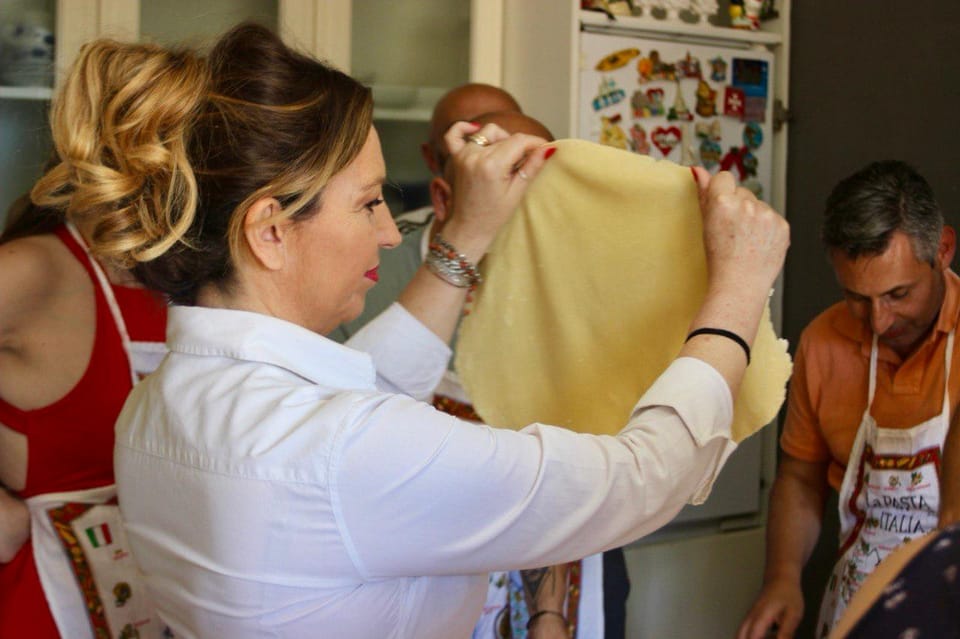
Limiting the group to 10 isn’t a marketing line here. It changes your whole experience.
With fewer people:
- the host can watch your technique while you’re working
- you get more chances to ask questions in the middle of the process
- the host can better handle dietary needs without turning the kitchen into chaos
- the class keeps a lively, family-home feel instead of becoming a production line
That’s also why the view experience lands. If you were larger, you’d split up and the dining moment would feel less intimate. Here, the final meal feels like the group is sharing the same Sicilian outcome.
Price and Value: What $113.29 Really Buys You
At $113.29 per person, you’re paying for more than a cooking lesson. You’re paying for:
- a full 3-course menu plus traditional dessert
- fresh, seasonal ingredients and a guided shopping/ingredient approach
- hands-on teaching, including practical pasta-making technique
- lunch (the meal you cook)
- beverage and local wine included
Compared with a meal plus cooking school separately, this stacks the value. You get a memorable setting (Greek Theatre view), skills you can repeat (recipes and technique), and the satisfaction of eating your own work in a real dining room.
The best way to think about the price: you’re buying a small-group evening/dinner event that’s part class, part meal, part Syracuse experience. If you’re trying to keep your time tight in Ortigia/Syracuse and want one activity that delivers on food and atmosphere, it’s a strong use of budget.
Who Should Book This Class (and Who Might Not Need It)
I think this is ideal for you if you:
- want hands-on cooking, not a passive food tour
- care about learning technique you can repeat
- need diet modifications and want them handled thoughtfully
- love Sicilian food culture and want it connected to place (Syracuse’s Greek Theatre)
It may be less ideal if you:
- dislike kitchens or cooking tasks and only want to watch
- want a super structured schedule with zero flexibility (this is a home-style class)
- expect restaurant pacing; this is slower, hands-on, and more conversational
If you’re traveling with kids, this can also work well. One account mentions a 12-year-old enjoying the experience and looking forward to making pasta and tiramisu later—so it can be a family-friendly kind of fun when the pace fits your group.
Final Call: Should You Book This Syracuse Sicilian Class?
I’d book it if your main goal is to leave Sicily with skills, recipes, and a meal you actually remember for more than the view. The combination of hands-on Sicilian cooking, dietary customization, and the Greek Theatre of Syracuse view makes it feel worth the time—and worth the money—especially in a small group.
Do it if you want something real: a home-style cooking lesson, clear guidance from Maria Rita, and a finishing dinner that feels like a celebration. If you’re on the fence, your deciding factor should be this: are you the type of person who likes to get your hands into the food? If yes, this class is a very strong fit.
FAQ
How long is the Sicilian Cooking Class with Greek Theatre View?
The class lasts about 3 hours. Exact starting times depend on availability.
What will we cook during the class?
You’ll prepare a menu of 3 courses and a traditional Sicilian dessert. The menu can be customized based on dietary needs and preferences.
Can the menu be adapted for dietary restrictions?
Yes. You can request gluten-free, vegan, vegetarian, or lactose-free options.
Is wine included?
Yes. The meal at the end is paired with local wine.
What’s included in the price?
Included are the cooking class, fresh seasonal ingredients, lunch, and a beverage.
How big is the group?
It’s a small group limited to 10 participants.
What languages are offered?
The host or greeter speaks English, Italian, and Spanish.
What’s the cancellation policy?
Free cancellation is available up to 24 hours in advance for a full refund.
If you want, tell me your dietary needs (and whether you prefer fish, pasta, or vegetarian dishes), and I’ll help you decide what to request so the menu fits your taste.