REVIEW · CATANIA
Catania: Pasta & Tiramisu Cooking Class at a Local’s Home
Book on GetYourGuide →Operated by Cesarine · Bookable on GetYourGuide
A good vacation meal is fine. A hands-on one changes how you taste Italy. This Catania cooking class is a cozy pasta and tiramisu lesson in a local’s home, led by a Cesarine host who teaches you step by step, then you sit down to eat what you made.
Two things I’d put on top: you learn to roll sfoglia (fresh pasta dough) by hand, and you make the Italian classic tiramisu in a real home-kitchen pace. The other big plus is the setting—many sessions are taught in a home with views over the city and Mount Etna, which makes the whole experience feel special without trying too hard.
One consideration: it’s in a private home, so you won’t get a big public venue feel. Also, the address stays private until after you book, so you’ll wait for the full details before you plan your exact route.
In This Review
- Key reasons this class is worth your time
- Pasta and tiramisu in Catania: why this feels more Italian than a demo
- What happens during the 3 hours (and where the time goes)
- Aperitivo warm-up (the mood-setter)
- Fresh pasta: learn sfoglia by hand
- Make two iconic pasta types from scratch
- Tiramisu: build the classic, then wait for it to set
- Taste everything you made
- The pasta skills you’ll actually use again at home
- Rolling sfoglia by hand
- Two pasta types, so you see pattern differences
- You get real feedback, not just instructions
- Tiramisu technique: the small steps that make it taste right
- Aperitivo, wine, and coffee: the meal feels complete
- Cesarine hosts in Catania: what “home cook” really means
- Price and value: what $112.15 buys you here
- Who should book this class (and who might skip it)
- A few practical tips before you go
- Should you book the Catania pasta and tiramisu class?
- FAQ
- What is the duration of the Catania pasta and tiramisu class?
- Where does the class take place?
- What’s included with the class price?
- Do I get to cook, or is it mostly watching?
- What languages are used during the class?
- Is the class suitable for wheelchair users?
- What is the cancellation policy?
- Is there an option to pay later?
Key reasons this class is worth your time
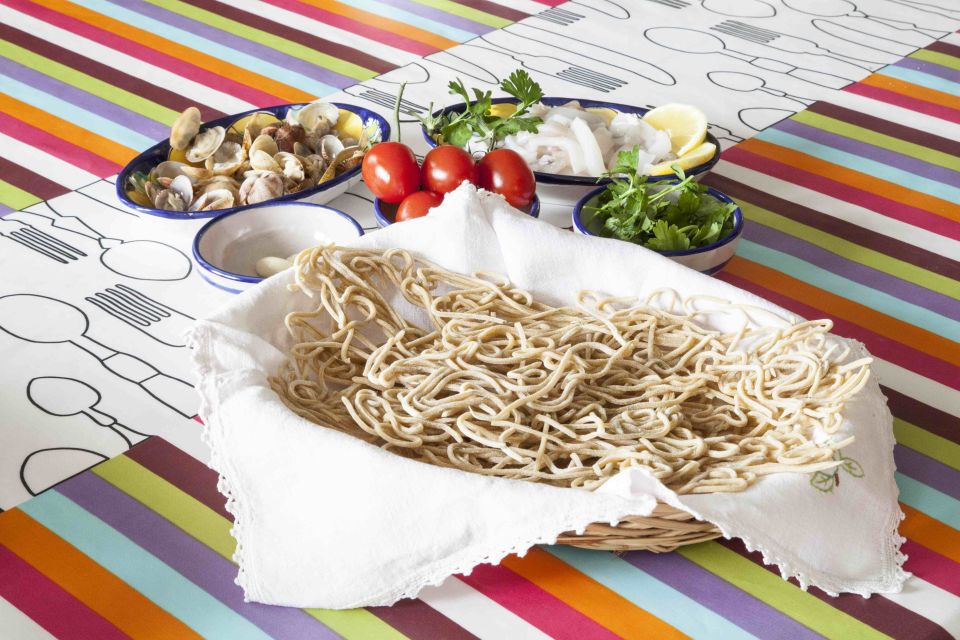
- Hand-rolled sfoglia instead of just assembling pasta shapes
- Two different pasta styles made from scratch with your host
- Tiramisu with real technique (not just a quick mix-and-go)
- Aperitivo first, so you’re in a good mood before the flour starts flying
- Cesarine home cooks open their own kitchens, with family-style teaching
- A meal you actually eat, paired with included drinks
Pasta and tiramisu in Catania: why this feels more Italian than a demo
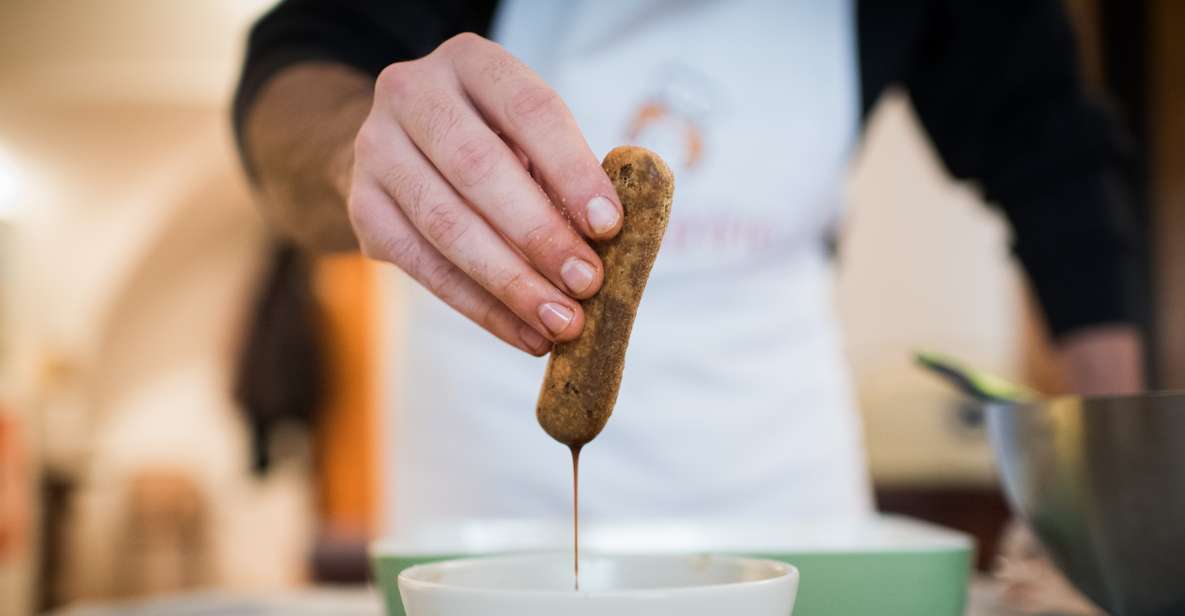
Catania has plenty of food experiences, but this one leans toward the daily rhythm of Italian life. You’re not watching from the sidelines. You’re learning how the dough behaves, how to shape pasta without shortcuts, and how a dessert like tiramisu comes together when timing matters.
The lesson runs about 3 hours, so it’s long enough to learn something practical, not so long that you feel cooked. And because it’s hosted in a home, the pace is usually calmer than a restaurant kitchen. You can ask questions, repeat steps, and actually get your hands in it.
I also like that this class is built around two “everyone in Italy recognizes it” foods: pasta and tiramisu. Once you know how the base dough and method work, you’ll understand why Italian cooking tastes the way it does—less about heavy sauces, more about texture, ingredients, and consistency.
You can also read our reviews of more cooking classes in Catania

What happens during the 3 hours (and where the time goes)
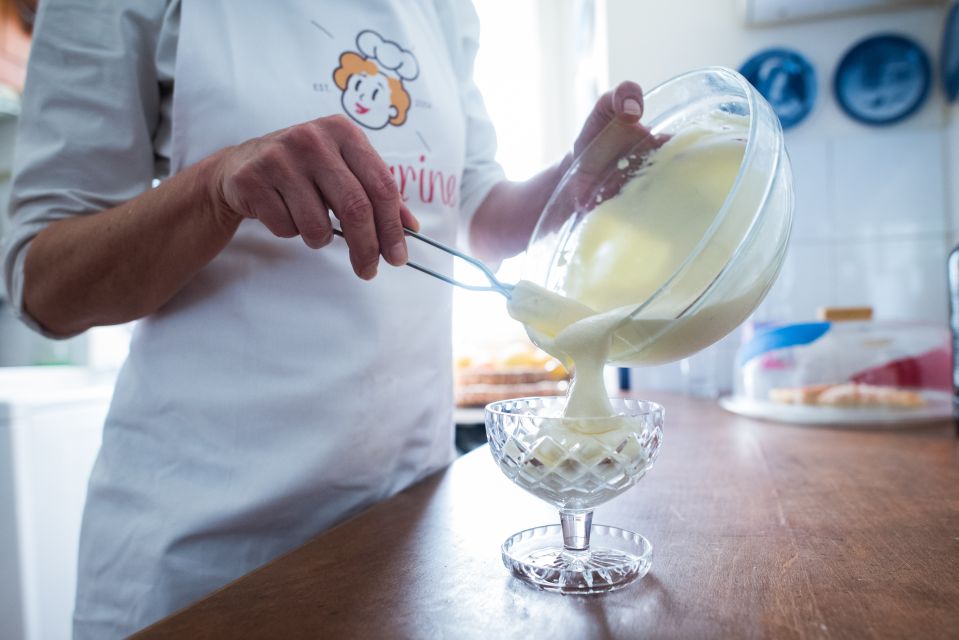
This class flows in a straightforward order: warm-up drinks, pasta teaching, then dessert—followed by tasting everything you made.
Aperitivo warm-up (the mood-setter)
You start with an Italian aperitivo—prosecco and nibbles are included. This is more than a snack. It gets you into the rhythm Italians use before a meal: drink a little, talk a little, then start cooking.
It’s also a social part of the experience. You’ll often be paired with other class participants in a small group setting (the exact group size isn’t listed, but it’s clearly designed for hands-on work in a home). This is the moment to ask practical questions about ingredients and technique.
Fresh pasta: learn sfoglia by hand
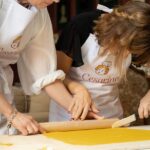
Next comes the centerpiece skill: rolling sfoglia (fresh pasta dough) by hand. If you’ve only had fresh pasta from a package, this part is a wake-up call. The dough isn’t complicated, but it does have rules—feel, pressure, rest, and thickness all matter.
You’ll learn how to work the dough so it becomes smooth and elastic enough to roll thin. Expect plenty of “do this, then check that” teaching, and you’ll get hands-on help as you go.
Make two iconic pasta types from scratch
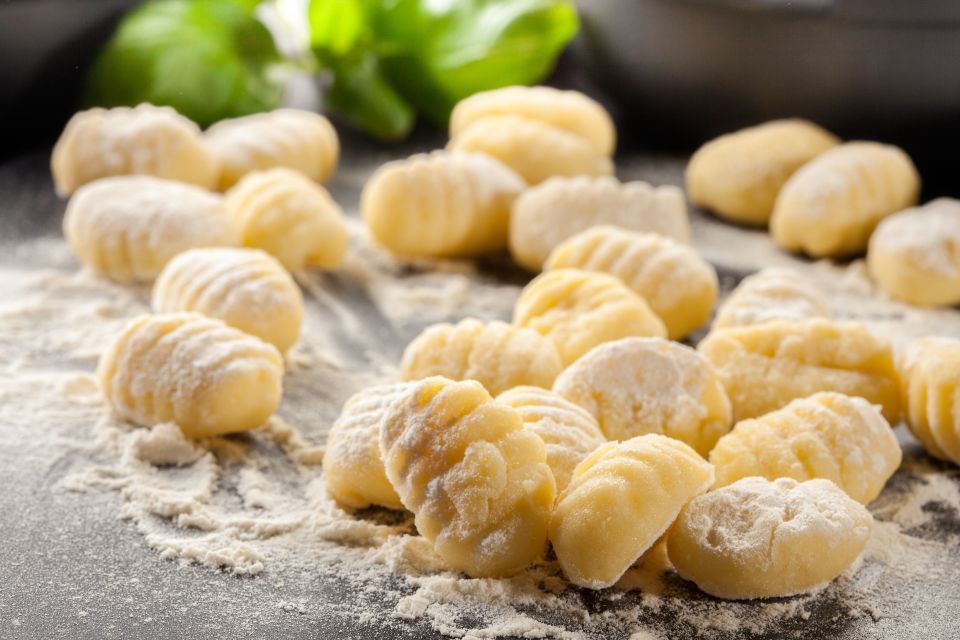
Then you move from dough to shapes. The class is designed so you prepare two iconic pasta types from scratch. Some sessions end up including shapes like tortelli/tortellini, since that shows up in teaching experiences linked to this program—but the core point stays the same: you learn more than one pasta format, so you see how different shapes affect cooking and eating.
You’re not just forming. You’ll learn how the dough transitions into the final pasta shape, how to handle filling or wrapping steps (if included in your specific pasta choice), and what to watch for so the pasta holds up in cooking.
You can also read our reviews of more tours and experiences in Catania

Tiramisu: build the classic, then wait for it to set
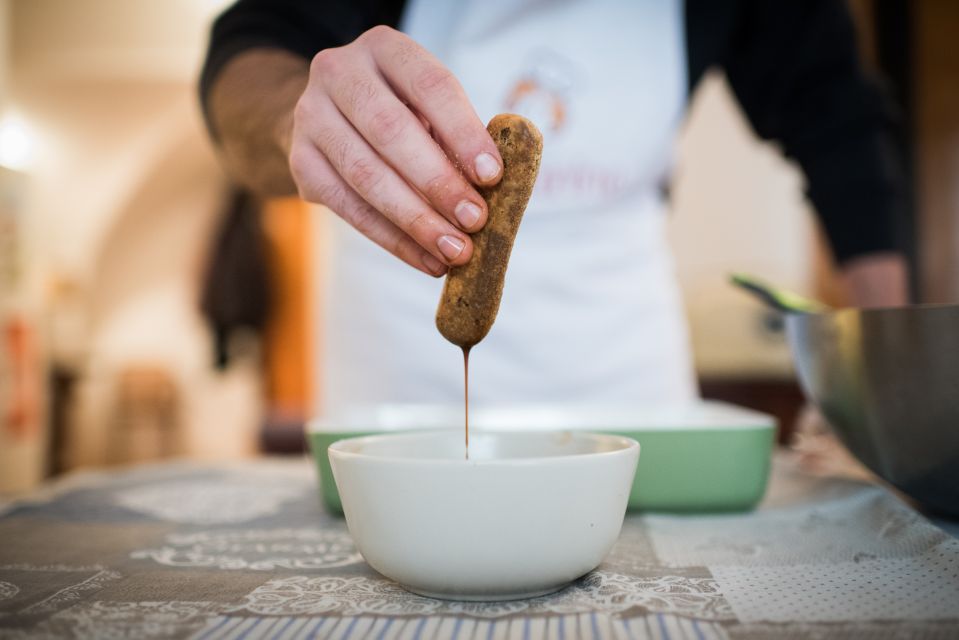
Finally, you make tiramisu. This isn’t a throw-together dessert if you want it right. Tiramisu depends on balance—how the cream texture holds, how the coffee-soaked layers behave, and how long it needs to settle.
You’ll learn the steps and timing that make it work. Several teaching stories highlight that tiramisu is often made with enough lead time to set before you eat, which makes the dessert taste better rather than rushed.
Taste everything you made
You’ll then eat the fruits of your labor: tasting of the two pasta recipes and the tiramisu. Drinks included in the experience cover water, wines, and coffee, so the meal is complete rather than just a “here’s a bite” situation.
The pasta skills you’ll actually use again at home
The best part of this class is that you leave with technique, not just a memory. Here’s what’s most useful.
Rolling sfoglia by hand
Hand-rolling teaches you how dough should feel under your hands. You learn what thin means in practice, not just in theory. That matters because pasta texture changes fast: too thick and it feels heavy, too thin and it can get fragile.
Also, once you understand the dough behavior, you can adapt the process next time even if the recipe differs.
Two pasta types, so you see pattern differences
Making two types is smart. Different shapes mean different handling steps, and you start to understand why Italian pasta isn’t one-size-fits-all.
One day you might work toward a filled or folded style; another pasta might involve a different shaping method. Either way, you’ll end up with a broader mental toolkit for Italian cooking at home.
You get real feedback, not just instructions
Because it’s a home kitchen, the teaching tends to be close and practical. You’ll notice that hosts often guide you by watching your specific motions—how you press, how you roll, how you keep even thickness, and how you shape.
In multiple teaching accounts linked to this experience, hosts are praised for patience and clear instruction, which is exactly what you want when the goal is to learn, not to memorize.
Tiramisu technique: the small steps that make it taste right
Tiramisu is one of those desserts people think they know. Then you make it and realize the difference is in the details.
In this class, you learn how to build the dessert properly and why timing matters. Several teaching experiences highlight doing the tiramisu earlier so it can set before serving. That’s not trivia—it’s the reason the dessert has structure when you cut into it and when you take a spoonful.
You’ll also learn how the ingredients combine into a creamy, layered texture instead of a dessert that tastes off-balance. The class format keeps it practical: you assemble, you see what “right” looks like, and you eat what you made.
Aperitivo, wine, and coffee: the meal feels complete
Italy does food in phases. This class mirrors that with included drinks and a sit-down tasting.
You start with prosecco and nibbles during aperitivo. During the tasting, you get wine and coffee along with what you cooked. That pairing is a big part of the value: you aren’t paying for a lesson only—you’re paying for an experience that ends as a real meal.
And because it’s taught in a home, the flavors tend to feel straightforward and genuine, rather than staged. That’s where the best value lives: simple food, made well, in a setting that lets you slow down.
Cesarine hosts in Catania: what “home cook” really means
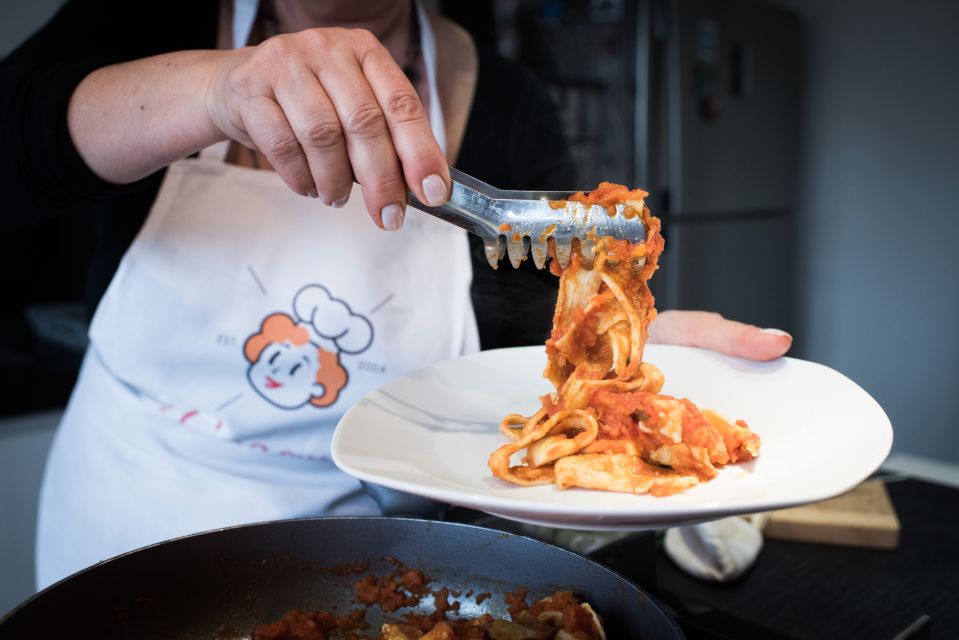
Cesarine is an Italy-wide network of home cooks. The idea is simple: an older, established network where people share their family methods instead of running a scripted show.
In Catania, you might be taught by hosts such as Graziella and Andrea, Maurizio, or Angela, and teaching stories often mention a warm, family-style welcome. Some hosts bring more personality than a typical instructor. One example linked to this program includes Maurizio who wrote a song to end the session—fun, a little theatrical, but still tied to the core point: the host wants you to feel at home.
You should also expect language support. The instructor is listed as Italian and English, which makes a big difference in a hands-on class. If you don’t speak much Italian, you’ll still be able to follow and ask questions.
Price and value: what $112.15 buys you here
At $112.15 per person, this isn’t a budget impulse. But it’s also not priced like a restaurant meal. You’re paying for instruction, ingredients, and a full included food-and-drink experience.
What’s included matters:
- Italian aperitivo with prosecco and nibbles
- Water, wines, and coffee
- Local taxes
- The pasta (two types) and tiramisu, plus tasting
For many people, the “aha” is that you’re not just eating. You’re learning the skill of dough and technique, then enjoying it with wine and coffee while it’s fresh. In other words, you’re paying for a meal and a class—two experiences in one block of time.
Who should book this class (and who might skip it)
This is a great fit if you:
- Want a hands-on cooking experience in Catania, not a passive tasting
- Care about learning technique (rolling dough, shaping pasta, building tiramisu)
- Prefer smaller, warmer settings in a local home
- Enjoy food that feels practical and everyday, not overly formal
You might skip it if you:
- Need wheelchair access (the class is listed as not suitable for wheelchair users)
- Want a large, hotel-style venue with lots of signage and impersonal flow
- Are looking for a super fast cooking shortcut (this is about doing it properly)
A few practical tips before you go
Bring a mindset more than a list. This is still a cooking class, so flour and hands-on work are part of the point.
- Wear clothes you don’t mind getting a little dough-stressed.
- Plan for an active 3 hours, even though the pace is calm.
- Come hungry. You’ll start with aperitivo, then you’ll cook, then you’ll eat.
Also, since the experience is in a private home, you’ll only get the full address after booking. That’s normal for privacy. Just don’t plan your timing around GPS directions from day one.
Should you book the Catania pasta and tiramisu class?
If your goal is to leave Catania with a useful skill and a meal you helped create, I think this is an easy yes. The combination—hand-rolled sfoglia, two pasta styles, and tiramisu—covers the iconic Italian hits in a way that feels personal and teachable.
It’s also a strong value because you’re not only learning; you’re eating with included drinks and coffee. If you’re excited by the idea of cooking in a real Sicilian home and learning from a Cesarine host who makes this part of their own life, this is exactly the kind of class that turns a vacation meal into something you’ll repeat back home.
FAQ
What is the duration of the Catania pasta and tiramisu class?
It lasts about 3 hours.
Where does the class take place?
It’s held in a local’s home in Catania. For privacy, you receive the full address only after you book, and the activity ends back at the meeting point.
What’s included with the class price?
It includes an Italian aperitivo (prosecco and nibbles), beverages like water, wines and coffee, local taxes, and the ingredients for two pasta types plus tiramisu, including tasting.
Do I get to cook, or is it mostly watching?
You cook. The experience is hands-on, and you learn to roll fresh pasta dough by hand and prepare two pasta types from scratch, then make tiramisu.
What languages are used during the class?
The instructor speaks Italian and English.
Is the class suitable for wheelchair users?
No, it is listed as not suitable for wheelchair users.
What is the cancellation policy?
Free cancellation is available up to 24 hours in advance for a full refund.
Is there an option to pay later?
Yes. The experience offers Reserve now & pay later, so you can book without paying today.