REVIEW · CATANIA
Cooking Class Arancini in Catania
Book on GetYourGuide →Operated by Futuro e Lavoro · Bookable on GetYourGuide
If you like comfort food with attitude, this class hits. You’ll cook in a real Catania kitchen lab, learn the two Sicilian symbols (arancino and almond paste), and finish with tastings you can actually taste through the whole process. I especially like the hands-on pace in a small group where you’re not just watching; you’re shaping, stuffing, and breading.
One thing to keep in mind: you’ll receive a booklet of recipes, but one past participant reported that it wasn’t complete for them. If you want rock-solid results at home, take a couple notes during the rice step and don’t be shy about asking for the exact rice method and quantities.
In This Review
- Key highlights you’ll remember
- Catania’s Arancini Lab: where technique becomes food
- From rice to arancino shape: the part most people skip
- Fillings and vegetarian choices: build it your way
- Almond paste in the same session: sweet Sicily, real steps
- Tastings, wine, water, and coffee: eating your way through the lesson
- The recipe booklet: useful keepsake with one caution
- Small group teaching: why 6 seats changes everything
- What you should bring (and what to wear)
- Who this class suits best
- Should you book the Cooking Class Arancini in Catania?
- FAQ
- How long is the arancini and almond paste cooking class?
- How big is the group?
- What languages are offered?
- What will I learn to make?
- Is there tasting during the class?
- Do I get recipes to take home?
- Is it suitable for young children?
Key highlights you’ll remember
- A real laboratory kitchen where you learn technique, not just a demo
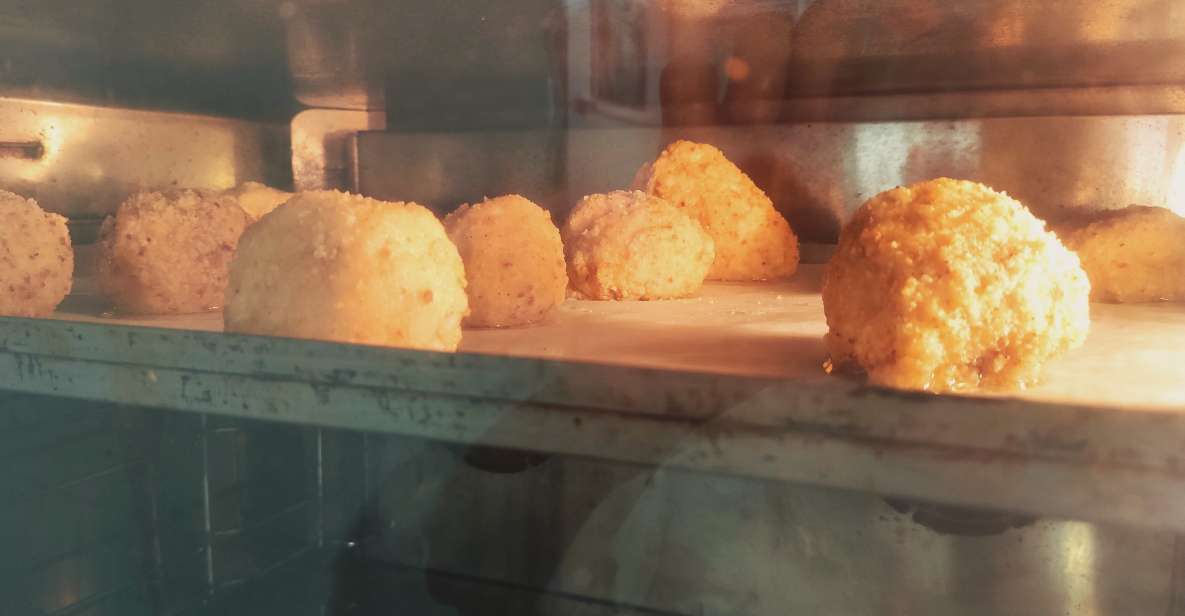
- Arancini from scratch: rice base, stuffing, and crunchy breading
- Vegetarian-friendly fillings as an option when you build your arancino
- Sicilian almond paste (pasta di mandorla) as the sweet companion
- Finish with tastings plus wine, water, and coffee
Catania’s Arancini Lab: where technique becomes food
Catania runs on food you can hold, share, and eat without ceremony. This class puts you right inside that mindset, with a structured 3-hour format and a small group capped at 6. Meet at the Laboratorio di cucina at the coordinates 37.51484298706055, 15.102240562438965, then get ready to work.
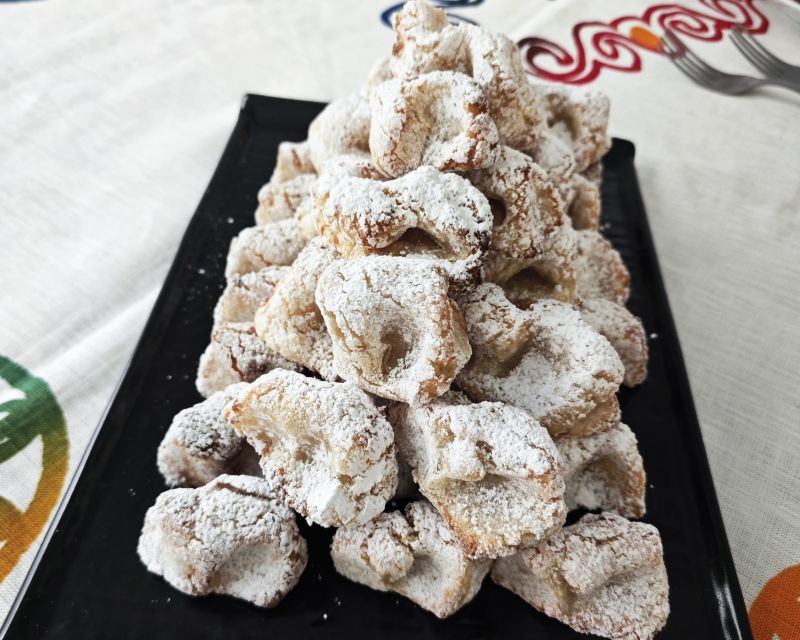
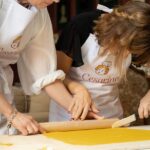
You’re there to make two things that represent Sicily in the world: arancino (the famous stuffed rice ball) and almond paste (pasta di mandorla). The best part is the teaching style. You’re not just following a recipe card; you’re learning why the rice behaves the way it does and what makes the outside crisp.
I also like the mix of skills in one session. You’ll touch savory and sweet, learn savory technique first, then pivot to almond paste so you leave with a full Sicilian “menu” you can repeat later. That makes the class feel practical, not just fun.
You can also read our reviews of more cooking classes in Catania
From rice to arancino shape: the part most people skip
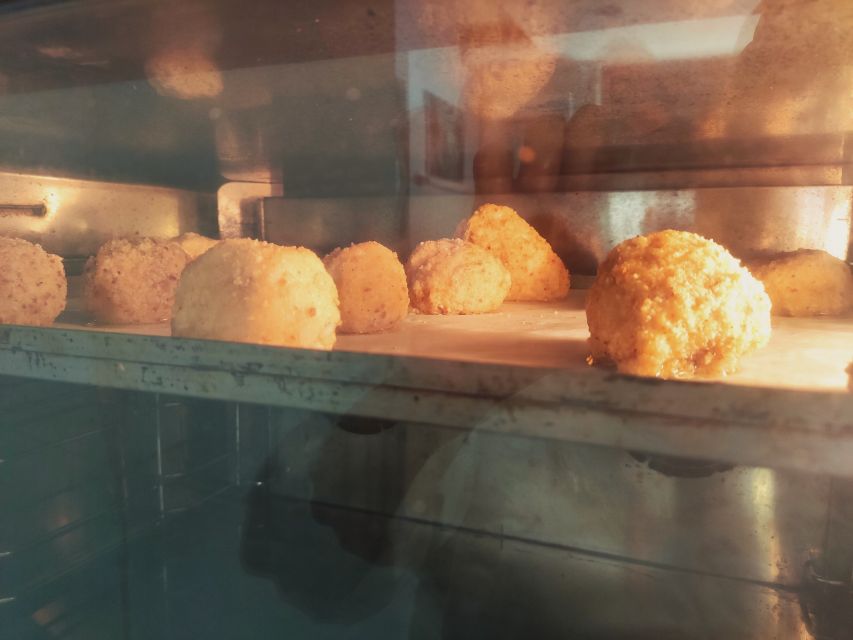
Arancini look simple until you make them and realize the rice has to be right. In this class, you learn how the rice that forms the arancino should be cooked, so the texture supports shaping and stuffing. This matters because overly loose rice can turn your arancino into a rice sculpture that won’t hold its shape.
Here’s how the lesson typically unfolds once you get started. You’ll cook the rice base, then you’ll learn how to portion it and form it into a base shape that can “hug” the filling. You’re aiming for rice that’s cohesive enough to shape, but not gummy in a way that ruins the bite.
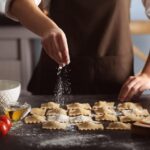
Then comes the “make it Sicilian” part: the outside crunch. You’ll be taught how to make the typical crunchy breading for your arancino, which is what gives the contrast between tender filling and crisp exterior. Expect to handle the coating step with care, because breading thickness and coverage can make the difference between crisp and soggy.
One practical tip for you: in any arancini class, the rice step is where you either get lifelong skills or lifelong regret. If you want to replicate at home, focus on the rice instructions—texture cues, not only ingredients—because that’s what will save your batches later.
Fillings and vegetarian choices: build it your way
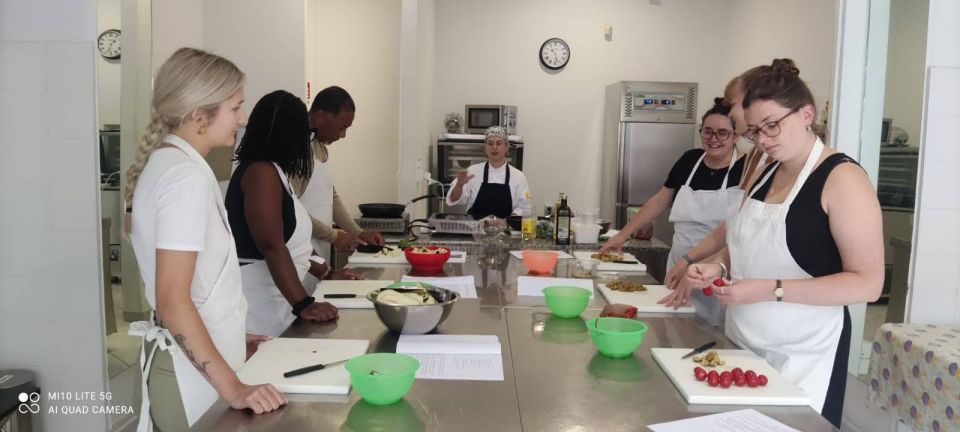
The class goes beyond one standard filling. You’ll make different types of fillings, then learn how to stuff the rice so the filling stays centered instead of leaking out like it’s trying to escape. This is where the class earns its keep: it teaches you assembly technique, not just flavor ideas.
You also have the possibility of vegetarian fillings, which is a big deal if you’re traveling with dietary preferences. Instead of forcing a plain version, you’ll still learn the stuffing workflow and the breading approach that works with different filling styles.
As you build your arancini, pay attention to how much filling you use. Too little makes the bite feel flat, but too much can create weak points where the rice shell struggles to close. In a hands-on class, you get immediate feedback because you can see (and fix) problems as you go.
And yes, you’ll taste what you make. The final tasting portion is one of the major joys of this experience, and it’s also a stealth lesson: you’ll quickly learn what filling styles you actually prefer once you’ve built them yourself.
Almond paste in the same session: sweet Sicily, real steps
Many food classes stop at dinner. This one doesn’t. After you get your savory technique down, you’ll move into making Sicilian almond paste—a sweet that feels deeply tied to island traditions.
You’re taught how to make the almond paste as its own process, not just as an add-on dessert. That means you learn how it should come together and what you’re working toward in texture and consistency. It’s also a nice mental reset after the hands-on rice work, because almond paste has a different rhythm.
This pairing (arancini plus almond paste) is one of the reasons the class works so well for you as a traveler. You end up with two skills sets: one for savory “street food energy,” and another for sweet that can hold its shape and become a gift-worthy treat.
If you’re the type who wants to bring Sicily home in more than one form, almond paste is the answer. It’s not just dessert for the day; it’s something you can make again when your kitchen needs a Sicilian mood boost.
Tastings, wine, water, and coffee: eating your way through the lesson
At the end, you’ll get a tasting of the various types of arancini and almond paste you made during class. This matters more than it sounds. When you’ve done the steps yourself, tasting becomes a quality check, not just a reward.
You’ll also be offered Sicilian-type wine, plus water and coffee. That simple menu is part of the value because the class doesn’t end with you walking out hungry. Instead, you get to sit with your results, compare bites, and enjoy the sweet-salty contrast that Sicily does so well.
If you’re worried you’ll only make one piece and call it a day, don’t. The structure is meant to let you make multiple arancini and also experiment with fillings. Some people come away with extra food to take home, which is handy on a hot day when your appetite might be doing its own slow fade.
And if you’re traveling with someone else, small-group work helps. You get interaction without chaos, and you can actually talk with your chef about what you’re doing right and what you’d fix next time.
You can also read our reviews of more tours and experiences in Catania
The recipe booklet: useful keepsake with one caution
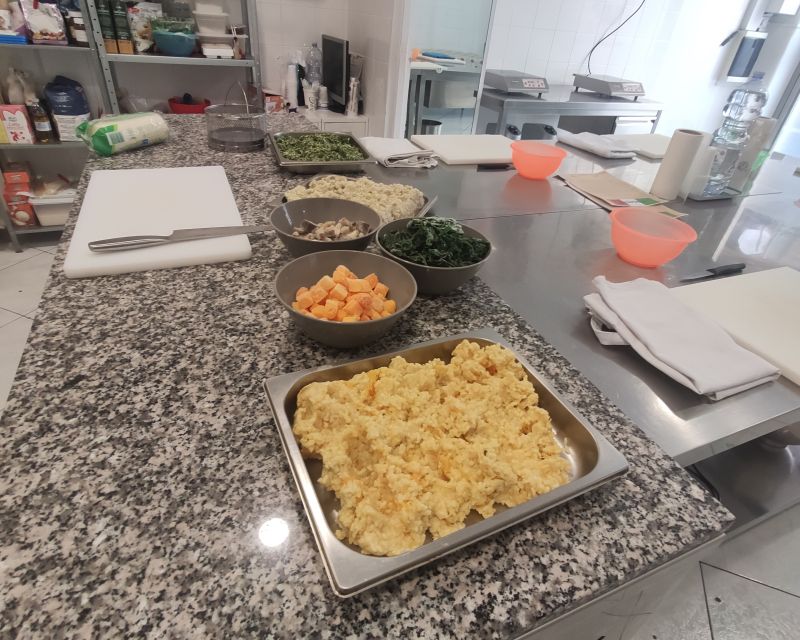
You’ll be given a booklet with all the recipes so you can make the dishes for friends and family back home. That’s the right idea. A class like this is only half learning; the real payoff is bringing it into your own kitchen.
That said, one past participant reported a booklet problem: the copy they received was incomplete and missing key rice instructions and quantities. This doesn’t mean your booklet will be the same, but it does point to a smart move for you.
Bring a pen, or use your phone notes, and write down what the chef says during the rice step. Even if you get full recipes, your best “secret ingredient” will be your own memory of texture and timing cues. If anything feels unclear, ask right then, because rice is unforgiving and almond paste benefits from accuracy.
Bottom line: plan to use the booklet as a reference, not as your only authority. With a couple notes from class, you’ll be in much better shape for replicating success.
Small group teaching: why 6 seats changes everything
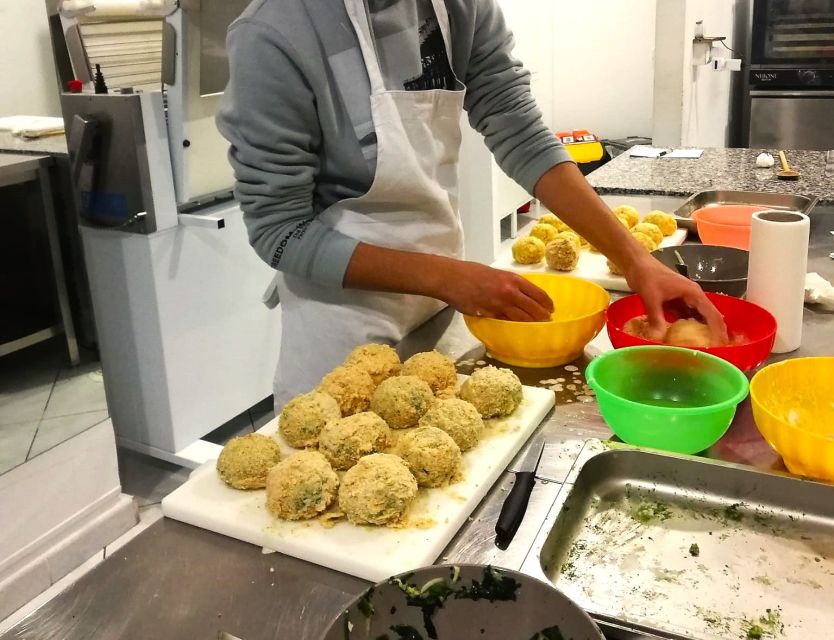
This is a small group class limited to 6 participants, which is exactly what you want for technique-heavy cooking. When there are fewer people, the chef can correct your rice texture, your stuffing amount, and your breading coverage without turning it into a speed-run.
Some sessions have been especially intimate, including setups where the class size was just two people. That kind of personal attention can make the difference between copying shapes and actually understanding how the method works.
The instructor teaches in English and Italian, and that bilingual approach helps a lot if you’re not fluent in Italian. Even if you’re comfortable with food vocabulary, cooking technique is easier when you can follow the explanation clearly and ask questions in the language you trust.
Also, because it’s a professional kitchen lab, you’re using the workspace like locals would. That gives the whole experience a grounded feel. You’re not in a tourist studio with props. You’re working like food workers do.
What you should bring (and what to wear)
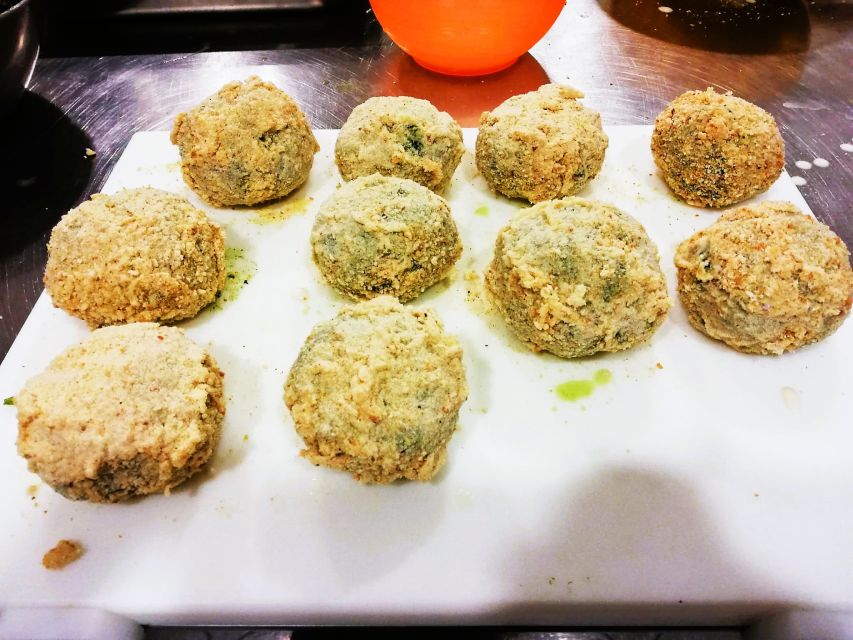
No special gear is listed, but you’ll still want to dress like you’re going to cook. Wear something you don’t mind getting flour or breadcrumb dust on, because breading has a way of doing what it wants.
If you have allergies, dietary limits beyond vegetarian fillings, or strong preferences, you should mention them when you arrive. The class does include vegetarian possibilities, but your exact options may depend on what your chef decides for that day.
And come ready to taste. This isn’t a class where you only eat at the end; you’ll sample the results and get guidance through the process.
Who this class suits best
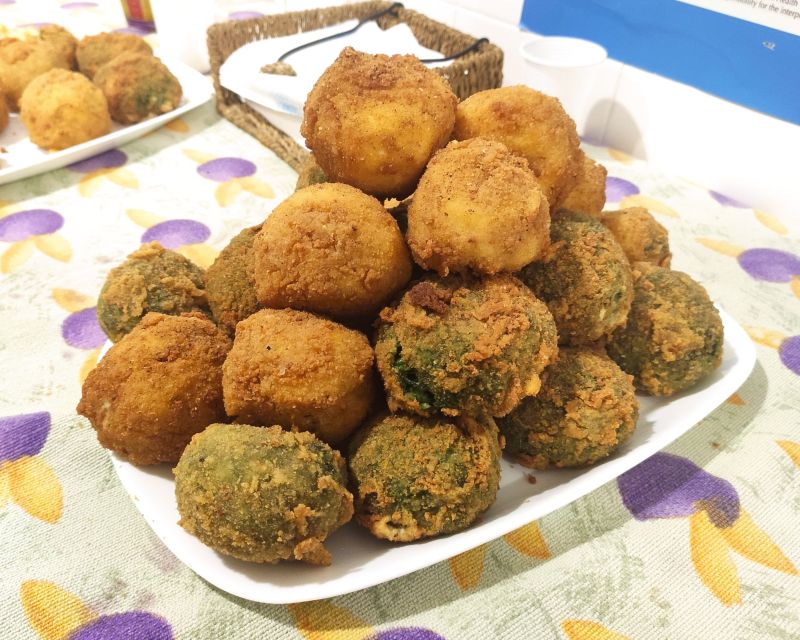
This cooking class fits you if you want more than a meal and less than a full course in Italian cooking. The structure is perfect for a 3-hour time slot in Catania, and the output is tangible: arancini and almond paste you can repeat later.
It’s especially good if you:
- want to learn how the rice should be cooked and how to shape it
- care about learning the crunchy breading step correctly
- want a sweet option that isn’t just store-bought dessert
- appreciate instruction in English or Italian
It may be less ideal if you want a perfectly printed, step-by-step packet with every quantity spelled out for you. Even though you get a booklet, one participant experienced gaps, so you’ll get more from the class if you actively take notes and ask questions during the rice part.
Should you book the Cooking Class Arancini in Catania?
I think you should book this class if you want hands-on Sicilian food learning in a real kitchen, with a small-group feel and a clear end product. The core value is technique: rice base, stuffing, and crunchy breading for arancini, plus real Sicilian almond paste skills you can bring home.
My main caution is the recipe booklet quality can vary. If you care about replicating perfectly, plan to take a few notes during the rice and assembly steps so you’re not relying only on the paper.
If you’re in Catania with about 3 hours free and you’d like to leave with real cooking confidence (not just a full stomach), this is a strong pick.
FAQ
How long is the arancini and almond paste cooking class?
The class lasts 3 hours.
How big is the group?
It’s a small group limited to 6 participants.
What languages are offered?
The instructor teaches in English and Italian.
What will I learn to make?
You’ll learn how to make typical Sicilian arancino (arancini), including rice preparation, fillings (with the possibility of vegetarian fillings), and crunchy breading. You’ll also learn how to make Sicilian almond paste.
Is there tasting during the class?
Yes. At the end, you’ll have a tasting of the arancini and almond paste, with Sicilian-type wine, water, and coffee.
Do I get recipes to take home?
Yes. You’ll be given a booklet with the recipes.
Is it suitable for young children?
It’s not suitable for babies under 1 year and children under 2, 3, or 4 years old.