REVIEW · CATANIA
Catania: Pizza Cooking Class
Book on GetYourGuide →Operated by Futuro e Lavoro · Bookable on GetYourGuide
Sicily makes pizza feel personal. In this Catania pizza cooking class, I loved the hands-on pace and the small-group attention from chef Simona, and you’ll leave able to cook a proper Sicilian-style pie at home. One drawback to weigh: the cannolo moment is set up as a show-style lesson, so the filling technique gets taught, but you’re not in a full solo pastry marathon.
In about three hours, you’ll prep pizza, make and cook the iconic scacciata catanese (that savory stuffed bread/pocket), and finish with a tasting. If you want food you can actually repeat later, this format is built for that, not just for a quick taste-and-go demo.
In This Review
- Key highlights you’ll care about
- Catania pizza class: why it feels more Sicilian than Italian-tour
- Meet your pizzaiolo: chef Simona and the small-group advantage
- Your workstation is prepped for success (so you cook, not hunt)
- Pizza preparation: building dough habits you can repeat at home
- Degustazione: tasting isn’t an afterthought here
- Scacciata catanese: the stuffed-pocket skill that surprises people
- Cannolo show cooking: learning the filling technique after your savory work
- What makes the class so repeatable back home
- Price and value: $101.96 for 3 hours of real cooking
- Language, timing, and how to plan your day in Catania
- Who should book this Catania pizza cooking class
- Should you book it or skip it?
- FAQ
- How long is the Catania pizza cooking class?
- How big is the group?
- What languages is the instructor comfortable with?
- What will I make during the class?
- Is it hands-on or mostly watching?
- What’s the cancellation and payment flexibility?
Key highlights you’ll care about
- Small group of up to 8 means more time at your station, fewer people watching
- Pizza + scacciata catanese in one sitting, so you learn more than one Sicilian trick
- Chef Simona in Italian and English keeps explanations clear, even if your Italian is rusty
- Cannolo filling technique shown as a focused lesson after the dough work
- Degustazione at the end, so you get to compare what you made with the classic flavors
Catania pizza class: why it feels more Sicilian than Italian-tour
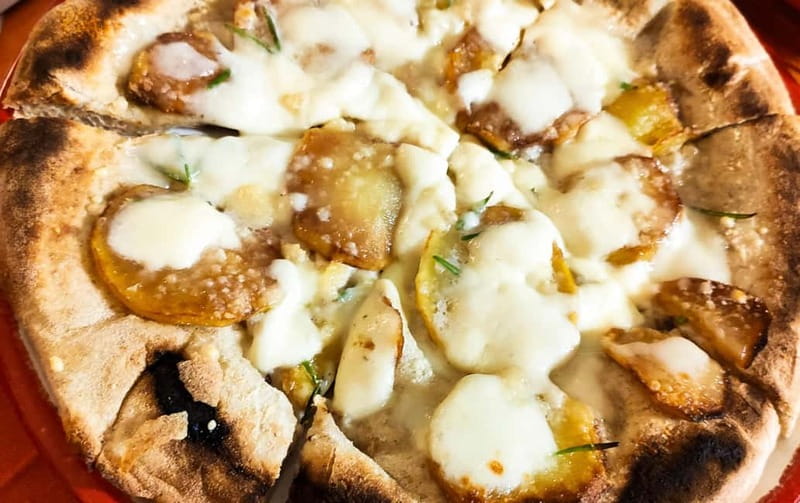
Catania sits on Sicily’s east side, and food there carries a practical, no-fuss attitude. This Catania pizza cooking class matches that mindset. You’re not just learning generic pizza. You’re learning how Sicilians build flavor with local habits—dough work, savory fillings, and those iconic sweets that show up at celebrations.
What makes it interesting is that it mixes two kinds of cooking skills. You spend time doing the real foundational stuff (prepping and shaping pizza). Then you switch gears to a stuffed Sicilian specialty (scacciata catanese). Finally, you end with a classic dessert technique—cannolo filling—so you walk away with a bigger flavor toolbox than you expected.
You can also read our reviews of more cooking classes in Catania

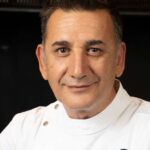
Meet your pizzaiolo: chef Simona and the small-group advantage
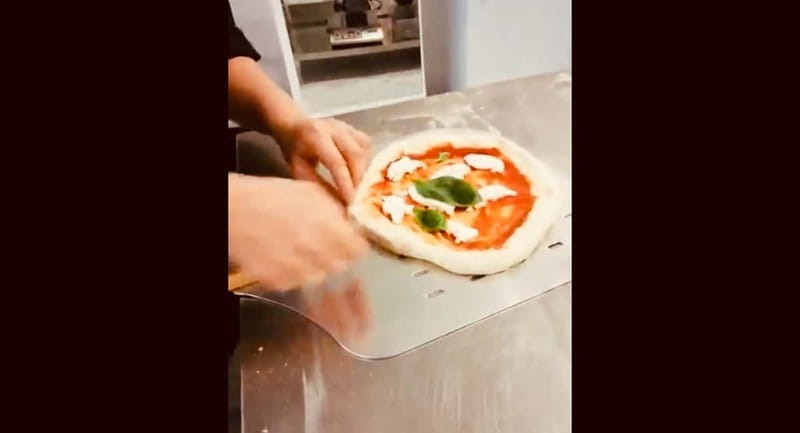
You’ll be looked after throughout the lesson, and that matters. Cooking classes can either be helpful or chaotic. This one is structured so your station is ready with the ingredients you need, and your instructor guides you step-by-step.
Chef Simona (the teacher name you’ll see connected with this experience) comes through in the feedback as thorough and attentive—exactly what you want when your hands are doing one thing while your brain scrambles to translate directions. The class runs in Italian and English, which is a big deal if you’re traveling with mixed language comfort.
With a limit of 8 participants, you’re not fighting for space or hovering behind other people’s shoulders. You can ask questions, redo a step if needed, and actually pay attention to technique rather than just timing.
Your workstation is prepped for success (so you cook, not hunt)
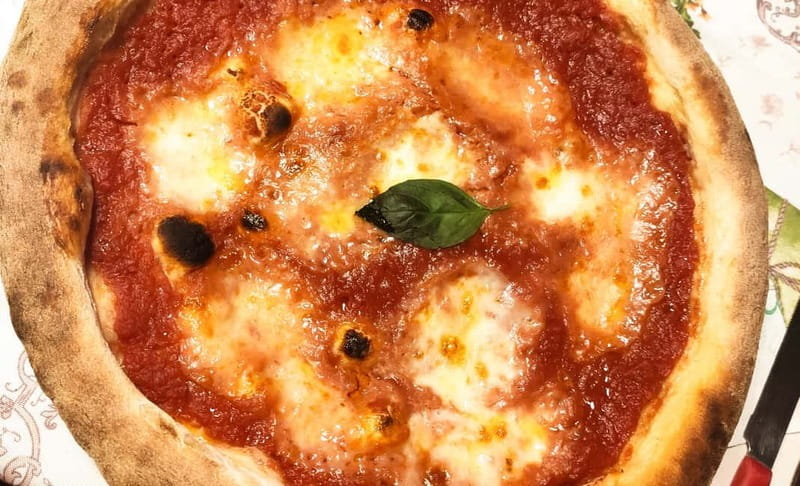
A sneaky reason this kind of class can be better value than you’d think: you’re not spending your time figuring out where everything is. Your instructor prepares the station with the ingredients you will need.
That sounds like a minor detail, but it changes the whole experience:
- You start cooking faster.
- You waste less time waiting around.
- You pay more attention to what the dough is doing and how fillings come together.
In other words, you get more actual pizza progress in a 3-hour window. For me, that’s the difference between a fun class and a class you remember for the right reasons.
Pizza preparation: building dough habits you can repeat at home
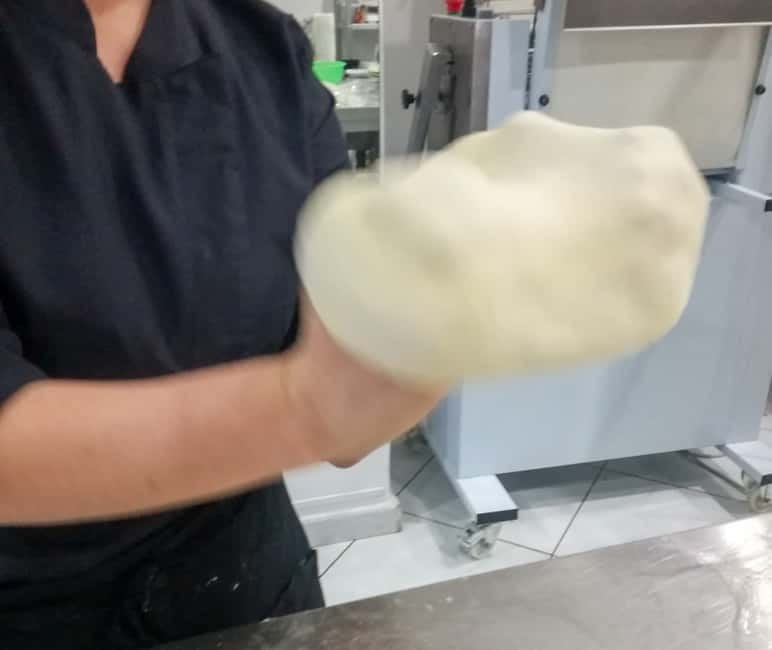
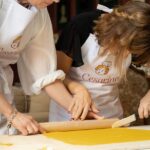
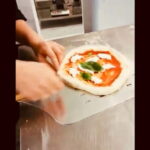
The core highlight is preparazione pizza. You’ll learn the process of getting your pizza ready, not just assembling toppings and calling it done. That’s the part that makes homemade Sicilian-style pizza feel possible later, because dough behavior is everything.
Even without turning this into a technical baking lecture, the lesson is built around method:
- you work through preparation steps with the instructor’s guidance,
- you handle ingredients at your station,
- and you learn how to shape and cook in a way that matches the local style.
Why this matters: pizza is one of those foods where the difference between okay and excellent is usually the dough and the process. If you only learn to spread sauce and sprinkle cheese, you’ll miss the part that makes your second attempt actually taste like you hoped.
Degustazione: tasting isn’t an afterthought here
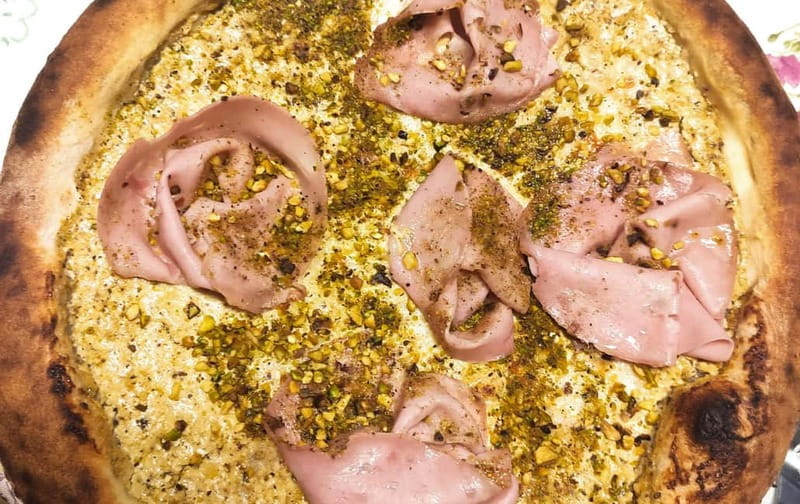
After the cooking, you get a degustazione—a tasting portion that turns the session from hands-on activity into real food feedback. This matters because you can tell what you did right (and what you’d adjust next time).
Taste at the end is your chance to connect technique to flavor. In a good class, you learn by doing, then you confirm what worked with a proper bite. That feedback loop is what makes you more confident when you try again at home.
And since the day includes both pizza and a Sicilian stuffed specialty, you also get to notice the contrast: how a classic pizza approach differs from the flavors and textures in scacciata.
You can also read our reviews of more tours and experiences in Catania


Scacciata catanese: the stuffed-pocket skill that surprises people
One of the best parts of this experience is preparazione scacciata catanese. If you’ve mostly focused on pizza when thinking about Sicilian cooking, this is where the class shows its personality.
Scacciata catanese is the kind of food that feels deeply local: it’s built for satisfaction, with dough that holds a filling and cooks into something you can slice and share. It also teaches a different kind of confidence than pizza dough alone, because shaping and sealing (keeping the filling where it belongs) is its own skill.
For you, the payoff is twofold:
- You learn a second method, not just a second recipe.
- You bring home a practical Sicilian idea that works as a meal or snack.
This is also the part that tends to get people excited because it feels less familiar than pizza, but still follows the same core logic: dough + technique + Sicilian ingredients.
Cannolo show cooking: learning the filling technique after your savory work
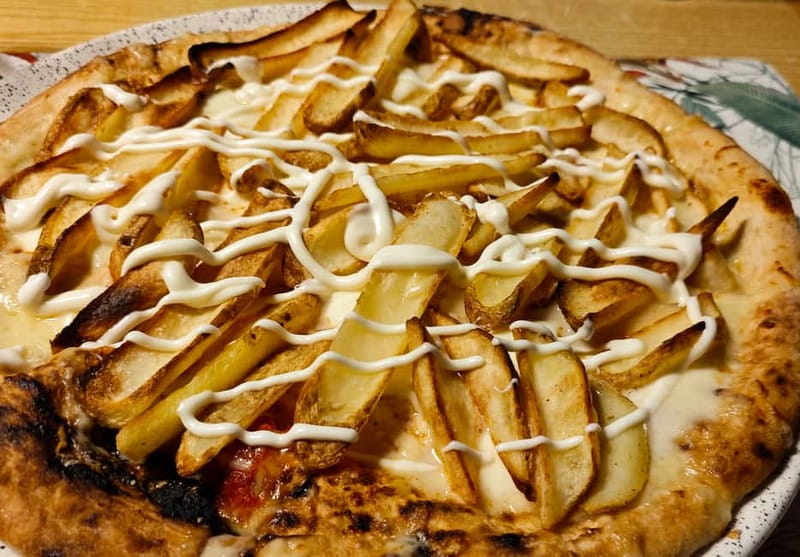
After you finish the pizza and the scacciata component, the lesson shifts into show cooking for cannolo. The goal here is to learn the technique of filling the wafers.
A key consideration: this segment is described as a show-style preparation, so you should expect demonstration-led instruction rather than a long, fully hands-on pastry session. That doesn’t make it less useful—it can actually be more efficient. You’ll see the steps, understand how the filling behaves, and learn the specific method for assembling the cannoli correctly.
Why I like this structure for travelers: you’re not stuck in one long kitchen bubble. You complete savory tasks, then the energy switches to dessert, with a focused skill you can remember. Cannolo filling techniques are easy to underappreciate until someone shows you the details that make it hold up and taste right.
What makes the class so repeatable back home
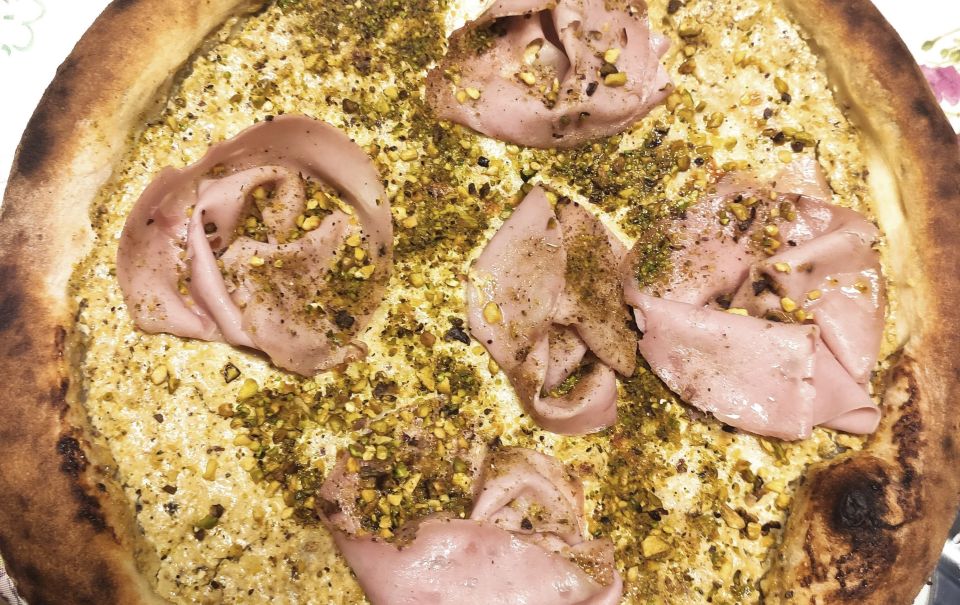
This experience is designed around the idea that you’ll be able to re-propose what you learned at home. That doesn’t mean you’ll leave with a guarantee of restaurant-level results. It means the class focuses on techniques you can carry: dough preparation, shaping logic, and the filling approach.
If you’ve ever cooked after a vacation and thought, I get the general idea, but mine didn’t turn out the same, you’ll understand why this matters. Here, the lesson flow builds habits:
- prepare and shape pizza,
- learn the stuffed-pocket approach via scacciata catanese,
- then apply the cannolo filling technique for dessert.
That mix gives you variety, but it also gives you a consistent skill set: understanding how dough and fillings work together.
Price and value: $101.96 for 3 hours of real cooking
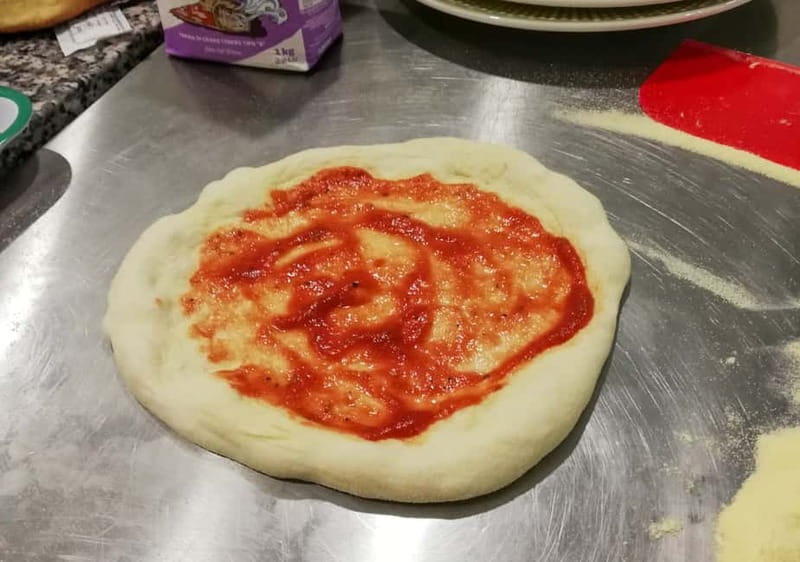
At $101.96 per person, this isn’t the cheapest food activity in Sicily. But value depends on what’s included and how much time you spend doing.
Here’s what you’re paying for, in plain terms:
- A guided lesson with an instructor who handles your station setup
- Hands-on pizza preparation plus scacciata catanese preparation
- A dessert show cooking component focused on cannolo filling technique
- A tasting so you get closure and feedback
- A small group capped at 8, which increases the odds you’ll get attention when you need it
If you compare it to options that feel like a demo with a bite at the end, this is the more expensive side—yet still reasonable for a format that uses several real cooking skills. For me, the small-group limit is a big part of the value equation because it makes your 3 hours actually count.
Language, timing, and how to plan your day in Catania
The class runs for 3 hours, with starting times depending on availability. Since it’s conducted in Italian and English, you can go even if you’re not confident with Italian. You’ll still benefit from the structure and explanations.
As you plan your day, think about your energy level. Three hours of cooking is active. You’ll be on your feet, using your hands, and paying attention. That’s a great match for travelers who like food experiences with a bit of work—not just sitting and watching.
If you’re juggling other Catania sights that require a long walk, consider booking this earlier in the day or leaving a lighter rest of the schedule afterward.
Who should book this Catania pizza cooking class
This experience fits especially well if you:
- want a hands-on culinary class that covers more than pizza
- like learning technique you can repeat at home
- prefer small-group cooking to crowded, rushed group tours
- enjoy Sicilian foods like scacciata catanese and cannolo
It’s also a good choice for couples or solo travelers who want something social but not overwhelming. The limit of 8 keeps it interactive.
If you’re the type who loves pastry work and expects a full hands-on cannolo-making session, you might be slightly less satisfied because the cannolo part is positioned as show cooking and technique instruction.
Should you book it or skip it?
I’d book it if you want a practical Catania food experience that teaches real technique in a short time. The combination of pizza preparation, scacciata catanese, and cannolo filling technique, plus the final tasting, gives you enough variety to feel like you learned something new—and enough structure to actually try again later.
Skip it only if your main goal is a long, fully hands-on pastry session. Otherwise, this is the kind of class that makes Sicily stick to you: not just as a memory, but as skills you can use the next time friends ask for homemade pizza night.
FAQ
How long is the Catania pizza cooking class?
The class lasts 3 hours. Starting times depend on availability.
How big is the group?
It’s a small group, limited to 8 participants.
What languages is the instructor comfortable with?
The instructor teaches in Italian and English.
What will I make during the class?
You’ll prepare pizza, prepare scacciata catanese, and learn cannolo filling technique during the show cooking portion. You’ll also do a degustazione (tasting).
Is it hands-on or mostly watching?
You’ll be involved throughout the lesson with your station prepared with the ingredients you need. The cannolo portion is described as show cooking, focused on teaching the filling technique.
What’s the cancellation and payment flexibility?
You can cancel up to 24 hours in advance for a full refund. You can also reserve now & pay later, keeping your travel plans flexible.