REVIEW · SICILY
Summit Etna North 3380mt: 4×4 and trekking
Book on Viator →Operated by Guide Vulcanologiche Etna Nord · Bookable on Viator
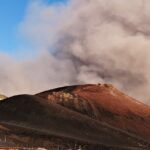
The Etna summit hike feels like a science lab. You’ll go up the Etna north flank by authorized 4×4, then trek from about 2,960 m toward the crater rims at up to 3,380 m with volcanological guides who choose the safest route. I love how the north side feels less crowded, and I love that the guides keep the hike practical—adjusting pace and route when gas, heat, or fractures show up. One consideration: the trek is genuinely demanding at high altitude, so if you’re not used to uphill walking, you may feel rushed even with short rests.
This is also a well-equipped outing for the money. You get trekking shoes, poles, socks, a backpack, jackets, a protective helmet, and accident insurance—so you’re not scrambling for gear at the last minute. On the cold top, you’ll want layers and sun protection, because late-season wind can turn the summit into an icebox fast.
In This Review
- Key points
- Why Mount Etna’s North Side Changes the Whole Experience
- Piano Provenzana: The Low-Key Base Camp With Real Facilities
- The Authorized 4×4 Ride: Getting to 2,960 m Without Burning Your Legs
- Crateri Sommitali (Up the Wild North Track): Views, Lava, and Deep Craters
- The Summit Hike (2,960 to 3,380 m): Four Craters and a Guide Who Watches Conditions
- What the top feels like (and why your pace matters)
- The descent: scoria channels and extra leg burn
- What’s Included (and What You’ll Pay Extra)
- Included
- Not included (plan a budget)
- Packing and Dressing for Wind, Gas, and Thin Air
- Morning vs Afternoon: Your Best Bet Depends on Light and Weather
- Guide Quality and Pacing: Why This Feels Intentionally Managed
- Who Should Book This Etna North 3380 m Hike
- Should You Book Summit Etna North 3380mt?
- FAQ
- How long is the Mount Etna summit experience?
- Where do we meet for the tour?
- What time does the tour start?
- Is the 4×4 ride included in the price?
- What trekking gear is included?
- What should I bring for colder or wetter conditions?
- Is this hike suitable for children?
- Are there any health limits I should know about?
- What is the cancellation policy?
Key points
- North side starting point (Piano Provenzana): easier access, fewer crowds, and right in the volcanic action.
- Authorized 4×4 gets you high early: a major chunk of elevation before your boots hit the trail.
- Small groups (max 10): you’re not lost in a crowd, and the guide can manage the pace.
- Summit routing changes day to day: guides adapt toward the safest, most active crater zone.
- Crater rim walking + fumaroles: up close with mineral colors and recent volcanic deposits.
- Cold, altitude, and volcanic ground: plan for wind, thin air, and unstable scoria.
Why Mount Etna’s North Side Changes the Whole Experience
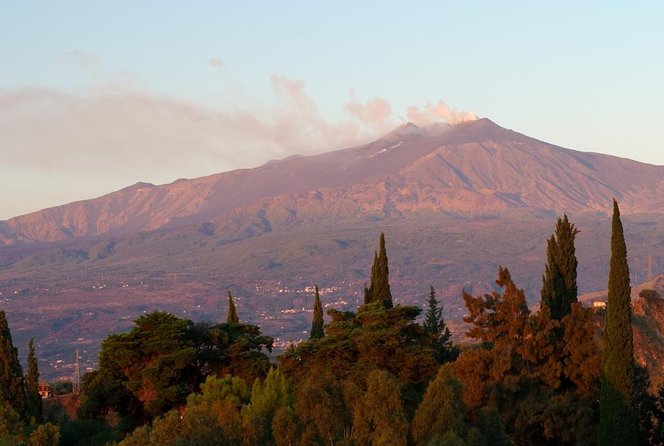
Most Etna trips route you toward the south and a more crowd-and-cable-car style visit. This one works differently. Starting on the north slope means you’re spending more time on the quieter side of the volcano, where the terrain feels rougher and the views stretch wider across Sicily and beyond.
I like that the itinerary is built around access and safety. You don’t just get dropped near the top; you ride up with authorized vehicles, then hike with a guide who’s watching conditions as they change. That’s a big deal on an active volcano where pathways can shift.
You can also read our reviews of more hiking tours in Sicily
Piano Provenzana: The Low-Key Base Camp With Real Facilities
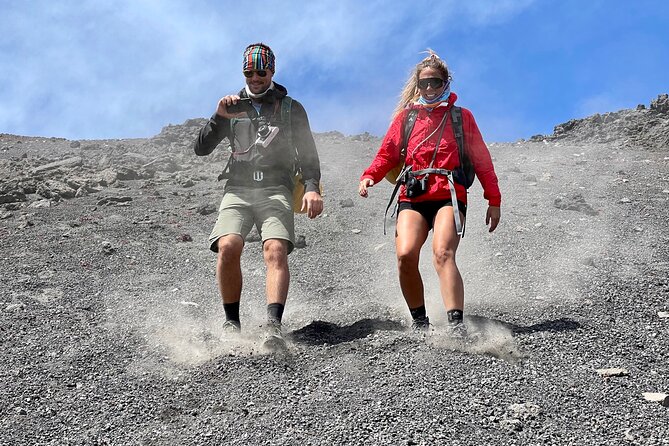
Your tour meets at CHIOSCO BAR MARENEVE DI FERRARO Etna nord–Piano Provenzana, Via Provenzana, Linguaglossa (CT), Italy. This is a working hub, not a remote roadside pull-off. Before you leave, you can use restrooms, grab coffee or tea, and even pick up a pastry—handy if you’re starting early.
Piano Provenzana also sits within the effects of the October 27, 2002 eruption. The access road is fully drivable, which matters because it keeps the morning smoother. If you’re visiting in winter, do what locals do: bring snow chains or use winter tires, since conditions can change fast in the mountains.
The Authorized 4×4 Ride: Getting to 2,960 m Without Burning Your Legs
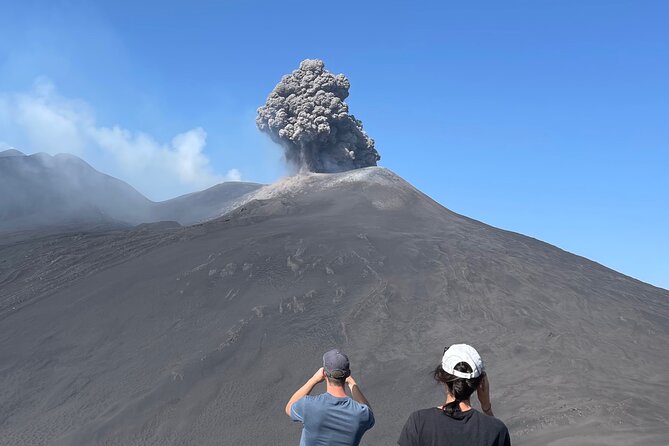
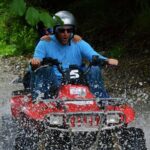
From Piano Provenzana, you board authorized 4×4 vehicles for a panoramic climb across lava fields and volcanic features. The drive crosses real volcanic terrain—things like lateral craters—and climbs up to around 2,960 m, where the summit trek begins.
This is where you feel the tradeoff between comfort and challenge. The ride is bumpy by design (it’s off-road), and you’ll want to be ready for some jolting. But it saves your energy for the part that really matters: the crater walk. Reviews back this up—people consistently praise the full arc of the day, from the drive up through the moment they reach the rim.
Cost-wise, this part needs planning. The off-road vehicle ride (round trip from about 1,800 m to 2,825 m) is €60 per person, paid on the spot.
Crateri Sommitali (Up the Wild North Track): Views, Lava, and Deep Craters
After you meet your guides (typically 7:45 a.m. at Piano Provenzana, departing 8:00–8:15 a.m. in the morning), you travel by authorized 4×4 along a panoramic 9.5 km track. Then you move through the crater-zone approach, climbing from about 1,800 m up to roughly 2,960 m.
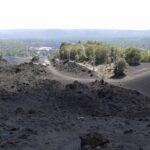
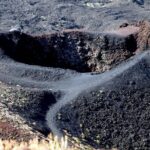
What makes this stretch special is how varied it feels. You pass through forested sections, then shift into areas with recent lava flows, a lava-flow channel, eruptive fractures, and lateral craters that can drop more than 40 meters. It’s the kind of terrain that gives you “why this volcano is dangerous” in real scale—without needing a lecture.
The payoff is the view span too. On clearer days you can see northern Sicily, the Aeolian Islands, the Strait of Messina, Calabria, and both the Ionian and Tyrrhenian Seas. If visibility is rare-clear, you may even catch the Madonie range and wide stretches around the Gulf of Catania and Syracuse.
The Summit Hike (2,960 to 3,380 m): Four Craters and a Guide Who Watches Conditions
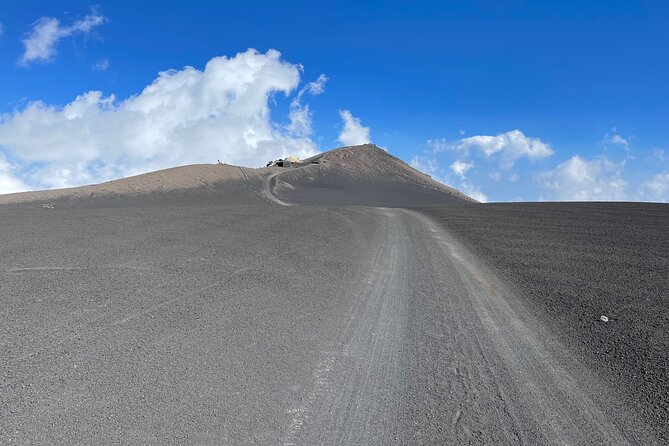
Here’s the core of the experience: your guided trek begins around 2,960 m after the authorized ride. The summit hike covers about 5 km with roughly 550 m of ascent, taking you toward the active crater area.
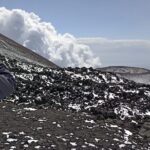
You’ll walk toward or around the summit zone that includes four main craters: North-East, Voragine, Bocca Nuova, and South-East. One important detail: volcanic activity changes daily, so your guides choose the safest path toward the most active yet secure crater. If gas, heat, or fractures make one route risky, they adapt on the spot.
That adaptive approach is exactly what I’d want on an active volcano. It’s also why paths can shift near fumaroles and high rocky zones—so don’t plan on a fixed, predictable “one trail the whole time” experience.
What the top feels like (and why your pace matters)
Altitude is real here. You’ll range from about 2,960 m up to around 3,380 m, so mild altitude effects are possible. The tour also gives straightforward guidance: report any health issues, and don’t treat the summit as a casual stroll.
Cold is another surprise. One review specifically calls out late September with a top temperature around 2°C. Even in warmer months, wind can make that feel colder than it sounds, especially if you stop moving. I’d plan on layers you can adjust quickly, plus sun protection because bright light + cold air can still bite.
The descent: scoria channels and extra leg burn
The descent runs back down through soft scoria channels for about 4 km with roughly a 600 m drop. Total walking distance is roughly 8–9 km over about 5 hours when you count the whole itinerary flow.
This matters for your comfort. Ascending is hard, but scoria descents can be tough on knees and feet because the footing can be unstable. Trekking poles help, and your guide’s pacing helps too. Reviews praise guides who stop for short breaks and adjust the pace so everyone keeps moving safely.
What’s Included (and What You’ll Pay Extra)
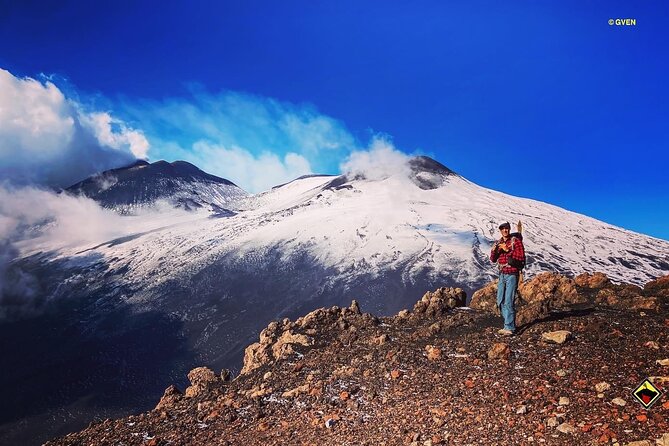
This tour price (listed as $78.61 per person) can look like a bargain—until you line up what’s included versus what’s extra. Here’s the clean way to think about value.
Included
You get:
- An authorized volcanological guide
- Trekking shoes, trekking poles, socks
- Protective helmet and jacket
- Backpack
- Accident insurance
This gear list is huge for practical travelers. If you didn’t pack boots or poles, you don’t have to gamble with rentals at the last minute.
Not included (plan a budget)
You’ll pay on top:
- €60 per person for the off-road vehicle ride (round trip)
- Parking ticket (typically €5 weekdays, €8 Sundays and public holidays)
- Lunch (not included)
- K-way rain jacket, hat, and gloves during autumn, winter, and spring
If you’re doing the math, the “real total” can feel closer to a mid-range guided excursion once you add the 4×4 fee. But you’re still getting the expensive parts you’d otherwise rent or manage yourself—boots/poles/helmet, plus a guide who stays flexible with volcanic conditions.
Packing and Dressing for Wind, Gas, and Thin Air
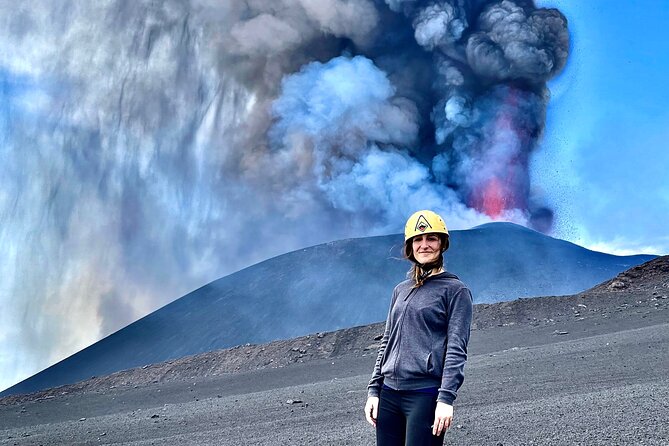
This is one of those hikes where what you wear can decide how much you enjoy it. The terrain is volcanic, the air is higher, and the top can be cold and windy.
I’d follow these practical tips:
- Dress in layers. The summit can run cold even when you’re sweating at lower elevations.
- Bring sunglasses and sunscreen. Bright light at altitude hits fast.
- Add a hat and gloves if you’re going in cooler months. The tour notes these are not included for autumn/winter/spring.
- Bring a rain jacket option. The tour notes a K-way is not included during those seasons.
One specific medical warning matters: the tour recommends you not use contact lenses due to volcanic gases and ash. If you’re prone to irritation, use glasses instead and plan for wind exposure.
You’ll likely refill water at Piano Provenzana facilities before you head out, since that base area has cafes and spots to refill bottles. Still, don’t assume you’ll want to stop for long later—bring what you’ll need for the climb and summit walk.
Morning vs Afternoon: Your Best Bet Depends on Light and Weather
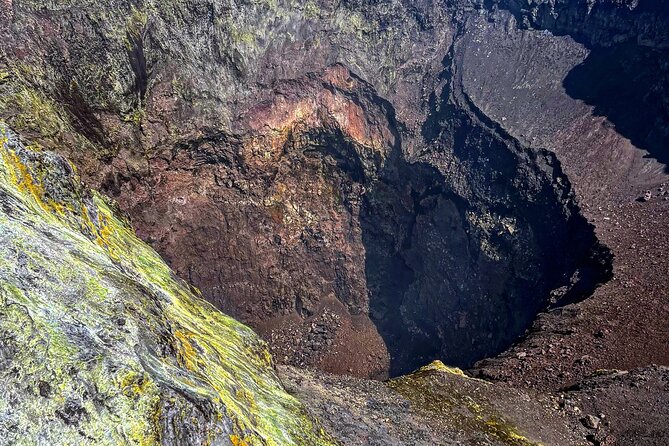
Timing affects temperature and how comfortable the day feels. In the morning, you meet at 7:45 a.m. and depart 8:00–8:15 a.m. There’s also an afternoon option at 1:00 p.m., running from May to October.
Your biggest variable isn’t just time of day—it’s weather. The experience requires good conditions, and if it’s canceled due to poor weather, you’ll get a different date or a full refund. On a volcano, “good weather” usually means safer visibility and more predictable footing.
If you care about having craters releasing material or sharper views, aim for the clearest conditions you can find. One review highlights the thrill of seeing two craters releasing material—so yes, conditions can change what you witness.
Guide Quality and Pacing: Why This Feels Intentionally Managed
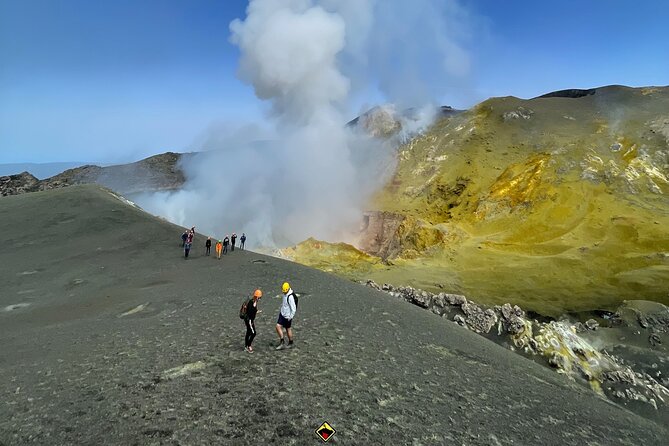
The hiking difficulty is real, but the experience quality depends on how it’s run. This operator works with a volcanological guide and keeps group size small (max 10 travelers), so you’re less likely to get lost in a long line.
Guides also adapt pacing. Multiple reviews mention guides adjusting speed for the group, adding short rests, and keeping the hike manageable even at altitude. Names that come up include Francesco, Vincenzo, Andreo, and Nikos, along with praise for a professional driver during the mid section of the ride.
The one downside that shows up is about tempo and time to linger. If you arrive last or move slower, you might not have much time for photos or snacks. That’s not a dealbreaker if you’re there for the summit experience—but it is something to be honest about when you judge difficulty.
Who Should Book This Etna North 3380 m Hike
This is best for people with moderate fitness and a comfort level walking uphill at altitude. The tour explicitly says it suits people in good physical health and that it’s strongly discouraged for those with:
- cardio-vascular problems
- breathing problems
- hypertension
Children under 12 are not suited for the excursion, and you should take health seriously—let guides know about your conditions so they can reduce risk and manage the group.
If you’re the kind of traveler who likes active walking over sightseeing-by-bus, you’ll enjoy this. And if you want the north side because you prefer fewer crowds and more direct volcanic terrain, this route matches that taste.
Should You Book Summit Etna North 3380mt?
Book it if:
- You want a true summit-day experience, not a quick look-and-leave visit
- You like guided safety and hands-on crater viewing
- You’re comfortable with a real uphill trek at high altitude and scoria footing
- You want the north side for a quieter, wilder feel
Skip it if:
- You have heart or breathing concerns, or you’re dealing with hypertension
- You don’t do regular physical activity
- You’re hoping for long photo stops and a slow, leisurely pace
My bottom line: this is a strong value for people who can handle the climb and want to see Etna from the north—up close, with guides who actually plan for changing volcanic conditions.
FAQ
How long is the Mount Etna summit experience?
It’s about 5 hours on average, including the 4×4 rides and the guided hike segments.
Where do we meet for the tour?
The meeting point is CHIOSCO BAR MARENEVE DI FERRARO Etna nord–Piano Provenzana, Via Provenzana, 95015 Linguaglossa CT, Italy, and the activity ends back at the same meeting point.
What time does the tour start?
Morning departures typically meet at 7:45 a.m. and depart between 8:00 and 8:15 a.m. An afternoon start at 1:00 p.m. runs from May to October.
Is the 4×4 ride included in the price?
No. The off-road vehicle ride from about 1,800 m to 2,825 m round trip costs €60 per person and is paid on the spot.
What trekking gear is included?
The tour includes trekking shoes, trekking poles, socks, a protective helmet, a backpack, and jackets.
What should I bring for colder or wetter conditions?
The tour notes you should bring a K-way rain jacket, plus a hat and gloves during autumn, winter, and spring.
Is this hike suitable for children?
No. The excursion is not suited for children under 12.
Are there any health limits I should know about?
Yes. It’s strongly discouraged for people with cardio-vascular problems, breathing problems, or hypertension. You’re also asked to report any health conditions to the guides.
What is the cancellation policy?
You can cancel for a full refund up to 24 hours before the experience starts. If the tour is canceled due to poor weather, you’ll be offered a different date or a full refund.