REVIEW · SICILY
Mt. Etna Trek: Explore the Highest Permitted Peaks – Tickets Inc.
Book on Viator →Operated by EtnaTribe · Bookable on Viator
Etna feels close, then you walk into craters. This Mt. Etna trek focuses on highest permitted peaks on one active volcano day, with cable car tickets included so you do not have to coordinate anything. I also like the small-group setup, because you get real time with the guide and you do not feel rushed.
I love that you are not starting this on your own: helmets and trekking sticks are provided, and the guide keeps the pace practical for a moderate trek. One name that came up in praise is Edo, with lots of passion for Etna’s geology and what you are seeing.
The main consideration is that Etna is active, and safety rules can change the route. On some days, the planned 4×4 portion can get swapped for more walking, so build in flexibility even if you picked the 3300m option.
In This Review
- Key Things I’d Pay Attention To
- Mount Etna by Cable Car and Foot: What This Trek Really Delivers
- Piazzale Rifugio Sapienza Timing: A Four-Hour Plan That Moves
- Cable Car Included: Getting to Higher Ground Without Guesswork
- Valle del Bove Stop: Seeing the Volcanic Bowl Up Close
- Silvestri Craters and the Highest Permitted Altitudes: The Real Goal
- Gear, Helmets, and Safety: What’s Included (and What to Double-Check)
- When the 4×4 Bus Changes: A Practical Heads-Up
- Price, Group Size, and Value at $126.16
- Who Should Book This Etna Trek (and Who Might Want Another Fit)
- Should You Book Mt Etna Trek With EtnaTribe?
- FAQ
- What is the duration of the Mt. Etna trek?
- Where does the tour start and when does it begin?
- What language is the tour offered in?
- How big is the group?
- What is included in the price?
- Is lunch included?
- How would you rate the physical difficulty?
- What transport options are included for getting to higher altitude?
- What happens if the weather is bad?
- Can I cancel and get a full refund?
Key Things I’d Pay Attention To
- Small group (max 15) for calmer pacing and more guide attention
- Helmets and trekking sticks included for a safer, easier hike
- Cable car tickets are part of the package, so you skip ticket hunting
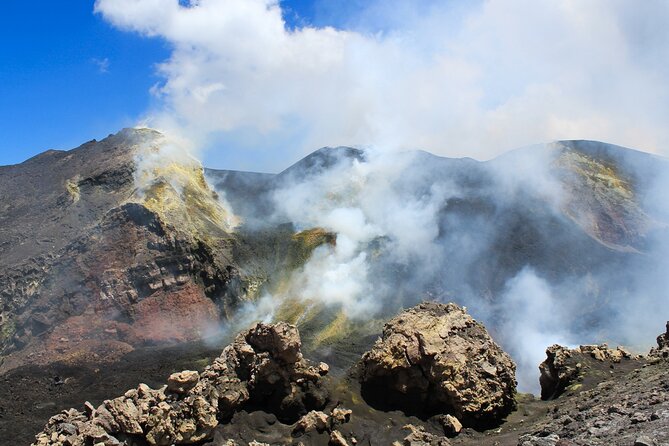
- Etna stops you at Valle del Bove and Craters Silvestri, not just one viewpoint
- Moderate walking pace: you should be a regular walker
- Route can shift for safety if volcanic conditions affect transport choices
Mount Etna by Cable Car and Foot: What This Trek Really Delivers
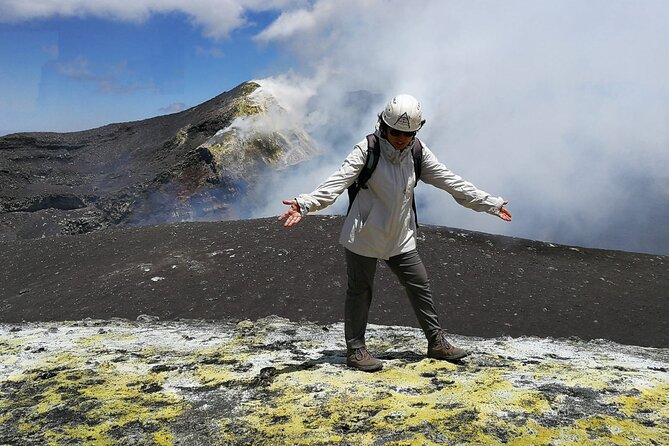
This tour is built for the middle ground: you get serious altitude and crater terrain without needing to plan every step of the logistics yourself. The whole idea is simple—get up high using the cable car (and sometimes additional transport), then switch to your own legs to reach the crater areas at the highest permitted altitudes.
I like that it is not trying to wow you with long lectures or long transfers. You do a real trek, guided by an Alpine guide, and you spend the time where it matters: looking at volcanic features and walking through the conditions Etna is actually creating.
You also get a clear rhythm to the day. You rise to the starting point, you hike to crater areas, and you descend back to around 2,500m where the cableway takes you down. That structure matters because Etna days are not the place to guess what is coming next.
One more detail that helps: this is designed for a small group, which usually means fewer bottlenecks on the path and more personal attention when the terrain gets uneven.
You can also read our reviews of more tours and experiences in Sicily

Piazzale Rifugio Sapienza Timing: A Four-Hour Plan That Moves
The tour starts at 10:00am at Piazzale Rifugio Sapienza in Nicolosi (95030 CT, Sicily). It ends back at the same meeting point, and the duration is about 4 hours.
Why I like that schedule: Etna trekking is best when you do it early enough to avoid turning your hike into a full-day stamina test. A morning start also helps if you are pairing this with other Sicily plans later in the day.
The pacing is described as moderate, and that is the key. This is not for people who want a slow stroll. You will be walking enough that you should already feel comfortable with a steady hike pace, especially at altitude. If stairs and uneven paths bother you, you might find this tiring.
Also, since it is near public transportation, you are not locked into a complicated ride plan just to meet the group. Still, plan to arrive a bit early so the group can get organized with helmets and sticks without feeling rushed.
Cable Car Included: Getting to Higher Ground Without Guesswork
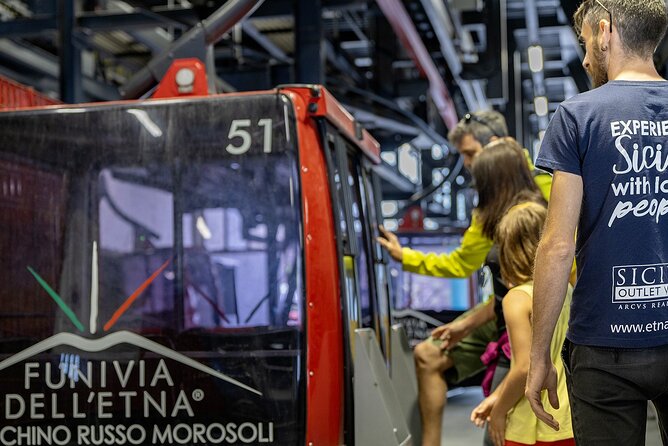
You do not need to secure cable car tickets separately. That is a big value point because Etna trips often get derailed by tickets, timing, or lines.
Here is the practical flow: you will ride up to reach higher altitude and the starting point of the trek. From there, the tour uses a hike segment back down to around 2,500m, where the cableway returns you to the meeting area.
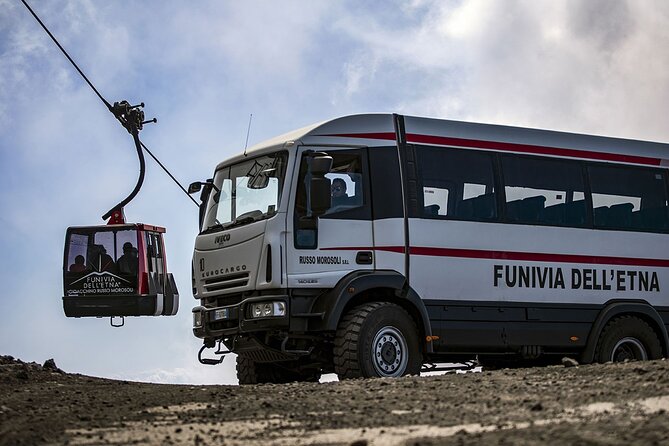
For the 3300m option, the tour includes a combo of cable car and a 4×4 bus to get even closer to the summit areas. That is important because Etna terrain is not flat and friendly. Anything that reduces the time spent on the roughest stretches can make the difference between a great crater hike and a grind.
Even with included transport, keep one mindset: safety drives the day. If conditions require a change, the tour may adapt the route rather than forcing you into an unsafe plan. That is not a flaw of the tour. It is how real volcano activity should be handled.
Valle del Bove Stop: Seeing the Volcanic Bowl Up Close
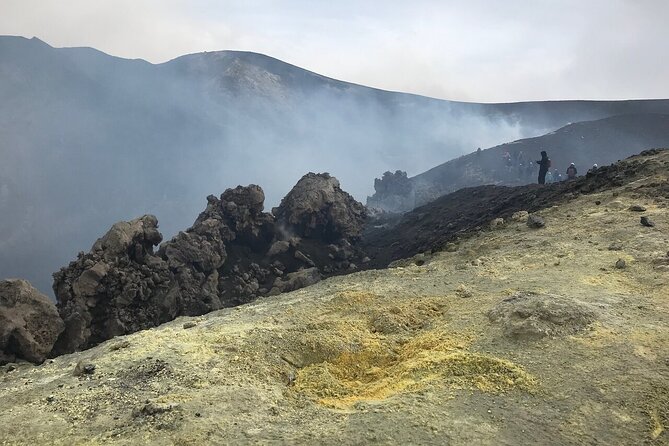
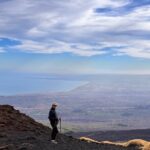
The itinerary includes Valle del Bove as a stop. This is the kind of place that sounds like a name on a map until you are actually there and you can see how the volcanic terrain shapes the views.
What makes this stop worth it is that it is not just a roadside photo. It is part of a trek route that builds your understanding as you move. You go from cable car altitude into walking terrain, and each step sets up the next crater area you will reach.
One benefit of having a guide is that you are more likely to notice what matters: the contours of the valley, the way the ground changes underfoot, and how that environment connects to crater activity. Even if you are not a geology person, a good guide helps you look, not just pass through.
Downside: because this is a trek, you should expect time on the path and some stretches that are simply about moving forward. If your plan is to spend the entire day in static viewpoints, this tour may feel more active than you expect.
Silvestri Craters and the Highest Permitted Altitudes: The Real Goal
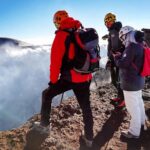
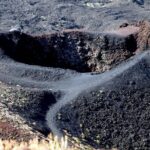
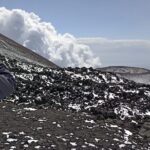
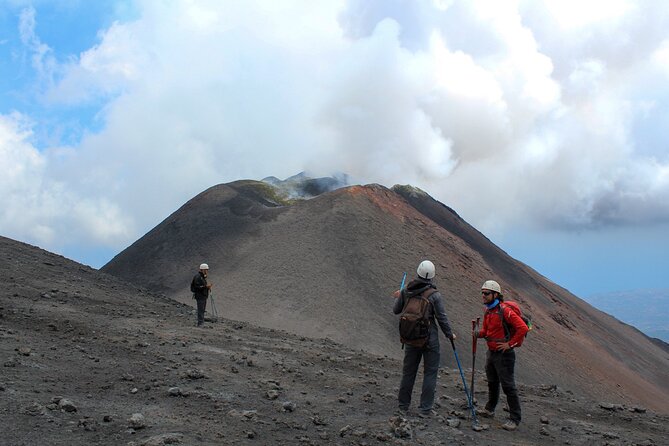
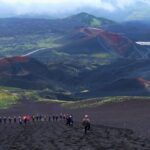
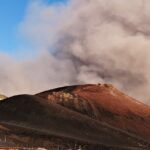
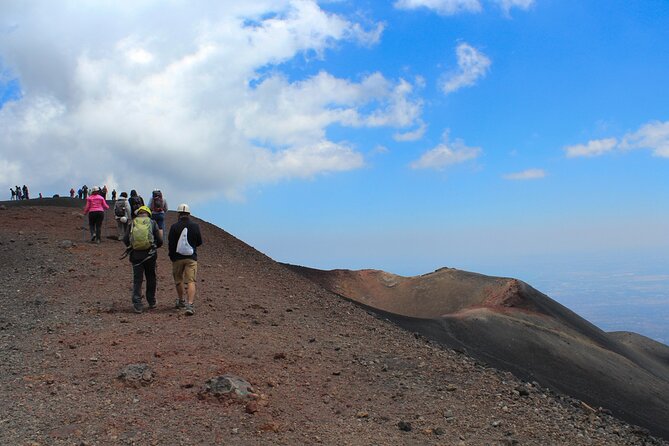
The heart of the experience is the hike to the Craters Silvestri of Mount Etna. This is where you feel the scale of an active volcano in a way that viewpoint platforms cannot fully replicate.
The tour targets the highest permitted altitudes, meaning you go as far as safety rules allow for that day. That matters because Etna does not behave like a museum. Permitted access can shift, and the guide’s job is to keep the route inside what is allowed and safe.
Then comes the descent: you walk back down to around 2,500m, where the cableway awaits. For many people, this is where the day becomes easier. You are still on Etna terrain, but you are no longer pushing upward through the steepest segments.
If you care about value, this design helps. You pay for guided access to crater areas and you get the cableway back as part of the package. You are not spending extra time piecing together separate tickets and transport.
You can also read our reviews of more hiking tours in Sicily
Gear, Helmets, and Safety: What’s Included (and What to Double-Check)
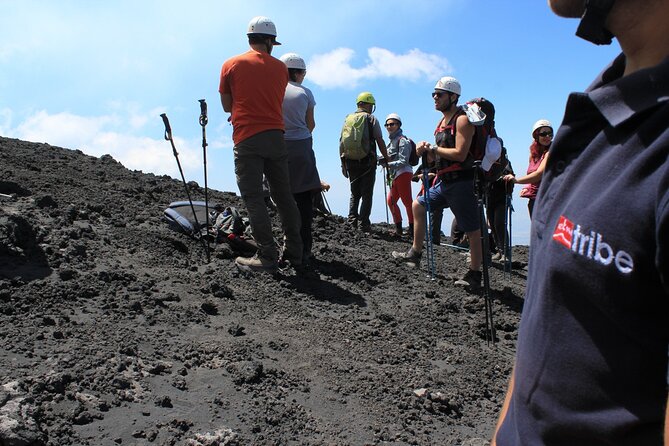
Included trekking gear is one of the most practical reasons to book this tour. You get trekking sticks and a helmet for the walk.
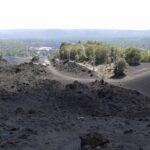
That sounds basic, but it actually changes the experience. Proper sticks can take pressure off your knees on uneven ground, and a helmet is a serious comfort when you are on volcanic rock paths where things can shift.
One more safety element is that this is guided by an expert Alpine guide. You are not just handed a route and sent off. You get rules, timing, and a pace that makes sense for a moderate hike.
Here is what I’d do as you start: take a moment to check that your sticks are usable and your helmet fits comfortably. There is at least one complaint in the broader experience record about stick condition, so do yourself a favor and test them right at the start rather than waiting until the toughest part of the trek.
Also, expect the guide to set expectations about where you can step and how you should move. If conditions are tricky, follow their guidance immediately. On Etna, small choices matter.
When the 4×4 Bus Changes: A Practical Heads-Up
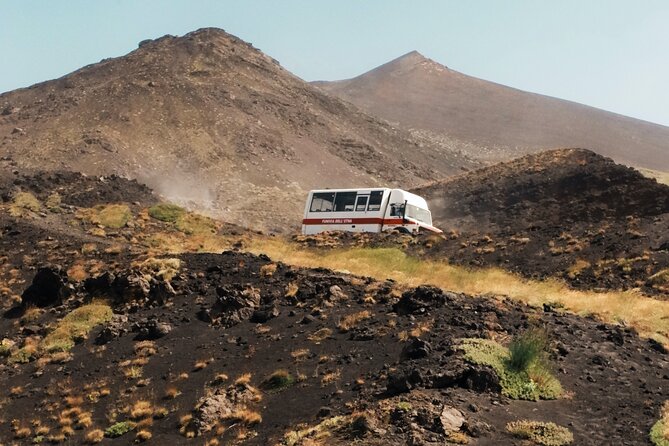
The tour description includes a cable car ride, and for the 3300m option, a 4×4 bus segment can take you across rugged terrain to get closer to the summit areas. The key word is can.
Safety rules for active volcanoes can change what transport is allowed on a given day. In at least one documented situation, the 4×4 portion was removed due to safety concerns, and the hike continued on foot instead. The important takeaway for you: do not assume the exact transport mix you read online will always match your day.
If you want to reduce stress, do this before your trek starts: ask your guide what the current route plan is for your group and confirm which parts are cable car only vs cable car plus 4×4. That one question can save you from frustration later.
If the 4×4 bus is not operating, you should still be prepared for more walking. That does not mean the tour is not worth it. It means your body needs to be ready for a longer effort than you originally expected.
Price, Group Size, and Value at $126.16
At $126.16 per person, this tour sits in the mid-range for Etna trekking experiences. What makes it feel like good value is that key items are included: cable car tickets, helmets, trekking sticks, and insurance.
That matters because Etna days can add up fast when transport and access pieces are separate. Bundling those essentials into one price reduces planning friction and surprises.
The small-group cap of 15 travelers also helps the value. You can move at a reasonable pace and still get attention from the guide when the route needs it.
The only clearly stated extra is lunch, which is not included. If you tend to get hungry on hikes, plan for food timing around this 4-hour window. Otherwise, you might feel fine during the trek and then hit a wall afterward.
Also note the language: this is offered in English, and you get a mobile ticket. That is a convenience win when you are bouncing around Sicily and want the day to run without extra paperwork.
Who Should Book This Etna Trek (and Who Might Want Another Fit)
This tour is best for you if you:
- are a regular walker and feel comfortable with moderate terrain
- want guided access to crater areas rather than just a viewpoint stop
- like small-group days where the guide can actually manage the group
- want major pieces covered, including helmet, sticks, and cable car tickets
It may not be the best fit if you:
- want only easy walking or minimal altitude effort
- struggle with uneven ground and would prefer a more staged experience
- are the type who gets thrown off by last-minute safety route changes
You do not need to be a mountaineer. The tour is described as moderate, and the structure supports that. But it still asks for physical readiness because Etna is not a flat park path.
Should You Book Mt Etna Trek With EtnaTribe?
I think you should book this tour if your goal is the crater experience with smart logistics and safety gear handled. The mix of a small group, included cable car tickets, and a guided hike to Craters Silvestri makes it a solid plan for a classic Etna day.
I would choose it with eyes open if you are aiming for the 3300m option and you care a lot about the exact transport steps. Because safety rules can change, you should be ready to walk more if the 4×4 segment does not run that day.
If you are flexible, fit enough for a moderate hike, and excited by a real volcano day, this is a good match.
FAQ
What is the duration of the Mt. Etna trek?
The tour is about 4 hours (approx.).
Where does the tour start and when does it begin?
It starts at Piazzale Rifugio Sapienza, 95030 Nicolosi CT, Italy, with a start time of 10:00am. It ends back at the meeting point.
What language is the tour offered in?
This tour is offered in English.
How big is the group?
The maximum group size is 15 travelers.
What is included in the price?
Included items are trekking sticks, a helmet, tickets, and insurance.
Is lunch included?
No. Lunch is not included.
How would you rate the physical difficulty?
It is recommended for travelers who are regular walkers, with a moderate difficulty level.
What transport options are included for getting to higher altitude?
The tour includes cable car tickets. For the 3300m option, it can include a combo of cable car and a 4×4 bus.
What happens if the weather is bad?
This experience requires good weather. If it is canceled due to poor weather, you will be offered a different date or a full refund.
Can I cancel and get a full refund?
Yes. You can cancel up to 24 hours in advance for a full refund.