REVIEW · PALERMO
Palermo: Made of Pasta Masterclass with Tasting
Book on GetYourGuide →Operated by RistHome – Private Chef & Maestro of Mediterranean Fine Dining · Bookable on GetYourGuide
A kitchen class in Palermo beats another museum stop. You’ll learn hand-making traditional Sicilian pasta in a small-group masterclass (max 8), then sit down to eat what you make with wine or soft drinks. It feels cozy, personal, and very hands-on, with serious instruction and lots of Sicilian warmth.
Two things I really like are the teaching style and the sheer amount of food. The chef guides you step by step, then gets you rolling, kneading, and shaping, and the meal that follows doesn’t feel like a snack. You can expect multiple courses built around your pasta (often with extra Sicilian dishes like antipasti and sweets such as cannoli), plus wine pairing.
One possible drawback: the meeting location can take a little effort to find. A few people noted it’s not always obvious on arrival, and it can help to plan extra time or use a taxi if you’re short on patience.
In This Review
- Key highlights at a glance
- Why this Palermo pasta class feels more personal than a typical workshop
- Optional market tour: a smart way to understand Sicilian ingredients
- Hand-making Sicilian pasta: dough, rolling, and shaping the real skills
- Sauces and wine pairing: how the meal turns your work into a full Sicilian dinner
- What you take home: digital recipes plus real keepsakes
- Getting there in Palermo without stress: meeting point and timing
- Who this class fits best (and who might want a different kind of day)
- So, should you book Palermo Made of Pasta Masterclass with Tasting?
- FAQ
- How long is the Palermo Made of Pasta Masterclass with Tasting?
- Is the class small-group?
- Is there an optional market tour?
- What’s included in the meal?
- Are vegetarian or gluten-free options available?
- What languages are offered?
- What do I receive after the class?
- Where is the meeting point?
Key highlights at a glance
- Max 8 people means you’re not standing on the sidelines
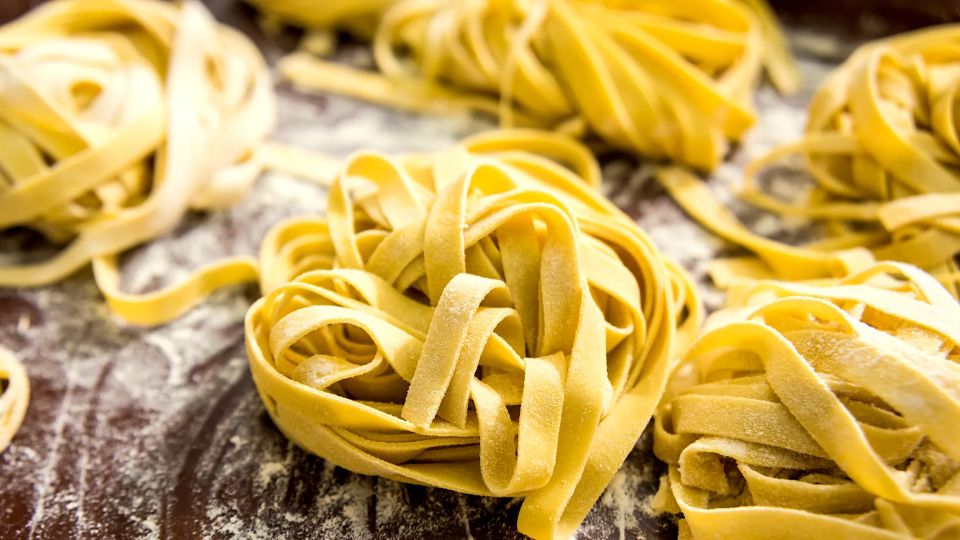
- Hands-on rolling, kneading, and shaping Sicilian pasta styles
- Optional market tour to pick seasonal ingredients first
- Multi-course meal with regional wine or soft drinks
- Take-home goodies: digital recipe booklet, personalized certificate, and an apron
Why this Palermo pasta class feels more personal than a typical workshop
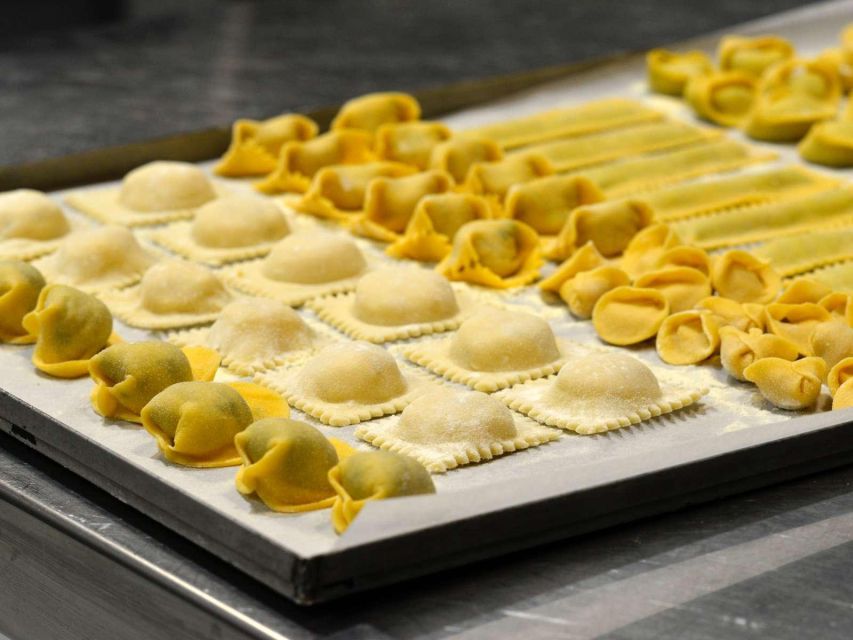
This is the kind of cooking experience that changes how you picture Italian food. Instead of watching someone else work, you’ll be at the counter with dough under your hands, learning the motion and the timing that make pasta work. The small group size is a big deal here: max 8 means questions get answered immediately, and the chef can correct your technique before you get frustrated.
The atmosphere is also part of the value. The kitchen setting is cozy, and the energy is friendly. Several classes include fun, social moments in between techniques, and that matters more than it sounds. When pasta dough goes from sticky to elastic, it’s easier to learn if you’re relaxed, not rushed.
You’ll also notice the teaching is practical. The lesson is built around what you actually need: how to mix and knead the dough properly, how to roll it, and how to shape it the right way for Sicilian sauces. That focus on repeatable technique is what helps you recreate the results later at home.
Finally, it helps that the host team is often bilingual or multilingual. You can choose instruction in English, Italian, German, Spanish, or French, so you’re not stuck guessing while everyone else understands the terms.
You can also read our reviews of more food & drink experiences in Palermo

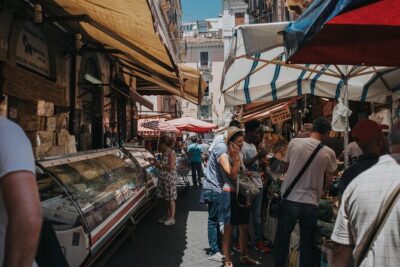
Optional market tour: a smart way to understand Sicilian ingredients
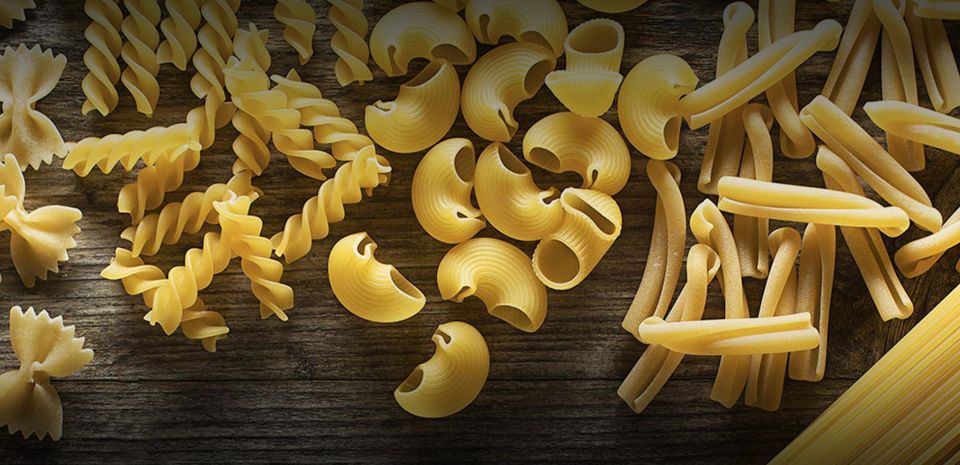
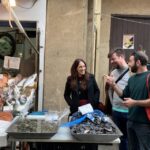
If you choose the optional market tour, you’ll get a quick education in what Sicilian cooking really cares about: fresh, seasonal produce. You’ll select ingredients for the meal, then take that same ingredient logic back to the kitchen when sauces are being built.
Why this is worth it: it trains your palate and gives you a reason for the flavor combinations. When you’ve chosen the tomatoes, herbs, or other local staples yourself, you stop treating sauce like a random step. You start thinking about balance—acidity vs. sweetness, fragrance vs. richness—and your finished dish tastes more intentional.
Practical note: the tour itself depends on what’s available that day, and the class is designed to use those season-driven ingredients. If you’re the type who enjoys food shopping and chatting, this add-on will feel like a bonus day. If you’re short on time or prefer to keep things simple, you can skip it and still get the full hands-on pasta instruction.
Transportation may be available as an optional extra. If your schedule is tight, it’s worth checking if that option fits your day, especially when you’re traveling with luggage or in the heat.
Hand-making Sicilian pasta: dough, rolling, and shaping the real skills
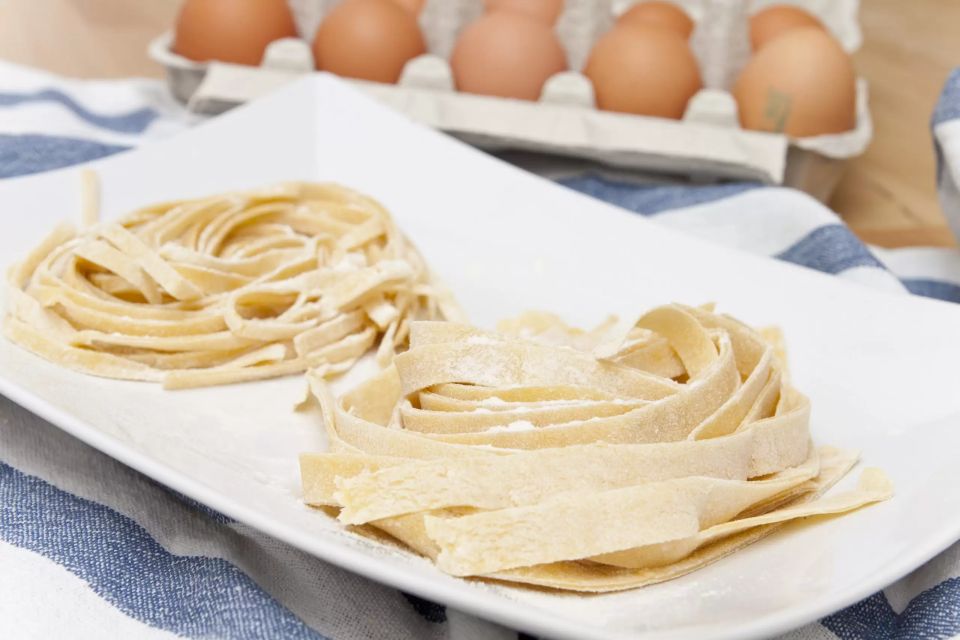
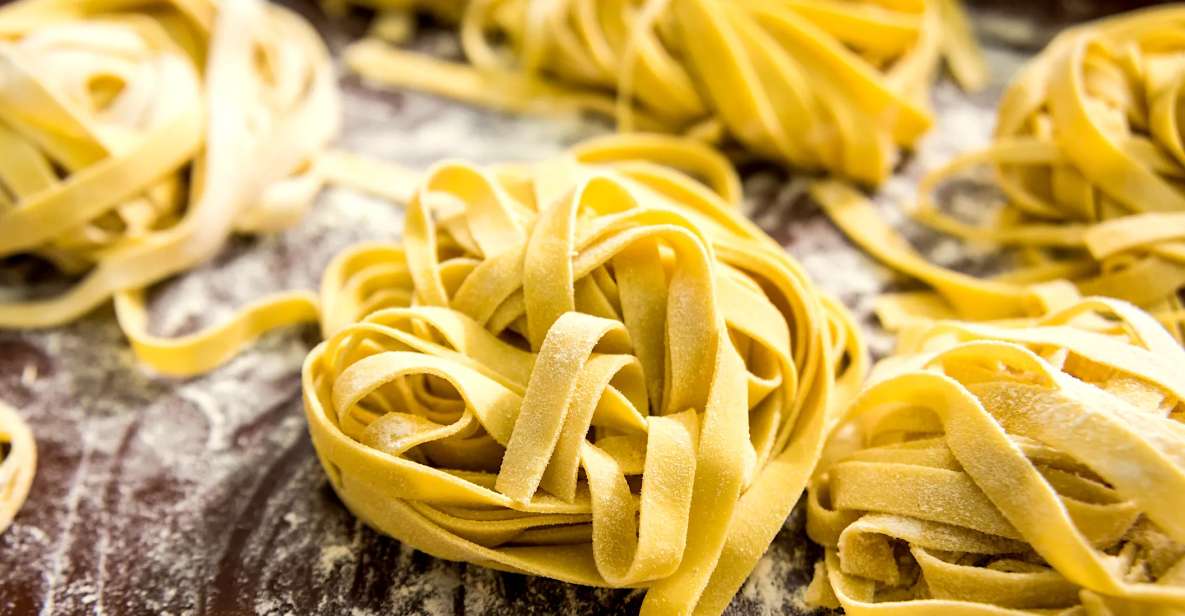
The core of the experience is simple to describe and hard to fake: you learn to hand-make pasta. In your 3-hour session, you’ll mix, knead, roll, and shape traditional Sicilian styles. The sequence matters. Pasta dough needs enough kneading to develop the right texture, and the rolling step is where thickness becomes either silky or chewy.
Here’s what you should pay attention to while you’re working:
- Texture of the dough: You’ll be taught what the dough should feel like as it comes together. Don’t be afraid to ask for correction early.
- Rolling consistency: If your sheet is uneven, it affects cooking and sauce grip. The chef will help you understand what “right” looks like.
- Shaping technique: Sicilian shapes aren’t just tradition for tradition’s sake. Shape affects surface area, edges, and how the sauce clings.
One helpful teaching detail: you’ll usually start by watching and understanding the steps, then the chef brings you in to do it yourself. That makes it much easier to learn than if you’re dropped straight into the hands-on part with no context.
Some classes run beyond pasta shapes too. In past sessions, participants have also made items like arancini (Sicilian rice balls) alongside the pasta and sweets such as cannoli for dessert. Since the exact menu can vary, treat that as a pleasant possibility rather than a guarantee. Either way, the pasta skill you come for is the main event.
If you’re gluten-free or need a vegetarian-focused approach, you can request accommodations. The key is to communicate your needs clearly ahead of time so the class can plan ingredients and portions around you.
Sauces and wine pairing: how the meal turns your work into a full Sicilian dinner
Making pasta is satisfying, but eating it is the payoff. After you’ve shaped and prepared what you made, you sit down to enjoy it as part of a multi-course meal. The experience is built so you don’t just get one plate; you get a sequence that shows how Sicilian flavors work together.
The pairing is part of that logic. Your meal is served with regional wines or soft drinks, so you can taste how acidity and richness change the pasta’s flavor. Wine isn’t just an extra here; it’s meant to match the dishes your dough helped create.
A few practical tips for getting the most from the tasting portion:
- Pace yourself between courses. If you jump too fast, you’ll miss how the sauces evolve across plates.
- If wine is offered, try a small sip with each course. That helps you notice why one sauce feels lighter or heavier.
- Use the moment to ask about technique. A good chef can explain not only what you did, but why it worked.
Portion size tends to be generous. Multiple participants described leaving very full, sometimes mentioning a long run of dishes. Expect antipasti-style starters and enough food that this can genuinely replace a dinner you’d otherwise have to plan.
There’s also a social side. Many people remember jokes, music, and a warm pace in the kitchen. It’s not stiff fine dining. It’s more like cooking with a Sicilian host who likes to share the why behind the food.
What you take home: digital recipes plus real keepsakes
One reason cooking classes can feel like a waste is that you never repeat them at home. This one gives you tools to try again.
At the end, you receive:
- A digital recipe booklet
- A personalized certificate
- An apron
The digital booklet matters because it turns your memory into a usable plan. You can pull it up later when you’re trying to remember dough texture or how you shaped a specific pasta style.
You may also get space to write recipes down during the class. Some hosts provide notebooks or encourage notes, and that’s a smart move. If you’re serious about learning, jotting ingredient quantities and key technique cues will save you when you try it again.
The certificate and apron are small, but they keep the experience from disappearing into your photos folder. If you like taking something tangible back to your own kitchen, these are genuinely nice.

Getting there in Palermo without stress: meeting point and timing
Your class runs for 3 hours, and starting times depend on availability. When you’re planning your day, give yourself buffer time. The experience has an exclusive meeting location, and it uses coordinates for the meeting point (38.12432098388672, 13.319498062133789).
A few people noted the location can be tricky to find at first, and at least one person said it’s about a 45-minute walk from the train station. If you prefer not to wing it with directions, do one of these:
- Check your map route the night before
- Arrive a little early
- Consider a taxi if you’re traveling in heat or with luggage
If you’re worried about transport, don’t wait until the last minute. The class setup can include optional transportation as an add-on, and hosts have been known to help with getting people back into town in certain cases.
Who this class fits best (and who might want a different kind of day)
This is a great fit if you want a hands-on food experience and you like learning by doing. The small group size (max 8) suits couples, friends, and families who want interaction without being overwhelmed. Reviews include families with teens who found it fun and genuinely educational, which tells you the class pace is approachable.
It’s also a solid choice if you care about authenticity. Instead of generic pasta knowledge, you’re specifically making Sicilian pasta shapes and using local produce for sauces.
Language support is broad—English, Italian, German, Spanish, and French—so you can participate comfortably. And because the location is wheelchair accessible, the setup is designed with access in mind.
Who might not love it: if you’re only interested in sightseeing and don’t want to get hands-on with dough, you might feel like you lost time. This isn’t a quick tasting-only experience. It’s a work-with-your-hands masterclass.
Also, if your biggest goal is a large, high-energy group event, this one’s intentionally limited. The trade-off is quieter, more instructional attention.
So, should you book Palermo Made of Pasta Masterclass with Tasting?
Book it if you want a practical skill and a meal you’ll actually remember. The hands-on pasta making, the small-group attention, and the full sit-down tasting are the value drivers. Add the optional market tour if you like ingredient-driven cooking and want the context behind the flavors.
Skip or consider another option if you hate cooking tasks or you’re the type who wants purely passive experiences. This class asks for participation, from kneading to shaping to eating.
If you’re going, plan for one thing: allow extra time to locate the meeting point calmly. Once you’re in, the class has a way of turning Sicilian pasta into something you can picture—and maybe even repeat—back home.
FAQ
How long is the Palermo Made of Pasta Masterclass with Tasting?
The experience lasts 3 hours.
Is the class small-group?
Yes. It’s limited to a maximum of 8 guests for personal attention.
Is there an optional market tour?
Yes, you can add an optional market tour to choose fresh seasonal ingredients before heading to the kitchen.
What’s included in the meal?
You’ll sit down to enjoy a multi-course meal made from your pasta work, with pairing options including local wines or soft drinks.
Are vegetarian or gluten-free options available?
Vegetarian and gluten-free options are available on request.
What languages are offered?
The instructor can teach in English, Italian, German, Spanish, and French.
What do I receive after the class?
You receive a digital recipe booklet, a personalized certificate, and an apron.
Where is the meeting point?
The meeting point is at the class’s exclusive location at coordinates 38.12432098388672, 13.319498062133789.