REVIEW · PALERMO
Sicilian Cooking Class : Homemade Pasta
Book on Viator →Operated by Mamma Corleone · Bookable on Viator
Palermo smells like fresh pasta for hours. At Mamma Corleone, you turn that scent into a hands-on Sicilian cooking class in the old town, close to Palermo’s Cathedral. You choose a lunch or dinner slot, and you leave with a plateful of what you made.
I love how the teaching stays practical and chef-led, with clear English support when needed. Depending on the session, you might work with Chef Maria plus an English translator such as Lorenzo, Riham, or Sebastian—so you understand the steps, not just the story.
One real consideration: the old-town streets can be confusing. The meeting point is right at Vicolo Carini, but getting there can feel tricky if you’re coming from a cruise ship and you don’t pin the location ahead of time.
In This Review
- Key things to know before you go
- A family-run kitchen near Palermo’s Cathedral
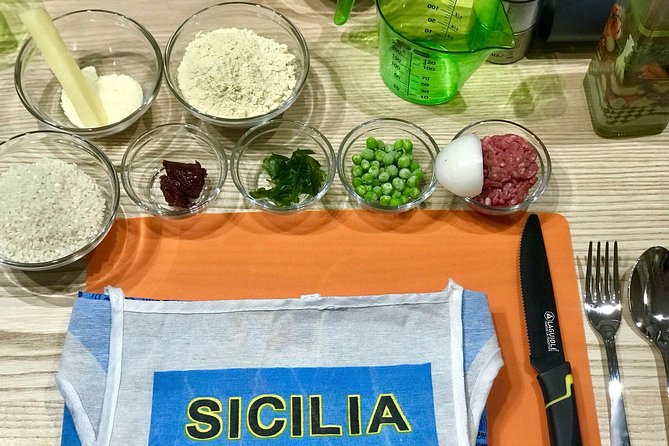
- What you’ll cook: Alla Norma pasta, meatballs, and almond biscuits
- Homemade pasta (including Alla Norma)
- Meatballs with tomato sauce
- Classical Sicilian almond biscuits
- Your 3.5-hour itinerary: learn, cook, then sit down to a real meal
- 1) Get oriented and start with pasta basics
- 2) Make the pasta and shape it
- 3) Shift into meatballs and tomato sauce
- 4) Finish with almond biscuits
- 5) Eat what you made
- Lunch or dinner in Palermo: pick the slot that fits your day
- English support and a small-group dynamic that actually helps
- Price and value: is $182.23 worth it?
- Getting there: the old-town location is close, but not always easy
- Who this Sicilian homemade pasta class is best for
- Should you book this homemade pasta class in Palermo?
- FAQ
- How long is the Homemade Pasta cooking class?
- Where does the class meet?
- Is the class offered in English?
- What’s included in the class?
- How big is the group?
- Can I choose lunch or dinner?
- When will I receive confirmation after booking?
- Is the location near public transportation?
- What is the cancellation policy?
- FAQ
- Is the class suitable for families?
- Can service animals enter?
Key things to know before you go
- Small-group feel with a maximum of six people for the class
- Sicilian classics on the menu, including Alla Norma-style homemade pasta and meatballs with tomato sauce
- Dessert included: classical Sicilian almond biscuits
- English offered, often supported by a translator team (names like Lorenzo, Riham, Sebastian, and Karim appear)
- Central meeting point in Palermo’s old town near the Cathedral
- Tight overall caps: up to six in class, with an overall maximum of 12 travelers for the activity
A family-run kitchen near Palermo’s Cathedral
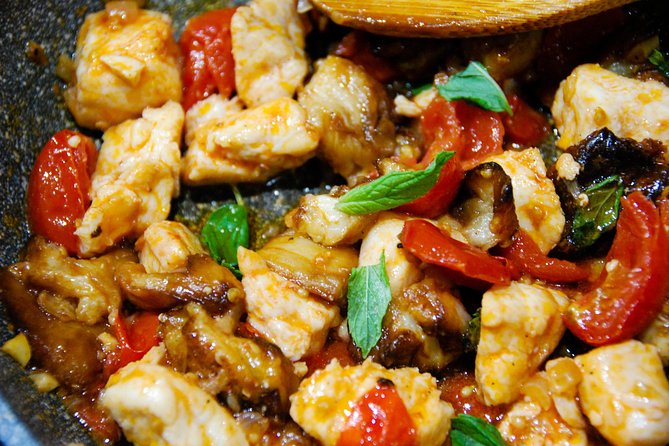
This is a family business with a simple mission: share Sicilian food the way Sicilians actually cook it—by doing, tasting, and getting the small technique details right. The kitchen is in Palermo’s historic core, close to the Cathedral, so it fits naturally into a day of sightseeing rather than pulling you out to the edge of town.
The vibe is part of the value. You’re not shuffled through a performance. You’re working with a team that has that “this is our kitchen” warmth. In past sessions, the kitchen lead—often Maria—pairs with an English translator (for example Lorenzo or Riham) so nobody gets left behind.
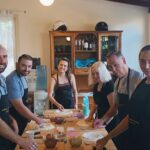
You’ll also like that the class is not huge. With up to six people in the cooking group (and a maximum of 12 travelers for the activity), you’ll have time to ask questions and correct mistakes early—especially when you’re making pasta dough and shaping.
You can also read our reviews of more cooking classes in Palermo
What you’ll cook: Alla Norma pasta, meatballs, and almond biscuits
The menu is built around the kind of food people eat because it feels right, not because it’s trendy. You’ll create a selection of Sicilian dishes plus dessert. The sample menu gives you a clear idea of the arc of the meal:
Homemade pasta (including Alla Norma)
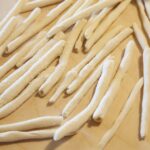
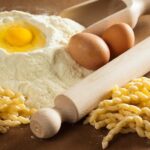
You start with homemade pasta and make a Sicilian classic called Alla Norma. Even if you’re not sure how it will be assembled in this class, you can expect a true from-scratch approach: you learn the dough and the method, then you get to put hands on the shaping and steps that go with it.
This is the heart of the class. If your goal is to learn how to make pasta, not just how to heat pasta, this is the part that delivers.
Meatballs with tomato sauce
After pasta comes meatballs with tomato sauce. It’s a practical second skill set, and it pairs nicely with pasta because it teaches you how Sicilian comfort food comes together—savory, structured, and meant to be eaten as a full meal.
Classical Sicilian almond biscuits
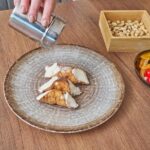
You finish with dessert: almond biscuits, described as the classical Sicilian version. Dessert is not an afterthought here. It’s part of the cooking flow, so you get a satisfying end and you also get to taste what you made, not just watch it happen.
One small thing to plan for: the classes are structured so you eat what you make. Several people note you’ll want to arrive ready to eat.
You can also read our reviews of more tours and experiences in Palermo
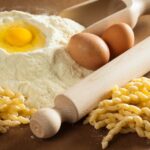
Your 3.5-hour itinerary: learn, cook, then sit down to a real meal
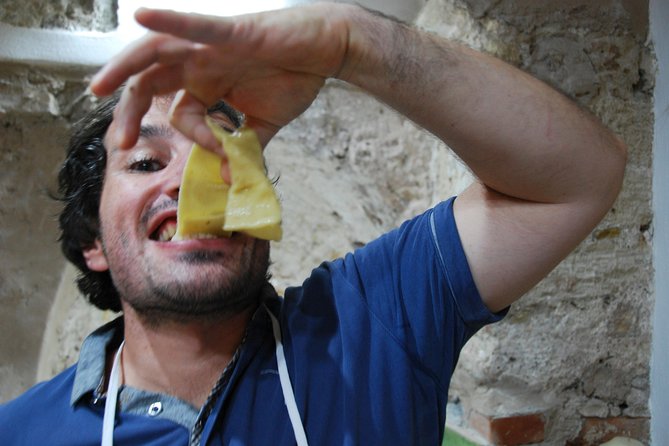
Duration is about 3 hours 30 minutes, and the timing matters because it’s long enough to teach technique and short enough to keep the energy up. Here’s how the class generally feels as a sequence of work.
1) Get oriented and start with pasta basics
You meet at Mamma Corleone, Vicolo Carini, 8, 90134 Palermo. From there, you get set up in the kitchen and start with the pasta work. The instruction style is hands-on, with attention to how the dough should feel as you handle it.
When translation is included, it’s meant to keep you moving through the steps. People often call out that the English support made a real difference, especially for technique-focused moments.
2) Make the pasta and shape it
This is where you learn the traditional part. You’re not copying a shortcut. You’re learning the process that makes homemade pasta different: the feel, the handling, and the reason the steps are done in a certain order.
This is also where the small group size helps. With fewer people around, you’re more likely to get direct feedback.
3) Shift into meatballs and tomato sauce
Once pasta is underway, you move to the next station: meatballs and tomato sauce. It’s a good rhythm change. If pasta dough worries you, this section can feel easier because it’s more about forming and cooking than fine texture control.
It also helps you understand how the Sicilian meal is built to work together—pasta plus sauce plus meatballs.
4) Finish with almond biscuits
Then dessert: classical Sicilian almond biscuits. Even if you’re not a confident baker, this part is approachable because it fits the class format—practical steps, guided technique, and time to finish and taste.
5) Eat what you made
The last step is the best: sit down and enjoy the full meal you created. It’s not just sampling. This is a proper lunch or dinner option depending on what you book.
If you’re hungry when you arrive, you’ll have the right experience. If you’re the type who forgets to eat breakfast, you might still be okay—because the class includes plenty of food—but you’ll enjoy it more if you come with normal energy.
Lunch or dinner in Palermo: pick the slot that fits your day
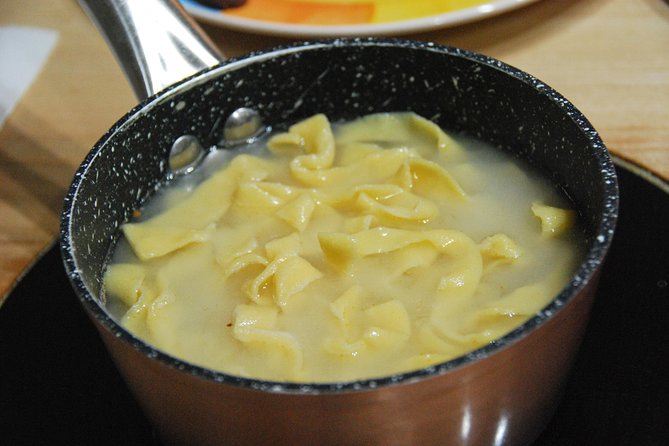
You can choose between a lunch or dinner cooking class. That matters more than it sounds.
- If you book lunch, you’re basically turning this into a midday anchor. After cooking, you’ve got energy to wander Palermo’s old streets while the meal is still settling.
- If you book dinner, you get a slower, evening pace. The cooking becomes part of your nighttime Palermo plans, and you’ll likely eat right after the class.
If your trip includes a lot of churches and museums, lunch can be a clean break. If you’re planning a relaxed evening, dinner lets you turn the class into the main event.
English support and a small-group dynamic that actually helps
This class is offered in English, and in real sessions, translators such as Lorenzo, Riham, Sebastian, or Karim show up to keep everything clear. The key is that translation isn’t treated like a side note. It supports technique and process.
That matters for pasta. Homemade pasta isn’t just about ingredients. It’s about texture, timing, and how the dough reacts under your hands. With English support, you’re more likely to understand what to change if something feels off.
The size also helps. With a maximum of six people in the cooking group, you’re not fighting for attention. You can ask questions, you can check the next step, and you can correct mistakes before they snowball.
Price and value: is $182.23 worth it?
The price is $182.23 per person for roughly 3.5 hours, with food you make and eat (pasta plus meatballs plus almond biscuits). For me, the value comes down to three things:
1) You’re paying for real instruction, not just a meal. Pasta-making takes time and attention, and the class is built for hands-on learning.
2) You’re getting a full Sicilian plate, not a tiny tasting portion. The format ends with eating what you made, and the menu is designed as a complete meal.
3) You’re in a controlled small-group setting. Smaller groups mean more coaching, and coaching is what helps you leave able to repeat something at home.
If you’re the kind of traveler who values skills you can bring back—simple techniques you can repeat—this price starts to feel more reasonable. If you mainly want to snack and take photos, you may find it pricier than you expected. This is a cook and eat experience.
Getting there: the old-town location is close, but not always easy
The meeting point is Vicolo Carini, 8, near the Cathedral. That’s good news because you’re in a walkable, central area.
The not-so-good news: old-town streets can confuse navigation systems, especially if you’re disembarking and trying to get moving quickly. If you’re coming from a cruise ship or you only have a short window, do this before you leave:
- Pin the exact meeting point in your map app
- Give yourself extra walking time
- Treat alleys like you would train platforms: you want to arrive early enough to re-orient without panic
Also, the activity is near public transportation, so if you’re flexible with routes, you can use transit to avoid wasting time threading through side streets.
Who this Sicilian homemade pasta class is best for
This fits well if you want a real Palermo food experience without the formality of a restaurant cooking demo.
I’d especially recommend it if:
- You want traditional cooking techniques and not just a quick recipe overview
- You like learning from a local team in a kitchen setting
- You travel with a partner or small group and prefer hands-on coaching
- You want an English-friendly class that doesn’t leave you guessing at steps
One extra note from real class experiences: people have reported that the team was able to accommodate a child’s food allergies. If you have dietary restrictions, tell the provider in advance so they can plan.
Should you book this homemade pasta class in Palermo?
If you’re torn, here’s my straight answer: book it if homemade pasta and Sicilian classics are on your list, and you want to leave with techniques you can actually repeat.
You should especially consider it if:
- You like small groups and clear instruction
- You want a central activity near Palermo’s Cathedral
- You want lunch or dinner that’s built around real cooking, not just watching
Skip it if:
- You’re looking for a cheap, casual food stop
- You hate finding local streets without lots of buffer time
- You don’t want to cook much and prefer to observe instead
Given the perfect rating and the consistently positive feedback on the chef-translation-team setup, it’s a strong choice for an authentic Palermo day—one where you eat what you made and you learn the method, not just the meal.
FAQ
How long is the Homemade Pasta cooking class?
The class lasts about 3 hours 30 minutes.
Where does the class meet?
You’ll meet at Mamma Corleone, Vicolo Carini, 8, 90134 Palermo, Italy.
Is the class offered in English?
Yes. The cooking class is offered in English.
What’s included in the class?
You’ll create a selection of pasta dishes plus dessert, and you can choose between a lunch or dinner class. A sample menu includes homemade pasta (Alla Norma), meatballs with tomato sauce, and almond biscuits.
How big is the group?
The class is described as an intimate small group with a maximum of six people. The activity also lists a maximum of 12 travelers.
Can I choose lunch or dinner?
Yes, you can choose between a lunch or dinner cooking class.
When will I receive confirmation after booking?
Confirmation is received within 48 hours of booking, subject to availability.
Is the location near public transportation?
Yes. The meeting area is near public transportation.
What is the cancellation policy?
Free cancellation is available. You can cancel up to 24 hours in advance for a full refund. If you cancel less than 24 hours before the start time, the amount paid is not refunded.
FAQ
Is the class suitable for families?
The experience notes say it’s for all ages, and the format is set up for small groups and hands-on participation.
Can service animals enter?
Yes, service animals are allowed.