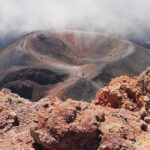
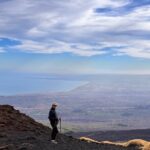
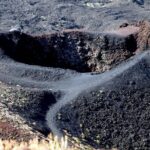
Mount Etna is loud in theory; this turns it into a walk you can follow. You get a private, guided trek starting near the South station (around 1900m), with a certified guide explaining the 2001 lavas and older eruptive vents like 1971 and 1892. I especially like the way the guide connects what you’re seeing—laterally carved craters, endemic plant life, and the stark volcanic ground—to what’s happening on Europe’s most active volcano.
The second thing I really like is the finish in Ragalna, where the tour shifts gears from geology to taste. You end with a guided tasting of Etna products—wine, olive oil, pistachios, honey—made possible by volcanic soil. One thing to consider up front: this is on foot and asks for moderate physical fitness, so plan for steady trekking time rather than a casual stroll.
In This Review
- Key highlights you should know before you go
- A private Etna hike that starts high and stays practical
- Walking past 2001 lavas and eruptive vents you can actually see
- The lava-flow cave with helmets and torches: the best change of pace
- Ragalna at the end: volcanic soil in your glass and on your plate
- Timing, transport, and the real feel of 4 to 5 hours
- Price and value: what $264.90 per group covers
- Who this tour fits best (and who might want a different plan)
- Weather and day-of reality on Mount Etna
- Tips so you don’t think about logistics once you’re there
- Final verdict: should you book this Etna and Ragalna day?
- FAQ
- How long is the private Etna excursion?
- How many people can join this private tour?
- Is pickup included?
- Where does the Etna part of the tour start?
- What happens on Mount Etna during Stop 1?
- What is included at Ragalna in Stop 2?
- Is lunch included?
- What kind of fitness level do you need?
- What language is the tour offered in?
- What if the weather is bad?
- How far in advance do you find out if the tour is confirmed?
Key highlights you should know before you go
- Private certified guide focus on what you’ll see on Etna, not a big group shuffle
- 2001 lavas and historic vents (1971 and 1892) explained in plain, on-the-ground terms
- Lava-flow cave visit with torches and helmets, a very different side of the volcano
- End in Ragalna with a guided tasting of wine and classic Etna foods
- Transport included, plus pickup offered, so you spend less time coordinating
A private Etna hike that starts high and stays practical
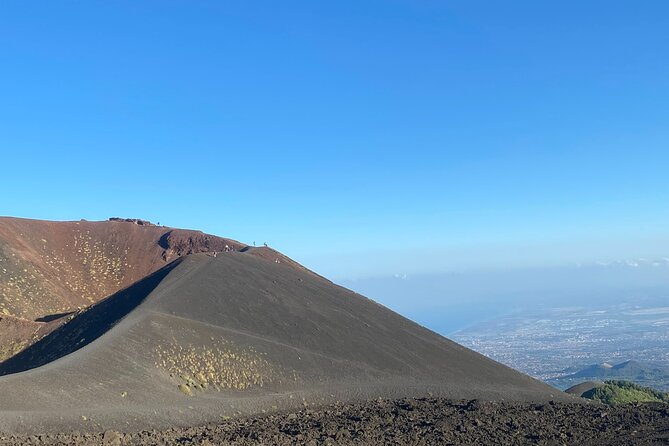
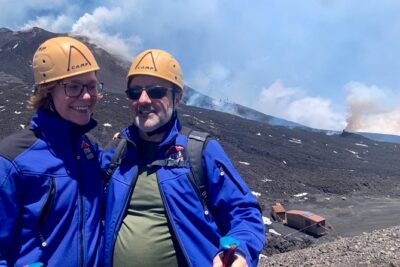
This day is built for people who want more than a quick viewpoint photo. You start at the South station of Etna at about 1900m, then begin a private excursion on foot with a certified guide. The guide leads you through the volcanic terrain while pointing out features you’d miss if you were just wandering: the shape and scars of older eruptions, and how the volcano’s activity has changed the ground over time.
The timing is also a big part of why this works. Expect about 4 to 5 hours total, with Stop 1 taking around 3 hours and Stop 2 around 1 hour. That rhythm matters: you get a proper walk first, when your energy is fresh, and a tasting at the end—when you’ll likely feel hungry and ready for something rewarding.
Pickup is offered, and the tour uses a mobile ticket, which helps if you prefer less paperwork. It’s offered in English, so you can actually ask questions and not just nod at the scenery.
One small but important reality check: this route is on foot on uneven volcanic ground. Even if you’re athletic, you’ll want comfortable shoes with grip. If you’re on the edge physically, take the moderate fitness note seriously.
You can also read our reviews of more private tours in Sicily
Walking past 2001 lavas and eruptive vents you can actually see
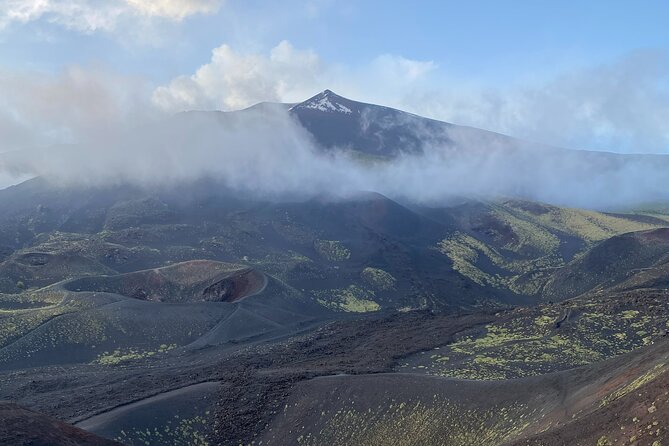
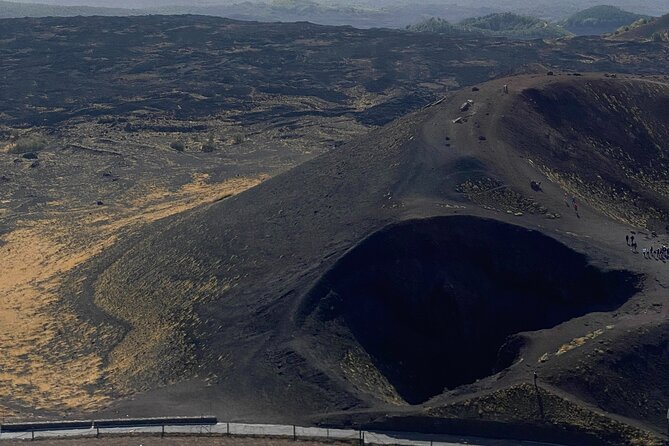
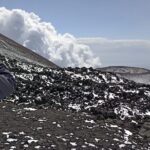
Stop 1 is the core of the day: a guided walk on Etna through a scene shaped by eruptions. The guide focuses on the 2001 lava flows and also the eruptive vents from 1971 and 1892. Those dates are more than trivia. They give you a timeline you can picture when you look at how the lava hardened, where channels cooled, and how later activity reshaped the area.
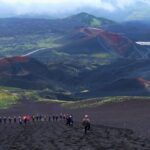
You’ll also get close to lateral craters and watch how volcanic pressure and eruption patterns translate into landforms. It’s the kind of explanation that makes the volcano feel less like a distant headline and more like a place with logic.
There’s also a nature angle that I appreciate. The tour highlights endemic vegetation—plants adapted to this volcanic environment. You’re not just looking at rock; you’re learning that life tries to reclaim even harsh ground. It’s a reminder that Etna isn’t only destruction. It’s also an engine for long-term change.
If you care about storytelling, you’re in good company. In past tours, the guide has been Danilo Caruso, and people describe him as funny, friendly, and clearly passionate. His style comes through in the way he explains Etna as something personal—an attitude people sum up as Mama Etna. If your departure is led by him, you’ll likely get more than facts; you’ll get context and anecdotes that make the day stick.
The lava-flow cave with helmets and torches: the best change of pace
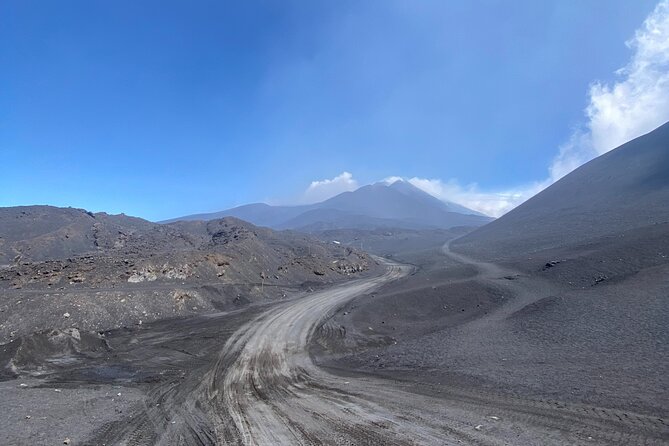
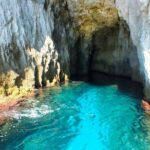
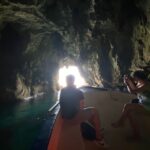
After trekking across the volcanic surface, you get a chance to go under it—well, at least into a cave formed by lava. The tour includes a lava flow cave visit, and you’ll use torches and helmets. That simple detail is more important than it sounds. It’s what turns the cave from a dark mystery into a guided experience you can follow.
Inside a lava cave, your eyes need time. Torches help you see the shapes and textures—where lava cooled, where it left smooth surfaces, and how the underground space changes what you think you know about the volcano. Even if you’re not a “cave person,” this is usually the part that feels most different from the hike.
Practical note: bring a mindset for short-term discomfort. Helmet time can feel warm, and cave air can be cooler than the outside. The tour doesn’t mention special clothing beyond what you’d expect for a moderate hike, but you’ll want layers you can manage easily.
And because this is part of Stop 1 (about 3 hours), you’re not just adding an extra stop. It’s built into the flow of the day, so you don’t lose the thread of the volcano story.
Ragalna at the end: volcanic soil in your glass and on your plate
Stop 2 is a smart pivot: after rock and vents, you head to Ragalna, one of Etna’s characteristic villages. Here, the tour shifts from the volcano’s past to what the volcano produces today.
You’ll enjoy a guided tasting of typical Etna products, with an emphasis on food and drink shaped by volcanic soil fertility. The tasting includes items such as Etna wine, olive oil, pistachios, and honey, plus other typical products depending on what’s available.
This is one of those parts where the value is hard to overstate. You can read about volcanic terroir all day, but a structured tasting gives you a way to connect flavors to place. You’ll get a guided lens—so you know what you’re tasting and why it matters, not just what the labels say.
The tour notes admission ticket is free for this stop. Translation: the tasting isn’t treated like a separate paid add-on. It’s part of the experience package that brings closure to the day.
And because you end in Ragalna, it’s also a convenient capstone if you’d like to linger in the village afterward on your own—just keep in mind you’ll want time for transport and your next plan.
Timing, transport, and the real feel of 4 to 5 hours
The duration is about 4 to 5 hours, and it’s built around two distinct blocks. Stop 1 is roughly 3 hours and includes the hike plus the cave visit. Stop 2 is about 1 hour for the Ragalna tasting.
That matters because it helps you plan energy and meals. Lunch is not included, so you don’t want to roll in starving. If you’re traveling with kids or mixed ages, the structure still helps: the day isn’t an all-day slog, but it is a real outing.
Private transportation is included, and pickup is offered. That’s a big plus on Etna, where getting from one spot to another can chew up time. You also get a mobile ticket, which is handy if you’d rather avoid printer issues.
One more timing point from the tour details: the average booking window is around 21 days in advance. That doesn’t guarantee availability, but it signals a popular slot. If you’re traveling in peak season or want a specific day, you’ll want to book early.
Price and value: what $264.90 per group covers
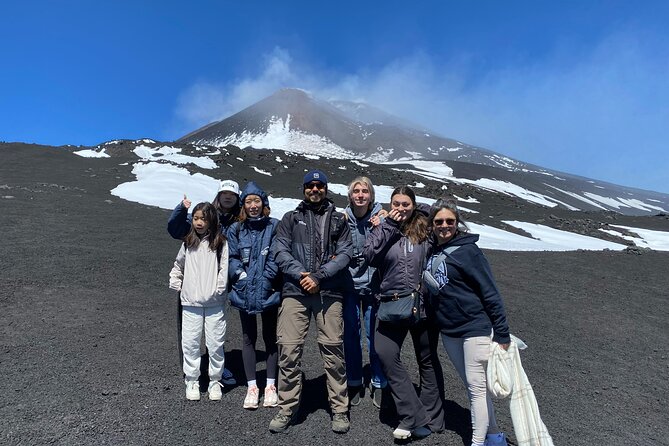
The price is $264.90 per group, up to 4 people. That’s not “per person cheap,” but it’s often “per experience fair” when you look at what’s included.
Here’s what you’re paying for in practical terms:
- a certified guide for the whole Etna-focused portion
- private transportation (and pickup offered)
- the Stop 1 entrance/admission ticket included
- the cave visit with torches and helmets as part of the guided experience
- the Stop 2 guided tasting in Ragalna, with admission ticket noted as free
Lunch isn’t included, so you’ll need to handle food on your own.
The value logic is simple: this is a private, guided volcano day with a structured switch into food tasting. If you were trying to assemble this yourself—finding a guide, arranging transport, and building in a cave visit—you’d likely spend more and lose time that a day like this really needs.
For small groups, the price becomes even more sensible. If you’re a couple, you can still make it work by treating it as a single shared day trip rather than separate tickets.
Who this tour fits best (and who might want a different plan)
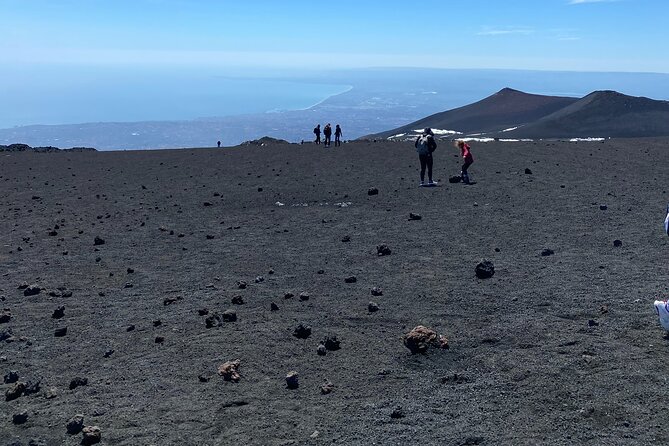
This is a great match if you want a clear guided route on Etna and you like learning while you move. It also fits families with different ages, based on how the experience has been described by people who traveled with multi-age groups. A strong guide makes a difference on a walking tour, and guides in this category tend to keep everyone oriented and engaged.
You should also like the idea of ending with a tasting. If you’re only interested in geology, Stop 2 may feel like a bonus rather than a core. But if you enjoy local products, it’s a satisfying finish.
Who should be careful:
- If you struggle with moderate walking or uneven ground, this may be tough.
- If you prefer a no-walking or short-stops-only format, this isn’t that.
- If you don’t want to handle your own lunch, plan ahead.
Weather and day-of reality on Mount Etna
This experience runs with good weather requirements. If it’s canceled due to poor weather, you’ll be offered a different date or a full refund. That’s exactly the right approach for a volcano hike, because the key parts—walking route and cave timing—depend on conditions.
Also, confirmation is received within 48 hours of booking, subject to availability. So if your travel window is tight, you’ll want to line this up early enough to adjust if your first-choice day doesn’t work out.
Service animals are allowed, which is a helpful detail for planning.
Tips so you don’t think about logistics once you’re there
Even with pickup and private transport, you’ll still control comfort. A few practical things help a lot:
- Wear grippy shoes you trust on uneven volcanic ground.
- Bring layers. Etna can feel different at altitude, and caves can change the temperature.
- Pack water. The tour doesn’t mention water being provided, so plan to carry your own.
- Have a small snack strategy for before or after. Lunch is not included.
- If you’re camera-happy, remember that caves can reduce light quality—torches help, but you’ll still want patience for shots.
If you’re going with a guide like Danilo Caruso, you’ll likely get prompts to look at details you’d otherwise miss. Pay attention when he points out vents, lava flow texture, and the way plants survive here. Those are the moments that turn a walk into a story you can retell.
Final verdict: should you book this Etna and Ragalna day?
I’d book this if you want a private guided Etna experience that mixes geology with something you can taste. The two-part structure works: you get a focused trek past 2001 lavas and older vents, then a cave with torches and helmets, and you end in Ragalna where volcanic soil shows up in wine, olive oil, pistachios, and honey.
Skip it or consider another option if you’re not comfortable with moderate walking on rugged terrain, or if you hate the idea of handling lunch separately. And if your schedule is strict, keep in mind that weather can shift plans—though the refund or alternate date policy is there to protect you.
If your priority is an authentic, guided day instead of a rushed stop, this checks the right boxes. You leave with more than photos: you leave with a clearer sense of how Etna works, and a real-world taste of what it makes possible.
FAQ
How long is the private Etna excursion?
The experience lasts about 4 to 5 hours total, with around 3 hours on Etna and about 1 hour in Ragalna.
How many people can join this private tour?
It’s a private tour with only your group participating. The price is per group (up to 4).
Is pickup included?
Pickup is offered, and private transportation is included in the tour.
Where does the Etna part of the tour start?
The hike begins at the South station of Etna, around 1900m.
What happens on Mount Etna during Stop 1?
You’ll take a private guided walk with a certified guide to explore 2001 lavas, and eruptive vents from 1971 and 1892. You’ll also have the chance to visit a lava flow cave with torches and helmets. Stop 1 notes an admission ticket included.
What is included at Ragalna in Stop 2?
The tour ends in Ragalna and includes a guided tasting of Etna products, such as wines, pistachios, olive oil, honey, and more. The admission ticket for this stop is listed as free.
Is lunch included?
No. Lunch is not included.
What kind of fitness level do you need?
You should have moderate physical fitness since there is a trek on foot.
What language is the tour offered in?
The tour is offered in English.
What if the weather is bad?
This experience requires good weather. If it’s canceled due to poor weather, you’ll be offered a different date or a full refund.
How far in advance do you find out if the tour is confirmed?
You receive confirmation within 48 hours of booking, subject to availability.