REVIEW · SICILY
Etna Southern Slope Guided Easy Trek
Book on GetYourGuide →Operated by Sicily Touring Tour Operator · Bookable on GetYourGuide
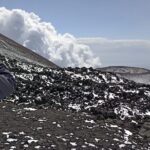
Etna looks unreal up close. This guided easy trek carries you across the Etna southern slope, where the terrain turns lunar, and the Silvestri area and eruption story are explained as you hike.
Two things I like a lot: the naturalistic volcanology, where your guide translates rock, craters, and lava into a clear timeline, and the way the hike is managed so you can actually enjoy it. In particular, guides such as Mario are praised for delivering lots of detail fast, and Thomas is noted for professional, teachable explanations that invite questions.
One consideration: this experience is weather-dependent and won’t run in rain or storms, and you’re still walking a medium-difficulty route at high altitude.
In This Review
- Key highlights to pay attention to
- Southern Etna in 2.5 hours: what this easy trek really means
- Starting at Rifugio Sapienza (1900 m) and getting oriented fast
- Walking the eruption trail: 1766, 1892, 2001 along the southern slope
- Silvestri Craters: where the view starts to make sense
- The 2001 lava and the fracture walk: the most dramatic science moment
- Calcarazzi craters of 1766: connecting the dots between vents
- The highest Silvestri viewpoint: Ionian coast in your line of sight
- Price and value: why $46 makes sense for Etna (if you use the guide well)
- What to bring, and what to plan around
- Who should book this Etna southern slope trek?
- Should you book Etna Southern Slope Guided Easy Trek?
- FAQ
- How long is the Etna Southern Slope Guided Easy Trek?
- Where does the tour start?
- What is included in the price?
- Is food or drinks provided?
- What language is the guide?
- What should I bring?
- Will the tour run in rain or storms?
- What difficulty level is the trek?
- Who is this trek not suitable for?
Key highlights to pay attention to
- Europe’s highest active volcano made understandable, step by step
- Silvestri Craters on the upper slope, with eruption history in view
- The 2001 eruption walk over lava and toward the fracture that triggered it
- Calcarazzi craters (1766) as you trace older eruption footprints
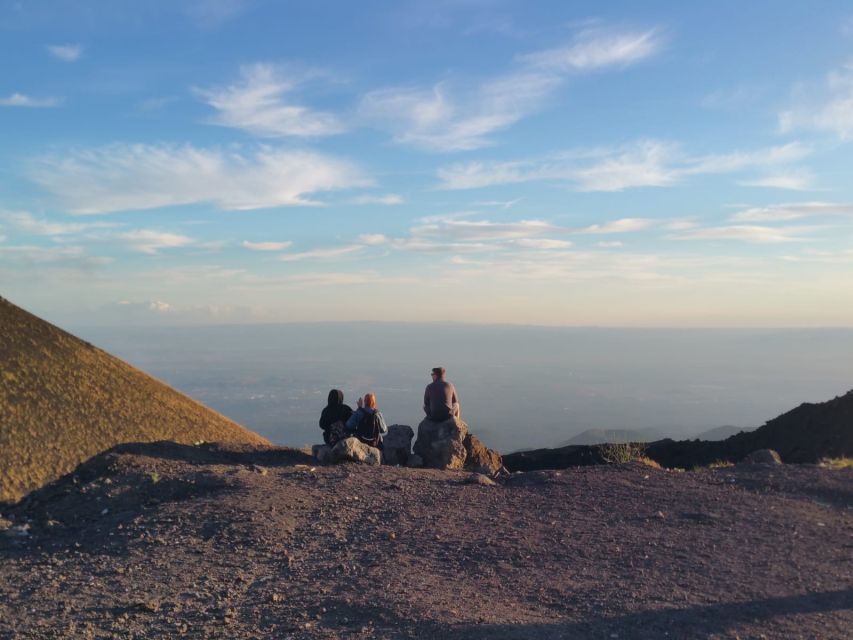
- Panorama time from the highest point of the upper Silvestri craters, with Etna foothills and Catania’s Ionian coast
Southern Etna in 2.5 hours: what this easy trek really means
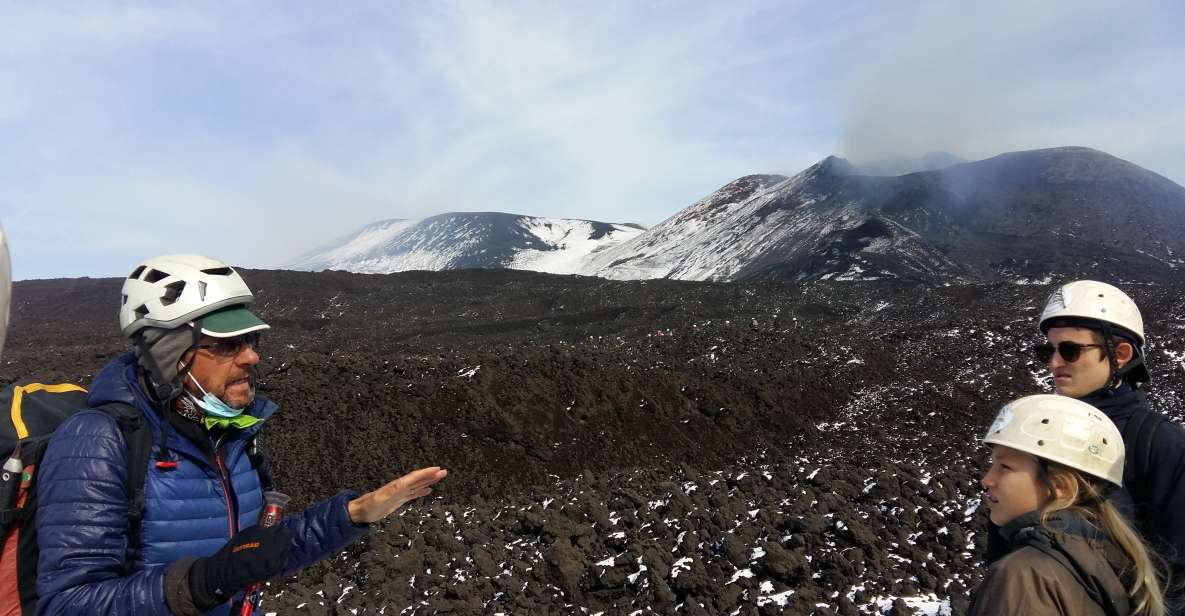
This is one of those Etna hikes where “easy” is about effort and timing, not about being on a sidewalk. You’re on the southern slope at around 1900 meters, walking volcanic ground shaped by real eruptions, with a guide keeping the science readable and the pace workable for a mixed group.
At 2.5 hours, the route is long enough to feel like you left the tourist surface behind, but short enough that you’re not committing a full day to mud, dust, and altitude. You’ll spend your time where Etna shows its best teaching tools: craters, lava surfaces, fractures, and viewpoints.
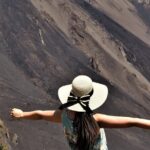
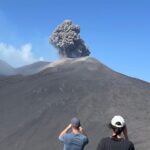
And yes, you’ll get that famous Etna look up close, the kind that makes you stop and stare because it feels like another planet until you remember you’re standing on a living volcano.
You can also read our reviews of more guided tours in Sicily
Starting at Rifugio Sapienza (1900 m) and getting oriented fast
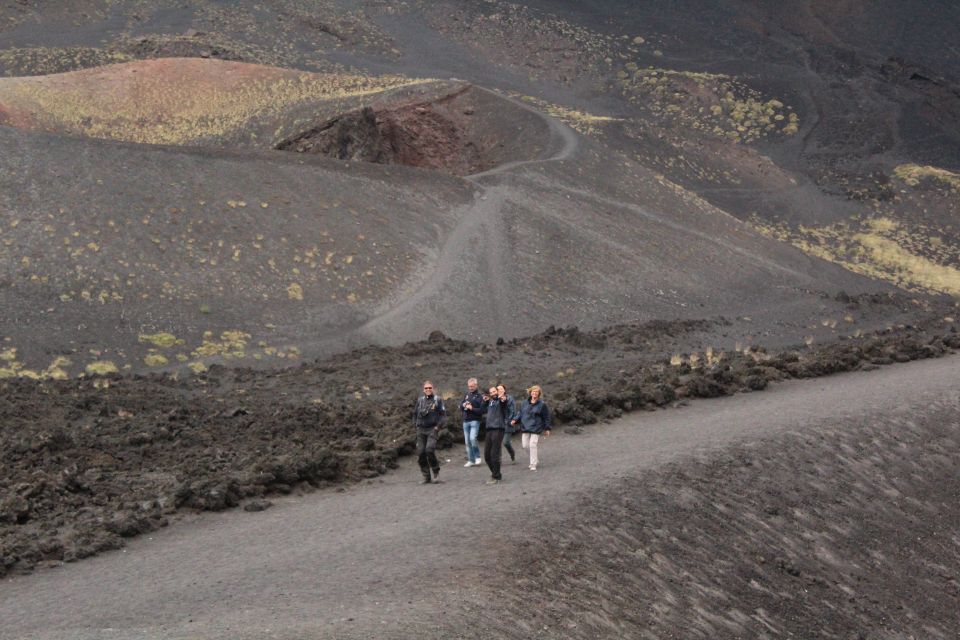
Your meeting is simple: go to Esagonal bar, find the flag with the Sicily Touring symbol, and your guide will greet you there. From there, you’re set up for the walk that begins around Rifugio Sapienza on the southern slope, next to the departure area of the Etna cable car.
That matters, because starting at the Sapienza side means you’re already at altitude. You’ll feel it, but you also avoid the long grind from the lowlands. When you start high, your hiking time becomes about reading the volcano, not just climbing to reach it.
I like the clarity of this kind of start: you can arrive, meet your guide, and get your bearings quickly—then you’re out on the ground where the eruption stories actually show up as terrain.
Practical tip: if you’re prone to breathlessness at altitude, pace yourself from the first minutes. Even an “easy” Etna trek will ask for steady steps.
Walking the eruption trail: 1766, 1892, 2001 along the southern slope
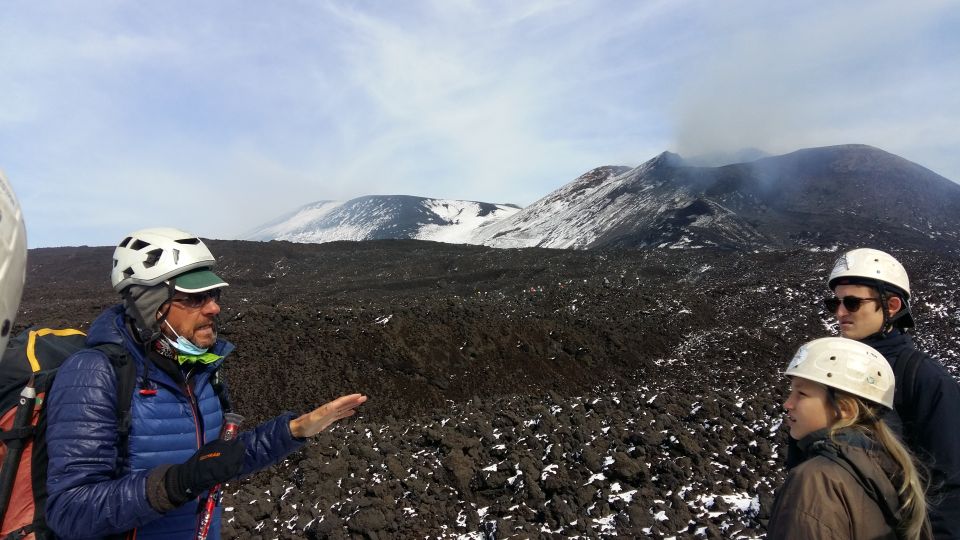
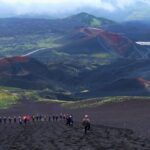
This tour is built around a simple idea: walk through the evidence of different eruptions. You’ll go through the eruption zones linked to 1766, 1892, and 2001, moving through the kind of barren, lunar-feeling surface Etna is known for.
Here’s why that’s valuable. Etna isn’t just a big mountain—it’s a system. Different eruptions carve and stack features over time, and your guide helps you connect what you’re seeing to what likely happened when that lava and those vents were active.
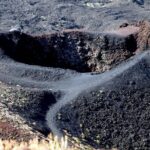
You’ll also cross the upper craters of the Monti Silvestri. Expect crater edges and volcanic ground that can feel both dramatic and oddly quiet. The craters aren’t just scenery; they’re the land’s memory written in rock shapes.
Possible challenge: because the terrain is volcanic and uneven, comfortable shoes matter more than you’d think. If your footwear is more fashion than traction, you’ll notice it fast.
Silvestri Craters: where the view starts to make sense
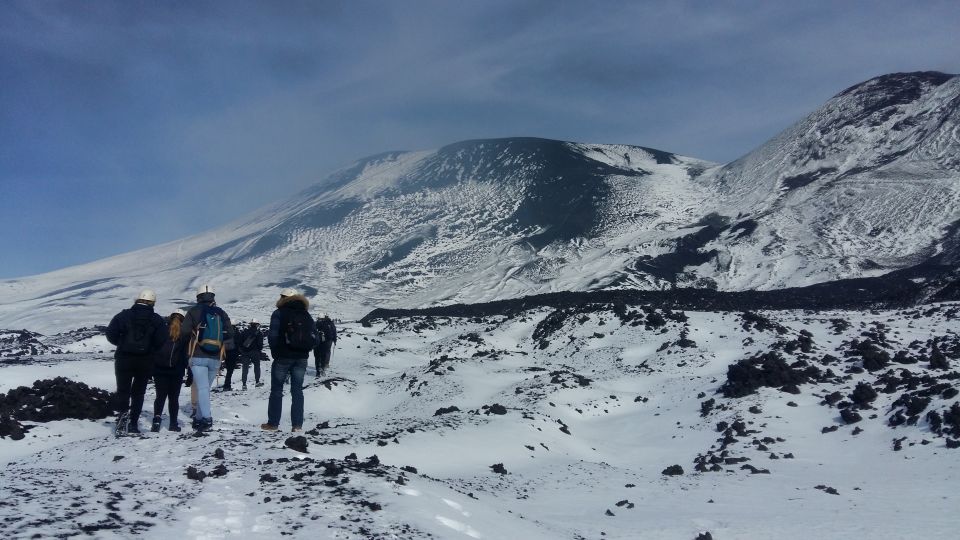
The Monti Silvestri craters are the first big “aha” moment on this route. You’re high enough that the craters feel like a world of their own, with open space and strong sightlines—yet close enough that you can see how the ground is textured and broken.
As you move around the craters, the guide’s job is to turn the maze into a map. The goal is not to overwhelm you with geology terms. It’s to help you recognize patterns: what looks like an old crater rim, what looks like newer lava, and why one area feels more broken or fragmented than another.
This is also where the best guides shine. In the feedback for this experience, the guide’s ability to explain lots of detail quickly comes up again and again—so you’re not stuck staring while your brain waits for context. You’ll learn what to look at while you’re actually looking.
And if you like asking questions, this kind of walk is a good setting for it. A teacherly guide makes the difference between walking past volcanic features and understanding them.
The 2001 lava and the fracture walk: the most dramatic science moment
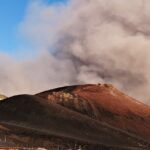
The heart of the itinerary is the 2001 eruption area, including time spent walking on 2001 lava and reaching the volcanic fracture that generated the eruption.
This is where Etna goes from interesting to gripping. A “fracture” sounds abstract until you’re physically near the kind of ground where the crust broke and allowed magma to move. You’re not just looking at a crater—you’re learning how eruptions start with structural weakness and how that weakness expresses itself in terrain.
The lava walk is also the part where you’ll feel the most difference under your feet. Volcanic surfaces can be sharp, uneven, or dusty, and your guide’s pacing matters. Reviews for the experience highlight that pauses are timed well, which helps you regroup and keep your footing without rushing the science.
Even though the walk is described as easy/medium, this portion can be the most demanding mentally because it asks you to slow down and pay attention to details instead of just covering distance.
You can also read our reviews of more hiking tours in Sicily
Calcarazzi craters of 1766: connecting the dots between vents
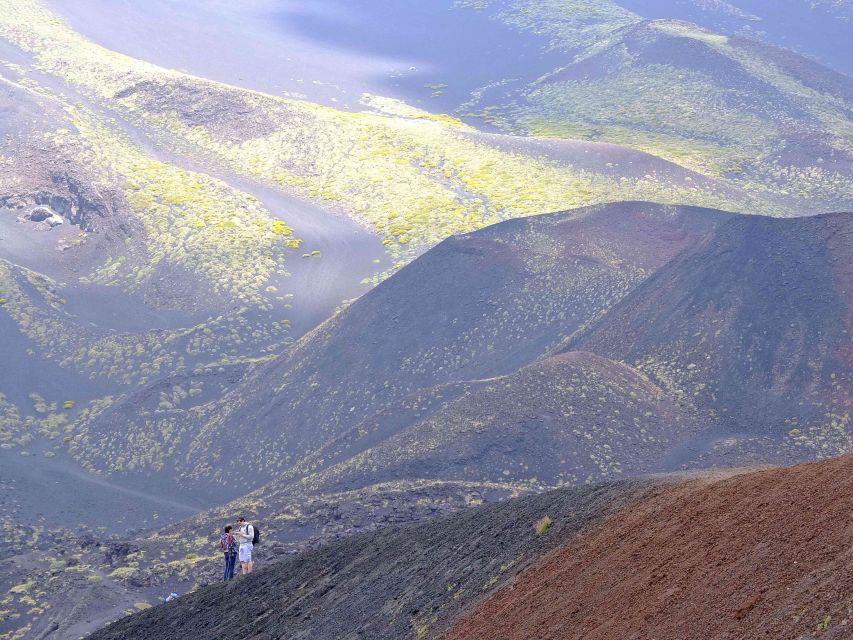
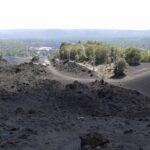
After the 2001 segment, you continue toward the Calcarazzi craters of the 1766 eruption. This is one of those sections where the terrain becomes a timeline you can follow.
If 2001 is the “action scene,” 1766 is the “aftermath and older layers” lesson. Your guide helps you compare what older eruption ground can look like versus the newer flows and broken zones you saw earlier. That contrast is what makes the walk worth it—otherwise Etna just looks like a whole bunch of gray rock.
You’ll reach and move around crater features in the Calcarazzi area as you head toward the route’s top point. The point is not to feel like you’re conquering a mountain. It’s to experience how Etna repeatedly changes the southern slope and how those changes build on one another.
The highest Silvestri viewpoint: Ionian coast in your line of sight
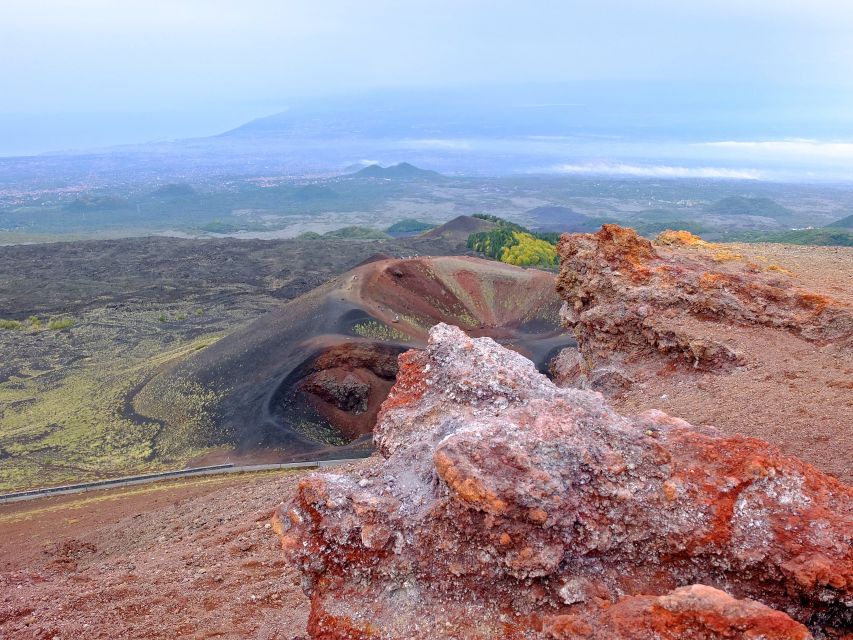
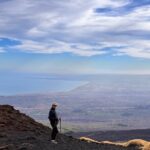
The tour ends with a big reward: reaching the highest point of the upper Silvestri craters, where you can admire a panoramic view over the Etna foothills and the Ionian coast of Catania.
This is more than a photo stop. It’s where everything you’ve walked through clicks into place: craters become positions on a slope, lava becomes a record of direction, and the volcano becomes a structure you can understand instead of just a big thing in the distance.
If you’ve only ever seen Etna from the roads, this is the moment you’ll feel the scale. The view gives context to the volcanic terrain you were stepping over earlier. It’s a rare case where the scenery and the education reinforce each other.
Photo tip: at that altitude, light can change quickly. Keep your phone or camera ready, but don’t rush the moment. Take a few minutes to look without shooting first—you’ll notice more.
Price and value: why $46 makes sense for Etna (if you use the guide well)
The price is $46 per person for a 2.5-hour guided excursion, and the only included item is the nature guide service. No food, no drinks, and no provided clothing or mountain gear are included.
So what are you paying for? In plain terms, you’re paying for someone to help you see what you’d otherwise miss. On Etna, it’s easy to feel like you’re walking through rock. A good volcanology guide makes that rock readable—explaining which eruptions shaped which features and how to interpret what’s around you.
That value is strongest if you do two things:
- You walk with attention, not just speed.
- You ask questions when something catches your eye.
The feedback also suggests the guides keep explanations organized and question-friendly, with an emphasis on answering clearly. That teaching quality is part of the value, not an extra.
If you’re the type who wants a fully catered day, this might feel too bare-bones. But if you’re happy bringing water and snacks and spending your money on guided interpretation, it’s a solid deal.
What to bring, and what to plan around
You’ll want:
- Hiking shoes with good traction
- Water
- Rain gear
- Comfortable clothes
That rain gear isn’t optional in the “bring it just in case” sense. The tour info is clear that it won’t run in rain or stormy weather, so the weather rules may cancel your day. Still, if conditions are changeable, rain gear helps you stay comfortable if you hit mist or light drizzle around the start area.
Also plan to handle food yourself. Since food and drinks aren’t included, bring a light snack if you think you’ll want one, especially if you’re doing the trek earlier in the day. Otherwise, you can treat it like a hike where you fuel before and after.
One more practical point: the experience isn’t suitable for motion sickness, and there are other health and age limits. If any of those apply to you, it’s better to choose a different Etna option.
Who should book this Etna southern slope trek?
This is best for you if you want a guided walk that’s not too long, but still meaningful. You’ll enjoy it if:
- You like geology and want practical explanations while you’re on the ground
- You want a short Etna hit without a full-day commitment
- You’re okay with uneven volcanic terrain and some medium-difficulty effort
It may not be the right fit if you have heart problems, are pregnant, have low fitness, experience motion sickness, or if you’re over 95 years old.
And if you’re traveling with kids, older teens, or people with fragile ankles, I’d be cautious unless you know they handle uneven outdoor ground well. The tour avoids stormy weather, which helps, but the surface itself is still volcanic.
Should you book Etna Southern Slope Guided Easy Trek?
Yes, if your goal is a guided, science-informed walk on Etna’s southern slope within a half-day window—and you’re ready to bring your own water and weather protection. The Silvestri craters, the 2001 lava and fracture, and the Calcarazzi 1766 craters are a strong set of stops for anyone who wants more than views.
I’d skip or double-check if weather is unreliable during your dates, or if you fall into the health/mobility categories listed as not suitable. Also, if you hate rocky footing or want a fully comfortable guided experience with minimal physical effort, this might feel too “real outdoors” for your comfort.
If you want the kind of Etna trip where the landscape is more than scenery—and where a guide can explain the eruption history in a way that sticks—this one is worth your spot.
FAQ
How long is the Etna Southern Slope Guided Easy Trek?
The duration is 2.5 hours.
Where does the tour start?
You’ll meet inside Esagonal bar, and then the trek starts around Rifugio Sapienza on the southern slope (near the Etna cable car departure area).
What is included in the price?
The tour includes the nature guide service.
Is food or drinks provided?
No. Food and drinks are not included.
What language is the guide?
The live tour guide is available in English and Italian.
What should I bring?
Bring hiking shoes, water, rain gear, and comfortable clothes.
Will the tour run in rain or storms?
No. The tour will not take place in rain or stormy weather.
What difficulty level is the trek?
It is listed as medium difficulty.
Who is this trek not suitable for?
It is not suitable for pregnant women, people with heart problems, people with low level of fitness, people with motion sickness, and people over 95 years.