REVIEW · SICILY
Snorkeling tour around the Isola Bella Nature Reserve
Book on Viator →Operated by NIke Diving · Bookable on Viator
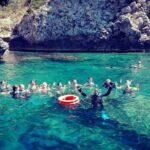
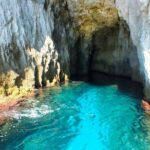
Blue Grotto scenery, snorkel-ready. This 90-minute Isola Bella Nature Reserve tour takes you by zodiac to three separate spots, with guides pointing out what’s worth seeing under the surface. I like how it’s set up for calm sightseeing in protected waters, not a chaotic free-for-all.
Two things I’d bet on if you book: first, the small group size (max 10) makes it easier to get help in the water. Second, you get full snorkeling gear—wetsuit, mask, snorkel, and fins—so you’re not scrambling at the last minute.
One consideration: it depends on good weather. If conditions are poor, the outing can be switched to a different date or refunded, so don’t plan anything too tight right after.
In This Review
- Key highlights you’ll care about
- Why Isola Bella’s waters are built for a snorkel
- Your 90-minute route: Isola Bella, the Blue Grotto, and Cape of Taormina
- Stop 1: Isola Bella (Nature Reserve seabed)
- Stop 2: The Blue Grotto
- Stop 3: Cape of Taormina
- Zodiac rides: why they matter more than you think
- Gear, wetsuit, and getting help without slowing everyone down
- What you’ll see under the water: fish, algae, sea stars, and more
- Price and value: what $45.86 buys you in real terms
- Weather, timing, and the reality of coastal conditions
- Who should book this snorkeling tour (and who might skip it)
- Should you book this snorkeling tour around Isola Bella?
- FAQ
- Where does the tour start?
- How long is the snorkeling tour?
- What’s included in the price?
- What is not included?
- How many people are in the group?
- Do I need to bring a printed ticket?
- Is the tour weather-dependent?
- What is the cancellation policy?
Key highlights you’ll care about
- Three snorkeling stops in one run: Isola Bella, the Blue Grotto, and Cape of Taormina
- Zodiac boat transport: designed for getting you to the water quickly
- Gear is included: wetsuit, fins, mask, and snorkel
- Clear water and filtered light: visibility can reach 10–15 meters
- Guides focus on what you can see: from fish to sea stars to algae
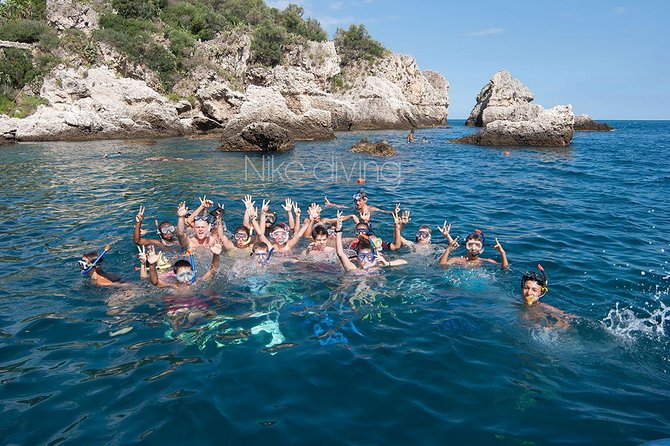
- Small groups (10 max): better pacing and more hands-on help
Why Isola Bella’s waters are built for a snorkel
If you like snorkeling that feels like a nature walk with a view under glass, Isola Bella is a strong pick. The tour is built around protected sites, and that matters: you’re less likely to feel like you’re sharing space with random boats or swimming in an exposed mess. Instead, you get set up where the seabed looks good and the experience feels organized.
The water quality is part of the reason. You can expect visibility around 10–15 meters, which is enough to spot fish clearly and follow the guides’ pointing without squinting like you’re reading a menu. Sun rays also filter through caves and ravines, so the underwater scene isn’t just “stuff on the bottom.” It becomes light-and-shadow snorkeling, with color breaking through where you’d expect it.
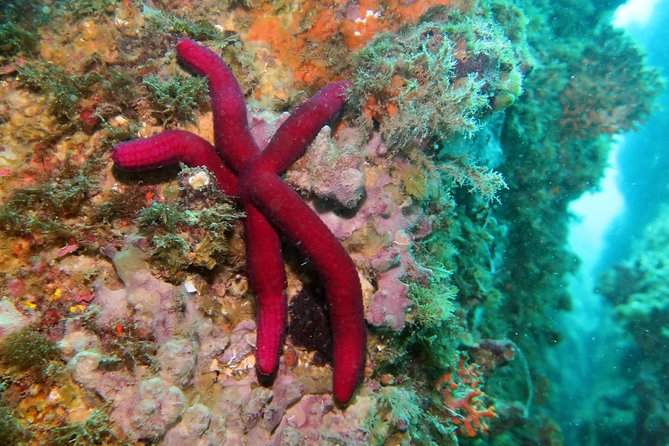
One more practical bonus: the reserve area has lots of marine life moving through. Guides call out species you can actually track visually—plus the little things that make snorkeling special, like bright red sea stars and colorful algae. And yes, there are also notes about archaeological discoveries in the region, like bronze vases and ceramic objects. Even if you never “spot the artifact itself” on every trip, it helps you understand why the seabed here is treated with respect.
You can also read our reviews of more snorkeling tours in Sicily
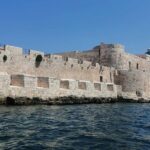
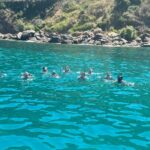
Your 90-minute route: Isola Bella, the Blue Grotto, and Cape of Taormina
This is a three-stop tour, run by guides, with zodiac transport between sites. The overall time is about 1 hour 30 minutes, so each stop is paced to keep you seeing and not just waiting. That’s good for most people, especially if you’re new to snorkeling and you want the help before you get tired or restless.
Stop 1: Isola Bella (Nature Reserve seabed)
The first site is the Isola Bella Nature Reserve area—often referred to as Isola Belle on the tour description. This is where you slow down and focus on the seabed. With the right conditions, you’ll get that crisp, clear-water look where it’s easier to see fin movement, fish trails, and the textures of algae.
What I like about starting here: it’s the easiest place to get comfortable. If you’re wearing a wetsuit for the first time or you’re still learning how to keep your mask clear, a first stop that feels calmer helps you settle in before the more famous scenery.
Potential drawback: because you’re working in a protected zone with guides managing the flow, you won’t have the freedom of an all-day swim. It’s planned sightseeing, not independent wandering.
Stop 2: The Blue Grotto
The middle stop is the Blue Grotto, described as famous for the way light plays in and around caves. In practice, what you’re looking for is the visual effect: sun rays filtering through rock, water turning brighter where the light hits, and a sense that the “underwater scene” has stages.
This is a good stop for photographers and anyone who enjoys atmosphere. The guides help you position yourself so you can see the contrast—darker water edges, brighter patches in the center, and fish moving through the gradients.
Potential drawback: cave and ravine environments can feel a little snug compared to open water. If you’re prone to anxiety in enclosed spaces, go slow, take direction from your guide, and don’t rush your breathing.
Stop 3: Cape of Taormina
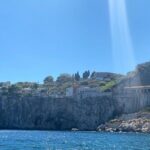
The final stop is Cape of Taormina, which rounds out the tour with another seabed environment and scenic views. By now, you’ve already gotten your bearings underwater, so you can spend less time figuring out your gear and more time enjoying what’s around you.
This stop tends to feel like the payoff. You’ve learned the rhythm: breathe steadily, keep your eyes open, and let your guide tell you where to focus. The tour description also points out that the seabed offers emotions—meaning you’re not just seeing “water and fish,” you’re seeing variety in how the area looks and how marine life uses the space.
Potential drawback: the tour wraps back at the meeting point after these stops, so don’t expect a long final drift. If you want extra time, check whether there’s an add-on experience available elsewhere—but with this particular run, your time is limited by design.


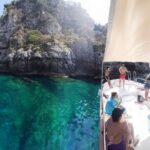
Zodiac rides: why they matter more than you think
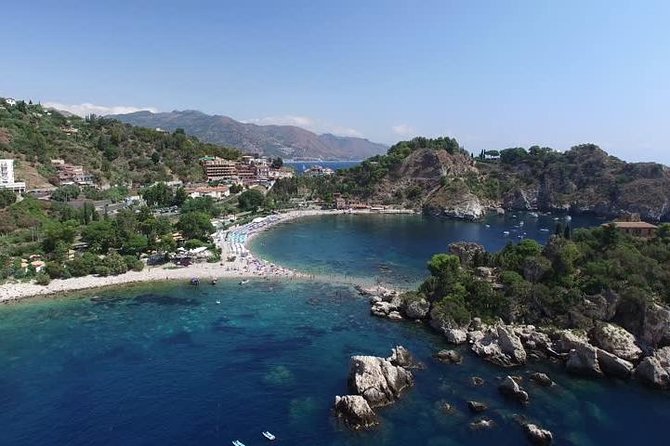
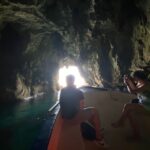
Getting there by zodiac is part of the value, not just transport. The boat is specially designed for the snorkeling activity, which usually means you’re not stuck on a long, uncomfortable ride. Faster access matters because snorkeling is weather- and visibility-dependent. If conditions shift, you want to be on the water at the best moment.
On a zodiac, you also stay close to the action. That can be a big help if you’re prone to feeling seasick. I’d still treat the ride like a “small boat” experience: keep your expectations realistic, bring your seasickness game if you need it, and plan to hold steady while gear is sorted.
The upside: between stops, you’re not losing half your trip to travel time. You spend your limited 90 minutes where it counts—looking at the seabed, not staring at the shoreline.
Gear, wetsuit, and getting help without slowing everyone down
This tour includes snorkeling equipment: wetsuit, fins, mask, and snorkel. That’s a big deal for value because gear rental can easily erase the apparent low price on similar tours. It also means the staff can fit you with what’s meant for this activity, rather than whatever someone returned last week.
If it’s your first snorkeling experience, you’ll likely appreciate the guidance style. One review highlighted Alex as a great instructor for a first-timer, with the whole experience feeling smooth. That’s exactly the kind of support you want on a short tour: quick coaching, clear signals, and help before you get stuck.
What to expect during the session:
- You’ll be given the full setup when you arrive.
- Guides supervise and show you where to look at each site.
- You’ll snorkel at multiple places rather than spending the whole time in one small area.
A quick reality check: snorkeling is still physical. You’ll do short stretches of swimming with fins, then pause and look around. The wetsuit helps with comfort, but bring a towel-ready mindset—plan for being damp and salt-sprayed.
What you’ll see under the water: fish, algae, sea stars, and more
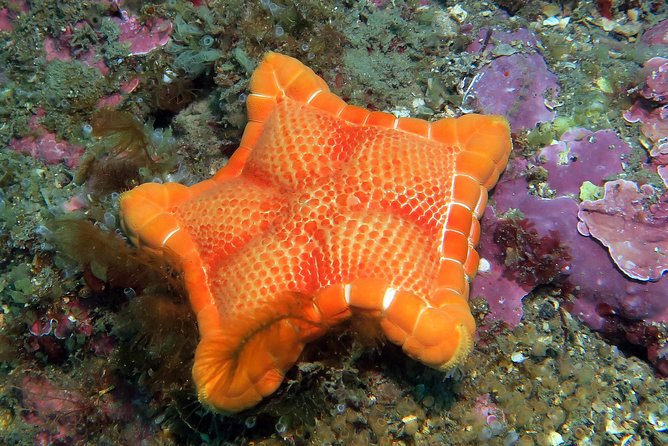
With visibility around 10–15 meters, the seabed should be clear enough for real observation. The tour description calls out filtered light through caves and ravines, and that translates into a visual experience: bright patches where light hits and darker, dramatic edges where fish can blend in.
Here are the kinds of highlights you can look for:
- Colorful fish swimming through the area
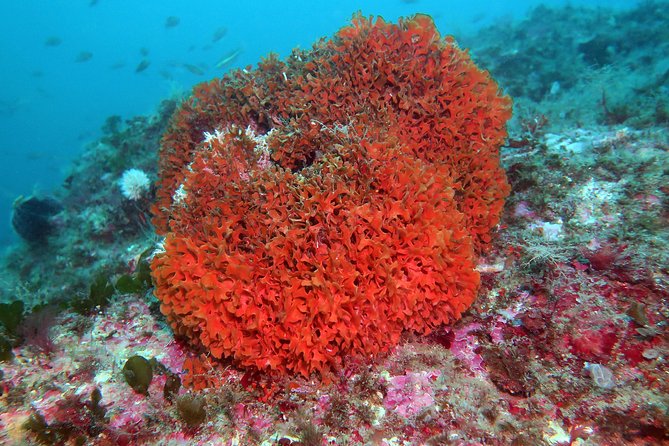
- Bright red sea stars
- Colorful algae that makes the seabed feel textured and alive
The archaeology angle is also part of the story. The region has produced discoveries like bronze vases and ceramic objects, which tells you these waters have layers beyond today’s marine life. Even when you’re only snorkeling casually, it encourages you to treat the seabed carefully—watch, don’t touch.
Practical tip for a better view: when your guide points, take one slow breath cycle and focus your eyes before moving. Mask fog, quick head turns, and frantic fin kicks are what usually ruin the “I can actually see things” moment.
Price and value: what $45.86 buys you in real terms
At $45.86 per person, this tour sits in the “good-value” category for a multi-site snorkeling experience. The price makes sense because you’re getting:
- Supervised snorkeling at three locations
- Zodiac transport between spots
- Full gear included (wetsuit, fins, mask, snorkel)
- A small group experience (max 10)
That last point is more important than it sounds. When groups are larger, guides have to manage time like a schedule. With a cap of 10, instruction is easier to deliver, and you’re more likely to get help when something doesn’t fit right.
There’s also the small downside: snacks and drinks (snacks and bibite) aren’t included. For a 90-minute morning or early afternoon, you can usually manage without food, but don’t show up starving and then wonder why the water feels colder than it should.
If you’re comparing options, don’t just compare the sticker price. Count what’s included. Here, the included gear plus the multi-stop route is where the money goes.
Weather, timing, and the reality of coastal conditions
This experience requires good weather. That’s not a warning sign; it’s good planning. Snorkeling in clear water depends on conditions, and when the weather doesn’t cooperate, the operator will offer a different date or a refund.
So what should you do with that info? Keep the rest of your day flexible. If you’re staying in Taormina, this is an easy activity to slot in, but avoid booking something “must-do” right immediately after in case your slot shifts.
Timing is also part of the value equation. The whole experience is about 1 hour 30 minutes, which is long enough to see multiple seabed scenes, but short enough that you’re not spending your entire trip hanging around water logistics.
Who should book this snorkeling tour (and who might skip it)
This tour is a good fit if you want:
- A structured snorkeling outing with supervision
- Multiple stops, rather than one site repeated
- Included gear so you can travel lighter
It’s also described as suitable for most travelers, and service animals are allowed. That can matter for people planning their trip with specific needs.
Who might hesitate:
- If you strongly dislike boat rides, remember this is a zodiac format between sites.
- If you get stressed in caves or tighter water spaces, take your time at the Blue Grotto and follow your guide’s pacing.
- If you want long independent swim time, this is more guided sightseeing than open-ended snorkeling.
For families and first-timers, the short duration plus guided help is a reasonable combo. One highlight from past experiences was that a first snorkeling attempt went smoothly, with a guide (Alex) keeping things organized and fun.
Should you book this snorkeling tour around Isola Bella?
I think you should book if you want a high value, low hassle snorkeling session with a clear structure: gear included, three distinct stops, and guides focused on what you see underwater. The small group size helps a lot, especially if you’re learning or you just don’t want to feel lost.
You might hold off if your schedule is tight or you hate uncertainty—this experience depends on weather. But if you can build in a little flexibility, it’s the kind of tour that can give you that classic Sicily feeling: caves, light, and marine life all in one compact window.
If you do book, go in with a calm plan: wear or bring what you can get wet in, expect it to be damp afterward, and listen when the guide points. That’s where the difference shows up—between “I snorkeled” and “I really saw something.”
FAQ
Where does the tour start?
The tour starts at Nike Center on Contrada Isola Bella, zona B, 98039 Taormina ME, Italy.
How long is the snorkeling tour?
It runs about 1 hour 30 minutes.
What’s included in the price?
The tour includes use of snorkeling equipment: a wetsuit, fins, mask, and snorkel.
What is not included?
Snacks and drinks are not included.
How many people are in the group?
The tour has a maximum of 10 travelers.
Do I need to bring a printed ticket?
No. The tour uses a mobile ticket.
Is the tour weather-dependent?
Yes. It requires good weather. If it’s canceled due to poor weather, you’ll be offered a different date or a full refund.
What is the cancellation policy?
Free cancellation is available up to 24 hours before the experience starts for a full refund. After that point, refunds aren’t available.