REVIEW · SYRACUSE
Syracuse: Greek Theater and Neapolis sunset tour
Book on GetYourGuide →Operated by Empeeria · Bookable on GetYourGuide
Neapolis at sunset feels like time travel. This 2-hour guided walk through Syracuse’s ancient core pairs orange-gold light with myth, stone cuttings, and Roman drama. You’re not just looking at ruins—you’re hearing how each place connects. I love that it packs major sights into a tight route, and I also like the focus on sunset storytelling rather than a quick hit-and-run photo stop.
Two things I particularly like: the stops in the Latomie del Paradiso and Ear of Dionysus give you a sense of mood—dark stone, legendary cave, and the tyrant Dionysus’s intrigue—without needing a history degree. And at the Greek Theater, you get the Nymphaeum Fountain and a panorama that frames the great harbor as the sky changes color. One consideration: because it’s timed for dusk and includes several outdoor walking segments, you’ll want comfortable shoes and a little patience for the way light (and crowds) affect viewing.
In This Review
- Key highlights worth planning for
- A Neapolis sunset walk that actually makes the monuments make sense
- Finding the route: meeting point and pacing for a 2-hour evening
- Latomie del Paradiso: quarries, gardens, and the sense of secrets
- Quick practical note
- Ear of Dionysus: myth meets acoustics in a legendary cave
- Greek Theater + Nymphaeum Fountain: where the harbor frame matters
- Altar of Hieron II: the sky turns dusk, and the past feels weighty
- Roman Amphitheater and gladiator stories: performance history in the open air
- The guide makes a measurable difference
- What you get for $46: value in a tight, high-impact route
- Who this tour suits best (and who should think twice)
- Should you book the Syracuse Greek Theater and Neapolis sunset tour?
- FAQ
- How long is the Syracuse Greek Theater and Neapolis sunset tour?
- Where do I meet the guide?
- What’s included in the price?
- Is the ticket line skipped?
- What languages is the tour offered in?
- What are the main stops during the tour?
- Do I need to arrive early?
- Is the tour wheelchair accessible?
Key highlights worth planning for
- Golden-hour views that make the Greek Theater panorama feel cinematic
- Latomie del Paradiso: ancient quarries turned into natural gardens with a dark edge
- Ear of Dionysus: a legendary cave tied to mysterious acoustics and intrigue
- Greek Theater + Nymphaeum Fountain: key monument viewing plus harbor framing
- Roman Amphitheater: gladiatorial-game stories tied to Roman rule
- Skip the ticket line and get your park ticket handed to you at the meeting point
A Neapolis sunset walk that actually makes the monuments make sense
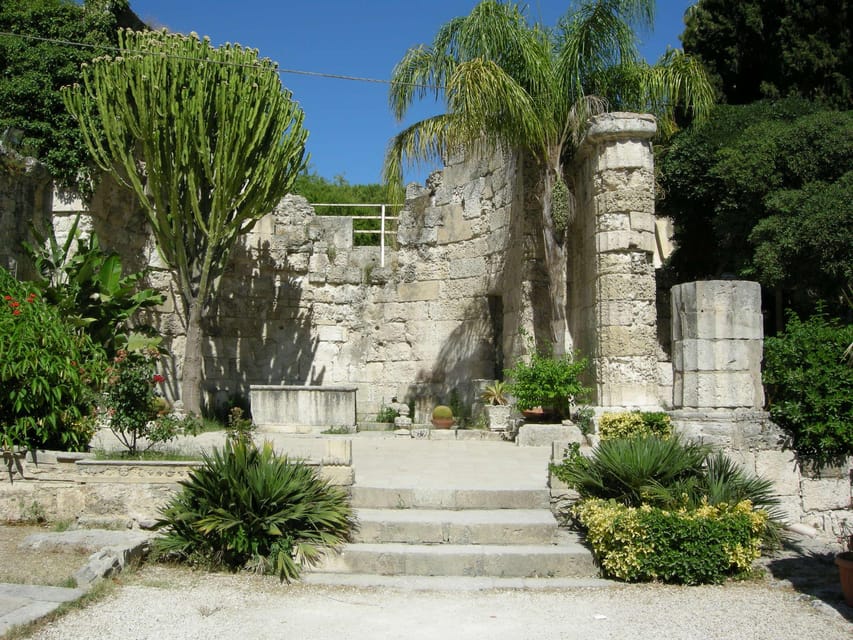
If you like your ruins with a storyline, this tour has the right ingredients. Syracuse’s Neapolis area is where the city’s ancient “heart” comes through most clearly, and doing it at sunset adds more than atmosphere. The warm light helps you see changes in stone texture, height, and space—so the places don’t feel flat or disconnected.
The tour’s biggest strength is that it connects spots through the themes it emphasizes: stone-work and secrecy (Latomie), myth and curious legends (Dionysus and the Ear of Dionysus), then performance and public life (Greek Theater and the Roman Amphitheater). You’ll walk away with a mental map, not just a stack of photos.
One more plus: the guide format is designed for real listening. You’ll have a live guide in Italian or English, and the tour can run at the same time in both languages. That matters because Neapolis is full of details you can miss if you’re trying to read everything alone.
You can also read our reviews of more evening experiences in Syracuse



Finding the route: meeting point and pacing for a 2-hour evening
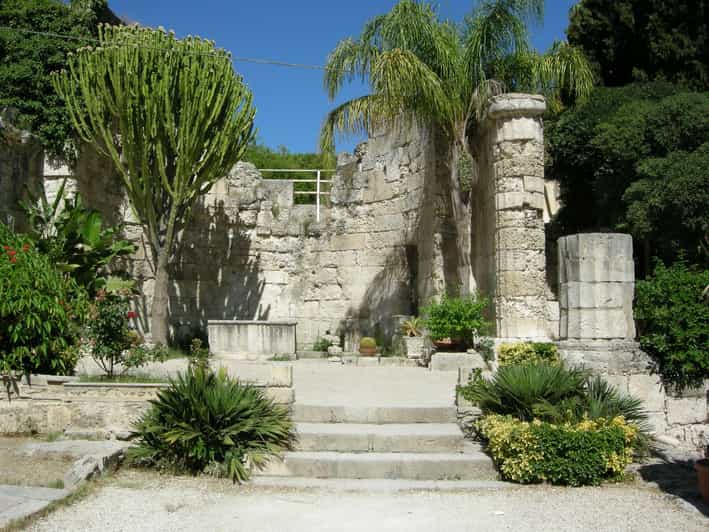
This tour is built for dusk timing, so show up early. Meet the guide in front of the Neapolis entrance gate on the Via Romagnoli/Viale Augusto side. You’re asked to arrive 20 minutes before the start time, which gives you enough room to get oriented and settle before the first stop.
The walking pace is steady but not rushed, and the itinerary is thoughtfully spaced: roughly 20 minutes per main stop, then you move on. That structure helps you enjoy each area instead of turning the evening into a sprint. If you’re the type who hates “two minutes here, move on” tours, this schedule is a better fit.
Also note what’s handled for you. Your Neapolis Archaeological Park ticket is provided by the guide at the meeting point, and the tour includes the park entrance as part of what you pay. That cuts down on awkward delays—especially around sunset when everyone’s trying to get in and get set.
Latomie del Paradiso: quarries, gardens, and the sense of secrets
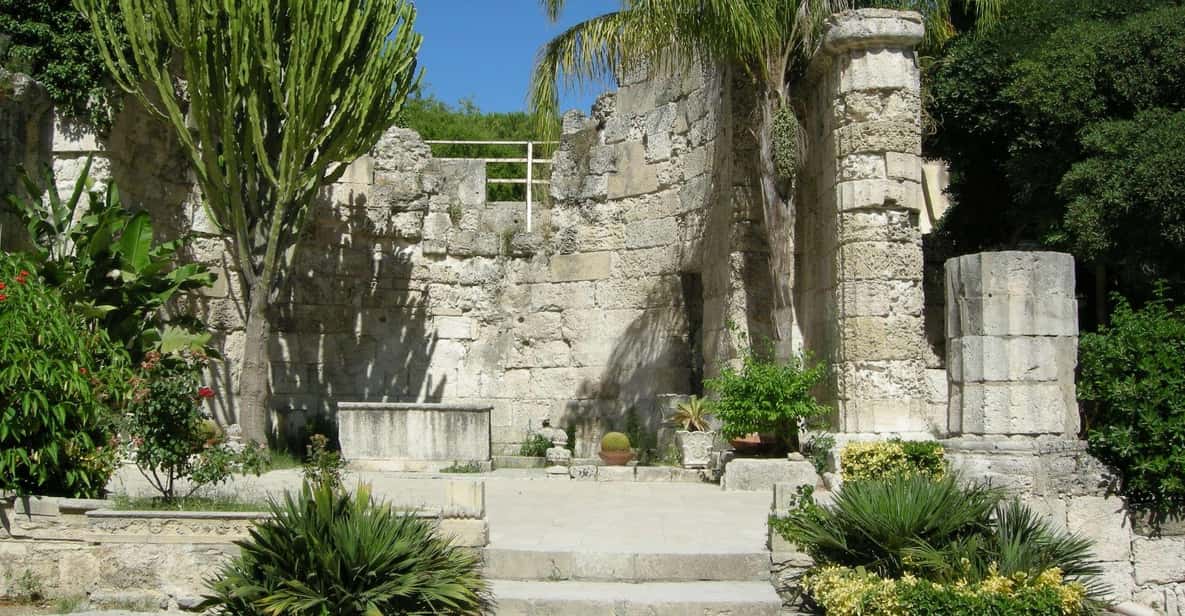
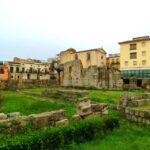
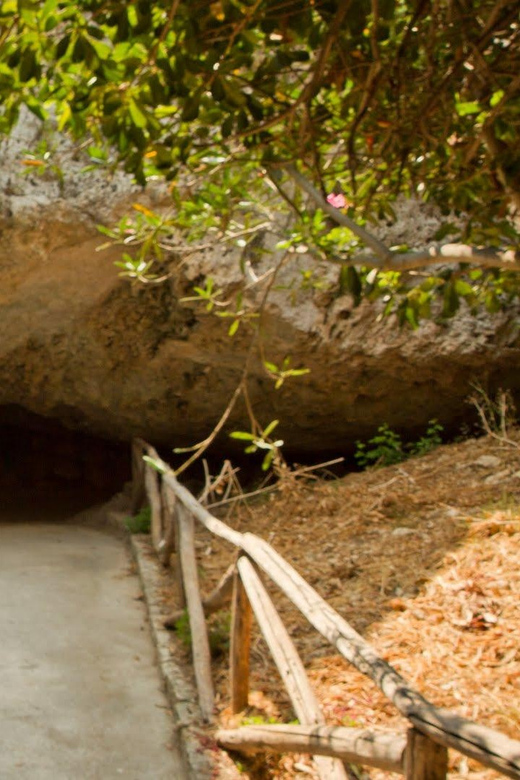
The Latomie del Paradiso is the kind of place that changes how you experience ruins. These ancient stone quarries became natural gardens, and the tour leans into the contrast: the scale of ancient work and the dark secrets that once echoed there.
What I like about starting your storytelling here is that it sets the tone. You go from bright outdoor city energy into a space that feels shaded and heavy. Even if you’ve visited other archaeological sites, quarries have a different kind of power: they aren’t built to impress you from a single viewpoint. They make you feel the labor and the hollowing-out of space.
Timing-wise, the sunset quality is ideal here. Warm light sliding across stone edges tends to make textures pop. It also helps the “natural garden” aspect look real instead of washed out.
Quick practical note
Bring your eyes for small details. In places like this, the guide’s narration helps you notice what you’d otherwise overlook—like the way the space holds mood rather than just structure.
Ear of Dionysus: myth meets acoustics in a legendary cave
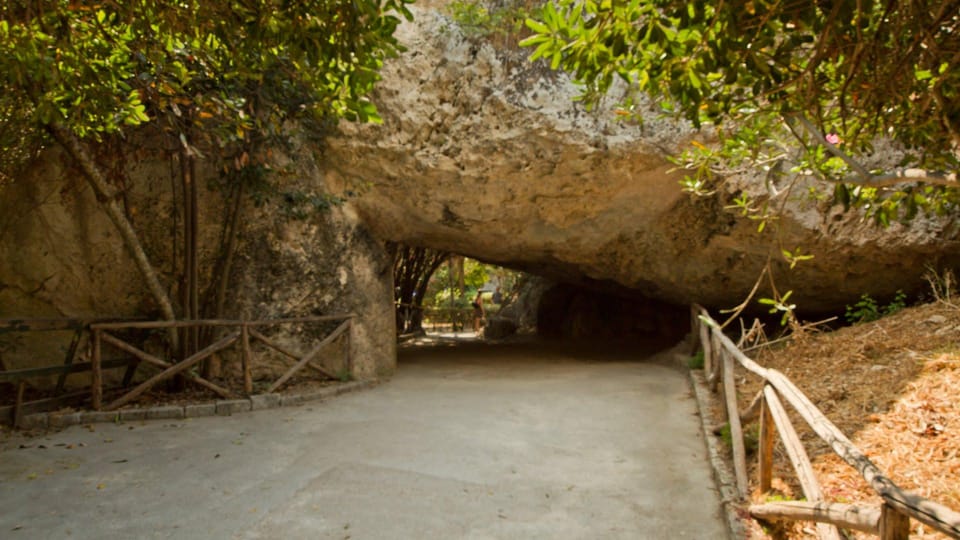
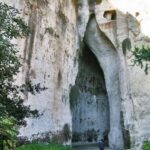
Next comes the Ear of Dionysus, described on the tour as a legendary cave with mysterious acoustics. The point isn’t that you need special hearing or a science lesson. It’s that the cave is tied to stories around Dionysus—including his secrets and intrigues—so the physical space becomes part of the legend.
This stop works well for people who like “how the story fits the place.” You’re standing in the kind of spot where legends naturally grow, and the sunset light outside the cave contrasts with the darker interior mood. Even if you only take away one thing, it’s this: the tour helps you connect Syracuse’s mythic layer to the architecture you’re seeing.




Greek Theater + Nymphaeum Fountain: where the harbor frame matters
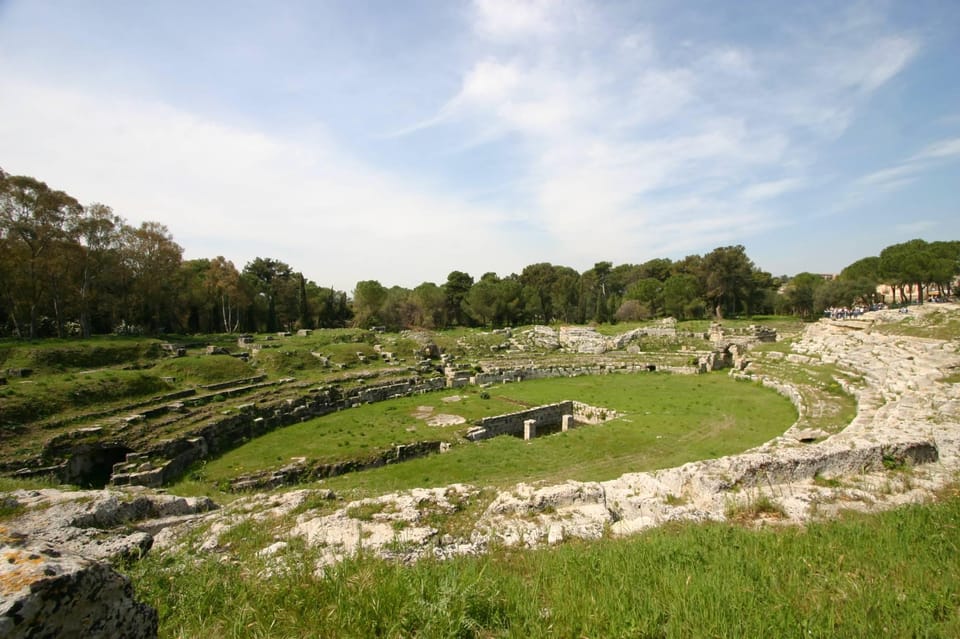
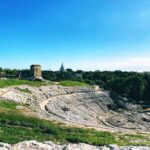
The Greek Theater stop is the moment where the tour’s sunset planning shows off. You’ll not only admire the theater itself, but also the Nymphaeum Fountain and a panorama that includes the great harbor, framed by the warm colors of the setting sun.
For your experience, this is a big deal because panoramas are easy to ruin if you’re there at the wrong time. In the evening, the light shifts across water and stone, so the view becomes more dimensional. You get depth instead of flat brightness.
The guide’s role here is also important. A theater can be just a structure if you don’t know what to watch for. With narration, you start noticing how the space would have worked for gatherings and performances—and why that matters when you later hear about the Roman Amphitheater.
If you care about viewpoints, this is one of the best opportunities on the route to slow down, look around, and actually let the view land.
Altar of Hieron II: the sky turns dusk, and the past feels weighty
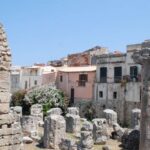
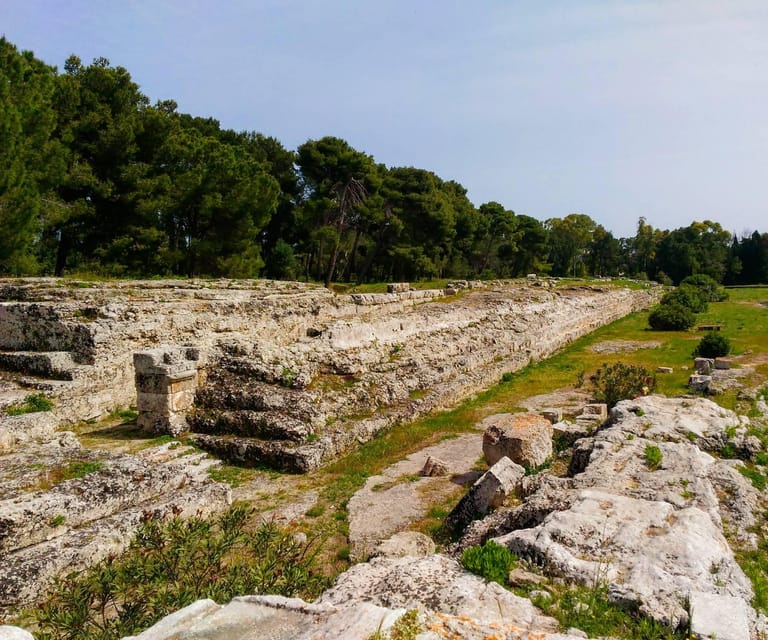
The tour then moves to the Altar of Hieron II, described as a majestic testimony to Syracuse’s glorious past. This stop has a different vibe from the caves and quarries. It’s more about scale and presence.
Sunset helps here too. When the sky is tinted at dusk, stone can look cooler and more sculptural, and the edges of monumental structures tend to read more clearly. The guide’s story angle—how this ties into the city’s past—keeps the moment from feeling like a pause between “bigger” stops.
This is also a useful transition point in the evening. It bridges the Greek world to what comes next: Roman rule and the theater of public spectacle.
Roman Amphitheater and gladiator stories: performance history in the open air
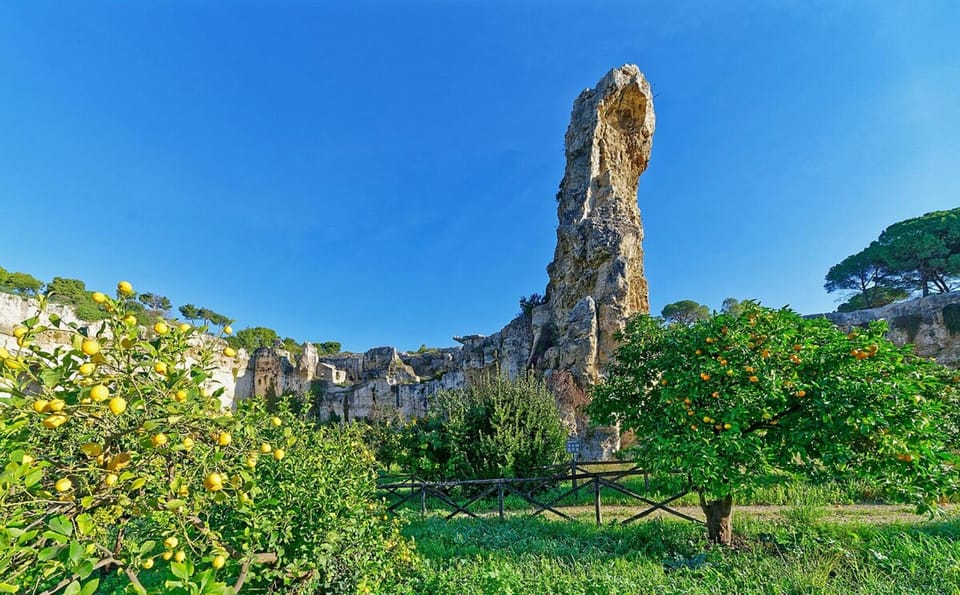
The last major stop is the Roman Amphitheater, where your guide reveals secrets of the gladiatorial games and the nuances of Syracuse under Roman rule. If the Greek Theater helps you think about performance as culture, this one reframes it as spectacle with Roman power.
The timing is perfect. As sunset creates light-and-shadow patterns across the amphitheater, the setting becomes more than scenic. It visually supports the idea of staged public events.
One of the best values here is that you don’t just walk past a monument. You get the “why people gathered” angle, so the space becomes easier to understand in your mind.
The guide makes a measurable difference
The tour’s reviews highlight that the guide provides a lot of history details and stays friendly and prepared. One guide named Francisco is specifically praised for giving many details about the monuments. When a tour hits the right balance of facts and atmosphere, it turns ruins into a story you remember.
What you get for $46: value in a tight, high-impact route
At $46 per person for about 2 hours, this tour is priced for a straightforward reason: you’re paying for a guided loop through multiple major monuments plus an included entrance ticket to the Neapolis Archaeological Park.
For your money, the key value points are:
- You avoid separate ticket hassles because your park ticket is handled at the meeting point.
- You skip the ticket line, which matters a lot near sunset.
- You get guided explanations at every main stop, with roughly 20 minutes at each.
If you were to do this on your own, you might spend more time figuring out entry steps and building your own order of sights. For a limited evening window in Syracuse, the guided format is what turns the time into value.
Who this tour suits best (and who should think twice)
I’d point you toward this tour if you:
- want a sunset-focused experience rather than a daytime “checklist”
- like myths and story-driven explanations (Dionysus shows up clearly in the route)
- enjoy dramatic settings: caves, quarries, theaters, and amphitheaters
I’d think twice if you:
- hate walking outdoors at dusk (it’s an evening itinerary with multiple stops in open areas)
- prefer to move completely at your own pace without structured timing
Should you book the Syracuse Greek Theater and Neapolis sunset tour?
If you’re choosing just one guided evening experience in Syracuse’s Neapolis area, this one makes sense. The sights are well-matched to sunset—the Greek Theater panorama and the stone-dark mood of the Latomie are especially strong—and the narration ties each place to a theme. For $46, you also get solid value because the entrance ticket and guide time are baked in, with a smoother start thanks to ticket-line skipping.
Book it if your travel style leans toward stories you can picture later. Pass if you only want quiet, independent wandering with zero structure. For most people with two hours to spare, this hits the sweet spot of history, light, and practical convenience.
FAQ
How long is the Syracuse Greek Theater and Neapolis sunset tour?
The tour lasts 2 hours.
Where do I meet the guide?
Meet the guide in front of the Neapolis entrance gate, on the Via Romagnoli/Viale Augusto side.
What’s included in the price?
The price includes the entrance ticket to the Neapolis Archaeological Park and a guided tour of the park.
Is the ticket line skipped?
Yes, the tour includes skip-the-ticket-line handling.
What languages is the tour offered in?
The live tour guide speaks Italian and English.
What are the main stops during the tour?
You’ll visit the Neapolis Archaeological Park area, Latomie del Paradiso, the Ear of Dionysus, the Greek Theater (including mention of the Nymphaeum Fountain), the Altar of Hieron II, and the Syracuse Roman Amphitheater.
Do I need to arrive early?
Yes. You should arrive at the meeting point 20 minutes before the start time.
Is the tour wheelchair accessible?
Yes, the tour is wheelchair accessible.