REVIEW · MOUNT ETNA
Piano Provenzana: Mount Etna Hiking Trip to 3,300 Meters
Book on GetYourGuide →Operated by Guide Vulcanologiche Etna Nord · Bookable on GetYourGuide
Few hikes feel this otherworldly. This guided Mount Etna trip mixes 4×4 access with a real summit trek to 3,300 meters, plus a volcanology-focused guide who helps you read the terrain as you walk. You also get time at the Central Crater and a panorama stop where the “roof of Sicily” views can be stunning when the weather cooperates.
I especially like two things: the small group size (limited to 10), which makes it easier to ask questions and move at a safe pace; and the way the route takes you through both older craters and newer lava surfaces, not just the one obvious photo spot. The only real drawback to plan around is that the listed price doesn’t cover the optional-feeling but actually essential off-road transport—you’ll pay the 4×4 transfer (cash, €70) on the day, and it’s a big part of your total cost.
In This Review
- Key Points at a Glance
- Starting at Piano Provenzana: Where Your Etna Day Really Begins
- The 4×4 Ride Up: Saving Your Legs While Gaining Elevation
- Stop at Cratere Centrale dell’Etna: Guided Volcanology Meets Real Terrain
- Piano delle Concazze: A Photo Stop That Turns Into a Walk
- The Final Ascent to 3,300 Meters: Where Your Effort Pays Off
- Descending at 2,825 Meters: Scoria Channels and the Quiet Work of Going Down
- Gear and Comfort: What’s Included and What You Must Bring
- Price and Value: How the €70 4×4 Payment Changes the Math
- Who This Mount Etna Hike Suits (and Who Should Skip It)
- Weather Rules the Summit: How the Day Can Shift
- Booking Decision: Should You Book This Etna Trip from Piano Provenzana?
- FAQ
- How long is the Mount Etna hiking trip from Piano Provenzana?
- How high does the hike go?
- Do I need to pay extra for the 4×4 transport?
- Where do I meet the guide?
- How big is the group?
- What languages are the guides?
- What hiking equipment is included?
- What should I bring for the hike?
- Is the hike suitable for everyone?
- Can the route change due to weather or minimum participants?
Key Points at a Glance
- Small group max 10 keeps the pace friendly and the guide’s attention on you
- 4×4 + guided trek gets you high fast, then lets you earn the summit on foot
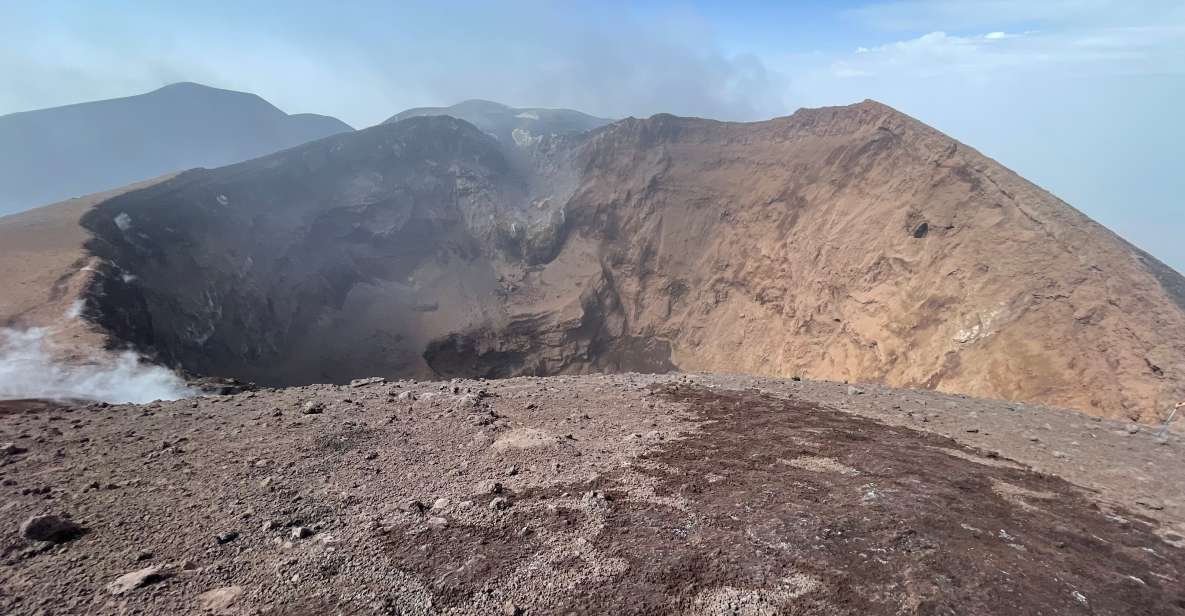
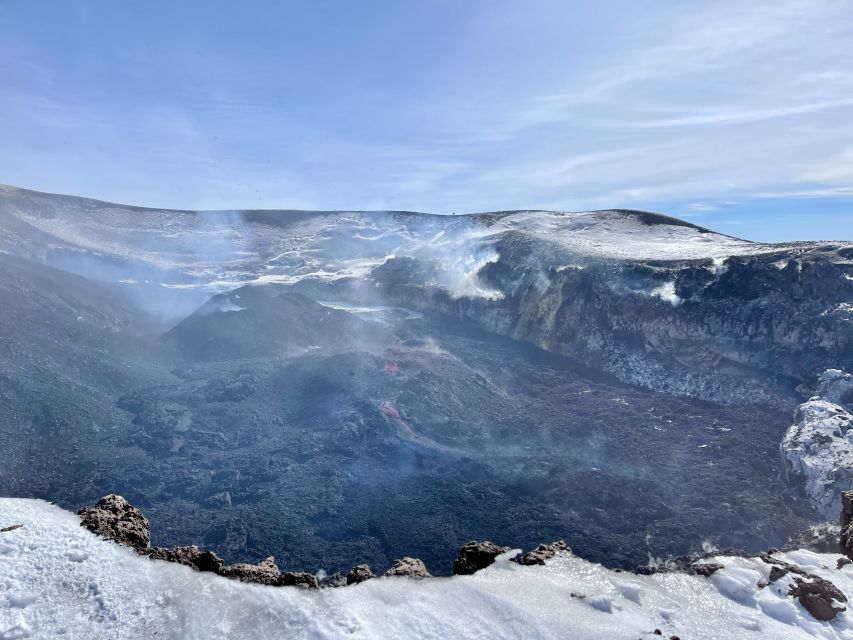
- Central Crater at 3,300m with volcano interpretation and lots of photo time
- Volcanic bombs, scoria, and crater edges make the hike feel intense and very real
- Altitude route with drink breaks helps you manage effort high on the slopes
Starting at Piano Provenzana: Where Your Etna Day Really Begins
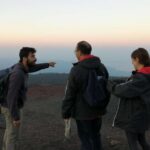
Your day starts at Chiosco Bar Mareneve di Ferraro Giuseppa, not the lower Etna Nord bar. This matters because the exact pickup point affects the timing of the off-road ride and avoids delays. The bar sits near the winter chairlift used by skiers, and it’s the second house within the parking area made of four buildings—easy to miss if you’re rushing.
Once you park (you pay after the trip), you’re not just waiting around. You’re positioning yourself for the north-side approach that tends to feel less like a conveyor belt of tourists. It’s still Etna, so expect other hikers in the area, but the route is planned so you don’t spend the whole day stuck in the most crowded viewing zone.
Practical tip: arrive early enough that you can double-check your gear. At altitude, small mistakes snowball—wrong shoes, forgotten water, or a missing wind layer can turn a cool day into a miserable one.
You can also read our reviews of more hiking tours in Mount Etna
The 4×4 Ride Up: Saving Your Legs While Gaining Elevation
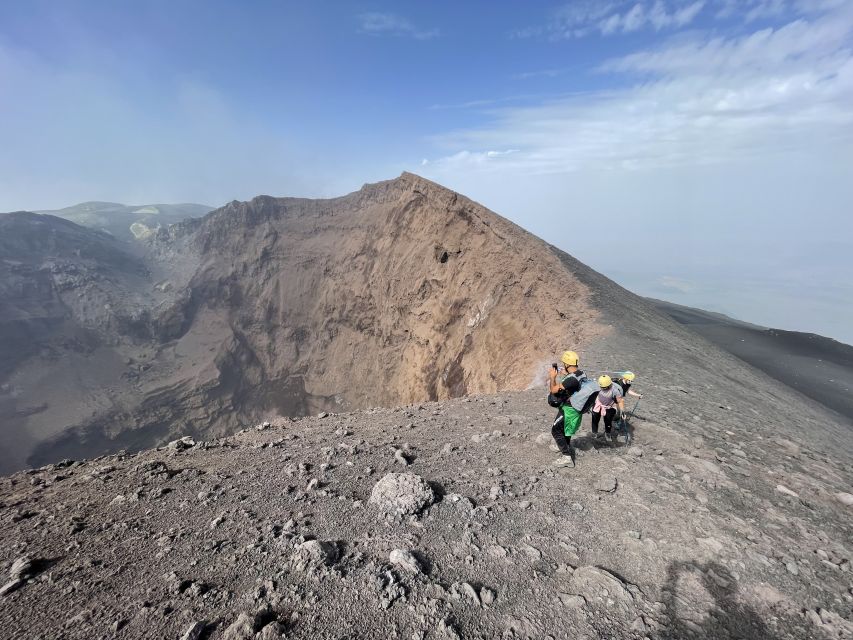
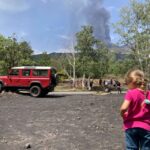
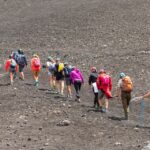
This experience is designed to balance effort with access. You ride an off-road 4×4 vehicle from around 1,800 meters up to about 2,965 meters, following a panoramic path along the north side of Mount Etna.
The key value here is time and fatigue management. Instead of hiking the entire climb from the parking area, you get high quickly, then your hike focuses on the parts that matter: crater edges, lava terrain, and the central high zone. You’ll still walk a decent amount, but you won’t burn your energy before you reach the volcanic features.
One more thing: once you’re at altitude, the air can feel sharper. Even though the 4×4 portion is easier than hiking, you’ll want your wind layer ready. Etna can be surprisingly windy near the high craters, and weather can shift fast.
Stop at Cratere Centrale dell’Etna: Guided Volcanology Meets Real Terrain
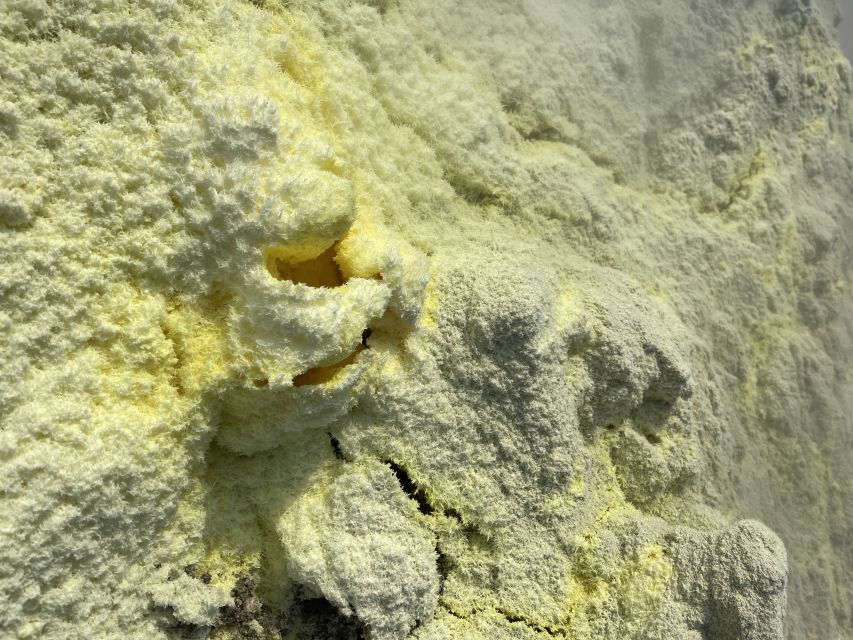
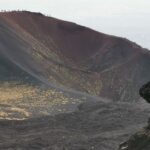
At Cratere Centrale dell’Etna, you get a longer guided stop with breaks, photos, and interpretation. Expect about 2 hours in this zone, including guided touring and scenic viewing on the way in.
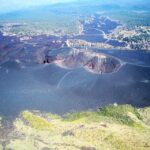
This is where the guide’s job turns from “host” into “translator.” You’re not just looking at a crater—you’re learning what you’re seeing. The route includes ancient craters and surfaces shaped by more recent eruptions, so it helps to have someone explain how volcanic activity creates the features you’re walking over.
I like this format because it makes the hike feel purposeful. If you arrive with only a guess of what a crater edge means, you can leave with a mental map: what’s older, what’s newer, and why the ground looks the way it does.
Small but important detail: plan your pace for the high altitude. The experience includes planned drink breaks (roughly every 45 minutes). Take them seriously. In thin air, “I’ll skip it” becomes “why am I suddenly dizzy?”
Piano delle Concazze: A Photo Stop That Turns Into a Walk
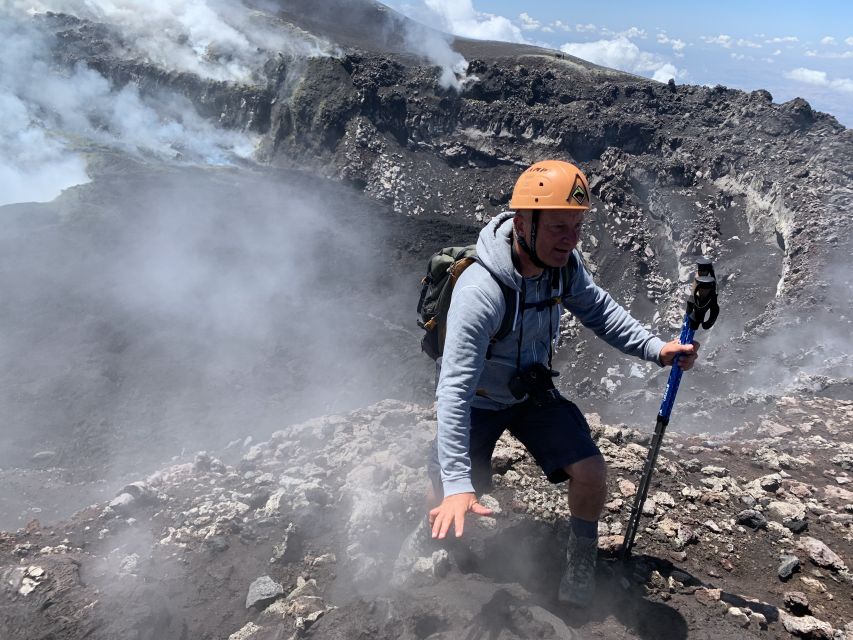
After the crater area, you reach Piano delle Concazze for another guided moment and some free time, plus a walk section lasting about 80 minutes.
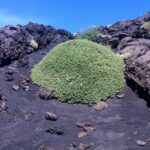
This part of the route is less about a single dramatic view and more about letting you move through the volcanic world as a system. The ground here isn’t uniform—scoria, rocky textures, and crater-related formations show up as you transition between higher zones.
Why it’s worth your attention: this is where the hike starts to feel very Etna. The terrain isn’t like a normal mountain trail. It’s loose in places, jagged in others, and it can look stable while still being soft underneath your steps.
The practical side: keep your footing slow. You’ll likely be focused on taking in the views, but your best souvenir will come from staying steady.
The Final Ascent to 3,300 Meters: Where Your Effort Pays Off
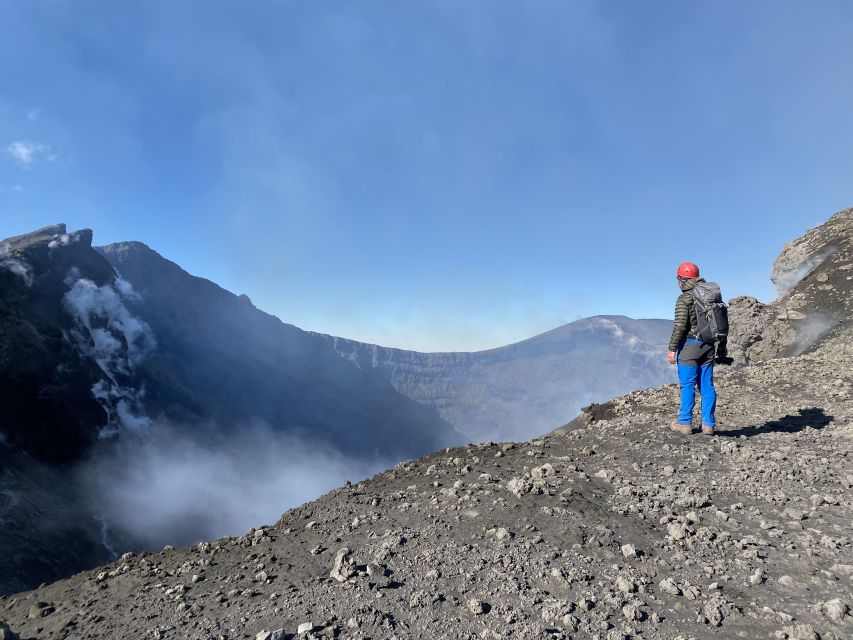
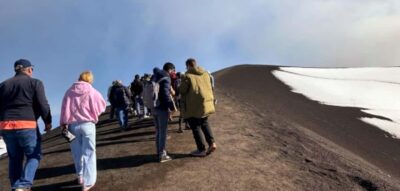
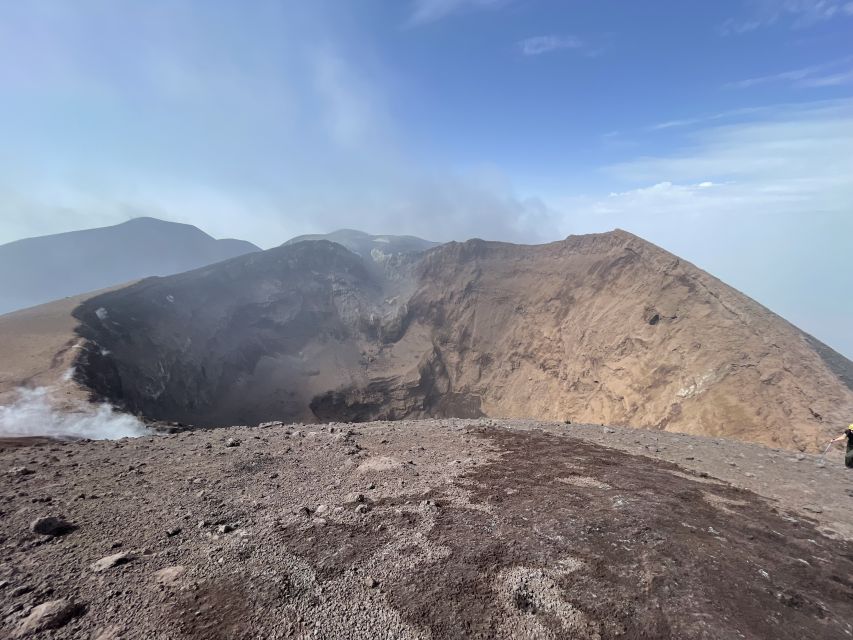
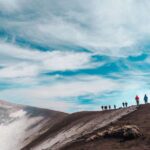
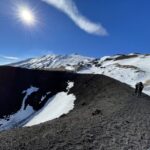
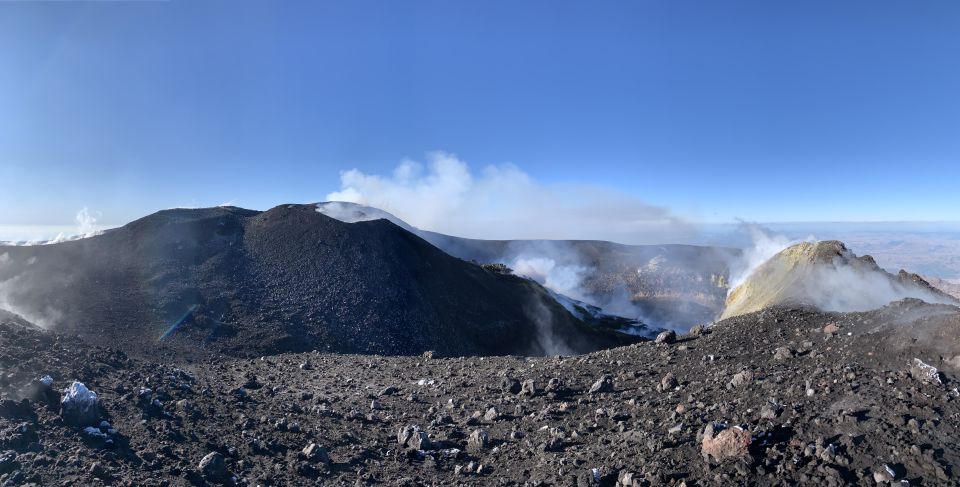
The last leg is the highlight in a literal way. After being transported up near 2,925 meters, you start an ascent on foot with a positive level difference of about 470 meters. This section takes you to the Central Crater at 3,300 meters.
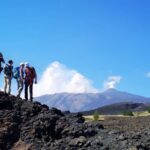
This is the part you should respect. The trek involves walking along crater edges and dealing with volcanic material such as volcanic bombs and scoria. That combination can feel physically demanding and mentally intense, especially if you’re sensitive to height.
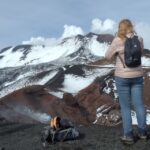
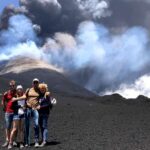
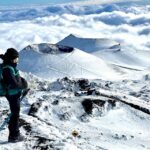
When you reach the 3,300-meter area, you stop to take in the view and absorb the atmosphere. Depending on weather, you may get panorama views that feel like you can see forever—often described as the roof of Sicily. But weather is the boss here, so the day’s clarity will determine what your summit moment looks like.
My advice: don’t rush your summit time. Spend a few minutes simply watching the terrain around you. The ground shapes and crater forms become easier to “read” once you slow down.
Also, if you start feeling dizzy, stop moving forward immediately and let your guide know. The route description includes that crater-edge walking can cause dizziness for some people—so listening early is smart, not dramatic.
Descending at 2,825 Meters: Scoria Channels and the Quiet Work of Going Down
For the descent, you return along the route you climbed, but it feels different going down. Instead of the excitement of the climb, you’re managing balance, stamina, and foot placement.
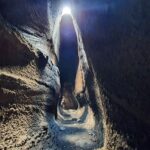
You’ll walk inside smaller channels filled with soft, friable volcanic scoria down to around 2,825 meters, then finish the hike by heading back down on the off-road vehicles to Piano Provenzana.
Going downhill on loose volcanic material is where bad footwear really shows. Even if your shoes are fine on a flat path, scoria can shift under your feet and make each step feel slightly unstable. The helmet and trekking pole support are genuinely helpful here—not only for safety, but for confidence.
One more practical note: use your poles correctly. Plant them firmly before weight shifts, and let them do part of the work rather than carrying everything in your legs.
Gear and Comfort: What’s Included and What You Must Bring
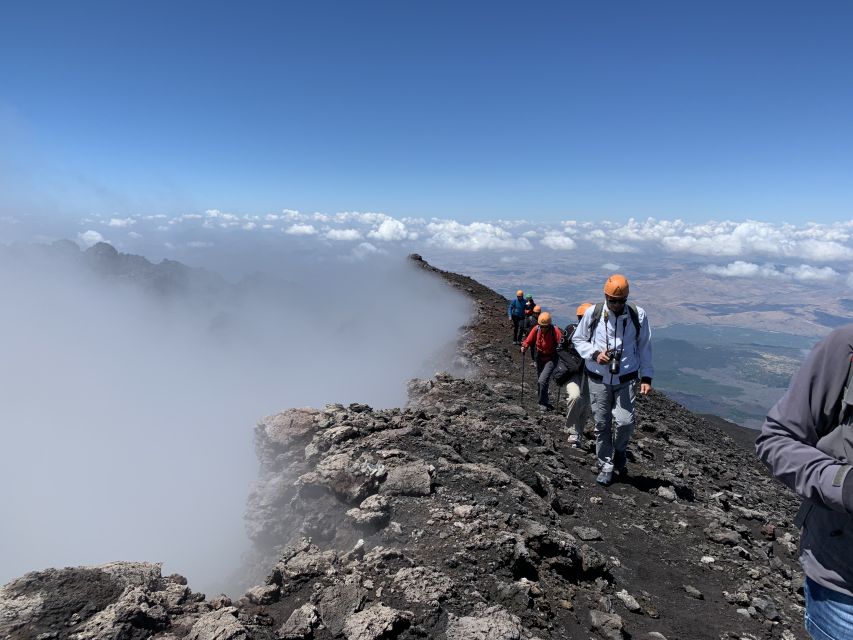
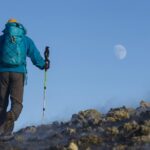
This trip comes with a lot of the “hike kit,” which is great if you’re traveling light. Included are trekking poles, protective helmets, trekking shoes, a windbreaker, an extra backpack, and extra socks.
Still, you should plan for personal comfort and weather realities:
- Bring warm clothing. High altitude can feel cold even when lower Sicily feels mild.
- Pack a windbreaker even though one is included. Weather changes quickly; having your own layer makes you less dependent on fit or timing.
- Bring sunglasses, a hat, sunscreen, and water. Sun at altitude is no joke.
- Bring food and drinks and plan a packed lunch. Food isn’t included.
- Add rain gear if the forecast looks uncertain. Wind and wet weather can change how tough the walk feels.
Guidelines matter on Etna: high-heeled shoes and shorts aren’t allowed, and you can’t bring luggage or large bags. You’re also expected to dress appropriately for the crater environment and movement.
Spring and autumn note: gloves and hats aren’t included, so bring your own if you expect cooler conditions.
Finally, make sure you have the right footwear. The experience explicitly says you’re not covered by insurance without adequate hiking shoes, so treat that as a serious requirement.
Price and Value: How the €70 4×4 Payment Changes the Math
The starting price is listed around $73.64 per person, but the bigger part of your total cost is that the 4×4 transport (€70 cash, paid on the day) is not included. There’s also a parking ticket (€3 for the whole day).
So how do you judge value?
Here’s the honest way I’d frame it:
- You’re paying for a high-altitude guided trek with protective gear and real volcanology interpretation.
- You also pay for time and access. Riding up by vehicle reduces the amount of hiking required before reaching the crater zone, and it’s the reason you can realistically reach 3,300 meters within about 5 hours.
- The small group size means you get more interaction with the volcanological guide, not just a leader rushing people along.
If you already have hiking gear and you’re comfortable with altitude, this can still be a smart way to do Etna without spending the whole day on a long approach hike. If you’re budgeting tightly, plan ahead for that cash 4×4 add-on so it doesn’t surprise you at the meeting point.
Who This Mount Etna Hike Suits (and Who Should Skip It)
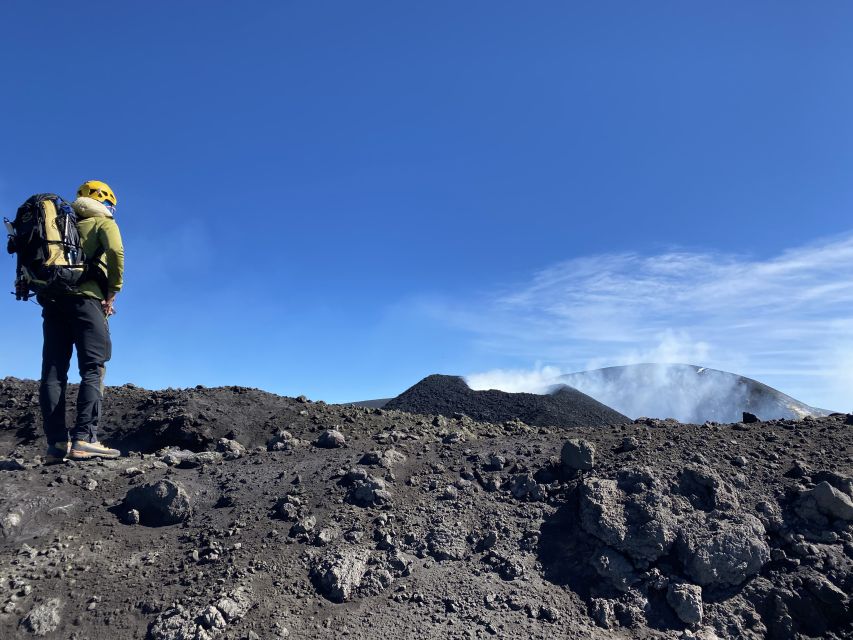
This trek is for moderately trained hikers. That sounds friendly until you factor in altitude and crater-edge walking. The route develops at high altitude, and dizziness is specifically mentioned as a concern.
It’s also not suitable for:
- pregnant women
- people with back problems, mobility impairments, heart problems
- people afraid of heights or with vertigo
- people with respiratory issues, epilepsy, or other pre-existing medical conditions
- people with low level of fitness or high blood pressure
If any of those apply, don’t treat this as a maybe. Pick a different Etna experience that matches your comfort and medical needs.
Who it fits best:
- You want an active, guided crater experience rather than a simple viewpoint stop
- You’re steady on your feet and can handle loose terrain
- You want to understand what you’re seeing, not just snap photos
Also, because it requires a minimum total number of participants (minimum 8), it’s not guaranteed to run every single day. On days it does run, you’ll get a small-group experience rather than a massive crowd.
Weather Rules the Summit: How the Day Can Shift
With Etna, the forecast isn’t background noise—it’s a deciding factor. The trek can be canceled if conditions are bad, and you may be contacted about cancellation or modifications.
In some cases, the schedule may shift so that you hike at a different time of day instead of skipping the whole outing. That’s a practical setup because visibility and wind can change quickly at altitude.
My tip: if you’re flexible, build this trip into a window where you’re not locked into rigid plans. Keeping options open helps you catch a workable weather window.
Booking Decision: Should You Book This Etna Trip from Piano Provenzana?
Yes—if you want a real guided climb to 3,300 meters with protective gear, volcanology interpretation, and a route that includes both crater zones and lava-shaped terrain.
I’d book it especially if:
- you like small-group experiences (max 10) and want time for questions
- you’re comfortable hiking at altitude and can handle crater-edge walking
- you want the summit moment to feel earned, not rushed
I’d skip or choose something else if:
- you’re prone to dizziness or have vertigo
- you dislike heights or aren’t confident on loose rocky descents
- you can’t bring warm layers and wind protection (Etna will punish that)
Also, double-check your total budget for the cash €70 4×4 transfer. Once you account for it, the value becomes easier to judge: you’re paying for access, safety gear, and guidance in a volcanic environment that’s not forgiving.
If you’re aiming for an Etna day that feels authentic and structured, this one is a strong fit.
FAQ
How long is the Mount Etna hiking trip from Piano Provenzana?
The total duration is about 5 hours.
How high does the hike go?
You reach the Central Crater at 3,300 meters (weather permitting).
Do I need to pay extra for the 4×4 transport?
Yes. 4×4 transport is not included in the listed price and costs €70 in cash on the day.
Where do I meet the guide?
Meet at Chiosco Bar Mareneve di Ferraro Giuseppa. Make sure it’s the correct bar near the chairlift, not the lower Etna Nord bar.
How big is the group?
The group is limited to 10 participants.
What languages are the guides?
The live guide is available in Italian, French, and English.
What hiking equipment is included?
You’ll receive trekking poles, protective helmets, trekking shoes, a windbreaker, an extra backpack, and extra socks.
What should I bring for the hike?
Bring warm clothing, a windbreaker, sunglasses, a hat, sunscreen, water, rain gear, and food/drinks (packed lunch). Also bring hiking shoes.
Is the hike suitable for everyone?
No. It is not suitable for people with vertigo, epilepsy, heart problems, back problems, mobility impairments, respiratory issues, or other pre-existing medical conditions, and it’s not recommended for pregnant women.
Can the route change due to weather or minimum participants?
Yes. Bad weather can cause cancellation or modifications, and the trek requires a minimum of 8 participants total to run.