REVIEW · SICILY
Classical Syracuse – Half day guided tour
Book on Viator →Operated by Serena Guida turistica Siracusa · Bookable on Viator
Neapolis has a way of feeling cinematic. This guided, half-day route pairs the UNESCO-listed ruins of Parco Archeologico della Neapolis with the walking beauty of Ortigia, so you get two sides of Syracuse without burning your whole day. I really like having a guide keep the story straight across the Greek Theater, the Latomie del Paradiso, and the Ear of Dionysius. I also love the included Papyrus stop—Papyrus Oasis—because it gives your brain a break right in the middle of big antiquities. The main thing to weigh: admission tickets aren’t included, so you’ll want to budget a bit extra and arrive ready to buy entry on the spot.
For timing, you’re looking at about 3 hours 30 minutes of structured sightseeing, with a foot transfer between highlights. It’s private (up to 15 people), with a mobile ticket, and you meet at the Neapolis Archaeological Park before heading over to Ortigia. One possible drawback is weather—this experience requires good conditions, so plan to check forecasts if you’re traveling in shoulder season.
In This Review
- Key highlights at a glance
- Why Neapolis and Ortigia make one smart half day
- Getting started at the Neapolis meeting point (and what to do first)
- Parco Archeologico della Neapolis: Greek Theater to the Ear of Dionysius
- Papyrus Corner and the Papyrus Oasis (plus the Small Zoo)
- Ortigia in one hour: Temple of Apollo, Cathedral, Caravaggio, and Fonte Aretusa
- Price and value: is $238.17 per group worth it?
- Logistics that actually matter: tickets, transfers, and timing
- Who this tour suits best (and who might skip it)
- A fair heads-up from real-world experience
- Should you book Classical Syracuse?
- FAQ
- How long is the Classical Syracuse half-day guided tour?
- Where does the tour start and end?
- What are the main stops on the tour?
- Is admission included for the archaeological park and sites?
- What’s included in the tour price?
- What isn’t included?
- Is this tour private?
- How big is the group for this tour?
- Is the ticket mobile?
- What happens if the weather is poor?
Key highlights at a glance
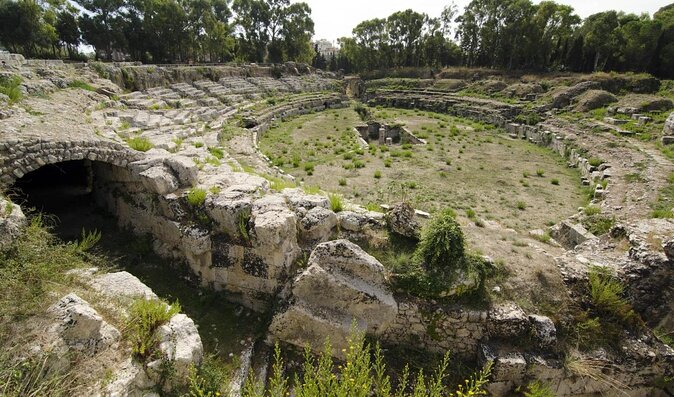
- UNESCO Neapolis park: Greek Theater, Latomie del Paradiso, Roman Amphitheater, and more with live guidance
- Ear of Dionysius + Ara of Hieron II: guided context for the places you’ve probably heard about
- Papyrus Corner to Papyrus Oasis: included visit, plus a Small Zoo stop
- Ortigia classics in one hour: Temple of Apollo, Cathedral, Santa Lucia alla Badia (Caravaggio), and Fonte Aretusa
- Private group up to 15: easier pacing and less waiting around
Why Neapolis and Ortigia make one smart half day
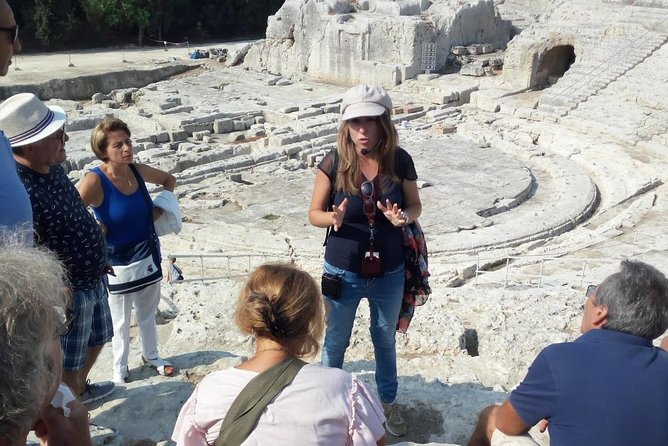
Syracuse works best when you don’t try to do it all. This tour stitches together the two zones that most people miss when they rush: the big archaeological engine at Neapolis and the human-scale streets of Ortigia. You get the drama of ancient structures, then you step into a working town where religious art, fountains, and daily life live side by side.
I like how the route is built around walking, not bus hopping. That makes it easier to keep the “this is what you’re seeing” connection as you go. And because the schedule is tight, you’re less likely to wander off and lose time in a place that has a lot to pull you in.
One more practical win: it’s designed as a guided experience for the key sights, so you don’t have to guess what each ruin is and why it matters. In a half day, that’s the difference between collecting photos and actually understanding what you’re looking at.
You can also read our reviews of more guided tours in Sicily

Getting started at the Neapolis meeting point (and what to do first)
You start at Parco Archeologico della Neapolis, Via Luigi Bernabò Brea, 14, 96100 Siracusa SR, Italy. The end point is Arethusa Spring (Largo Aretusa, 96100 Siracusa SR, Italy), by Fonte Aretusa—so you finish where the town story gets most charming.
Here’s how I’d set yourself up for a smooth start. Arrive a little early, use your phone’s maps to confirm you’re at the right entrance, and have your mobile ticket ready before you meet the guide. The tour’s ticket is mobile, which is great—just don’t make the guide stand around while you wrestle with Wi‑Fi.
Also, double-check the day and the time window listed for the activity (Monday–Friday hours are shown in the details). This is a half-day tour that runs only in set slots, so don’t assume it works on weekends.
Small caution, based on the kind of issues that occasionally crop up in Sicily: I’ve seen at least one report of a no-show situation for a tour booked through a platform. You can’t prevent everything, but you can reduce your risk—confirm your meeting details the day before, and keep the meeting point address handy in case you need to regroup quickly.
Parco Archeologico della Neapolis: Greek Theater to the Ear of Dionysius
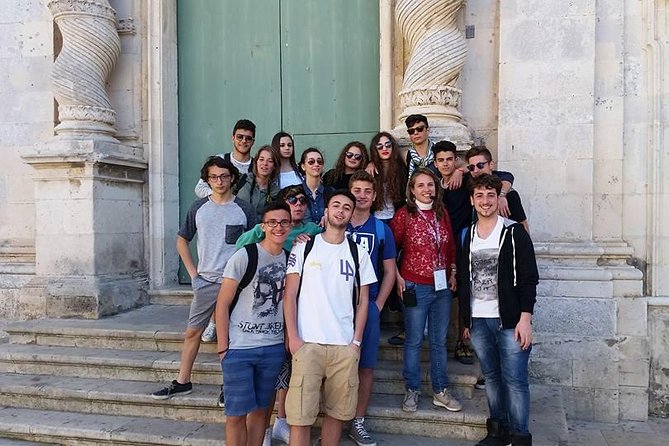
This is the headliner for a reason. The Parco Archeologico della Neapolis segment is about 2 hours, and it hits the major landmarks people come to Syracuse for—without turning the day into a long march.
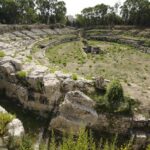
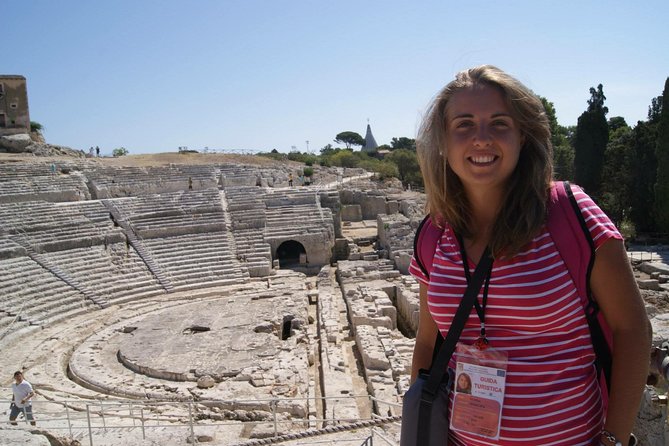
You’ll see the Greek Theater, which is one of those places where the shape of the space tells you how performances worked. The value of a guide here is that they can explain what you’re looking at in plain language—how the theater functioned and why the setting matters.
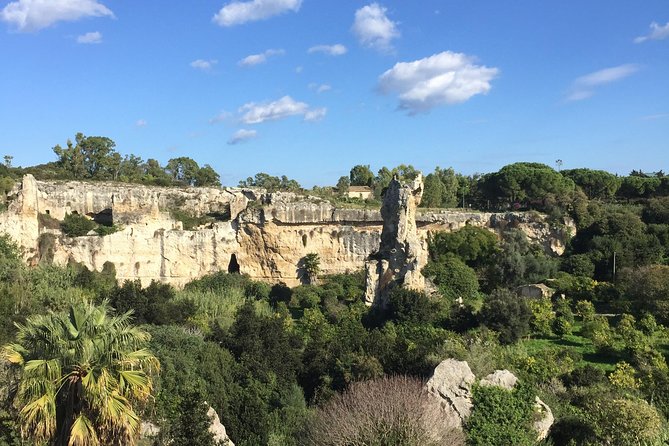
Next, you get into the Latomie del Paradiso area and the Ear of Dionysius. Even if you’ve heard the legend, the guided approach helps you understand the site as a physical location, not just a story. The Ear is famous, but it’s still a specific carving in a particular landscape—having a guide point out what’s real and what’s interpretive makes your visit feel more solid.
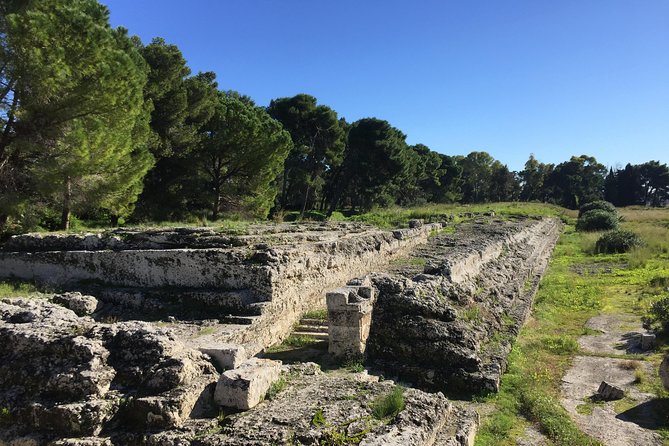
Then comes the Ara of Hieron II and the Roman Amphitheater. This is where the tour earns its name “Classical Syracuse.” You see how cultures layer on top of each other: Greek foundations, Roman adaptations, and the way sacred and public spaces evolved over time.
One note to keep your expectations right: admission tickets for the park are not included, so you’ll need to handle entry. I’d treat that as part of the experience—bring what you need, buy the ticket you’re required to buy, and then let the guide do the heavy lifting once you’re inside.
Papyrus Corner and the Papyrus Oasis (plus the Small Zoo)
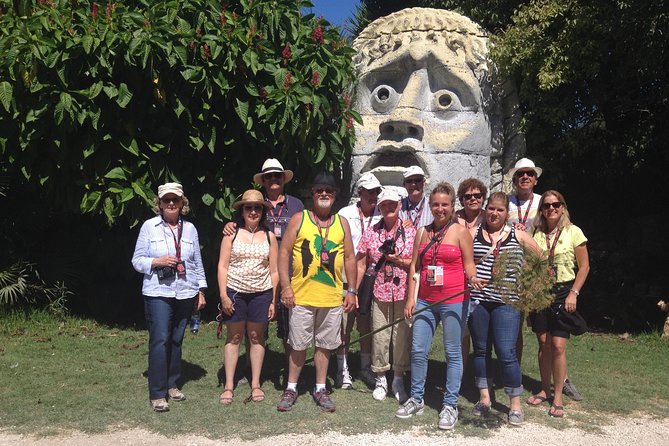
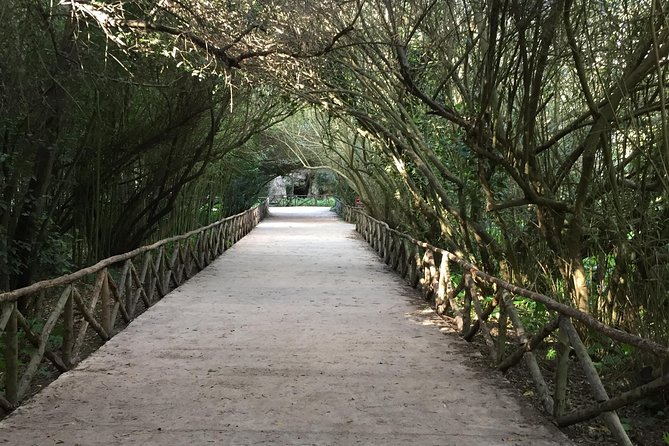
After the main archaeological sights, the tour includes a walking transfer to the Papyrus Corner and then a guided visit to the Oasis and the Small Zoo. This is a clever pacing break. When you’ve been staring at stone steps and big ruins, a change of environment helps your legs and your attention span.
What you get here is a calmer, greener stop that still stays within the Syracuse story. The provided info says the Papyrus Oasis is included, which means you’re not paying for that portion separately as part of the listed tour inclusions.
If you’re traveling with kids or anyone who gets tired of “one more archaeological stop,” this is the pocket of relief. Even if you’re not, it’s a nice contrast: ancient Syracuse in one half of the hour, then a living plant setting in the other.
One practical detail: since this section is part of the timed tour, wear shoes you can walk in comfortably. Even if the pace is reasonable, you’re still moving between different zones.
Ortigia in one hour: Temple of Apollo, Cathedral, Caravaggio, and Fonte Aretusa
Then you switch gears to Ortigia, the historic center. The Ortigia portion is about 1 hour, and it focuses on the big recognizable landmarks you can’t really replicate on your own without doing extra research first.
You start with the Temple of Apollo, which anchors the area’s ancient roots. From there, the tour goes to the Cathedral. The guide’s job here is useful: cathedral spaces can be confusing if you don’t know what each part is and why people care about it. A guided route helps you connect architectural details to the story you’re walking through.
Next is Santa Lucia alla Badia, including a Caravaggio canvas. This is one of those moments where a guide can point out what to look for so you don’t miss the artwork while you’re busy scanning the room. Even if you’re not a museum person, Caravaggio tends to hold attention because the dramatic light and emotion are hard to ignore.
Finally, you finish at Fonte Aretusa, the legendary spring in Ortigia. The ending matters because it turns your last hour into a payoff: you get to stand near the water feature that’s central to Syracuse’s identity. It’s also a convenient finishing point for continuing your own walk afterward.
Important: admission tickets aren’t included, so treat churches/art spaces as possible places where you may need to buy entry separately, depending on what’s required on the day.



Price and value: is $238.17 per group worth it?
The price is $238.17 per group, with a group size of up to 15. That’s the key way to think about value here: you’re not paying a per-person rate in the usual way—your cost advantage depends on how many people are in your party.
For a private experience in a UNESCO-designated archaeological zone, paying for a guided visit plus an included Papyrus Oasis stop can make sense. The biggest cost saver is time: a guide helps you avoid wasting half your morning figuring out what’s important and what order to see it in.
The other side of the math is that admission tickets aren’t included, and food, tickets, and transfer are listed as not included. So the real “all-in” cost is the tour price plus whatever entry fees you’re responsible for. If you’re traveling solo, the group price might feel less attractive. If you’re traveling with friends or family and can split the group cost, it becomes much easier to justify.
Booking timing also signals demand. This tour is on average booked 26 days in advance, which suggests it’s popular enough that you shouldn’t wait until the last week if you’re set on a specific day.
Logistics that actually matter: tickets, transfers, and timing
This is a 3 hours 30 minutes tour with a mobile ticket. That means you should be ready with your phone and confirm where you need to show it. I like tours with mobile tickets because they cut down on paper handling, but I always keep a screenshot just in case the signal is bad.
You should also know what the tour is not covering. Food isn’t included, and transfer isn’t included. The itinerary includes walking between zones, and it’s on foot for the transfer to the Papyrus area. So plan for comfortable footwear and bring water, especially if you’re visiting in warmer months.
Weather is another real factor. The experience requires good weather, and if conditions are poor, you’ll be offered a different date or a refund. That’s the kind of condition that can matter in Sicily if you’re getting random rain or wind.
Finally, it’s described as “private” with only your group participating. That usually means less waiting around for a large mixed tour crowd, and it can be easier to keep your pace.
Who this tour suits best (and who might skip it)
This works best for people who want an organized “greatest hits” version of Syracuse in a half day. If you love classical sites but you don’t want to spend your morning studying maps and reading in-between-the-lines labels, the guided format is the point.
It also suits families, couples, and small groups because the tour includes a change of pace with the Papyrus Oasis and Small Zoo. That’s a smart design choice for anyone balancing attention spans.
If you’re the type who wants to linger for hours at a single church or spend time deep in one archaeology corner, this may feel a little structured. The time limits are real: about 2 hours for Neapolis and 1 hour for Ortigia.
Accessibility note: the tour indicates that most travelers can participate and service animals are allowed. If you have mobility needs, it’s worth planning your shoe and pace choices carefully since the visit includes walking and multiple sights.
A fair heads-up from real-world experience
The rating is extremely high, and that usually means the experience runs well. Still, based on at least one strongly negative account I saw tied to a no-show issue, I’d take a simple precaution: reconfirm your details the day before and arrive early at the meeting point with your mobile ticket ready.
This isn’t a “panic” recommendation. It’s just smart travel. Half-day tours don’t have a lot of slack. If something goes wrong, being ready to adapt keeps the day from spiraling.
Should you book Classical Syracuse?
I’d book this tour if you want a guided walkthrough that connects the dots across Neapolis and Ortigia in about half a day. The combination of major archaeological landmarks—especially the Ear of Dionysius and Greek Theater—with an Ortigia finish at Fonte Aretusa gives you a satisfying Syracuse arc without overplanning.
I’d also book it if you value time. The tour is tight, and that structure is what makes it good value once you add up the effort it would take to do the same route independently.
Skip it or reconsider if your budget is super tight once you account for admission tickets not included, or if you prefer completely unstructured wandering where you set your own pace for each stop. In that case, you might want a self-guided plan and spend more time just soaking in one area.
If you’re traveling on a day with uncertain weather, check the forecast and keep your options flexible. Syracuse rewards you when conditions are right, and this tour is built for that.
FAQ
How long is the Classical Syracuse half-day guided tour?
It’s about 3 hours 30 minutes.
Where does the tour start and end?
It starts at Parco Archeologico della Neapolis, Via Luigi Bernabò Brea, 14, 96100 Siracusa SR. It ends at Arethusa Spring, Largo Aretusa, 96100 Siracusa SR.
What are the main stops on the tour?
You’ll visit Parco Archeologico della Neapolis and then the historic center of Ortigia, including major sites like the Temple of Apollo and Fonte Aretusa.
Is admission included for the archaeological park and sites?
No. Admission tickets are not included.
What’s included in the tour price?
A tour guide is included, and the Papyrus Oasis is included as well. A travel agent is also listed as included.
What isn’t included?
Food, tickets (admissions), and transfer are not included.
Is this tour private?
Yes. It’s private, and only your group participates.
How big is the group for this tour?
The group size is up to 15.
Is the ticket mobile?
Yes. The tour uses a mobile ticket.
What happens if the weather is poor?
The experience requires good weather. If it’s canceled due to poor weather, you’ll be offered a different date or a full refund.