REVIEW · CATANIA
Cooking Class with lunch or dinner
Book on GetYourGuide →Operated by Futuro e Lavoro · Bookable on GetYourGuide
Catania tastes better when you cook it. I love the small-group feel (2 to 12 people) and the fact that you’re not just watching a demo—you’re making Sicilian dishes and sitting down to eat them. In other words, you leave with both technique and lunch.
One possible drawback: if your goal is a long sightseeing day, this stays focused in the kitchen. It’s a 3-hour cooking session, and the payoff is the meal, the wine, and the recipes you can repeat.
The class runs in an equipped Catania laboratory, with instruction in English and Italian. And if the teacher is Simona, the vibe is clearly friendly and easy to follow—people specifically call out how helpful and clear she is, so you’re not stuck guessing.
In This Review
- Key highlights at a glance
- Catania Mediterranean Cooking Class: what you’re really paying for
- Step one: the equipped laboratory, where you actually learn
- The bruschetta phase: a fast way into Sicilian flavors
- Caponata or parmigiana: learning the Sicilian sweet-and-sour balance
- Pasta roll and sauce: spaghetti rolls with norm or ricotta tomato basil
- Cannolo at the end: decorating and tasting
- Wine tasting and the included lunch or dinner
- What you can realistically recreate at home
- Who this class fits best (and who should think twice)
- Price, timing, and group size: why it matters
- Should you book this Catania cooking class?
- FAQ
- How long is the cooking class?
- How big is the group?
- What language is the instruction offered in?
- Is lunch or dinner included?
- What does the class include in the kitchen?
- Can I get a refund if I cancel?
Key highlights at a glance
- Small group (2–12 people) for hands-on participation
- Professional kitchen setup plus typical Sicilian ingredients
- A full menu arc: bruschetta, caponata or parmigiana, pasta, and cannolo
- Tasting included: wine tasting plus lunch or dinner with a Sicilian bottle
- Hands-on learning you can replicate at home with practical steps
Catania Mediterranean Cooking Class: what you’re really paying for
At $107.62 per person for about 3 hours, this isn’t just a snack-and-a-story experience. You’re paying for three things that matter: instruction, ingredients, and a meal (plus wine) that’s part of the class.
That combination is the core value here. The menu includes multiple Sicilian favorites, and you’ll be involved in preparing the dishes, not only tasting. With a max group size of 12, you’re more likely to get real feedback and keep your hands moving. And because it ends back at the meeting point, it stays simple—no complicated “start here, get bused there” day.
The other value angle is what you can recreate at home. The class is built around island dishes meant to be replicable, so you’re not leaving with a vague memory. You’re leaving with a shopping-and-cooking template—at least for the main dishes on the menu.
You can also read our reviews of more cooking classes in Catania

Step one: the equipped laboratory, where you actually learn
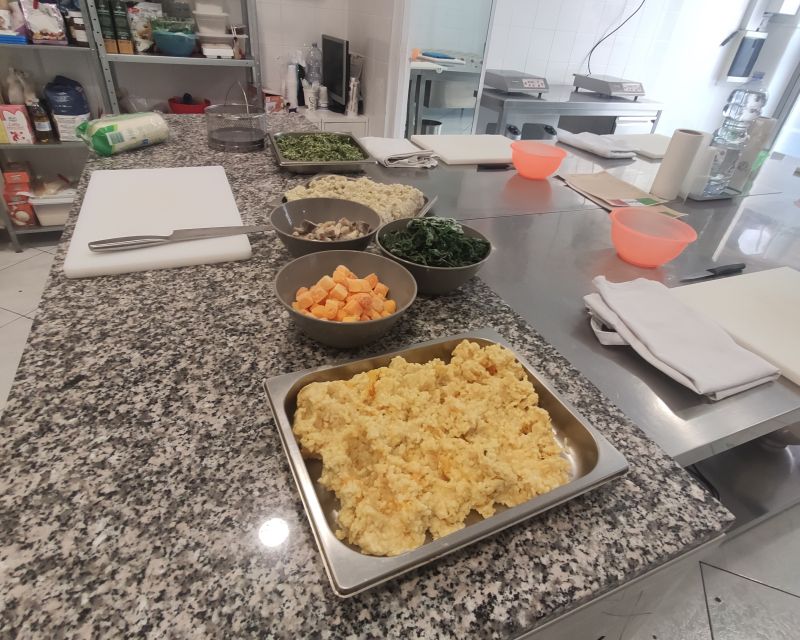
This class starts in the laboratory (the cooking room where the lesson happens) and finishes back at the same meeting point. That matters more than it sounds. Instead of wandering around town or waiting for a shuttle, you jump straight into prep work.
You use professional cooking equipment, and the foods are typical Sicilian products. Even if you’ve cooked before, a setup like this helps. Better tools mean you’re not fighting flimsy pans or guessing temperatures. And because the ingredients are local to the Sicilian style, you get accurate flavor baselines—important when you want to repeat the dish later.
You should also expect an interactive format. The course is designed for participants to prepare the island dishes. Reviews back this up with comments about being taught in an approachable way and getting food that turns out great—plus the recurring advice to come hungry.
The bruschetta phase: a fast way into Sicilian flavors
The menu starts with Sicilian typical bruschetta. While bruschetta is widely known, the Sicilian versions tend to lean into bold simplicity: good bread, clean flavors, and toppings that don’t hide behind complicated techniques.
In a hands-on class like this, bruschetta is a smart opener for a few reasons:
- It gets you comfortable with chopping and seasoning without being too fussy.
- It sets the theme: Mediterranean ingredients treated with respect.
- It gives you an early taste win, so you’re motivated for the next steps.
Because the class is about learning you can repeat at home, this first course usually matters more than you’d expect. You’re not only eating. You’re building the rhythm of the cooking process: prep first, then combine and plate.
If you’re the type who likes instant feedback, this part is a good entry point. You can correct your seasoning early and carry that forward.
Caponata or parmigiana: learning the Sicilian sweet-and-sour balance
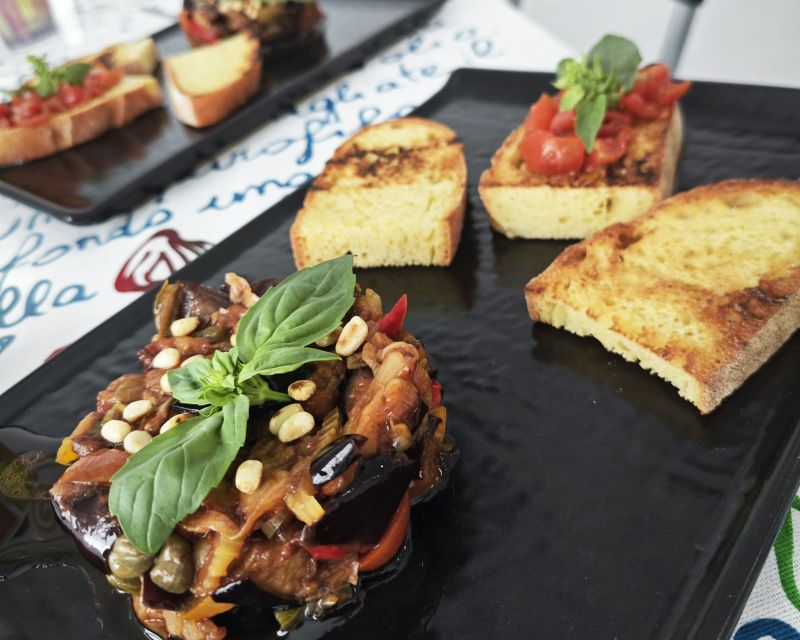
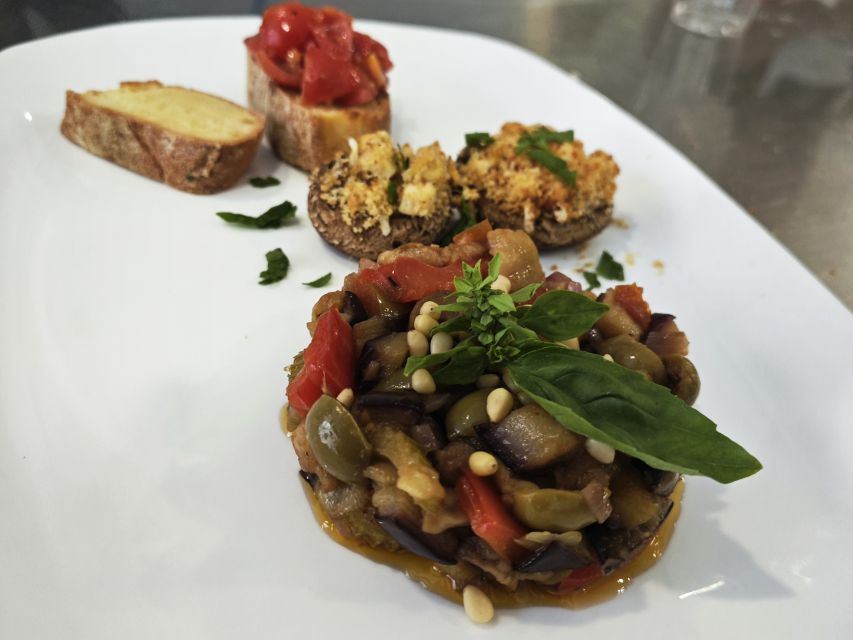
Next up: Sicilian caponata in sweet and sour style, or aubergine parmigiana (eggplant parmigiana). This is where the class starts to feel distinctly Sicilian.
Caponata is all about balance—sweet, sour, and savory elements working together. Even if you’ve had caponata before, making it yourself is a different experience. You learn how the ingredients “talk to each other,” not just how they taste on the plate.
If your class includes aubergine parmigiana instead, you’ll learn another major Sicilian comfort technique: building layers around eggplant, sauce, and cheese expectations. Parmigiana can be forgiving, but it also teaches structure—how to layer and how to let it come together.
Reviews repeatedly mention that the instruction is friendly and easy to understand, and that the food comes out well. That’s exactly what you want here. Caponata and parmigiana both can go wrong when timing or moisture gets ignored. A good instructor helps you fix those issues in real time.
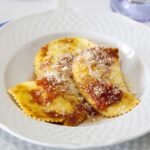
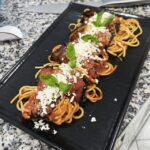
Pasta roll and sauce: spaghetti rolls with norm or ricotta tomato basil
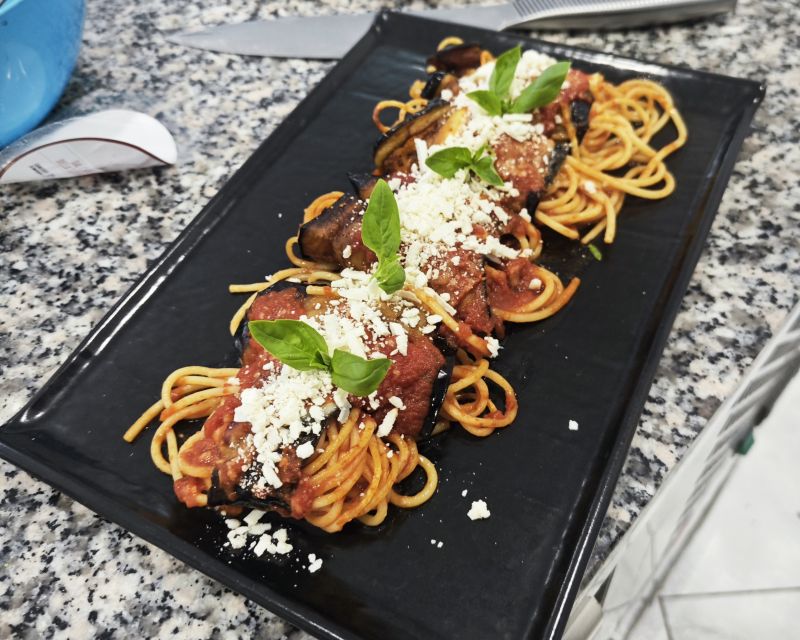
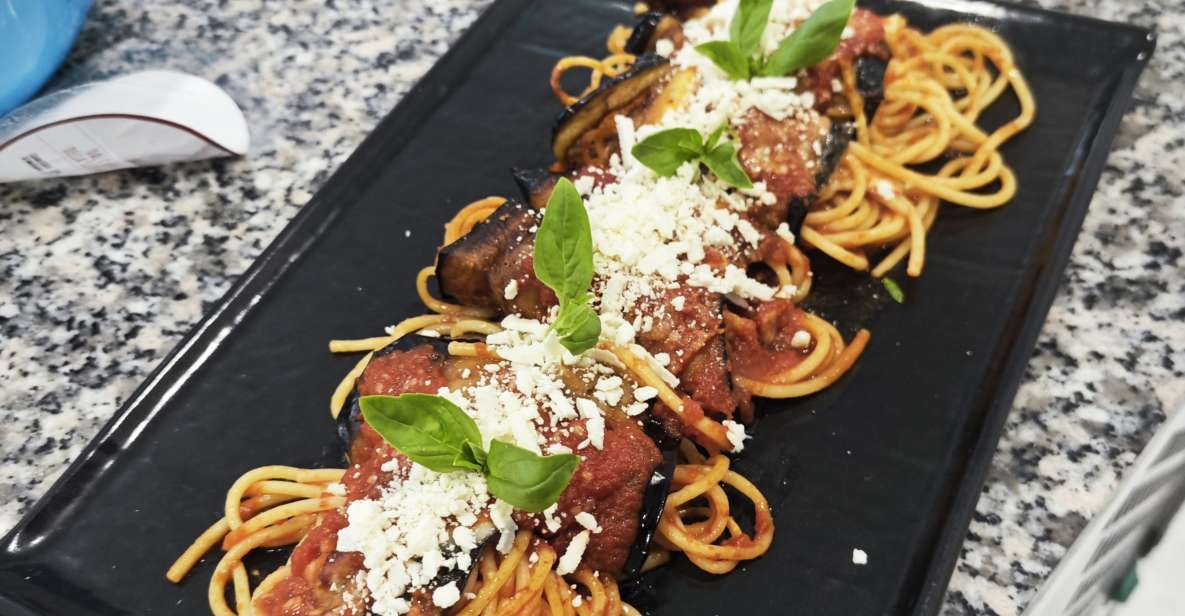
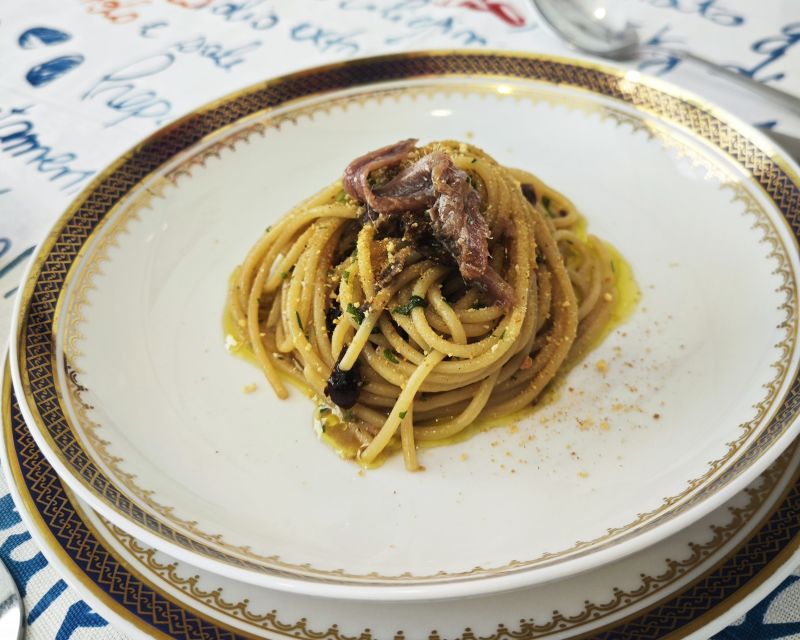
Then comes the main pasta course. The example menu mentions spaghetti rolls with the norm (a Sicilian combination often built around eggplant flavors) or a shorter paste with ricotta, tomato, and basil.
This is a great spot for you to learn how Sicilian pasta flavors are assembled. You’re not just cooking pasta—you’re building a sauce relationship with it. Eggplant-based Sicilian mains and ricotta-tomato-basil combinations both rely on good ingredient quality. And because the class uses typical Sicilian products, you’ll see how the “right” flavors behave.
Here’s what to pay attention to as you cook:
- How the sauce coats (or doesn’t) when you mix it.
- When to stop cooking so pasta doesn’t turn soft or gluey.
- How seasoning changes once you add cheese or eggplant.
The goal isn’t to memorize a single recipe forever. The goal is to learn the technique behind the flavor profile so you can adapt later with what you find at home.
You can also read our reviews of more tours and experiences in Catania

Cannolo at the end: decorating and tasting
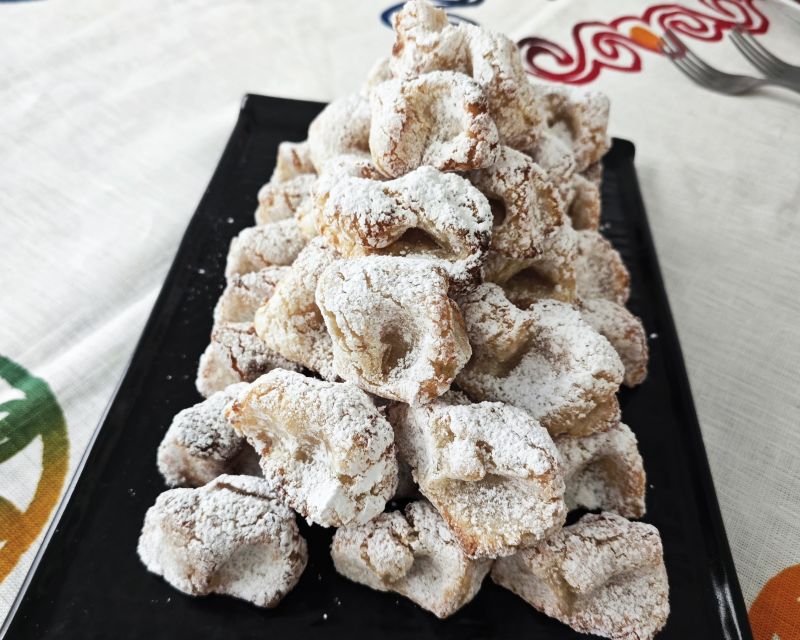
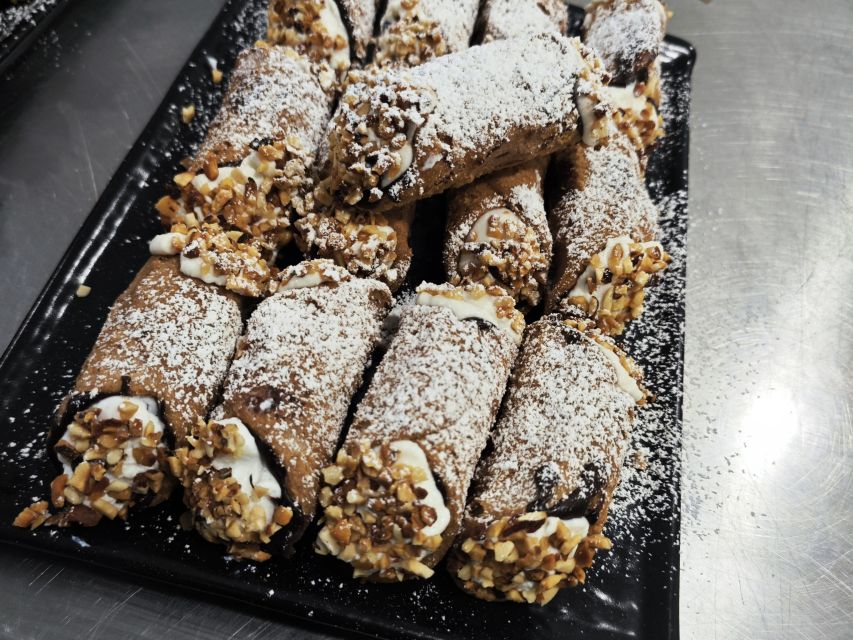
Dessert is Sicilian cannolo, including decoration and tasting. Cannolo is one of the most recognizable Sicilian sweets, but in a cooking class format, it becomes more than a dessert stop.
Decoration matters. It turns dessert into a final “skill check.” The class teaches you the dessert handling and assembly part, so you can picture how it should look when you repeat it later. And then you taste what you made, which makes the whole experience click.
Reviews specifically call out that there’s a lot of food to eat, so cannolo likely isn’t just a tiny finale. It’s a real capstone.
If you like finishing a meal with something memorable, cannolo is your strong sign here. It’s also a good way to confirm you actually learned something. A teacher can explain cannolo all day, but assembling and tasting it is how the lesson sticks.
Wine tasting and the included lunch or dinner
You’ll also do a typical wine tasting, and you get lunch or dinner with the dishes you prepared. A bottle of Sicilian wine is included with the meal.
This is one of the most practical reasons the class feels like good value. Plenty of cooking classes give you “a taste.” Here, you eat the meal and you drink the included wine. So the price isn’t only paying for the kitchen time—it’s paying for a full dining experience built around what you made.
A bottle included for the table also changes the mood. It’s more relaxed. You’re not rushing to wrap up after a quick sample. You get to sit with your food and talk about what worked and what you’d tweak next time.
And in reviews, people highlight the wine pairing as part of the fun. That lines up with the idea that the class is designed to be both educational and genuinely enjoyable.
What you can realistically recreate at home
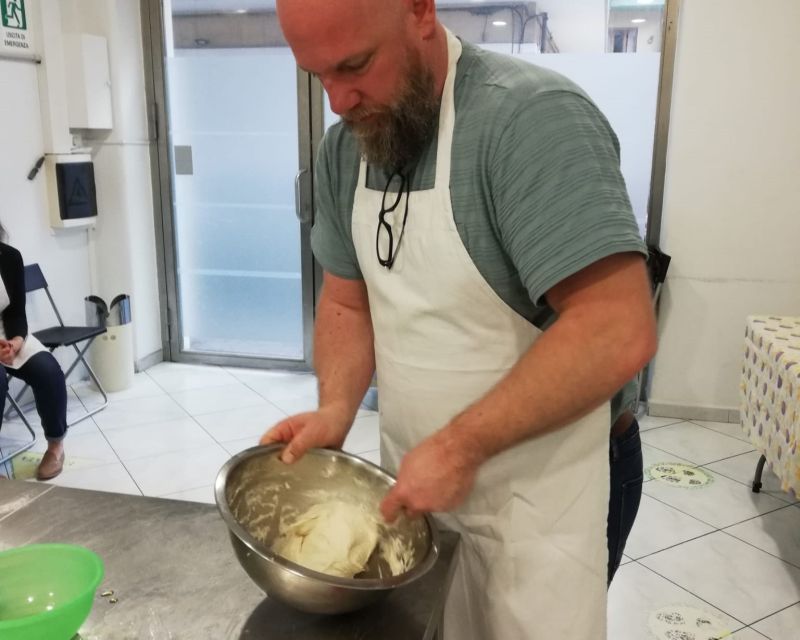
The class is designed so each participant can replicate island dishes at home. That’s an honest promise you can take seriously here because the menu is built around familiar Sicilian anchors: bruschetta, caponata or parmigiana, a pasta main, and cannolo.
So what’s the “home success” pathway?
- Start with the simpler build (bruschetta) to learn prep and seasoning rhythm.
- Move into one of the eggplant-focused dishes (caponata or parmigiana) where technique and timing matter.
- Use the pasta course to learn how Sicilian flavors integrate with sauce.
- Finish by repeating the cannolo assembly step so you can recreate the look and texture.
Even if you don’t recreate everything perfectly at first, you’ll have enough to cook a Sicilian-themed meal that feels intentional rather than random.
One more tip from the energy of the experience: the class encourages you to come hungry, which usually means portions are hearty. That’s good for learning because it’s easier to understand flavors when you actually taste enough of each dish—not just a bite.
Who this class fits best (and who should think twice)
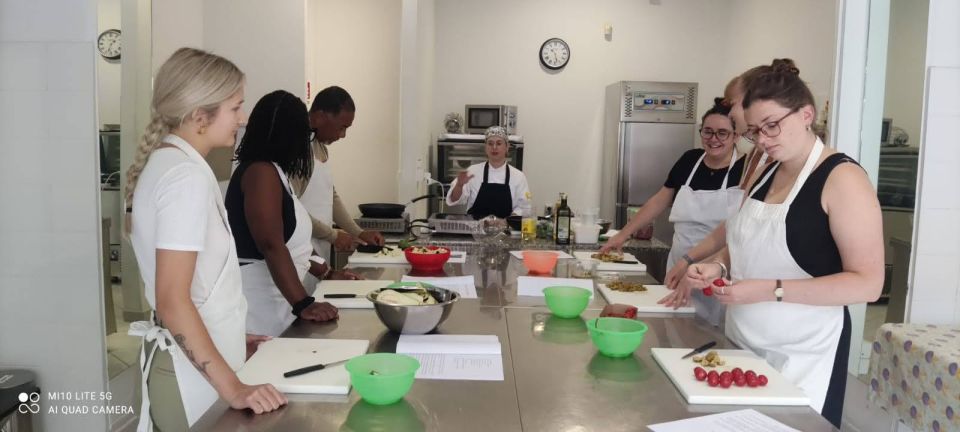
This cooking class fits best if you:
- Want hands-on Sicilian cooking in Catania, not just a food tasting tour
- Prefer small groups where you can ask questions
- Like learning a full menu, then eating what you made
- Want a meal with wine included, without planning a separate restaurant stop
It might not be your best pick if you:
- Want a sightseeing-focused day with big external attractions
- Prefer a short snack tasting rather than cooking and sitting down to lunch or dinner
Also, the class is offered in English and Italian, which helps if you’re traveling with mixed language comfort. It’s run by a provider called Futuro e Lavoro, with instructors speaking those languages.
Price, timing, and group size: why it matters
Duration is listed as 3 hours, but starting times depend on availability. That’s normal for classes, and you’ll want to check the schedule once you know your day in Catania.
The group size is min 2 and max 12. In practice, that range is important. With a small group, the class can stay interactive without turning into a crowd-control challenge. It also supports the kind of instruction people praised—friendly, helpful, clear.
As for price, $107.62 per person looks high if you think it’s just cooking demonstrations. But once you factor in the included meal (lunch or dinner), the bottle of Sicilian wine, and the professional lab equipment plus typical ingredients, it starts to read like a complete dining-and-learning package. You’re not paying only for recipes on paper. You’re paying for a full, structured experience.
Should you book this Catania cooking class?
Book it if you want a real Sicilian-food day in 3 hours: hands-on cooking, a full menu you can name and repeat later, and a sit-down meal with wine. I’d especially recommend it if you enjoy cooking enough to learn by doing, and if you like the idea of cannolo plus eggplant dishes on the same menu.
Skip it if your priority is sightseeing over kitchen time. This is a kitchen-led experience, starting in the laboratory and ending back there.
If you’re on the fence, the simplest decision rule is this: if you’ll happily spend your afternoon cooking and eating, this class delivers the kind of value that turns into a memory you can cook.
FAQ
How long is the cooking class?
The class duration is 3 hours.
How big is the group?
The class runs for a minimum of 2 people and a maximum of 12 people.
What language is the instruction offered in?
The instructor speaks English and Italian.
Is lunch or dinner included?
Yes. You’ll have lunch or dinner with the dishes you prepare, and a bottle of Sicilian wine is included.
What does the class include in the kitchen?
You get use of professional cooking equipment in the equipped laboratory, plus foods and typical Sicilian products for preparing the dishes.
Can I get a refund if I cancel?
Free cancellation is available up to 24 hours in advance for a full refund. There’s also a reserve now & pay later option.