REVIEW · SICILY
Etna Special Dawn Excursion
Book on Viator →Operated by Etna3340 · Bookable on Viator
Dawn on Etna is a workout with payoff. I like how the guide builds the hike around your fitness and Etna’s current conditions, and I like the chance to reach Pizzi Deneri (up to 2,847 m) for sunrise views. The possible drawback: this is a serious, steep hike (5–7 hours) that starts at 4:00 am, so average fitness may feel rough.
This is designed for the north side of an active volcano, with altitude limits managed on the fly. If you want an early, hands-on Etna experience with helmets, sticks, and a guide who can scale the route when needed, this excursion fits the bill.
In This Review
- Key highlights (quick take)
- The 4:00 am Rifugio Citelli start: why it feels different
- Route reality check: vertical drop, distance, and volcanic-sand descent
- Night steps, sunrise, and the Etna experience in motion
- Why the guide’s flexibility is the real value
- Antonio, Sofia, Andrea, and Gino: what the guides bring
- Gear and what to bring since lunch and breakfast aren’t included
- Weather and Etna’s mood: why the itinerary can change
- Price and value: what $157.57 buys you (and what it doesn’t)
- Who should book this Etna Special Dawn Excursion?
- Should you book this dawn Etna hike?
- FAQ
- How long is the Etna Special Dawn Excursion?
- Where do I meet for the tour?
- What time does the hike start?
- How high do we go, and what’s the typical drop?
- What distance will we hike?
- Is lunch or breakfast included?
- What gear is included?
- What happens if the weather is bad?
Key highlights (quick take)
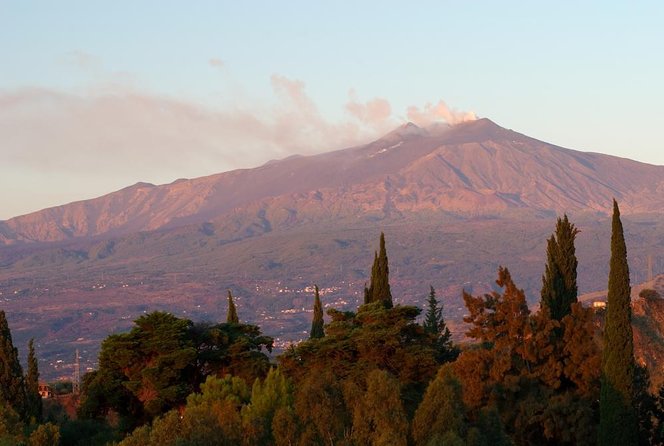
- North-side focus with a realistic altitude goal: your guide may push toward Pizzi Deneri near Etna’s NE crater, based on allowed limits.
- Steep-but-adapted hiking: vertical drop can range from 300 to 1,100 meters and distances run 6 to 12 km.
- Small groups (max 8): more attention from the guide and fewer bottlenecks on rugged ground.
- Gear is included: sticks, helmet, backpack, and k-ways help you stay functional on volcanic sand and slopes.
- Sunrise timing can be the star: many departures are built around the dark-to-dawn transition.
- Guides matter: names like Antonio, Sofia, Andrea, and Gino show up in feedback for strong teaching and safety-first vibes.
The 4:00 am Rifugio Citelli start: why it feels different
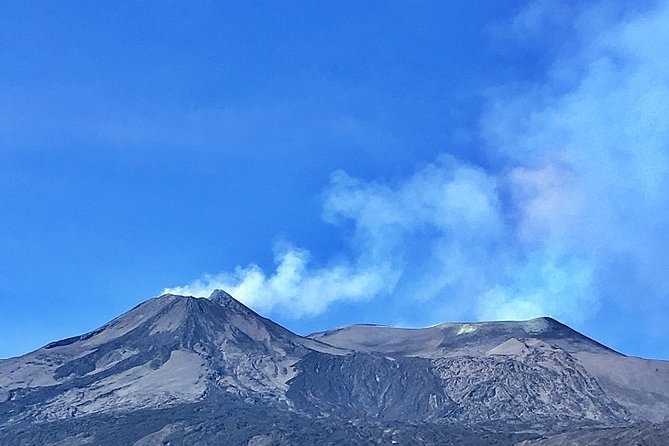
The day begins at Rifugio Citelli near Sant’Alfio at 4:00 am. That means you’re not just hiking Etna—you’re hiking Etna in the hours when the mountain is quiet, the air can be chilly, and the first light makes the volcanic terrain look even more moonlike.
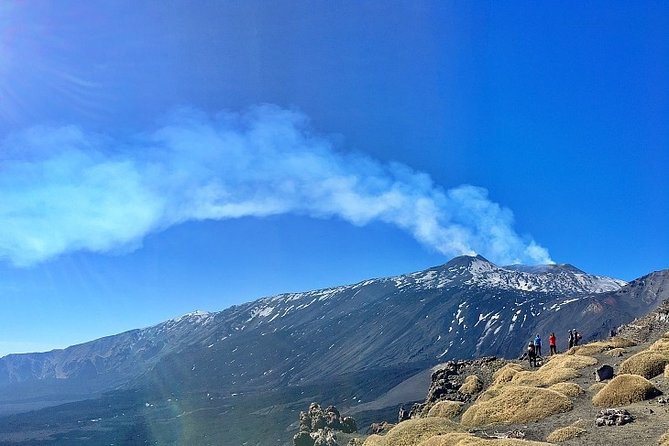
This timing also ties directly to the goal of sunrise. The hike is built so the guide can set the pace and timing, and you may end up seeing the smoking peaks and the big view as the light changes. If you love early starts and don’t mind feeling a little sleepy before you feel alive, this is a big part of why people rate it highly.
You can also read our reviews of more tours and experiences in Sicily.
Route reality check: vertical drop, distance, and volcanic-sand descent
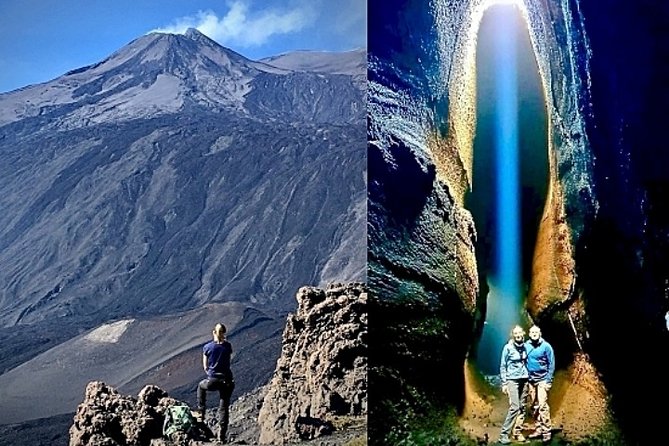
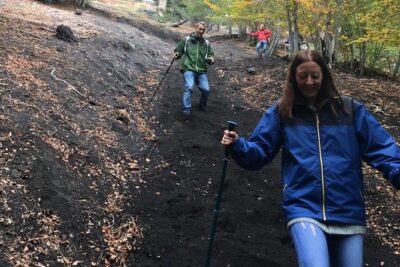
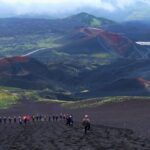
Here’s what you’re signing up for, in practical terms. Expect 5–7 hours on rugged routes with steep slopes and a vertical drop between 300 and 1,100 meters. Your walk distance can run 6 to 12 km, with the descent on volcanic sand—the kind that can shift underfoot and slow you down.
Your max altitude isn’t fixed. The hike can vary from around 1,800 meters up to 2,847 meters depending on conditions and the guide’s decisions. The key part: the exact route, walking speed, altitude difference, and max altitude are decided during the excursion, aligned with the pace of the slowest participant.
So yes, the plan can change. That’s not a bait-and-switch; it’s the whole safety logic of hiking an active volcano with variable conditions.
Night steps, sunrise, and the Etna experience in motion
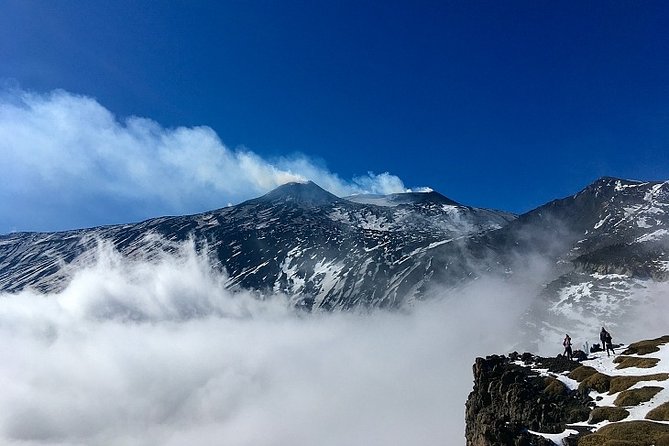
This excursion is a guided trek on an active volcano, and the mountain doesn’t run on a schedule. The guide chooses the route and difficulty based on weather and Etna’s geodynamic conditions, and that can affect how far you go and how high you reach.
What the experience typically feels like:
- Early-dark hiking: You start before sunrise. Feedback includes mentions of equipment like helmets and frontals (flashlights) being part of the night setup.
- Steep, rugged terrain: You’re on rough ground where footing and pacing matter. The descent is specifically described as being on volcanic sands.
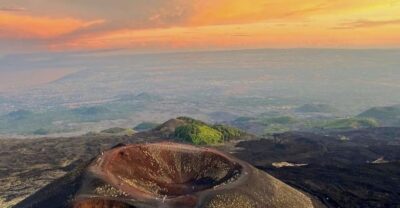
- Sunrise moment: Many participants describe sunrise views over clouds and the sea, plus dramatic lighting as the sky warms up.
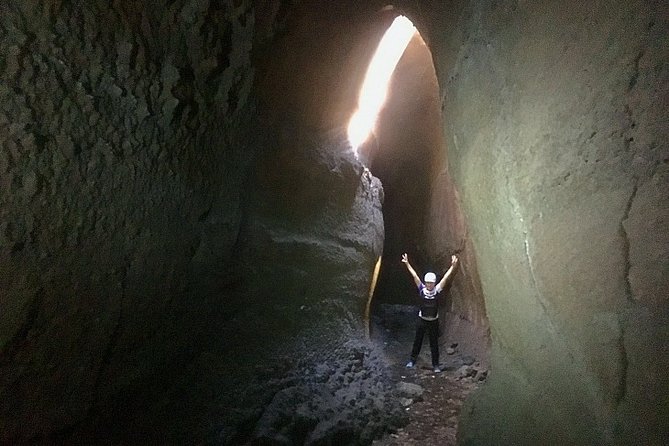
- Possible added features: Some versions include stops like a lava tunnel visit, depending on route and conditions.
You’ll also get in-the-moment context from the guide. People mention clear, simple explanations and a strong teaching style—part hike, part geology field class. If you like learning while you move (instead of sitting through a lecture), this format works.
Why the guide’s flexibility is the real value
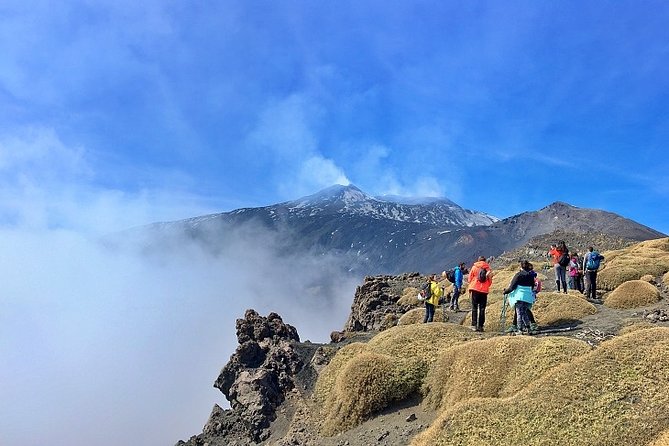
This isn’t a one-size-fits-all Etna walk. One of the most important features is that your guide adjusts everything live: route, difficulty, km, and even the maximum altitude you can reach.
That matters for two reasons:
- Safety on an active volcano: your guide may shorten the hike or reduce altitude if current limits and conditions require it.
- Group fairness: the guide aligns the plan with the slowest person, so you’re not just racing the group.
You’ll see this echoed in feedback about guides being kind, empathetic, and safety-minded, with equipment ready so everyone can stay steady. If you’re newer to steeper hikes, this adaptability is more reassuring than a rigid route.
Antonio, Sofia, Andrea, and Gino: what the guides bring
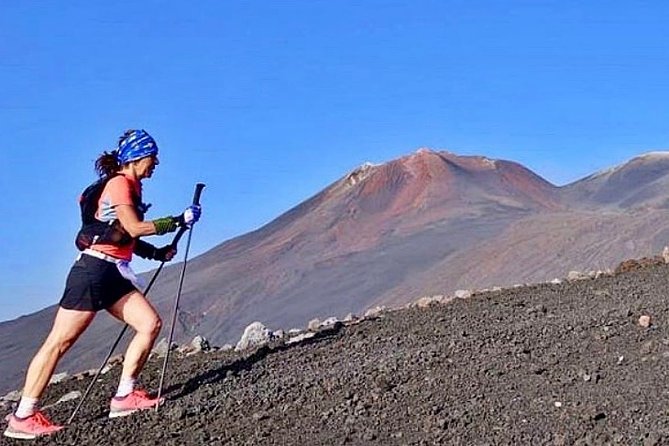
Names come up again and again—Antonio, Sofia, Andrea, and Gino—and the common thread is how they manage people in difficult terrain.
From the feedback patterns, here’s what you can expect from a good guide on this hike:
- Practical attention to safety: people mention helmets and gear that help walking conditions.
- Clear geology explanations: guides share concrete, simple explanations and lots of anecdotes.
- Energy that matches the moment: Sofia is described as energetic and competent; Antonio as professional and attentive; Andrea as fluent in French; Gino as kind and joyful.
One caution from a less-perfect experience: a pacing mismatch can happen if breaks aren’t built in. So if you need regular drink/food stops for energy, speak up early and make it clear you want a steady rhythm—not just forward motion.

Gear and what to bring since lunch and breakfast aren’t included
The excursion includes sticks, a helmet, a backpack, and k-ways. That’s a solid start because volcanic sand and steep slopes can beat up your legs, and weather on Etna can shift fast.
But lunch and breakfast aren’t included, so you’ll want to plan food for the long morning hours. Since the start is 4:00 am, I’d treat this like a full-day effort: bring what you need to stay fueled until the hike ends back at the meeting point.
Practical things to consider bringing (based on the hike being rugged and long):
- A personal water plan for a 5–7 hour hike
- Snacks you can eat quickly without stopping the whole group
- Sensible hiking footwear with traction for loose volcanic sand
- A warm layer for the chilly early start
Also note: you’ll use a mobile ticket. Make sure your phone battery is healthy before you head out.
Weather and Etna’s mood: why the itinerary can change
This experience requires good weather. If it’s canceled due to poor weather, you should expect either a different date or a full refund.
Even when the weather looks fine, Etna’s activity can still influence the plan. The guide is explicitly allowed to reduce:
- the number of kilometers
- the maximum altitude you can reach
That flexibility is built for a reason. It’s an active volcano with random conditions, and your guide is trained to adapt without making it feel chaotic.
The best way to get the most out of that uncertainty? Keep your expectations flexible. If you came for the sunrise and the science-and-suffering hike, you’ll likely still get it, even if the route shortens.
Price and value: what $157.57 buys you (and what it doesn’t)
At $157.57 per person for about 5 hours (with hikes described as 5–7 hours), the price makes sense if you value:
- a small group (max 8)
- a private guide
- included hiking gear (sticks, helmet, backpack, k-ways)
- the flexibility to aim for high-altitude Etna views like Pizzi Deneri, when conditions allow
What the price doesn’t cover: food (no lunch or breakfast). And you shouldn’t assume you’ll reach the absolute highest point every time—your guide chooses the max altitude based on conditions and allowed limits.
So the value equation is simple. If you’re fit enough to handle steep, sandy, volcanic terrain and you want a sunrise moment with real guidance, this is a fair spend. If you’re not sure you’ll enjoy that level of effort, you’ll feel the cost more sharply when your body says stop.
Who should book this Etna Special Dawn Excursion?
Book it if you:
- have strong physical fitness
- enjoy early mornings and can handle cold-to-warm transitions
- want a more intense, science-focused outing than a casual viewpoint visit
- like the idea of a guide actively managing difficulty and safety
The minimum age is 12, and the group size is small, which can work well for motivated teens and older kids who are comfortable with physical effort.
Avoid it (or at least think hard) if you:
- hate steep climbs and loose footing
- expect lots of long breaks built into the pace
- want a laid-back photo stroll
Should you book this dawn Etna hike?
I’d book it if your main goal is a real Etna experience: rugged hiking, sunrise, helmets on, and a guide who can adjust on the fly to keep the group safe and moving. The north-side focus plus the possibility of reaching Pizzi Deneri makes it feel purposeful instead of random.
I wouldn’t book it if you need a comfortable day trip. The combination of 4:00 am, steep slopes, and volcanic sand means this is built for people who like doing, not just looking.
If you do book, go in with one mindset: follow the guide, manage your pace, and fuel early. You’ll get more out of the climb—and the sunrise will hit harder.
FAQ
How long is the Etna Special Dawn Excursion?
It’s about 5 hours in duration, and the hike itself is described as 5–7 hours depending on the route and conditions.
Where do I meet for the tour?
The meeting point is Rifugio Citelli, Via Mareneve, 95010 Sant’Alfio CT, Italy.
What time does the hike start?
Start time is 4:00 am.
How high do we go, and what’s the typical drop?
The vertical drop can be 300 to 1,100 meters, with altitude ranging from about 1,800 meters up to a maximum of 2,847 meters when conditions allow.
What distance will we hike?
Walking distance can be 6 to 12 km, with a descent on volcanic sand.
Is lunch or breakfast included?
No. Lunch and breakfast are not included.
What gear is included?
Included items are sticks, a helmet, a backpack, and k-ways.
What happens if the weather is bad?
This experience requires good weather. If it’s canceled due to poor weather, you’ll be offered a different date or a full refund.