REVIEW · SICILY
ETNA – Trekking to the Craters Eruption of 2002
Book on Viator →Operated by Gruppo Guide Etna Nord · Bookable on Viator
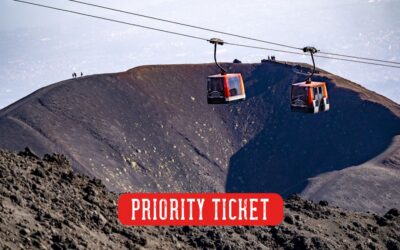
A volcano walk beats a lecture every time. On this small-group Etna Nord trek, you hike beside the 2002 eruptive fracture and get close to the side craters the guides are watching for.
What I like most is the mix of raw terrain and real explanation on the move. You’ll see lava ground up close, then walk through beech and larch pine woods, and the guide keeps tying it back to how the eruption actually behaved. I also love the human touch: Fabio’s passion and science talk (including volcanic chemistry) make the walk feel personal, and Sylvia’s way of pointing out views and stories helps you read the mountain as you go.
One consideration: this is weather-dependent. You’re hiking in wind and volcanic air, so if conditions aren’t great, the experience can feel more focused on safe walking than on maximum crater spectacle.
In This Review
- Key moments that make this Etna trek worth it
- Where Piano Provenzana fits into the Etna experience
- The first stretch: walking the 2002 fracture from the start
- Lava, forest, and side craters: what you’ll actually see up close
- Lava field walking
- Beech and larch pine woods
- Side craters: a bottoniera
- The overall length and pace
- Crater air, wind, and timing: how guides protect your experience
- Gear and comfort: what’s included and what you should plan to add
- Languages and guide style: why it feels more than a walk
- Price and value: is $36.14 a good deal for this Etna day?
- Who should book this trek, and who might want another option
- Should you book ETNA – Trekking to the Craters Eruption of 2002?
- FAQ
- How long is the Etna trek to the 2002 craters?
- Where do we meet for the trek?
- Is an admission ticket included?
- What’s included and what should I bring for myself?
- Is the tour offered in English?
- What if the weather is bad or I need to cancel?
Key moments that make this Etna trek worth it
- Small-group size (up to 12) keeps the hike practical, paced, and less chaotic when everyone’s trying to look at the same crater.
- Telescope poles included so you’re not hunting gear right after you arrive.
- Piano Provenzana starting point means you get a crater-focused day without committing to a full, long summit route.
- 2002 fracture trail takes you over lava fields and through forest, so the scenery changes without you needing to ride anywhere.
- Guide-led crater strategy matters: wind and sulfur can limit what you can safely see, and your guide adjusts in real time.
- English offered (and from what I’ve seen in action, guides can be flexible with communication on the ground).
Where Piano Provenzana fits into the Etna experience
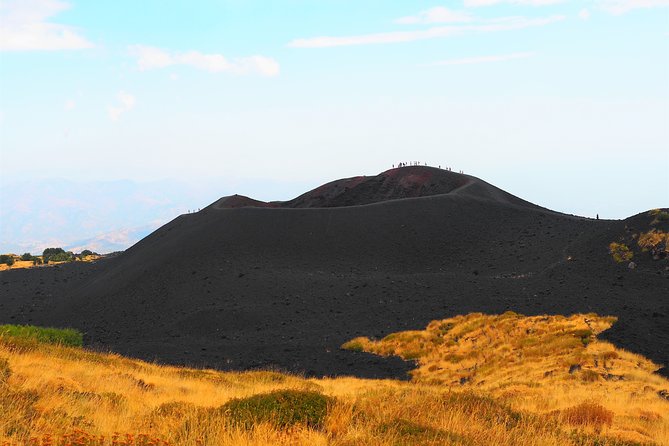
This trek runs from Piano Provenzana (Etna nord), via Provenzana, 95015 Linguaglossa CT, starting at 10:00 am, and it ends back at the meeting point. That start matters. Morning hikes on Etna typically feel easier to manage because you’re not fighting as much fatigue from the day yet, and it’s often the time when you’re most likely to get clear sightlines.
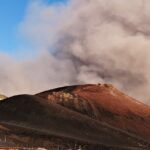
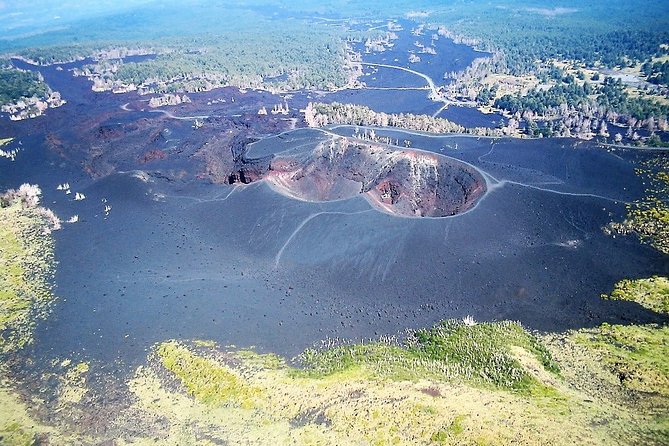
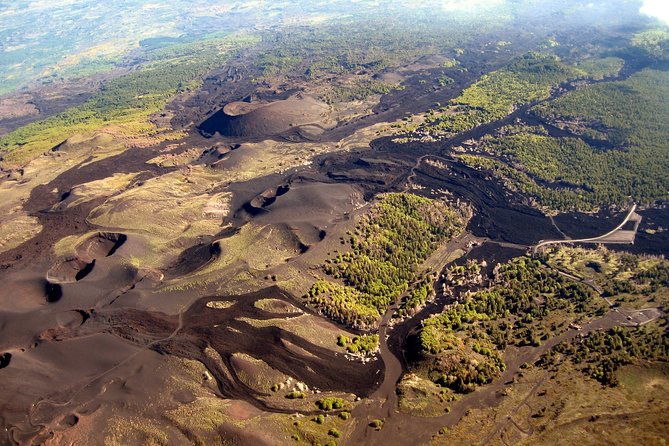
You’re also not just going for a pretty walk. The whole point is to trace what the eruption of 2002 left behind. In plain terms, you’re walking the scar line—an eruptive fracture—and that turns the ground itself into the lesson. It’s one of those rare activities where you feel like you’re moving through a real-time geology book.
You can also read our reviews of more hiking tours in Sicily
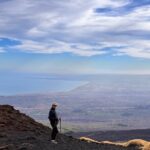
The first stretch: walking the 2002 fracture from the start
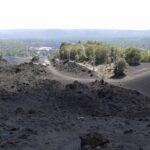
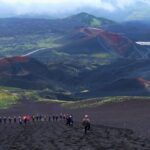
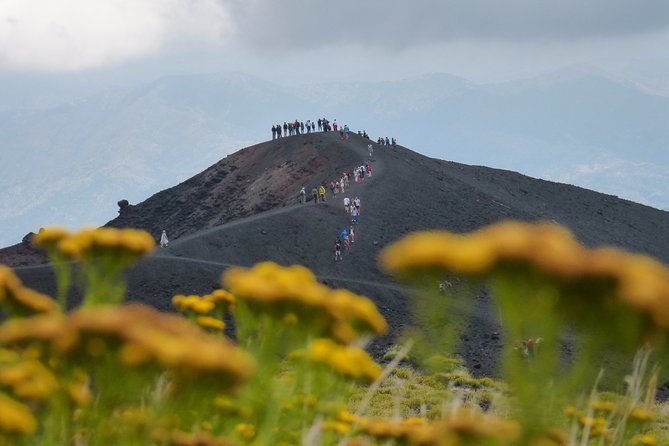
Right after you meet, you’ll begin trekking along the 2002 eruptive fracture. This is the backbone of the hike. Expect you’ll spend time on lava field terrain, which can feel uneven underfoot and can look oddly lunar compared to the rest of Sicily.
What helps is how the guides handle pacing and stops. In the best moments, you’ll see the group slow down naturally while the guide points out what you’re standing on and why it matters. Fabio, for example, is mentioned for stopping often enough to let people rest and then explain what’s happening—sometimes with science-level details that make the mountain feel less mysterious and more understandable.
Also, your hike isn’t a straight line on bare rock. You transition from open volcanic ground into woods—beech and larch pine (laricius pine) forests—which is a big part of why the trek doesn’t drag. The contrast keeps your attention on the route instead of your phone.
Lava, forest, and side craters: what you’ll actually see up close
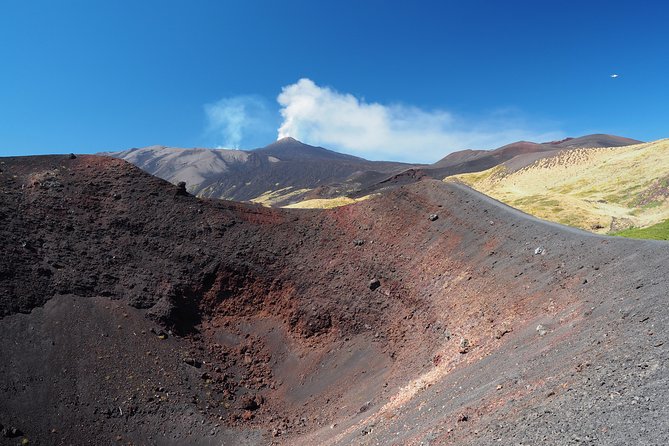
The itinerary centers on a crater-focused route, and the route gives you multiple “wow, wait, look at that” moments. Here’s the flow you can expect:
Lava field walking
You spend time on the lava field itself. That’s where you’ll notice how the ground changes texture and color, and where your footsteps remind you this isn’t a theme park. It’s also where the guide’s volcanic explanations land best, because the features are right in front of you.
Beech and larch pine woods
Then you move into beech and larch pine woods. This is more than a break from heat. The woods help show how Etna’s ecosystem recovers and changes around volcanic injuries. If you’re the type who likes plants and survival stories, this part is a bonus.

Side craters: a bottoniera
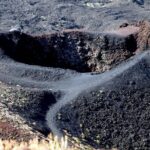
The hike includes side craters called a bottoniera. Those names aren’t random—they’re pointing you to specific formations your guide wants you to notice. One reason I love crater hikes is that you start thinking in shapes and processes. Instead of just seeing a crater, you start seeing structure.
The overall length and pace
The trek is listed as about 2 to 3 hours (with the main crater segment described as around 3 hours). A few people describe it as not too hard, and it can still be a real workout because volcanic ground isn’t flat.
If you want a rough sense of effort, think “you’ll walk for hours and you’ll want good shoes,” not “easy stroll.” The plus side is that the guides plan for group members to keep up without turning the walk into a sprint.
Crater air, wind, and timing: how guides protect your experience
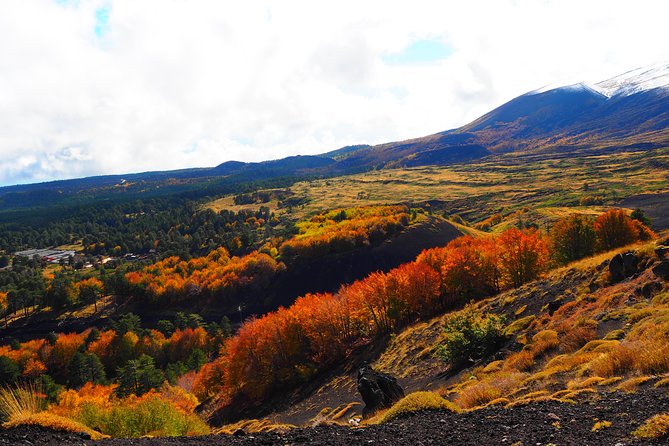
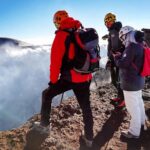
Etna doesn’t always cooperate. Wind can change what you can see, and the volcanic air can include sulfur. One guide is specifically described as working with the sulphur/wind combination to make sure the group gets the most possible from the day—meaning the plan is flexible based on real conditions.
That flexibility is a big deal for you as a traveler. If the mountain is doing its thing—shifting clouds, pushing wind, carrying smell—your guide can steer you to the best safe viewpoints instead of forcing everyone into the same exact angle no matter what.
The sound is also part of the deal. Some people describe the noise of the craters as impressive, and that matches what you’ll likely feel: Etna can be loud and alive even when you’re just standing and looking.
Gear and comfort: what’s included and what you should plan to add
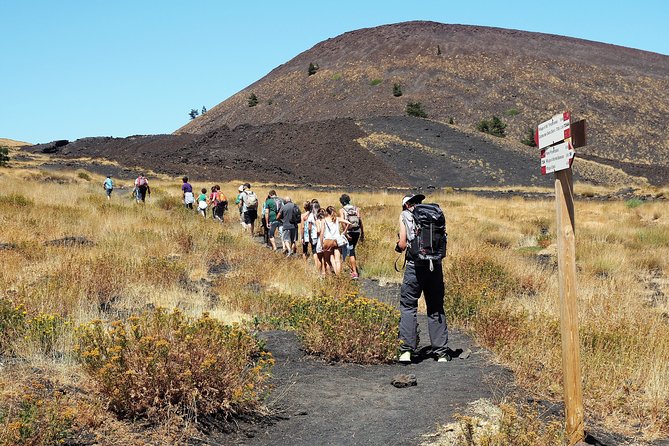
This experience includes telescopic poles. That’s not a small detail. Poles can make lava-field footing much easier on your knees and hips, and they also give you confidence when the ground gets slightly unpredictable.
A few comments also mention practical extras like windbreakers and even hiking shoes being available on request, and sticks in addition to what’s already offered. I wouldn’t count on specific loan items as a guarantee unless you ask, but it’s a good sign that the operation tries to reduce day-of hassle.
What you should bring is easier to pin down, because the basics aren’t included:
- Bottled water is not provided
- Coffee/tea isn’t provided
- Snacks aren’t provided
On a 2–3 hour hike, that matters. You don’t want to be rationing water or energy while you’re trying to enjoy the crater views.
Quick comfort checklist for your own peace of mind:
- a way to carry water (even if it’s just a small bottle)
- something light to snack on
- layers for wind (even if the day starts mild)
- shoes with grip for uneven volcanic ground
And yes, service animals are allowed. If that’s relevant for you, it’s good to know up front.
Languages and guide style: why it feels more than a walk
The tour is offered in English, and you’ll feel the difference when a guide isn’t just herding people. Fabio, for instance, is praised for passion and incredible knowledge—not only about volcanic activity, but also the chemistry angle. That kind of guided talk doesn’t make the trek longer; it makes the time feel smarter.
Other named guides stand out for different strengths. Sylvia is described as showing beautiful views and sharing stories, and she helps during more difficult parts of the route. Giuseppe is noted for managing pace and keeping everyone feeling safe, even with a larger group than the official cap.
Marco is mentioned for adding flora of the Etna park to the hike, which is great if you like seeing the living side of Etna, not just the rock side. In other words, guides add layers. They help you notice what you’d miss alone.
Price and value: is $36.14 a good deal for this Etna day?
At $36.14 per person, you’re paying for a guided crater trek with an admission ticket included, plus telescopic poles. You’re also getting a structured outing that runs about 2–3 hours, with a small group limit (up to 12). That combination is usually where value shows up.
Here’s what makes it worth it for me:
- The crater-focused route is the main draw. You’re not just driving to a viewpoint.
- The guide’s explanations turn photos into something more meaningful.
- The small-group size helps you actually hear the guidance and see features without constant bottlenecks.
Where value can be less obvious:
- You’ll likely want to buy or bring water and snacks, since none are included.
- Since it’s weather-dependent, you might need a little flexibility if the conditions aren’t ideal.
Still, for a Mount Etna experience that gets you close to the 2002 eruption area, the price feels reasonable—especially if you’re traveling without your own vehicle and you want a guided day that doesn’t consume your whole morning.
Who should book this trek, and who might want another option
This trek is a strong fit if you:
- want Etna up close without committing to a long, hardcore day
- like geology, crater formations, and how eruptions shape what you see later
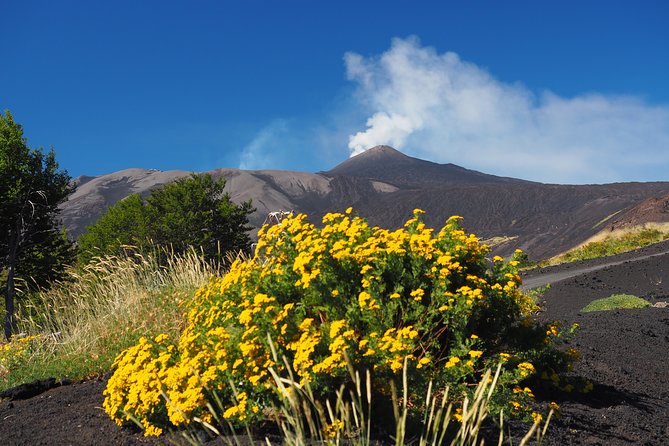
- enjoy hikes that mix volcanic terrain with forest sections
- want a guide who will stop and explain, not just walk and point
It may feel less ideal if you:
- are looking for a full summit-style mega day (this is crater-focused)
- don’t handle uneven ground well, even if the hike is described as manageable
- expect water and snacks to be included (they’re not)
For families and teens, it can work well. One group specifically notes their teenagers enjoyed it and that it was a family-friendly hike, with the guide keeping the pace steady.
Should you book ETNA – Trekking to the Craters Eruption of 2002?
Yes, if you want a practical, small-group Etna experience that focuses on the eruption of 2002 and lets you understand what you’re walking past. The included admission ticket and telescopic poles help keep the day simple, and the guides’ style—Fabio’s chemistry explanations, Sylvia’s view storytelling, Giuseppe’s careful pacing—sounds like the kind of guidance that makes the hike click.
Book it with clear eyes: bring water, plan for wind and volcanic air, and expect that weather can shape what you see. If you’re flexible and you’re excited to walk on real lava terrain toward real craters, this is a solid choice.
FAQ
How long is the Etna trek to the 2002 craters?
It runs for about 2 to 3 hours.
Where do we meet for the trek?
You meet at Piano Provenzana – Etna nord, via Provenzana, 95015 Linguaglossa CT, Italy. The activity ends back at the same meeting point.
Is an admission ticket included?
Yes. The admission ticket is included.
What’s included and what should I bring for myself?
The tour includes telescopic poles. Bottled water, coffee/tea, and snacks are not included, so you should plan to bring them.
Is the tour offered in English?
Yes. The experience is offered in English.
What if the weather is bad or I need to cancel?
The experience requires good weather. If it’s canceled due to poor weather, you’ll be offered a different date or a full refund. You can also cancel for a full refund up to 24 hours before the experience start time.