REVIEW · SICILY
Half or full day trekking on Etna with private guide
Book on Viator →Operated by EtnaExcursion.it · Bookable on Viator
One volcano day can change how you see Sicily. This private Mount Etna trek is built around a guide who keeps you on track across rough lava terrain, so you spend less time wondering where to go and more time looking out over the sea and coast. With authorized volcanological or naturalistic guidance, you also get the stories and science that make Etna feel alive.
I especially like the mix of big views and practical pacing. The route is designed for either a medium half-day or a more demanding full-day, and I love that you can ask for what you want as you hike—guides like Fabio and Horacio are praised for being flexible and for sharing a blend of science and myth.
The main catch is that Etna is weather-driven. If higher or more restricted areas are off-limits on the day, you may end up hiking lower instead of what you hoped for, and the trekking itself can be tough on a full-day option.
In This Review
- Key Highlights Worth Booking for
- Mount Etna Trek With a Private Guide: What You’re Really Paying For
- Timing, Start Point, and How Pickup Works From Catania
- Half-Day vs Full-Day: Pick the Right Etna Effort
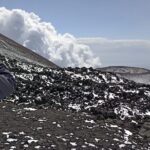
- Stop 1: Mount Etna Views From Upper Crater Terrain
- Stop 2: Valle del Bove, a Surreal Volcanic Amphitheater
- Stop 3: MontataGrande and the Sicilian Tastings That Make the Day Feel Local
- Full-Day Bonus: A Volcanic Cave Visit
- Gear, Water, and Pace Tips (What Makes or Breaks Your Comfort)
- Weather, Crater Access, and Safety Rules You Should Expect
- Value Check: $83.27 and What It Buys You Over a DIY Plan
- Who This Private Etna Trek Suits Best
- Should You Book This Private Etna Trek?
- FAQ
- How long is the Etna trek for half-day and full-day options?
- What does the tour include in addition to the hike?
- Does the itinerary include Valle del Bove and does it cost extra?
- Is trekking equipment provided?
- Is lunch included?
- What happens if the weather is bad?
Key Highlights Worth Booking for
- Private guided navigation across lava fields so you are not guessing your way through the terrain
- Choice of half-day or full-day effort, from around 5 hours to about 8 hours plus a cave visit
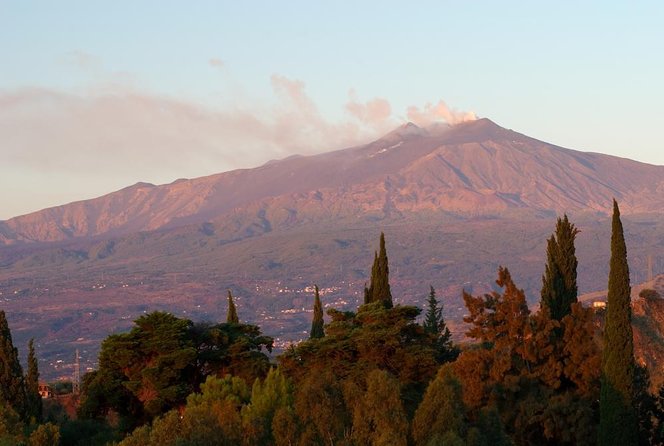
- Crater-and-valley panoramas at higher altitude, with wide views over the coast
- Valle del Bove: a volcanic amphitheater formed by past structural collapses
- MontataGrande tastings featuring Etna and regional staples like wine, oils, honey, pesto, and Bronte pistachios
- Weather-dependent routing, so you should be flexible about what part of Etna you reach
Mount Etna Trek With a Private Guide: What You’re Really Paying For
You could try Etna on your own, but this experience sells something very specific: direction, safety, and interpretation on terrain that can be confusing. On lava and volcanic paths, the “obvious trail” feeling often disappears fast, and a guide helps you keep moving with confidence.
The other thing you are paying for is meaning. Etna is not just rock and fumes. The mountain runs from sea level up to 3329 meters, so you see ecosystems shift quickly and you learn why this place supports such variety in such a small region.
And because it is private, you are not stuck with a herd pace. It is just your group, which makes it easier to match the tempo to your comfort level and ask questions as you go.
You can also read our reviews of more guided tours in Sicily
Timing, Start Point, and How Pickup Works From Catania
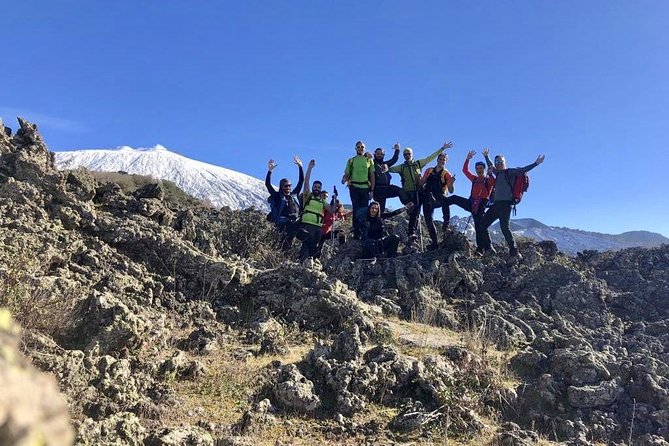
This trek starts at 8:30 am. You meet at the activity’s meeting point and the day runs so the activity ends back where it starts.
Pickup is offered, but it has a cost structure. If you have your own car, you can usually reach the meeting point and use convenient free parking. If you do not have a car, the operator can arrange roundtrip pickup from points like Catania (Piazza Cavour), Acireale/Giarre, or Giardini Naxos/Taormina, with prices that vary by group size and pickup area.
Two practical tips:
- Plan to start early and dress for a colder upper altitude than you expect at sea-level temperatures.
- If you care about pickup timing, confirm it well before the morning of the hike, because routes depend on conditions.
Half-Day vs Full-Day: Pick the Right Etna Effort
The half-day option is about 5 hours of trekking. It is a good fit if you want the Etna experience without turning the day into a full endurance test.
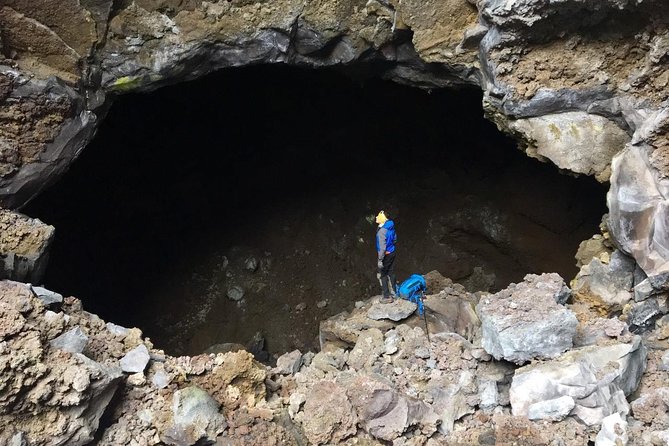
The full-day option is about 8 hours of trekking, plus a visit to a volcanic cave. This is the one you choose when you want more time on the mountain and a stronger chance of hitting more varied terrain.
Keep expectations realistic. Moderate fitness is recommended, and full-day trekking can push you hard—one review described a full-day route of roughly 23 kilometers, with off-track sections that demanded real stamina. If you are active a few times a week, you will probably handle it, but it is still a hike where pace and hydration matter.
Stop 1: Mount Etna Views From Upper Crater Terrain
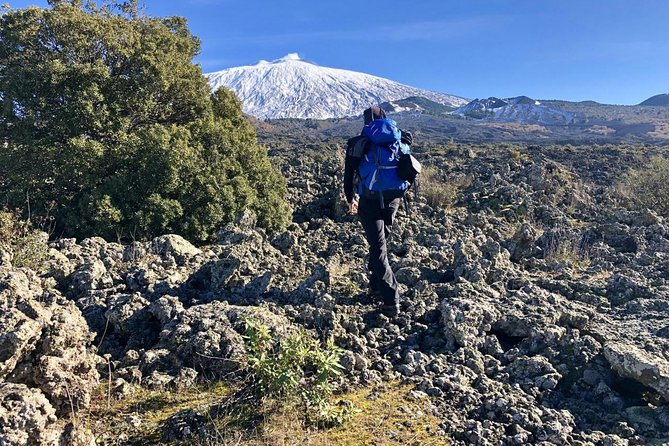
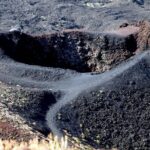
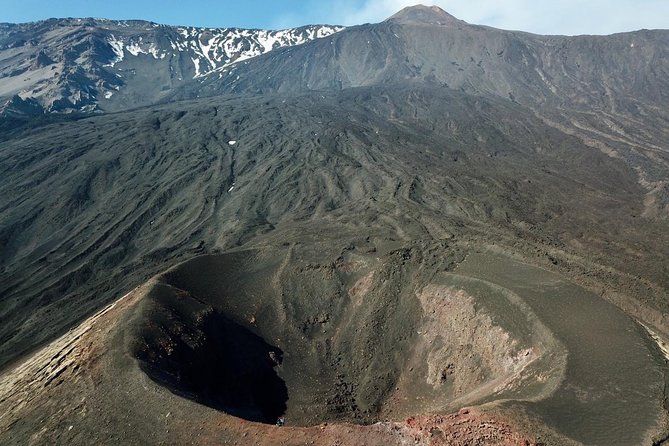
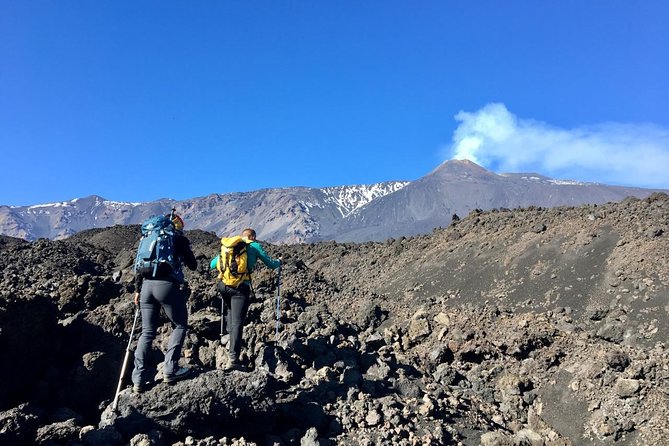
This is the main act. The trek is centered on Mount Etna, and the whole point of bringing a guide is to avoid getting lost on lava terrain while following routes that are permitted on the day.
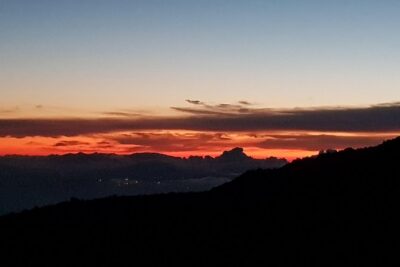
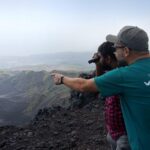
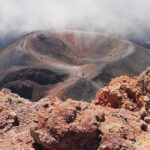
What you get here is the payoff: sweeping views from higher altitude, across the valley and toward the coast. Etna’s geography compresses so much vertical change into one area that you feel the mountain shift as you climb—different textures of rock, different vegetation patches, and changing air.
A key practical note: some crater access may depend on safety rules and conditions. One unhappy experience came from a situation where the higher crater plan changed due to weather. So instead of assuming you will reach a specific top point, ask your guide how the day adjusts when conditions change, and be mentally ready for a “best available” route.
Stop 2: Valle del Bove, a Surreal Volcanic Amphitheater
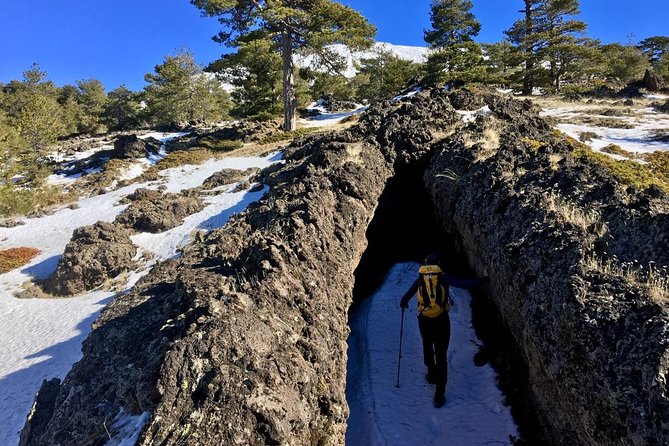
After the main ascent, many days include a stop at Valle del Bove. You spend about 30 minutes here, and it is short on time but high on impression.
Valle del Bove is a natural amphitheater created by the collapse of multiple volcanic structures in the past. In plain terms: you look across a dramatic bowl-shaped valley where the mountain’s history is written in shape.
This stop is worth it for photos and for perspective. It helps you understand Etna not as a single cone, but as a complex system that has grown, collapsed, and re-formed over time.
If weather is rough, you may find visibility limited. In good conditions, you get that “where does the valley end?” feeling because the terrain opens up quickly behind you.
You can also read our reviews of more private tours in Sicily
Stop 3: MontataGrande and the Sicilian Tastings That Make the Day Feel Local
About 30 minutes is set aside for tastings at MontataGrande, with Etna-related and Sicilian specialties. This is included, and it is where the trip stops feeling like a pure hike and starts feeling like a Sicilian day.
From the program details, the tasting can include:
- wine and liqueurs
- oil and honey from Zafferana
- sweet creams and salty pesto
- pistachio from Bronte
- (and other local specialties)
Why I like this part: you get to “land” after the climb. It is also a reminder that Etna is not only volcanic. People farm here and build food culture around the conditions the volcano creates.
Also, it is a nice moment to regroup if you have been pushing uphill. You can ask questions about the food, the area, and what you just hiked through—without needing to talk over wind and boots-on-rock noise.
Full-Day Bonus: A Volcanic Cave Visit
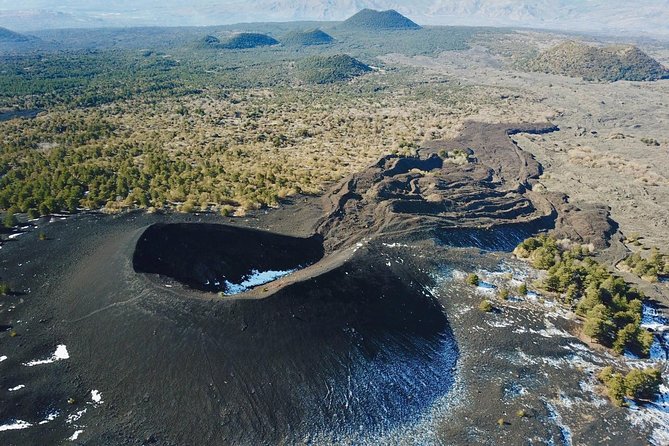
If you choose the full-day trek, you add a visit to a volcanic cave. The exact timing is folded into the longer day, but the main idea is consistent: you get a change of pace from open-air volcanic trekking into something more enclosed and geological.
This is especially valuable if you want Etna to feel multi-layered. Outside you focus on elevation and views. Inside you focus on rock processes and the “volcano systems” feeling from a different angle.
If you are claustrophobic, use caution and talk to your guide about what the cave visit involves—your comfort should decide whether this stops adds joy or stress.
Gear, Water, and Pace Tips (What Makes or Breaks Your Comfort)
You can rent trekking equipment, including shoes, jackets, poles, and even a baby trekking backpack (if needed). But equipment rental is not included in the price, so budget for it if you arrive without the right hiking setup.
Even if you rent gear, bring your own basics. The program does not include lunch or anything else outside the tasting, and you should plan water and snacks accordingly. One review specifically emphasized that you should bring enough water and food because nothing is planned in that regard.
My practical checklist for an Etna trek day:
- Shoes with real grip (lava and gravel can be slick)
- A light rain layer even if the sky looks clear early
- Sunscreen and sunglasses (upper altitude sun can hit hard)
- Enough water for your effort level
- A snack you can eat without needing a restaurant
Pace matters too. With a private guide, you can often adjust tempo, but you still have to make it through the day’s distances and elevation changes.
Weather, Crater Access, and Safety Rules You Should Expect
Etna trekking is explicitly weather-dependent. That is not just fine print. Wind, low visibility, and rule changes can affect which trails are open and which areas are safe.
So here is how I would plan: expect your guide to follow the safest permitted route on that specific day, even if it differs from a best-case scenario. If you were hoping for a very specific crater experience, ask your guide how that typically works under different weather conditions.
This is also why the guide matters. One critique in the reviews complained that a crater-related plan didn’t happen due to weather and left them feeling the value was lower than advertised. That same situation is a good reminder for you: treat crater access as conditional, not guaranteed.
On the flip side, a better day can mean incredible views and a route that hits exactly what you want. The mountain rewards flexibility.
Value Check: $83.27 and What It Buys You Over a DIY Plan
At $83.27 per person, this trek lands in the “not cheap, but not outrageous” zone—especially because you are buying the guide’s navigation work and local interpretation on difficult terrain.
If you DIY Etna, you might be able to pay for transport and tickets separately, but you still run into two problems:
- figuring out routes on lava and avoiding confusing or unsafe sections
- missing the context that makes the geology feel real instead of random
Where the price feels easier to justify is when you have:
- a full-day need for stamina and expert route help
- limited time in Sicily
- a preference for a structured day with included tastings
Where the price can feel shaky is if your expectations were set on specific crater access that doesn’t work out that day. If that matters to you, ask before booking what the guide plans to do if upper routes close and how changes are handled.
Who This Private Etna Trek Suits Best
This is a strong choice if you want:
- a guided hike focused on the mountain, not a long “sit and wait” tour
- real terrain confidence on lava paths
- a half-day option if you want big Etna without full-day exhaustion
- a full-day option if you want more variety and a cave visit
- a local food break with MontataGrande tastings
It may be less ideal if:
- you only want an easy walk and quick photo stops
- you are highly sensitive to intense physical effort
- you need fully predictable crater access no matter the weather
Language is another practical factor. The tour is offered in English, but reviews suggest English ability can vary by guide. Fabio was described as warm and knowledgeable, but with more rudimentary English. If you need very detailed English explanations, bring patience and consider asking about language level in advance.
Should You Book This Private Etna Trek?
If your main goal is to hike Etna with confidence, learn what you are looking at, and enjoy a genuine Sicilian tasting stop, then yes, it is a smart booking. The private setup and the guide-led navigation on lava terrain are the big wins, and the half-day vs full-day choice helps you match effort to your schedule.
I’d say book it if you can handle walking hard for several hours, you bring water and snacks, and you accept that weather can shift the exact route. If crater access is your one non-negotiable dream, ask direct questions upfront about how plans change when conditions are not ideal.
FAQ
How long is the Etna trek for half-day and full-day options?
The half-day trek is about 5 hours. The full-day trek is about 8 hours, with an added visit to a volcanic cave.
What does the tour include in addition to the hike?
You’ll hike with an authorized volcanological guide or a qualified naturalistic guide. You also get a tasting stop at MontataGrande with Etna and Sicilian specialties.
Does the itinerary include Valle del Bove and does it cost extra?
Valle del Bove is included as a stop of about 30 minutes. The program notes admission tickets are free for the Mount Etna and Valle del Bove parts.
Is trekking equipment provided?
Trekking equipment rental is available to hire, such as shoes, jackets, and poles. It is not included in the price.
Is lunch included?
Lunch is not included. The program includes the tasting stop, but you should plan your own food for the rest of the day.
What happens if the weather is bad?
This experience requires good weather. If it is canceled due to poor weather, you’ll be offered a different date or a full refund.