REVIEW · SICILY
Master the Art of Arancino: A Hands-On Cooking Class in Ortigia
Book on Viator →Operated by Do Eat Better Experience · Bookable on Viator
Fried rice balls, taught by locals, in Ortigia. This hands-on arancini cooking class in Syracuse (Ortigia) lets you learn the classic method, guided by local professionals, and finish with a Sicilian aperitivo spread. I like that it is small and friendly, with a limited group, so you get real attention while you cook. I also like the pacing: you learn the arancini basics and then you sit down to taste the other Syracuse favorites.
The main drawback to keep in mind is that the class is short (about 1 hour 30 minutes), and one pattern I’d watch for is whether recipe details are sent after class; if you want those notes, ask right then.
In This Review
- Key things to know before you go
- Why Ortigia arancini class hits at 4:15 pm
- What you actually learn (and what you’ll taste)
- Arancino (arancini): rice balls with stuffing and a deep-fried finish
- Caponata or Parmigiana: sweet-sour vegetables vs layered baked eggplant
- Cannoli: crisp wafer shells with a sweet ricotta filling
- The class flow: a practical session, not a lecture
- Aperitivo time: your tasting is part of the lesson
- Group size and guide attention: why it matters here
- Price and value: is $75.24 a good deal?
- Logistics that affect your experience (meeting point, timing, ticket)
- What to do beforehand (so you enjoy it more)
- Who this class is best for
- Should you book this arancino cooking class in Ortigia?
- FAQ
- How long is the cooking class?
- What time does the class start?
- What is the price per person?
- Where do I meet for the class?
- How many people are in the group?
- What do I prepare and what do I taste?
- Are drinks included?
- Is transportation or pickup included?
- What kind of ticket do I get?
- What happens if the weather is bad or I need to cancel?
Key things to know before you go
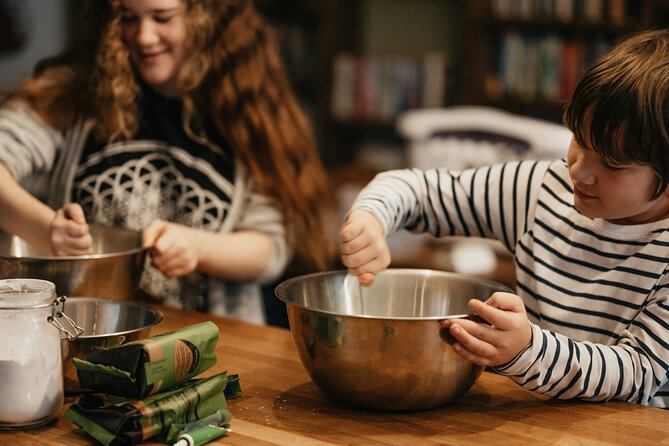
- Hands-on arancini prep: you actively prepare the rice balls, not just watch.
- Aperitivo tasting included: caponata or parmigiana plus cannoli are part of the experience.
- Small group format: capped at 10 travelers, which makes it feel personal.
- Sicilian menu choices: caponata or parmigiana comes down to what is served that day.
- Limited drinks included: water and wine or beer are included in limited amounts.
- Plan for follow-up recipes: if recipe info matters to you, request it before leaving.
Why Ortigia arancini class hits at 4:15 pm
Ortigia is where Syracuse feels walkable, compact, and intensely Sicilian—perfect for a food-focused evening plan. Starting at 4:15 pm means you can fit this in after a long lunch or an early explore. By the time you sit down to taste, the day’s still comfortable, and the meal feels like part of your itinerary instead of an rushed “tour-and-run” stop.
This is also the kind of experience that works even if your Italian is basic. The format is practical: you see what you’re doing, you taste what you made (and what you didn’t), and you get guidance while everything is right there in front of you.
You can also read our reviews of more cooking classes in Sicily
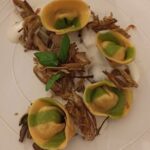

What you actually learn (and what you’ll taste)

This class centers on classic Sicilian staples. You will learn the method for arancini/arancino and then you’ll taste the other dishes that pair naturally with it.
Arancino (arancini): rice balls with stuffing and a deep-fried finish
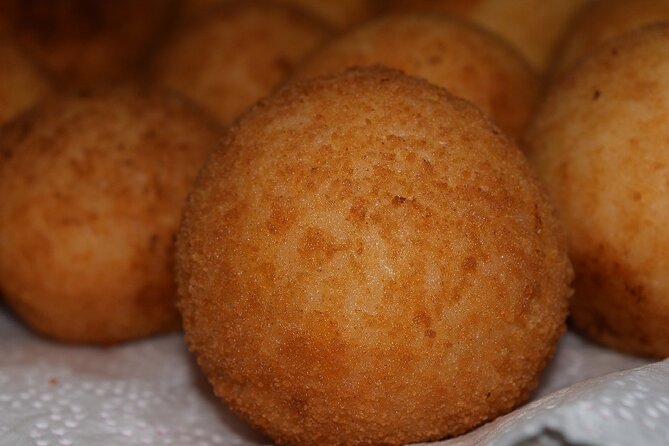
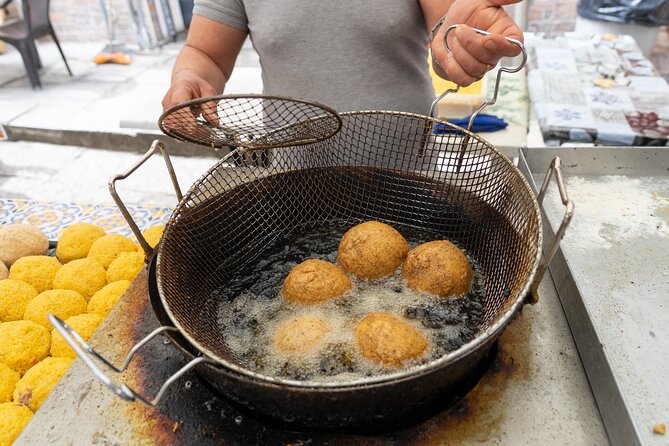
You’ll learn how arancino is built: a ball of rice stuffed with ingredients such as meat, cooked ham, spinach, pistachios, aubergines, and more, then deep fried using the traditional approach. That stuffing variety matters because it is where Sicilian arancini become personal. Even if the exact filling varies by what’s available, the core idea is the same: firm rice structure, generous stuffing, and the right deep-fried result.
In a class like this, what you’re really learning is how to get each part to cooperate—rice that holds its shape, filling that does not escape, and a finish that stays crisp.
Caponata or Parmigiana: sweet-sour vegetables vs layered baked eggplant
For the rest of the menu, you’ll choose between two iconic Sicilian options:
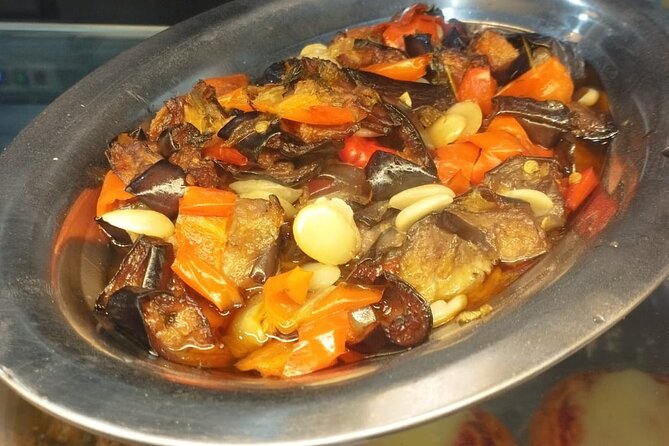
- Caponata is a mix of fried vegetables (mostly aubergines) seasoned with tomato sauce, celery, onion, olives, capers, sugar, and vinegar. The sweet-sour balance is the point.
- Parmigiana (parmigiana di melanzane) is made with fried, sliced eggplant layered with Parmesan cheese and tomato sauce, then baked.
The useful thing here is context. Many people know the names, but not the personality of each dish. Caponata leans tangy and complex; parmigiana feels comforting, layered, and cheesy. Tasting both in one sitting is great for learning what you actually prefer.
Cannoli: crisp wafer shells with a sweet ricotta filling
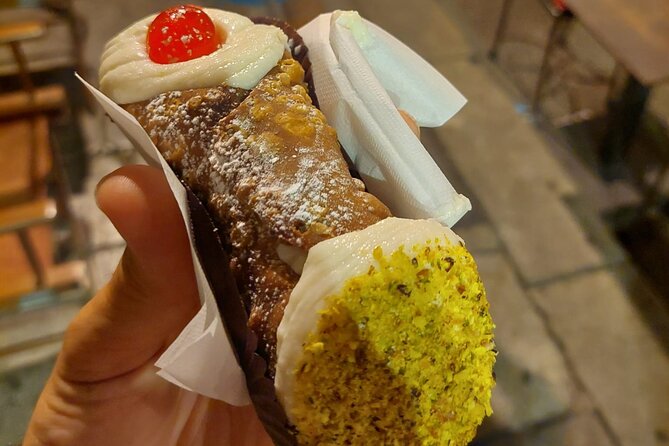
Finally, you get cannoli. The classic description is simple but specific: the wafer is traditionally moulded around a hot metal bar, then filled with a sweet, creamy mix made with ricotta cheese, candied fruit, crunchy pistachios, or dark chocolate chips. That mix of textures—crisp shell, creamy center, crunchy bits—explains why cannoli never feels like just dessert.
You can also read our reviews of more tours and experiences in Sicily
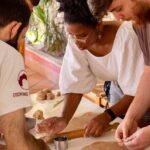
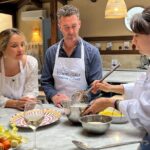
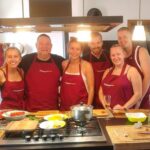


The class flow: a practical session, not a lecture
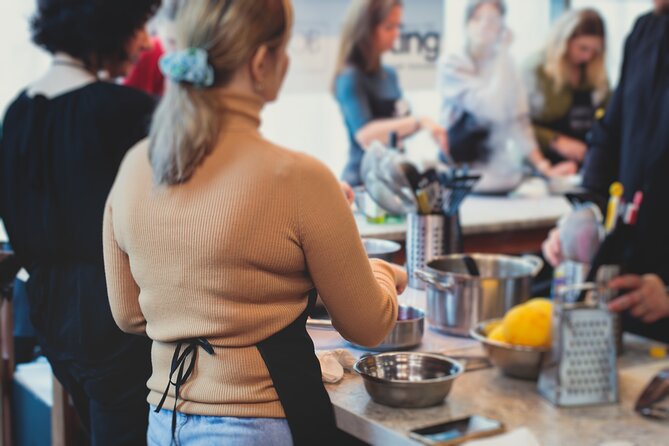
You’ll be in a small, comfortable setting with a limited number of fellow “chefs” from around the world. The important part is that this is guided cooking. You are not just hearing about Sicilian flavors; you are shaping and preparing the arancino.
A typical rhythm you can expect:
- You get instruction on how the arancino is assembled.
- You work on the preparation step under guidance.
- Then you move into tasting the aperitivo items that come with the class.
Because the hands-on part is focused on the arancini preparation, this is a smart choice if you want real technique without a full kitchen marathon. And since you end by tasting caponata or parmigiana and cannoli, you’re also learning by comparison—your arancini come from one set of methods (rice + stuffing + deep-frying), while the other dishes teach different texture goals (fried vegetables and tang, or layered baked eggplant and cheese).
Aperitivo time: your tasting is part of the lesson
The included aperitivo is not just a snack. It’s how you connect what you cook with what locals actually eat alongside it. You’ll taste arancino plus caponata or parmigiana and cannoli, with water and wine or beer available in limited amounts.
A couple things I like about this structure:
- You get variety without having to decide everything yourself.
- You get the Sicilian flavor “set” that usually makes sense as a sequence: savory bites first, sweet finish last.
- You can compare caponata versus parmigiana with a full stomach of context, not just as a menu item you ordered once.
If you’re the type who forgets what you ate five minutes later, this format helps. You’re tasting as you learn the dishes’ logic.
Group size and guide attention: why it matters here
With a maximum of 10 travelers, the class avoids the big-group problem where you watch more than you participate. In cooking, small group size is everything. When questions come up—about rice texture, stuffing consistency, or how to handle the steps safely—you want a guide who can respond quickly.
From feedback patterns tied to this experience, the guide quality is a key reason people rate it so highly. You’ll likely leave feeling like someone took your experience seriously.
There is one caution I’d add: while many guides are great about sharing follow-up recipe details, there have been cases where the promised recipe info didn’t arrive as expected. So if you care about recreating the arancini at home, ask for the recipe notes before you leave.
Price and value: is $75.24 a good deal?
At $75.24 per person, this is not the cheapest “taste and walk” food stop. But it does have real value built into it:
- You get hands-on arancini preparation, which is the cost driver in any cooking class.
- You also receive a tasting spread (caponata or parmigiana and cannoli) plus water and wine or beer in limited amounts.
- It’s limited to a small group, which usually means more guidance and less waiting around.
- The class is about 1 hour 30 minutes. You’re paying for focused instruction and a full Sicilian mini meal, not a half-day.
For me, the value hinges on what you want. If you want a quick food photo stop, this is too hands-on and structured. If you want a practical skill plus a meal you actually care about, it’s a fair price.
Logistics that affect your experience (meeting point, timing, ticket)
You start at UniCredit, Piazza Archimede 10, 96100 Siracusa SR, Italy, and you end back at the meeting point. Since it is near public transportation, you’re not locked into a long commute plan, which helps if you’re already walking around Ortigia.
The mobile ticket is another small convenience. You won’t need to print anything, and it reduces the risk of forgetting paperwork.
The start time matters here. If you’re coming straight from another activity, give yourself a buffer. Cooking classes run on timing, and you’ll want to be ready before instructions begin.
One more note: this experience requires good weather. The good news is you’re in a short session, but if conditions are poor, the provider may switch dates or refund you. If you’re planning your Syracuse days tightly, keep some flexibility around early evening.
What to do beforehand (so you enjoy it more)
You don’t need special prep, but a few choices can make the class smoother:
- Eat lightly before you go. Even though it starts at 4:15 pm, the aperitivo plus tasting can be satisfying, and cannoli is not small.
- Wear comfortable shoes and sleeves you don’t mind getting a little close to cooking environments.
- If you have dietary restrictions, plan to ask the guide about what is used. The class descriptions include specific ingredients (like olives and capers in caponata, and dairy in parmigiana and ricotta in cannoli), so checking early is smart.
- Bring a phone ready for notes—when you’re learning a technique, you’ll want to capture the small details you might forget later.
And again, if you want the recipe details to replicate the arancini at home, ask the guide for them during the session. That one step can prevent the frustration some guests have reported.
Who this class is best for
This is a strong fit if you:
- Love Sicilian food and want more than eating—you want to learn the method.
- Want a social experience with structure, without the stress of a long cooking day.
- Travel in pairs, families, or small groups where sharing a set menu feels natural.
It’s also a great choice if you’re in Syracuse for a short time. You get a meaningful culinary skill plus a clear taste journey in about 90 minutes.
Should you book this arancino cooking class in Ortigia?
I’d book it if you want a practical Sicilian cooking lesson with a real payoff at the table. The biggest strengths are the hands-on arancini preparation, the included Sicilian tasting spread, and the small group size that makes the instruction feel personal.
I’d think twice only if you dislike cooking activity or you mainly want a low-effort sightseeing snack. Also, if you care about getting recipe notes later, plan to request them before you leave.
If that sounds like you, this is a tasty way to spend an Ortigia afternoon—and leave with both technique and flavor memories you can recreate.
FAQ
How long is the cooking class?
It lasts about 1 hour 30 minutes.
What time does the class start?
The start time is 4:15 pm.
What is the price per person?
The price is $75.24 per person.
Where do I meet for the class?
The meeting point is UniCredit, Piazza Archimede 10, 96100 Siracusa SR, Italy.
How many people are in the group?
The class has a maximum of 10 travelers.
What do I prepare and what do I taste?
You prepare the traditional arancino/arancini. You also taste caponata or parmigiana and cannoli as part of the class and tasting.
Are drinks included?
Yes—water, wine, or beer are included in limited amounts.
Is transportation or pickup included?
No, transport and pickup are not included.
What kind of ticket do I get?
You receive a mobile ticket.
What happens if the weather is bad or I need to cancel?
You can cancel for free up to 24 hours in advance for a full refund. If the experience is canceled due to poor weather, you’ll be offered a different date or a full refund.