REVIEW · SICILY
Trekking to Bottoniera Craters
Book on Viator →Operated by Vincenzo Modica | Volcanological Guide of Mount Etna · Bookable on Viator
Etna’s craters turn geology into a walk. You’ll trek to the Bottoniera craters from the 2002 eruption and roam past historic lava flows, with endemic vegetation along the way. What I like most is how the experience stays practical and understandable, plus how the guide’s focus on the volcano’s real-world influence makes the whole place feel connected to everyday Sicily.
Bring it easy with moderate fitness and expect uneven volcanic ground. This experience also requires good weather, so you’ll want to be flexible if fog or bad conditions roll in.
In This Review
- Key highlights
- Why Bottoniera Craters Are the Etna Trek to Target
- Meet Vincenzo Modica and Learn the Volcano Without the Headache
- The 3-Hour Plan: What You Can Expect On the Ground
- Stop: Bottoniera Craters and the 2002 Eruption Area
- Lava Flows and Etna’s Endemic Vegetation: More Than Just Rock
- Logistics That Affect Your Comfort (More Than You Think)
- Price and Value: Is $229.28 Worth It?
- Who This Trek Fits Best (And Who Might Want a Different Option)
- Booking Tips: How to Get the Best Version of This Day
- Should You Book This Etna Crater Trek?
- FAQ
- Where does the Bottoniera craters trek start?
- What time does the tour begin?
- How long is the trek?
- Is this a private tour?
- What’s included in the price?
- Do I need a high fitness level?
- Does the tour run in any weather?
- What is the cancellation policy?
Key highlights
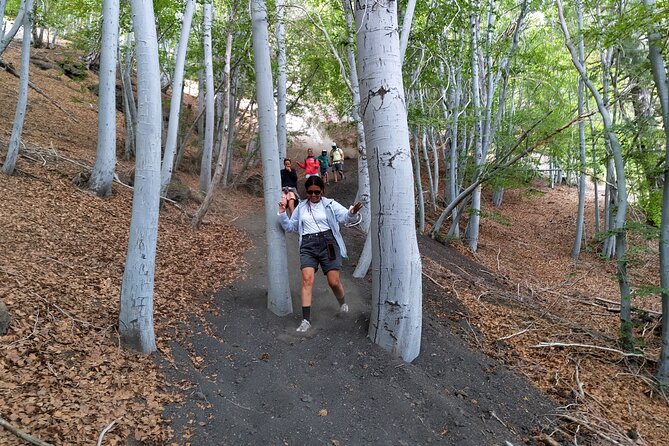
- Bottoniera craters from the 2002 eruption up close on Mount Etna
- Simple geology lessons from Vincenzo Modica, a volcanological guide
- Endemic vegetation you can spot while you walk (not just scenery)
- Private experience with only your group, so questions aren’t rushed
- 3 hours that give you a true Etna moment without eating your whole day
Why Bottoniera Craters Are the Etna Trek to Target
Mount Etna is famous, but this is the kind of outing that helps you see it as a living system instead of a distant landmark. The Bottoniera craters link to eruptions from the last century, so your walk isn’t random wandering. It’s built around a specific eruption area, which makes the geology talk click faster.
You’re also not stuck staring from a viewpoint and calling it a day. The trek format means you’ll be moving through the same broad volcanic terrain that shaped the area. That movement matters because you start noticing patterns—how rock formations look, how the crater edges change the feel of the ground, and how the vegetation persists around it.
And yes, you’ll take photos. This kind of hike tends to create that quick “how is this real?” reaction that makes camera shots easier.
You can also read our reviews of more hiking tours in Sicily
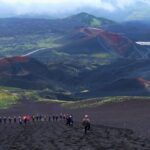
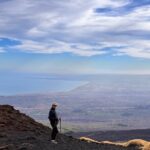
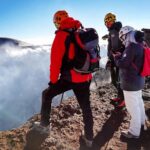
Meet Vincenzo Modica and Learn the Volcano Without the Headache
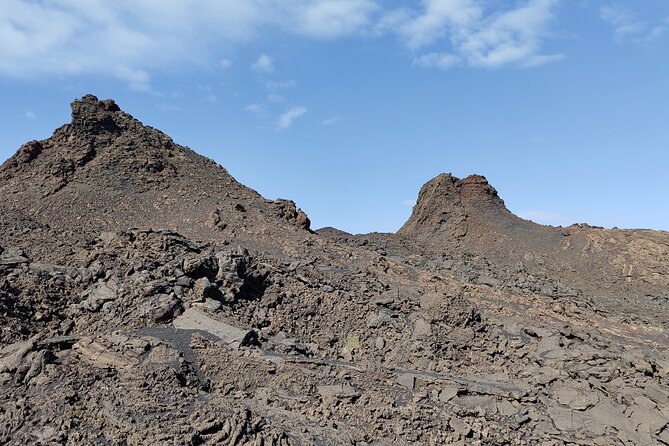
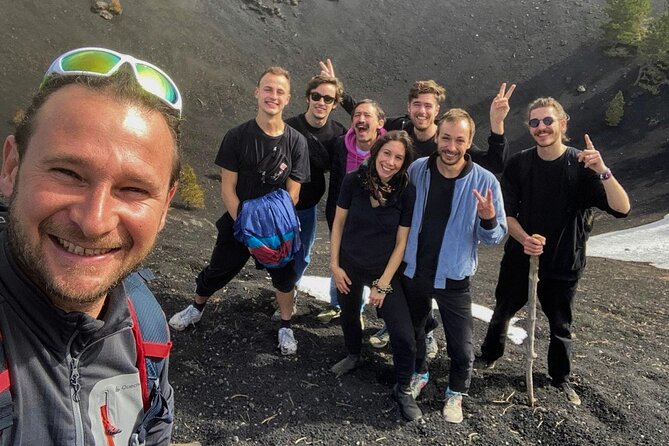
This tour is guided by Vincenzo Modica | Volcanological Guide of Mount Etna. His role matters because volcano geology can go textbook fast if a guide doesn’t translate it. Here, you’re told the geology in a simple, informative way, with enough context to keep it understandable for adults and kids.
One of the best parts is how guidance feels tied to life on Etna. In at least one case, Vincenzo didn’t just explain rocks—he also talked about how the volcano affects towns and the people who live nearby. That’s the sort of framing that turns a short hike into something you’ll remember when you’re back off the mountain.
For practical reasons, the private group format helps. You’ll have space to ask questions as you go, rather than waiting for a packed group to catch up.
The 3-Hour Plan: What You Can Expect On the Ground
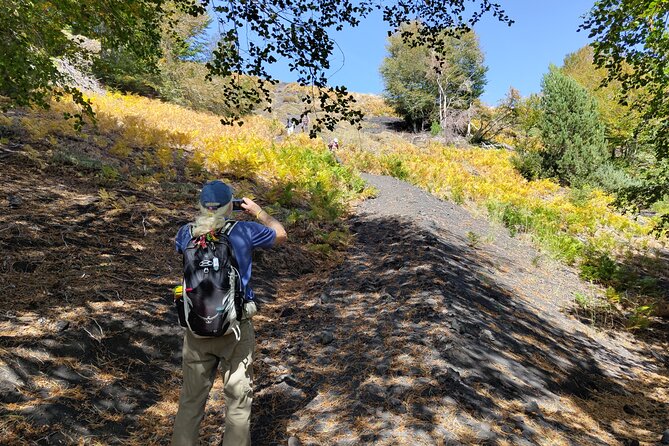
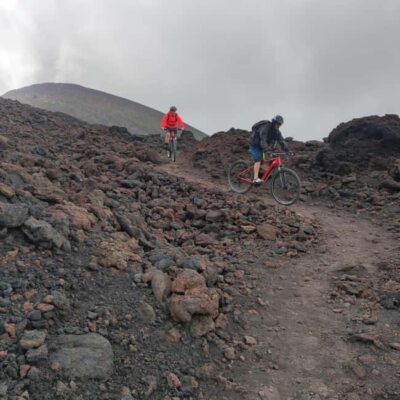
The experience runs about 3 hours and focuses on the Mount Etna trek to the Bottoniera craters. It’s not a slow museum walk, but it’s also not described as extreme. Still, you should plan on a moderate fitness level because you’re walking on uneven volcanic terrain.
The day starts at 9:30 am. The activity ends back at the meeting point, so you’re not dealing with tricky end-of-tour logistics.
What I like about the timing is that it’s a real chunk of time. Two or three hours is long enough for the guide to explain what you’re seeing and for you to actually notice the differences between crater areas and surrounding ground. It’s also short enough that you can keep the rest of your day flexible after.
Stop: Bottoniera Craters and the 2002 Eruption Area
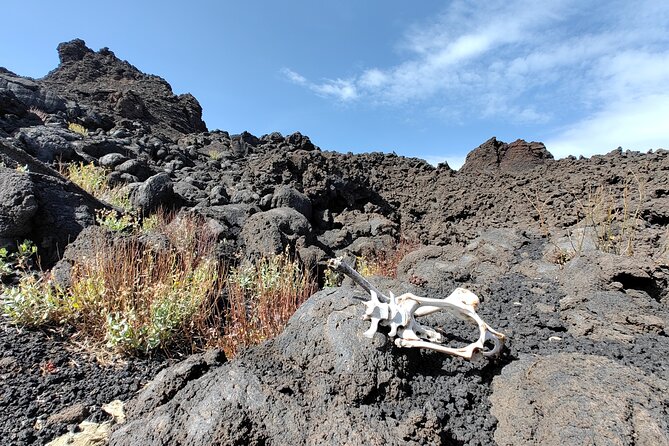
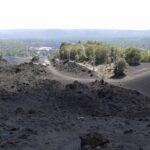
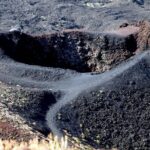
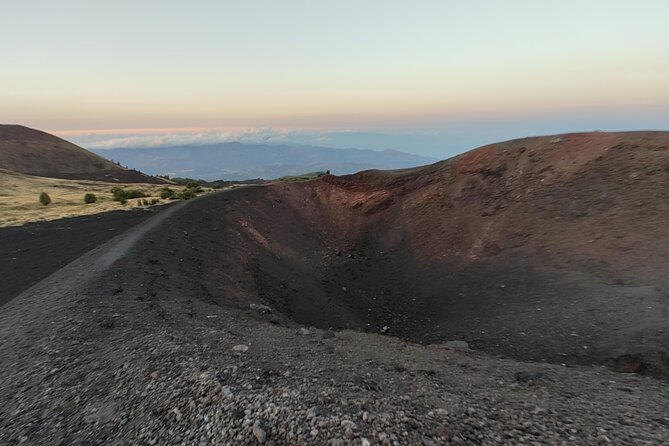
The core of the tour is your visit to the Bottoniera craters tied to the 2002 eruption. This stop is where the geology talk becomes concrete. Instead of learning about volcanoes in the abstract, you’re standing in a real eruption setting where the crater shape and surrounding volcanic rock help you connect the story to the physical evidence.
You can expect the guide to point out what makes these craters significant in the broader Etna picture—especially for understanding the volcano’s behavior across the last century. The goal isn’t to memorize dates. It’s to grasp how eruptions leave readable traces on the land.
And because it’s a walking experience, you’ll likely feel how the terrain changes as you approach the craters. That kind of gradual arrival is hard to replicate with a quick bus stop.
Lava Flows and Etna’s Endemic Vegetation: More Than Just Rock
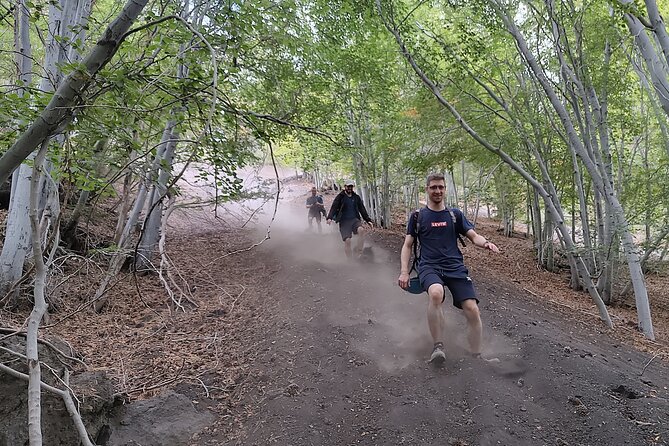
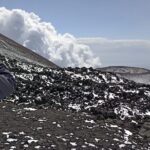
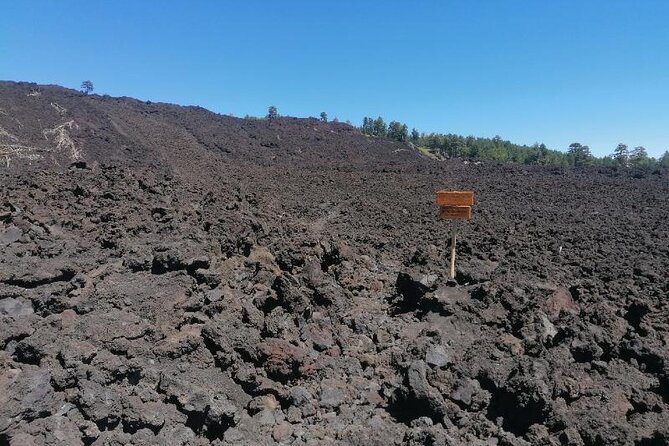
One of the promises of this trek is that you’ll cross dreamlike landscapes shaped by lava flows—and you’ll also see endemic vegetation along the way. That combo is important.
When you only view volcanic areas as rocks, you miss the survival story. Plants that belong here have adapted to harsh conditions and changing ground. Seeing that firsthand helps you understand why Etna still feels alive even when parts of it look barren.
This is also why I think families can enjoy it. Kids usually get less bored when they can spot living things, not only stone. Even if your group has a mix of ages, you get multiple angles: geology, terrain, and living vegetation.
Logistics That Affect Your Comfort (More Than You Think)
This is a private tour/activity, so only your group participates. That’s a quiet quality-of-life win. You’ll likely spend less time waiting around and more time listening, looking, and walking at a pace that fits your group.
You’ll also get a mobile ticket, which is simple for people who hate printing or losing paper.
The big comfort factor is weather. The experience requires good weather, and if it’s canceled due to poor conditions, you’ll be offered another date or receive a full refund. That tells you something important: timing on Etna isn’t just a scheduling thing—it’s a safety and experience-quality thing too.
So if you have a tight itinerary, plan with a little breathing room. If the first try doesn’t work, you’ll want a second chance available.
Price and Value: Is $229.28 Worth It?
At $229.28 per person for about 3 hours, this isn’t a budget activity. But it has several value anchors that justify the cost for many people:
- A volcanological guide: You’re paying for interpretation, not just access to a walking area. The geology lesson is the product here.
- Admission is included: That helps reduce the end-of-day math.
- Private format: Fewer people can mean better pacing and more direct answers.
Where it might feel pricey is if you’re mostly looking for a casual stroll with minimal talking. This is designed around learning and crater viewing, not just walking for exercise.
For me, the sweet spot is this: if you want an Etna experience you can understand, not just experience, the value is there.
Who This Trek Fits Best (And Who Might Want a Different Option)
This trek is recommended for people with moderate physical fitness, and it’s described as suitable for both individual travelers and families with curious children.
It also fits well if you like a guide who can explain geology in a way that doesn’t talk down. The guide style seems to be a mix of passion and attention to client needs, which is exactly what you want when you’re hiking on a volcanic site where good explanations help you feel oriented.
You might want to pick a different format if:
- you’re looking for fully flat ground,
- you don’t want to learn anything and would rather just take photos,
- or you get stressed by possible weather changes.
Booking Tips: How to Get the Best Version of This Day
A few practical moves can improve your experience:
- Go in ready to walk on rough ground. Comfortable shoes matter more than fashion.
- Ask questions as you go. With a private group, you don’t have to wait for the perfect moment.
- Keep your expectations tied to learning. This is a geology-focused trek, not a vague “Etna tour.”
- If you’re traveling with kids, lean into the spotting game. Endemic vegetation and crater features give you natural “find it” moments.
If you’ve done Etna before and felt like it was too broad, this type of crater-specific outing often feels more satisfying because it gives you a clear target.
Should You Book This Etna Crater Trek?
If you want a short, guided hike where Bottoniera craters and the 2002 eruption area are the point, this is a strong choice. I’d book it if you like volcanoes as real places with visible evidence—and if you appreciate a guide like Vincenzo Modica who can turn geology into plain language you can actually use later.
I wouldn’t book it only if weather uncertainty would wreck your schedule or if you need a very easy walk with minimal time on uneven terrain. For most people, though, this is one of the better ways to spend a morning on Etna: focused, guided, and built for meaningful memories.
FAQ
Where does the Bottoniera craters trek start?
The meeting point is Vincenzo Modica | Etna Excursions, Via Provenzana, 35, 95015 Linguaglossa CT, Italy.
What time does the tour begin?
The start time is 9:30 am.
How long is the trek?
The duration is approximately 3 hours.
Is this a private tour?
Yes. It’s listed as a private tour/activity, so only your group will participate.
What’s included in the price?
An admission ticket is included, and you’ll receive a mobile ticket.
Do I need a high fitness level?
No high fitness level is required, but travelers should have a moderate physical fitness level.
Does the tour run in any weather?
The experience requires good weather. If it’s canceled due to poor weather, you’ll be offered a different date or a full refund.
What is the cancellation policy?
You can cancel for a full refund up to 24 hours in advance of the experience start time. If you cancel less than 24 hours before, the amount you paid isn’t refunded. Cut-off times use the local time at the experience.