REVIEW · PALERMO
Palatine Chapel: Private Walking Tour & Sicilian Lunch
Book on GetYourGuide →Operated by Siciliandays · Bookable on GetYourGuide
Palermo rewards slow walking, and this half-day tour is a smart way to do it. I especially like the mix of Arabic-influenced neighborhoods and major landmarks, plus the payoff of Palatine Chapel inside the Royal Palace. One thing to plan for: you’ll be on foot through narrow lanes, and ticketed entrances (and dress code for churches) can add a little extra friction.
I also love that the route is built around the city’s structure, not just a checklist. You start at Piazza Verdi, move along Ruggero VII Street and Via Maqueda, and keep circling back to the places that make Palermo feel like Palermo. If your idea of a great tour is minimal walking and maximum waiting around, this may not match your style.
In This Review
- Quick Hits Before You Go
- Why Palermo’s Streets Are Perfect for a Walking Tour
- Piazza Verdi to Teatro Massimo: Palermo’s Grand Theatre Moment
- Via Maqueda, Quattro Canti, and the Sacred Spine of the City
- Royal Palace to Palatine Chapel: Arab-Norman Art You Can’t Fake
- Vucciria Market and Saint Dominic Square: Where Palermo Shows Its Food Face
- Lunch in a 16th-Century Spanish Building: The Best Part of a Half-Day
- What You Pay and Why It Can Feel Worth It
- Dress Code, Walking Comfort, and Closure Reality Checks
- Who Should Book This Palermo Tour (and Who Might Prefer Something Else)
- Should You Book This Palermo Palatine Chapel and Sicilian Lunch Tour?
- FAQ
- How long is the Palermo Palatine Chapel and lunch tour?
- Where does the tour start?
- Is the tour private?
- What’s included in the price?
- Are Palatine Chapel tickets included?
- Is Teatro Massimo entry included?
- What does the Sicilian lunch include?
- What languages are available for the live guide?
- Is this tour wheelchair accessible?
- What should I wear for church visits?
- Is free cancellation available?
Quick Hits Before You Go
- Arab-and-Norman art at the Palatine Chapel inside the Royal Palace
- Teatro Massimo stop on a route that keeps changing streets and scenery
- Quattro Canti and the Cathedral area for big-sight context fast
- Vucciria market and Saint Dominic Square for real Palermo browsing
- A 16th-century Spanish building lunch with a Sicilian buffet you can actually enjoy
Why Palermo’s Streets Are Perfect for a Walking Tour
Palermo is shaped for walking. The streets twist, narrow, and connect in a way that makes the city feel like it’s showing you things as you pass. That’s exactly why this tour works. Instead of hopping from one view to another, you get the urban logic: squares lead to long streets, streets lead to churches, and churches lead you into the older layers of the city.
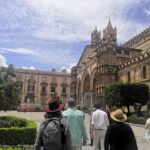
A big theme here is Arabic influence. You’ll see it not just in the general look of the neighborhoods, but in specific visual details along the route—like the red Arabic-style domes on the Church of the Martorana, and the presence of older communities tucked into the inner city. This is also why the guide’s walking rhythm matters. It turns a maze into a story.
The only “watch out” is pace. It’s a half-day, about 4 hours, and you’ll cover enough ground to feel the walking part. Wear comfortable shoes and keep your water habits realistic, especially if you’re visiting in warmer months.
You can also read our reviews of more walking tours in Palermo
Piazza Verdi to Teatro Massimo: Palermo’s Grand Theatre Moment
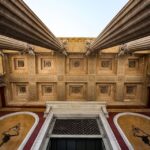
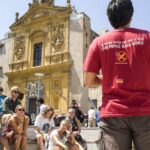
You begin at Piazza Verdi, right at the stairs of the Theatre. That’s a nice way to start because it puts the focus where it belongs: on Teatro Massimo, Palermo’s star stage—and the largest theater in Europe. Even if you don’t care about opera, this stop still works because it’s one of those places where scale is the whole point.
From there, the tour keeps you moving through classic Palermo avenues:
- You cross Politeama Square, where major city roads meet.
- You walk along Ruggero VII Street, described as the lounge of Palermo, which helps you understand how locals flow between everyday life and big-city landmarks.
- You pass the Church of St. Lucia, which fits the visual tone of the route—religious buildings threaded into major streets.
Then you arrive at Teatro Massimo. Entry to the theatre itself isn’t included, so don’t expect a full inside visit without extra costs. But you’ll still get the context and the chance to orient yourself. It’s the kind of stop that makes photos better, because you’re standing in the right spot for the building’s mass and relationship to the streets.
Via Maqueda, Quattro Canti, and the Sacred Spine of the City
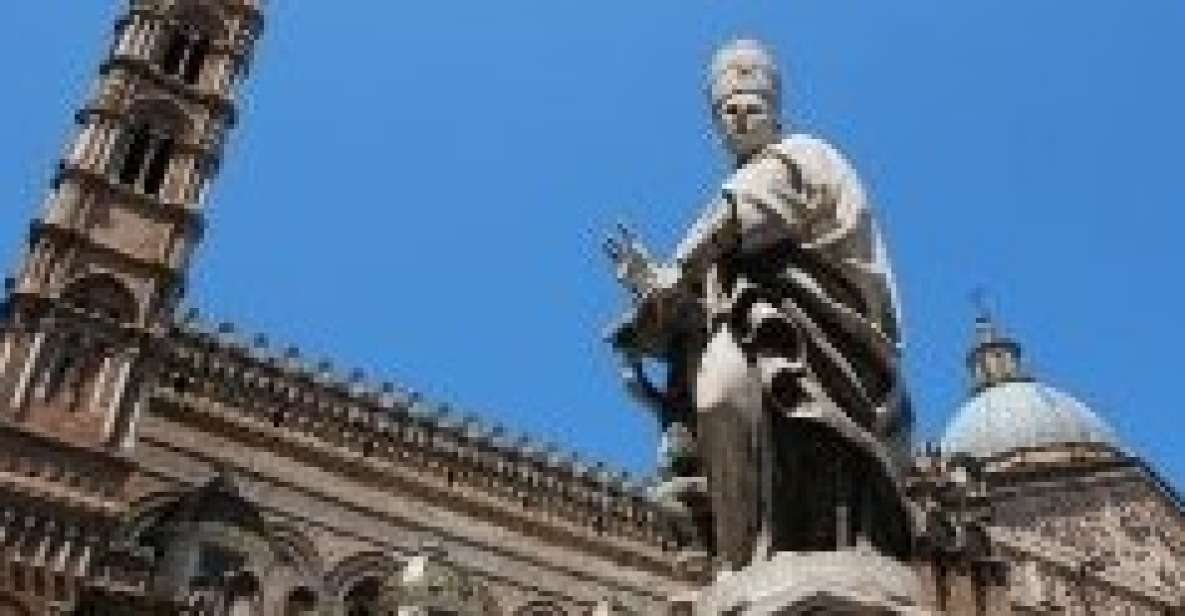
After Teatro Massimo, you shift into one of the city’s key corridors: Via Maqueda. This street is known for commercial life layered with churches and historic buildings, so it gives you a concentrated view of Palermo’s “everyday + important” mix. Walking it with a guide helps because you start noticing how religious sites shape the rhythm of the neighborhood.
You also hit Quattro Canti, the famous four-corner crossroads that divides the city into four parts. This is one of those spots that feels like a city planning moment you can see. It’s not just a photo stop. It’s a way to understand why Palermo’s older center feels organized even when the streets look chaotic at first glance.
From there, the tour threads through more landmark territory:
- You see St. Joseph of Theatine.
- You tour the Cathedral of Palermo.
- You pass through areas linked to older communities, including the community of St. Clare.
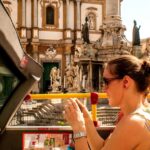
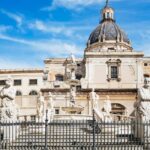
- You’ll also notice the “Square of Shame,” where you’ll see nude statues. It’s not a random stop. It’s a reminder that Palermo’s religious art includes a range of styles and stories that don’t always match what visitors expect.
There’s also a visual “Arabic signature” moment: the red Arabic-style domes atop the Church of the Martorana. Even if you don’t know the building’s backstory, you’ll remember the color and form. That matters, because it helps you connect what you see to the wider theme of the tour: Arab and Norman influences meeting in the same streets.
One practical note: churches and religious spaces require appropriate clothing. Bring something that covers your body, or you’ll spend time dealing with rules instead of art.
Royal Palace to Palatine Chapel: Arab-Norman Art You Can’t Fake
This is the highlight that justifies the whole afternoon.
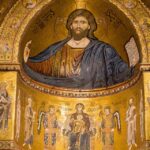
The tour brings you to the Royal Palace, where you’ll visit the Palatine Chapel, often described as the jewel of Arab and Norman art. This is where the tour’s “big idea” turns into something tangible. You’re not just learning that cultures mixed—you’re standing in a building where the design language is the evidence.
A few things to know so you can plan your expectations:
- Palatine Chapel entry tickets and audio guide are not included.
- The tour is advertised as skipping the ticket line, which is a big deal in high-traffic places. It can save time and keep the pacing of your half-day from falling apart.
Inside, the goal is to look for how different influences speak to each other. Even if you’re not a design expert, you’ll recognize that the chapel doesn’t look like a generic church. It looks like a statement. That’s the point.
Also, because it’s tied to a major palace setting, the Palatine Chapel feels like a “seat you can see the city from” moment—even though you’re inside. You’re getting a concentrated sample of what made Palermo important, powerful, and culturally complicated.
Vucciria Market and Saint Dominic Square: Where Palermo Shows Its Food Face
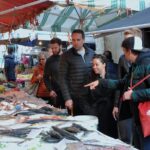
Before lunch, you get time in the markets—specifically Vucciria and Saint Dominic Square. This is the part of the tour where Palermo becomes more hands-on. You’re walking through places where people buy everyday things, not just tourist souvenirs. That’s what makes it feel authentic.
Market time isn’t only about food. It also gives you a sense of the city’s social engine. You see how vendors work, how shoppers move, and what’s normal here. If you like browsing with purpose—knowing what you’re looking at—this stop delivers.
You also pass Candelai, which sits at the heart of Palermo’s nightlife area. Even if you’re not out late, it’s helpful context. It’s one more reminder that Palermo’s inner city isn’t museum-only. It’s alive, day and night, and that’s part of its charm.
If you’re the type who hates feeling rushed, you’re in luck. This isn’t a “quick peek and run.” Market stops usually work best when you can slow down and look twice.
You can also read our reviews of more private tours in Palermo

Lunch in a 16th-Century Spanish Building: The Best Part of a Half-Day
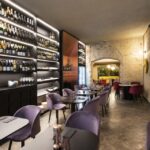
You finish with lunch in a 16th-century Spanish building, and this is where the tour earns its keep. The lunch isn’t described as a token sandwich deal. It’s a full Sicilian buffet, plus wine and dessert.
Here’s what’s on the buffet:
- Panelle
- Sfincione
- Anelletti al forno
- Caponata
- Cassatelle
Then you get traditional Sicilian wine, plus dessert made up of almond biscuits and mocha espresso.
If you’ve never tried Sicilian food, this is a good introduction because it hits a range: savory fried items, baked pasta, vegetable-based dishes like caponata, and sweet almond-forward finishes. If you already know Sicilian classics, you’ll appreciate having multiple types in one sitting.
One more practical upside: this lunch stop is included in the tour price. That matters in Palermo, where eating can turn into a budgeting game if you’re not careful. Here, you get a predictable plan for your main meal, and you can stay in the tour’s rhythm instead of trying to find something open on your own mid-afternoon.
What You Pay and Why It Can Feel Worth It
The price is $192.58 per person for a private 4-hour tour. That’s not a low number, so here’s how I’d judge value.
You’re paying for:
- a private guided walking tour
- traditional Sicilian lunch
You’re not paying for:
- Palatine Chapel entry ticket and audio guide
- entry to Teatro Massimo
So the real question is whether you value time, guidance, and smooth pacing. In Palermo’s older center, that’s where private tours often earn their cost. A guide helps you connect the route—why Quattro Canti matters, why the Cathedral sits where it does, and how Arabic influence shows up in places you might otherwise miss.
Also, the tour advertises skipping the ticket line for the Palatine Chapel. Even when you’re not spending much time in a line, the time you do spend can feel frustrating. If you’re trying to see a lot in a short window, saving that friction is part of the value.
If you’re traveling solo on a tight budget, you might decide to self-guide. But if you want a structured morning that turns into a good meal right after, this tour is easy to justify.
Dress Code, Walking Comfort, and Closure Reality Checks
A half-day walking tour sounds easy until you’re standing at church entrances trying to figure out whether your outfit is allowed. Religious sites here require appropriate clothing to cover your body. Plan for it. Bring a light layer you can put on quickly, or plan your outfit with coverage in mind.
Also, the tour operator notes they’re not responsible for extraordinary closures of Teatro Massimo and the churches. That means you should keep your mindset flexible on the day. If something is closed, the guide may adjust the visit, but you can’t count on every interior opening.
Finally, the tour isn’t suitable for wheelchair users. The streets and pacing are built for foot travel, including narrow lanes and walking time.
Who Should Book This Palermo Tour (and Who Might Prefer Something Else)
This works best if you:
- want a first-timer-friendly Palermo layout that connects streets to landmarks
- care about the blend of Arabic and Norman artistic influence
- like food that’s planned for you, not “figure it out while hungry”
- enjoy walking tours where the guide helps you notice what matters
It may not fit you if:
- you hate walking more than a short stroll
- you need step-free access
- you’re only interested in buying tickets and skipping guidance
It’s also a strong fit for couples, friends, and small groups who want a private pace instead of sharing the same guide with too many people.
Should You Book This Palermo Palatine Chapel and Sicilian Lunch Tour?
I’d book it if you want a smart half-day that pairs top Palermo sights with a real Sicilian lunch, all in one compact plan. The big win is the combination: the Palatine Chapel inside the Royal Palace, the context-rich walk through Arabic-influenced streets, and a meal that actually feels like part of the experience.
I’d think twice if you’re trying to keep costs strictly minimal, since chapel tickets, audio guide, and Teatro Massimo entry aren’t included. Also, if religious-site clothing rules would trip you up, plan ahead.
If your goal is to leave Palermo with a clear sense of what makes the city tick—streets, art, and food—this tour is a solid match.
FAQ
How long is the Palermo Palatine Chapel and lunch tour?
It lasts about 4 hours.
Where does the tour start?
The meeting point is Piazza Verdi at the stairs of the Theatre.
Is the tour private?
Yes, it’s a private group.
What’s included in the price?
You get a guided walking tour and a traditional Sicilian lunch.
Are Palatine Chapel tickets included?
No. Palatine Chapel entry tickets are not included, and the audio guide is also not included.
Is Teatro Massimo entry included?
No. Entry to Teatro Massimo is not included.
What does the Sicilian lunch include?
The buffet includes panelle, sfincione, anelletti al forno, caponata, and cassatelle, plus Sicilian wine and dessert (almond biscuits and mocha espresso).
What languages are available for the live guide?
The guide is available in Italian, English, French, Spanish, Russian, and German.
Is this tour wheelchair accessible?
No, it’s not suitable for wheelchair users.
What should I wear for church visits?
You should wear appropriate clothing to cover your body while visiting religious sites.
Is free cancellation available?
Yes. You can cancel up to 24 hours in advance for a full refund.