REVIEW · SICILY
Syracuse: Ortigia Deep Dive Cultural Tour (max 6 Guests)
Book on Viator →Operated by Viaggio a Sud-Est · Bookable on Viator
Ortygia tells its story on foot. This English walking tour in Syracuse, Sicily strings together the island’s classic landmarks with clear explanations, and you can ask questions as you go.
I love the small group size (up to 6), which keeps the walk moving at a human pace. I also like the customizable options, since you can steer it toward history highlights or gastronomy-themed moments instead of getting one-size-fits-all facts.
One thing to plan for: the Temple of Athena interior is optional, and entry there has an extra fee that’s not included.
In This Review
- Key things to know before you go
- Why this Ortygia walk works in 90 minutes
- Enrica’s style: friendly, energetic, and answer-ready
- Temple of Apollo (Tempio di Apollo): the early Greek anchor
- Piazza Archimede and Diana’s Fountain: myths with street-level context
- Piazza Duomo: important buildings, easy orientation
- Temple of Athena inside the Cathedral: the optional-entry decision
- Arethusa Spring to finish: myth meets a real meeting point
- Customizable themes: history vs. gastronomy-friendly pacing
- Value for money: paying for guidance where most viewing is free
- Timing and meeting flexibility: fit it around your day
- Practical details that help you have a smooth walk
- What about weather?
- Should you book this Ortygia tour?
- FAQ
- How long is the Syracuse Ortygia cultural walking tour?
- What language is the tour offered in?
- How many people are in the group?
- Do I need a mobile ticket?
- Where does the tour start?
- Where does the tour end?
- Are admission tickets needed for all stops?
- Can I choose what time of day to meet?
- What should I wear?
- What happens if the weather is bad or I need to cancel?
Key things to know before you go
- Max 6 guests means you’re not swallowed by a crowd.
- Pick your meeting time so the tour fits real schedules.
- Two-way Q&A helps you get answers, not just listen.
- Most monument viewing is free along the route; only the Athena interior is optional-paid.
- Your route ends at Arethusa Spring, a great final myth-meets-the-street moment.
Why this Ortygia walk works in 90 minutes
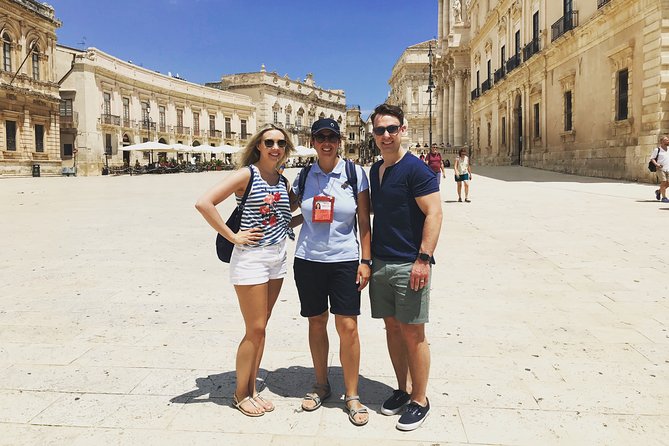
Ortygia (Syracuse’s historic center) is one of those places where the streets feel like shortcuts through time. The best part here is the format: a guided walk that stays tight enough to finish in about 1 hour 30 minutes, without turning into a whole-day marathon.
The tour is built for people who want context, not just photos. You’ll get explanations at key sites—Temple of Apollo, Archimede-related views, the Duomo area, the Temple of Athena inside the Cathedral, and Arethusa Spring—so you start noticing patterns in the architecture and the myths behind them.
You can also read our reviews of more historical tours in Sicily



Enrica’s style: friendly, energetic, and answer-ready
I’m a big believer in guides who can do two things at once: keep the tone fun and keep the facts straight. The standout on this tour is Enrica, noted for being friendly and energetic, with knowledge that helps places click into place.
In practical terms, this matters because you’ll actually have time to ask questions. If you’re curious why one site is Greek while another feels more Italian-Christian, this kind of back-and-forth is where the tour becomes more than sightseeing.
And the small-group size helps. With up to 6 people, it’s easier for a guide to adjust the pace, clarify confusion, or spend an extra minute on whatever you find most interesting.
Temple of Apollo (Tempio di Apollo): the early Greek anchor
You start at the Temple of Apollo (Apollonion) area, where you’ll spend about 15 minutes learning about a Greek temple dating to the early 6th century BC. Even when you’re just viewing from the outside, a little historical framing makes a huge difference—suddenly you’re not looking at ruins, you’re looking at a system of ideas and a timeline.
What I like about this opening stop is that it gives you a baseline before the rest of Ortygia starts layering on top. It’s hard to appreciate later squares and religious sites without first understanding that this area was shaped by Greek city life long before the modern street grid.
Admission note: this stop is marked as free, so you’re not managing tickets before you even get started.
Piazza Archimede and Diana’s Fountain: myths with street-level context
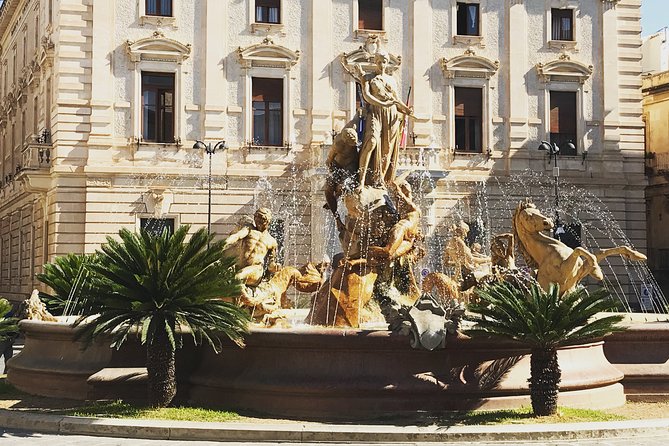
Next comes Piazza Archimede, about 10 minutes. This is one of those squares that works as a viewpoint—buildings face the open space, so your guide can point out what you’re looking at and why it matters.
You’ll also hear about the historic buildings overlooking the square and the Diana’s Fountain. The key value here is attention. Ortygia can tempt you to keep moving for the next photo, but this stop gives you a moment to read the city: who built what, how the square functions, and how the myth-friendly details tie into Syracuse’s identity.
Admission note: this section is free to enjoy. You’re spending time learning rather than paying.
Piazza Duomo: important buildings, easy orientation
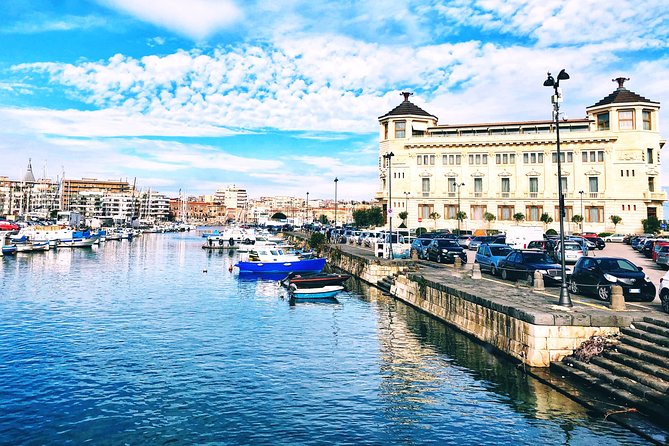
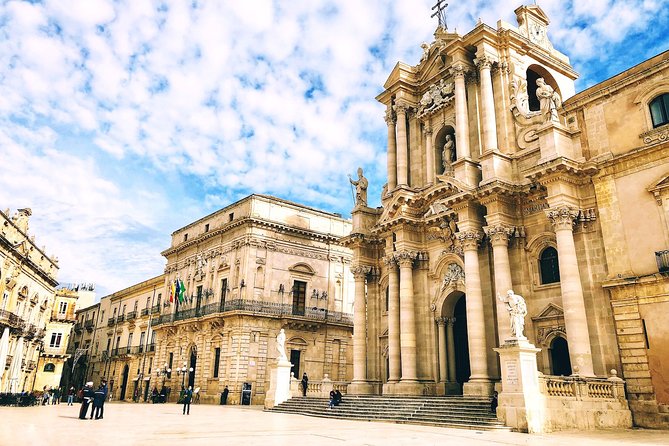
Then the tour shifts to Piazza Duomo for another 10 minutes, focused on the important historic buildings overlooking the square. If you’ve ever felt lost in old cities, this kind of stop is your friend. It helps you form a mental map of where major structures sit and how they relate to each other.
What I like here is the guide’s role as an interpreter. From the outside, many facades can look similar at first glance. With the right commentary, you start noticing differences—timing, style, and what each building contributes to the bigger story.
Admission note: like the earlier stops, this viewing is free.



Temple of Athena inside the Cathedral: the optional-entry decision
The most “choose-your-own-adventure” part is the Temple of Athena, linked to the Cathedral. You’ll spend about 15 minutes here, with explanations that cover both the exterior and what’s inside, plus optional entry for a fee.
This is where I’d suggest you slow down and decide what you want from the tour. If you’re the type who enjoys going from outside-to-inside to compare architectural cues, the optional visit may be worth the extra cost. If you’d rather keep it purely at street level and focus on the walk, you can still get the point of the site without paying.
That optional fee is the one drawback to keep in mind. The good news is that the core tour time is designed so you can enjoy the stop even if you skip entry.
Arethusa Spring to finish: myth meets a real meeting point
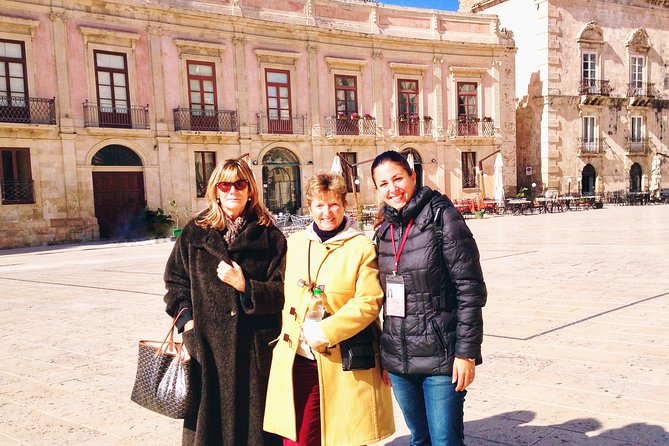
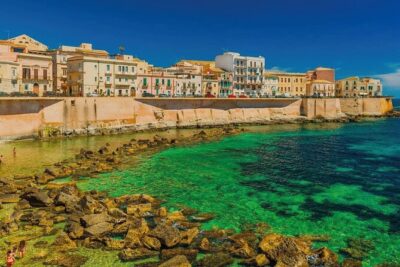
Your walk ends at Arethusa Spring (Largo Aretusa), with about 7 minutes dedicated to the story and symbolism behind this famous spring. It’s a strong finish because it feels like the city has a pulse—water, legend, and place all in one spot.
For me, ending here works because it ties together a theme: Syracuse isn’t just a set of monuments. It’s a place where myths still give shape to the geography. Arethusa is the kind of location where you can stand, look around, and suddenly understand why this area matters so much.
Admission note: this stop is marked free, so there’s no last-minute ticket stress.
Customizable themes: history vs. gastronomy-friendly pacing
A big part of why this tour is easy to recommend is the customization. You can choose from historical sites or a gastronomy-themed approach, depending on what you’re craving from your time in Ortygia.
Here’s how to think about it as a practical traveler decision: if you want context first, lean into the historical version. If you’d rather spend your limited time learning through taste and local rhythms, steer toward the gastronomy angle. Either way, you still get anchored explanations at the named landmarks.
The tour also builds in time to ask questions, which helps you adjust on the fly. If you’re more interested in one stop than another, you’ll have a way to make that happen without derailing the group’s timeline.
Value for money: paying for guidance where most viewing is free
Even without knowing a specific price, you can judge the value by how the tour is structured. Most stops are marked as free—Temple of Apollo, Piazza Archimede, and Piazza Duomo—and only the Temple of Athena interior is optional-paid.
So what are you really paying for? The guide’s ability to connect what you see with what it means—history, symbolism, and how Ortygia developed. In old cities, that’s the difference between checking off locations and actually understanding them.
Also, the max 6 guest cap isn’t just a comfort perk. It’s a value feature. It supports questions and pace control, which makes your 90 minutes count more.
Timing and meeting flexibility: fit it around your day
One advantage that’s rare on city tours: you can choose whatever time of day you’d like to meet. That flexibility matters in Sicily, where your best plan often depends on heat, crowd levels, and when you want to eat.
If you hate rushing, pick a time that still leaves you breathing room afterward. This tour ends at Arethusa Spring, so it can also be a clean launch point for whatever comes next—coffee, a slower wander, or a late-afternoon plan.
Practical details that help you have a smooth walk
This is a mobile ticket experience, and confirmation is received at booking. The tour is offered in English, and it’s designed so that most people can participate.
Logistically, it’s marked as near public transportation, which is handy if your hotel is outside the center or if you’re combining it with other Syracuse stops.
Dress code is smart casual. Since this is a walking tour through historic streets, wear shoes that don’t punish you after an hour. And if you’re bringing a service animal, note that they’re allowed.
What about weather?
The tour requires good weather. If it’s canceled due to poor weather, you’ll be offered a different date or a full refund. In practice, that means you should plan to keep an eye on conditions and be ready to pivot if skies change.
Should you book this Ortygia tour?
Yes—if your goal is to understand Ortygia without spending all day on foot, this format is a strong match. The small group (max 6), the question-friendly pacing, and the guide-led explanations at key landmarks make the time feel efficient.
Book it especially if you want a guided view of Temple of Apollo, the square-and-fountain stops around Archimede and Diana, the Piazza Duomo overview, and a decision point at Temple of Athena (free exterior vs. optional paid entry). It’s also a smart pick if your schedule is flexible, since you can choose your meeting time.
Skip it only if paying attention to details sounds like work for you. This tour is built for people who like context and stories that help the city make sense. If that’s your style, it’s an easy yes.
FAQ
How long is the Syracuse Ortygia cultural walking tour?
It runs for about 1 hour 30 minutes.
What language is the tour offered in?
The tour is offered in English.
How many people are in the group?
The tour has a maximum of 6 travelers.
Do I need a mobile ticket?
Yes, it’s listed as a mobile ticket experience.
Where does the tour start?
The start point is Temple of Apollo (Apollonion), 96100 Syracuse.
Where does the tour end?
The tour ends at Arethusa Spring, Largo Aretusa, 96100 Siracusa SR, Italy.
Are admission tickets needed for all stops?
Most stops are free to view (Temple of Apollo, Piazza Archimede, and Piazza Duomo). The Temple of Athena interior has an optional entry with a fee that is not included.
Can I choose what time of day to meet?
Yes. You can pick whatever time of day you’d like to meet.
What should I wear?
The dress code is smart casual.
What happens if the weather is bad or I need to cancel?
The tour requires good weather. If it’s canceled due to poor weather, you’ll be offered a different date or a full refund. You can cancel up to 24 hours in advance for a full refund.