REVIEW · CATANIA
Wine tour with wine tasting
Book on GetYourGuide →Operated by Azienda Agricola Emilio Sciacca · Bookable on GetYourGuide
Etna’s wine story starts in the dirt, not a classroom. This guided walking tour around Emilio Sciacca takes you through an Etna vineyard on foot, then into an ancient palmento before you taste four wines in a technical, practical way. I love how the route is built around real production, not just scenery. I also like that the tasting pairs the wines with local bread and Etna olive oil, so you can actually make sense of flavors instead of drinking in a vacuum. One thing to consider: the whole experience is only 100 minutes, so it’s short and intense, not a slow country ramble.
You’ll hear about naturally sulfite-free wines made from organic, traditional cultivation, plus spontaneous yeast fermentation. If you’re hoping for fortified wines, plan differently—this tasting is focused on the core Etna range. Also, the tour isn’t suitable for pregnant women, so double-check if that applies to you.
In This Review
- Key moments that make this tour worth your time
- Etna’s Vineyard and technical tasting: the pairing that makes it click
- Following the rows at the foot of Etna (and why ad alberello matters)
- The old palmento stop: where the past helps you taste today
- The tasting part: four Etna wines, guided like a mini workshop
- What you get for $34: solid value if you want both context and wine
- Timing and route: how the 100 minutes usually feels in real life
- Language and guide style: you’ll get explanations, not just facts
- Who should book this Etna wine tour (and who should skip it)
- Should you book the Emilio Sciacca Etna Wine tour?
- FAQ
- How long is the wine tour?
- What is included in the tasting?
- Do I visit the vineyard and the old palmento?
- Where do I meet for the tour?
- What time does the tour start?
- What languages are available with the live guide?
- Is the tour wheelchair accessible?
- Is it suitable for pregnant women?
- What is the cancellation policy?
Key moments that make this tour worth your time
- Ad alberello vine training you can touch while walking the rows at the foot of Etna
- Old palmento visit that explains how wine used to be made here
- Technical tasting with a sommelier focused on four named Etna wines
- Bread and Etna olive oil pairing to reset your palate between pours
- Small-but-serious length (100 minutes) means you get value without wasting a morning or afternoon
Etna’s Vineyard and technical tasting: the pairing that makes it click
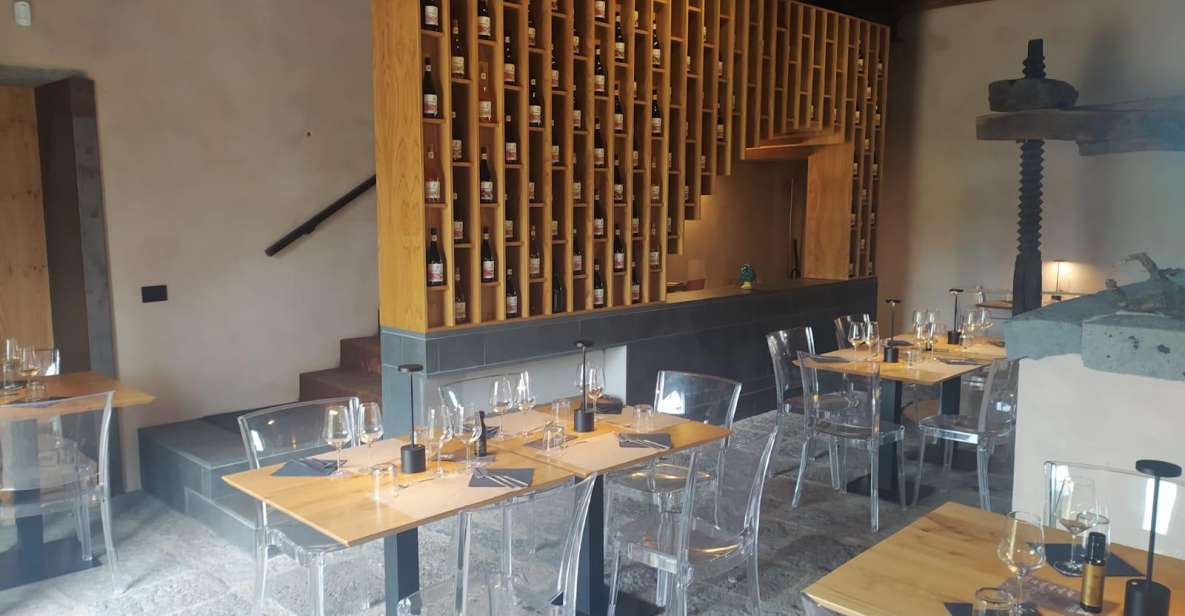
If you only stop for a tasting at a winery, it’s easy to leave with a few nice sips and no real understanding of how the wine gets there. What I like about this tour is the order. First you walk the vines, then you see the old pressing/processing structure (the palmento), and only then you taste. That sequence helps your brain connect grape, method, and flavor.
Etna wine can feel mysterious until someone explains the systems behind it. Here, you get a straight talk approach to what makes these wines “Etna” and not just “Italian white/red.” You’ll hear about organic cultivation in line with tradition, spontaneous yeast fermentation, and wines described as naturally sulfite-free. The practical takeaway for you: you’ll stop thinking in grape-label stereotypes and start tasting in terms of growing method and fermentation choices.
This is also a “learn and taste” style tour, not a lecture that you’re forced to sit through. You’re moving outdoors through the vineyard rows, and you’ll come back in for the tasting part with bread and olive oil.
You can also read our reviews of more food & drink experiences in Catania
Following the rows at the foot of Etna (and why ad alberello matters)
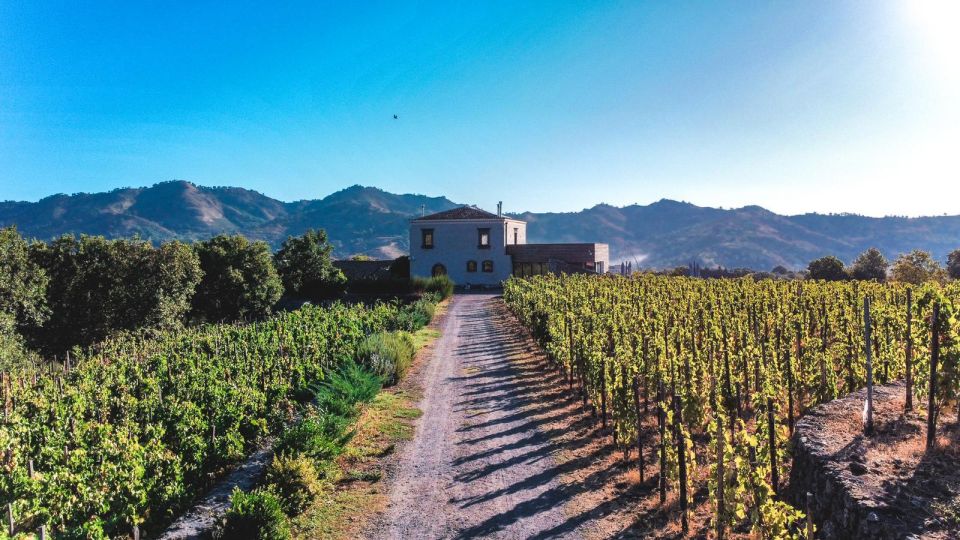
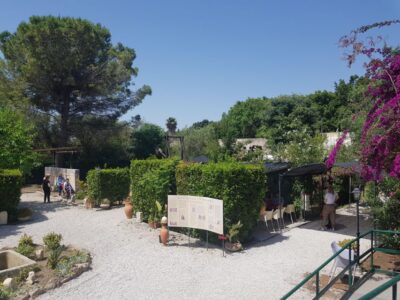
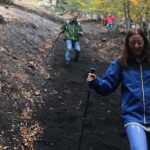
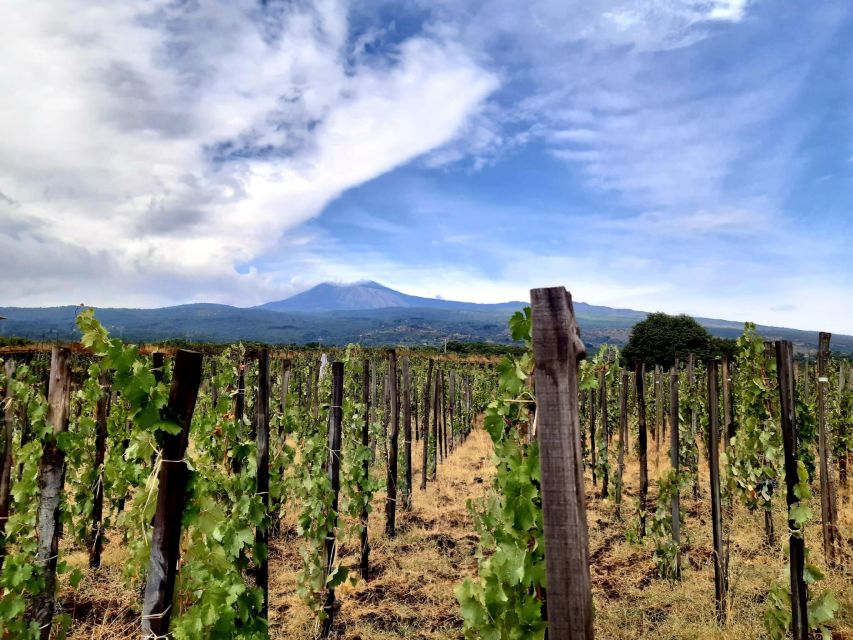
The vineyard portion is guided and done on foot, with about 75 minutes for the walking tour. You start from Via San Giuseppe in Linguaglossa, then head into the vineyard area (the meet-up point is clearly marked—follow the signs for Emilio Sciacca Etna Wine).
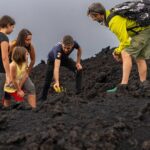
What you’re looking at is the ad alberello (sapling vine system). In plain terms, it’s a vine training shape that’s very much tied to Etna’s conditions and the way locals have worked these soils for generations. You can see it visually, and the tour includes a chance to see and touch the characteristic vine system. That’s one of the best “small” touches on any wine tour, because it turns a concept into something physical.
You’ll also get the tour’s sustainability framing while you’re still walking—organic and traditional cultivation, with a plastic-free approach described as part of the winery’s system. I like this kind of explanation because it’s not just marketing talk. When you see how they farm and how the vineyard is arranged, the sustainability claims become more believable.
One more practical point: even though it’s not a marathon, this is still a walk through vineyard ground. Wear shoes you’d happily get a little dusty in, and expect a tour pace that keeps things moving—this isn’t a slow sightseeing stroll.
The old palmento stop: where the past helps you taste today
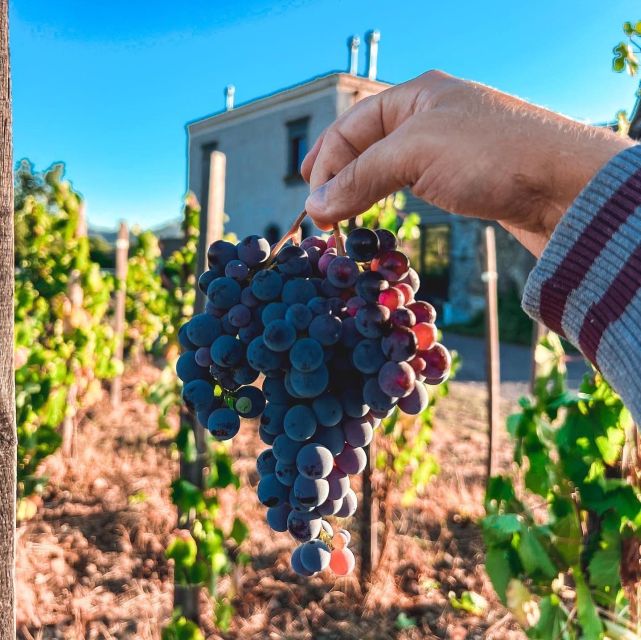
After the vineyard walk, you head back to an ancient Palmento, where the tour continues. This is the part that often separates a basic tasting from a genuinely memorable one: you’re not just tasting; you’re learning how wine production used to work in this landscape.
The palmento visit gives context for why Etna winemaking looks and feels the way it does. You’ll connect the technical claims from the vineyard with how fermentation and handling used to be done historically. For me, this step is what turns the tour into a “story you can repeat,” not just a set of flavors.
It also sets up the tasting portion nicely. When you’ve just looked at the old structure and heard about tradition, the technical tasting doesn’t feel abstract. It feels like the continuation of a craft—updated, refined, and still tied to place.
The tasting part: four Etna wines, guided like a mini workshop
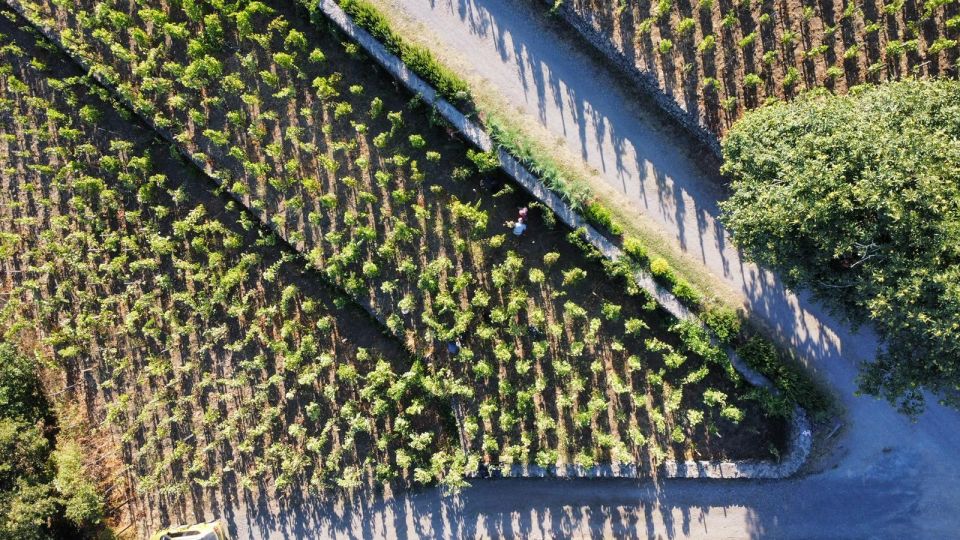
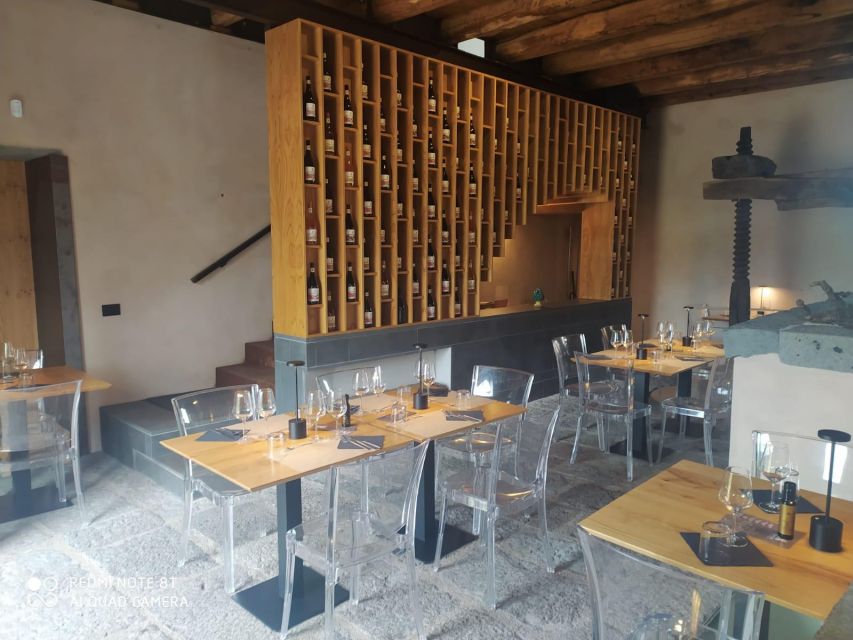
Once you reach the tasting area, the experience becomes more focused and “technical.” A sommelier leads you through tasting four wines, paired with bread and Etna olive oil.
Here are the wines named for the tasting:
- Giallomiccio Biancopiglio
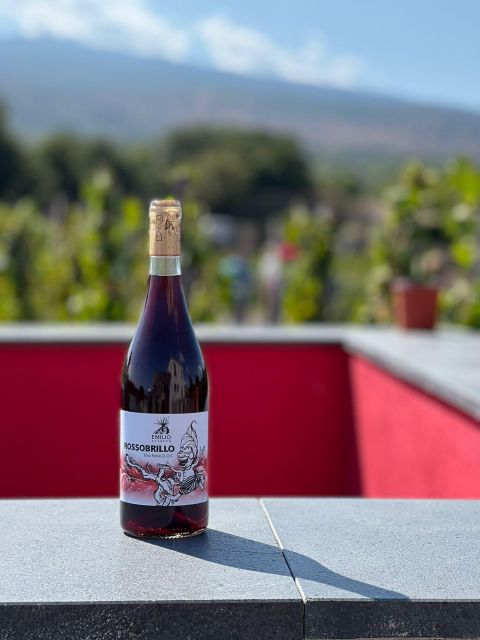
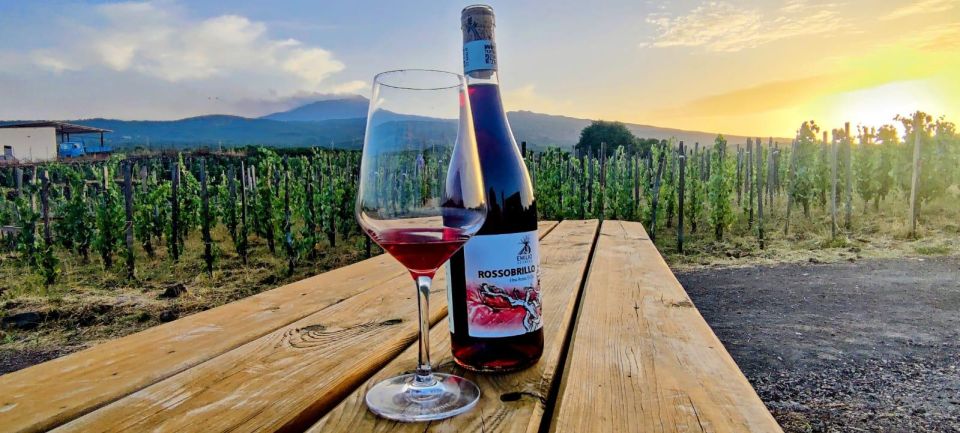
- Rossobrillo e Neromagno
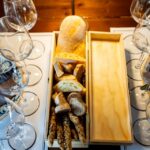
What I like about tasting with bread and Etna olive oil is that it gives you palate resets between pours. Bread helps you clear out lingering flavors without completely washing everything away. Olive oil adds a local, grounded comparison point—especially useful if you’re the type who wants to understand acidity, texture, and overall balance rather than just rate which glass you preferred.
And yes, I’d call this a sommelier-led, explanation-forward tasting. You’re not just given a list of varieties and told to swirl politely. You’re walked through the logic of the wines, including how cultivation and spontaneous yeast fermentation can show up in the glass. The tour also emphasizes naturally sulfite-free style, which is the kind of detail that can change what you notice once the guide points it out.
One consideration from a couple of experiences: the tasting is not about fortified wines. If that’s what you’re used to ordering, you may want to calibrate your expectations before you go.
What you get for $34: solid value if you want both context and wine
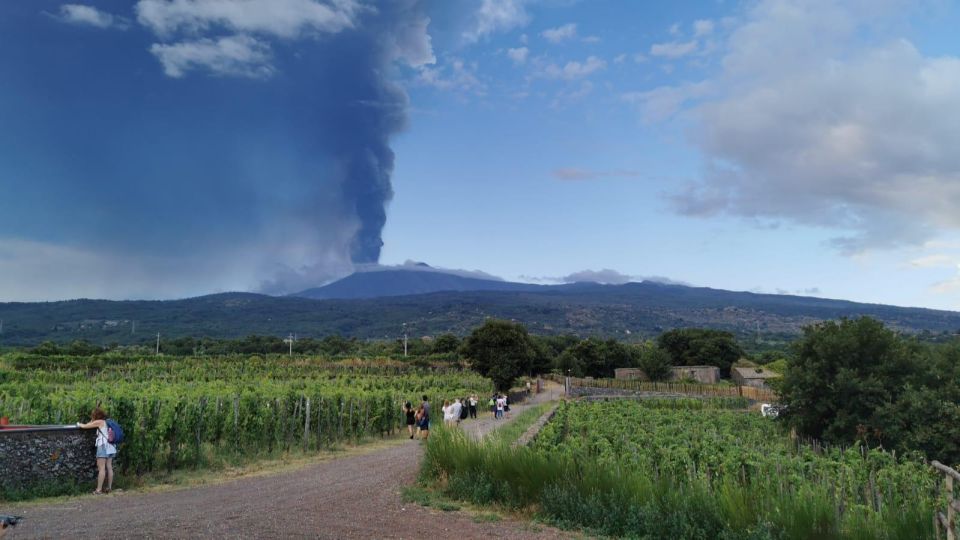
At $34 per person for about 100 minutes, this tour is priced like a focused, value-friendly Etna experience. You’re paying for three things at once:
1) a guided vineyard walk
2) a visit to an old palmento
3) a guided technical tasting of four wines, plus bread and Etna olive oil
If you think of that as “taste four wines + learn how they’re made,” it starts to feel fair quickly. Many tastings either focus on the pour with little context, or they focus on the property with only light tasting. Here, you get both.
Is it a full day? No. But the trade-off is the point. This is built for travelers who want a real understanding of Etna wine without sacrificing half their day to transport and long meals. In Sicily, that matters—your time can disappear fast if you book the wrong kind of experience.
Also, you’ll have multiple start times: 11:30 am and 3:45 pm. That flexibility helps you plan around lunch, heat, or other Etna-area activities you might have in mind.
You can also read our reviews of more wine tours in Catania



Timing and route: how the 100 minutes usually feels in real life
The total is 100 minutes, and the guided vineyard portion is about 75 minutes. That structure means you’ll likely feel the day “concentrate” into one steady block: walk, return, taste.
This is great if you like a clear rhythm and don’t want to wonder what’s happening next. It’s not ideal if you prefer super slow pacing or if you’re hoping to linger for photos for long stretches. The tour is accessible in the sense that it’s wheelchair accessible, but it’s still a walking-focused experience, and it’s not suitable for pregnant women.
A small practical note: one guide-focused experience also mentioned that the road leading to the structure could use attention. Translation for you: expect that getting to the tasting area may involve some uneven access. Comfortable shoes and a calm attitude will smooth the experience.
Language and guide style: you’ll get explanations, not just facts
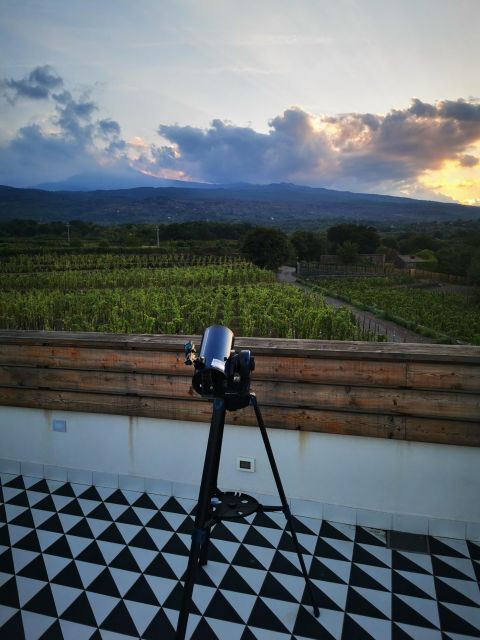
The tour runs with a live guide in Italian, English, and Spanish. That matters because this is a technical tasting and vineyard explanation. If you can follow the guide clearly, the experience clicks much faster.
Guides can make or break a wine tour. In the experiences I reviewed, names like Anna and Vincenzo/Vincent came up as standouts, with special praise for how well they explained wine-growing and the tasting process. So if you’re the type who learns best through conversation, this format should fit you.
Also, the vibe is practical. You’re not just hearing romantic stories about wine—you’re learning how decisions in cultivation and fermentation relate to what you smell and taste.
Who should book this Etna wine tour (and who should skip it)
Book it if:
- You want Etna-specific wine education in a short time
- You like the idea of walking the vineyard and then tasting in context
- You enjoy technical explanations and pairing small bites to understand the wines
- You want a guided experience with named wines like Giallomiccio Biancopiglio, Rossobrillo, and Neromagno
Skip it (or at least rethink) if:
- You want a long, leisurely countryside day
- You’re specifically looking for fortified wines
- You’re traveling in a situation where the tour is not suitable (it’s not suitable for pregnant women)
Should you book the Emilio Sciacca Etna Wine tour?
I think you should book this tour if you’re visiting Sicily and you want a meaningful Etna wine experience without a half-day commitment. The value is strong because you get the vineyard, an old palmento, and a guided technical tasting of four wines, plus bread and Etna olive oil, all wrapped into 100 minutes.
The main “check yourself” items are expectation and style. It’s focused and short, not a relaxed wine cruise. And the tasting isn’t built around fortified wines, so come for the natural, organic, spontaneous-yeast Etna story rather than that older-school heavy-style experience.
If you like your travel with structure—and you want to leave with something you can actually explain—you’ll likely enjoy this one.
FAQ
How long is the wine tour?
The tour duration is 100 minutes.
What is included in the tasting?
You’ll taste four different wines, paired with bread and Etna olive oil.
Do I visit the vineyard and the old palmento?
Yes. The experience includes a guided vineyard visit and a visit to an old palmento.
Where do I meet for the tour?
The meeting point is Via San Giuseppe. You should follow the signs for Emilio Sciacca Etna Wine.
What time does the tour start?
The tour starts at 11.30 am and 3.45 pm, depending on the scheduled option you choose.
What languages are available with the live guide?
The live tour guide offers Italian, English, and Spanish.
Is the tour wheelchair accessible?
Yes, the tour is wheelchair accessible.
Is it suitable for pregnant women?
No, the tour is not suitable for pregnant women.
What is the cancellation policy?
You can cancel up to 24 hours in advance for a full refund.