REVIEW · SICILY
Guided Trekking on Etna and Visit of the Snow Cave
Book on Viator →Operated by Sicily in Travel · Bookable on Viator
That first step onto Etna hits different. This guided hike mixes volcano viewpoints with hands-on geology, from Sartorius craters to a lava flow cave and the famous snow cave. I love that it stays manageable—easy trekking along a route of up to 6 km—while still feeling like a real adventure. I also like that the group is capped at 15, so your guide can slow down and explain what you’re seeing. One thing to consider: it’s weather-dependent, so if conditions are poor, your date may change.
You’re meeting in Zafferana Etnea at 9:30 am and returning back to the same spot. This is a strong pick if you want “Sicily postcard” scenery with actual volcanic features you can walk through, not just a quick lookout stop.
In This Review
- Key highlights worth planning around
- Why Zafferana Etnea is the smart starting point
- The 9:30 am format and what “6 hours” feels like
- Sartorius craters: the geology lesson you can walk through
- Lava flow cave tunnels: where Etna goes underground
- The snow cave: the weird-and-wonderful twist
- Guide quality and small-group advantages (and why they matter)
- Pace, distance, and who this is really for
- Price and value: what $151.26 really buys you
- What to bring and how to set yourself up for comfort
- Logistics that keep the day easy
- Should you book this Etna trek with the snow cave?
- FAQ
- Where does the guided trek start?
- What time does the experience begin?
- How long is the tour?
- How far do we walk?
- What are the main sights included?
- What’s included in the price?
- Is lunch included, and what if the weather is bad?
Key highlights worth planning around
- Sartorius craters on the Etna route: see past and present volcanic activity up close.
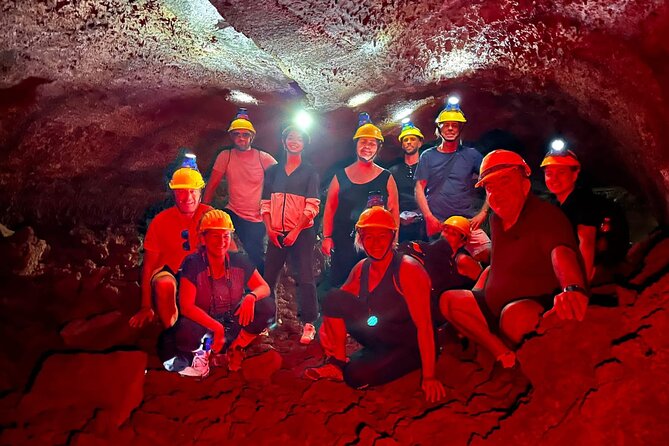
- Lava flow cave tunnels: walk through the kind of space lava leaves behind when it cools and solidifies.
- Snow cave visit: the contrast of warm volcanic slopes and a cool, cave-like stop is part of the magic.
- Up to 6 km, easy trek pace: long enough to feel like a tour, not so long that it turns into a grind.
- Small group max of 15: more questions answered, less rushing, better pacing.
Why Zafferana Etnea is the smart starting point
Zafferana Etnea is a practical base for Etna. It’s close to where the volcano experience begins, which matters when your day is about 6 hours total. Starting at a clear address (95019 Zafferana Etnea) also keeps things simple: you know where to be and you’re not trying to decode a distant meeting point.
I like that this tour loops back to the meeting point at the end. After you finish the caves and viewpoints, you’re not figuring out how to get “somewhere else.” You just go back to where you started and recover like a normal person.
You can also read our reviews of more guided tours in Sicily
The 9:30 am format and what “6 hours” feels like
The tour starts at 9:30 am and runs about 6 hours. That time window is a sweet spot. It’s long enough to include multiple Etna features—craters, cave terrain, and the snow cave—but not so long that you’re spending your whole day in transit.
Also, it’s an easy trek. The route is up to 6 km, which is helpful if you’re not looking for a major fitness challenge. Still, volcanic ground isn’t smooth like a park path. Even with an easy label, you’ll want to move steadily and pay attention to footing—especially when the route includes cave entrances and uneven terrain around lava formations.
Sartorius craters: the geology lesson you can walk through
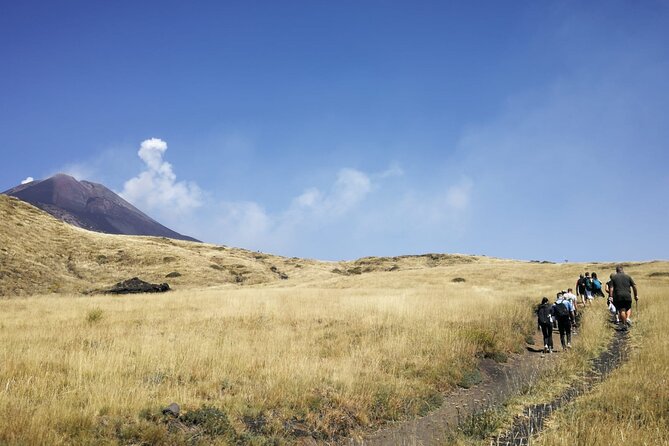
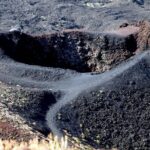
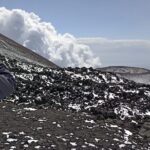
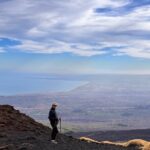
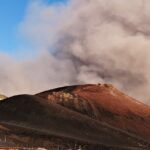
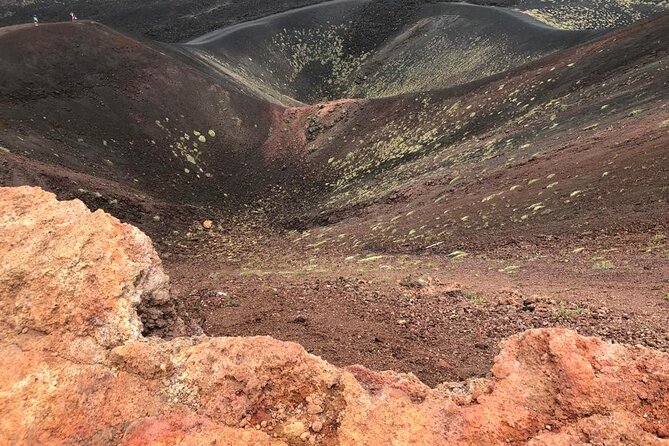
The first big highlight is the Sartorius craters. This is the moment when Etna stops being a silhouette in the distance and becomes a physical landscape you can inspect. The tour frames the craters as a chance to admire past and present volcanic activity up close, and that’s exactly what makes it valuable.
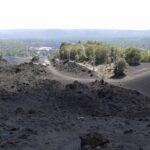
This isn’t just “look at rocks.” You’re on the ground where volcanic processes created features over time. That perspective changes how you see the rest of the day. After you spend time near the craters, the lava cave stop makes more sense, because you’re connecting the cause (volcanic activity) to the result (solidified lava formations and underground spaces).
If you like learning while you walk, this is where the guide can do their best work—explaining how Etna’s activity shaped what you’re seeing right now.
Lava flow cave tunnels: where Etna goes underground
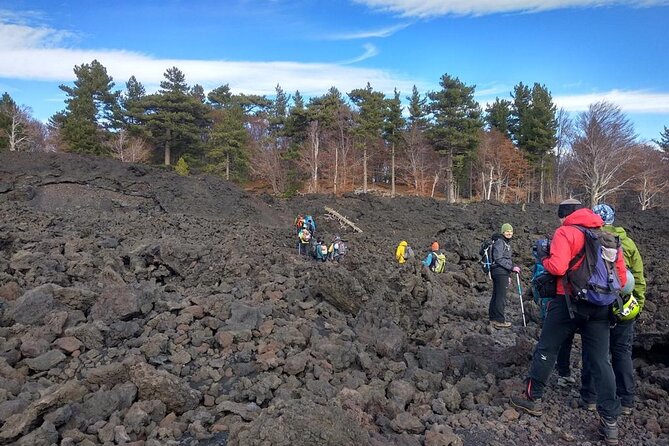
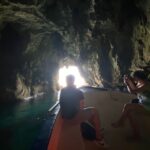
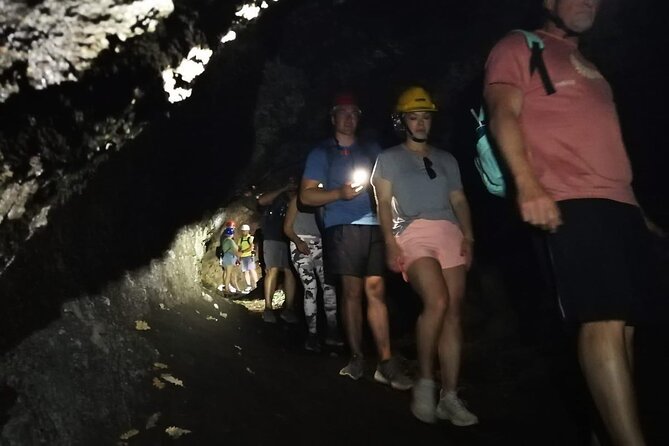
Next comes the lava flow cave. This part of the experience focuses on tunnels formed when lava solidified over the years. That detail matters. You’re not visiting a random cave; you’re seeing a volcanic “factory” effect—how lava moves, cools, and leaves behind a hollow structure.
And yes, it feels different underfoot and around your headspace. The tour includes helmets, which is a clear signal that safety and practical comfort are part of the design. It’s also a nice reassurance if you’re a little nervous about cave conditions. You’re not showing up with nothing but curiosity.
What I like about this stop is the contrast. You go from crater viewpoints (open sky, big views) to enclosed tunnels (scale down, focus up on rock textures and shapes). It’s a mental reset—one that helps you remember Etna as more than “a hike on a volcano.”
The snow cave: the weird-and-wonderful twist
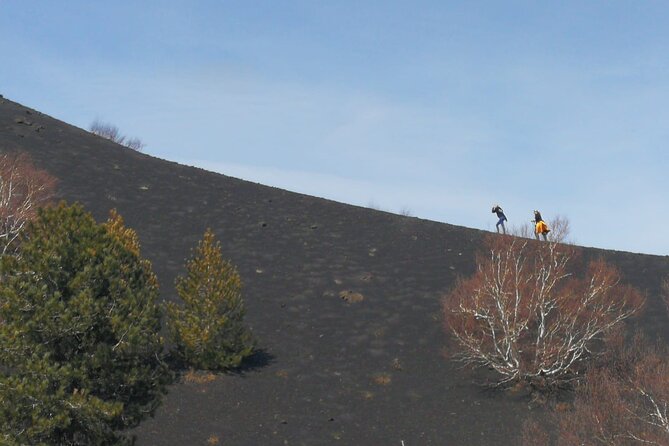
Then you get to the snow cave. The name alone makes you pause, because it sounds like something out of a mountain storybook. The tour includes it as part of the overall Etna adventure, and the effect is a strong sense of variety: volcano on top, cool environment below.
In practical terms, this kind of stop is what turns a good outing into a memorable one. It’s not just another crater photo. It’s a curveball that makes the whole day feel like one continuous discovery rather than a checklist.
If you care about experiences with contrast—hot rock, cool cave, bright light, dim interiors—you’ll probably love how this fits into the timing and flow.
You can also read our reviews of more hiking tours in Sicily
Guide quality and small-group advantages (and why they matter)
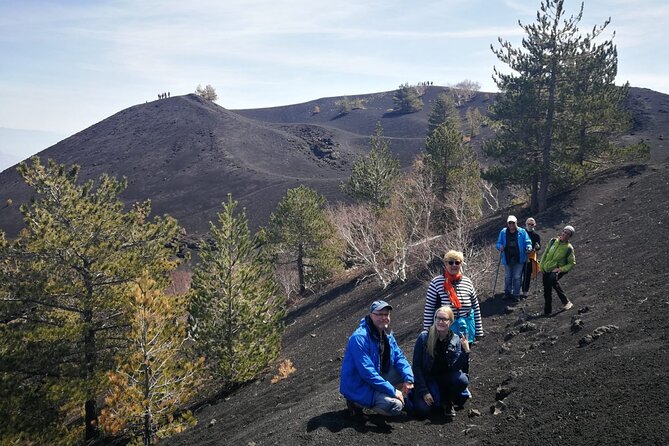
This tour operates with a maximum of 15 travelers, and that’s a real advantage on Etna. With smaller groups, the guide can manage pace on uneven ground, and you get time to ask questions instead of sprinting to the next photo spot.
You also see evidence of thoughtful planning through the guide support. One standout detail: Iolanda from Sicily in Travel is mentioned as helpful when planning and matching the right tour for your needs. That matters because Etna days can be a bit different depending on weather and conditions. Having support in picking the right option makes the day smoother.
Another guide name shows up in the experience as well: Mariagrazia. Her approach is described as attentive and very prepared, including historical-cultural context along with the geography and volcanic explanations. Even if you don’t memorize every fact, that kind of guide style improves the walk. You’re less likely to feel like you’re passing through scenery without understanding why it looks that way.
Pace, distance, and who this is really for
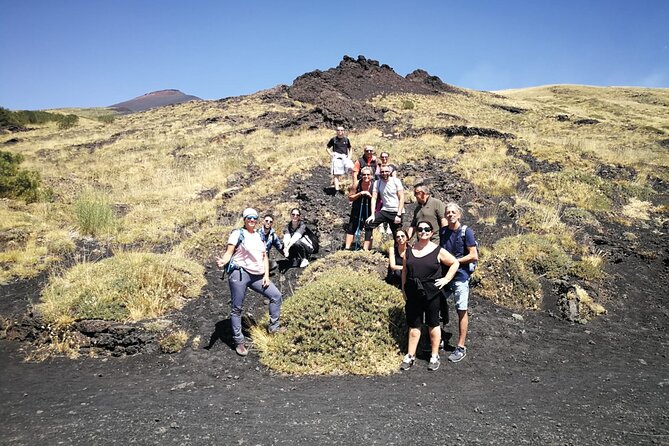
The trek is described as easy, with a route up to 6 km and a total time around 6 hours. That combination suits a lot of people: couples, solo travelers, and small groups who want an active day without signing up for a full-day endurance event.
It’s also listed as suitable for most travelers. Service animals are allowed, and it’s near public transportation, which can help if you’re not bringing a private car.
That said, cave and crater terrain are still terrain. If you struggle on uneven ground or feel uncomfortable around confined spaces, you’ll want to gauge your comfort level before booking. The tour provides helmets and includes insurance, which helps, but your personal mobility and comfort still matter.
Price and value: what $151.26 really buys you
At $151.26 per person, this tour isn’t the cheapest way to see Etna, but it’s also not priced like a luxury vehicle-and-chef day. The value comes from what’s included and what the day is designed to cover.
Here’s what you get in the price:
- All fees and taxes
- Insurance
- Helmets
What’s not included:
- Lunch
- Private transportation
So you’re paying for guided access and safety gear, plus the structure of a half-day volcanic route that includes multiple specific stops (craters, lava cave, snow cave). The helmet detail alone can save you effort—why carry gear you might not use later?
The group size cap also feeds into value. You’re not paying for a “big bus herd.” You’re paying for a guide-led experience with enough time to actually look.
If you already plan to arrive by public transport and you’re okay handling lunch on your own, the cost makes sense. If you want lunch and transportation handled end-to-end, you’ll likely spend extra elsewhere.
What to bring and how to set yourself up for comfort
The tour covers safety gear and guidance, so you don’t need to overthink it. But you’ll still want to prepare for the reality of Etna trekking and caves:
- Plan on walking on uneven volcanic ground.
- Dress in layers. Mountain weather can shift, and caves can feel cooler than the air outside.
- Bring water for the day (lunch isn’t included).
- Eat beforehand or plan a post-tour meal, because lunch isn’t part of the package.
Even with an easy pace, you’ll use your legs. A little prep makes the day feel fun instead of tiring.
Logistics that keep the day easy
This is a guided tour that starts at 9:30 am in Zafferana Etnea (95019). It ends back at the meeting point, which reduces the headache factor at the end of a volcano day.
Your confirmation happens at booking time, and the tour notes that it requires good weather. That’s not a surprise for Etna. What matters is how you handle it: keep your plans flexible, and have a backup date in mind if conditions force a change.
Should you book this Etna trek with the snow cave?
I’d book it if you want a full-feeling Etna day with variety: craters, lava tunnels, and the snow cave in one guided route. The small-group cap, included helmet gear, and focus on real volcanic features make it a strong choice for people who like their Sicily with more than just views.
Skip it (or at least think twice) if you can’t handle cave conditions or uneven volcanic paths, or if your schedule is strict and you can’t shift plans if weather cancels or changes the date. For everyone else, this is exactly the kind of structured, hands-on nature experience that makes you feel like you actually understood the place you visited.
FAQ
Where does the guided trek start?
The tour starts at 95019 Zafferana Etnea, Metropolitan city of Catania, Italy.
What time does the experience begin?
It starts at 9:30 am.
How long is the tour?
The duration is about 6 hours.
How far do we walk?
The trek route is up to 6 km.
What are the main sights included?
You’ll visit the Sartorius craters, a lava flow cave (with lava-formed tunnels), and the snow cave.
What’s included in the price?
The price includes all fees and taxes, insurance, and helmets.
Is lunch included, and what if the weather is bad?
Lunch is not included. The experience requires good weather; if it’s canceled due to poor weather, you’ll be offered a different date or a full refund.